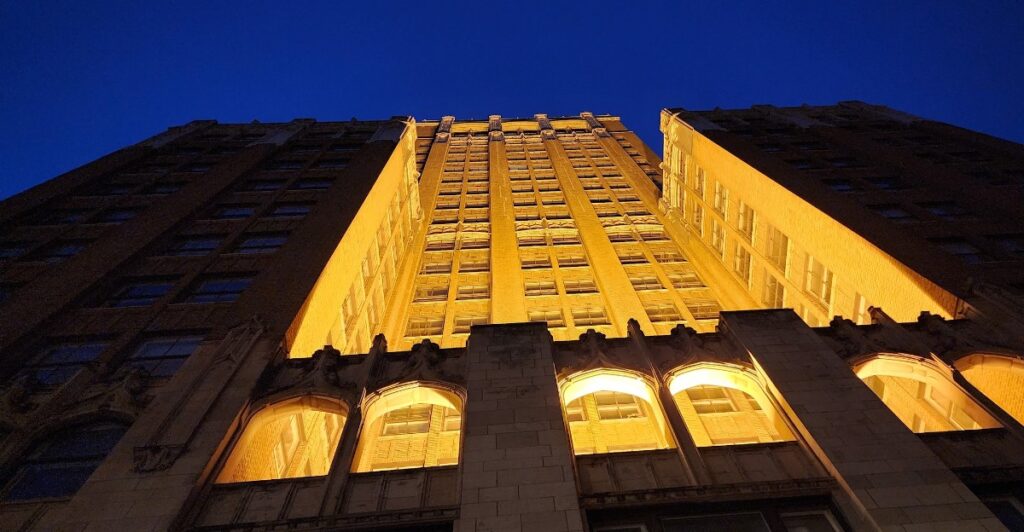
Downtown Tulsa hides one of its best stories behind a set of heavy brass doors.
Most people hurry past on the sidewalk without a second look.
The ones who stop and step inside find an ornate lobby, a ceiling that earns a long look upward, and a small museum tucked in the back.
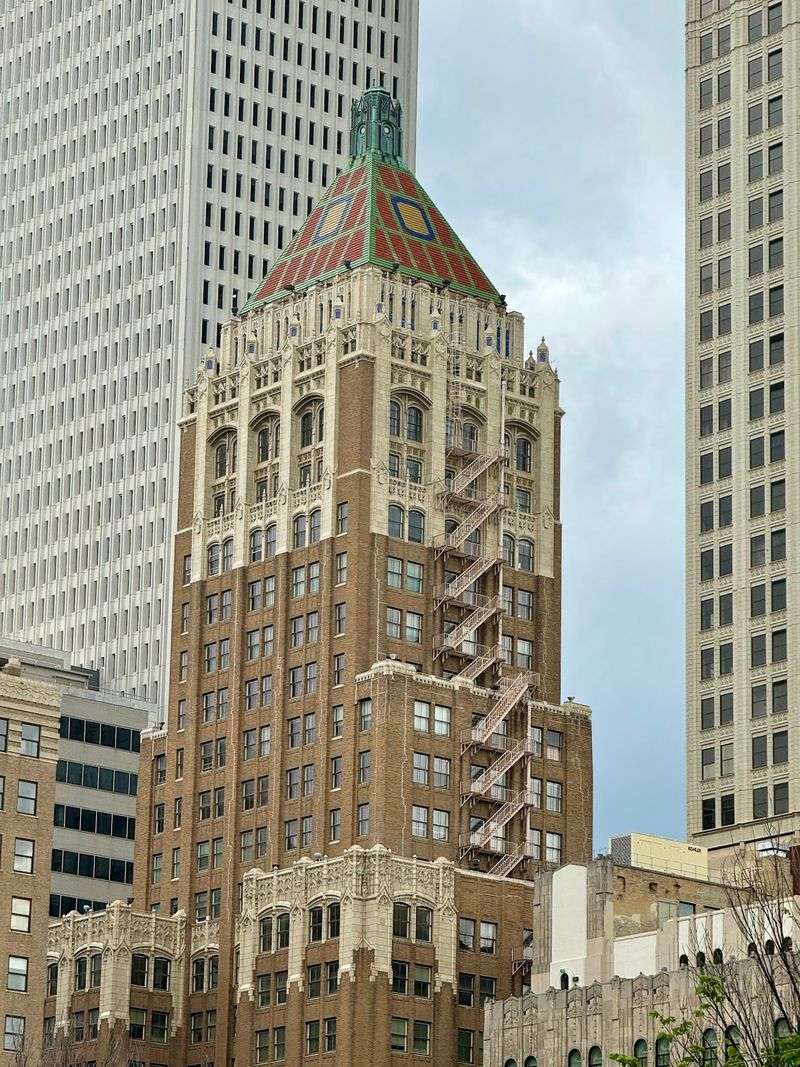
Above it all, a colorful tile roof topped with a lantern watches over the city like a crown.
The building ties together an oil family, the Boy Scouts, a famous ranch in New Mexico, and Tulsa’s golden age of Art Deco design.
Best of all, peeking inside the public spaces costs nothing on a weekday.
Keep reading to learn who built it, what to look for once inside, where the tunnels fit in, and how to plan a free family stop that proves Oklahoma has big-city style.
1. A Tower on Boston Avenue
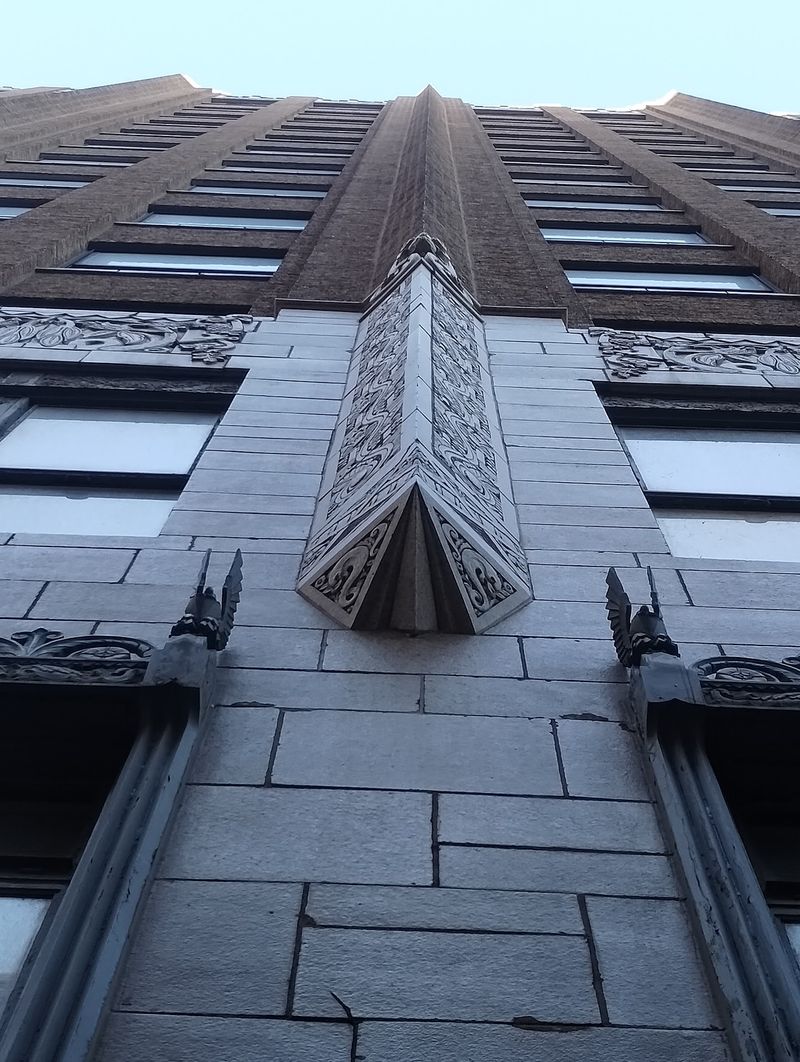
Tulsa’s skyline has plenty of tall buildings, but one wears a colorful hat.
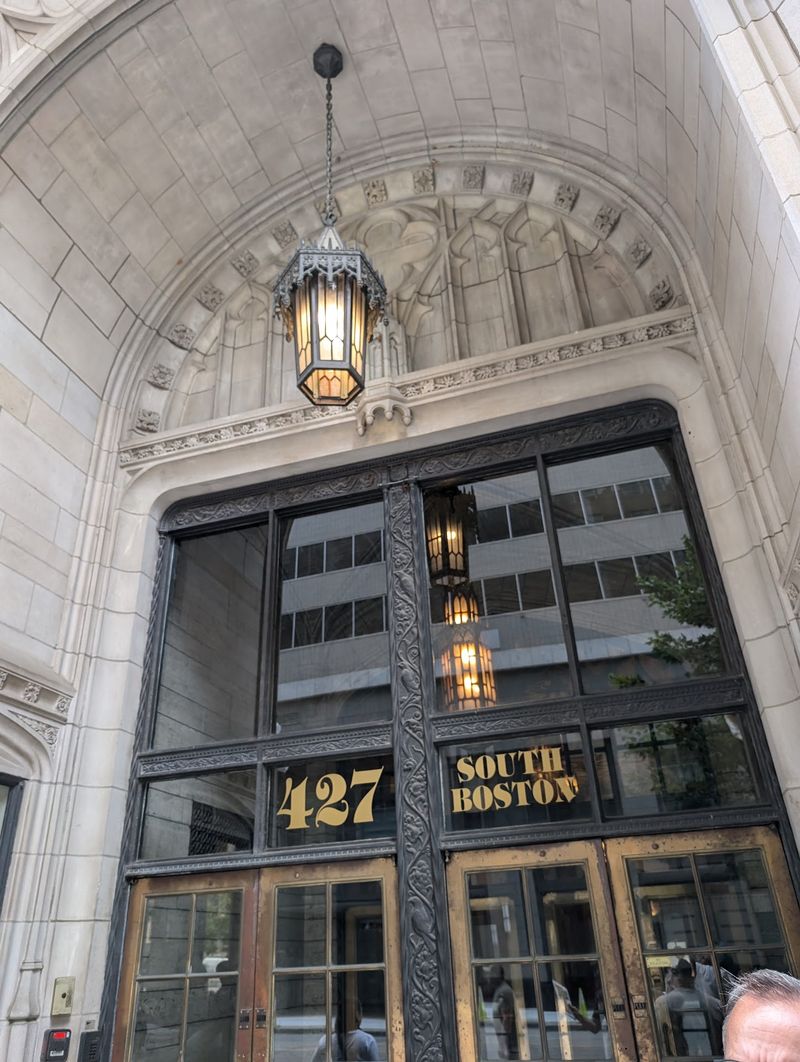
The Philtower Building stands at 427 S Boston Ave #103, Tulsa, OK 74103, right in the heart of downtown Tulsa, Oklahoma.
It is listed as a historical landmark, and it still works as a living building today.
Offices, apartments, and small businesses share its floors with a little museum and a grand lobby.
The look is hard to pin down at first.
Some describe it as somewhat Gothic, while others call it pure Art Deco, and both camps have a point.
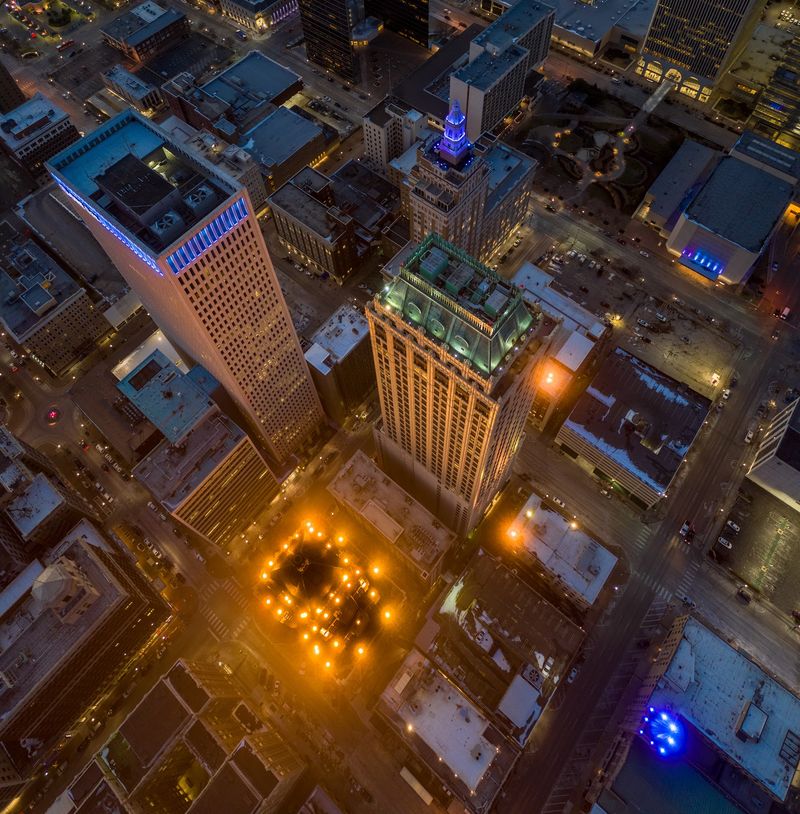
Its pointed, vertical lines reach up toward a sloped tile roof crowned with a lantern.
That top piece makes the tower easy to spot from several blocks away.
Many locals name it their favorite building downtown.
Some go further and call it the most pleasing building in the whole city center.
For Oklahoma families who like to prove their state has more than wide prairie, this is an easy place to start.
It sits within walking distance of other historic downtown buildings, so one stop can turn into a full afternoon.
The best part waits just past the sidewalk, behind those famous doors.
2. Oil Money and Waite Phillips
Every grand building has a backer, and this one had a famous name.
The tower was built for Waite Phillips, a member of the well-known Phillips family whose fortune came from the oil business.
The name itself is a clue.
Philtower blends the family name with the word tower, a simple way to put a signature on the skyline.
Phillips also had a home in Tulsa that later became the Philbrook Museum.
That connection matters because the story of the family runs through both places.
The small museum inside the Philtower helps explain those links.
It covers the Phillips family, their time living at the home that became Philbrook, and the building’s later years.
Plenty of people come for the architecture and leave with a history lesson.
Friends of residents often mention hearing stories about the man behind the building during their visits.
Oil shaped Tulsa in the early twentieth century, and this tower is one of the clearest reminders of that boom.
Its fine details show how much the era’s leaders wanted their city to look polished and proud.
The next chapter, though, moves the story far beyond Oklahoma.
3. The Boy Scouts Connection
Here is a twist few people expect.
Waite Phillips gave the Philtower to the Boy Scouts.
The gift had a practical purpose.
Phillips had also given the Scouts Philmont, the large ranch property, and income from the building could help them afford its upkeep.
That arrangement links a Tulsa office tower to one of the best-known Scout properties in the country.
It is a fun fact worth sharing with any young Scout in the car.
The Scouts later sold the building in the 1970s.
Even so, that chapter remains part of the tower’s identity and is covered in the small museum in the back.
Kids who are in Scouting tend to light up at this part of the story.
A building in their own state helped support camping trips and adventures for generations of Scouts.
Parents can turn it into a quick lesson about giving back.
A businessman used a skyscraper to keep a ranch running for young people.
It is a good reminder that buildings carry stories beyond their bricks.
And the next part of the visit starts right at the front entrance.
4. Those Heavy Brass Doors
First impressions start at the threshold.
The Philtower greets guests with heavy brass doors that open straight off the downtown sidewalk.
People who arrive with no idea what to expect often say the place wins them over the moment they pass through.
The entry sets the tone for everything inside.
There is something charming about a front door that feels like part of the show.
It turns a regular building entrance into the opening scene of a history tour.
One tip for anyone who shows up on a weekend: the doors may be closed.
Some people have only managed to peer through the glass into the ornate lobby because they came on an off day.
Even a peek offers a taste of the craftsmanship.
Still, the full experience requires timing a visit during open hours.
The doors also frame a great family photo.
A quick snapshot outside makes a nice record of the day before heading in.
Once those doors swing open, eyes tend to drift upward fast.
5. An Ornate Lobby Worth the Trip
Nobody needs an appointment to have their jaw drop in the lobby.
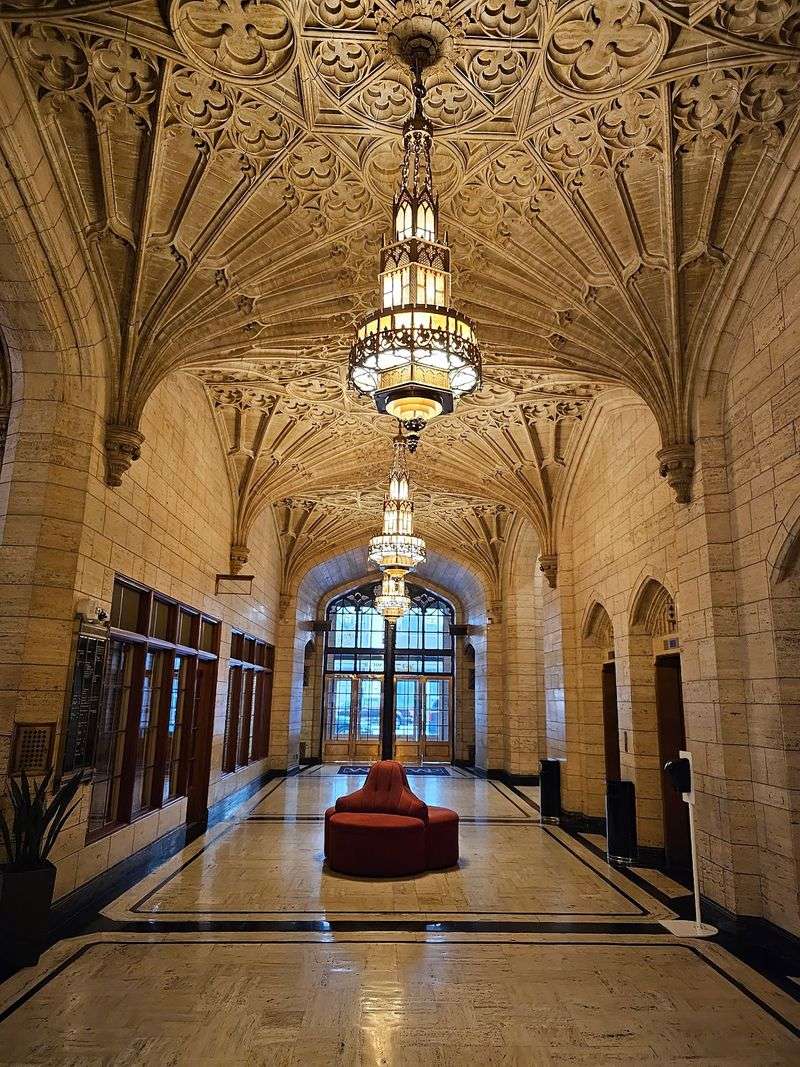
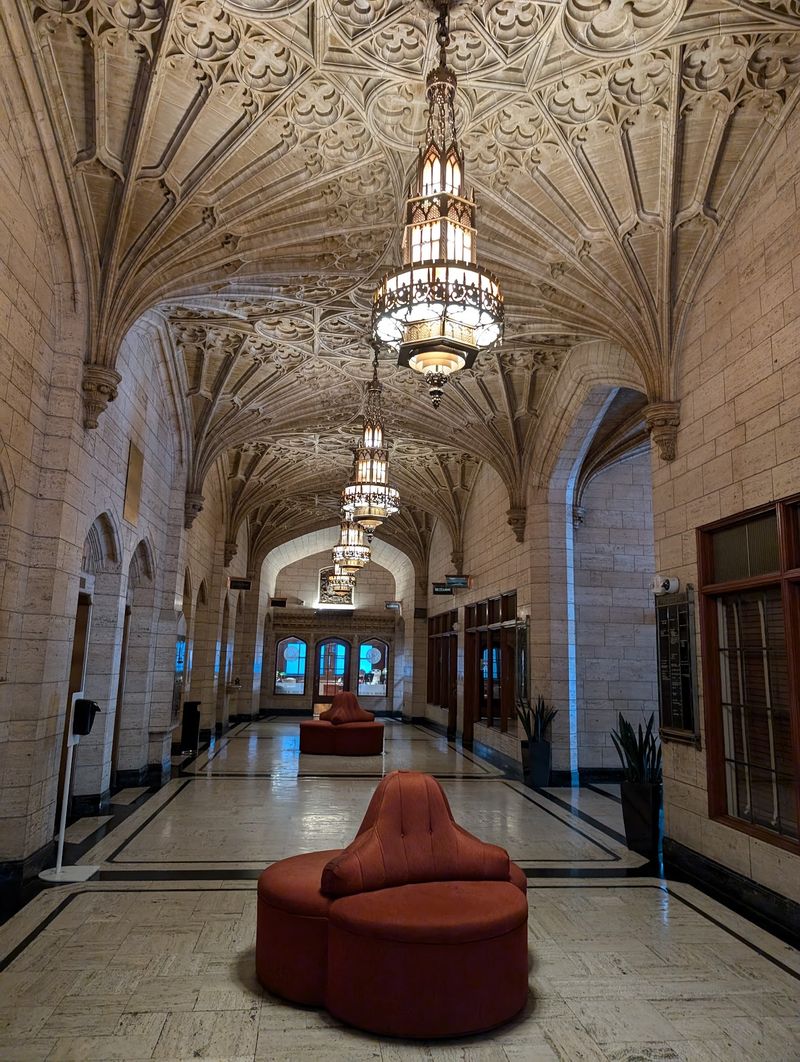
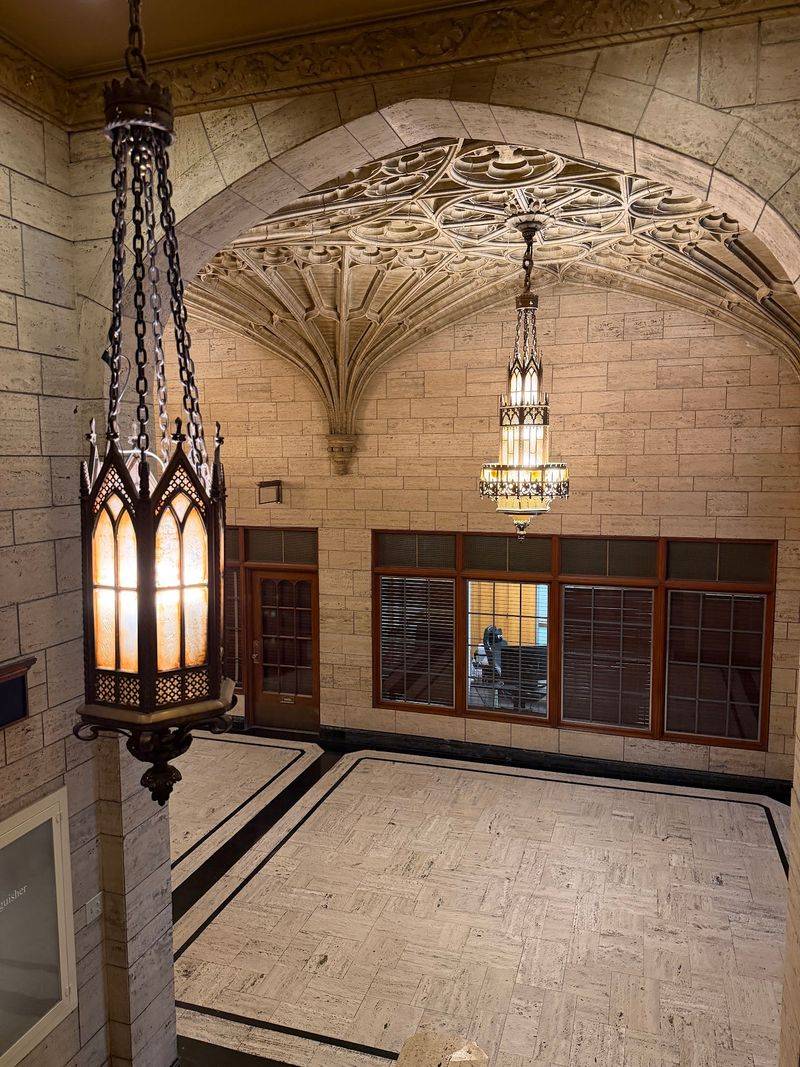
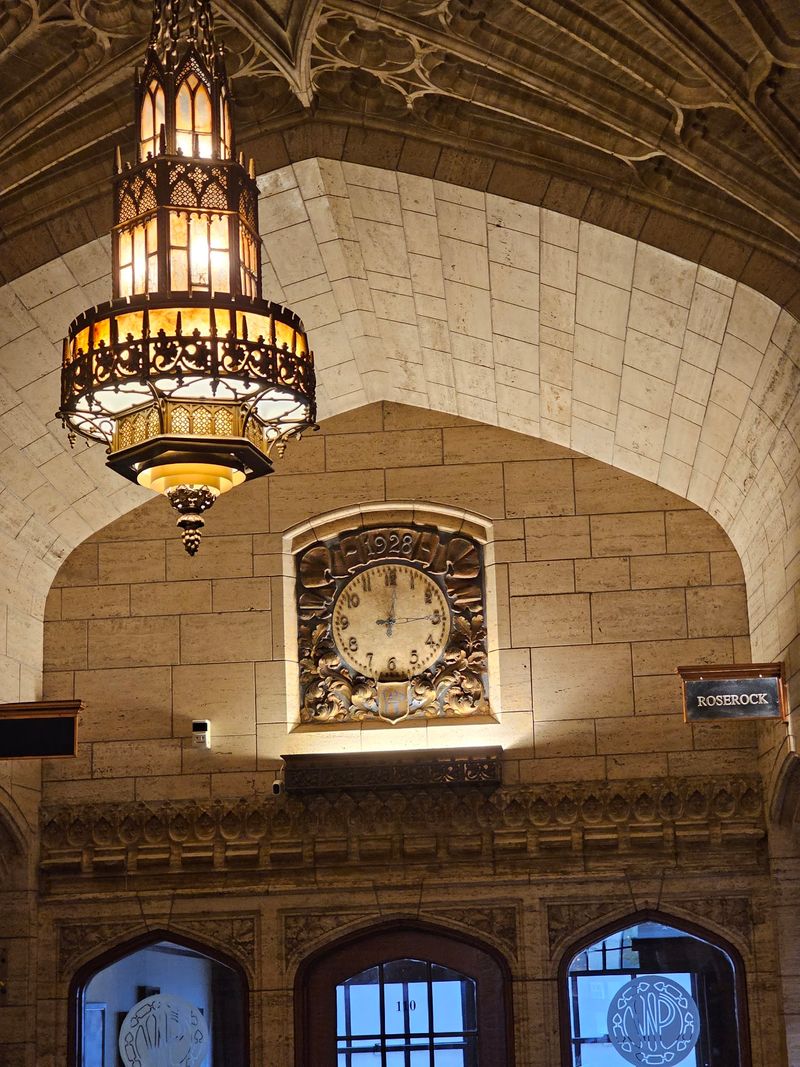
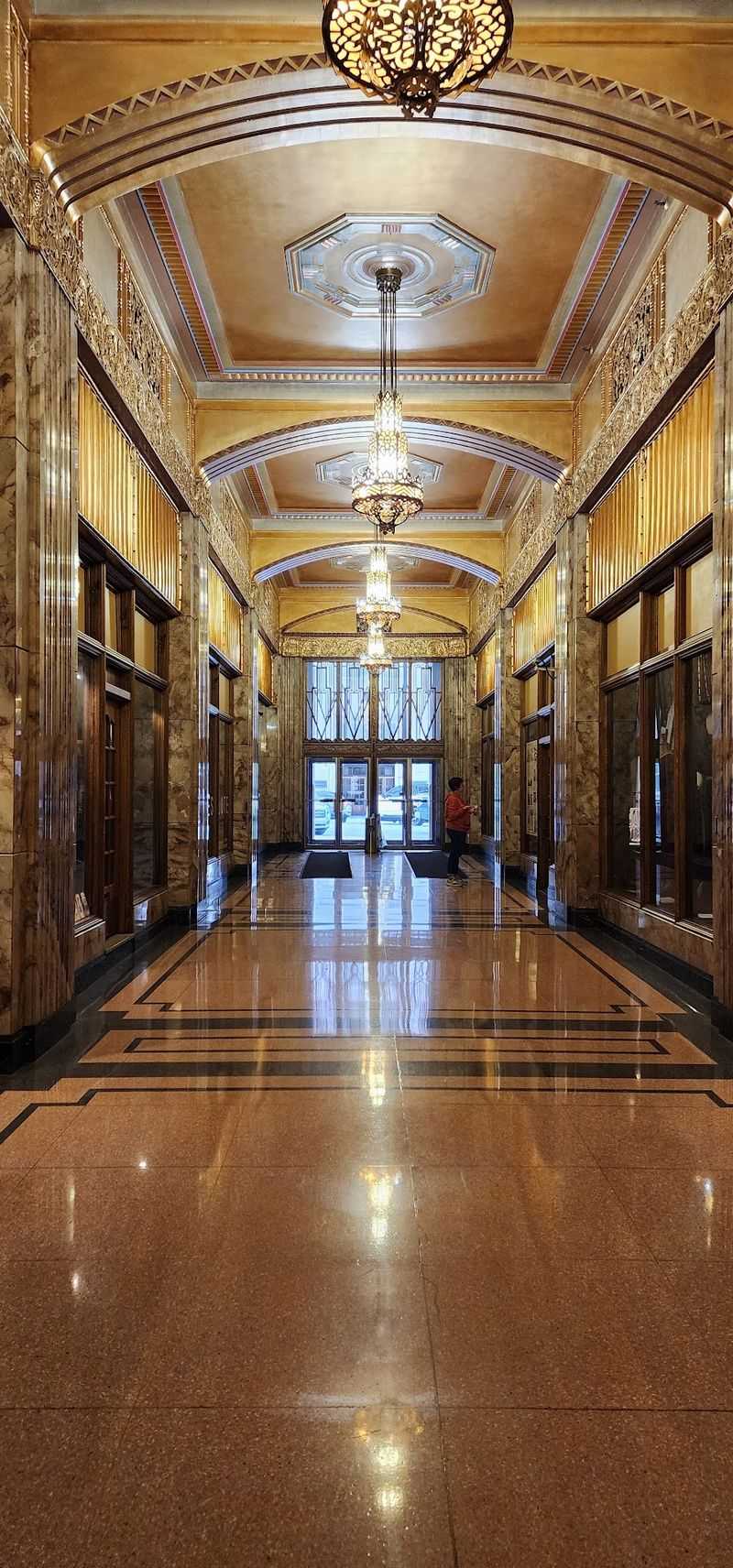
The interior is ornate from top to bottom, with design details that show off true master craftsmanship.
The ceiling gets special attention.
Many people call it the highlight of the space, so it pays to stand still and look up for a minute.
Comparisons to the great buildings of New York and Chicago come up often.
That is high praise for a lobby in the middle of Oklahoma, and it fits.
The design reflects an era that is long gone.
Few modern buildings put this much effort into a space people simply walk through on their way to work.
Families can make a game of it.
Kids can count patterns, hunt for repeating shapes, or pick a favorite detail to sketch later.
The lobby is also kept very clean, which makes it pleasant for slow looking.
Staff and residents tend to be friendly to curious guests.
Respect goes a long way here, since people live and work in the building.
Keep voices low, snap photos politely, and let the architecture do the talking.
6. Gothic Lines Meet Art Deco Flair
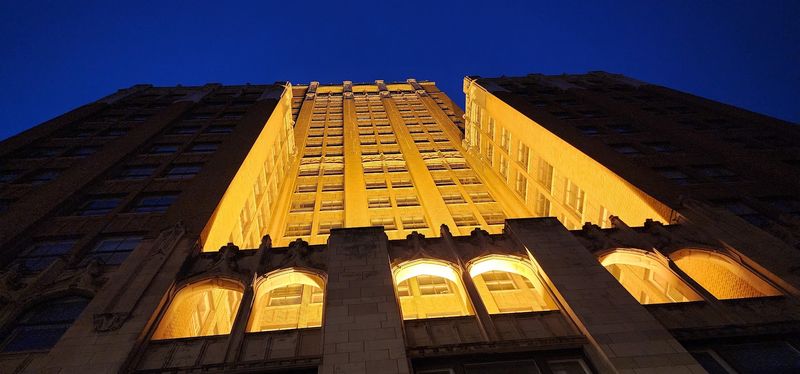
Architecture fans could spend an hour just on the outside.
The Philtower blends Art Deco style with a somewhat Gothic shape, which gives it an unusual and memorable appearance.
Architecture is the single most talked-about feature of the building.
Art Deco comes up right behind it.
The roof is the showstopper.
A colorful tile roof caps the tower, and a lantern sits on the very top.
That roofline helps the building stand apart from its neighbors.
Many downtown towers end with a flat top, but this one finishes with real personality.
Tulsa is famous for its Art Deco collection, and this tower is one of the reasons why.
It is often called one of many beautiful old buildings downtown, each worth the walk.
For a fun family challenge, try spotting the lantern from different street corners.
It becomes a handy landmark when wandering the area.
Bring a camera with a zoom if possible.
The details near the top are easy to miss without a closer view, and they reward the effort.
7. A Small Museum in the Back
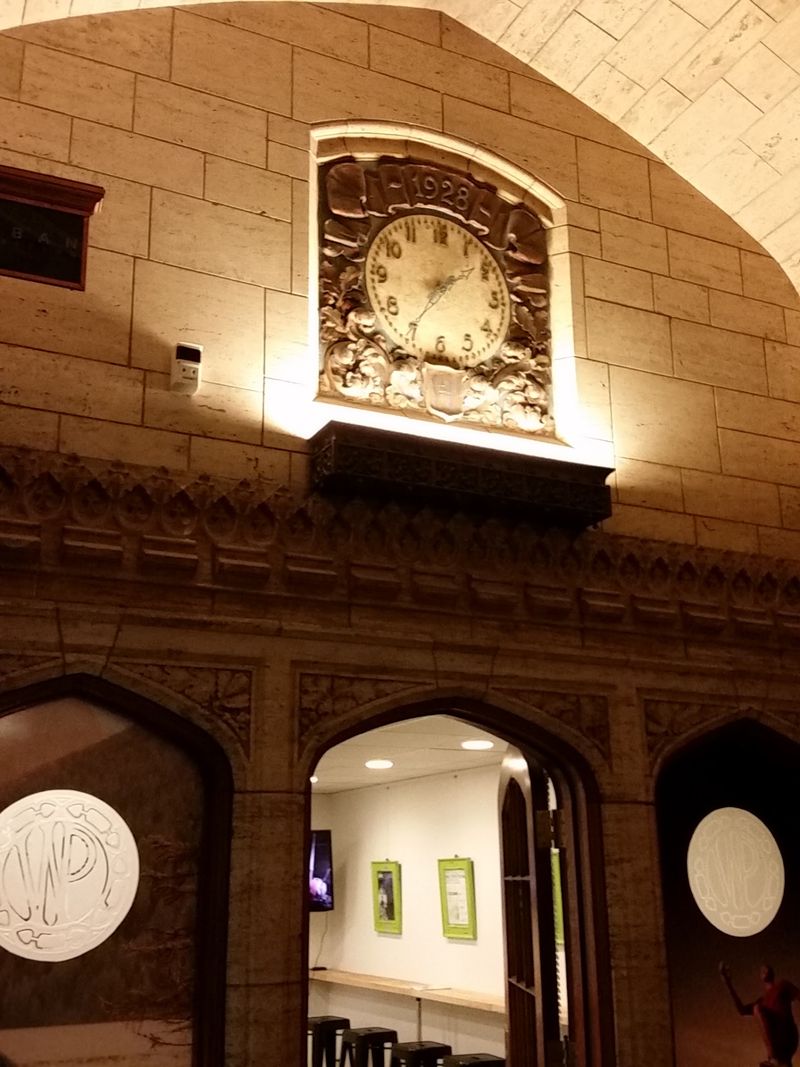
Tucked behind the grand lobby is a surprise that many people miss.
A small museum sits in the back of the building.
It covers the Phillips family and their story.
Topics include the family’s years at the home that became the Philbrook Museum and the period when the tower belonged to the Scouts.
The exhibits pack a lot into a compact space.
Families who stop in often leave saying there was more to learn than expected.
It works well for kids with short attention spans.
The room is small enough to explore without getting tired, yet full enough to spark questions.
Since the museum ties into Philbrook, it can also inspire a second outing.
Seeing both places helps the Phillips family story click into place.
The museum is part of what makes this landmark feel more than a pretty lobby.
It gives context to every detail seen on the way in.
Ask at the front desk if the museum location is unclear.
Staff are known for pointing people in the right direction.
8. Secrets of the Seventh Floor
Here is a tip that turns a quick look into a deeper visit.
Ask about the 7th floor.
Guests who make that request can learn more about key features of the original design.
It is a simple question that opens up extra history.
Not every building lets curious people discover more by asking.
That friendly approach is part of the Philtower’s charm.
Because the building is home to offices and residents, access to upper floors may depend on the day and staff availability.
Polite requests work best.
The front desk is a good starting point.
A longtime staff member on the first floor has earned a reputation for always making time for people and pointing them where they need to go.
Security officers are also known as helpful and polite.
That makes the building feel welcoming rather than off-limits.
Arrangements like this can change over time, so check before visiting if the 7th floor is a must.
A short call ahead could save a disappointed kid on the drive home.
9. Downtown Tunnels Below the Street
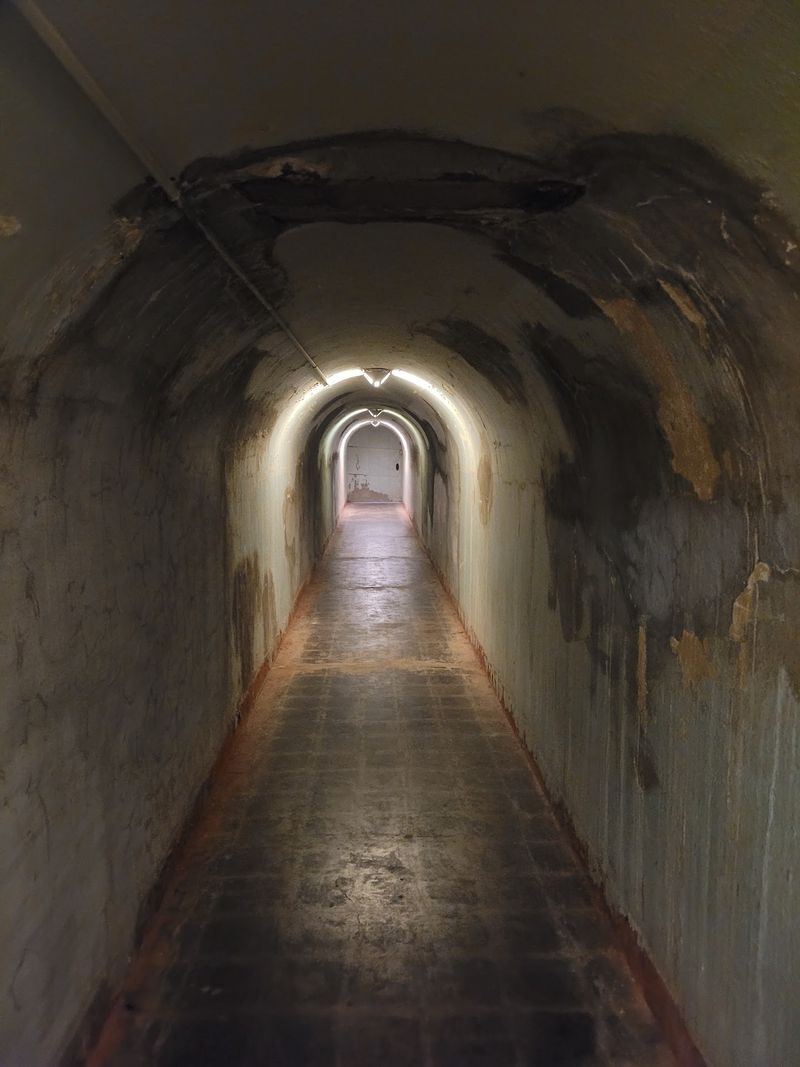
Some of downtown Tulsa’s best history hides underground.
The Philtower is connected to the city’s network of downtown tunnels.
Tunnels come up again and again when people talk about this building.
Exploring them adds an adventurous twist to an architecture outing.
Families have walked the tunnels for free and come away with a lot of Tulsa history.
It is a great option for anyone who enjoys walking and learning at the same time.
A map makes the experience easier.
One handy tip is that maps can be picked up at the Bank of Oklahoma downtown.
Kids tend to love the idea of secret passages under the city.
Even teenagers who roll their eyes at museums may perk up at the word tunnel.
Wear comfortable shoes, because the routes can involve plenty of steps.
Plan for some extra time too, since one tunnel often leads to curiosity about the next.
Access rules and open hours can change, so it is smart to confirm before heading down.
The payoff is a side of Tulsa most people never see.
10. Apartments and That Rooftop Deck
Not everyone here is just passing through.
The Philtower also has apartments, and the people who live there clearly enjoy it.
The layouts and views get high marks from residents and their friends.
Some even call it one of the best places to live in Tulsa.
Then there is the deck.
A rooftop deck offers sweeping views over downtown, and it is one of the building’s most talked-about perks.
Here is the honest catch.
The deck seems to be a space for residents and their guests, so the easiest way up is to know someone who lives there.
Friends of residents describe visits as a chance to enjoy the architecture, hear stories, and take in the city from above.
It is a top reason to keep that Tulsa friend on speed dial.
Special events have also taken place at the building.
A Tulsa Foundation for Architecture Skyline Soiree drew glowing praise as a memorable night.
Watch local event listings for chances like that.
They can be a way to experience the upper levels without a resident invite.
11. Neighbors and Street-Level Shops
A good landmark makes the whole block better.
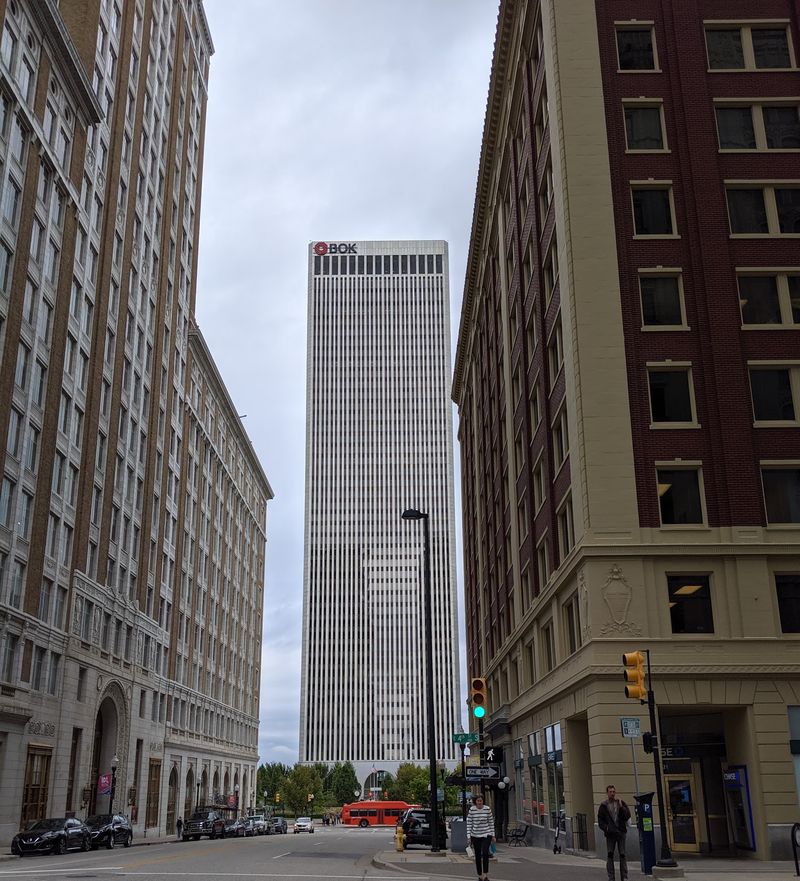
The Philtower shares its street with businesses that give people extra reasons to linger.
Rose Rock Creamery sits right next door.
Some folks joke that being neighbors with it is the coolest thing about the building, which is a fun bit of local humor.
Street level has also been home to Tavolo, an Italian bistro praised for its urban chic setting and wrought iron work.
Businesses can come and go, so check what is open before planning around it.
Inside, a tailor named Wendy runs a boutique on the bottom floor.
She has worked in the Philtower for over 20 years and will meet customers at the front door if they call ahead.
That mix of long-standing tenants gives the tower a community feel.
It is not a frozen museum piece but a working part of downtown.
Families can build a whole outing around the block.
Tour the lobby, check the museum, walk the tunnels, and then wander to nearby spots.
Small details like these show the building still has a busy daily life.
12. Hours, Cost and Timing Tips
Timing is everything with this landmark.
The Philtower is open Monday through Friday from 9 AM to 4 PM.
Saturdays and Sundays are closed.
Weekend visitors may only get a look through the doors, so plan a weekday stop if possible.
Looking at the lobby and the small museum costs nothing, based on how people describe dropping in.
The tunnels have also been explored for free, which makes this a budget-friendly day out.
Hours and access may change, so check the official website or call ahead before driving in.
That is especially smart for anyone coming from Oklahoma City or another town.
Mornings can be a nice time to go, giving plenty of room to explore before closing.
Summer break and school holidays are great windows for families.
Since this is an indoor stop, it works in any season.
Rainy days, chilly winters, and hot summer afternoons all suit a visit.
Bring patience for security procedures and a friendly attitude.
Staff are known for helping guests find their way.
13. A Dream List Stop Worth Crossing Off
Some places live on a someday list for years.
For many Oklahomans, the Philtower is one of them, and those who finally go often say it was better than they thought.
The appeal is easy to explain.
It mixes jaw-dropping design, a real family story, Scout history, and hidden tunnels in one free stop.
Architecture lovers will find plenty to study.
History buffs get the museum, and kids get secret passages and a roof that looks like a crown.
The tower also proves a point Oklahoma families love to make.
The state holds design treasures that can stand next to big-city landmarks.
Expectations should stay realistic.
The deck is mainly for residents and guests, and weekend doors stay closed.
Still, a weekday visit delivers a lot for zero dollars.
Pair it with other downtown Tulsa buildings for an easy and memorable day trip.
So mark a Monday through Friday on the calendar, aim for those brass doors, and look up once inside.
Tulsa’s golden age is waiting just off the sidewalk.
Share this story