Somewhere in Shawnee, a real Egyptian mummy waits behind glass, and you can stand close enough to study the details without paying a fortune.
Many Oklahomans have driven past this spot for years without knowing it holds shrunken heads, Roman coins, and paintings by a Benedictine monk.
The building is small, but the collection reaches across thousands of years and several continents.
Keep reading to find out where it is, what to see first, and how to plan a cheap family day trip around it.
1. A Shawnee Address With Ancient Secrets
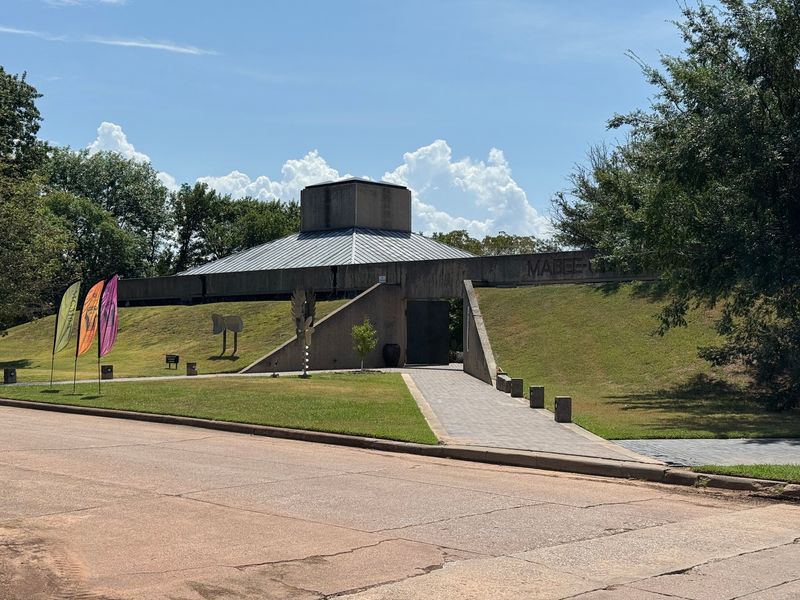
The mystery has a street address, and it sits right off a busy road in central Oklahoma.
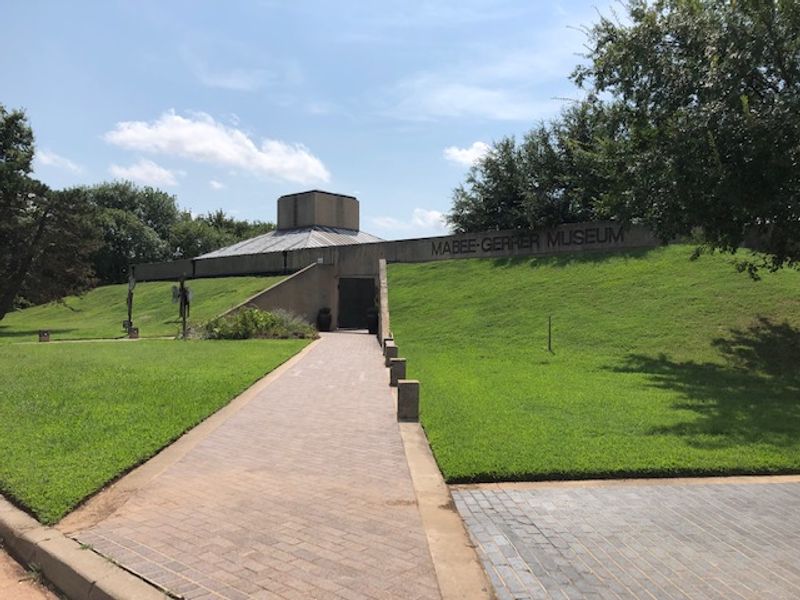
The Mabee-Gerrer Museum of Art is located at 1900 W MacArthur St, Shawnee, OK 74804, in the United States.
From the outside, it does not shout for attention.
The building is modest, and plenty of locals admit they lived in the state for years before learning it existed.
Inside, though, the scope is surprisingly wide.
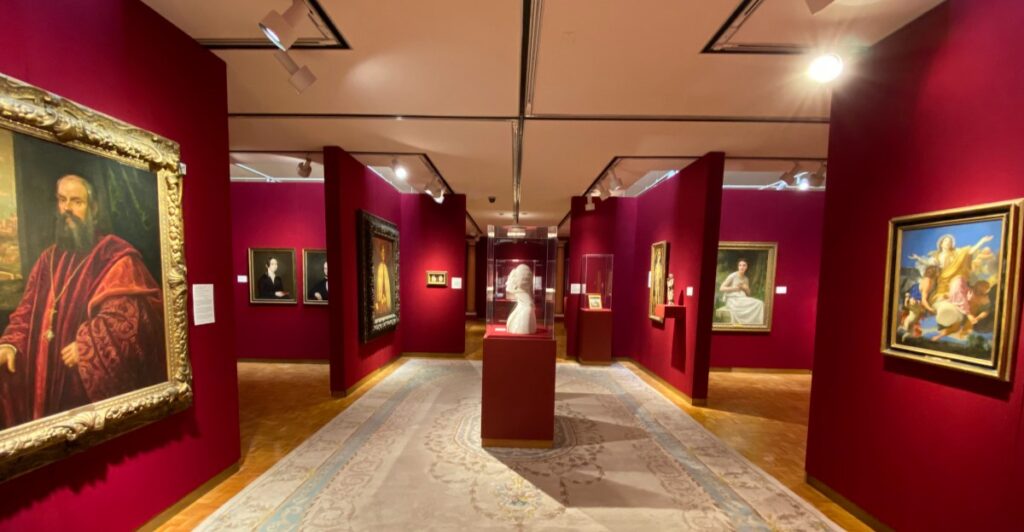
The museum describes its holdings as ancient to contemporary art and objects, with works ranging from Egyptian and Greek pieces to Renaissance paintings and Native American art.
Shawnee is an easy drive from Oklahoma City, which makes this a realistic Saturday plan for families in the metro.
It also works as a stop for anyone traveling across the middle of the state.
The appeal here is simple.
You get a museum that covers huge stretches of world history without the crowds, the long lines, or the giant ticket prices that big-city institutions often carry.
Small footprint, big reach.
That combination is exactly why so many people leave saying it was far better than they expected, and why the next section starts with the man who made it all possible.
2. The Monk Who Collected the World
Every great collection starts with one curious person.
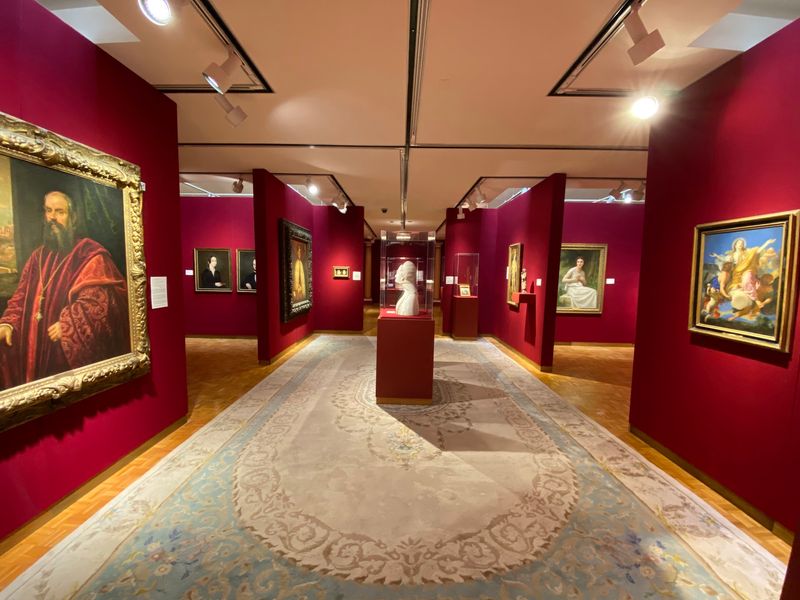
Here, that person was Gregory Gerrer, a Benedictine monk whose name is built right into the museum title.
Gerrer was more than a collector.
He was also an artist, and several of his own oil paintings hang in the galleries alongside the objects he gathered.
His work earns plenty of praise from those who see it in person.
Many people single out his paintings as a highlight, which says a lot in a building that also holds mummies.
The collection reflects a wide-ranging mind.
Religious artifacts sit near tribal masks, and Greco-Roman pottery shares space with items from Asia and Africa.
One standout religious object is a skullcap connected to Pope Pius X.
It shows how Gerrer’s interests stretched from faith and art to the customs of cultures around the globe.
That mix gives the museum a distinct personality.
It feels less like a textbook and more like a lifetime of fascination arranged into rooms.
Knowing the story behind the collector makes every case more interesting.
Once you understand who chose these pieces, the next fact about the collection becomes even harder to believe.
3. Only a Sliver on Display
Here is a number that tends to stop people in their tracks.
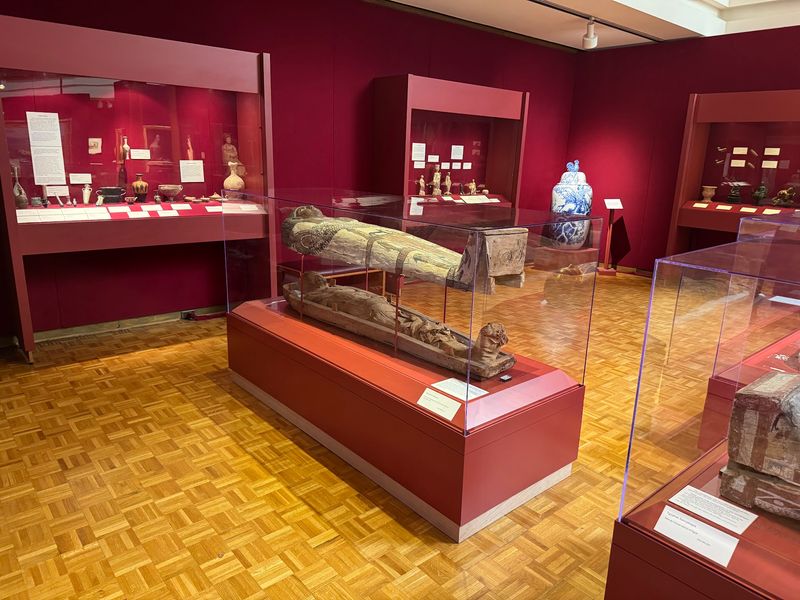
According to front desk staff, what you see on display is only about 4 percent of Gerrer’s collection.
The reason is space.
The building can only hold so much at once, so the vast majority of the holdings stay in storage.
That limitation turns into a real advantage for repeat trips.
Exhibits are changed out seasonally, so the museum you see in spring may look different from the one you see in fall.
Families often mention planning a return visit for exactly this reason.
Rotating exhibits mean there is a good chance of finding something new each time.
It also explains why the galleries feel packed with variety.
With so much to choose from, the curators can pull together displays that jump from fine art to cultural objects without running out of material.
For Oklahoma families looking for a low-cost outing they can repeat, this is a big selling point.
One trip does not use up the museum.
Of course, there is one resident that almost everyone comes to see first.
It is time to meet the mummies.
4. Face to Face With Egyptian Mummies
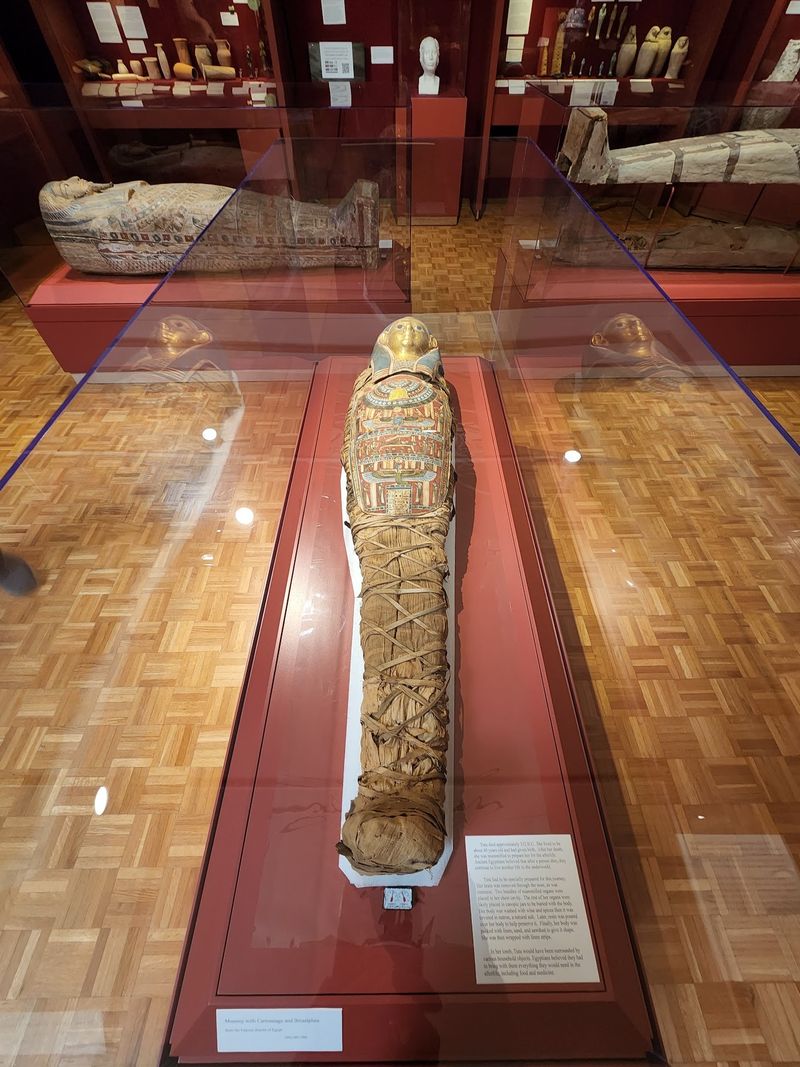
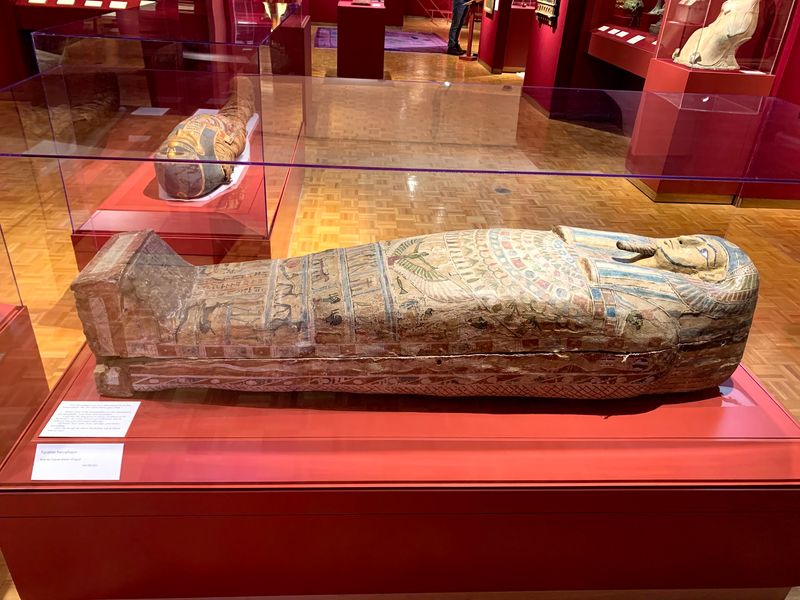
Ask around Shawnee about this museum, and the first word you hear is usually mummies.
They are the clear star of the show and the reason many people make the drive in the first place.
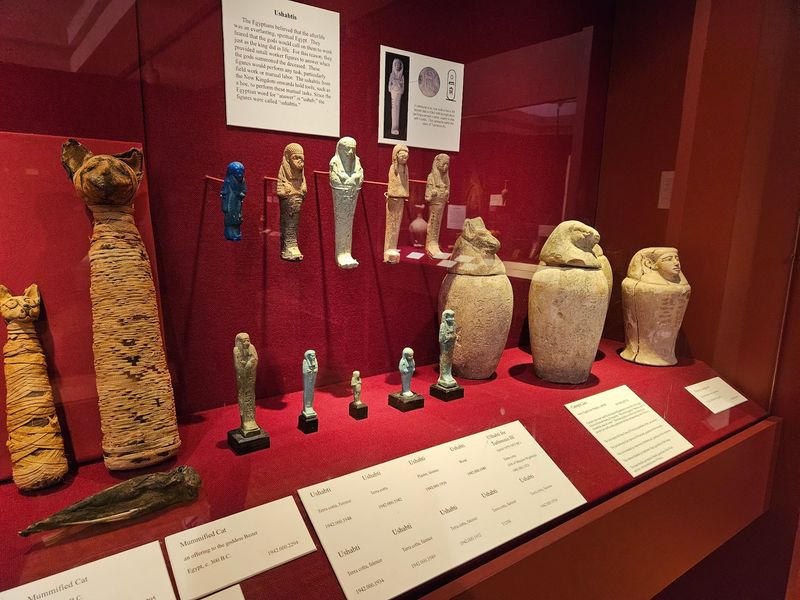
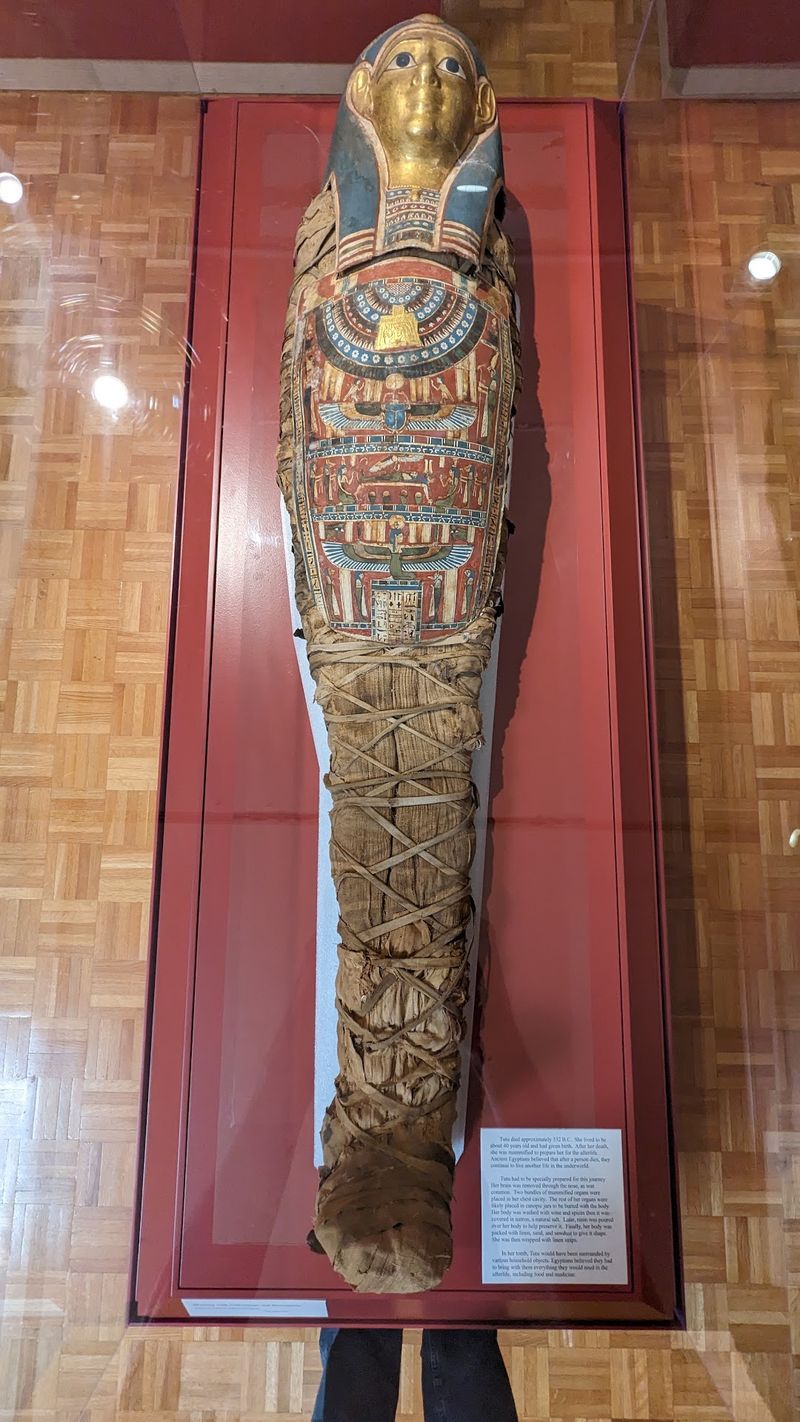
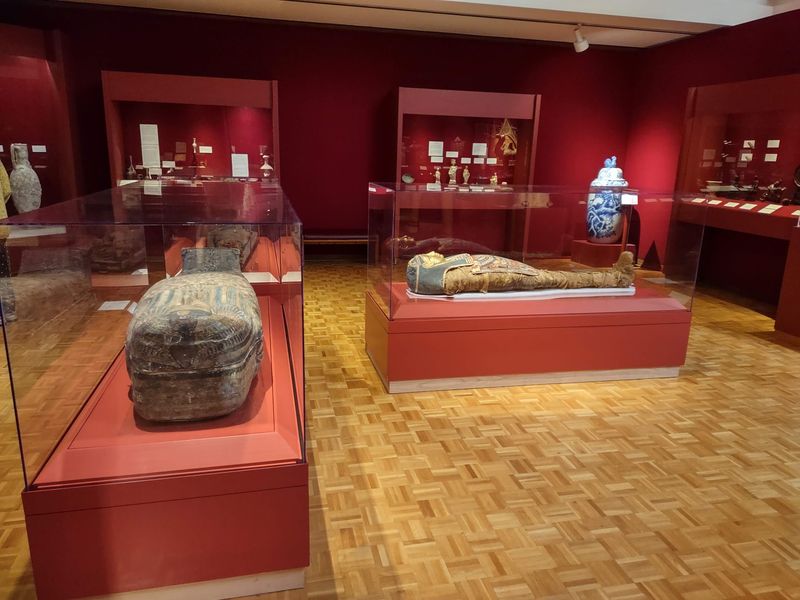
These are real Egyptian mummies, displayed so you can get a close look.
For a lot of Oklahomans, it is a genuine surprise to find something this rare in their own state.
The mummy area is surrounded by a solid collection of other Egyptian artifacts.
That context helps kids and adults understand the world these figures came from.
Plenty of people arrive just for the mummies and leave amazed by everything else.
One small Egyptian cat figurine from the gift shop has even gone home as a souvenir of a first trip.
A quick heads-up for parents: reactions vary.
Some children are completely fascinated, while others would rather skip that room entirely, so it helps to know your crew.
Either way, the mummies give the museum a memorable centerpiece.
They are also a great starting point for conversations about history, art, and ancient cultures.
And if mummies are not quirky enough for your group, the next gallery stop raises the curiosity level even higher.
5. Shrunken Heads and a Sawshark Snout
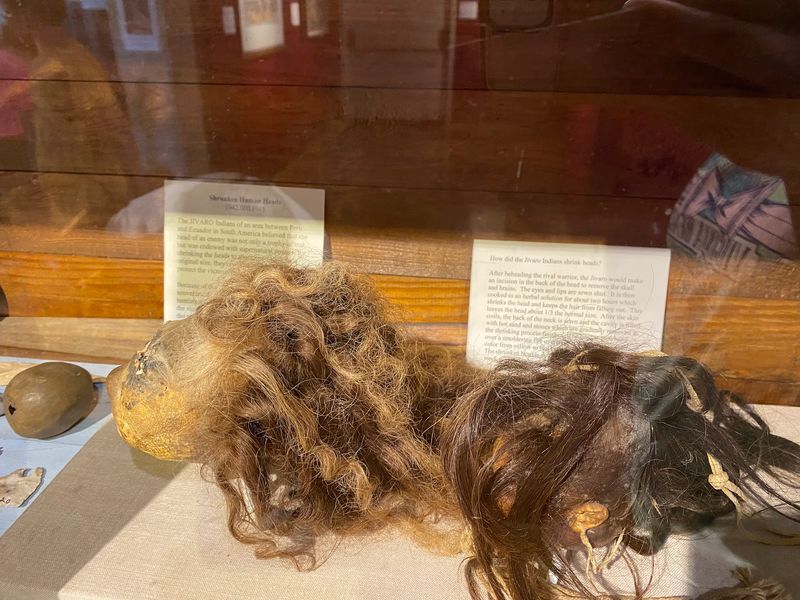
Real shrunken heads, in Oklahoma.
That reaction comes up again and again from people who wander past this display.
The museum does more than show them.
It also explains the process behind making them, which adds historical context to an object that might otherwise just seem strange.
Nearby, the oddities keep coming.
A longnose sawshark nose bone is part of the collection, which is not something you expect next to fine art.
Chinese smoking pipes are on view too.
They add another culture to a building that already spans Egypt, Rome, Africa, and the Americas.
This eclectic streak is one of the most loved things about the place.
People often describe it as a fine art museum plus an amazingly diverse cabinet of artifacts.
Kids especially tend to latch onto these pieces.
They are conversation starters, and they make the idea of world history feel concrete and real.
Give yourself time here.
Many people say they could easily spend an hour or more studying the displays and still not catch every label.
Once the curiosities have done their job, the galleries shift toward objects from the classical world.
6. Greek Pots, Roman Coins, and Ollas
Pottery fans, this is your corner.
The museum holds Greco-Roman pottery that ranks among some of the oldest pieces in Oklahoma.
Ancient coins share the spotlight.
They offer a small, concrete look at how people traded and lived thousands of years ago.
Ollas are part of the collection as well.
These vessels connect the ancient Mediterranean pieces to traditions from other parts of the world.
Parents often find themselves lingering here while the kids race ahead.
It is common for adults to enjoy the pottery while children chase clues on the scavenger hunt.
The craftsmanship is a big part of the draw.
Even people who do not consider themselves history buffs tend to appreciate the skill behind these objects.
Paintings and sculpture round out this side of the museum.
The collection is often called first-class, covering paintings, sculpture, pottery, cultural art, and historical artifacts.
It is a good reminder that this is truly an art museum, not just a curiosity shop.
The fine art holds its own against the headline attractions.
From the Mediterranean, the next stretch of the museum moves to Africa and the Americas.
7. Masks, Tools, and Native Traditions
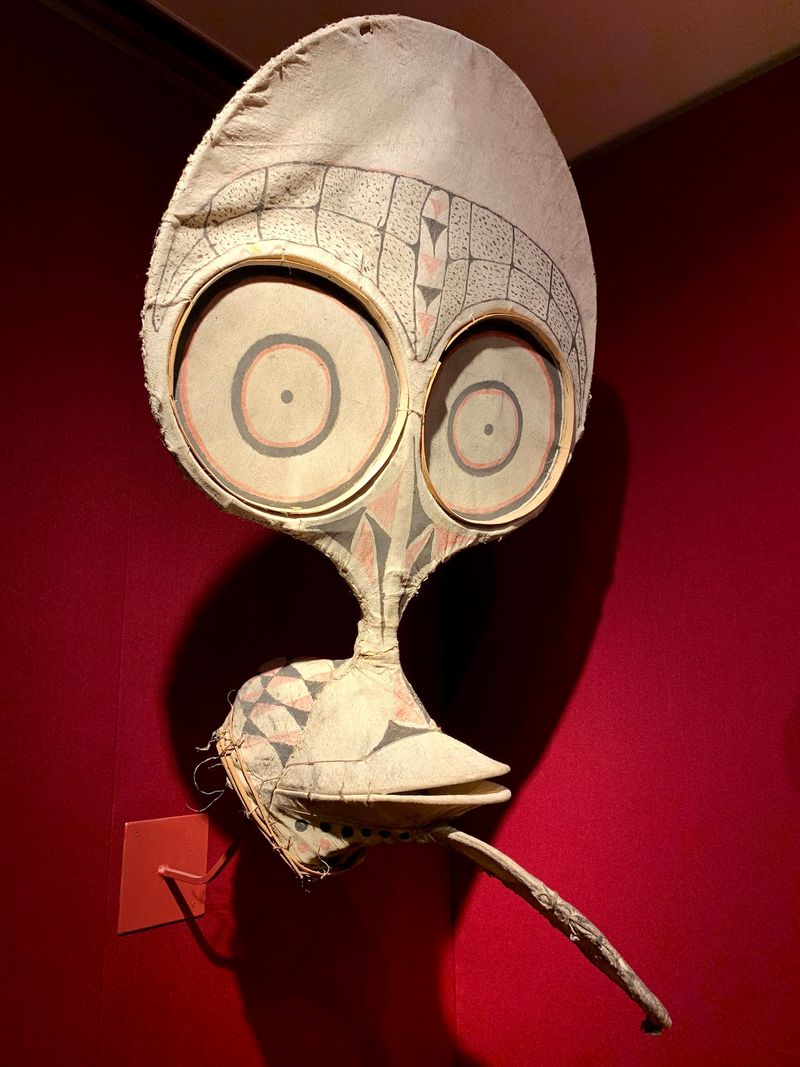
Some of the most striking objects in the building come from Africa.
Dogon masks and other African tribal masks are part of the collection.
These pieces show how art can serve a cultural purpose.
They are not decorations alone but objects tied to the traditions of the people who made them.
Closer to home, the museum also features Native American works.
The official description lists them among the major areas of the collection.
Indigenous peoples’ clothing and tools are on display too.
For Oklahoma families, these objects carry special meaning in a state shaped by so many tribal nations.
Seeing these items alongside Egyptian and Greek pieces offers a wider view of history.
Every culture gets its moment, and none feels like an afterthought.
This part of the museum works well for school-age kids.
It opens up questions about how people dressed, worked, and created across different places and eras.
Many people describe the overall experience as a tribute to customs from across the globe.
These galleries are where that idea feels strongest.
Not every highlight stays put, though.
Some of the most talked-about exhibits are only around for a season.
8. Seasonal Shows and a Permanent Resident
Timing can make a good trip a great one.
The Madonna and Child collection has been a pleasant surprise for people who happened to arrive while it was on view.
That exhibit is seasonal.
It has wrapped up around Valentine’s weekend in the past, so anyone hoping to see it should check the museum website for current dates.
Meanwhile, one resident never leaves.
Tutu is a permanent part of the museum, and regulars talk about the name with real affection.
The rotating approach keeps things fresh.
Since only a small share of the collection fits on display, staff swap exhibits to bring different pieces into view.
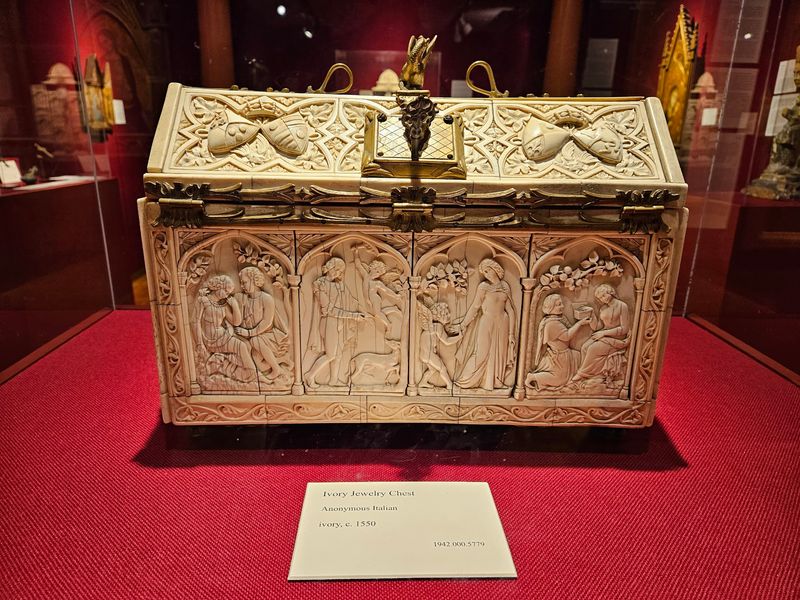
Renaissance works are a key part of the museum’s identity.
The collection description specifically includes them alongside Egyptian, Greek, and Native American art.
Couples often make this a regular outing.
It is the kind of place where you can return a few times a year and find something different.
Exhibit schedules may change, so a quick look online before driving is a smart move.
Nobody wants to arrive the week after a favorite show closes.
For families with restless kids, the next feature might be the most important one of all.
9. A Scavenger Hunt With a Treasure Chest
Kids who hear the word museum and groan have a surprise coming.
The scavenger hunt here turns a gallery walk into a game.
Children search the exhibits for clues while moving through the rooms.
It keeps them busy and paying attention to details they might otherwise rush past.
The payoff is the best part.
At the end, kids get to open a treasure chest using a special key.
Parents of children around ages 7 and 9 have described it as a big hit.
Even better, the hunt seems to spark real interest in the art and history, not just the prize.
Families who come back often make the scavenger hunt a tradition.
Pairing the mummies with the hunt has become a regular routine for some households.
It also gives adults a little breathing room.
While the kids track down clues, grown-ups can spend extra time with the pottery or paintings.
For a small museum, this is a smart touch.
It turns a short visit into an active, hands-on outing that fits the free-and-fun family day many Oklahomans look for.
Beyond the everyday hunt, the museum also hosts special events worth putting on the calendar.
10. Mummy Day, Field Trips, and Small Concerts
Special events give this museum a second life beyond the galleries.
Mummy day is one example, and those who attend praise the knowledgeable, friendly staff.
Field trips are another strength.
One art club group learned about the Egyptian mummies on display and made clay scarab beetles.
That same group practiced critical thinking too.
Students analyzed the visual clues in two paintings, which is a clever way to teach kids how to look at art.
The museum also hosts art shows and small concerts.
These events turn the space into a community gathering spot rather than just a place to view objects.
For homeschool families, scout troops, and school groups, these programs add real value.
They connect the collection to hands-on learning.
Event schedules are best confirmed directly with the museum.
Dates and offerings may change from season to season.
Keeping an eye on the website is worth it for families who want more than a standard walkthrough.
A themed day can turn a quick stop into a full afternoon.
After all that activity, the museum has a couple of quieter spots worth knowing about.
11. Courtyard Calm and Stained Glass
Not every highlight sits inside a display case.
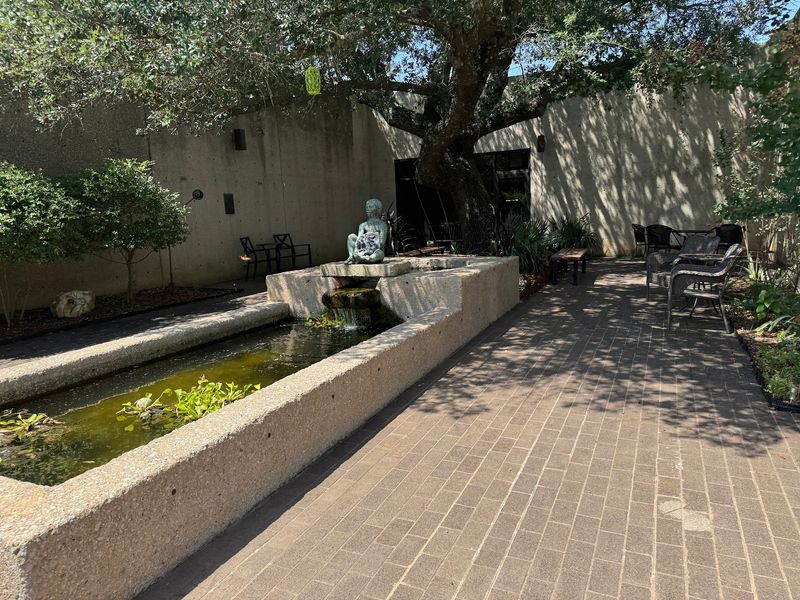
The front courtyard is a favorite spot for its quiet, peaceful setting.
The grounds overall get credit for being calm.
Many describe the whole place as cozy and delightful.
Inside, the stained glass windows draw attention.
The interior itself is often called beautiful, which adds to the experience between exhibits.
Cleanliness comes up often too.
The museum is kept extremely clean, and it shows that the staff takes good care of the space.
Speaking of staff, the employees and volunteers earn steady praise.
They are known for being friendly, kind, and helpful with questions.
Then there is the gift shop.
It carries a wide variety of unique items, and browsing it is a pleasure on its own.
Souvenirs here do not have to break the bank.
Families can pick up a few small keepsakes, like an Egyptian cat figurine, without blowing the day’s budget.
All of this makes the museum a relaxed outing for many types of groups, from couples to families to solo history fans.
Before heading out, though, a few practical details will help you plan.
12. Hours, Admission, and Planning Tips
Good news first: this is a budget-friendly outing.
Free admission is one of the most mentioned perks of the museum.
Admission policies have shifted over time, though.
Some people recall free summer admission, and others mention a nominal fee in past years, so check the official website before you go.
Hours are straightforward.
The museum is open Tuesday through Saturday from 10 am to 5 pm.
It is closed on Sundays and Mondays.
Hours may change, so a quick check online is wise before making the drive.
Plan for at least an hour.
Many people say they wished they had more time, especially those who arrived close to closing.
Arriving earlier in the day gives you room to read labels and let kids finish the scavenger hunt without rushing.
It also leaves time for the courtyard and gift shop.
Shawnee is an easy drive for families in the Oklahoma City area.
That makes it a natural half-day trip, with time left over to explore the town.
With the basics covered, all that is left is deciding whether this small museum deserves a spot on your list.
13. Small Building, World-Class Surprises
Size can be misleading.
This museum may be small, but it consistently makes up for it with the quality of its exhibits.
The numbers back that up.
It holds a 4.8-star average from more than 350 people on Google, which is impressive for any museum.
What makes it work is the mix.
Egyptian mummies, shrunken heads, Greek pottery, African masks, Native American works, and a monk’s own paintings all share one roof.
It suits a wide range of people.
Families get the scavenger hunt, art lovers get fine paintings, and history buffs get thousands of years of objects.
For Oklahomans who like proving their state is more than flat prairie, this is a strong case.
Few expect to find world-class pieces tucked away in Shawnee.
The rotating exhibits seal the deal.
With only a sliver of the collection on display at any time, there is always a reason to come back.
So pack the car, check the hours, and bring a curious crew.
A real mummy, a treasure chest, and a world of art are waiting just off MacArthur Street.
Share this story