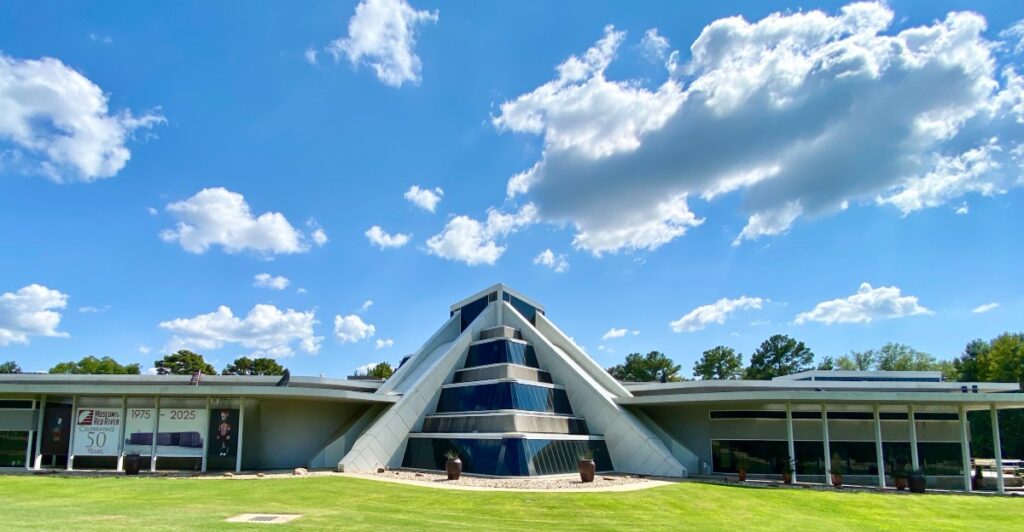
Somewhere in the far southeastern corner of Oklahoma, a museum invites kids and grown-ups alike to pull open drawers packed with arrowheads.
Nobody charges a cent at the door.
Inside waits a towering dinosaur that once roamed this very county, plus pottery, baskets, masks, and a hands-on room built for small explorers.
It is the kind of stop that turns a lake weekend in McCurtain County into a family story worth retelling, and it proves once again that this state holds far more than flat prairie.
1. A Free Museum on the Edge of Idabel
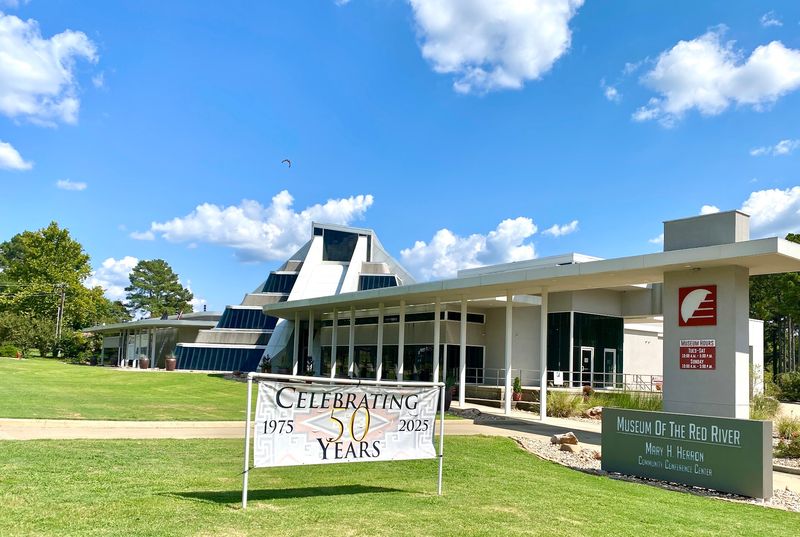
Down in McCurtain County, the Museum of the Red River sits at 812 E Lincoln Rd, Idabel, OK 74745.
It is a small museum with a big reputation in southeastern Oklahoma.
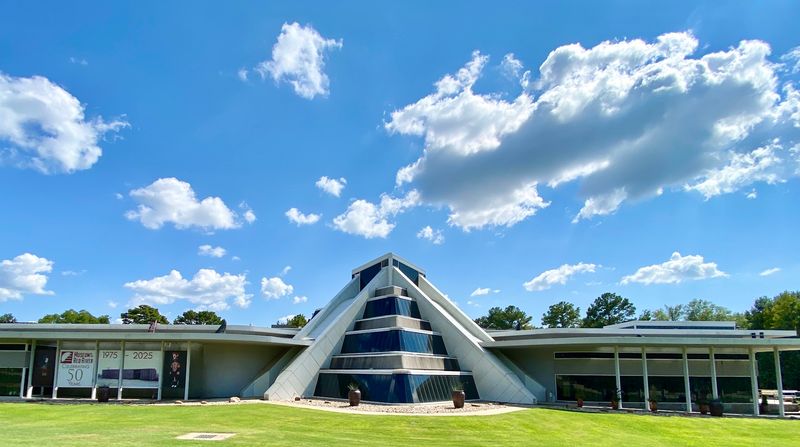
The building itself gets noticed right away.
Its unique exterior catches the eye of drivers passing through town, and plenty of folks admit they cruised by several times before finally pulling in.
Admission is free, which surprises many first-timers given the size and quality of the collection.
That free entry is made possible by Corporate Partners, mostly local small businesses that back the museum’s educational programs.
Families on vacation in nearby Beavers Bend often make the short drive over for an afternoon.
Road trippers heading through the region treat it as a worthy break from the highway.
The museum focuses on history, archaeology, and art.
Its holdings include local Native American artifacts as well as pieces donated from cultures around the world.
A donation box near the exit gives guests a way to say thanks.
Many people happily drop something in after seeing how much is packed inside.
Consider it the rare case where the best things in Idabel really are free, and the next room proves why.
2. Drawers Full of Arrowheads
Most museums keep their treasures behind glass and out of reach.
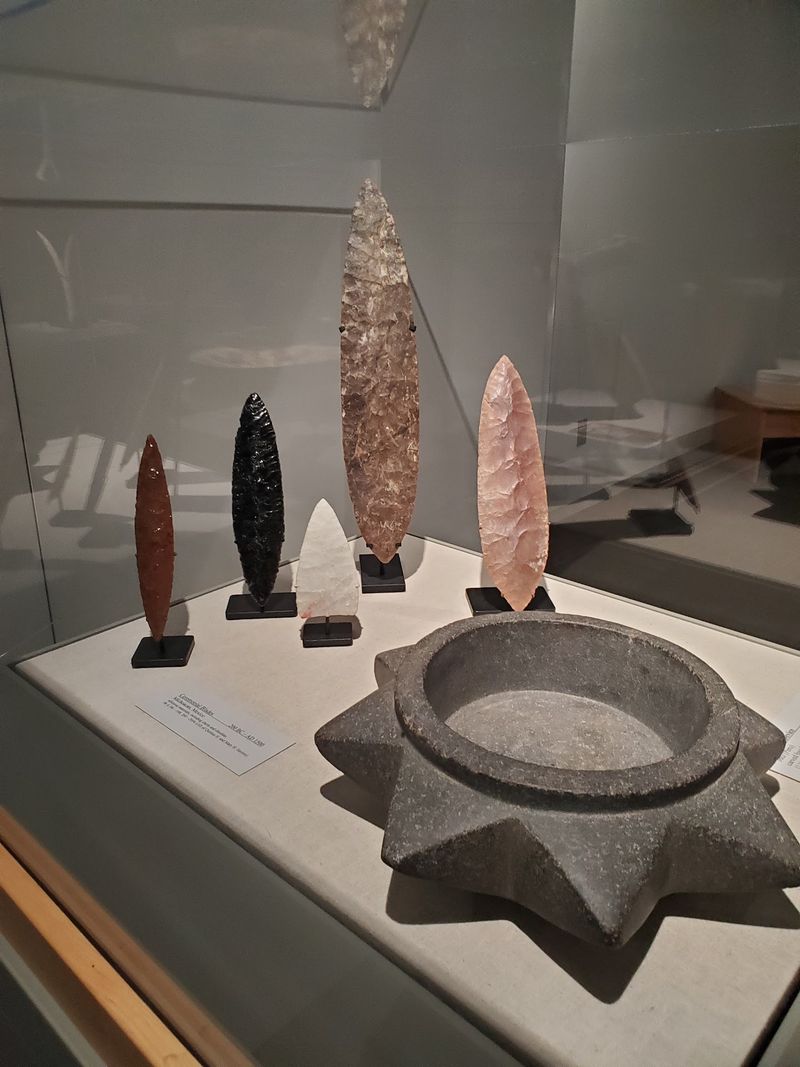
Here, part of the fun comes from sliding open drawers and finding row after row of arrowheads.
The arrowhead collection stands out as one of the most talked-about features.
Guests often say they have never seen so many types and sizes gathered in one place.
That variety tells a quiet story about the people who shaped these points by hand.
Each drawer reveals a different shape, size, or style of craftsmanship.
Kids especially enjoy the treasure-hunt feel of opening drawer after drawer.
Adults tend to linger just as long, comparing the tiny points to the larger blades.
The Native American artifacts across the museum are frequently described as exceptional.
The arrowheads simply give visitors of every age a hands-on way to connect with them.
Plan extra minutes for this part of the visit.
Point-blank, it is hard to stop at just one drawer.
3. Oklahoma’s Very Own Dinosaur
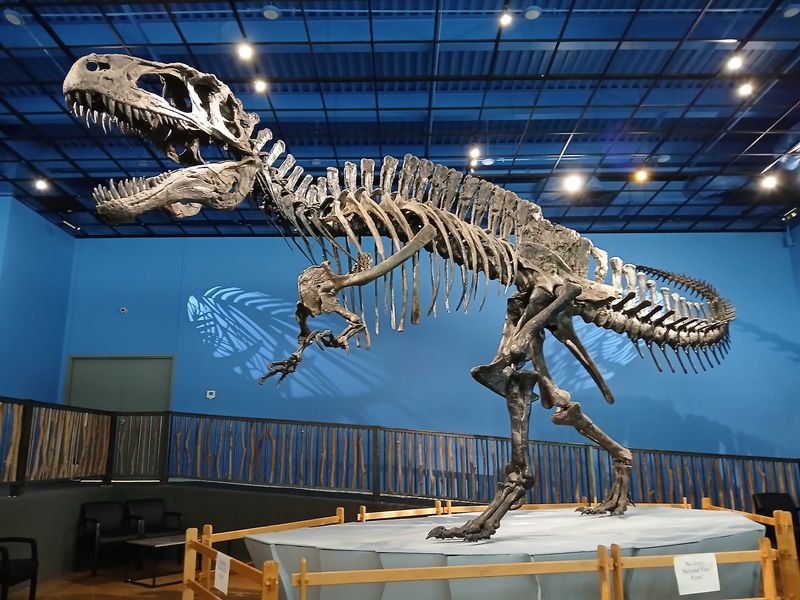
Long before Idabel had streets, a giant predator called this county home.
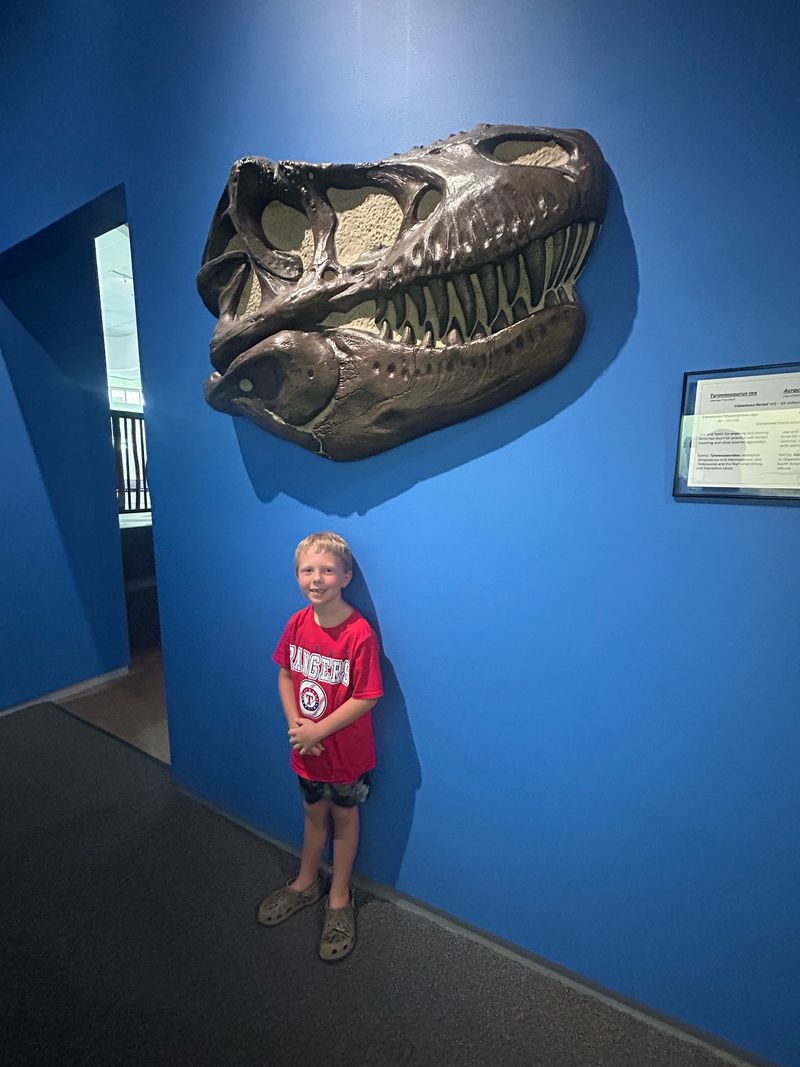
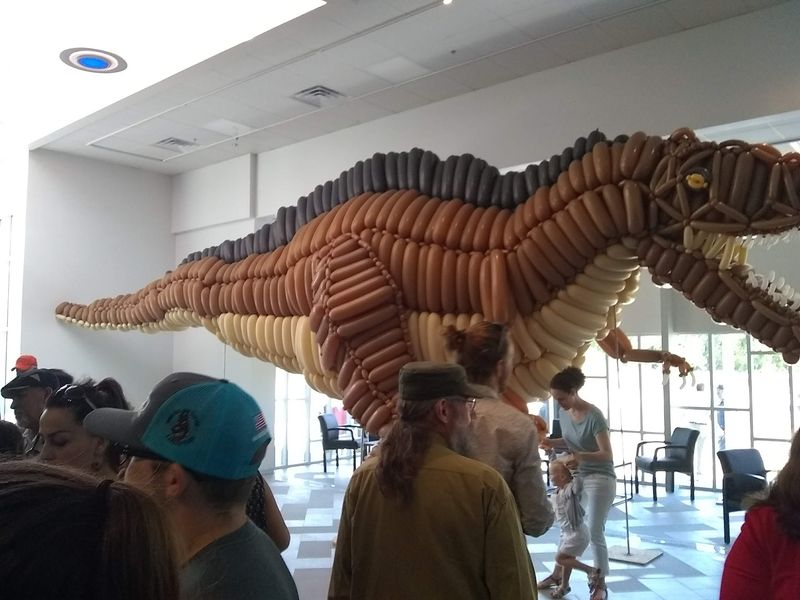
The museum’s massive dinosaur skeleton is a cast of Acrocanthosaurus atokensis, a species found right here in McCurtain County.
This dinosaur dates to roughly 110 to 120 million years ago.
It also holds the title of official State Dinosaur of Oklahoma, which gives the display some serious hometown pride.
Kids often call it a T-Rex at first glance, and honestly, the confusion is understandable.
The skeleton is huge and dominates its gallery.
For many families, the dinosaur is the main reason they stop in.
It is regularly named the highlight of the trip, especially for younger guests.
Fossils appear elsewhere in the museum too.
Staff members have been known to show children fossils up close and answer a steady stream of curious questions.
A dino this local makes a strong case that Oklahoma history runs deep, very deep, into the ground.
4. Pottery, Baskets, and Masks of the World
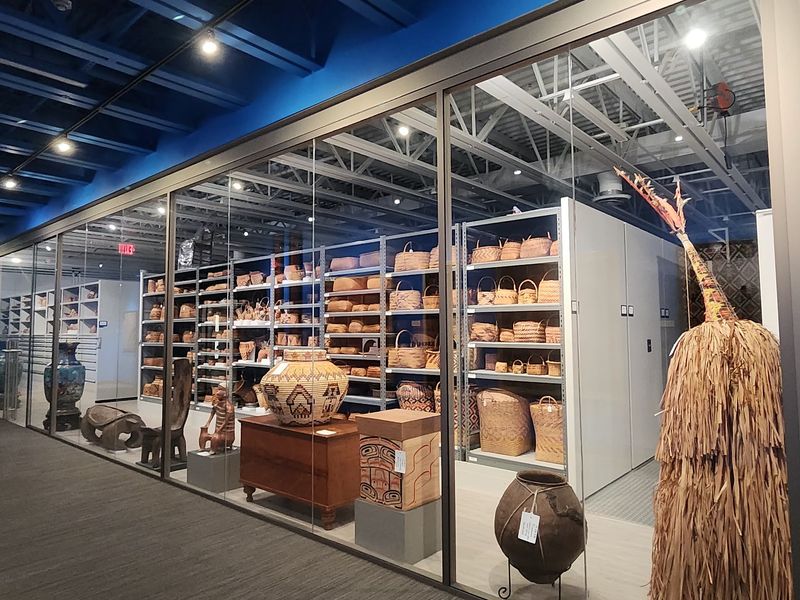
Clay and fiber carry a lot of history.
The pottery and woven basket collections here show just how skilled artisans were across many cultures.
Native American pottery draws steady praise for being both beautiful and educational.
The museum also holds a large collection of woven baskets.
Beyond local pieces, the exhibits span cultures from around the world.
Donors from many places have added objects that broaden the story well past the Red River.
One room is devoted to masks from different parts of the globe.
It is a favorite spot for guests who enjoy comparing artistic traditions side by side.
A Spanish helmet adds a surprising piece of history to the mix.
Indigenous art, gems, statues, and paintings round out the displays.
Many guests leave with a fresh respect for the craftsmanship of earlier peoples.
The collection makes the point clearly: those makers were remarkably capable.
5. Exhibits That Change Every Nine Weeks
Here is a good reason to come back more than once.
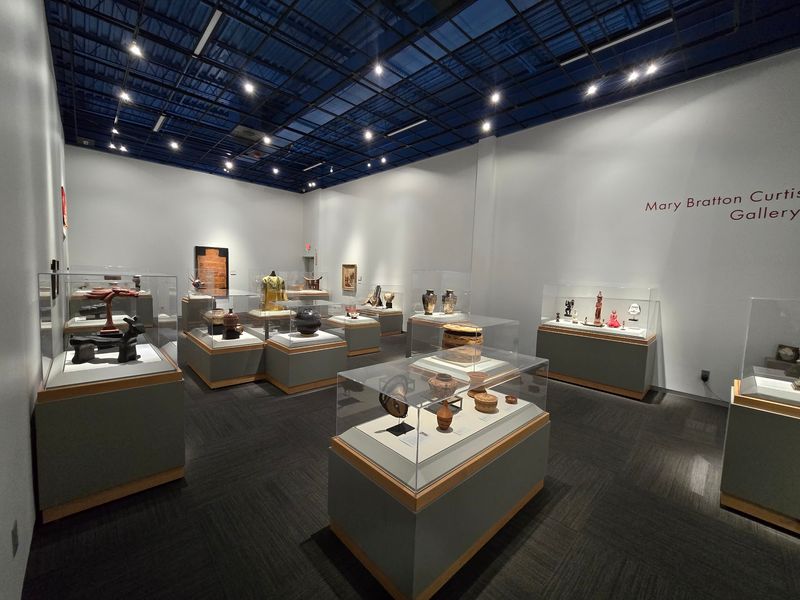
The museum’s major exhibits change out every nine weeks.
That schedule means there is almost always something new on view.
A family that stopped in last spring may find a completely different show by fall.
Rotating exhibits keep the museum fresh for locals who live nearby.
They also give returning lake vacationers something new each season.
Some guests have even enjoyed peeking at museum storage, which offers a glimpse of how collections are kept and cared for.
It adds a behind-the-scenes layer to the visit.
Since the lineup changes often, checking the museum’s website before a trip can help.
That way you know what is currently on display.
Repeat trips here feel less like reruns and more like a new chapter.
6. The Learning Center for Young Explorers
Little hands rarely stay still in museums, and this place plans for that.
A big room called the Learning Center is dedicated to hands-on learning for children.
Inside, kids find weaving craft activities, dinosaur toys, puzzles, books, and coloring supplies.
It is interactive and well thought out.
Grandparents and parents often call it one of the best parts of the trip.
Even adults admit to enjoying it as much as the more serious galleries.
One group brought eight kids ranging from infants to age eleven and still had a calm afternoon.
The children stayed engaged instead of restless.
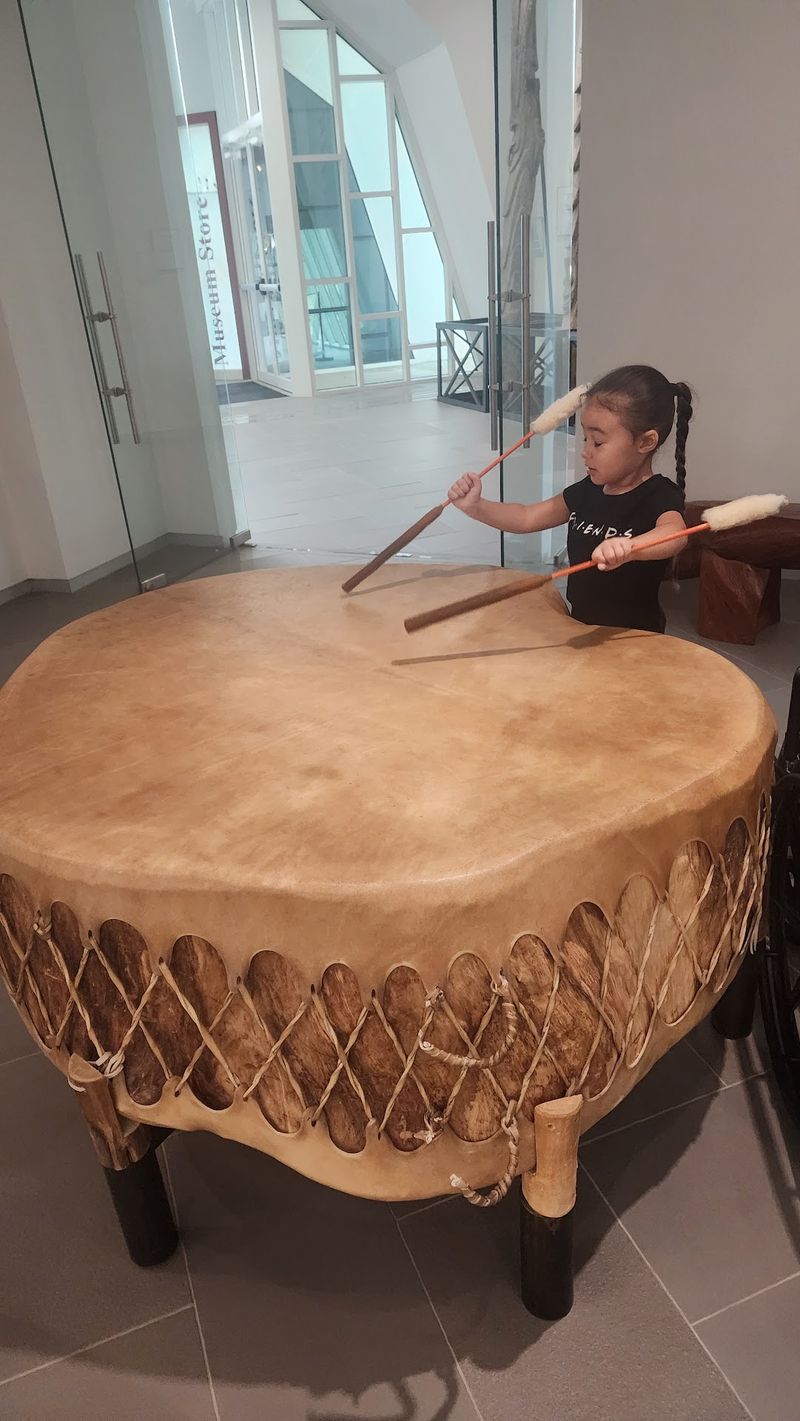
A drum near the exhibits lets kids make some noise too.
It is playful, though quieter guests may notice it.
Workshops sometimes pop up, and families have joined in to create picture art together.
Learning here comes with a craft table attached.
7. Murals, Selfies, and a Gift Shop Surprise
Save some phone battery for the exit.
Three large murals painted on an outside wall near the back create fun photo backdrops.
Standing in front of them makes it look like you have stepped into the scene.
Families enjoy snapping goofy group shots before heading back to the car.
The gift shop is another pleasant surprise.
Many guests say it is better than expected, with a wide selection of books and neat souvenirs.
Since admission is free, buying something in the shop is a popular way to give back.
Every purchase helps support the museum’s mission.
Books here cover a range of topics connected to the collections.
They make good take-home reading for curious kids.
Leave with a photo and a souvenir, and the day is officially documented.
8. Friendly Staff and a Welcoming Pace
A warm welcome sets the tone right at the front desk.
Staff members often give a quick overview when guests first enter, which helps families plan their route.
The team is described as knowledgeable, friendly, and kind.
Some guides take extra time with children, answering questions and pointing out fossils.
The building is clean and well kept.
That tidy setting makes it easy to move from gallery to gallery.
Because it is a small museum, the pace feels relaxed rather than overwhelming.
Most groups can see everything without feeling rushed.
History fans, art lovers, and archaeology buffs all find plenty here.
Families with young children fit in just as comfortably.
The people behind the counter clearly care, and it shows in how guests talk about leaving.
9. Hours, Timing, and a Worthy Detour
Timing matters a little before you load the car.
The museum is open Tuesday through Saturday from 10 AM to 5 PM and Sunday from 10 AM to 3 PM.
It is closed on Mondays.
Hours may change, so a quick check of the website, museumoftheredriver.org, before driving is a smart move.
Admission is free, so the budget stays intact.
A donation or gift shop purchase is a kind way to help keep it that way.
Idabel makes an easy add-on for anyone staying in Beavers Bend cabins.
It also fits nicely into a southeastern Oklahoma road trip.
Plan for an hour or two, longer if kids settle into the Learning Center.
The rotating exhibits give a reason to schedule a return visit.
With a hometown dinosaur, drawers of arrowheads, and a free front door, this small museum earns its spot on any Oklahoma weekend list.
Share this story