Texas bird sanctuaries have plenty of surprises beyond the birds themselves. Along the Gulf Coast, alligators patrol the waters beneath nesting colonies, helping keep predators away. Elsewhere, a former sewage facility has become a thriving wildlife haven filled with hundreds of bird species.
Some of these places offer experiences you might never expect from a bird sanctuary. Picture a historic Victorian mansion surrounded by native palms, a treetop walkway with incredible views, and a refuge with the remains of an old town beneath a nearby lake.
From rare wildlife and fascinating history to peaceful trails and breathtaking scenery, these 11 Texas bird sanctuaries offer far more than a chance to spot beautiful birds. Each one has something unexpected that makes it worth exploring.
1. Jocelyn Nungaray National Wildlife Refuge
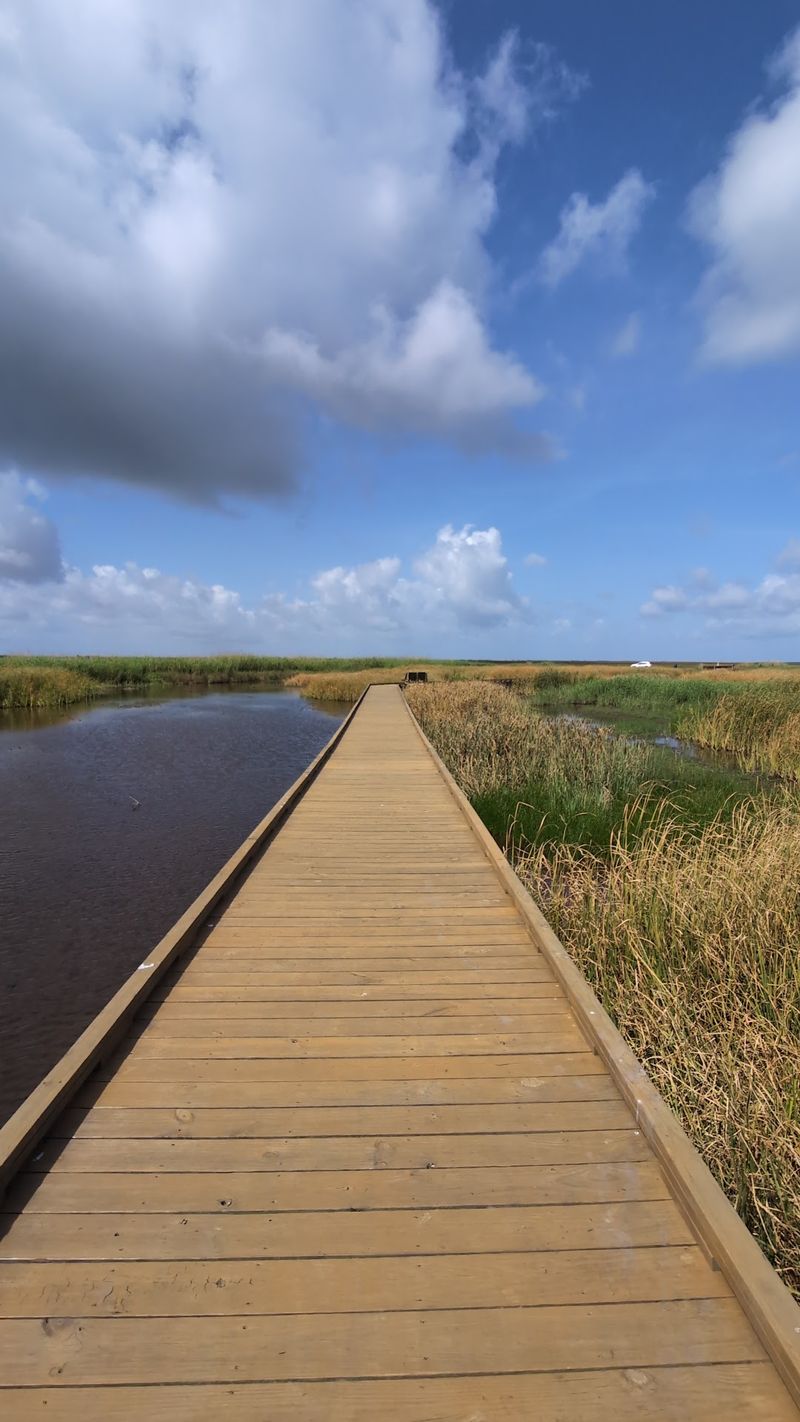
A new name doesn’t change the marsh one bit. Formerly called Anahuac National Wildlife Refuge, it was renamed in 2025.
The refuge was established in 1963 to protect birds. Today it covers more than 34,000 acres of coastal marsh, prairie, and scattered woodlands.
Ducks, shorebirds, and songbirds fill the place during migration. It’s a Globally Important Bird Area and a shorebird reserve of international importance.
Here’s a fun twist for anyone who hates hiking boots. The Shoveler Pond auto loop lets you watch wildlife right from your car seat.
Your car works like a giant bird blind out there. Keep your eyes on the water, because alligators live here too.
Bobcats also roam the refuge, though spotting one takes real luck. Reptiles and mammals share the space with the feathered crowd.
Prefer to stretch your legs instead? Trails like Cypress, Woodlot, Live Oak, and Rookery offer different looks at the land.
Boardwalks and benches give you places to pause. That makes the trails friendly for slow walkers and patient bird fans.
Butterflies get their own spotlight here. The Butterfly Garden opened in 2004 with native plants for monarchs and skippers.
The refuge is even an official Monarch Waystation. So bring your camera for the bugs, not just the birds.
Anglers have plenty to celebrate too. You can wade fish for speckled trout, redfish, and southern flounder.
Two boat ramps reach East Bay and Oyster Bayou. Three piers on the Skillern Tract serve freshwater fishing fans.
Refuge lands open daily from an hour before sunrise until an hour after sunset. That early start is great for catching active birds.
The Main Visitor Center opens on weekends with maps, exhibits, and a nature store. Stop in first to plan your route.
Address: 4318 FM1985, Anahuac, TX 77514
2. High Island Audubon Sanctuaries
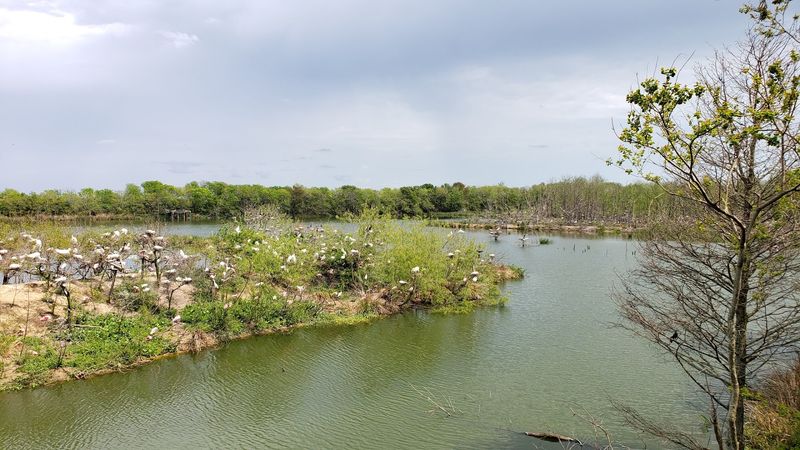
Thirty-something feet doesn’t sound like a mountain. On the flat Texas coast, though, that little rise is a lifesaver.
High Island sits on a salt dome about 32 to 38 feet above the marsh. Its woods give tired birds a place to land after crossing the Gulf.
Birders have been coming here since the 1940s. Houston Audubon bought Boy Scout Woods, the core of the system, in 1981.
The group includes four sites: Boy Scout Woods, Smith Oaks, Eubanks Woods, and S.E. Gast Red Bay. Nearly 400 bird species have been recorded across them.
Spring migration, from mid-March to mid-May, is the big show. Cold fronts can cause fallouts, when huge numbers of birds drop from the sky.
Smith Oaks is the largest sanctuary at 177 acres. It mixes fields, woods, wetlands, and ponds.
The Rookery at Claybottom Pond steals the spotlight. Thousands of herons, egrets, and Roseate Spoonbills nest and roost there.
Alligators patrol the water below the nests. They help keep mammal predators away, which is nature’s strangest security team.
Want a bird’s-eye view? The Kathrine G. McGovern Canopy Walkway puts you at treetop level with migrating songbirds.
Over at Boy Scout Woods, 60 acres come with long boardwalks. Bleachers near the water let you sit back and watch the action.
Even the ponds have a backstory. Well-water reservoirs were first dug for town and industrial use, and now they draw wildlife.
The sanctuaries open year-round from dawn to dusk. A day pass or annual patch covers entry to the area sites.
Address: Smith Oaks Bird Sanctuary, 2205 Old Mexico Road, High Island, TX 77623
3. Bolivar Flats Shorebird Sanctuary
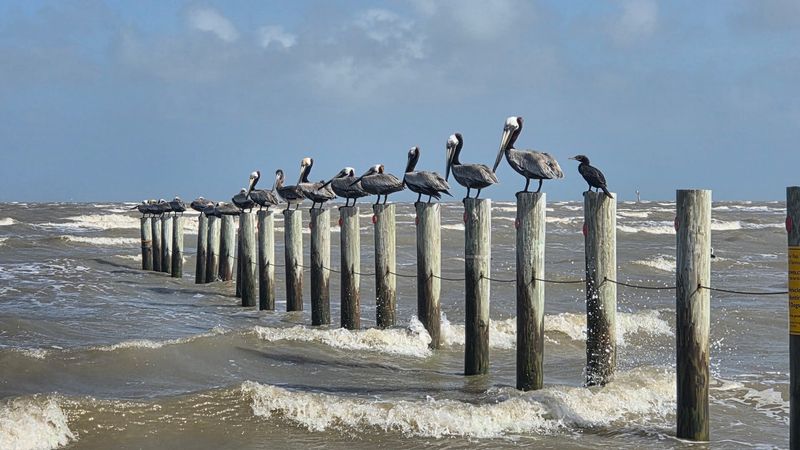
A jetty built in the late 1800s accidentally made a bird buffet. Sediment piled up near the North Jetty, creating rich mudflats.
Those flats now feed hundreds of thousands of birds each year. The mud is packed with tiny invertebrates, basically a shorebird snack bar.
The sanctuary covers 1,308 acres along the Gulf Coast. It includes mudflats, salt marsh, uplands, and beach.
Houston Audubon started protecting the area in the 1980s. The last parcel was acquired in January 2026, locking in its future.
Bird fans, take notes. Federally threatened Piping Plovers and Snowy Plovers are among the shorebirds found at Bolivar Flats.
Winter brings thousands of American Avocets, Dunlin, Western Sandpipers, and Willets. American Oystercatchers add a splash of bright orange bills.
Reddish Egrets and Roseate Spoonbills wade through the shallows. Brown Pelicans gather in big groups too.
The salt marshes do quiet work behind the scenes. They act as nurseries for young fish and shellfish.
You’ll explore on foot here. A barrier blocks vehicles to protect ground-nesting birds and keep the sand from packing down.
An observation deck gives you views over the marshy areas. It’s a handy spot for scanning flocks with binoculars.
New to shorebirds? Guided walks happen on the first Saturday of each month, which helps when every sandpiper looks the same.
The site stays open around the clock for day use. There’s no entry fee, though vehicles need a parking pass sold by local vendors.
The sanctuary carries global recognition as an Important Bird Area. It’s also a shorebird reserve site of international importance.
Address: Rettilon Road, Port Bolivar, TX
4. Aransas National Wildlife Refuge
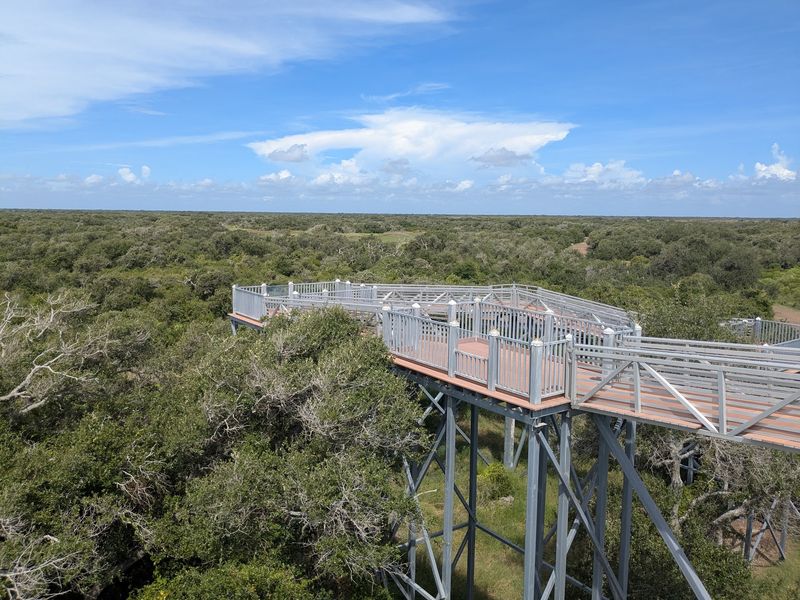
The last wild flock of Whooping Cranes picks this spot for winter. That’s a pretty exclusive guest list.
The endangered cranes arrive from late October and stay until mid-April. Seeing these tall white birds is a bucket-list moment for many birders.
Aransas was established in 1937. It now spans over 115,000 acres, including Matagorda Island.
More than 400 bird species have been recorded here. Expect pelicans, herons, spoonbills, ibises, quail, and plenty of ducks and geese.
Not a fan of long hikes? A 16-mile auto tour loop rolls through savannah, grasslands, oak uplands, and marshes.
Several miles of trails are available when you want to walk. A 40-foot observation tower looks out over the wetlands.
Birds aren’t the only locals. Javelinas, armadillos, deer, alligators, bobcats, and turkeys live on the refuge too.
An armadillo crossing your path might upstage a heron. Honestly, that counts as a win.
Picnic areas overlook San Antonio Bay, so pack lunch. A fishing pier gives anglers their own spot.
History buffs will like this part. The Civilian Conservation Corps built roads, ditches, and buildings here in 1938.
A newer addition greets you at the Visitor Center. A life-size steel sculpture of a Whooping Crane family stands at the entrance.
The wildlife education center helps you learn before heading out. Restrooms are on-site, which matters on a long drive.
The tour road and trails open daily from sunrise to sunset. Fees can be paid at a kiosk or online.
Address: 1 Wildlife Circle, Austwell, TX 77950
5. Laguna Atascosa National Wildlife Refuge
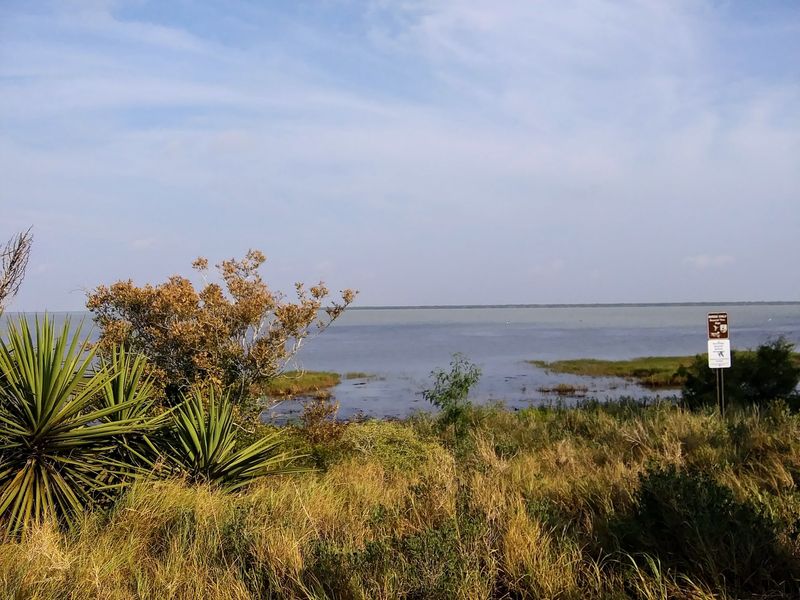
Spotted cats prowl the brush in the Lower Rio Grande Valley. This refuge holds the largest ocelot population in the United States.
You’ll likely never see one, since ocelots are shy. Still, knowing they’re out there adds a little thrill to each walk.
Laguna Atascosa is the largest protected natural habitat in the Lower Rio Grande Valley. It covers wetlands, prairies, tidal flats, and brushy dunes called lomas.
The refuge began in 1946 to protect wintering waterfowl, especially redhead ducks. Today it ranks as a top birding spot in the country.
Birds come to you near the Visitor Center. Five feeding stations and four water features keep the action busy.
Hikers and bikers get serious mileage. More than 60 miles of trails wind through the refuge.
The Kiskadee Trail is wheelchair accessible. Lower West Lake Trail offers scenic views for a longer outing.
Love pedaling? The Steve Thompson Wildlife Drive is open to hikers and bikers only, so no car traffic.
For wide views, head to the Osprey Overlook. The covered platform looks across the 3,500-acre Laguna Atascosa.
Other residents include bobcats, coyotes, javelinas, deer, and alligators. Snakes and tortoises round out the cast.
Falcon fans have a reason to cheer. Northern Aplomado Falcons were reintroduced here starting in 1985.
Trails open year-round from sunrise to sunset. The first Sunday of each month offers free entry.
A self-pay station handles fees when the Visitor Center is closed. Note that the Bahia Grande unit is currently closed.
Address: 22688 Buena Vista Blvd, Los Fresnos, TX 78566
6. Santa Ana National Wildlife Refuge
Nicknamed the jewel of the refuge system, Santa Ana packs a lot into a small space. It covers about 2,088 acres along the Rio Grande.
Established in 1943, it protects a rare piece of subtropical riverside forest. Most of that habitat has vanished from the Valley.
Location is its secret weapon. The refuge sits where two major migration routes meet.
It also marks the northern edge for many Central and South American species. That means birds you won’t find in most of the country.
Look for Green Jays, Plain Chachalacas, and Great Kiskadees. Chachalacas are famously loud, so you may hear them first.
More than 400 bird species have been recorded here. Spring brings warblers, while hundreds of thousands of raptors pass through in spring and fall.
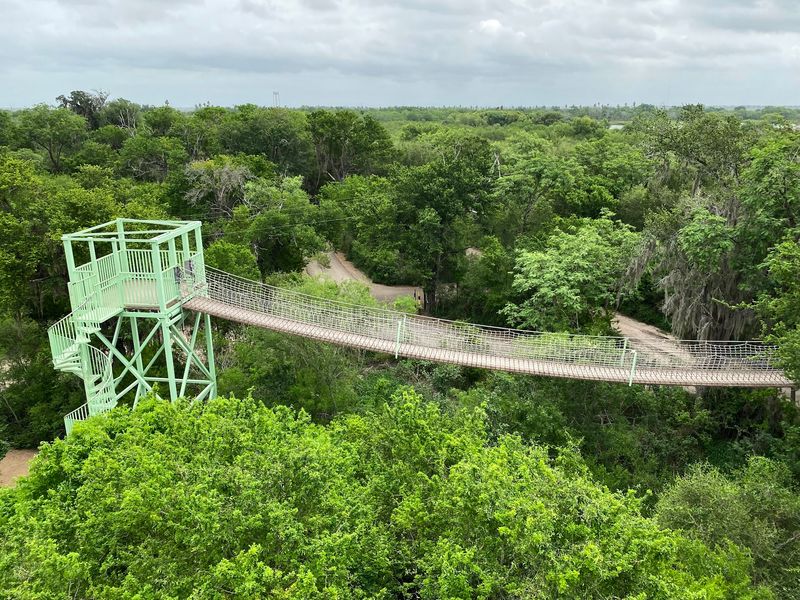
Want height? A 40-foot observation tower and a canopy bridge lift you above the forest.
Foot trails stretch roughly 12 to 14 miles. A 7-mile paved tour road works nicely for bikes.
Butterflies might steal your attention. Up to 75 species have been seen in the gardens during peak times.
From November through March, seasonal Nature Tram rides roll through the refuge. Monthly bird walks help beginners learn the regulars.
History shows up too. The Santa Ana Cemetery has an original Texas ebony fence and a brick tomb.
The Visitor Center offers exhibits, an auditorium for nature films, and a nature shop. The first Sunday of each month is free.
One heads-up for cyclists. The levee is closed due to border wall construction, so use Bobcat Trail instead.
Address: 3325 Green Jay Road, Alamo, TX 78516
7. Mitchell Lake Audubon Center
Talk about a glow-up. This San Antonio sanctuary used to be a city sewage facility.
Mitchell Lake Audubon Center was established in 2004, transforming a former sewage facility into an important sanctuary for migrating birds. Now it protects a 1,200-acre wetland along the Central Flyway.
Migrating birds treat it like a rest stop. Hundreds of species show up each year, with the biggest numbers during migration.
Keep watch for American White Pelicans gliding across the water. Scissor-tailed Flycatchers and Painted Buntings add flashy color.
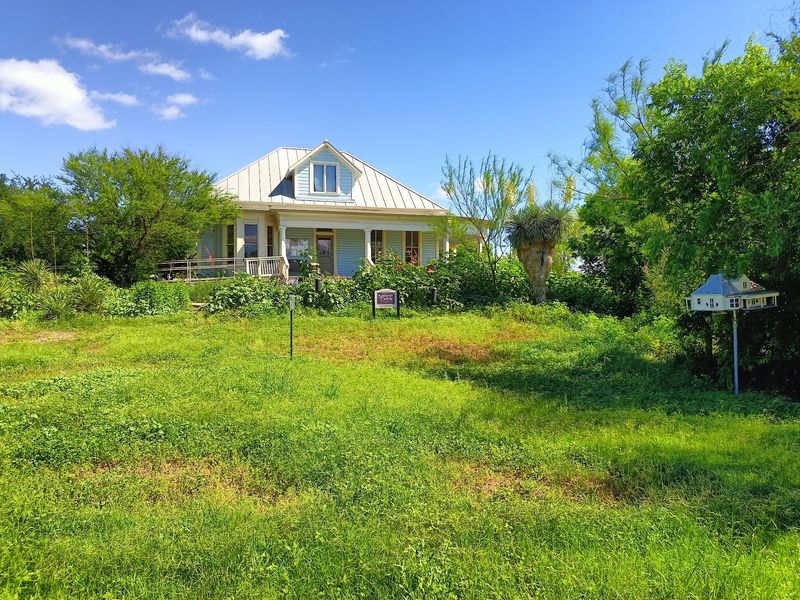
The Visitor Center has its own story. It sits in the Leeper House, built in 1910 and moved here in 2003.
Inside, you’ll find maps, information, and a nature gift shop. It’s a good first stop before hitting the paths.
About 7.5 miles of walking paths cross wetlands and grasslands. Driving trails are also available for a slower pace.
Some residents got custom housing. The center built a bat roost and a chimney swift tower for its winged guests.
A butterfly garden sits near the welcome center. It’s a pleasant spot to linger between bird sightings.
Learning is a big deal here. Field trips serve over 4,000 students each year, plus guided bird tours and native plant workshops.
Events like Migratory Bird Fest and Birdathon pop up seasonally. Dogs usually stay home, except during special Doggy Day events.
The center opens Tuesday through Sunday in the morning and early afternoon. Tickets are required for entry.
Construction on a new Education and Events Pavilion runs through 2027. Check ahead in case access shifts.
Address: 10750 Pleasanton Road, San Antonio, TX 78221
8. Sabal Palm Audubon Sanctuary
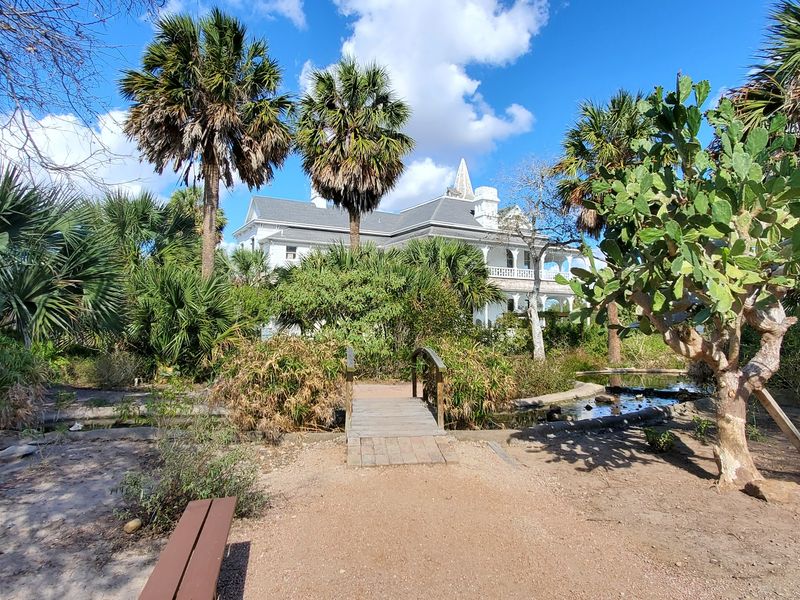
Palm trees and a Victorian mansion near the border? Yep, this Brownsville sanctuary delivers both.
It protects one of the last big groves of native Sabal Palms in the United States. These palms once grew thick along the Rio Grande.
The National Audubon Society founded the sanctuary in 1971. Today it runs through a partnership with the Gorgas Science Foundation.
The 557 acres support more than 300 bird species. Green Jays, Chachalacas, and White-tipped Doves are notable sightings.
Bug lovers, this one’s for you. Over 1,080 beetle species have been identified here.
Bobcats are commonly seen. Ocelots and jaguarundis have a history here too, though they’re very hard to spot.
The 1892 Rabb Plantation House now serves as the Visitor Center. Exhibits cover the area’s cultural and natural history.
A butterfly garden grows behind the house. New large garden beds are being added as well.
Trails run roughly 3 to 5 miles. Wetland boardwalks, bird blinds, and a river observation deck keep things interesting.
A wheelchair-accessible observation deck is available too. That helps more visitors enjoy the views.
Can’t make the trip today? A live bird feeder cam on the sanctuary website lets you peek in from home.
Guided birding walks and history tours add depth to a visit. You’ll leave knowing more than just bird names.
The sanctuary opens daily from 7 a.m. to 5 p.m., but it’s closed on Wednesdays. Plan around that before driving down.
Address: 8435 Sabal Palm Grove Rd, Brownsville, TX 78521
9. Quintana Neotropical Bird Sanctuary
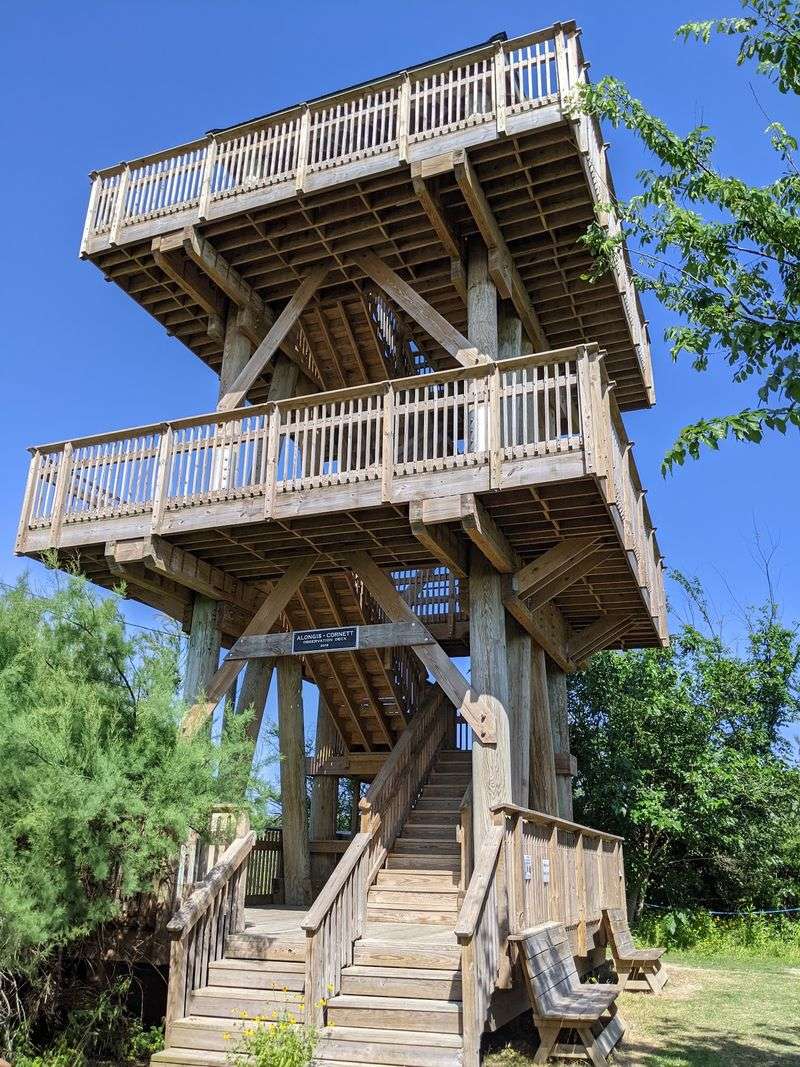
Small but mighty is the best way to describe this island stop. Quintana sits right in the path of migrating songbirds.
Thousands of birds land here each year, especially in spring. For a bird crossing the Gulf, this patch of trees looks like a rest area sign.
Fun fact about the island itself. Quintana got cut off from the mainland in the 1920s when the Intracoastal Waterway was dug.
The town bought land for the sanctuary in 1994. Since then, trails and an observation tower have been added.
Climb the three-story tower for a solid view. It’s a great way to scan the treetops.
Down below, grass and dirt trails wind through low woods. Live oak, coral bean, and Hercules Club create a jungle-like feel.
That thick growth draws hummingbirds, vireos, warblers, and tanagers. More than 325 bird species have been recorded.
Photographers get a treat. Two water drips attract birds, and one includes a photography blind.
Benches let you sit still and let the birds come closer. Patience pays off big here.
The Gulf Coast Bird Observatory manages the site. It’s also part of the Great Texas Coastal Birding Trail.
During Spring Fling, from April to early May, volunteers are on-site to help. They can point you toward what’s moving.
Entry is free, though donations are welcome. Pets aren’t allowed on the trails, so leave Fido at home.
The sanctuary opens daily from sunrise to sunset. Stay on marked paths to protect the habitat.
Address: 814 Lamar St, Quintana, TX 77541
10. Balcones Canyonlands National Wildlife Refuge
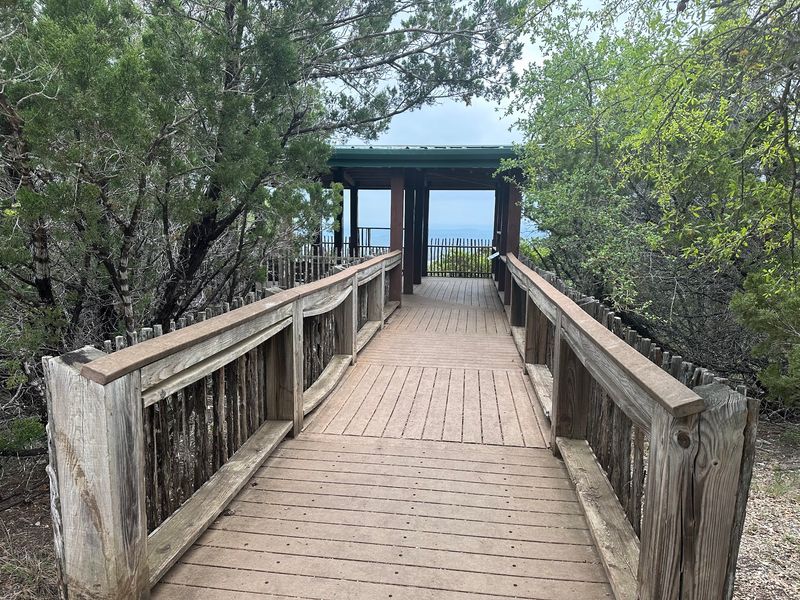
One tiny yellow-faced bird helped protect nearly 30,000 acres of Hill Country. That’s the Golden-cheeked Warbler, and it’s endangered.
The refuge was established in 1992 to save habitat for that warbler. It also protected the Black-capped Vireo, which has since been delisted.
The warblers need old Ashe juniper and oak woods to nest. So those twisty trees are more than scenery.
The refuge sits northwest of Austin, north of Lake Travis. That lake is Austin’s drinking water reservoir, so the land protects water quality too.
Underground, things get wild. Caves, sinkholes, and springs hide creatures found nowhere else in Texas.
Above ground, you’ll find steep canyons and streams. More than 245 bird species have been recorded.
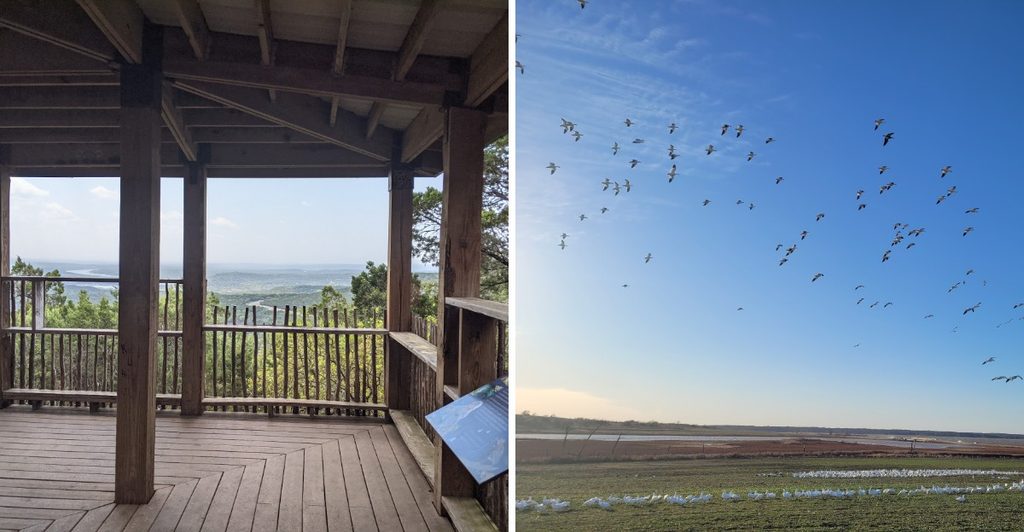
The refuge offers miles of hiking trails at Warbler Vista and Doeskin Ranch, plus a separate observation deck at Shin Oak. Pick from Warbler Vista, Doeskin Ranch, or the Shin Oak Observation Deck.
Chasing a sunset? The Sunset Deck at Warbler Vista looks out over Lake Travis.
Good news for your wallet. There are no entrance fees or reservations needed.
Public areas open year-round from sunrise to sunset. The headquarters keeps weekday hours, but you can head straight to the trails anytime.
Events pop up through the year. Raptor presentations and the Refuge Round Up are fun for families.
Pets, camping, and fires aren’t allowed. Pack water and snacks instead for a day trip.
Photography is popular here, especially with canyon views. Bring a zoom lens if you hope to catch a warbler.
Address: 24518 E. FM 1431, Marble Falls, TX 78654
11. Hagerman National Wildlife Refuge
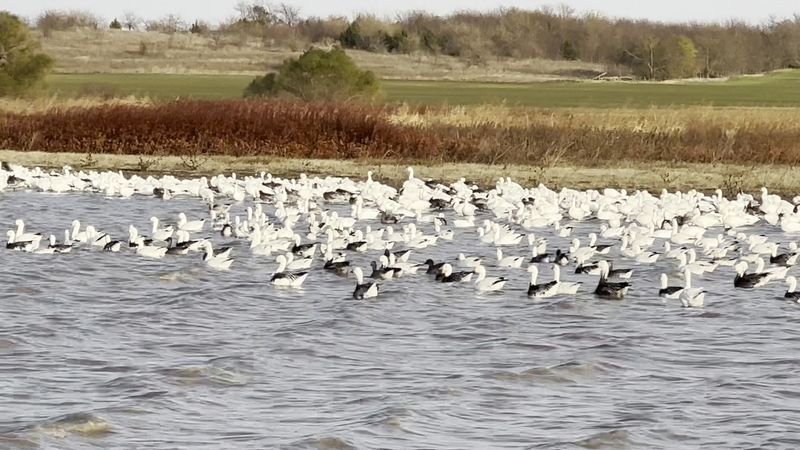
Somewhere under Lake Texoma lies an entire town. Hagerman went underwater in 1944 after Denison Dam formed the lake.
A historic exhibit at the Visitor Center tells that story. It’s a surprising bit of history at a bird refuge.
The refuge itself dates to 1946. It covers over 11,000 acres on the Big Mineral Arm of Lake Texoma.
Winter brings flocks of snow geese, Canada geese, and teal. Summer belongs to wading birds.
Roughly 300 or more bird species have been recorded. Deer, turkeys, raccoons, and bobcats live here too.
The western side is part of the Cross Timbers. Old, gnarly post oaks and blackjack oaks give it real character.
The Wildlife Drive lets you watch from your car. Animals often treat vehicles like harmless background.
Five hiking trails range from easy to moderate. Harris Creek Trail has a photo blind for quiet shots.
The Raasch Trail follows part of the old KATY Railroad bed. Walking it feels like a mini history lesson.
Forgot your binoculars? The Visitor Center offers loaner pairs, plus maps and viewing guides.
Kids can join Refuge Rocks programs. The 2nd Saturday Nature Series and guided tram tours suit grown-ups too.
Here’s a quirky perk in Texas. You can forage fruits, nuts, berries, or mushrooms, up to one gallon per person daily.
Refuge lands open daily from sunrise to sunset with no admission fee. Fishing is allowed year-round in Lake Texoma.
Address: 6465 Refuge Road, Sherman, TX 75092
Share this story