Out in far western Oklahoma, a small town has built something that stops drivers in their tracks.
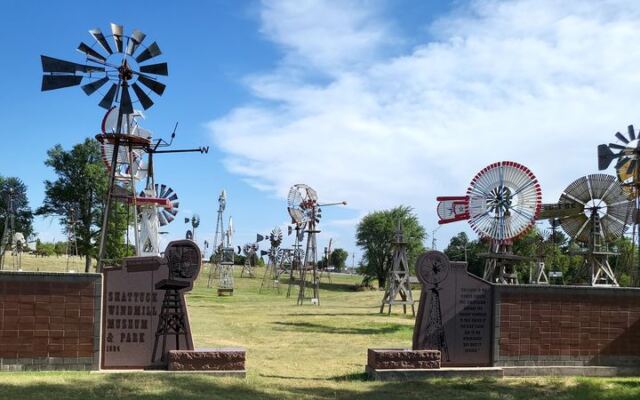
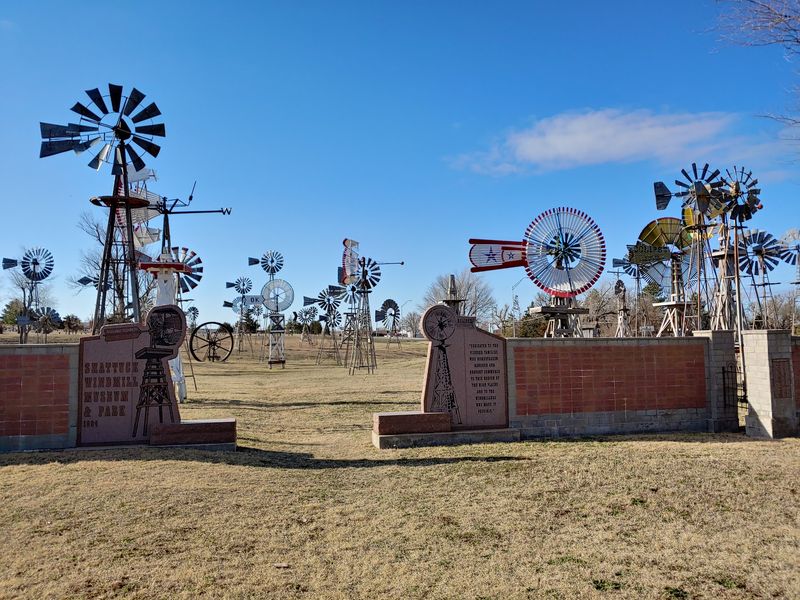
Dozens of old windmills rise above a grassy park, their blades spinning like they never got the memo that the pioneer days ended.
Long before city water lines, these tall machines pumped the water that kept cattle, sheep, and families going on the open plains.
The best part is that this outdoor museum costs nothing to enter, so a family can roll in, stretch their legs, and soak up real frontier history on a weekend drive.
Keep reading to find out where it is, what is hiding inside the old buildings, and the radio trick that turns your car into a tour guide.
1. A Windmill Park on the Edge of Town
Shattuck sits in Ellis County near the Texas line, and it is not exactly on the way to anywhere.
That is part of the charm.
The Shattuck Windmill Museum is found at 1201-1299 S Main St, Shattuck, OK 73858, right where travelers coming through town can spot it from the road.
Many people never planned to stop at all.
The windmills seem to leap out at drivers as they pass.
A lot of folks pull over on a whim, and few seem to regret it.
At heart, the place is an outdoor museum dedicated to the windmills that once watered the Great Plains.
Count estimates vary, with some putting the collection at 30 or more and others at 50 to 60 working machines gathered from several sources around the country.
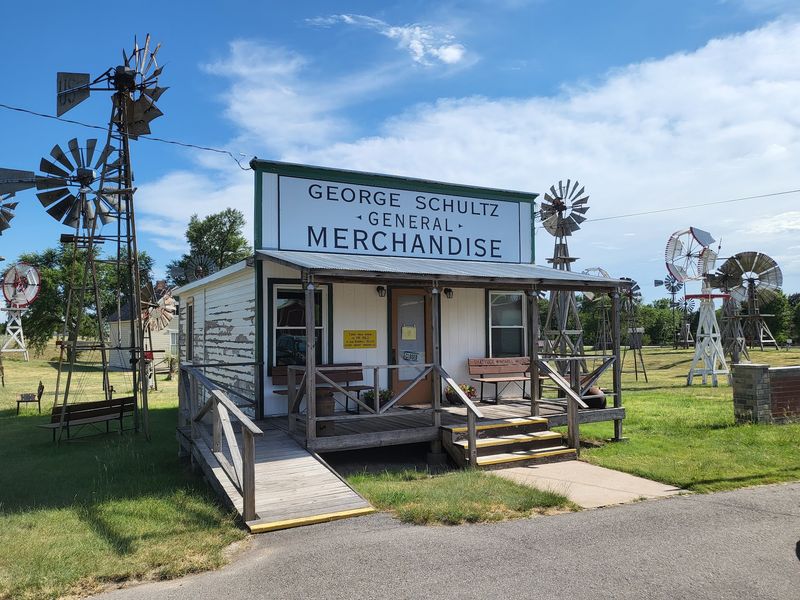
Beyond the towers, the grounds hold restored pioneer buildings, a gift shop, and a shed packed with more pumps.
It is a small stop with a surprisingly big story, and that story starts with water.
The museum carries a 4.8-star average across 160 Google ratings, which says a lot about a free roadside park in a town of modest size.
2. Why Thirsty Cattle Needed the Wind
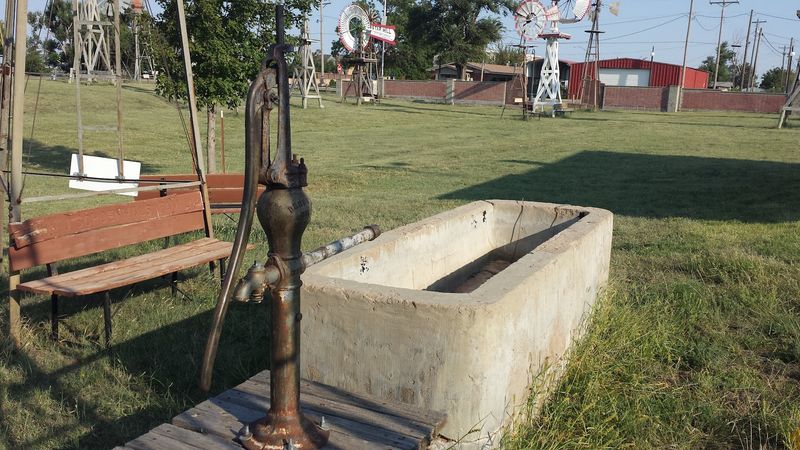
Out on the plains, rivers did not run past every homestead.
Settlers needed a way to pull water from deep underground.
Windmills solved that problem.
Most of the machines on display here were built to pump water for livestock and households, turning the steady prairie wind into a lifeline.
It is easy to forget how central these devices were to settling the West.
Some argue the windmill belongs on any list of tools that helped shape the frontier, right alongside barbed wire and the railroad.
Small signs on the highway side of the park tell the story in rhyme.
The cows were thirsty, the sheep were too, and they got their water when the wind blew.
That little verse sums up the whole museum in one breath.
Kids tend to remember it long after the drive home.
The collection also reflects the inventiveness of the region’s pioneers and Native peoples, who adapted to a dry land with clever engineering.
Several pieces are one of a kind, which makes the history feel personal rather than textbook.
3. Dozens of Blades, Dozens of Designs
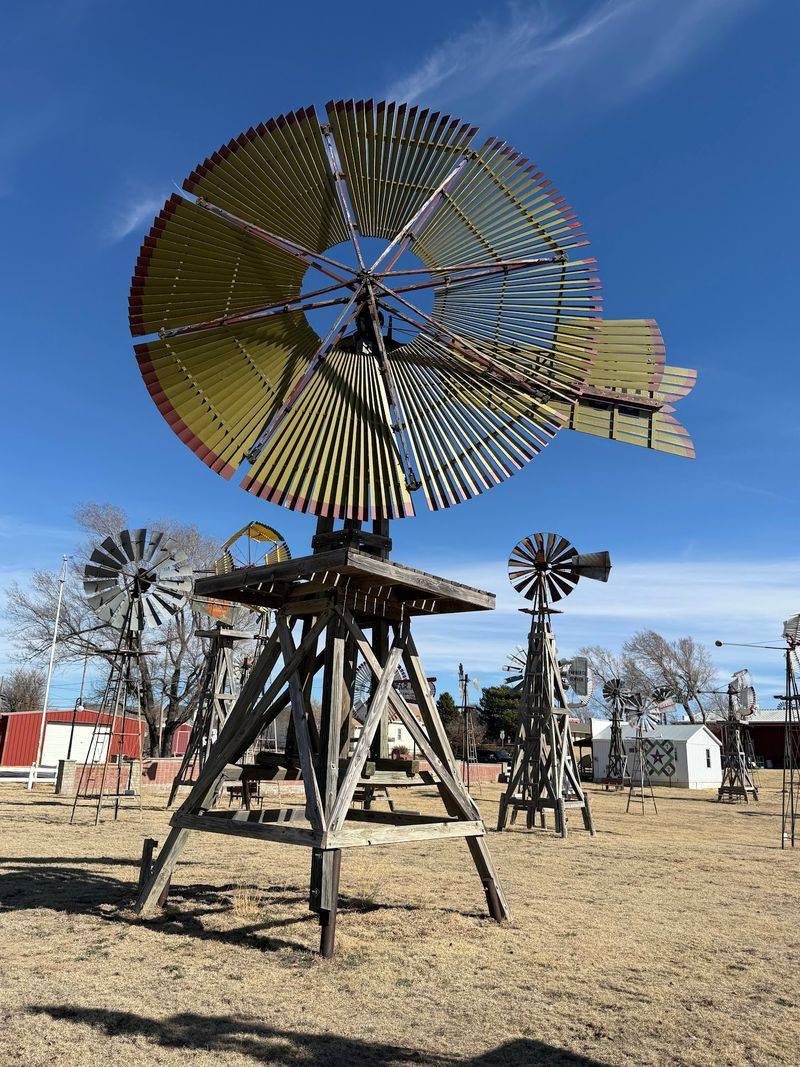
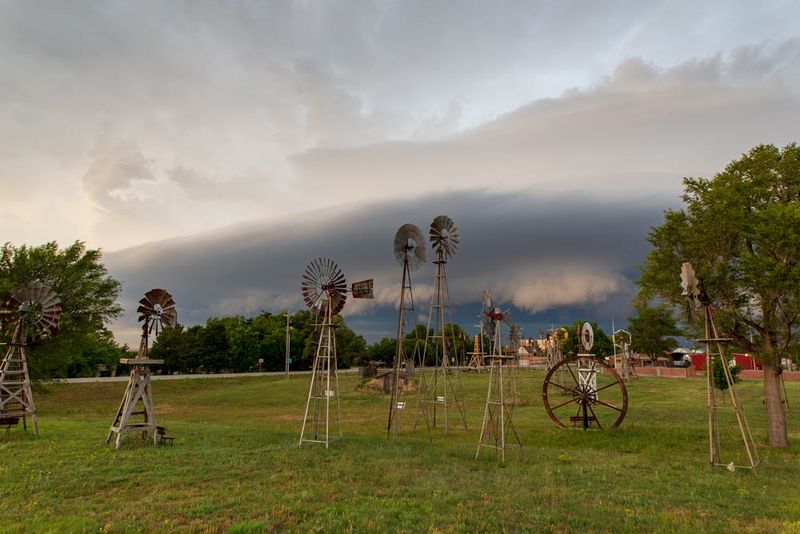
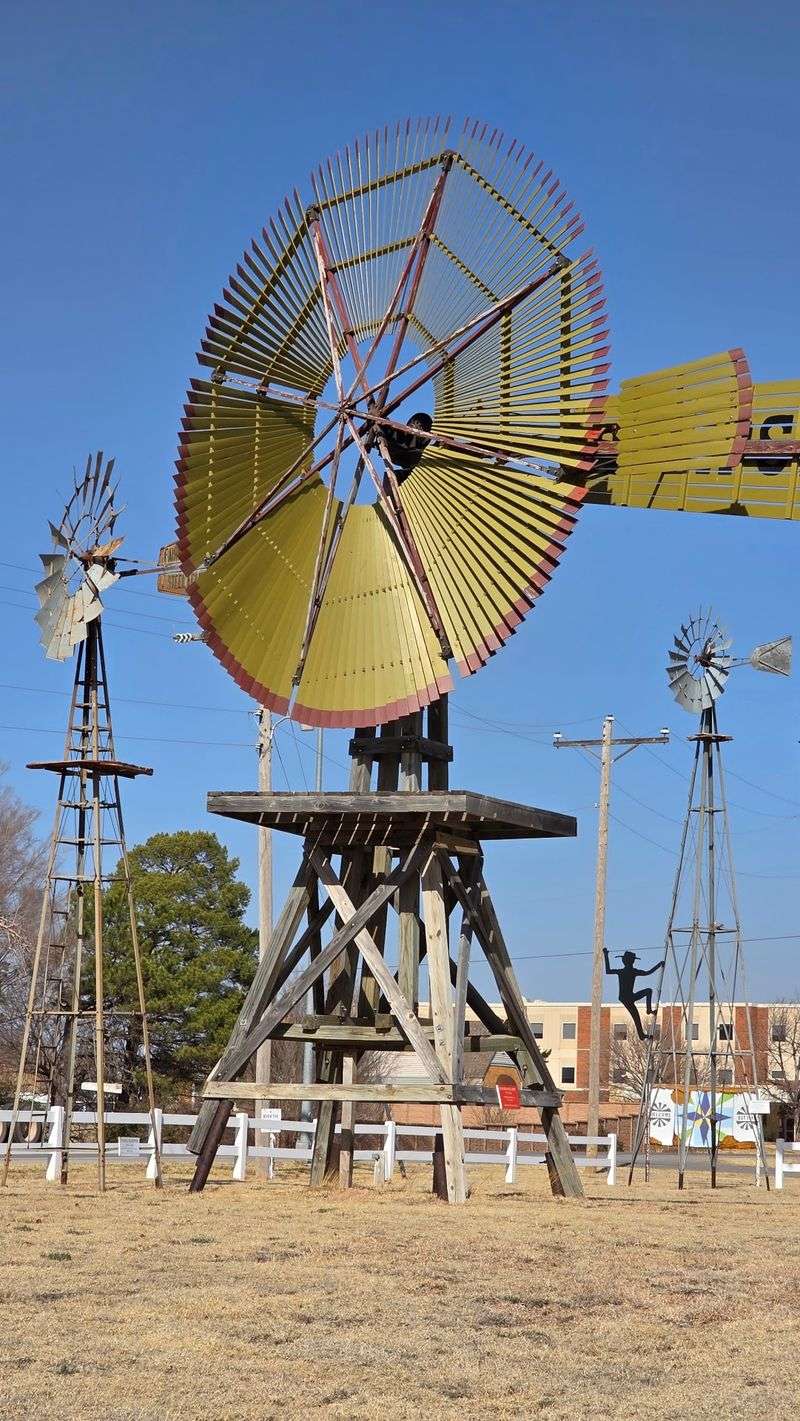
No two towers here are quite alike, and that is the real fun of a slow lap around the park.
The windmills come from all over the United States.
Different makers, different blade shapes, and different eras stand side by side, so the variety jumps out quickly.
These are not static props, either.
The collection is known for being fully functional and well maintained, so on a breezy day the blades are actually turning.
Western Oklahoma rarely lacks wind.
When it really kicks up, the whole field of windmills seems to work together as a group.
Families can turn the visit into a game.
Ask the kids to find the tallest tower, the oddest blade, or the one that spins fastest.
History fans, on the other hand, may want to take it slow and compare designs.
Either way, this is a spot where even folks who never cared about windmills start asking questions.
4. Tune In to 90.3
Here is a tip that regulars swear by.
Tune your car radio to 90.3 FM once you arrive.
A short historical recording plays on that frequency, covering the story of windmills and the museum.
It runs roughly five minutes, which is just right for little attention spans.
The broadcast is a lifesaver when the office is closed or the day is too hot to wander far.
You can sit in the car, crank the air, and still get a solid history lesson.
RV travelers especially like this feature.
Parking near the park and listening from the driver’s seat makes the stop easy for anyone with mobility concerns too.
After the recording ends, the towers outside suddenly make a lot more sense.
Knowing what each machine did changes how you look at it.
It is a clever, low-tech touch that fits the spirit of the place perfectly.
Old windmills, old-school radio, and zero cost.
5. The Dugout, the Soddy, and the Farmhouse
Windmills get the headlines, but the restored pioneer buildings might steal the show.
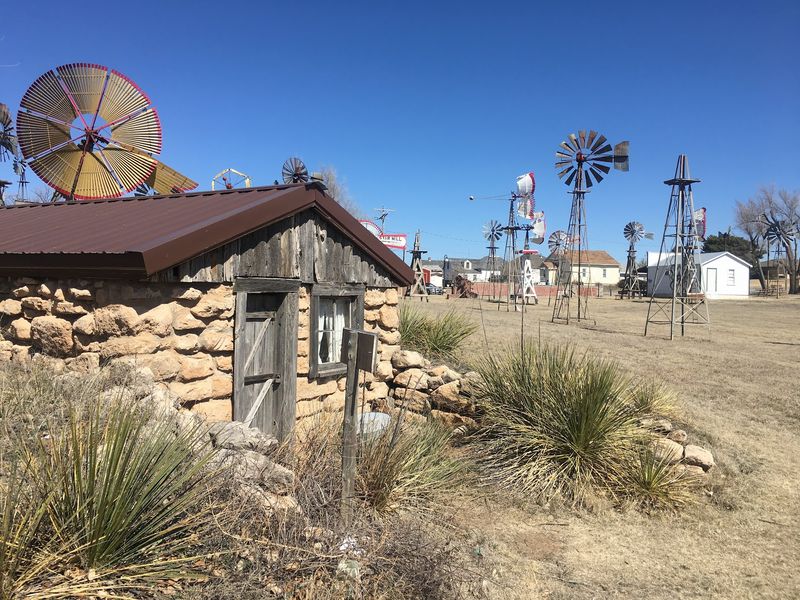
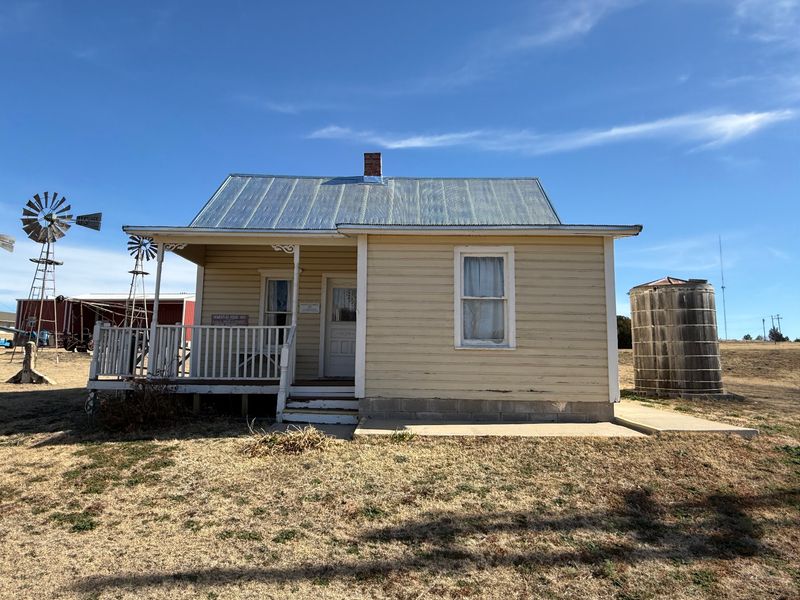
The grounds include a dugout, a soddy house, and a small farmhouse.
Each shows how early settlers in this part of Oklahoma actually lived.
Sod houses were built from blocks of prairie earth, since trees were scarce.
Seeing one in person helps explain just how resourceful homesteaders had to be.
One catch is worth knowing ahead of time.
The restored buildings are kept locked because artifacts were stolen in the past.
The good news is that staff from the museum office have been known to walk out with a ring of keys and open things up.
Some lucky guests have even received a personal history lesson right on the spot.
There is no guarantee this will happen every time.
Still, it never hurts to ask politely at the office.
A large shed near the gift shop holds additional water pumps and windmills, so there is plenty to see even if the houses stay closed.
6. Caretakers With Stories to Spare
Plenty of museums have exhibits.
Fewer have people who seem genuinely thrilled you showed up.
The caretakers here are a big reason the stop leaves such a mark.
Kind staff come up again and again when people talk about the place.
Curators have been known to give personal tours, sharing the history of individual windmills and their uses.
Some even toss in their own memories, which adds a layer no plaque can match.
The women working the front building also earn warm words.
They tell the story of the museum and guide folks around the whole property.
Travelers who drift in unannounced often end up with far more information than expected.
A few have watched a staff member stroll out just to chat with them at their RV.
That kind of hospitality is very small-town Oklahoma.
It turns a quick leg stretch into a real conversation about the plains.
7. Picnic Tables, Guest Books, and Souvenirs
Between laps around the towers, there is room to slow down.
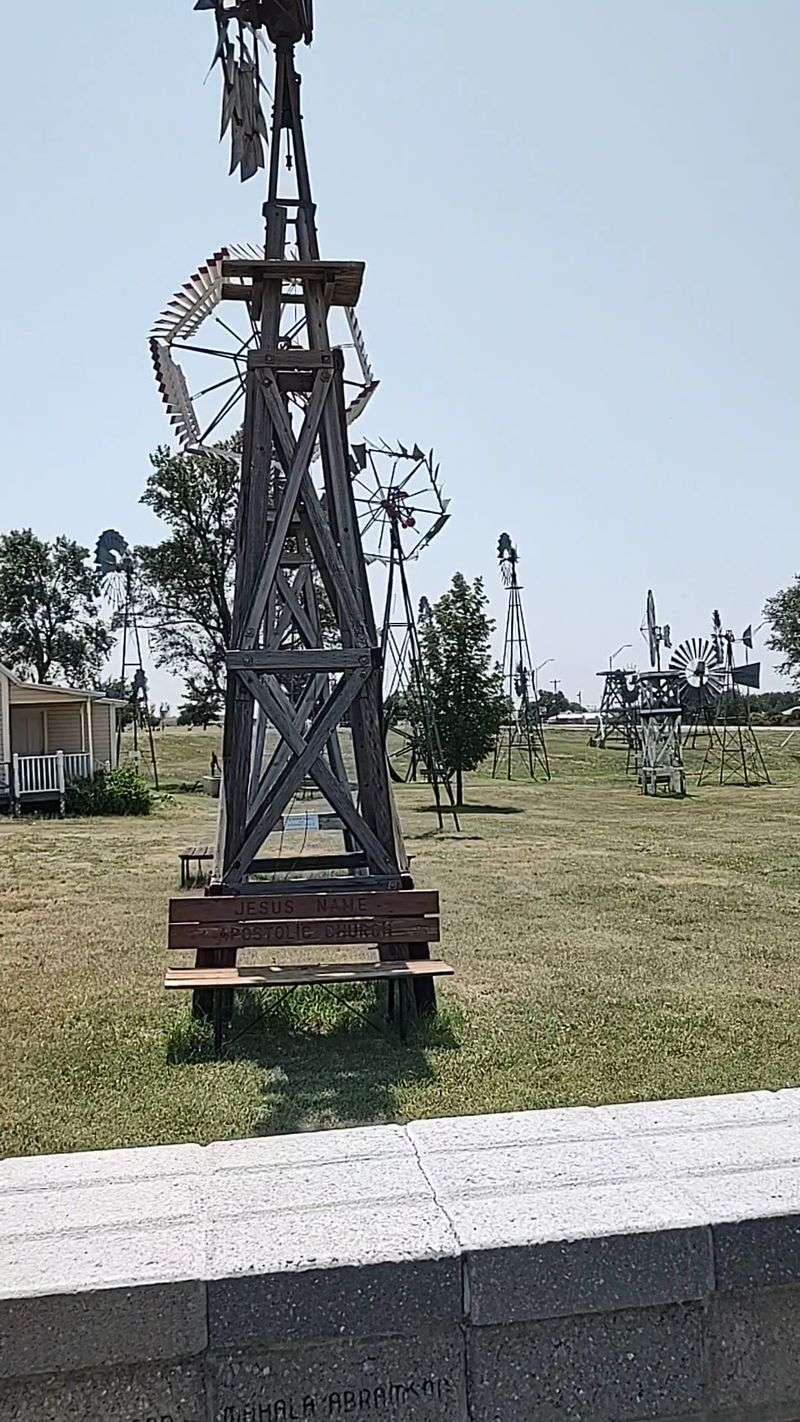
The park-like grounds have benches and picnic tables, so packing a lunch is a smart move for families.
It is an easy place to sit a while and let the kids burn off car energy.
A gift shop offers souvenirs and T-shirts for anyone who wants a keepsake.
It also has a restroom, which every parent on a road trip will appreciate.
Do not skip the guest book.
Visitors sign in and note where they are from, and flipping through the pages shows just how far people travel to reach this little town.
Some families come back again and again over the years.
Bringing a new generation along has become a tradition for more than a few.
Small comforts like these make the stop feel welcoming.
Nothing fancy, just the basics done well.
8. Free Entry and Smart Footwear
Now for the practical stuff, and it is mostly good news.
The park and museum are free to enter.
Donations are welcome, and leaving a few dollars helps keep these old machines spinning.
Google lists the grounds as open 24 hours, every day of the week.
Indoor areas and staffed buildings keep shorter hours, and some travelers have found the office closed during their stop, so calling ahead or checking the town website is wise since times may change.
Shoe choice matters more than you might think.
Like many Oklahoma fields, the grounds can have stickers, so wear closed-toe shoes and brush them off before climbing back into the car.
Summer brings heat that can top 100 degrees.
Grass, weeds, and bugs can also grow tall at times, so plan for sunscreen and bug spray.
Some folks have even pulled over at night or in the rain just to snap photos.
Daylight, though, shows the collection at its best.
9. Worth the Detour Off I-40
Getting there takes a little intention, and that is half the adventure.
From Interstate 40, head north on Highway 283 to reach Shattuck.
Highway 412 also runs through the area, and travelers who prefer back roads often find the museum this way.
Pairing the trip with other stops makes a full day.
The Washita Battlefield National Historic Site lies in the region and adds deeper frontier and Native history to the outing.
So who will love this place?
Road-trippers needing a break, history buffs, and families looking for a cheap outdoor outing all fit right in.
It also makes a strong case for Oklahoma pride.
This corner of the state is far more than empty prairie, and the windmills prove it.
The museum is humble, friendly, and quietly fascinating.
Spend an hour, drop a donation, and the wind will keep the rest of the story turning long after you leave.
Share this story