A nickel will not buy much in North Carolina these days, but in one High Country valley it can still buy a cup of coffee. That cup sits beside a creaky wooden counter inside a general store that has been open since the 1880s, in a village with fewer residents than many big-city apartment buildings.
The place has a church history, a river running through it, and a name that sounds like it belongs in a storybook. Keep reading to find out where it is, why it has barely changed, and how to plan a weekend trip that feels a lot like stepping back a century.
A Valley Hiding in Watauga County
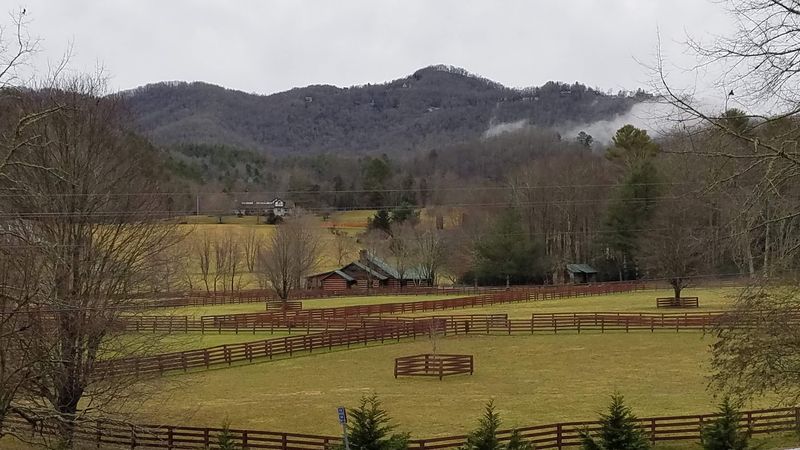
Tucked between Boone and Banner Elk, the valley of Valle Crucis sits quietly in Watauga County, North Carolina, USA.
It is an unincorporated community and census-designated place, which means there is no mayor, no town hall, and no city limits sign shouting for attention. As of the 2020 census, just 436 people called it home.
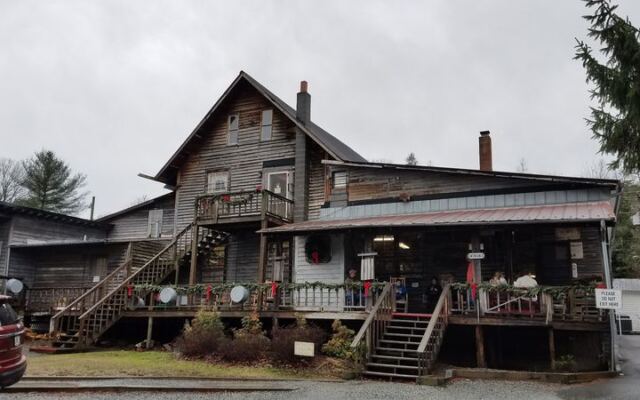
The heart of the village for most day-trippers is the original Mast General Store at 3565 NC Highway 194 South in the Sugar Grove mailing area. NC 194 is the main route in, and it winds down into the valley from both the Boone side and the Banner Elk side.
That tiny population surprises plenty of North Carolinians who have heard of the store for years. Many assume a place this famous must be a bustling town.
Instead, the community is a scattering of farms, historic buildings, a church, a river, and a handful of businesses spread along a quiet road. There are no traffic lights to wait at and no strip malls to dodge.
So how did such a small spot end up on so many weekend bucket lists? The answer starts with a name, a bishop, and three streams.
The Story Behind the Vale of the Cross
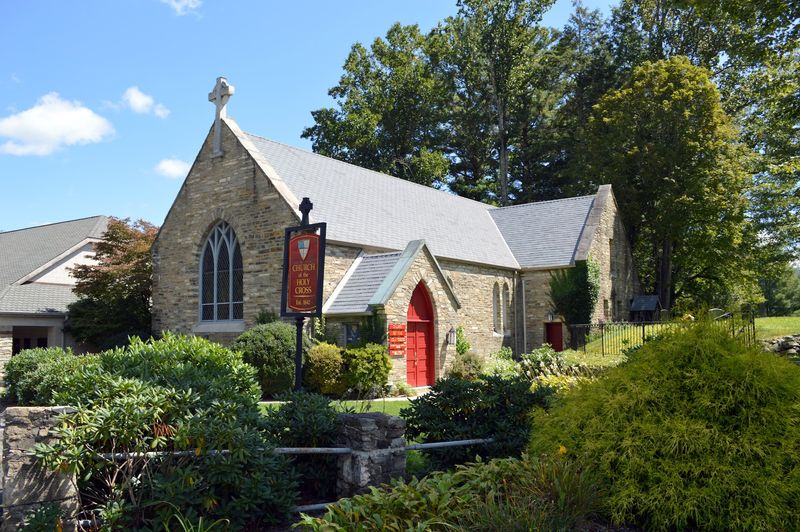
Latin is not the language most people expect to find in the Blue Ridge, yet here it is on every road sign.
Valle Crucis translates to “Vale of the Cross.” The name is credited to Episcopal Bishop Levi Silliman Ives, who came to the area in the 1840s.
According to local history, he noticed that streams in the valley came together in a pattern resembling a cross. That observation stuck, and so did the name.
The bishop also helped establish an Episcopal mission here, which shaped the community for generations. Its legacy still stands today in the Valle Crucis Conference Center and the Holy Cross Episcopal Church.
It is a fun bit of trivia to share on the drive in. Most mountain towns are named for early settlers, rivers, or railroad men, so a Latin title makes this one stand out right away.
Did you know? Valle Crucis became North Carolina’s first rural historic district listed on the National Register of Historic Places.
That designation recognized the whole landscape, not just a single building. Speaking of buildings, one in particular deserves the spotlight next.
An 1883 Storefront That Refused to Retire
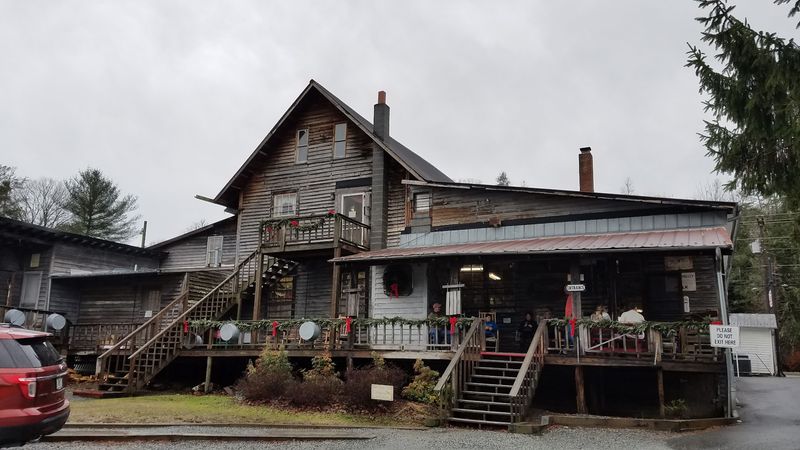
Some businesses last a decade. The original Mast General Store has been serving its neighbors since 1883.
Henry Taylor built the store in the early 1880s, and it became a lifeline for families in the valley. Mountain farmers could trade goods, pick up supplies, and catch up on local news all in one stop.
Later, W.W. Mast bought into the business, and the family name has stayed on the sign ever since.
The store earned a reputation for carrying just about everything a rural household could need.
Today the building is listed on the National Register of Historic Places. The worn wooden floors, tall shelves, and old-fashioned front porch look much as they did generations ago.
The Mast General Store brand has since grown to several locations across North Carolina and neighboring states. Still, this is the original, and many fans consider it the one that matters most.
There is a difference between a store designed to look old and a store that simply is old. Valle Crucis has the real thing, and the most famous detail inside costs exactly five cents.
The Five-Cent Cup That Made Headlines
Inflation has touched nearly everything, but it seems to have skipped one coffee pot in Watauga County.
Inside the original Mast General Store, a cup of coffee has long been offered for just five cents. It is a small gesture that has become one of the most talked-about traditions in the North Carolina mountains.
The setup is refreshingly simple. Coffee is poured near the old potbelly stove, and the nickel price runs on an honor system that fits the neighborly spirit of the place.
Plenty of folks drop in more than a nickel, which is part of the charm. Nobody is keeping a ledger, and nobody seems to mind.
For locals, the cup is a reason to linger and chat. For day-trippers from Charlotte, Raleigh, or the Triad, it is a fun souvenir moment and a great photo to send home.
The coffee itself is not the point, really. It is a reminder of what a general store once meant to a mountain community, a place to slow down and talk.
Keep a nickel in your pocket before you leave home.
Shelves Stocked With a Little of Everything
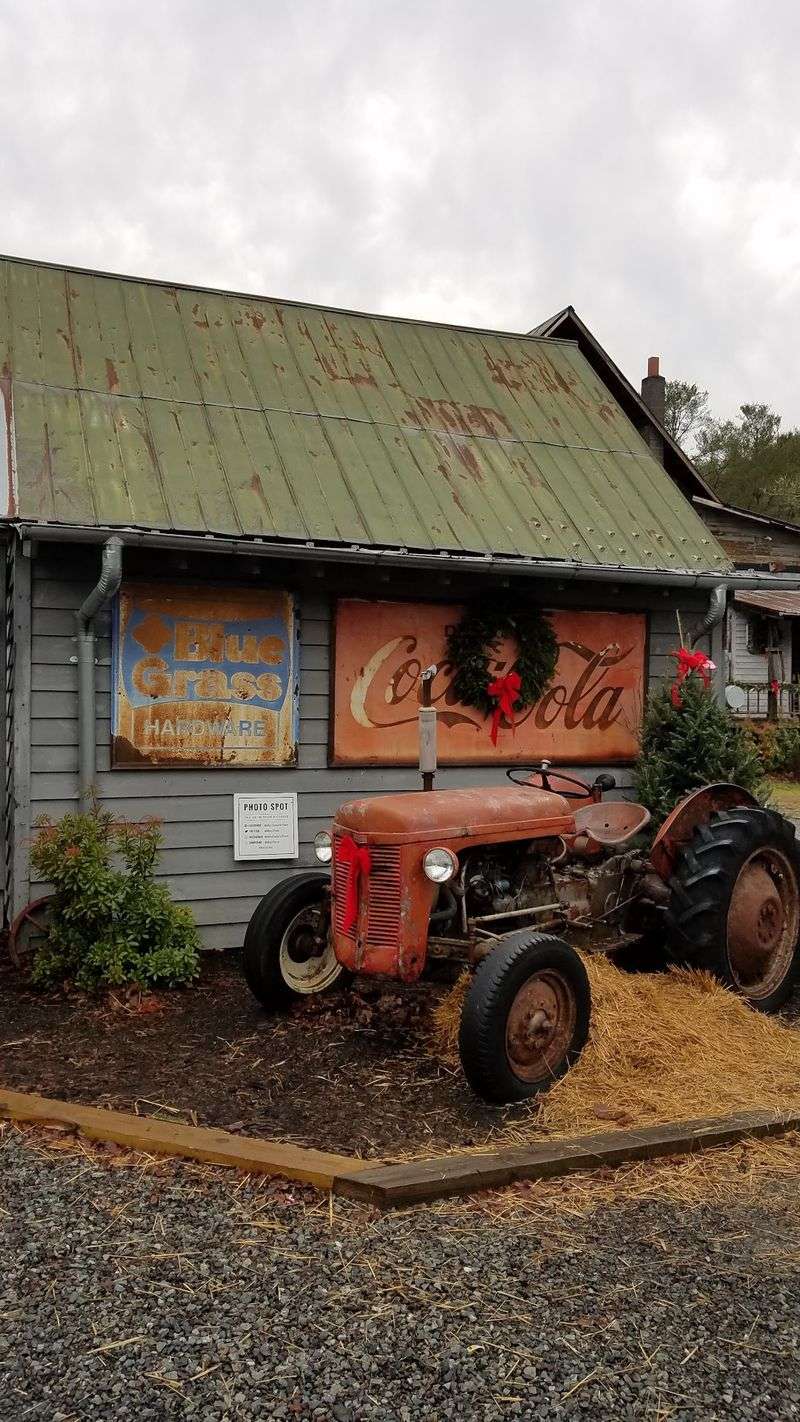
Need a cast iron skillet, a flannel shirt, and a postcard all in one trip? The answer here is probably yes.
True to its roots, the store still operates as a general store. Its shelves carry housewares, clothing, outdoor goods, toys, and plenty of old-time items that are hard to find at chain retailers.
The layout invites browsing rather than rushing. Rooms connect through doorways and narrow aisles, and many shoppers find themselves wandering longer than planned.
The building has also long housed a post office, a nod to the days when the general store was the official center of rural life. That detail alone makes it worth a slow look around.
Families tend to enjoy it because there is something for every age. Grandparents spot items they remember from childhood, while kids gravitate toward the toys and games.
It is not a museum, even though it sometimes feels like one. Everything on the shelves is meant to be bought and used.
Budget a little extra time, because this is not a ten-minute errand. And there is still another store just down the road.
Down the Road at the Annex
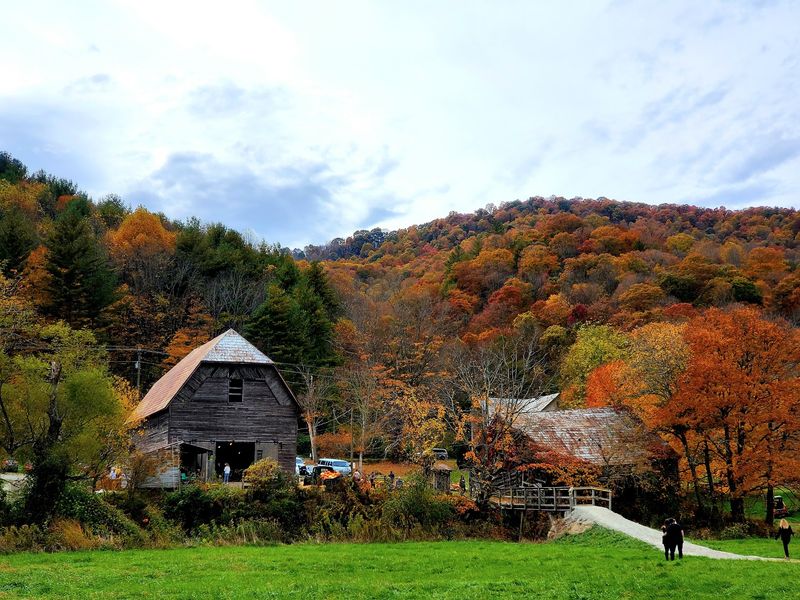
One historic store would be plenty for most villages. Valle Crucis has two.
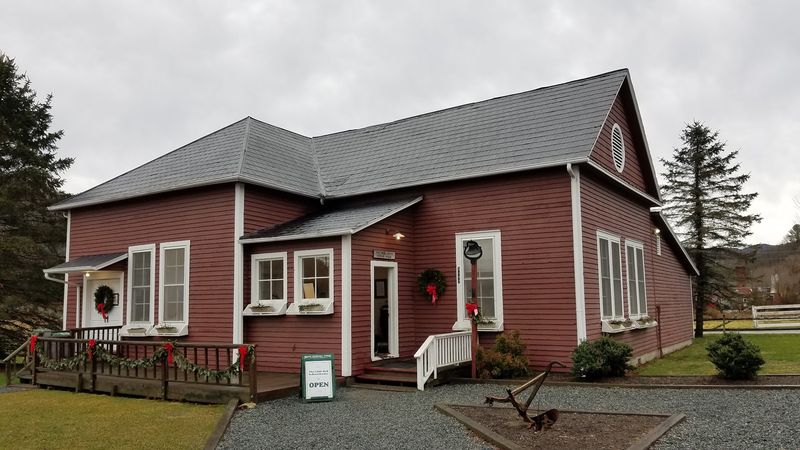
A short distance from the original building sits the Mast Store Annex. It occupies a historic structure that dates to the early 1900s and once operated as its own general store.
Today the Annex is known for its large selection of old-fashioned candy displayed in barrels. Kids treat it like a treasure hunt, and plenty of adults do too.
The Annex also carries outdoor gear and clothing, which makes sense in a valley surrounded by hiking, paddling, and fishing opportunities. It is a handy stop before heading out on the trails.
Visiting both buildings turns a quick stop into a relaxed half-day outing. Many people park once and stroll between them along the road.
The pairing tells a bigger story about the valley. In the early twentieth century, Valle Crucis was busy enough to support more than one general store.
Now both buildings serve a new kind of traveler, the weekend explorer looking for something genuine. Next up is the water that shaped this whole valley.
Where the Watauga River Wanders Through
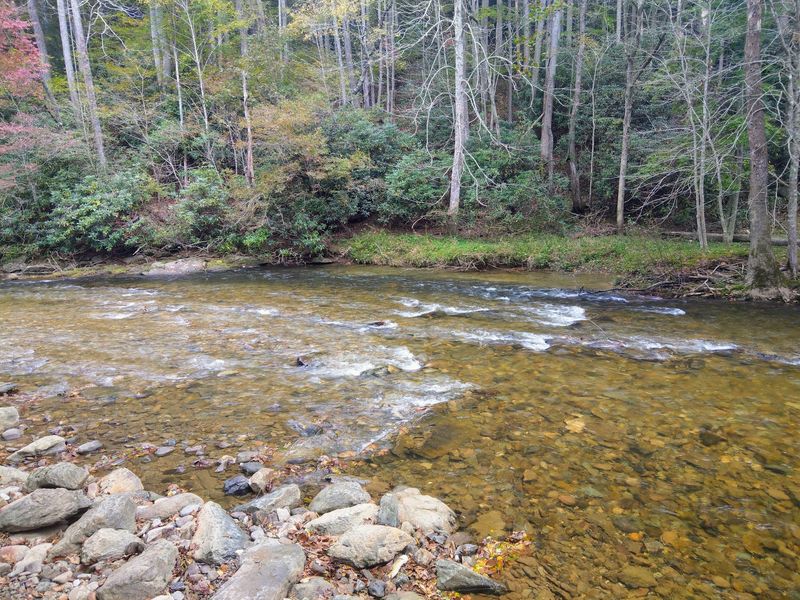
Rivers have a way of deciding where communities grow, and the Watauga River is a big part of why Valle Crucis exists.
The river runs through the valley, along with smaller streams like Dutch Creek. Those waterways created the flat, fertile bottomland that drew farmers to the area long ago.
Today the Watauga is popular for fly fishing, tubing, and paddling in the warmer months. Local outfitters in the High Country can help with gear and guidance for those new to the river.
Anglers should check North Carolina fishing regulations and license requirements before casting a line. Water levels can also change quickly after rain, so a bit of caution goes a long way.
Even without getting wet, the river adds to the setting. Bridges and pull-offs along the road offer simple spots to stop and admire the valley.
Fun fact: the Watauga eventually flows west into Tennessee, making it one of the rivers in North Carolina that does not head toward the Atlantic.
So the five-cent coffee might be the headline, but the river is the reason there is a valley at all.
Farmland Protected by History
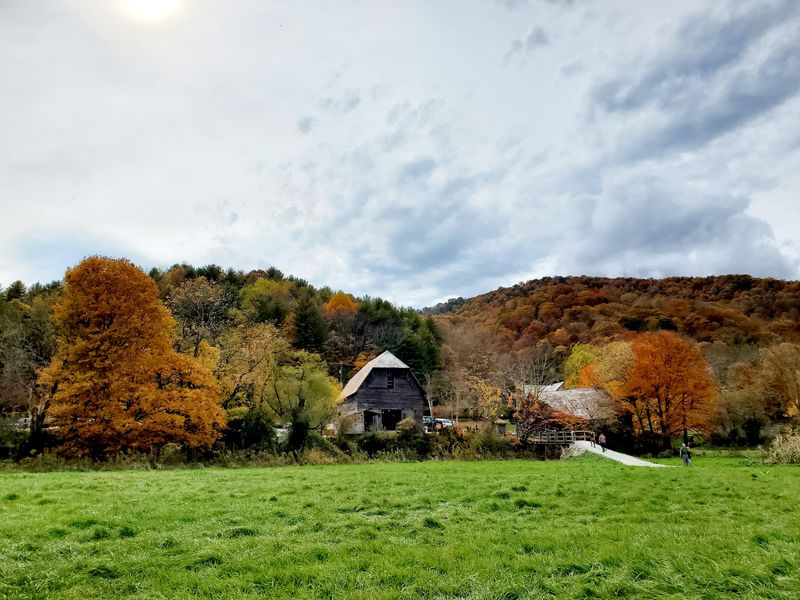
Plenty of mountain valleys have filled up with subdivisions over the years. Valle Crucis has largely kept its open fields.
The Valle Crucis Rural Historic District recognizes the community’s farms, barns, homes, churches, and stores as a connected historic landscape. It was the first rural district of its kind in North Carolina to earn that listing.
Driving through, it is easy to see why. Pastures stretch across the valley floor, and older farmhouses and outbuildings still dot the hillsides.
For locals, this matters a great deal. High Country towns have seen plenty of growth, and many residents care deeply about protecting what makes their communities special.
That is a good reason to visit with respect. Stay on public roads, avoid parking on private land, and leave fences and gates alone.
The historic district designation does not freeze the valley in time. People still live, farm, and run businesses here.
But it does help keep the character of the place intact, and that character is exactly why so many North Carolinians keep coming back. Sharing it kindly helps it stay that way.
A Mission With Deep Roots
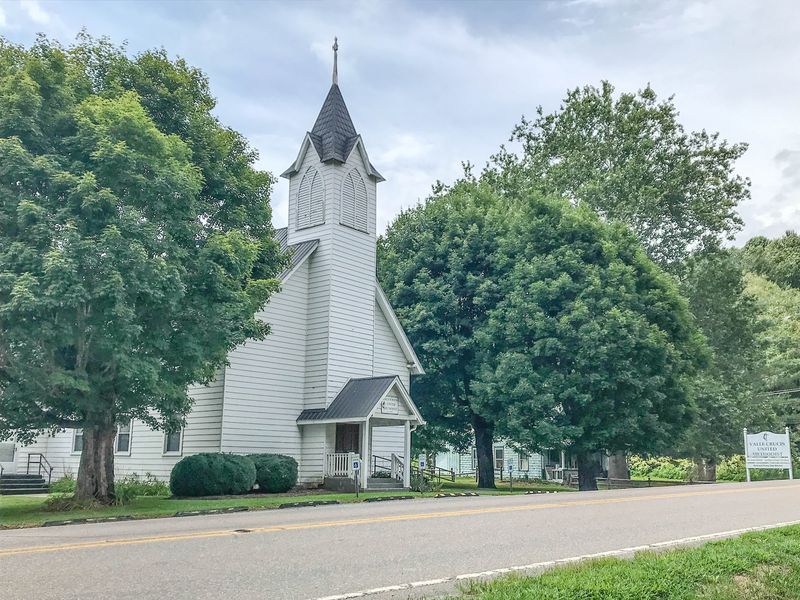
Long before shoppers came for coffee, the Episcopal Church brought schools and worship to this valley.
The Valle Crucis Conference Center grew out of the mission started in the 1840s. Over the years the campus served as a school and later became a retreat and conference center for the Episcopal Diocese of Western North Carolina.
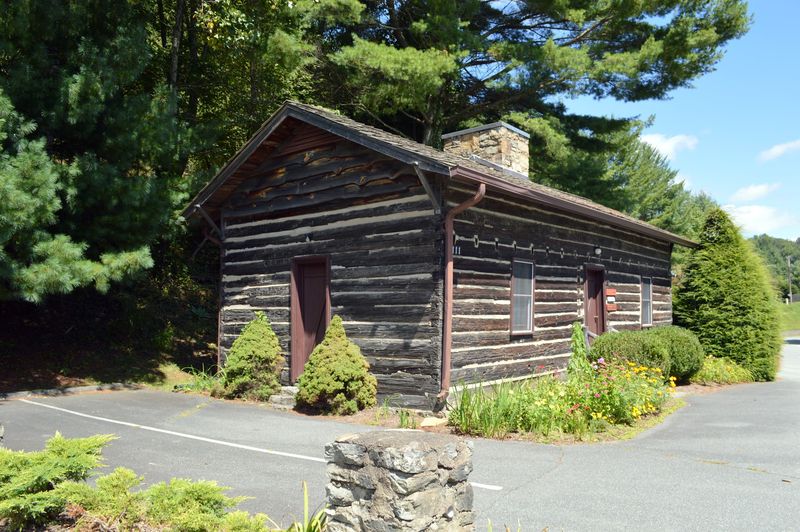
Its historic buildings remain one of the most recognizable sights in the community. Groups gather there for retreats, meetings, and quiet getaways.
Nearby, Holy Cross Episcopal Church is another historic landmark connected to the valley’s religious heritage. Its presence ties back directly to the bishop who gave Valle Crucis its name.
Travelers interested in architecture or regional history may appreciate a slow drive past these sites. They show a side of mountain life that is often overlooked in favor of farming and commerce.
When visiting, remember that these are active properties. Treat the grounds with the same courtesy you would give any church or private campus.
Faith, education, and trade all helped build Valle Crucis, and each one left landmarks behind. Together, they make the village far more than a single store.
Open Space at the Community Park
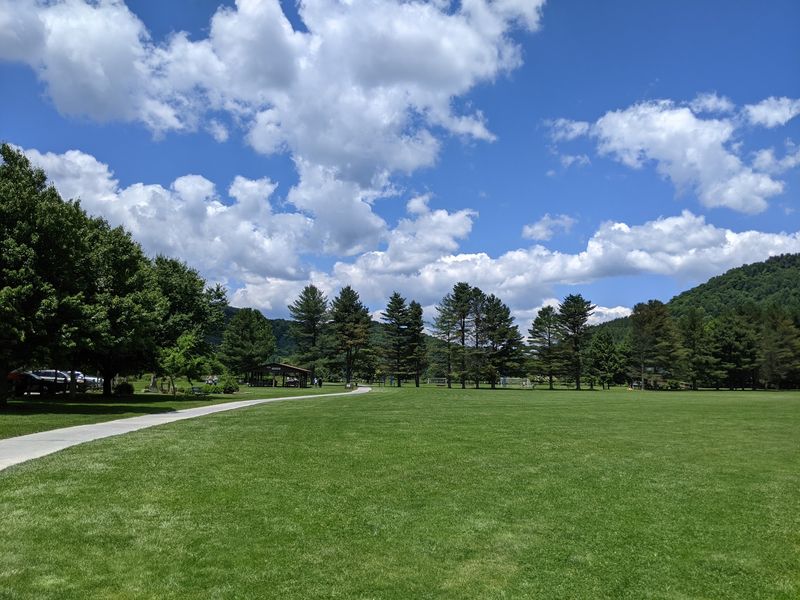
After a round of shopping, a patch of grass and a riverside path can feel like the perfect reward.
Valle Crucis Community Park offers open space along the Watauga River. It is a community-supported park, and it gives the village a central gathering place for locals and day-trippers alike.
The park includes room to walk, play, and spread out a blanket. Families often use it as a break between the original store and the Annex.
Throughout the year, the park may host community events and gatherings. Checking the park’s official channels before a trip is the best way to see what is happening during your visit.
Because the park is supported by the community, it reflects the neighborly spirit found throughout the valley. Pack out what you bring in, and leave the space ready for the next family.
Leashed pets, kids with energy to burn, and grown-ups who just want a quiet bench all seem to find a place here.
It is an easy, free way to stretch a visit without hopping back in the car. Sometimes the simplest stops make the best memories.
Fall Color and Other Good Times to Go
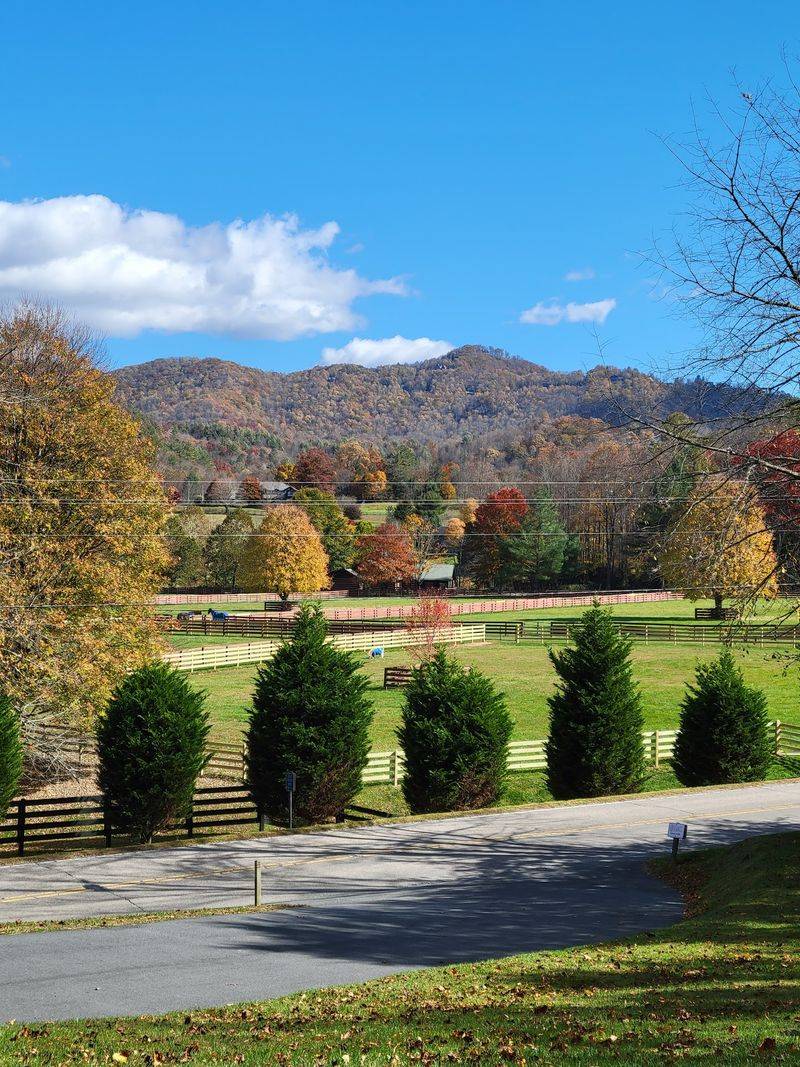
Timing a trip to the High Country is a little like timing a sunset. Get it right, and the payoff is worth it.
Autumn is the most popular season in Valle Crucis. Leaf color in the North Carolina mountains typically peaks around October, and the valley’s farmland and ridgelines make for classic fall scenery.
That popularity comes with traffic, especially on weekends. NC 194 is a two-lane mountain road, and parking near the stores can fill up quickly.
Summer brings river activities and comfortable mountain temperatures compared to much of the state. Spring offers fresh greenery and fewer crowds.
Winter can be quiet and lovely, but snow and ice sometimes affect mountain roads. Checking weather and road conditions before driving up from the Piedmont is a smart move.
For the calmest experience, consider a weekday visit or an early morning arrival. The five-cent coffee is a fine excuse to show up right when the doors open.
Every season has its own personality here. The best time to go might simply be whenever your calendar opens up.
Who Will Love This Mountain Detour
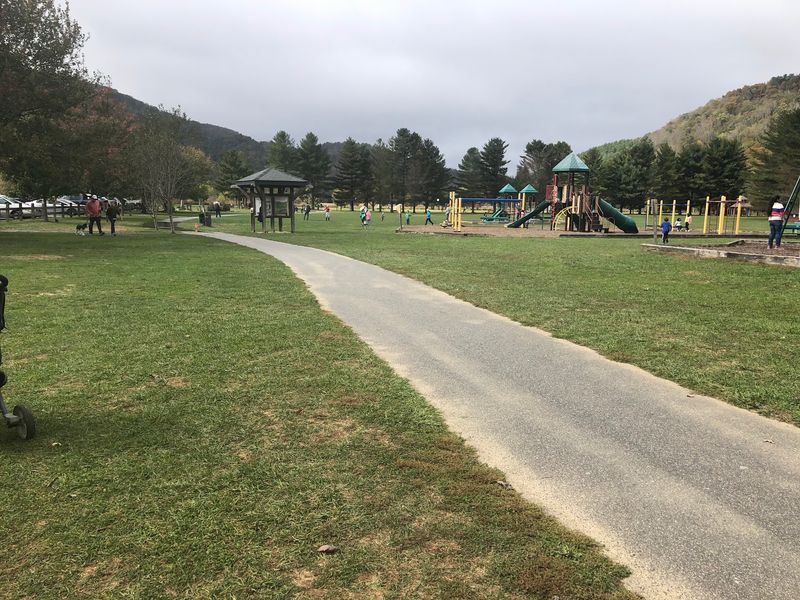
Not every destination works for every traveler, but Valle Crucis covers a surprisingly wide crowd.
History buffs will appreciate the 1883 store, the rural historic district, and the Episcopal mission roots. There is plenty of real heritage packed into a small area.
Families can easily fill a day. Kids enjoy the candy barrels at the Annex, the open lawn at the park, and the novelty of buying coffee for a parent with a single nickel.
Outdoor fans can pair a store visit with fishing, paddling, or hiking elsewhere in Watauga County. The valley makes a relaxed home base between adventures.
Couples looking for a slow weekend may like the lack of rush. There are no theme parks or crowds of attractions competing for attention.
On the other hand, travelers seeking nightlife or big-city dining will find more options in nearby Boone. Valle Crucis is about pace, not party.
Quiet, unhurried, and rooted in tradition, it suits anyone who enjoys a place that feels lived-in rather than staged. That covers a lot of North Carolinians.
Getting There and Planning Ahead
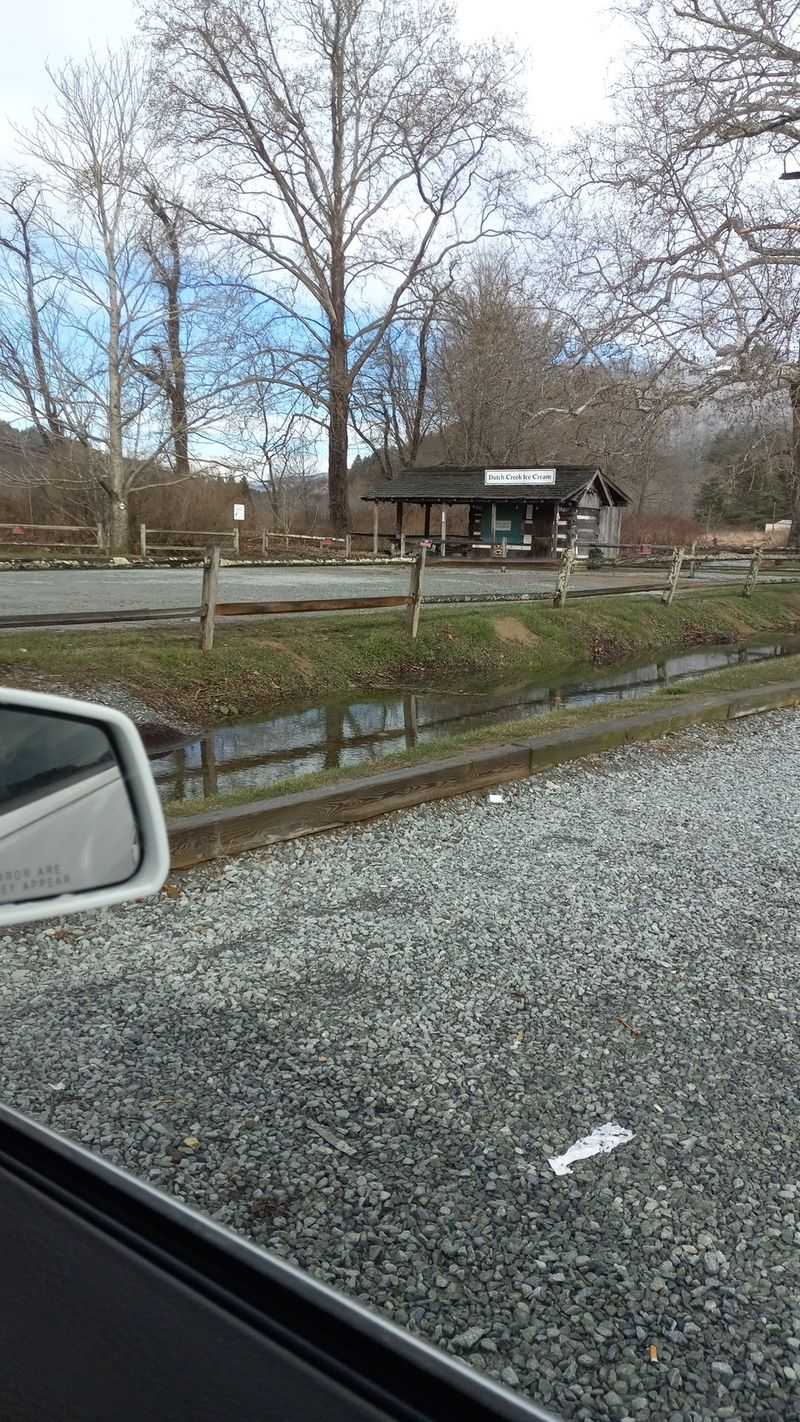
Here is the good news for most North Carolinians: no plane ticket required.
Valle Crucis sits along NC Highway 194 between Boone and Banner Elk in Watauga County. From Boone, the drive is short, and the route winds through mountain scenery the entire way.
Drivers from Charlotte, Winston-Salem, or the Triangle usually reach the area via major highways into the High Country before connecting to local roads. Expect curves and grades once you climb into the mountains.
Store hours can shift with the seasons and holidays. Checking the official Mast General Store website before leaving home is the safest way to avoid arriving at a locked door.
Parking is limited, especially on fall weekends. Carpooling can make life easier for everyone, including the folks who live in the valley year-round.
Cell service can be spotty in parts of the mountains. Downloading directions in advance is a simple fix.
And yes, bring that nickel. It may be the cheapest item on your whole trip, but it is often the one people talk about most once they get home.
A Nickel’s Worth of North Carolina
Small places rarely make big promises, and Valle Crucis does not try to.
What it offers instead is a rare kind of continuity. A store that opened in 1883 still sells goods to its neighbors, still pours a five-cent cup of coffee, and still anchors a community of a few hundred people.
Around that store, the valley keeps its farms, its river, its mission history, and its Latin name. Each piece adds something, and none of it feels manufactured for tourists.
For North Carolinians looking for a weekend outing that feels both familiar and fresh, it is hard to beat. The drive is doable, the costs can stay low, and the history is genuine.
The best way to honor a place like this is to enjoy it gently. Park thoughtfully, shop local, and leave the valley just as welcoming as you found it.
Locals and longtime fans surely have their own favorite corners of the valley. Sharing those tips with friends keeps the tradition going.
In the end, a nickel buys a lot more here than coffee. It buys a seat in a story that is still being written.
Share this story