Somewhere down a country road in Chatham County, a cat is napping in the shade of a tree, and nobody is going to put it back in a cage. That is the whole idea behind one of the most unusual animal rescues in North Carolina.
Here, hundreds of rescued cats live indoor and outdoor lives across a 16-acre spread, sharing space with goats, chickens, and guinea fowl. People drive out on weekends just to sit with a cat in their lap and do absolutely nothing for an hour.
Others come looking for a new family member and leave with one. The place runs on volunteers, donations, and a lot of patience.
Keep reading to learn where it is, what makes it different from a typical shelter, when the gates open, and how a casual weekend visit can turn into something much bigger.
A Refuge Tucked Into Chatham County
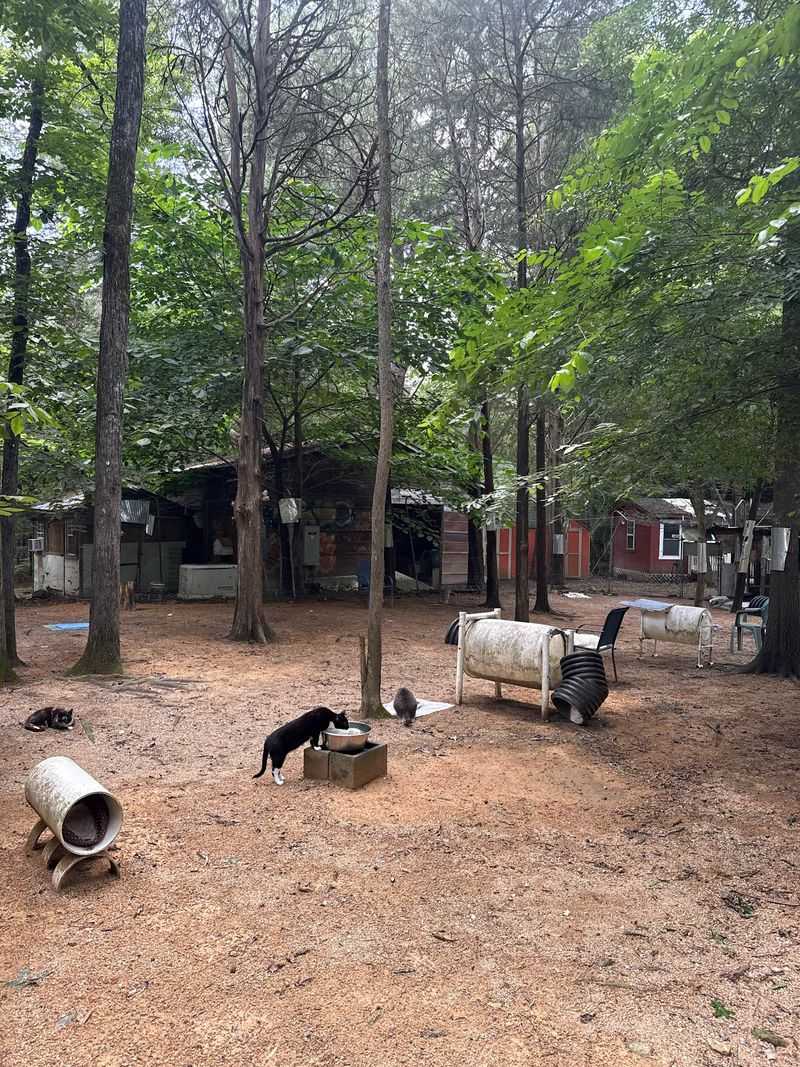
Tucked into the countryside outside Pittsboro, Goathouse Refuge sits at 405 Goathouse Rd, Pittsboro, NC 27312, in the heart of Chatham County, North Carolina.
It is officially listed as an animal rescue service, but calling it a shelter undersells the experience. The refuge is a cat sanctuary where rescued cats live cage-free, moving between indoor spaces and the open property as they please.
For Triangle residents, Pittsboro makes an easy weekend drive. It is close enough to Chapel Hill, Durham, and Raleigh that a Saturday visit does not require much planning.
Fair warning, though. The place has a reputation for being a little hard to find, so loading directions before leaving town is a smart move.
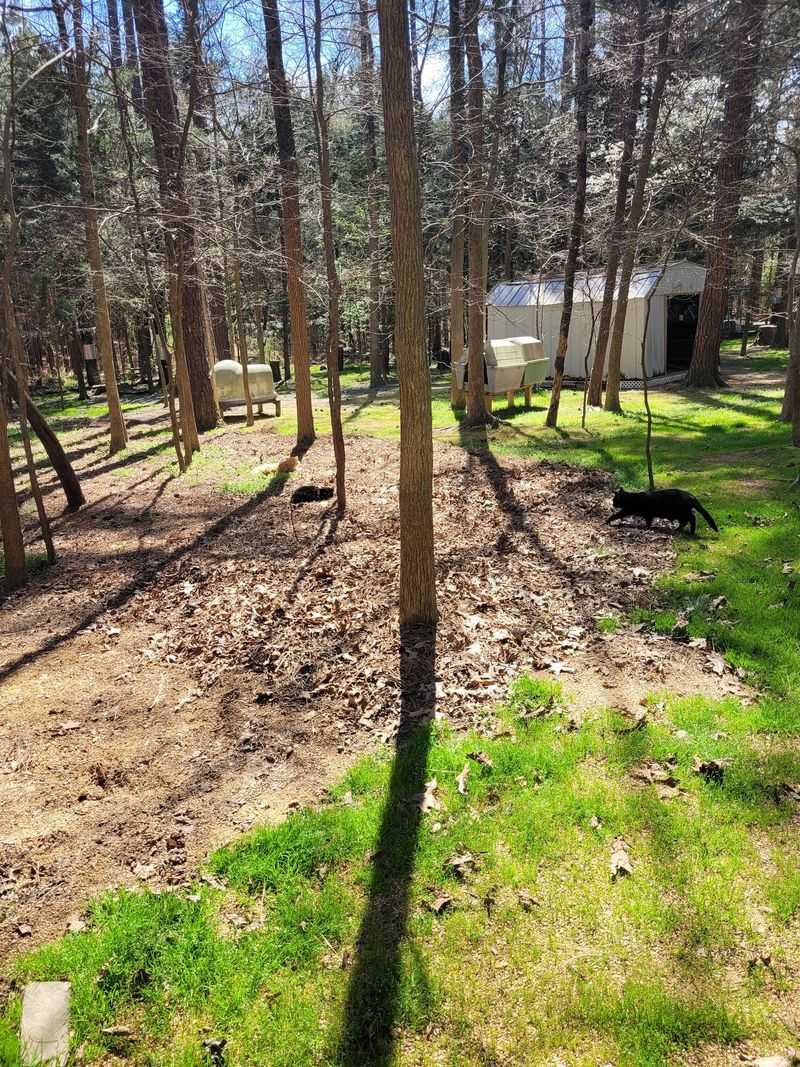
Once there, the property opens up into a world built around feline freedom. Cats are the stars, but goats and a few feathered residents also share the grounds.
The refuge holds a 4.6-star standing across more than a hundred public comments, with frequent praise for its kind staff and friendly animals.
It is the kind of spot that makes North Carolinians a little prouder of their own backyard, and it rewards anyone willing to take the back roads.
The Mission Behind the Name
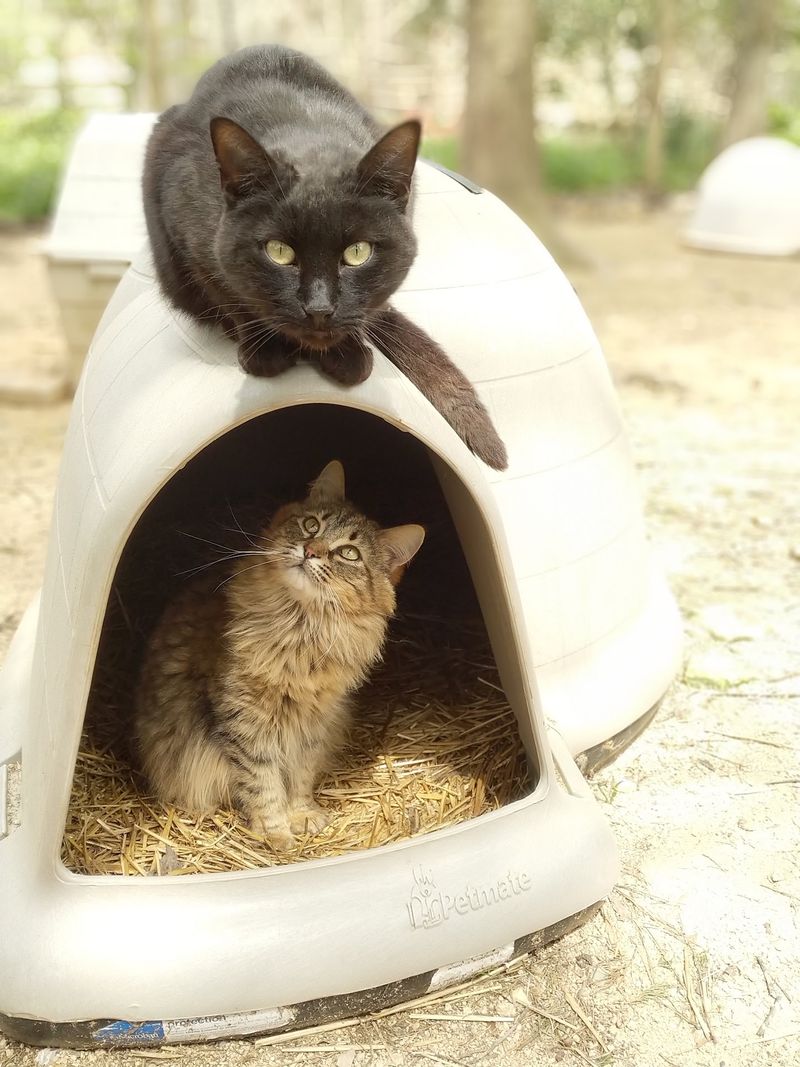
Saving cats from unnecessary fates is the heartbeat of this operation. The refuge exists to give rescued cats a safe home until the right adopter comes along, and to keep them comfortable for as long as that takes.
Siglinda, the founder, is closely tied to the work here, along with her family and a dedicated team. Their effort shows up in the daily care the cats receive.
The refuge does not run on a big budget. It relies heavily on donations and volunteers, and many of those volunteers hold full-time jobs on top of their refuge duties.
That reality means some things move slower than a polished city facility. Communication can take time, and parts of the property could use updating, a point even loyal supporters openly acknowledge.
Still, the commitment is hard to miss. Supporters describe a group that does the best it can with what it has.
Like many rescues, the refuge took a hard hit during the pandemic. Volunteers and donations remain especially welcome.
Underneath the rustic edges is a simple goal: cats deserve a good life, and a good home after that.
Cage-Free Living, Feline Style
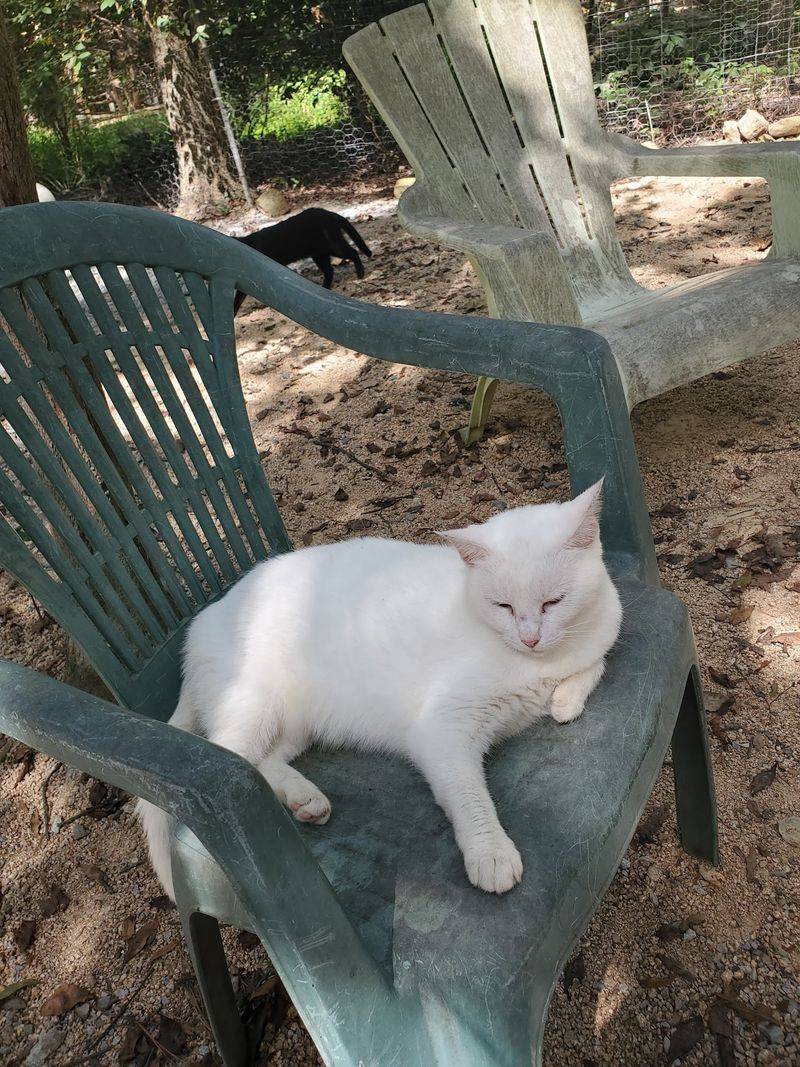
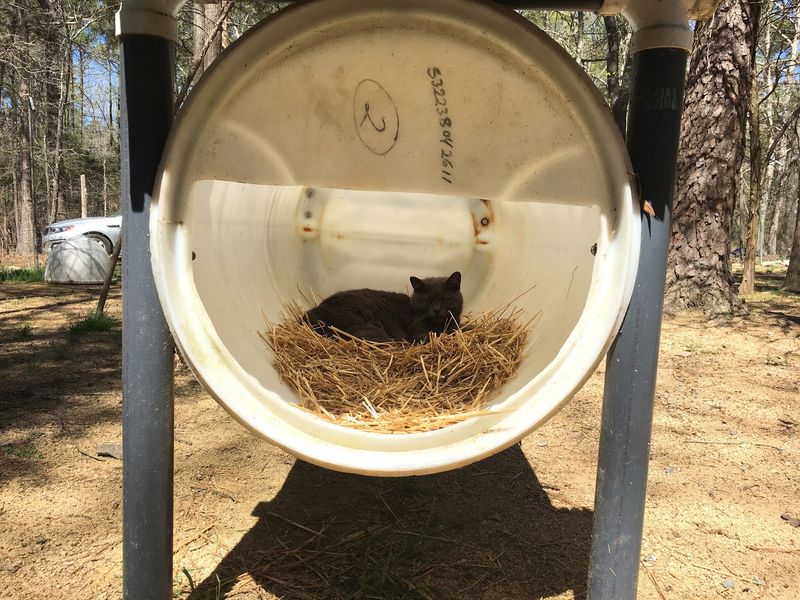
Forget rows of kennels. At this refuge, the cats are indoor and outdoor residents who live a cage-free life, and that design sets it apart from a typical shelter.
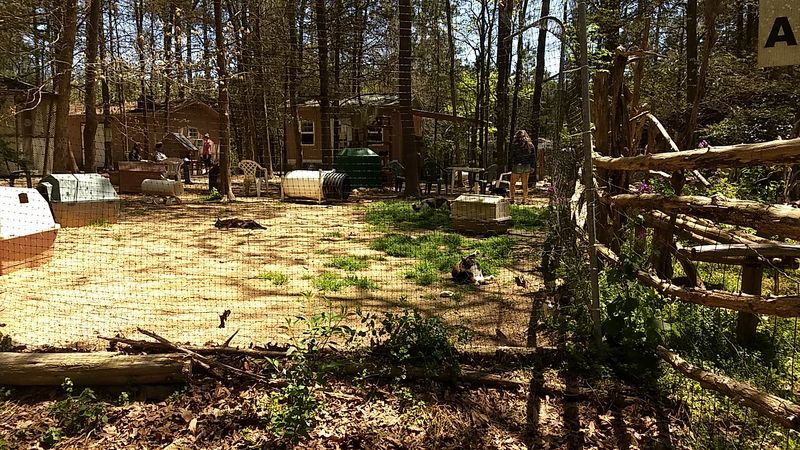
A large house serves as home base, surrounded by a big yard where cats can wander, lounge, and generally act like cats.
Guests often find people settled in shady spots, inside or out under the trees, each holding a cat of their choice. The whole scene has a calm, unhurried pace.
Not every cat wants a cuddle, and that is part of the charm. Some are wonderfully affectionate, while others simply prefer to be left alone.
Families with young kids should keep that in mind. Since the cats roam freely, children need a quick lesson in letting a cat decide whether it wants attention.
Thoughtful touches show up everywhere. Water bowls are set out all over, and different types of food and treats are available.
There is even a separate section for cats that get nervous in larger groups, giving shy personalities a quieter place to settle.
Freedom, it turns out, looks pretty good on a cat.
Goats, Chickens, and a Few Guinea Fowl
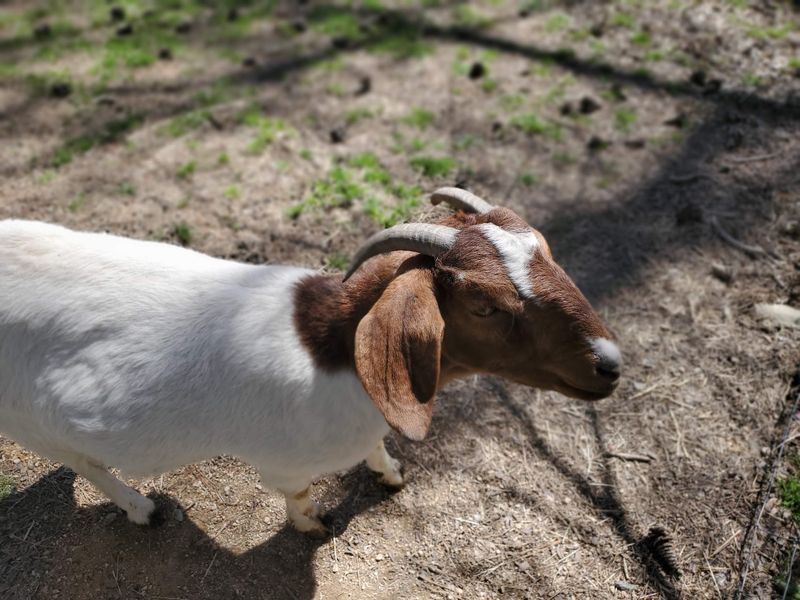
With a name like Goathouse, it would be a letdown if there were no goats. Happily, the goats are very much part of the experience, and they are fun to visit.
They are not the only non-feline residents, either. Chickens and guinea fowl also wander the grounds, adding a barnyard flavor to the cat-centered setting.
Several animals can be spotted on the short stroll up to the main facility. That little walk becomes a warm-up act before the cats take center stage.
For kids who might be a bit unsure around cats, the goats offer an easy first introduction to the property.
The mix of animals is a big part of why the refuge works as a weekend outing and not just an adoption errand. Even guests with no plans to bring a pet home can spend a pleasant afternoon here.
Animal lovers of every stripe tend to find something to enjoy.
Just remember the goats are residents, not props. A calm approach keeps everyone, horned or not, comfortable.
Consider them the welcome committee, with slightly better manners than some of the cats.
Gardens, Art, and a Little Shopping
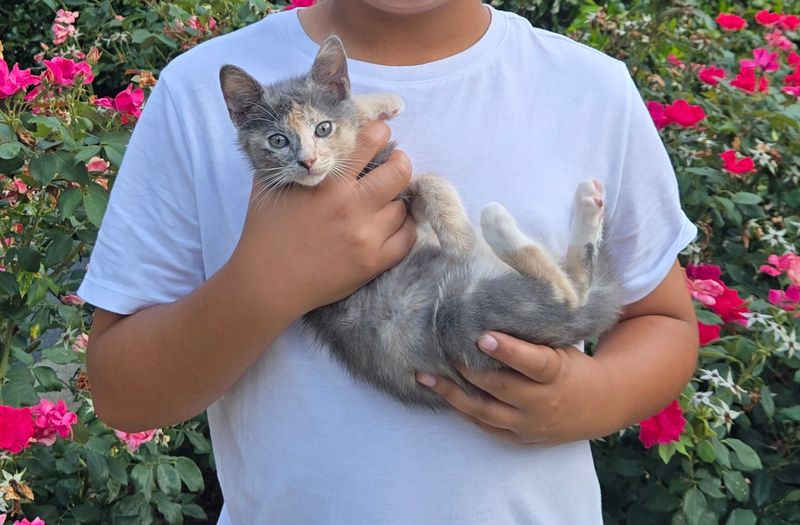
Plant lovers get a bonus here. The refuge features beautiful gardens, and the grounds have long been described as lovely to look around.
Those gardens make the property feel more like a countryside retreat than an animal facility. Strolling between cat hangouts becomes part of the fun.
There is also an art gallery on site that is worth checking out. It adds an unexpected creative layer to a place known mostly for whiskers and goats.
Before heading home, swing by the gift shop. It carries nice merchandise, and picking something up is an easy way to support the cats.
Bringing a donation is a long-standing tip for anyone planning a visit. Since the refuge depends on community support, every contribution helps keep food bowls filled and care going.
These extras turn a quick stop into a fuller afternoon. A visit can easily combine cat time, a garden wander, a look at the art, and a little shopping.
It is a reminder that rescue work and creativity can share the same patch of North Carolina land.
Leave a little room in the trunk, just in case.
The Kitten House Draw
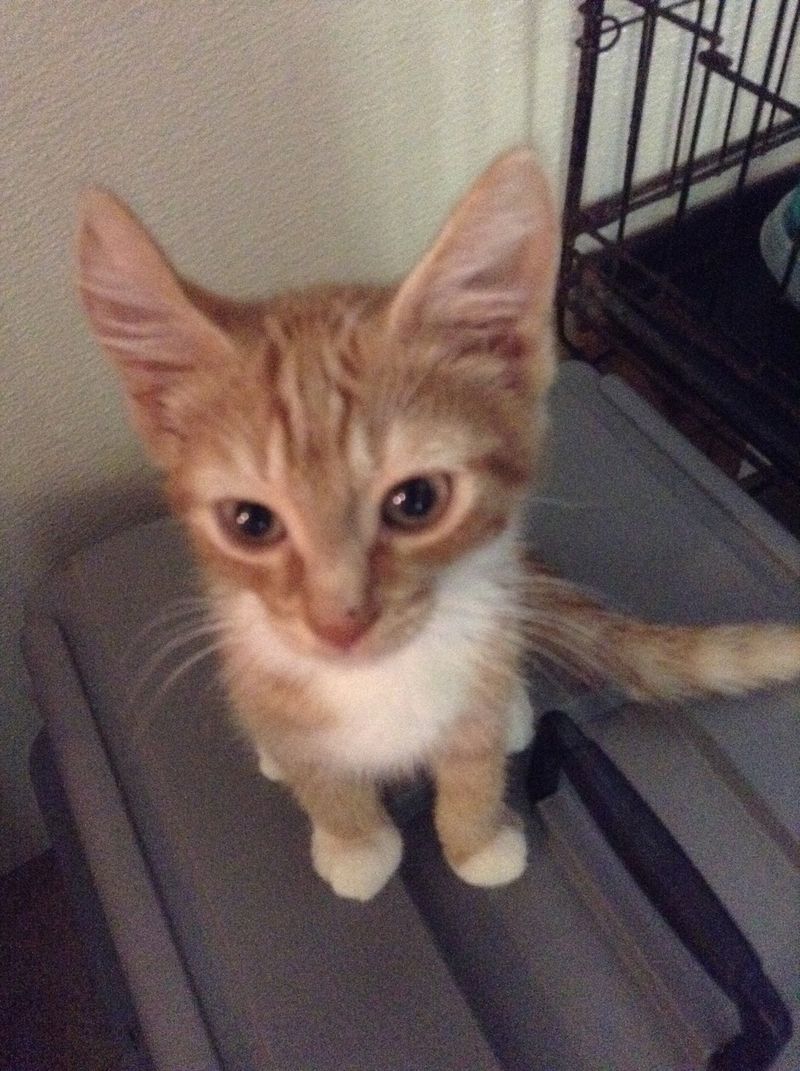
Some regulars have a favorite spot, and for many it is the kitten house.
Kittens at the refuge get their own space, which makes it a popular stop for friend groups who come out just to hang with the cats. Longtime fans return year after year.
Some cats here were even born at the shelter and raised by volunteers. Those cats have gone home healthy and well socialized, which speaks to the care given in their earliest weeks.
Thinking about adopting a young one? Keep the pairing policy in mind.
Very young kittens are generally adopted in pairs, so checking the current rules on the website before falling in love is wise.
The kitten house is also a great place for first-time visitors to see the energy level of the refuge. Older cats lounge, while the little ones bring the chaos.
It is easy to lose track of time in there. Plan the visit with a cushion of extra minutes.
Small paws, big personalities, and very little interest in sticking to a schedule.
Adoption, From First Meeting to Forever Home
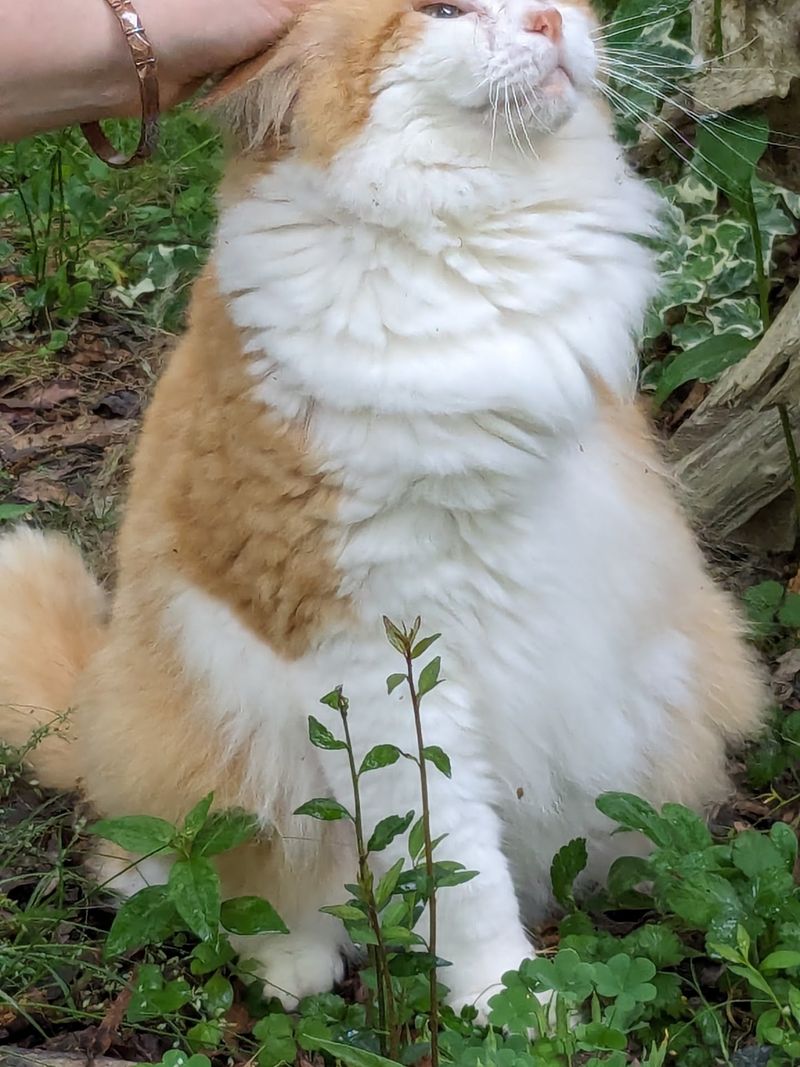
Plenty of happy endings start with a casual Saturday visit. Cat adoption is the most talked-about topic connected to the refuge, and many families credit it with their beloved pets.
One adopted cat arrived fearful and distrustful of people. After time at the refuge and a patient new home, he is now thriving, a reminder that shy cats can blossom.
Others have brought home a little black cat that became the light of their life, or pairs of cats who still get warm wishes from refuge volunteers.
The process can include an application and a home visit. Calling ahead about adoption plans is recommended so the team can help.
Honesty matters here. Some adopters have reported health issues and paperwork problems after past adoptions, and the refuge has responded that staff involved in an earlier screening failure were let go.
A smart approach is to ask detailed questions about a cat’s health records and to schedule a vet check soon after adoption.
With clear expectations on both sides, the refuge can be a rewarding place to find a new companion.
The goal stays simple: the right cat, the right couch.
Volunteers Who Keep It Running
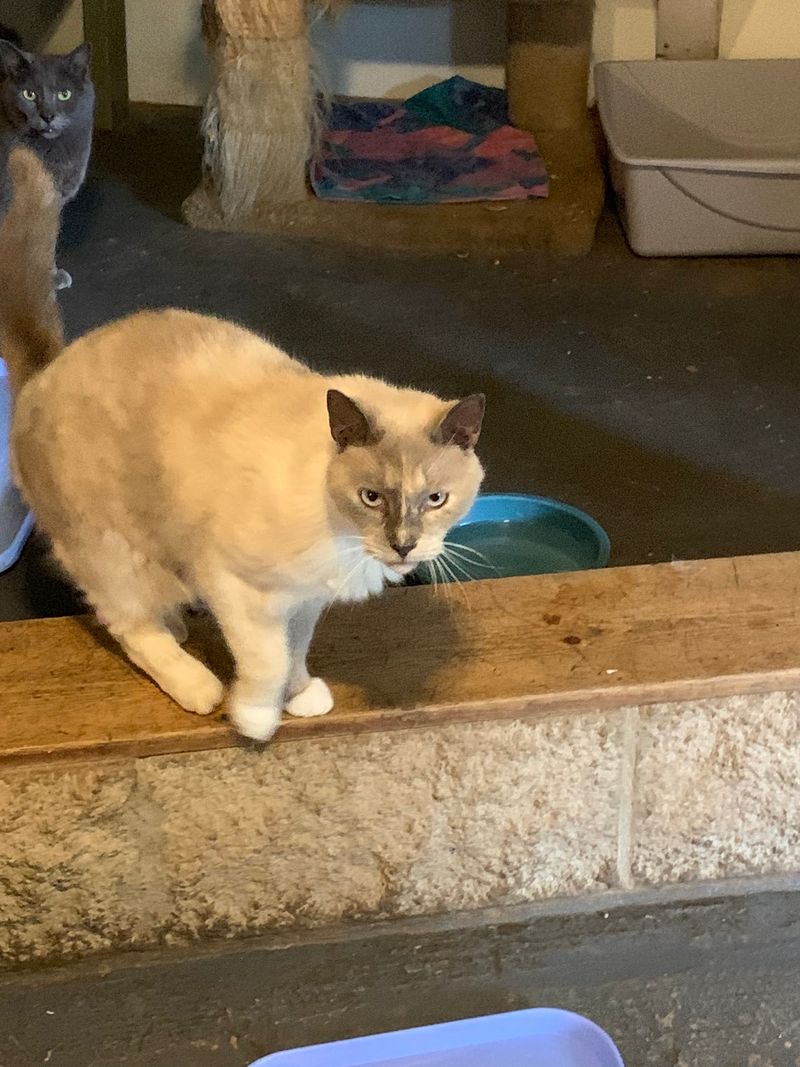
Behind every napping cat is a person who filled the water bowl. The refuge is largely volunteer powered, and the team earns frequent praise for kindness.
Volunteers are usually happy to chat about the cats, especially with anyone considering adoption. Guests who prefer quiet time can simply let them know.
Volunteer opportunities are available, and many supporters started as guests. Some adopted a cat first, then returned to give back.
Fostering is another option that has worked well for some. Taking home a foster for a while gives a cat a break from group living and gives the foster a sort of temporary pet.
Office help matters too. Volunteers handle tasks like home visits and adopter follow-ups, often fitting the work around full-time jobs.
That is why responses to messages can be slow. Patience goes a long way with a team stretched this thin.
For North Carolinians nearby looking for a meaningful weekend commitment, this could be a fit. Even an occasional shift can help.
Many hands, it turns out, make light work of litter.
Weekend Hours and Visiting Tips
Timing is everything, because the gates are not open every day. The refuge welcomes the public Friday, Saturday, and Sunday from 11 AM to 3 PM.
Monday through Thursday it is closed, so a midweek drive out will end at the driveway.
The short window means planning matters. Arriving earlier in the day leaves more time to explore the grounds, visit the goats, and settle in with a cat.
Directions deserve a double check. The property can be tricky to find, so it helps to have the address ready before losing cell signal on country roads.
Adoption hopefuls should call ahead. The team can confirm which cats are available and whether a coordinator will be on hand.
Bring a donation if possible, since the refuge depends on community support. The gift shop is another simple way to contribute.
Wear practical clothes, too. Cats roam freely and some will happily claim a lap, fur and all.
Families should go over cat etiquette with kids in the car. A few ground rules make the visit smoother for everyone with or without whiskers.
Worth the Drive for Cat People
Some outings are about adrenaline, and some are about a cat falling asleep on your knee. This one firmly belongs in the second group.
The refuge works best for people who appreciate a slower pace. Introverts looking for a quiet weekend morning with animals in nature tend to love it.
It also suits families with older kids, couples weighing adoption, and anyone curious about how a cage-free sanctuary operates.
Expectations should be realistic. This is a donation-supported rescue with rustic facilities, not a polished attraction, and some parts show their age.
That honesty is part of its character. What it offers instead is space, freedom for the cats, and a dedicated crew doing meaningful work.
For North Carolinians who love discovering what exists close to home, the trip to Pittsboro is easy to justify. A few hours here can lead to a new hobby, a volunteer gig, or a furry roommate.
Even without adopting, simply showing up and donating helps the mission keep going.
Hundreds of cats are waiting out in Chatham County, and at least a few of them might decide they like you.
Share this story