A bald eagle is the kind of bird most people only spot as a speck high above a lake. In St. Paul, there is a place where that speck becomes a real bird just a few feet away, with a naturalist nearby ready to explain its story.
The building cares for injured hawks, owls, eagles, and other raptors, and it also teaches people why these birds matter. Tours are short, prices are friendly, and kids tend to leave asking when they can come back.
The guides crack jokes, answer every question, and sometimes the birds seem just as curious about the tour group as the tour group is about them. Keep reading to learn what happens inside, which feathered ambassadors steal the show, how the new behind-the-scenes tours work, and what to know before planning a trip.
A Bird Hospital on Fitch Avenue
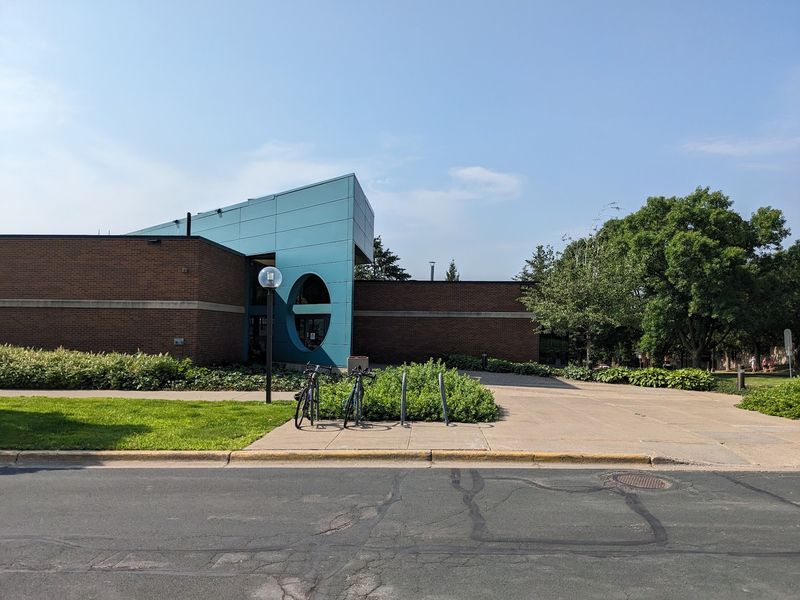
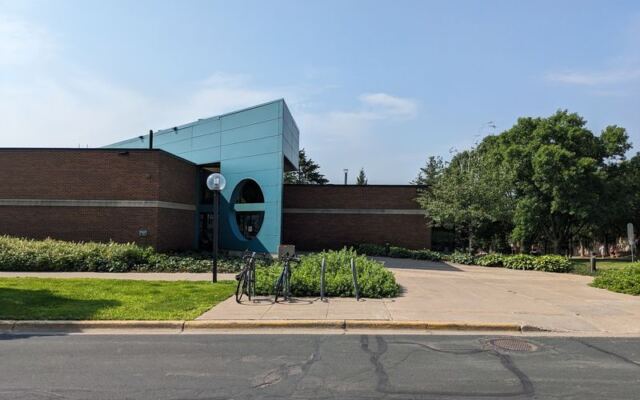
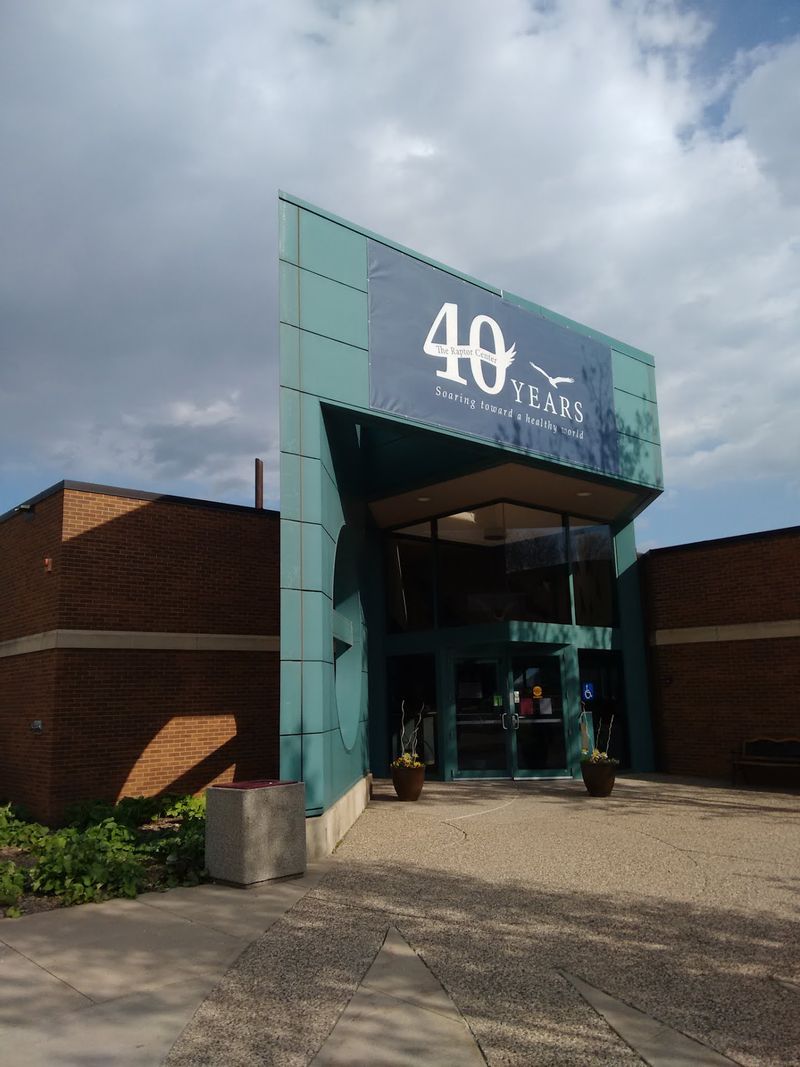
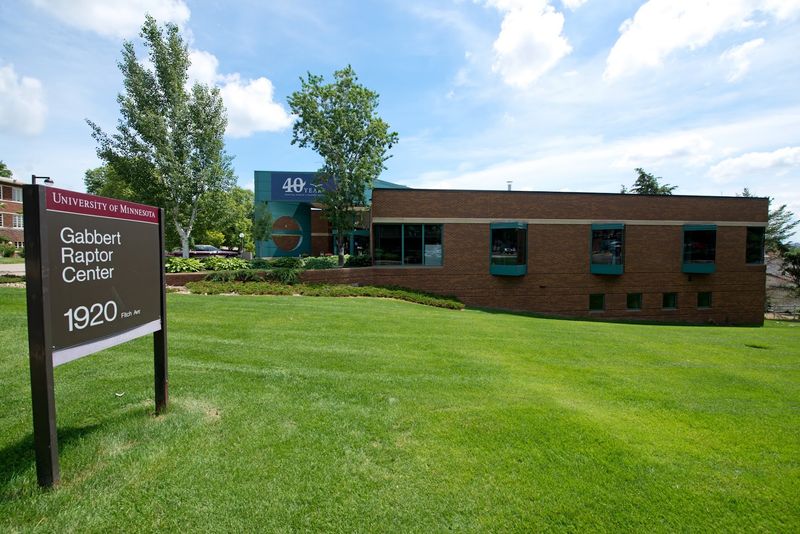
Some of the most important work in Minnesota happens quietly, one feathered patient at a time. The Gabbert Raptor Center sits at 1920 Fitch Ave, St Paul, MN 55108, in the United States, and it works as a wildlife rescue service for birds of prey.
Raptors are hunting birds such as eagles, hawks, falcons, and owls. When one of them is hurt, the center steps in with care and rehabilitation.
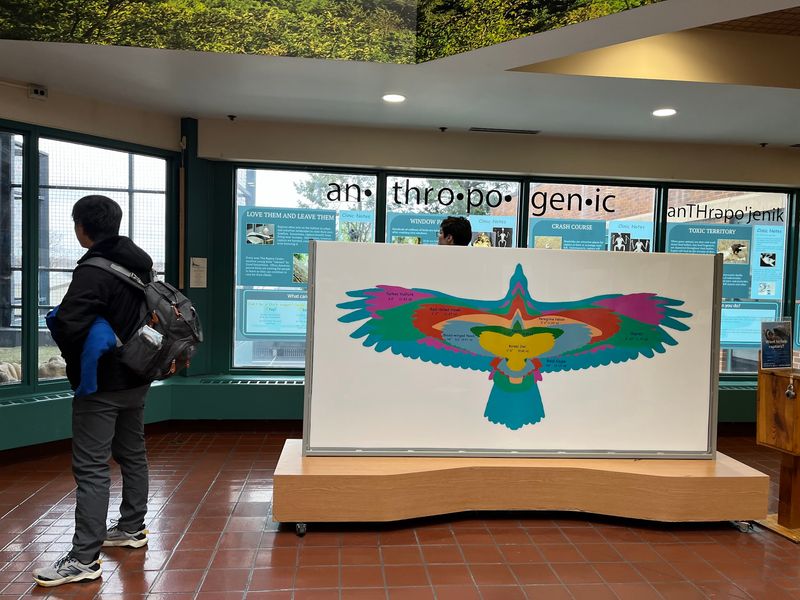
The public side of the building is all about learning. Tours guide groups past resident birds while staff and volunteers explain how each species lives and survives.
The center is part of the University of Minnesota, and its website is raptor.umn.edu. That link offers a handy starting point for anyone planning a trip.
It also helps to know what kind of stop this is. It is not a giant zoo with miles of paths, but a focused, friendly place built around education and care.
That smaller size is part of the charm. Groups stay close to the birds and close to the people who know them best, which sets the tone for everything else on the visit.
Patients First, Then the Sky
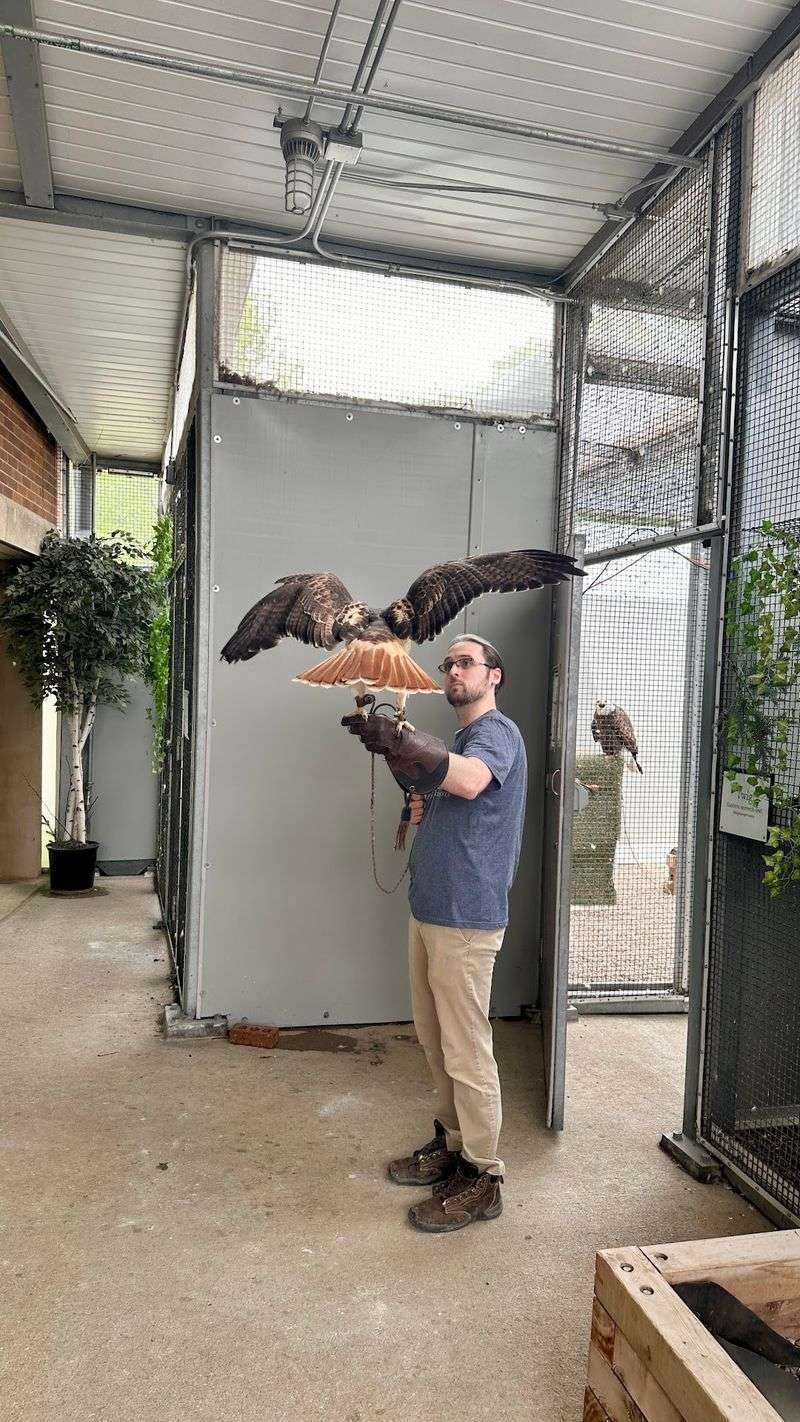
A red-tailed hawk once arrived at the center as a patient. Months later, it was released and is now soaring across the sky again.
That kind of ending is the heart of the operation. Raptor rehabilitation is one of the topics people mention most when they talk about this place.
Birds come in with injuries or illnesses, and the goal is to return them to the wild whenever possible. Release days are a big deal, and some members of the public even get to take part.
The work also reaches far beyond Minnesota. The center has offered courses on raptor rehabilitation, and professionals have traveled from as far away as Brazil to train there.
For those who work with raptors in other countries, getting to see the operation in person has been a career highlight. Plenty of them keep following the center’s work long after they head home.
Every tour carries a little of this mission with it. Guests learn not just what a hawk looks like, but what it takes to put one back where it belongs.
The Ambassador Birds
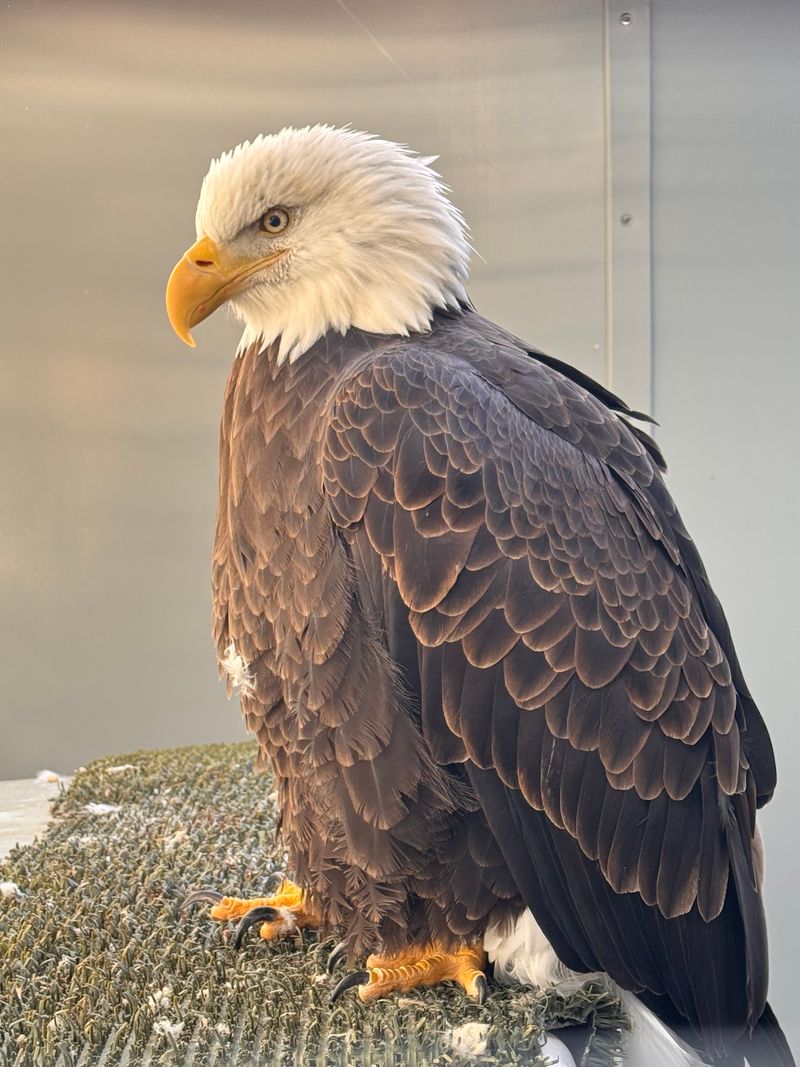
Not every bird can return to the wild. Some become ambassadors, the resident stars of the tour.
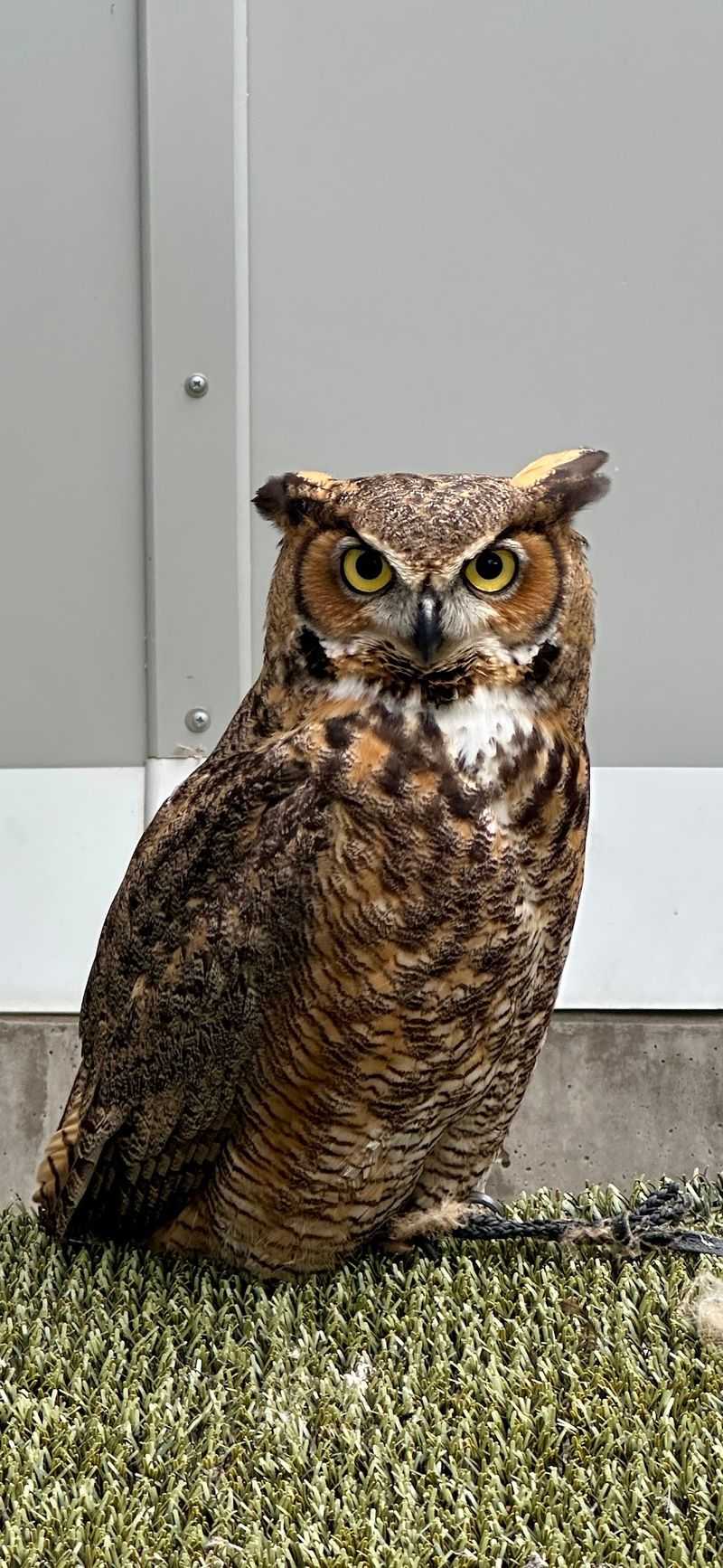
These birds help people meet raptors up close in a way that would be impossible outdoors. Family favorites often include the bald eagle, the great horned owl, the barred owl, and the turkey vulture.
Each species brings a different personality to the lineup. Eagles get plenty of attention, but owls tend to win over the younger crowd quickly.
The birds are clearly well cared for, a detail many guests notice right away. Staff treat them as individuals, and that respect shows during every stop on the tour.
Some of the birds even seem curious about the people watching them. A tilted head or a long stare can turn a quick visit into a memorable one.
Bring a camera and use it often. More than one guest has left wishing they had snapped a few extra photos of these feathered teachers.
Meet Aura, the Friendly Vulture
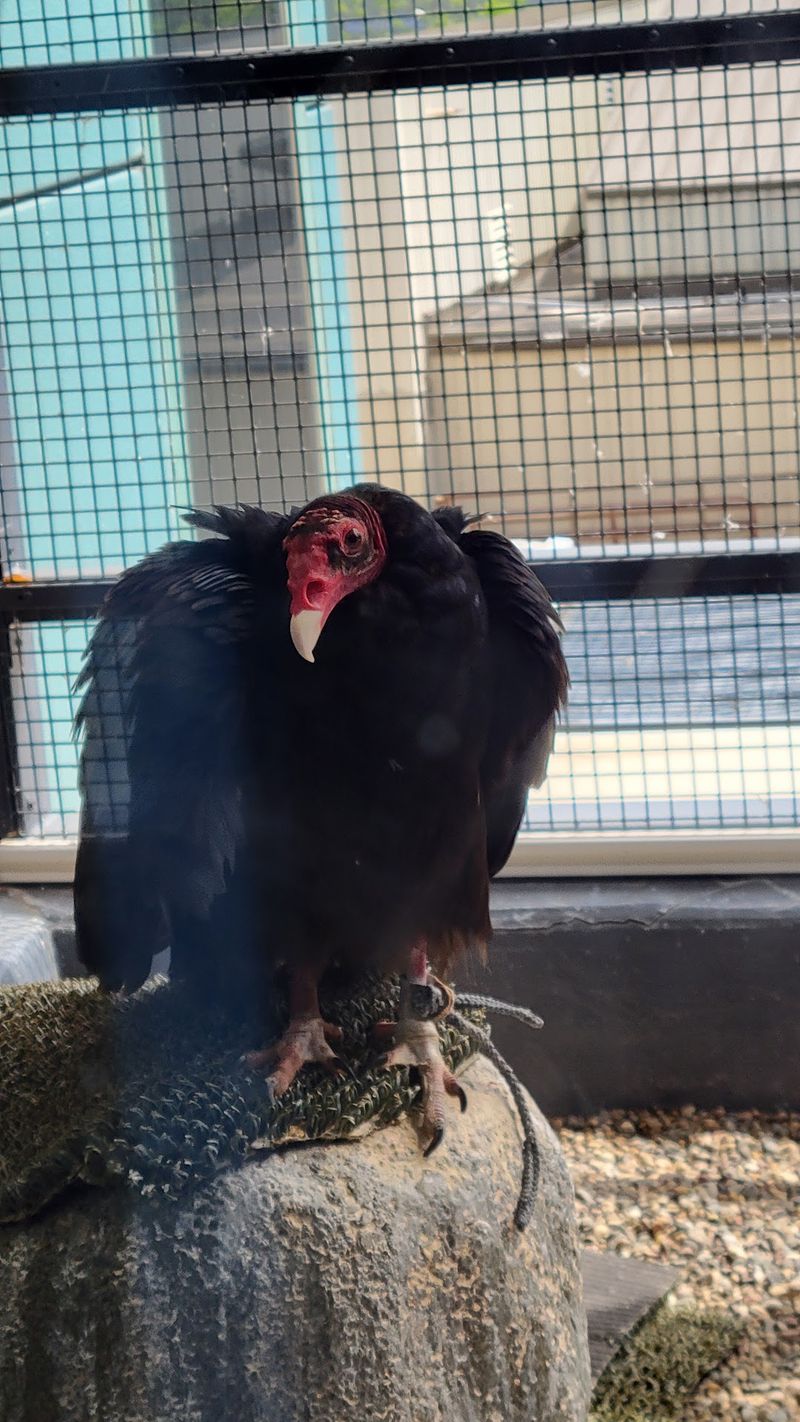
Vultures rarely top anyone’s list of favorite birds. Then people meet Aura.
Aura is a turkey vulture ambassador known for being remarkably friendly. She has a way of changing minds about a bird that often gets an unfair reputation.
Turkey vultures show up again and again when people talk about the center. Families list them right next to bald eagles as highlights, which says a lot.
Here is a fun bit of trivia worth sharing on the drive home. The turkey vulture’s scientific name is Cathartes aura, which makes Aura a fitting name for her.
Guides use birds like Aura to explain how every raptor plays a role in nature. Vultures act as a cleanup crew, and that job matters more than most people realize.
By the end of the stop, many guests walk away with a new appreciation for the bird with the bald red head. Few tours can claim to turn a vulture into a crowd favorite.
Guides Who Know Their Feathers
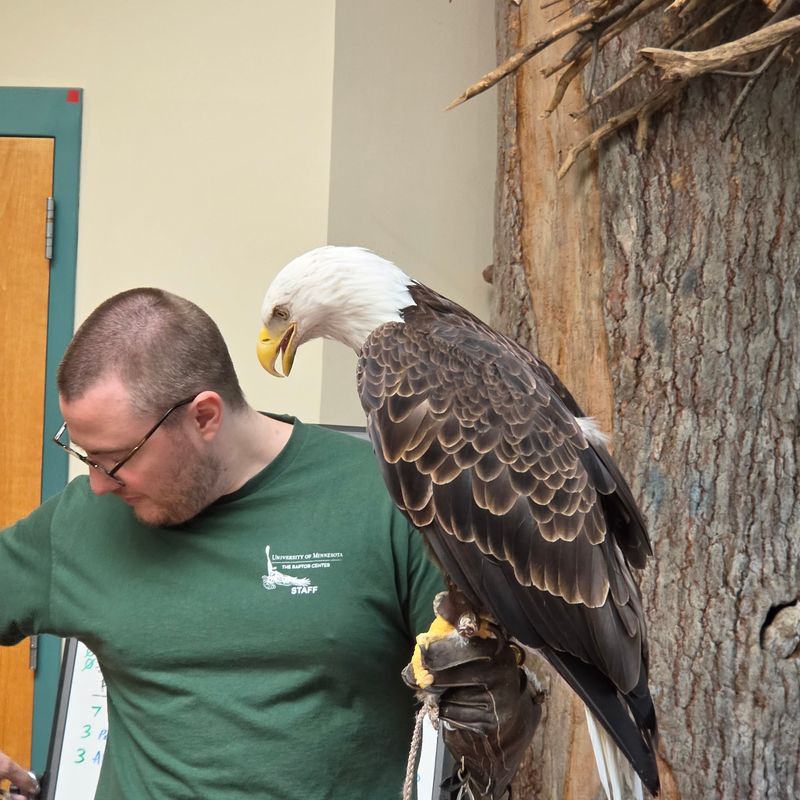
A great bird is only half the experience. The other half is the person standing beside it, telling its story.
Knowledgeable volunteers and guides are among the most praised parts of the center. Names like Kyle, Ash, Lewis, and Andre come up as tour leaders who make the time fly.
Guides mix facts with humor. One tour might cover hunting habits, while another digs into how human activity affects raptor populations.
Patience is another strong point. Guides slow down when a group needs extra attention, including for older family members who move at a gentler pace.
Questions are always welcome. Tours leave plenty of room for curious kids and adults to ask about anything from talons to diets.
The training behind the volunteers is impressive. They clearly care about the birds, and that interest spreads quickly to everyone in the group.
It is the kind of teaching that sticks around long after the tour ends.
How the Standard Tour Works
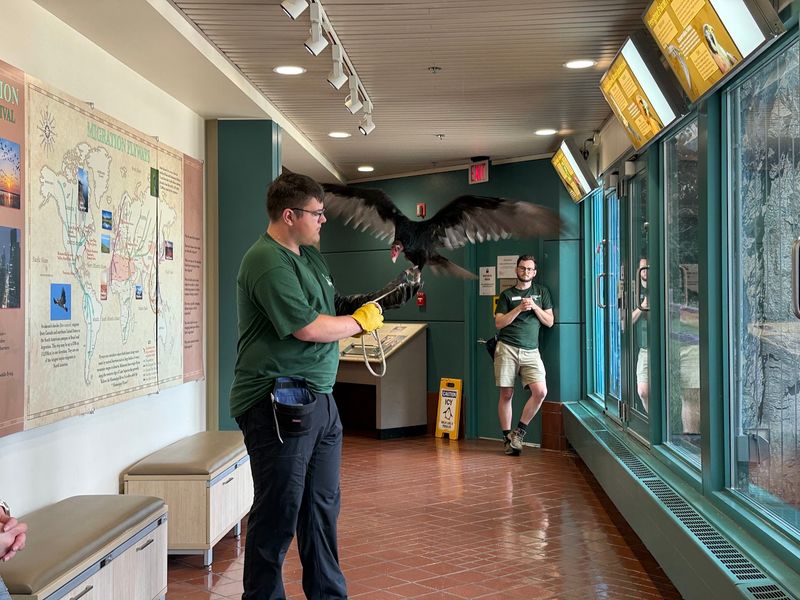
Short and sweet is the best way to describe the regular tour. It runs about 45 minutes, which suits younger kids and busy schedules.
The tour moves through the building and stops at several types of raptors along the way. Each stop includes a quick lesson and time for questions.
Some groups also catch a bonus moment. A lucky tour might arrive while staff are feeding an eagle, which tends to thrill kids and grandparents alike.
After the main walk, guests may get to meet an owl in the educational room. That close encounter often becomes the part everyone talks about later.
Families who add time for the gift shop and extra questions usually spend about an hour and a half inside. That makes it easy to pair with lunch or another stop in the Twin Cities.
The pace never feels rushed or dragged out. It is a tidy package that leaves people wanting a little more, which is never a bad thing.
Behind the Scenes, Small Groups Only
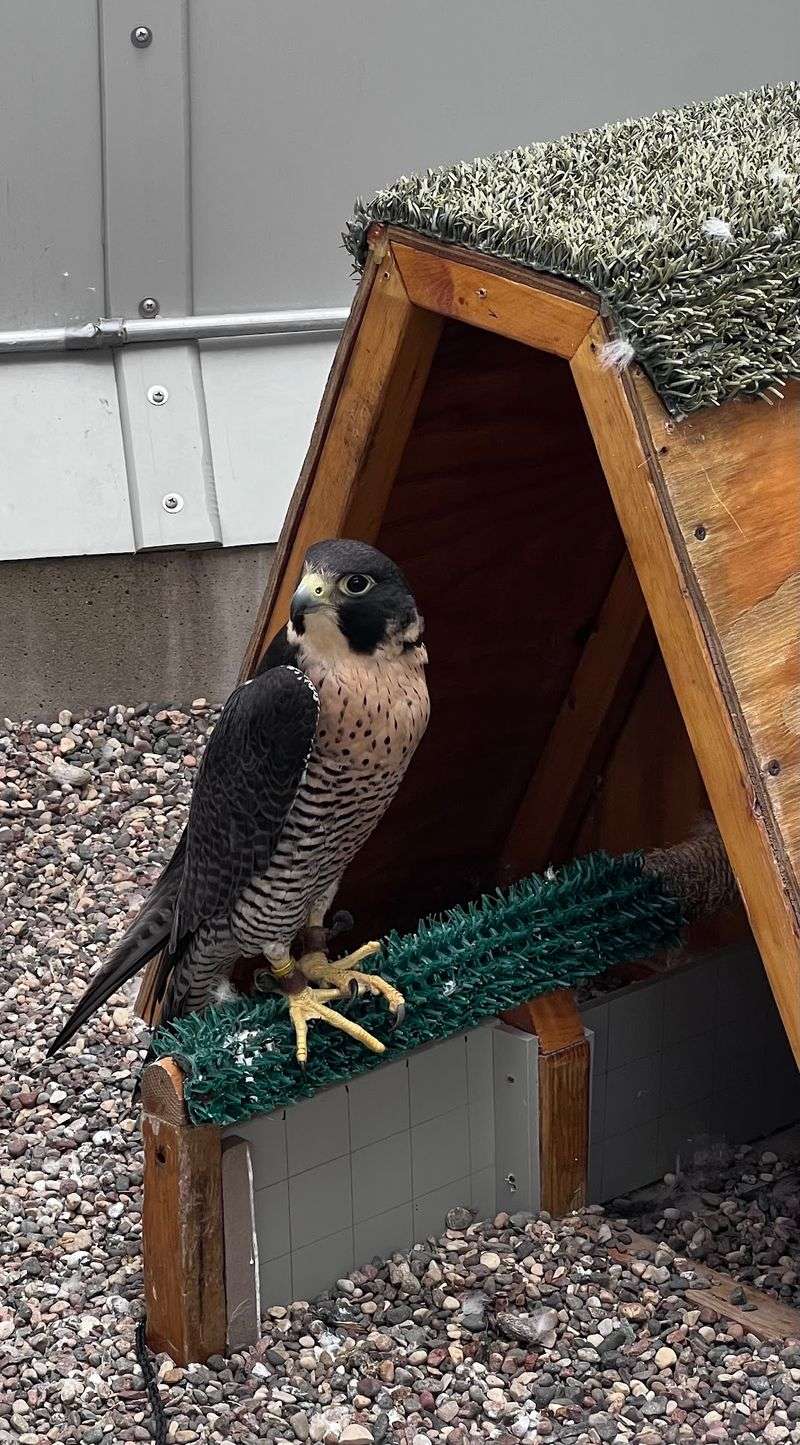
Ever wondered what an eagle eats for dinner? A newer tour option answers exactly that.
The center has started offering Raptors Behind The Scenes tours. They last one hour and are capped at small groups of 10.
A naturalist leads the way into the back areas that the regular tour skips. Guests see how the ambassador birds are housed and what goes into their meals.
The hands-on part is a big draw for crafty types. Participants make enrichment items for the birds, and some of those projects even hold food inside.
Here is a fun fact that surprises many people. Raptors love to shred cardboard and paper, so a simple craft becomes a toy for a hawk or owl.
For Minnesota crafters looking for a project with real purpose, this may be the most rewarding hour on the calendar. It blends learning, making, and helping in one small session.
Spots are limited, so checking the website ahead of time is a smart move.
Big Value for Small Change
Budget-friendly outings can be hard to find. The raptor center makes it surprisingly easy.
Admission is often described as cheap or very reasonable for what guests get. In past years, a visit cost a mere $5, though it is wise to confirm current prices on the website.
The center also asks for donations from those who are able to give. That extra support helps fund rehabilitation and education programs.
Families often point out that the low cost goes toward a great cause. It is an outing that feels good on the wallet and good for the birds.
The value also comes from what is included. A guided tour, close views of eagles and owls, and time to ask questions all fit into one modest ticket.
For parents hunting for weekend plans that do not break the bank, this stop checks a lot of boxes. It is proof that a memorable morning does not need a big price tag.
A Gift Shop With Wings
Souvenirs here come with feathers, at least the stuffed kind. The center has a small, bird-themed gift shop near the end of the visit.
Plush owls and other raptor stuffies are a hit with kids. Grandchildren have been known to pick out their own souvenir stuffy as a tour keepsake.
Some of those plush friends stick around for years. One young guest reportedly sleeps with his owl every single night.
The shop is compact, so it will not take long to browse. That makes it an easy final stop before heading back to the car.
Purchases also help support the center’s mission. A small gift becomes a way to keep the rehabilitation work going.
For bird lovers who like a reminder of their trip, it is worth leaving a few minutes on the schedule. A little shelf space at home is a fair trade for a plush barred owl.
Family-Friendly, Any Age
Toddlers, teens, and grandparents rarely agree on an outing. This one manages to win them all over.
Families with kids aged 5, 7, and 14 have had a great time on the same tour. The short format keeps little ones engaged, while the facts keep older kids interested.
Grandparents enjoy it too. Watching an eagle feeding can thrill three generations at once.
The center also works well for owl-loving kids who want a close look without a long drive to the zoo. It is a handy family activity close to home for Twin Cities households.
Bird watchers and adults who simply want to learn will find plenty to enjoy as well. Birdwatching and learning about raptors are common reasons people stop by.
Guides adjust their pace for different needs. That patience helps make the visit comfortable for everyone in the group.
It is rare when the kids ask to go back before leaving the parking lot, but here it happens.
Hours and Planning Notes
Timing a trip is simple once the schedule is clear. The center is closed on Mondays.
From Tuesday through Friday, doors open from 8 AM to 4 PM. Saturday and Sunday hours run from 10 AM to 4 PM.
Weekday mornings can be a relaxed time to go. Some families have enjoyed calm Thursday morning tours with plenty of time for questions.
Plan for about 45 minutes for the standard tour. Add extra time for the gift shop and owl encounter if they are part of the day.
Behind-the-scenes tours have limited space with groups of only 10. Checking raptor.umn.edu before visiting is the easiest way to see current tour options and prices.
The center has also traveled to off-site events, including an appearance at Luce Line Orchard. Keeping an eye on its schedule might reveal a raptor visit closer to home.
A little planning goes a long way toward a smooth, stress-free outing.
Worth a Swoop Over
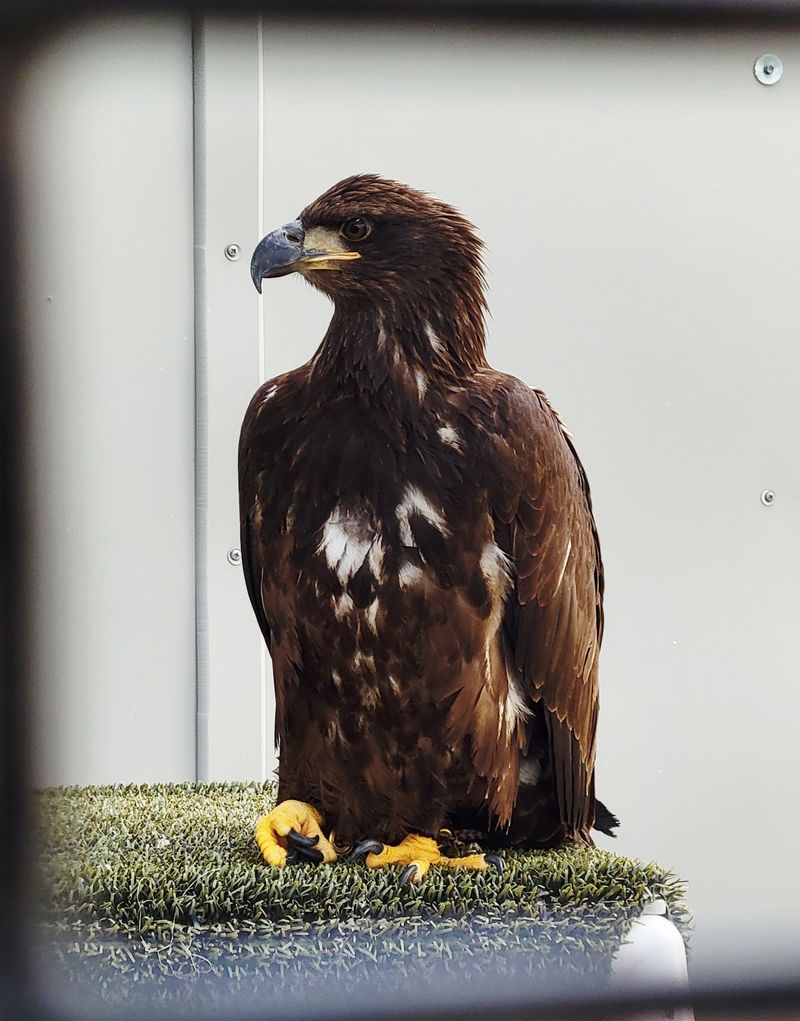
Some outings fade from memory by Monday. A close look at a bald eagle tends to stay put.
With a 4.8-star average, the center has earned plenty of goodwill. People praise its educational value, friendly staff, and fair cost.
The real strength is how much fits into a short visit. Guests meet rescued raptors, learn how to help them, and leave with a better sense of Minnesota’s wild birds.
Crafters can try the enrichment-making tour, while families can enjoy a quick and affordable morning together. Bird lovers of every age will find something to talk about afterward.
Behind every tour is the bigger mission of rehabilitation. Each ticket and donation helps another hawk or owl get a second shot at the sky.
For anyone in the Twin Cities looking for a meaningful few hours, this place is easy to recommend. Just be ready for a few new feathered favorites, and maybe a plush owl riding home in the back seat.
Share this story