A giant band saw, eight feet across, still cuts logs in northern Minnesota, and it runs on a 350 horsepower Corliss steam engine. That machine sits on a hill just up the road from the spot where the Mississippi River begins.
Every August, a volunteer-run show near Park Rapids fills its grounds with rumbling tractors, working sawmills, blacksmiths, and kids building birdhouses. Families come back year after year, and some have been making the trip for three generations.
The grounds also host a summer music festival, so the old buildings get more than one weekend of fame. For vintage collectors, craft lovers, and anyone curious about how pioneer life actually worked, this place delivers hands-on history instead of glass cases.
Keep reading to learn what happens here, when to go, and how to find the right gate.
A Showground at the Edge of Itasca
Some history lessons happen in classrooms, but this one happens in a pine-lined field in northern Minnesota. Lake Itasca Region Pioneer Farmers, often shortened to LIRPF, sits at 16914 N Entrance Dr, Park Rapids, MN 56470, in the United States.
The grounds are found near the North Entrance to Itasca State Park. That puts the site between Park Rapids and Bemidji, in a region already famous for its lakes and forests.
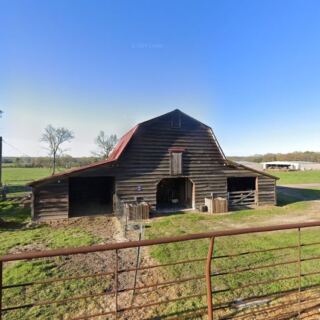
LIRPF is listed as a historical place, though it feels more like a working village than a museum. Old buildings, sawmills, engines, and tractors spread across the property.
The organization is best known for its annual show in August. During that weekend, the grounds turn into a busy stage for demonstrations of pioneer farming and logging skills.
The location is a big part of the appeal. The Mississippi Headwaters sit less than a mile down the road, so a single trip can cover two very different pieces of Minnesota history.
Families who know the area often pair the two stops. A visit to both can easily fill half a day, and that is before anyone settles in for the full show weekend.
The address is the easy part, though finding the right entrance takes a bit more care, as a later section explains.
Volunteers Who Built a Village
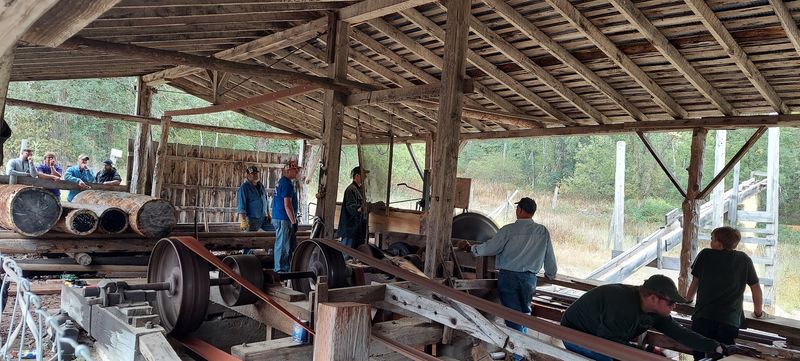
Behind every old building on these grounds is a crew of people who refused to let history fade away. Much of what stands here was constructed or moved by volunteers so others could enjoy it.
Guides who know the site well can explain how the structures around the sawmill came together. Those stories are a big part of the experience, and longtime helpers tend to share them with real passion.
Even outside the show dates, a friendly volunteer may offer a tour. Some first-time guests have received a full walkthrough of the sawmill a week after the fair ended.
The spirit here is very much family-driven. Some volunteers have helped since the show was in its infancy, and their relatives now bring tractors to the parade.
Membership is famously simple. A lifetime membership has been offered for just 10 dollars, which may be the best bargain in the whole county.
Members often show their own equipment. One proud owner of a rusty Farmall has invited anyone curious to stop by and ask questions, which sums up the open, chatty mood.
That welcoming attitude turns a field of old iron into something closer to a reunion.
Saw Mill Hill and Its Steam Giant
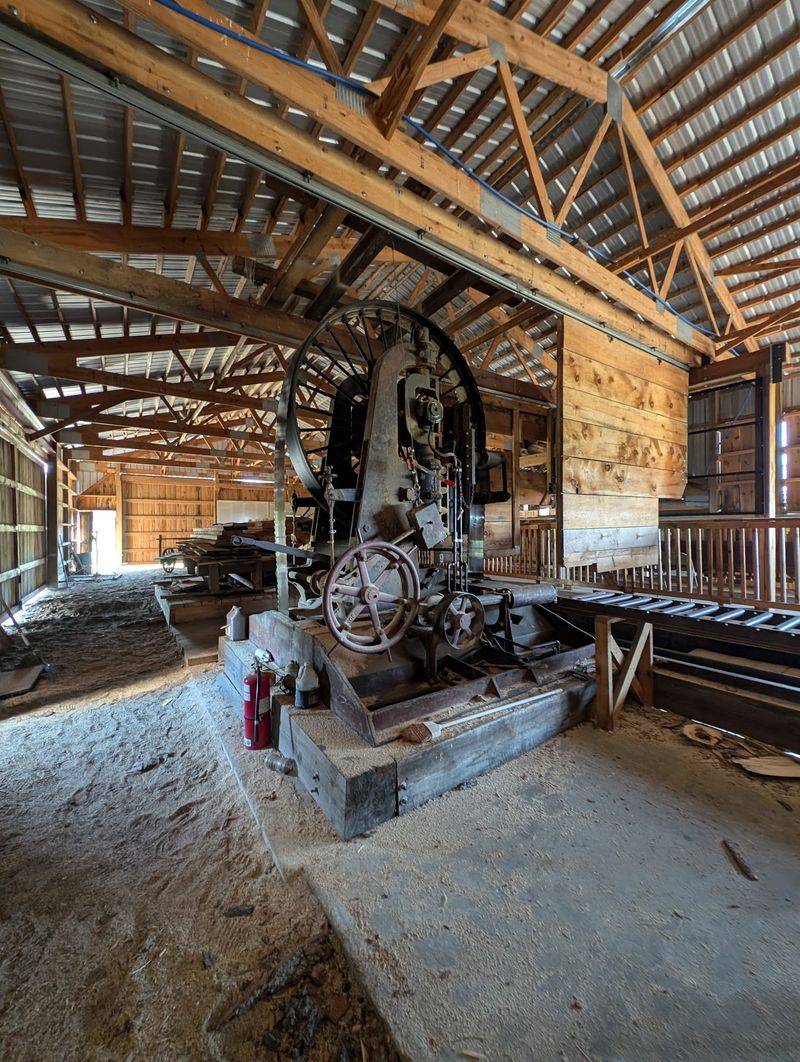
Eight feet of band saw blade, powered by a 350 horsepower Corliss steam engine, is not something most people see every day. On Saw Mill Hill, it is the main event.
The steam-powered logging band saw is the star of the grounds. Fans of old machinery tend to call it amazing, and it is easy to see why it draws crowds.
Logging demonstrations show how timber was handled in the days before modern equipment. The process is explained step by step, which makes it easier to follow for younger guests.
Saw Mill Hill is also one of the most loved corners of the property for families. Many return every year specifically to spend time there.
Hikers have a fun option too. The Saw Mill Trail from Itasca State Park leads toward the grounds, so a little extra walking brings the old equipment into view.
The sawmill tells the story of a region built on timber. Seeing the machinery actually run gives that story a weight that a photograph never could.
Give this hill plenty of time, because the saw is only the beginning of what logging history looks like here.
Tractors on Parade
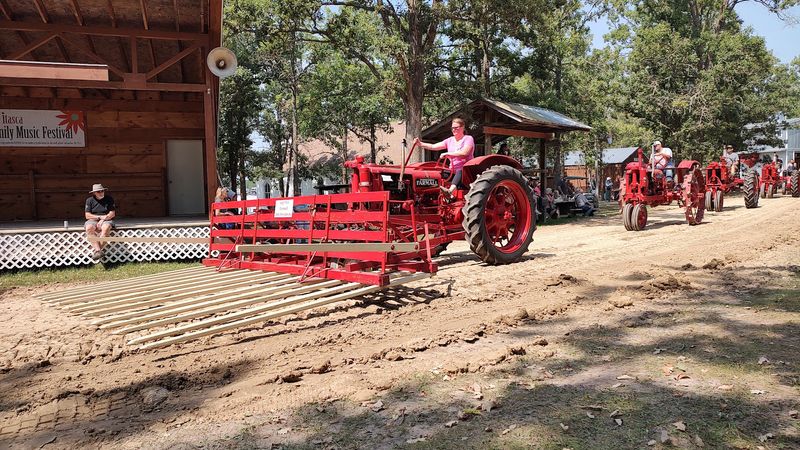
Count the tractors, then try again next year, because the number keeps growing. The show recently featured more tractors than ever before.
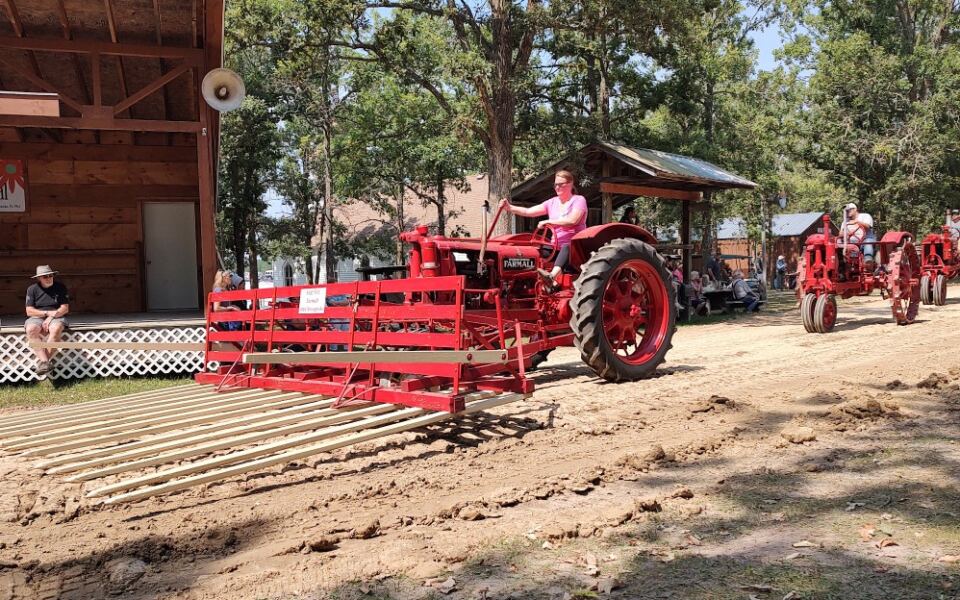
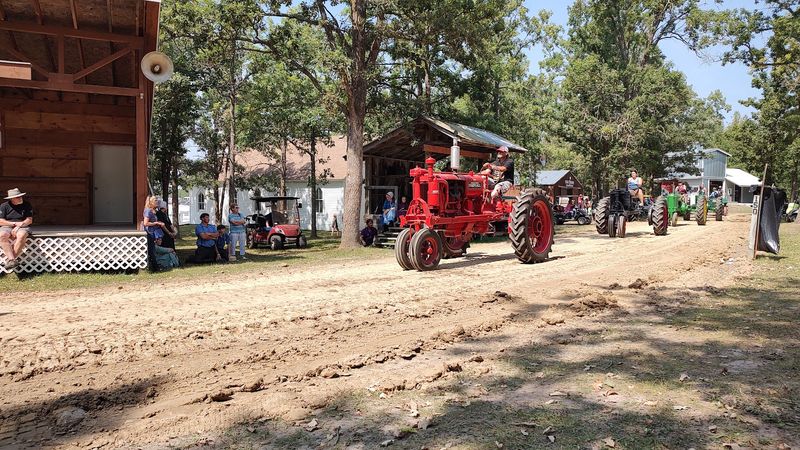
The tractor parade is a crowd favorite. Restored machines and well-worn workhorses roll past in a line, each one with an owner who could talk about it for hours.
Many of these tractors carry family history. Some uncles and grandparents have entered the same machine in the parade for years, turning it into a tradition of its own.
Vintage collectors will feel right at home. The variety covers old tractors, bulldozers, mowers, and other farm equipment from different eras.
Not every tractor looks showroom fresh. A rusty Farmall can earn just as much attention as a shiny one, and that honest wear is part of the charm.
The parade is described simply as great by the families who line up to watch it. Kids especially enjoy seeing the machines move instead of sitting still.
Bring patience and a good spot along the route, since this is a parade where every entry has a backstory.
Engines, Trucks, and Old Iron
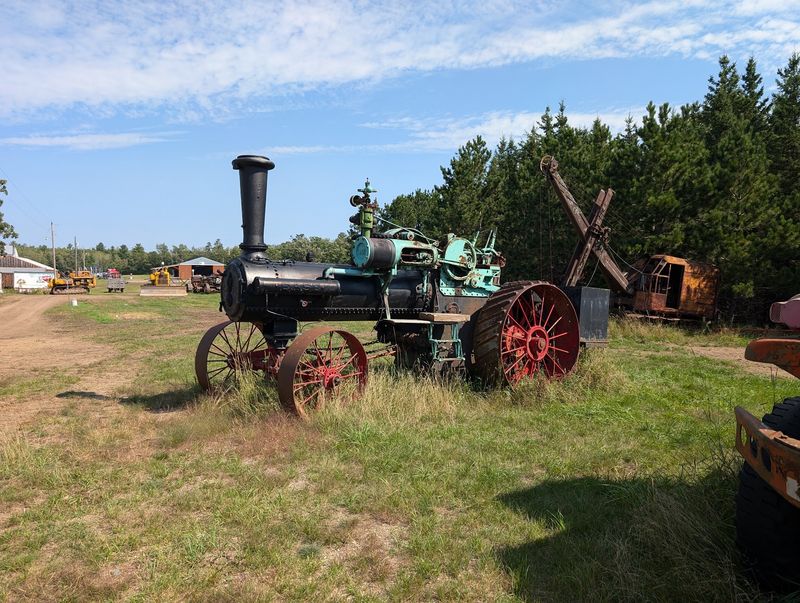
Machinery lovers, consider this fair warning: three hours can disappear here without anyone noticing. The collection of old trucks and equipment is huge.
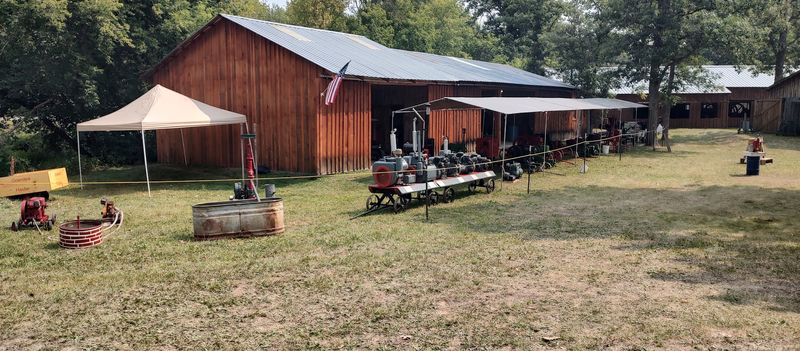
Stationary engines are a big draw. The Ole Berge building has long been a home for engine displays, and some families have watched grandparents show their engines there for decades.
Out on the grounds, the variety keeps going. A standout is an old chain-driven excavator, a piece that tends to stop gearheads in their tracks.
There are also plenty of 1960s-era trucks with straight six engines. For anyone who grew up around those models, it can feel like a family photo album on wheels.
Antique items are not just parked for show. Many are demonstrated, so guests can see how the equipment actually worked.
Bulldozers and mowers round out the lineup. The mix makes it a strong stop for vintage collectors who enjoy browsing with a curious eye.
Every row of old iron here holds a lesson in how Minnesota once got its work done.
Blacksmiths and Threshing Crews
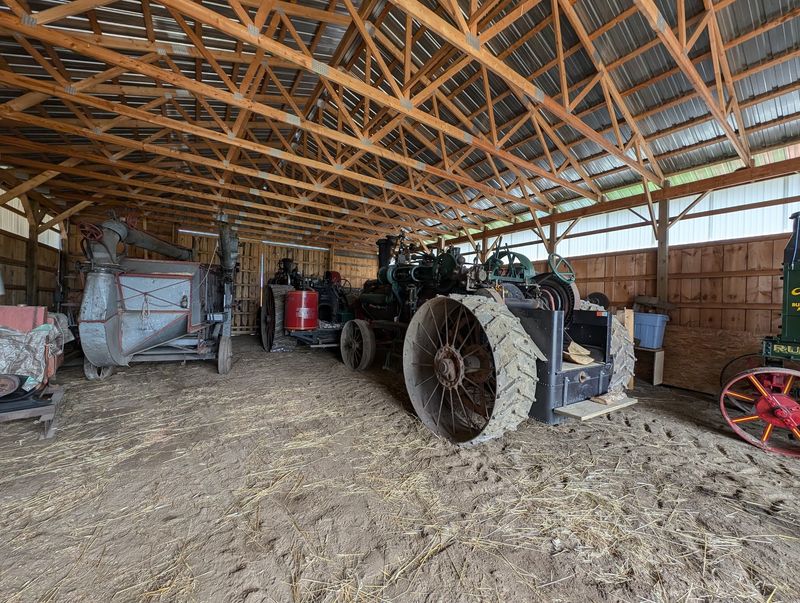
Pioneer chores looked very different without electricity, and the demonstrations here prove it. Blacksmithing and threshing are part of the regular lineup.
Blacksmiths show how metal tools and parts were shaped by hand. It is a skill that once kept farms running, and the demonstration makes that clear.
Threshing shows how grain was separated from the stalk with old machines. The process gives a real sense of how much labor went into a single harvest.
The sheer number of demonstrations stands out. Many families describe the show as having a lot going on, with something running in almost every direction.
The educational side is a strong selling point. Adults come away understanding more about farm life, and kids get a lesson that sticks better than a textbook.
The grounds celebrate the people who came before. Respect for those pioneers runs through every demonstration, giving the show a thoughtful tone underneath the fun.
After watching a threshing crew in action, modern grocery shopping suddenly seems wonderfully easy.
Kidz Place and Crafty Corners
Hand a kid a hammer and a few boards, and a birdhouse may just appear. At Kidz Place, young guests get to build things themselves.
Craft stations include birdhouse building and rope making. These hands-on projects are a hit with children and a nice nod to the crafters in the family.
The crafts are offered for free or for a donation. That makes it easy for families to let kids try several projects without worrying about extra costs.
Many parents mention that the activities are included with the visit. Train rides, the old-fashioned store, and the crafts all fit into the same day.
Small trains are available to ride, which tends to be a top memory for younger guests. The ride gives tired legs a break, too.
An antique convenience store and other old-time buildings let kids explore what shopping and daily life looked like long ago. The setup encourages questions.
Some show-goers admit the idea sounded boring at first. Once kids start building rope and riding trains, that opinion usually changes fast.
Flea Market Finds and Old-Time Storefronts
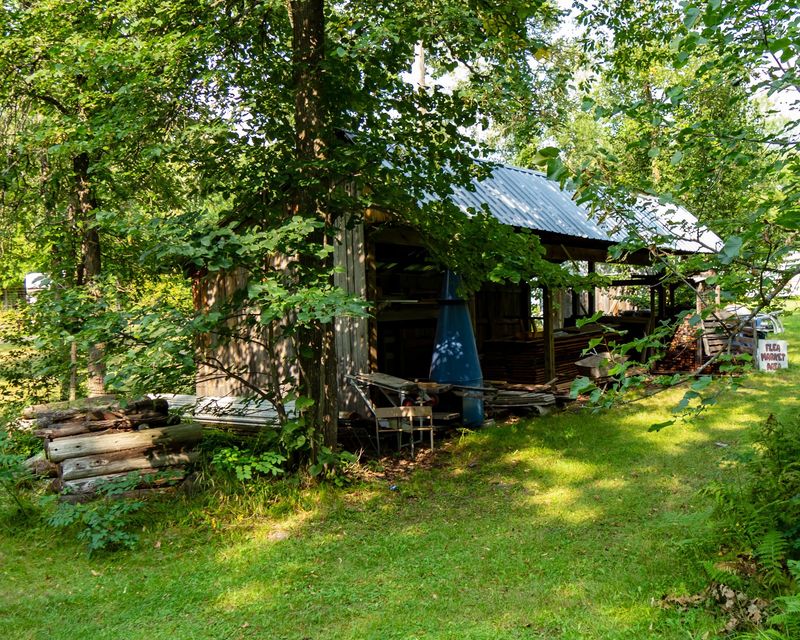
Treasure hunters, take note. The show includes a flea market that many guests call great, and they are already planning their next trip.
For vintage collectors, the flea market adds a shopping layer to the history lesson. It pairs well with the antique displays found across the grounds.
The old-fashioned store is another favorite stop. Its antique convenience store setup lets guests browse a scene from another era.
Old buildings scattered around the site offer more to explore. Kids enjoy poking around them, and adults often find details worth a second look.
The variety of antique items on display is one of the most praised parts of the show. Some families describe the amount to see as almost overwhelming, in a good way.
Even during other events, photographs and equipment inside the buildings can be viewed. That means the history is never far away.
Bring a little room in the car, just in case a flea market find decides to come home with you.
Music Weekend on the Grounds
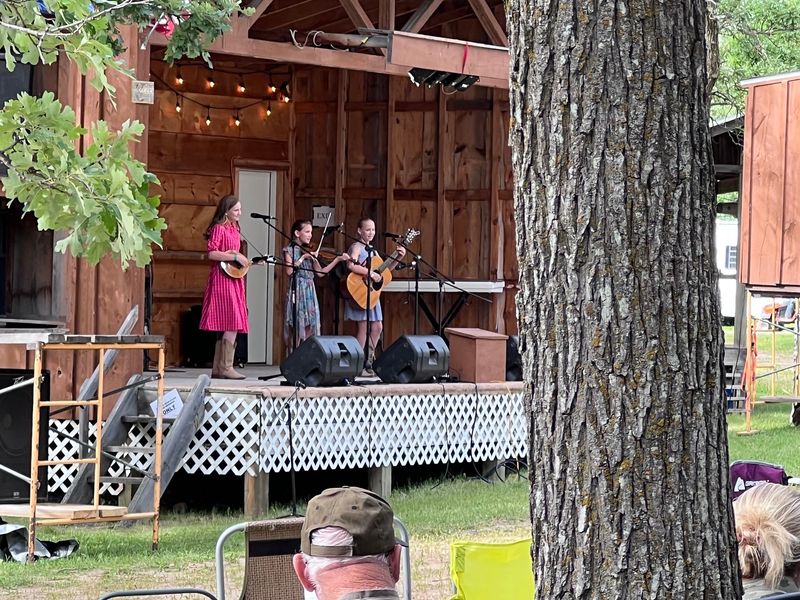
The tractors are not the only performers on these grounds. The Lake Itasca Family Music Festival takes place here every year.
The festival is held on the first full weekend of August. Bluegrass is a big part of it, along with cooking, workshops, and shows throughout the weekend.
The facilities work well for that kind of event. Buildings and open spaces give room for workshops and performances to run side by side.
The setting earns plenty of praise. The grounds have been updated over the years, and longtime guests notice the improvements.
Even during the music festival, some of the old equipment and photographs stay on view inside the buildings. Music fans get a bonus dose of history.
Food and music pair nicely here, and festival guests often mention both. It is a relaxed weekend that suits families.
Since the Pioneer Farmers show follows a couple of weeks later, August can easily become a two-trip month for anyone who loves the grounds.
Planning Around the August Show
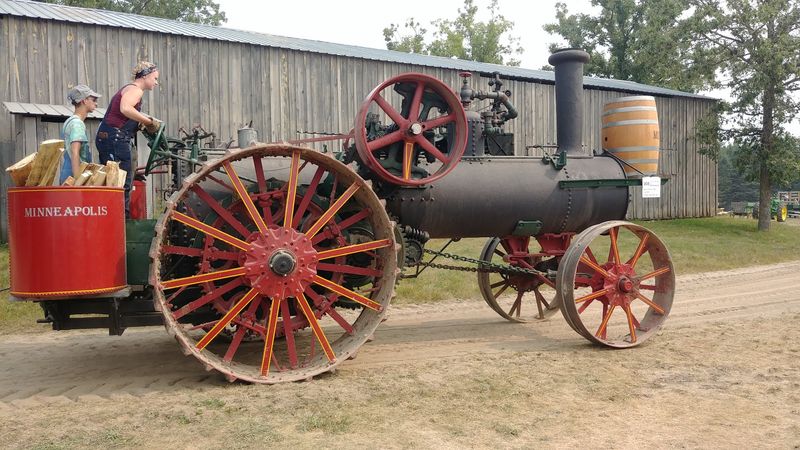
Timing matters here, because the main show happens just once a year. The Pioneer Farmers hold their show in mid-August, on the third weekend of the month.
The event runs over a three-day weekend. That gives plenty of time to see the sawmill, parade, engines, and crafts without rushing.
Many families camp nearby. A campground within walking distance makes it easy to stay for the whole weekend with relatives.
Others visit for a single day. The show is considered a good size, big enough to stay entertained but not so large that it wears guests out.
Google Maps has a habit of sending people to a nearly unused side entrance. Look for the main entrance instead to avoid confusion on arrival.
Hours and admission details are best checked on the official website at itascapioneerfarmers.com before heading out. Plans can shift from year to year.
The Mississippi Headwaters are only a few miles away, so leave time to add that stop to the itinerary.
A Tradition Worth Inheriting
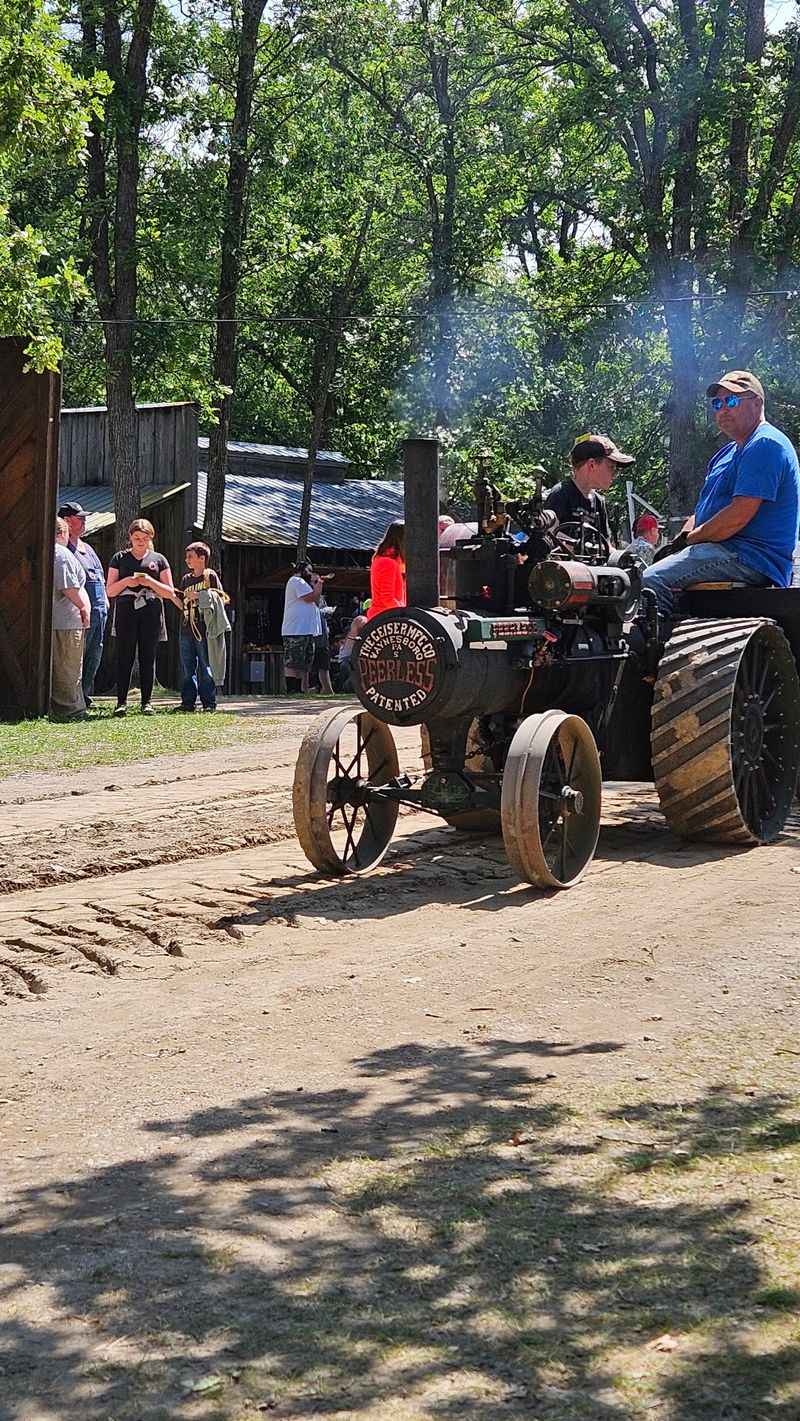
Grandpas started it, and grandkids keep it going. For many families, this show has become a yearly ritual passed down through generations.
The grounds hold a strong 4.7-star reputation, and the reasons are easy to spot. Clean family fun, friendly folks, and plenty of learning sit at the heart of it.
The show suits a wide range of people. Machinery fans, vintage collectors, crafters, and young families all find their own corner.
It also suits those who prefer a manageable outing. Couples can eat a little, wander, and stay entertained without feeling overwhelmed.
The deeper message is about roots. The show invites everyone to remember how earlier generations lived and worked.
Many guests leave already planning next year. That kind of loyalty says more than any brochure could.
Steam saws, rolling tractors, and kids with fresh birdhouses make a fine argument for pioneer history. In Park Rapids, the past is not packed away, it is fired up and running every August.
Share this story