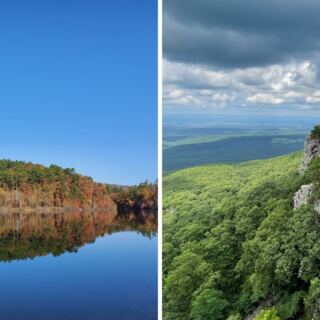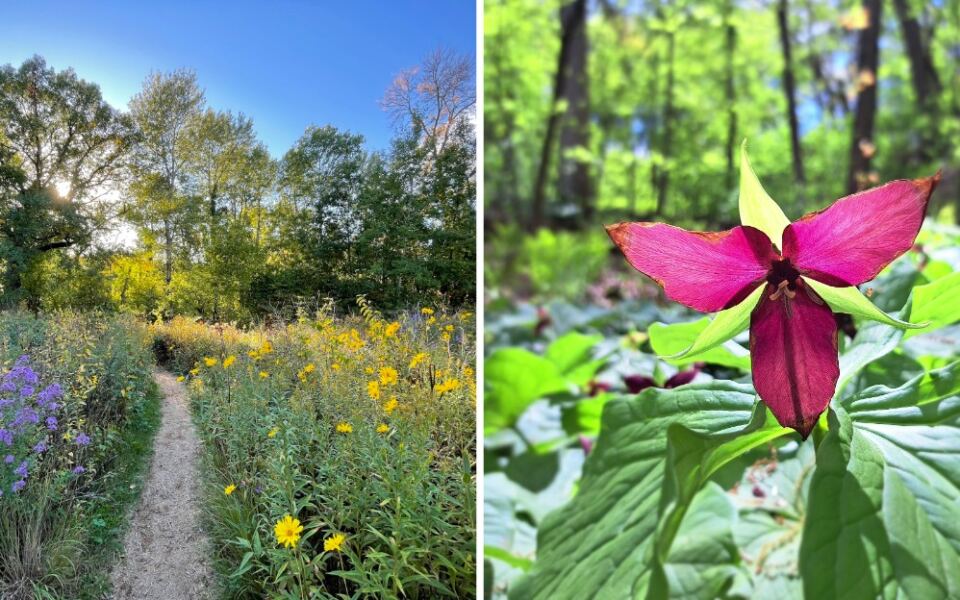
Minneapolis hides a patch of woods where traffic noise fades and the loudest thing around is usually a bird. It covers 18 acres, holds more than 500 plant species, and counts over 130 kinds of birds among its regulars.
Admission costs exactly nothing. The paths are padded with wood chips, the benches show up right when your legs ask for one, and friendly volunteers point you toward whatever happens to be blooming that week.
In late spring, that might be Minnesota’s own state flower, the showy lady slipper. Crafters come to sketch, families come to wander, and birders show up before most people finish breakfast.
Keep reading to learn where this place is, why it matters, what to look for, and how to plan a weekend visit that fits its short open hours.
A Wild Corner of Minneapolis
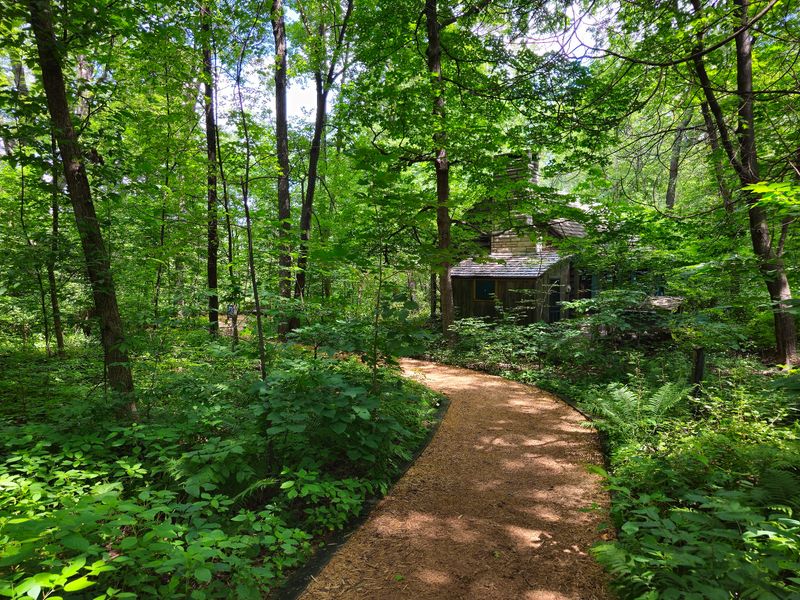
Tucked off a parkway on the west side of Minneapolis sits a garden that feels miles from any city. Its name is Eloise Butler Wildflower Garden and Bird Sanctuary, and its address is 1 Theodore Wirth Pkwy, Minneapolis, MN 55405, United States.
Officially, it is a botanical garden. Unofficially, it is a woodland, a wetland edge, and a prairie rolled into 18 curated acres.
The garden is home to more than 500 plant species and over 130 bird species. That is a lot of life packed into a space you can explore in an afternoon.
Guided and self-guided trails loop through the grounds. A gated entrance marks the starting point, with a small booth right in front where a volunteer usually waits to help.
Many people arrive expecting a quick stroll. Plenty leave surprised by how large the garden actually turned out to be.
It holds a 4.8-star standing across nearly 1,000 opinions, which says something about how people feel once they step off the parkway. The real story, though, starts with the woman whose name sits on the sign.
The Name Behind the Garden
Gardens rarely carry a person’s name by accident. This one honors Eloise Butler, and her legacy is the reason the place exists in its current form.
The garden is widely known as a historic site, and many who walk its trails describe it exactly that way. It carries the title of the oldest public wildflower garden in the country, which makes it a quiet record-holder hiding in plain sight.
What makes that history meaningful is how it shows up today. The focus remains on native plants and the birds that depend on them.
Families sometimes come here to honor loved ones who adored birds and flowers. One such group spotted a female cardinal hopping right onto the path leading to the cardinal flowers, a moment that felt almost scripted.
That kind of connection keeps people returning across generations. Parents bring kids, and those kids later bring their own.
History here is not stuck behind glass. It grows, blooms, and nests in real time, and the best way to understand it is to start walking.
Wood Chip Trails That Wander
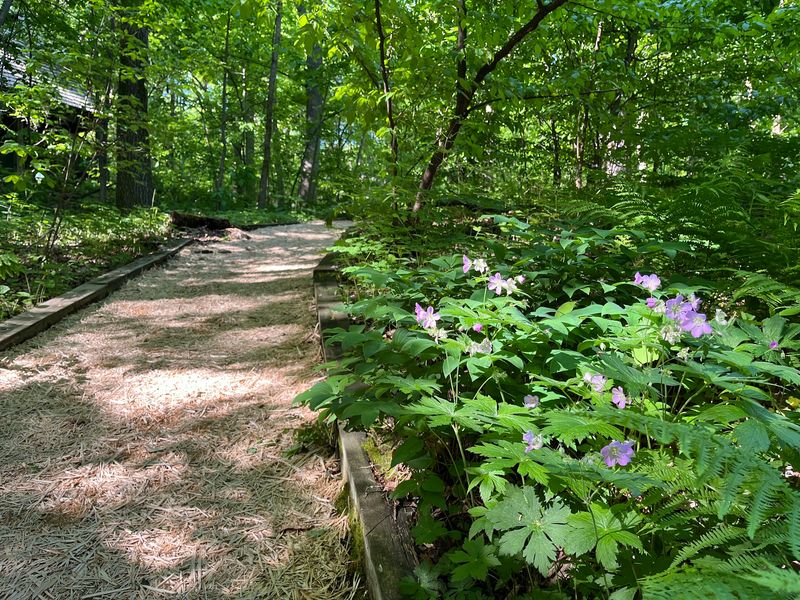
Footpaths here have a secret weapon: mulch. Most trails are lined with wood chips, which keeps them from turning muddy after rain.
That small choice makes a big difference. Walking feels easy on the joints, and the paths stay in good shape through the season.
The trails come in different flavors. Some are paved, others are not, and difficulty ranges from easy to moderate.
The garden sits on a hill, so expect some ups and downs. Sturdy shoes are the smart call, and more than one family has learned that kids’ foam clogs do not quite cut it.
Route options are plentiful. A short loop works for little legs, while longer wanders suit anyone with a free morning.
A boardwalk crosses the middle of the garden too. People recovering from injuries have found it especially comfortable underfoot.
The garden is not wheelchair accessible, which is worth knowing before you go. For everyone else, the trails offer a choose-your-own-adventure kind of day, and the next section covers the one thing that might make that adventure a little confusing.
Maps, Wrong Turns, and Happy Accidents
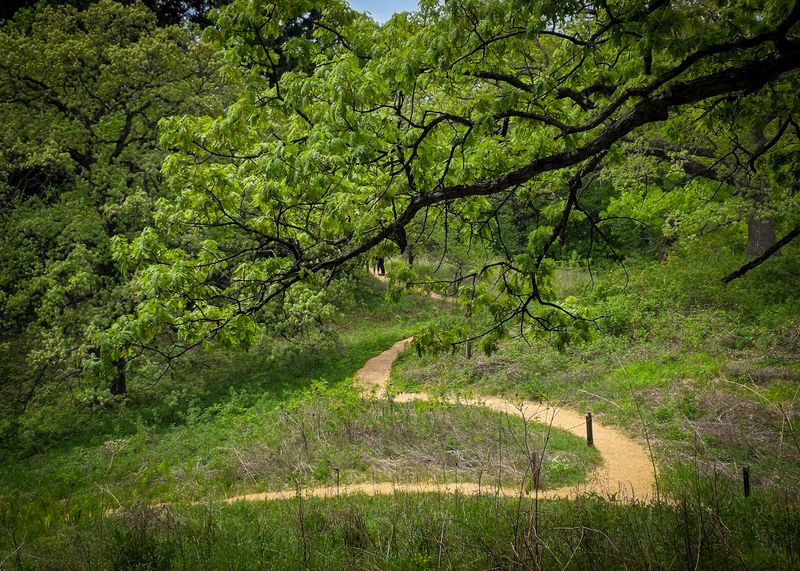
Grab the map. Seriously, grab it.
Small paper maps are handed out at the entrance, showing the different areas of the garden. They are genuinely useful, because trail signage inside is limited.
Some people end up wandering in circles, unsure which junction leads back to the gate. Others have mentioned that a few more way-signs would make things smoother.
Here is the upside. Getting a little turned around in a place this calm is not exactly a hardship.
People who skip the map sometimes miss the main wildflower displays on their first visit. Still, they often leave impressed by the green growth and busy birdlife they did find.
A good strategy is to ask the volunteer at the booth what is blooming and where. They often point people directly to the highlights of the week.
Treat the map as a guide, not a contract. A wrong turn here usually ends at a bench or a bird, and that leads nicely to the garden’s star bloom.
Lady Slipper Lane
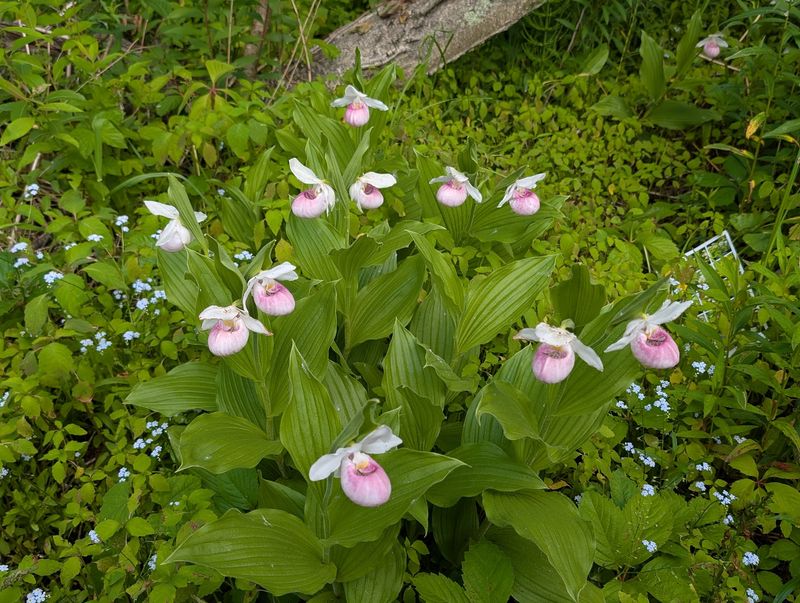
Minnesota’s state flower does not show off for long. The showy lady slipper blooms for a short window, and this garden is one of the best places to catch it.
A stretch called Lady Slipper Lane gets plenty of attention in late spring and early summer. When the flowers open, volunteers at the entrance often mention it and explain where to look.
Both pink and yellow lady slippers grow here. Seeing the state flower in bloom is a thrill for longtime residents and newcomers alike.
Timing matters a lot. Some families have arrived just a day or two after the peak and missed the show.
Late May tends to be a strong time for wildflowers in general. Phones run out of battery from all the photos.
For crafters and artists, this is prime reference material. Pressed flower fans should keep hands off, though, since the goal here is to leave every bloom right where it grows.
Miss them this year, and there is always next spring. Meanwhile, the garden has plenty more blooming across the months.
Over 500 Plants Through the Seasons
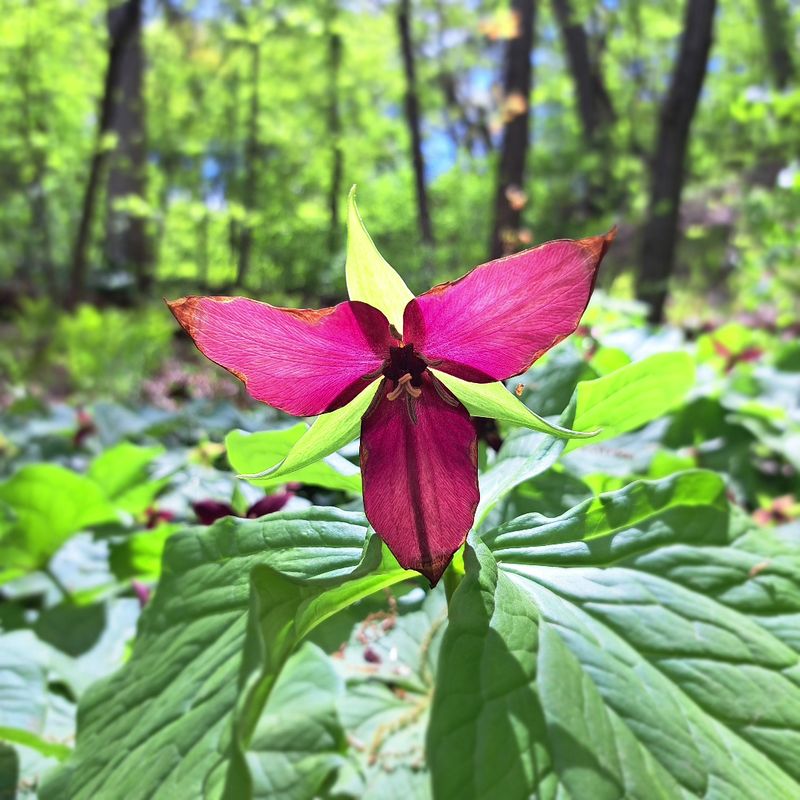
Five hundred plant species is a number that rewards repeat trips. Something new tends to take the spotlight every few weeks.
Spring brings the woodland wildflowers and the famous lady slippers. Summer adds sunflowers and cardinal flowers to the mix.
Not every visit lines up with peak bloom. Even on quieter weeks, the grounds stay neatly kept and full of green.
Early autumn has its own appeal. Flowers keep going, acorns drop along the trails, and fall color begins to arrive.
Gardeners will appreciate how many of these plants are natives. It offers ideas for anyone wanting a backyard that supports local wildlife.
For quilters, painters, and other crafters, the shifting palette makes a free source of inspiration all season.
Plants are only half the headline, though. With this many flowers around, the birds were bound to follow.
A Sanctuary With Wings
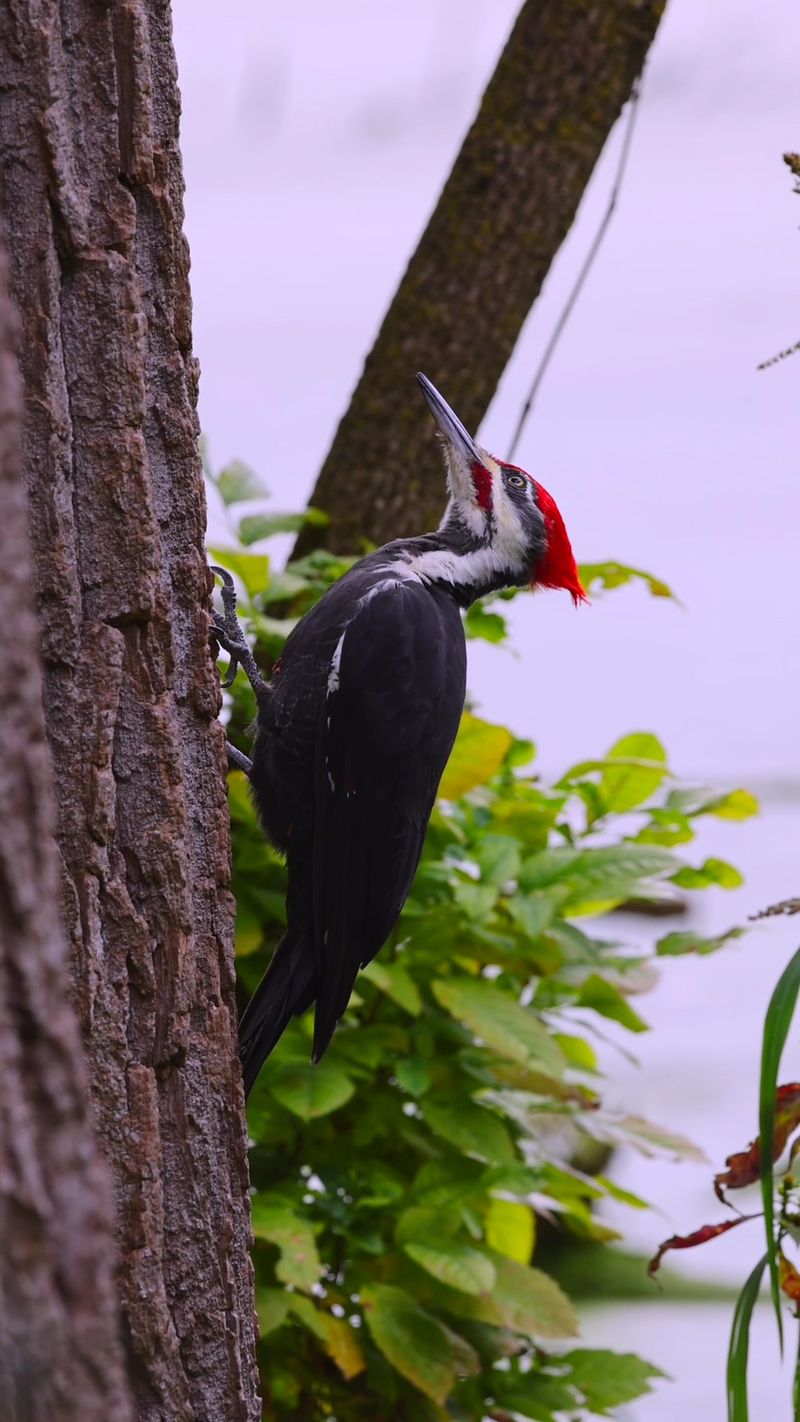
Birds outnumber the signs here by a long shot. More than 130 species have been recorded in the sanctuary.
Bird watching ranks among the most popular activities on the grounds. Butterflies and bees join the party in warmer months.
Owls are a crowd favorite. Some lucky folks have caught one opening its eyes right as the camera clicked.
Cardinals make appearances too, sometimes landing right on the path in front of people.
Benches are scattered throughout, which makes it easy to sit still and let the birds come to you. Patience pays off in a place like this.
Binoculars are a smart thing to pack. A field guide or bird app helps put names to the many species flitting overhead.
Casual watchers are welcome, but serious birders have their own weekend tradition worth knowing about.
Saturday Morning Early Birders
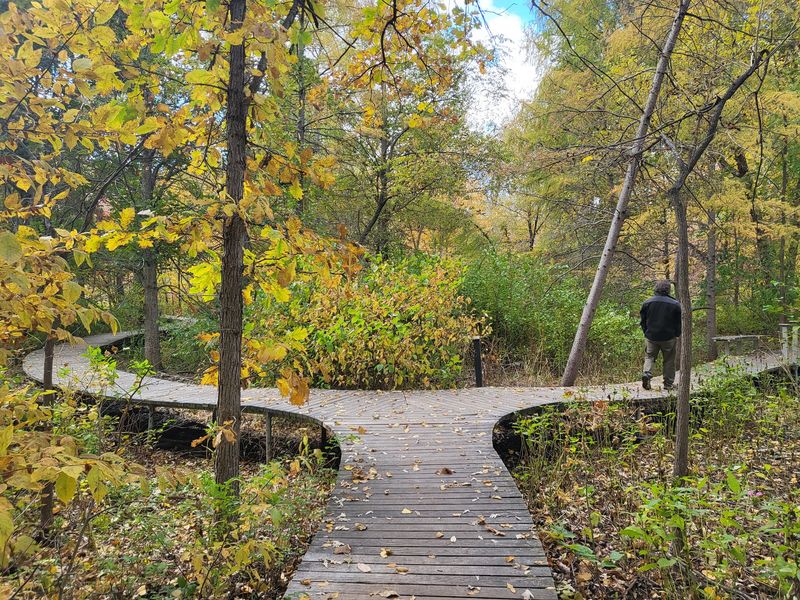
Early risers get a reward at this garden. On Saturday mornings at 7:30, an early birders gathering meets up to explore.
It is a perfect way to connect with other bird lovers. Beginners can learn from experienced eyes, and regulars swap sightings.
The timing lines up with opening hours, so the trails are quieter. Parking is also easier at that hour.
Guided options are part of the garden’s offerings beyond birding as well. Some families plan to join a guided tour on a return trip after exploring solo first.
Group walks help solve the signage puzzle. When someone else leads, there is no worry about finding the exit.
For anyone new to birding, this is a low-pressure way to start. Bring curiosity, comfortable shoes, and maybe a notebook.
Of course, the people make a big difference here, and some of the friendliest are waiting at the front gate.
Volunteers at the Gate
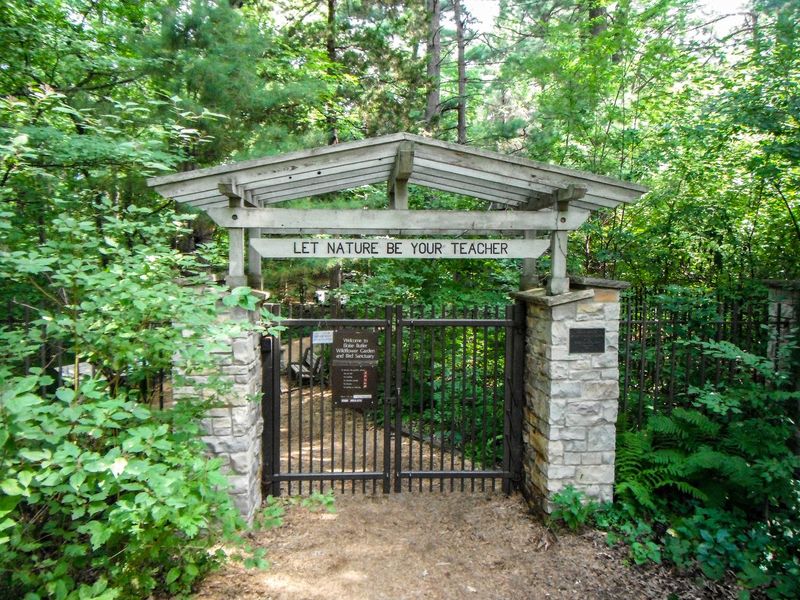
A little booth sits right at the entrance, and it might be the most helpful spot on the property. A volunteer usually staffs it, ready for questions.
These helpers get high marks for being friendly and knowledgeable. Many people end up chatting with them longer than planned.
They hand out maps and explain the layout. Better still, they share what is blooming and exactly where to find it.
That tip can make or break a trip during lady slipper season. A quick conversation might save a lot of wandering.
The guides inside are praised in the same way. They know the plants, the birds, and the stories behind them.
Kindness seems to be the house style. People mention leaving with a better understanding of the garden than they expected.
Stop at the booth first, every time. Then head toward the visitor center, which holds a fun little surprise for gardeners.
Milkweed Seeds and Polly the Pollinator
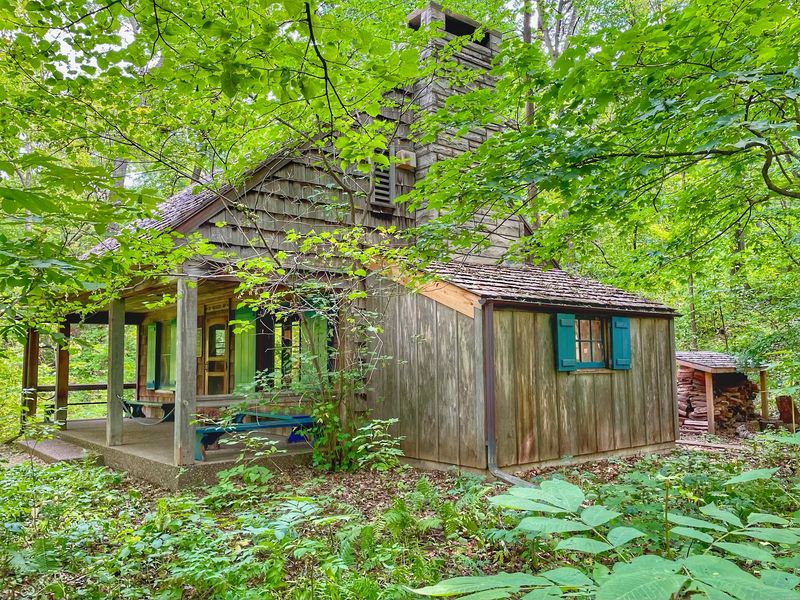
Souvenirs here are not plastic keychains. The visitor center offers milkweed seeds you can take home.
Milkweed matters to pollinators, and backyard gardeners love the chance to grow more of it. People have scattered their seeds around home gardens hoping for a bigger patch the next year.
That small gesture turns a single visit into a lasting project. It is a perfect fit for crafty, hands-on folks who enjoy growing things.
Keep an eye out for Polly the Pollinator as well. Finding her is a fun little challenge, especially for kids.
The visitor center itself gets steady mentions as a worthwhile stop. It adds context to everything growing outside.
Restrooms are basic, with a vault toilet and a porta-potty. Plan accordingly.
A seed packet in your pocket is a fine way to carry the garden home, but the garden also hosts special happenings worth marking on a calendar.
Firefly Nights and Evening Strolls
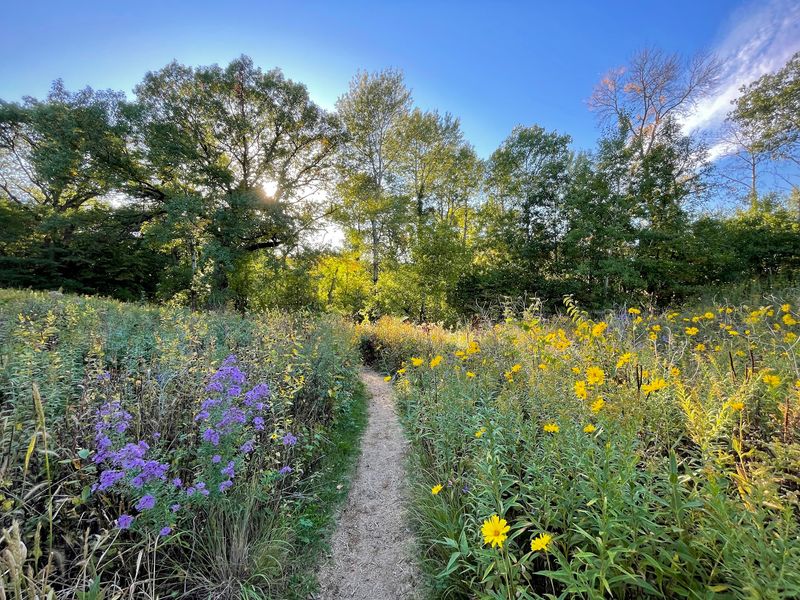
Some of the best moments happen as the day winds down. A firefly event in July has been described as downright magical.
It offers a completely different way to experience the garden. Families and nature fans alike enjoy it.
Evening visits in general get strong recommendations. The garden stays open until 6 p.m. on open days, giving time for a late afternoon wander.
Arriving later often means easier parking. Crowds tend to thin out as people head home.
The prairie section is a highlight at any hour. It contrasts nicely with the shaded woodland trails.
Shade covers most of the garden, but sunny patches open up along the way. You can pick a route depending on the weather.
Check the official website for event dates, since special programs change. Then consider who in your life would love coming along.
Who Feels at Home Here
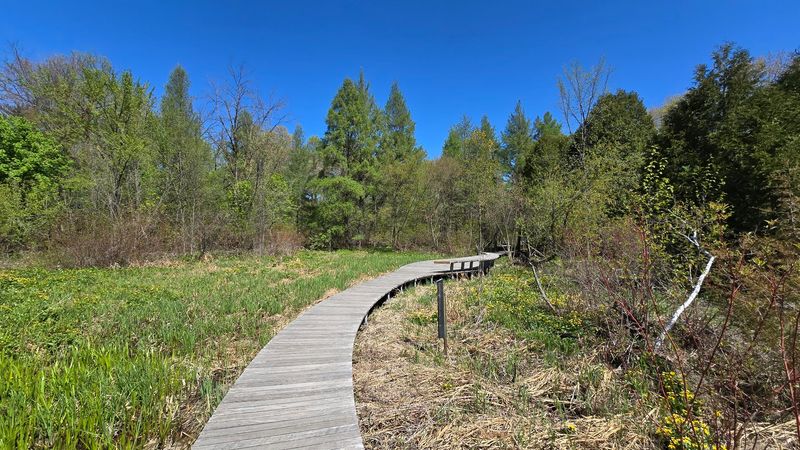
Not every destination is mind-blowing, and this one does not try to be. It is peaceful, lovely, and easy to enjoy.
Kids do well here thanks to flexible route options. Families can go as far or as little as they like.
Artists find plenty to sketch. Benches and quiet corners make drawing sessions comfortable.
Birders and photographers are naturals for the place. So are people simply craving a break from city noise.
The garden is far enough from busy roads that traffic noise is rare. Calm is the main attraction, and it delivers.
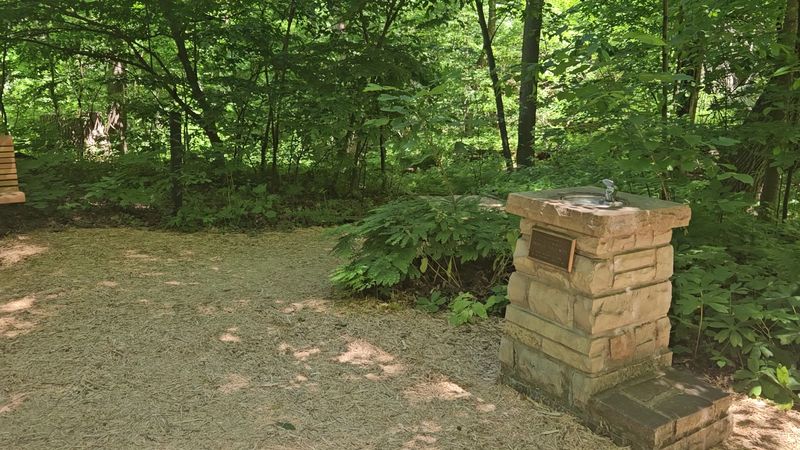
Water fountains and lots of shade help on humid summer days. Benches appear often enough for anyone who needs to rest.
The area may feel busy at the gate, yet the trails rarely feel crowded. Space has a way of spreading people out.
Once you know it suits you, the next step is planning the trip itself.
Hours, Parking, and the Free Admission Perk
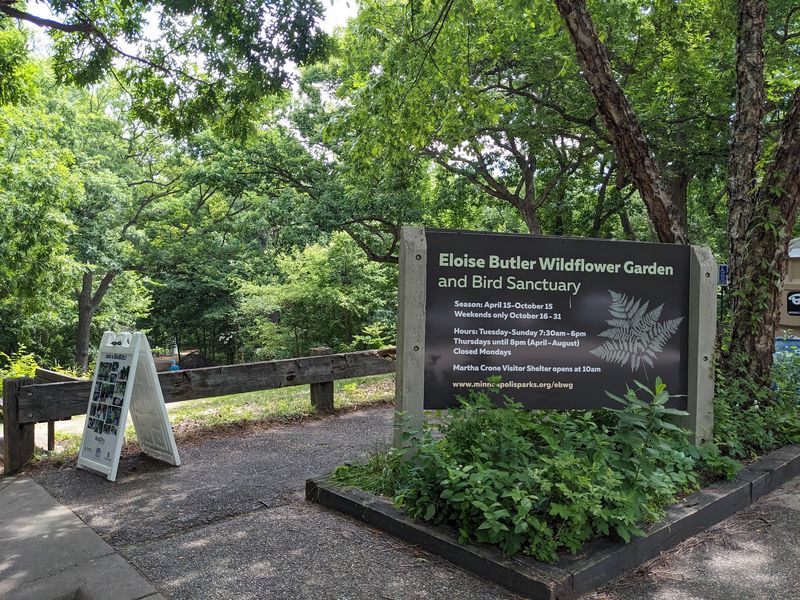
Free things are rare these days. Admission to this garden costs nothing at all.
Schedule is the bigger factor. The garden is open Saturday and Sunday from 7:30 a.m. to 6 p.m. and closed Monday through Friday.
Hours can shift by season, so checking the Minneapolis Parks website before heading out is wise.
The parking lot is tiny. It fills quickly, and many people park along the side of the road instead.
Arriving early helps. A Saturday spot at 8 a.m. is often still possible.
Late afternoon works too, as earlier crowds leave. Getting a spot right by the entrance is common then.
Pack water, sturdy shoes, and maybe binoculars. Fountains are available, but restrooms are basic.
With logistics sorted, all that is left is deciding whether this garden deserves a spot on your weekend list.
Why It Earns a Weekend
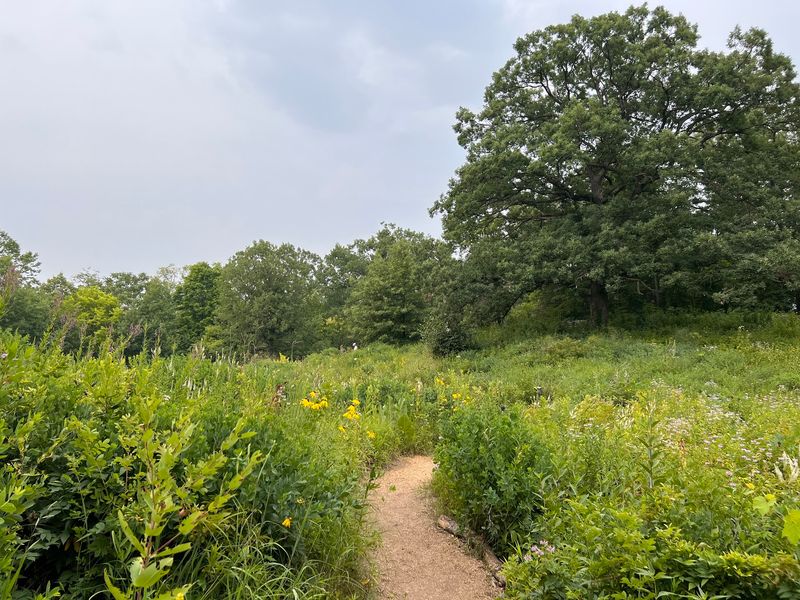
Small but mighty is a fair summary. The garden packs history, hundreds of plants, and a crowd of birds into 18 acres.
It does have rough edges. Signage could be better, and the trails are not wheelchair friendly.
Still, the payoff is strong. Free entry, mulched paths, helpful volunteers, and that rare state flower add up quickly.
Repeat trips feel different each time. Spring lady slippers, summer fireflies, and autumn color all tell new stories.
Crafters can gather inspiration and milkweed seeds. Birders can join the Saturday crowd at 7:30.
Families can tailor a walk to any energy level. Solo wanderers get the calm many city parks lack.
Pick a weekend, grab a map, and let the garden set the pace. Chances are good you will be planning the next trip before reaching the parking lot.
Share this story