Texas doesn’t mess around when it comes to natural beauty. While Big Bend and Guadalupe Mountains get the national park fame, our state parks pack just as much punch with fewer crowds and lower entry fees. From pink granite domes to swampy cypress forests, these ten spots prove you don’t need a federal designation to experience jaw-dropping landscapes that’ll fill up your camera roll in minutes.
1. Palo Duro Canyon State Park
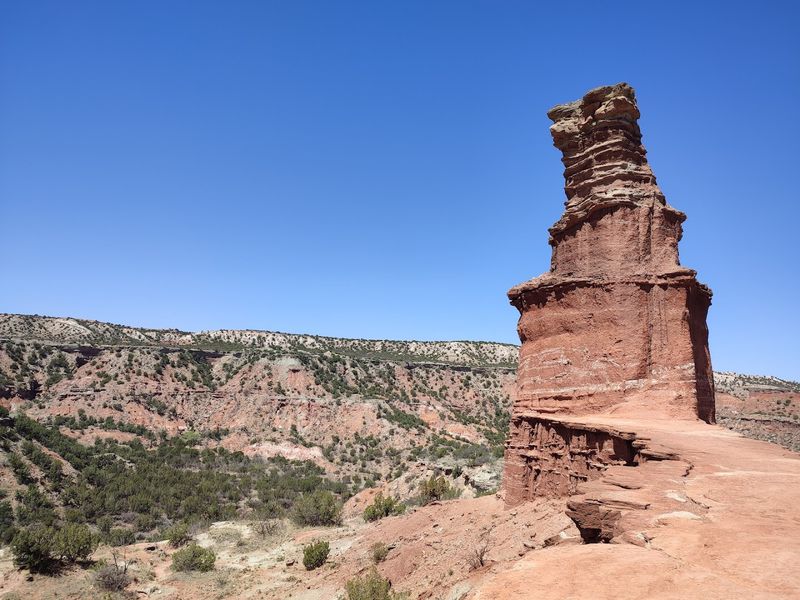
Standing at the rim and looking down into those rust-colored layers feels like someone dropped a piece of Arizona right into the Panhandle. Palo Duro stretches 120 miles long and plunges 800 feet deep, making it the second-largest canyon system in the country. The striped walls shift from crimson to burnt orange depending on how the sun hits them, and honestly, photos don’t do it justice.
Hiking the Lighthouse Trail is basically mandatory if you want the full experience. It’s a 6-mile round trip that winds through the canyon floor before climbing up to a signature rock formation that looks exactly like its name suggests. Early morning is prime time—the light is softer, the heat hasn’t kicked in yet, and you might spot mule deer grazing near the path.
Camping here is a whole vibe, especially if you snag a spot near the canyon floor. You can wake up surrounded by towering walls and cook breakfast while canyon wrens sing overhead. Summer gets scorching, so spring and fall are your best bets for comfortable exploring.
The park also hosts an outdoor musical drama called “Texas” in the summer months, performed in a natural amphitheater carved into the canyon. It’s cheesy in the best way and makes for a fun evening if you’re staying overnight. Whether you’re into serious hiking, casual sightseeing, or just want to feel tiny next to something ancient and massive, Palo Duro delivers that national park energy without the national park hassle.
2. Garner State Park
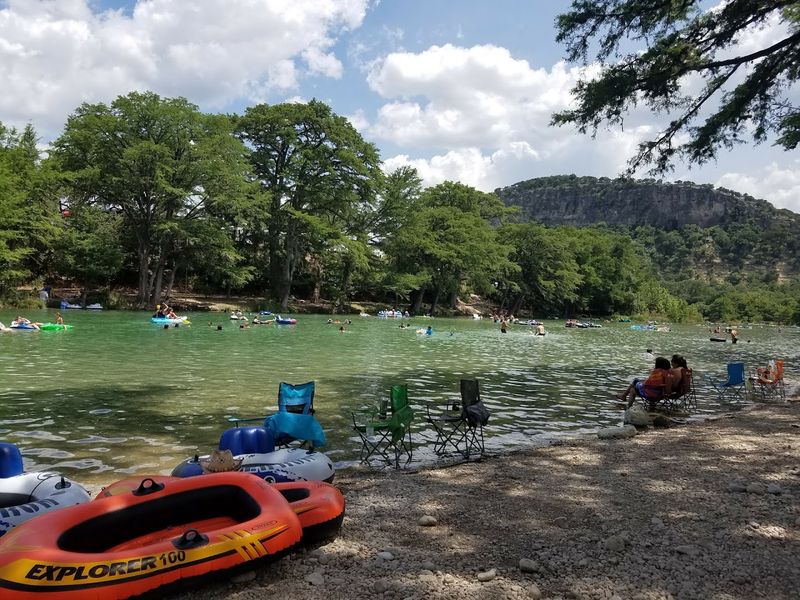
The Frio River runs cold and clear through Garner, and that alone makes it a Texas summer essential. Cypress trees line the banks, their roots dipping into water so refreshing it’ll make you gasp when you first jump in. Above the river, limestone bluffs rise up like natural walls, giving the whole place a secluded, tucked-away feel even when it’s packed with visitors.
Old Baldy is the park’s signature hike—a steep climb up a rocky hill that rewards you with panoramic views of the Hill Country rolling out in every direction. It’s not long, maybe a mile round trip, but it’s all uphill and the rocks can be slippery. Wear shoes with good grip and bring water, because the Texas sun doesn’t play around even in the shade.
Tubing the Frio is the main event for most people. You can rent tubes right in the park or bring your own, then float downstream past mini rapids and deeper pools where you can stop and swim. Weekends in summer turn into a full-on party scene, so if you want peace and quiet, aim for weekdays or visit during spring or fall.
The park also has paddle boat rentals, a mini golf course, and nightly dances in the summer that feel like stepping back into the 1950s. Campsites fill up fast, so book months ahead if you want a spot near the river. Garner has that perfect mix of natural beauty and family-friendly fun that makes it feel way bigger and more impressive than a typical state park.
3. Pedernales Falls State Park
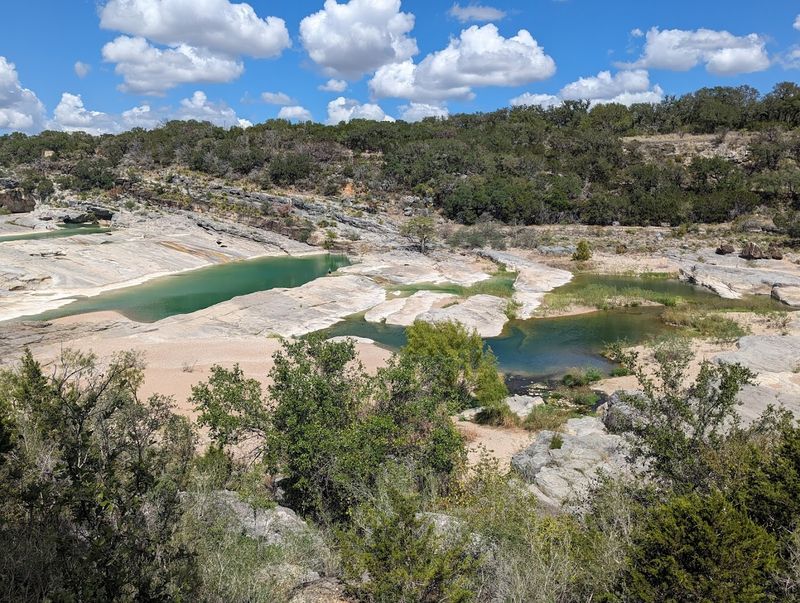
Most Texas waterfalls are more like trickles, but Pedernales Falls actually earns the name. The Pedernales River spreads out over layered limestone shelves, creating wide cascades that look almost like natural stairs carved into the rock. When water levels are right, it’s one of the most photogenic spots in the Hill Country, with pools forming between the layers where you can wade and cool off.
Swimming directly in the falls is off-limits because the current can be deceptively strong and the rocks get slick, but there are designated swimming areas downstream where the water calms down. Families set up on the banks, kids splash in the shallows, and it feels like a secret oasis even though the park sees plenty of visitors. Just respect the rules—people have gotten hurt ignoring the warning signs.
The park has over 20 miles of trails that range from easy riverside walks to more challenging loops through juniper-covered hills. Wolf Mountain Trail is a favorite for anyone wanting elevation and views without committing to an all-day trek. Spring wildflowers turn the hillsides into a patchwork of bluebonnets, Indian paintbrush, and prickly pear blooms.
Birdwatchers love this place because the habitat supports everything from golden-cheeked warblers to black-capped vireos, both of which are endangered species. Camping options include primitive sites if you want solitude and developed sites if you want amenities. Pedernales Falls proves that Texas can absolutely deliver when it comes to water features, and it does so with a rugged Hill Country charm that feels worlds away from the usual desert stereotypes.
4. Enchanted Rock State Natural Area
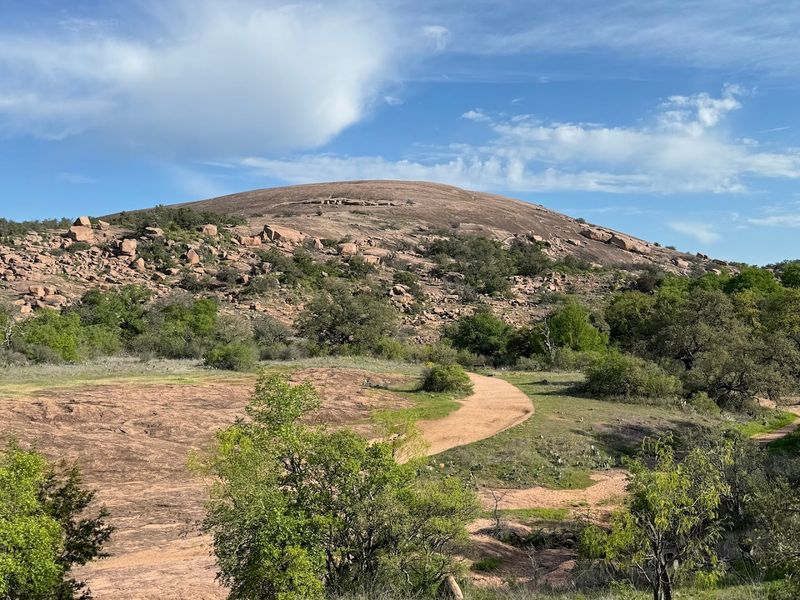
Enchanted Rock isn’t just big—it’s a 425-foot-tall pink granite dome that dominates the landscape like something out of a fantasy novel. The rock itself is over a billion years old, and when you’re standing on top looking out over miles of rolling hills, you can feel that ancient weight beneath your feet. On quiet nights, the rock supposedly makes creaking sounds as it cools, which gave it a mystical reputation among the Tonkawa people who considered it sacred.
The Summit Trail is the main attraction, a steep but manageable climb that takes most people about an hour round trip. The granite can get scorching hot in summer, so wear good shoes and start early. Once you reach the top, the 360-degree views are absolutely worth the effort—you can see for miles in every direction, with nothing but Hill Country wilderness stretching to the horizon.
Rock climbers flock here for the technical routes on the dome’s sides, and you’ll often see them scaling vertical faces with ropes and harnesses. Even if you’re not into climbing, watching them work their way up is impressive. The park also has several loop trails around the base if you want to explore without the elevation gain.
Camping here is primitive and exposed, but stargazing from the rock at night is unbeatable. The lack of light pollution means the Milky Way stretches overhead like a glowing river. Enchanted Rock gets crowded, especially on weekends, so the park often closes to new visitors once capacity is reached.
Arrive early or reserve your spot ahead of time, because this pink granite giant is worth every bit of hype it gets.
5. Caddo Lake State Park
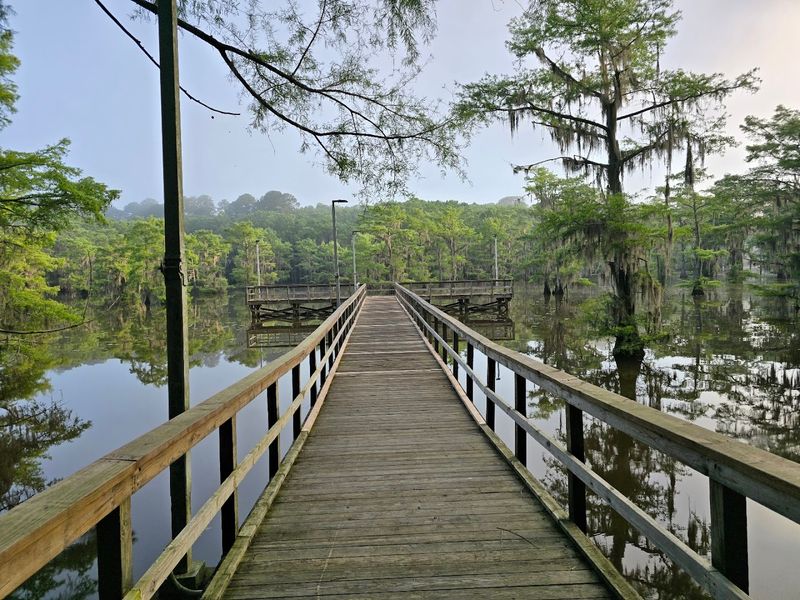
Bald cypress trees rise straight out of dark, tannic water, their trunks swollen at the base and draped with Spanish moss that sways in the breeze. Paddling through the maze of channels feels otherworldly, like you’ve entered a forgotten swamp where time moves slower and alligators might be watching from the shallows.
Yes, there are alligators here, though they’re generally shy and keep to themselves if you don’t bother them. The real magic is navigating the labyrinth of waterways by kayak or canoe, weaving between cypress knees and floating past lily pads that bloom in summer. It’s easy to get turned around, so bring a map or GPS, and don’t be surprised if you feel like you’re in a completely different state.
The lake is actually a natural wonder—it’s the only natural lake in Texas, formed by a massive logjam on the Red River centuries ago. These days, a dam helps maintain water levels, but the ecosystem remains wild and diverse. Birdwatchers can spot egrets, herons, and woodpeckers, while anglers fish for largemouth bass and catfish in the quiet backwaters.
Camping options range from screened shelters to RV sites, and waking up to mist rising off the water while frogs chorus in the background is an experience you won’t forget. Fall and spring are ideal for visiting when temperatures are mild and the bugs are less aggressive. Caddo Lake is proof that Texas has way more ecological variety than most people realize, and it’s easily one of the most unique and hauntingly beautiful spots in the state.
6. Colorado Bend State Park
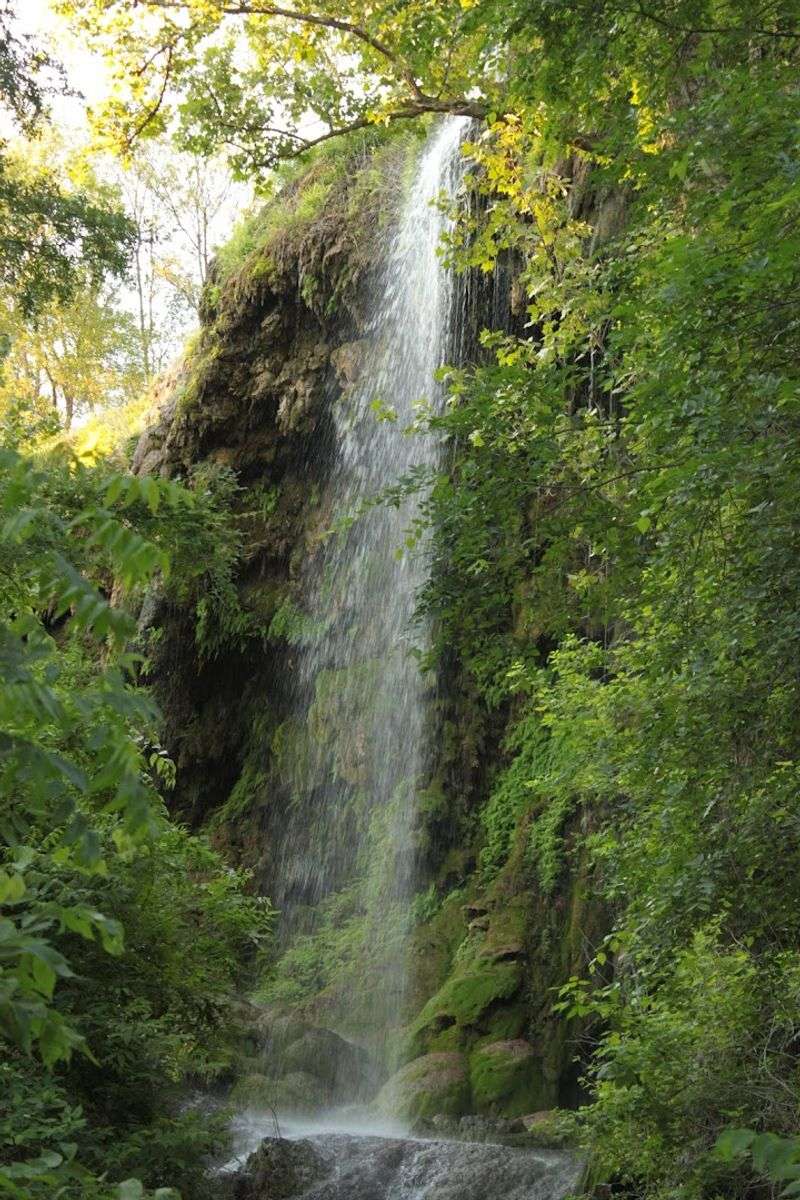
Gorman Falls drops about 70 feet over a travertine formation covered in emerald moss and ferns, creating a living wall of green that stays lush even in the driest months. The hike to reach it is roughly 3 miles round trip, rocky and uneven in places, but the payoff is a waterfall that looks like it belongs in a tropical rainforest, not Central Texas.
The park sits along the Colorado River in a remote section of the Hill Country where cell service disappears and civilization feels far away. Rugged limestone bluffs, steep canyons, and dense juniper forests give the landscape a wild, untamed character. This isn’t a manicured park with paved paths—it’s raw and challenging, which is exactly what makes it special.
Spicewood Springs Trail is another highlight, leading to a series of smaller waterfalls and pools where you can swim if the water’s flowing. Spring is the best time to visit when the falls are at their fullest and wildflowers blanket the hillsides. Summer can be brutal with the heat, and the falls sometimes slow to a trickle during drought conditions.
The park also offers cave tours on weekends, taking visitors into Gorman Cave to see formations and learn about the underground world beneath the Hill Country. Camping here is primitive and peaceful, perfect if you want to disconnect and immerse yourself in nature. Colorado Bend doesn’t get the same crowds as some other parks, which means you can often have the trails and waterfalls mostly to yourself.
It’s a hidden gem that rewards adventurous visitors willing to hike a little and embrace the rugged beauty.
7. Lost Maples State Natural Area
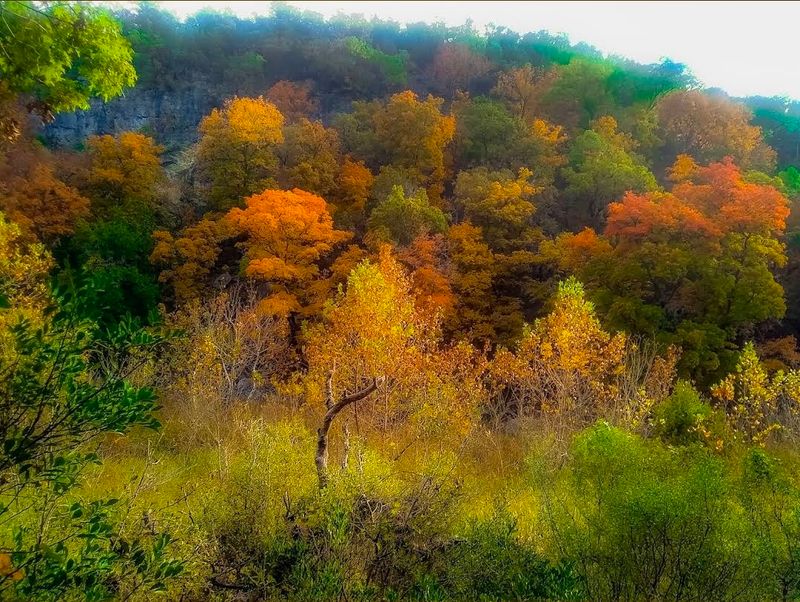
Texas isn’t exactly known for fall foliage, but Lost Maples flips that script every October and November. Bigtooth maples tucked into protected canyons put on a show of reds, oranges, and yellows that rival anything you’d see in New England. The trees are picky about their conditions, thriving in the cool microclimates along spring-fed creeks, and when they turn, the park transforms into a blaze of color that draws photographers and leaf-peepers from all over the state.
The East Trail is the most popular hike during fall, a 4.8-mile loop that climbs up to overlooks where you can see the maples glowing against the backdrop of limestone cliffs and evergreen juniper. Timing your visit is tricky because peak color depends on weather conditions, but the park posts updates on their website so you can plan accordingly. Weekends in late October can get absolutely packed, so arrive early or visit on a weekday if possible.
Even outside of fall, Lost Maples is worth exploring. The spring-fed Sabinal River runs clear and cold, creating pools where you can wade and cool off in summer. Wildflowers bloom in spring, and the birding is excellent year-round with species like the rare golden-cheeked warbler nesting in the area.
Camping is available but limited, and sites fill up fast during peak season. Primitive backpacking sites offer more solitude if you’re willing to hike in. Lost Maples proves that Texas has seasons beyond hot and hotter, and experiencing actual fall colors in the Hill Country feels like discovering a secret the rest of the country doesn’t know about yet.
8. Caprock Canyons State Park
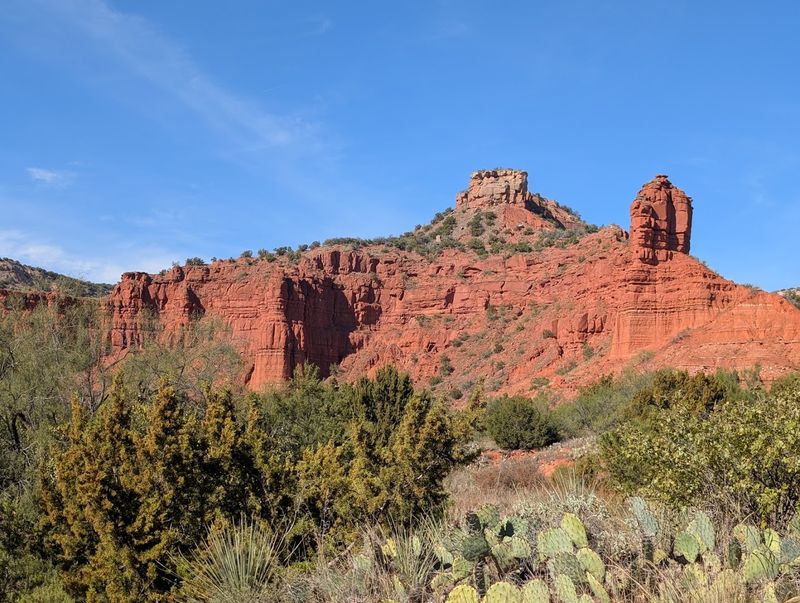
Caprock Canyons is home to the official Texas State Bison Herd, a group of about 100 animals descended from the Southern Plains bison that once roamed this region by the millions. Seeing these massive creatures grazing against a backdrop of red rock cliffs and wide-open prairie is like stepping into a living history book. They’re wild and unpredictable, so keep your distance and use a zoom lens if you want photos—bison might look slow, but they can charge faster than you can run.
The park’s landscape is stunning in its own right, with colorful canyon walls carved by erosion over millions of years. The Caprock Escarpment forms a dramatic edge where the High Plains drop off into rolling canyons, creating layers of red, orange, and white rock that glow at sunrise and sunset. Trails range from easy walks to challenging backcountry routes, with the Haynes Ridge Overlook Trail offering some of the best views without a huge time commitment.
The Caprock Canyons Trailway runs 64 miles through the park, following an old railroad bed that’s been converted into a multi-use trail perfect for hiking, biking, or horseback riding. You can tackle a section for a few hours or plan a multi-day adventure camping along the way. The Clarity Tunnel, a 700-foot railroad tunnel you can walk or ride through, is a cool historical feature that adds extra character to the trail.
Primitive camping is available throughout the park, and the lack of light pollution makes it a primo spot for stargazing. Caprock Canyons feels remote and untouched, a place where you can experience the wild Texas that existed long before cities and highways. The combination of bison, dramatic geology, and wide-open skies gives it a grandeur that rivals any national park.
9. Monahans Sandhills State Park
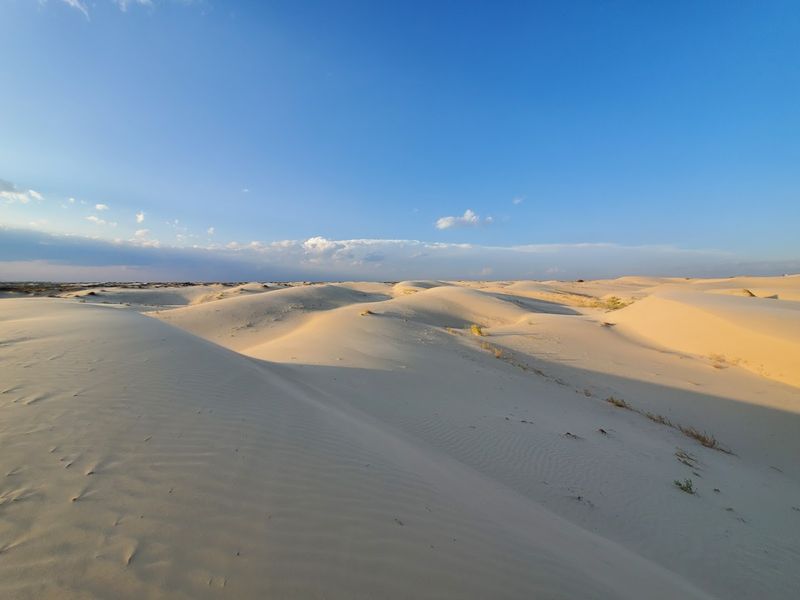
Walking into Monahans Sandhills feels like you’ve accidentally crossed into the Sahara. Massive dunes of white sand stretch as far as you can see, some reaching 70 feet high and constantly shifting with the wind. It’s surreal to find this kind of landscape in Texas, and even more surreal to realize you can rent a sand disc at the park office and sled down the dunes like you’re at a West Texas ski resort.
The sand here is incredibly fine and soft, making it perfect for sandboarding, though it also means you’ll get sand absolutely everywhere—in your shoes, your hair, your car. Embrace it. Climbing to the top of a tall dune and then racing down on a plastic disc is ridiculously fun, and kids (and adults) can spend hours doing it.
Just be prepared for a workout because trudging back up through loose sand will test your leg muscles.
The park is small compared to others on this list, but what it lacks in size it makes up for in uniqueness. Hardy plants like shin oak and sand sagebrush manage to survive in the dunes, and you might spot lizards or kangaroo rats adapted to the harsh desert environment. Early morning or late afternoon is the best time to visit when the light creates dramatic shadows across the rippled sand and the temperature is more bearable.
There’s a designated interpretive trail that loops through the dunes with signs explaining the ecology and geology, though most people skip it in favor of just playing in the sand. Camping is available with basic amenities, and spending the night lets you experience the dunes at sunset and sunrise when they’re at their most beautiful. Monahans Sandhills is pure desert magic, a reminder that Texas landscapes are way more diverse than most people imagine.
10. Inks Lake State Park
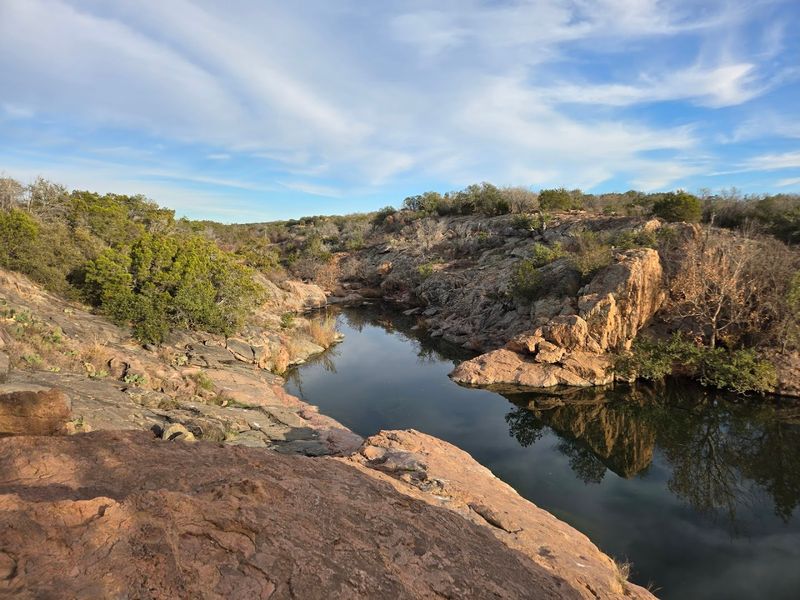
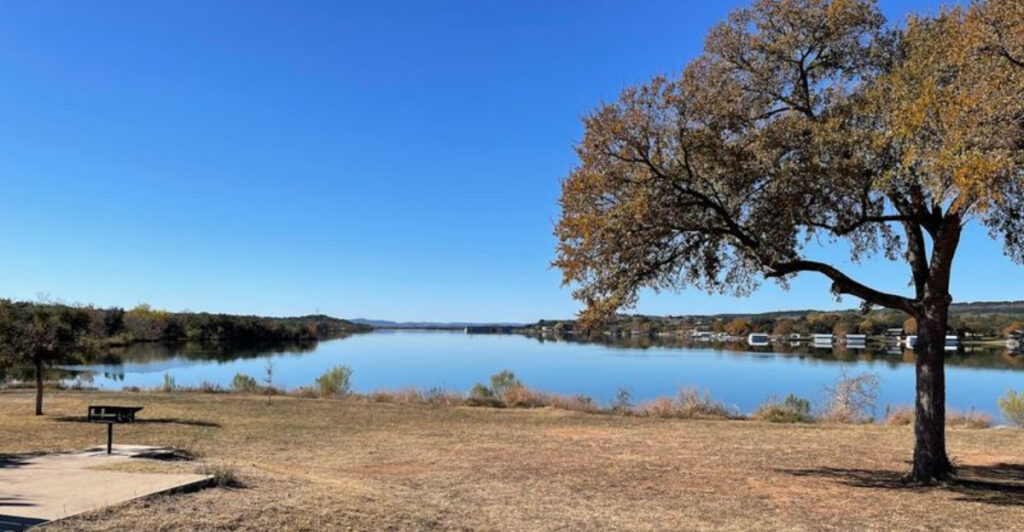
Here the shoreline stays consistent and the water stays a brilliant, almost unnatural shade of blue year-round. Pink granite boulders line the edges, creating perfect spots for cliff jumping, sunbathing, or just sitting and watching kayakers paddle past. It’s a surprisingly scenic lake that feels more like something you’d find in the Southwest than Central Texas.
Devil’s Waterhole is the park’s most popular swimming area, a cove surrounded by granite cliffs where brave visitors jump from varying heights into deep, clear water. If you’re into cliff jumping, this is your spot, but check the depth and watch others first to make sure you’re jumping into a safe area. The water is refreshing, especially in the brutal Texas summer, and the pink granite makes for incredible photo backdrops.
Hiking trails wind through the park, including the 1.1-mile Inks Lake State Park Trail that hugs the shoreline and offers constant lake views. Pecan Flats Backpacking Trail is a longer option if you want a more challenging trek through juniper and oak forests. The park also has a 9-hole golf course, which is a random but fun amenity you don’t expect at a state park.
Camping options include waterfront sites where you can wake up to sunrise over the lake, and the park rents canoes, kayaks, and paddleboards if you don’t have your own gear. Fishing is popular here, with anglers targeting bass, catfish, and crappie. Inks Lake combines water recreation with Hill Country scenery in a way that feels polished and accessible while still maintaining that natural, rugged Texas charm.
It’s proof that state parks can absolutely compete with the big-name destinations when it comes to beauty and adventure.
Share this story