Trains once hauled logs through Klamath Falls and stopped traffic on city streets for hours. Those trains are gone now, but the path they carved is still here, and anyone can use it for free. It stretches past farmland, over an old railroad bridge, and out toward mountain views most drivers never see.
This is the story of a rail line that Oregon chose to keep, and what it is like to use it today.
A Railroad Turned Into a Park
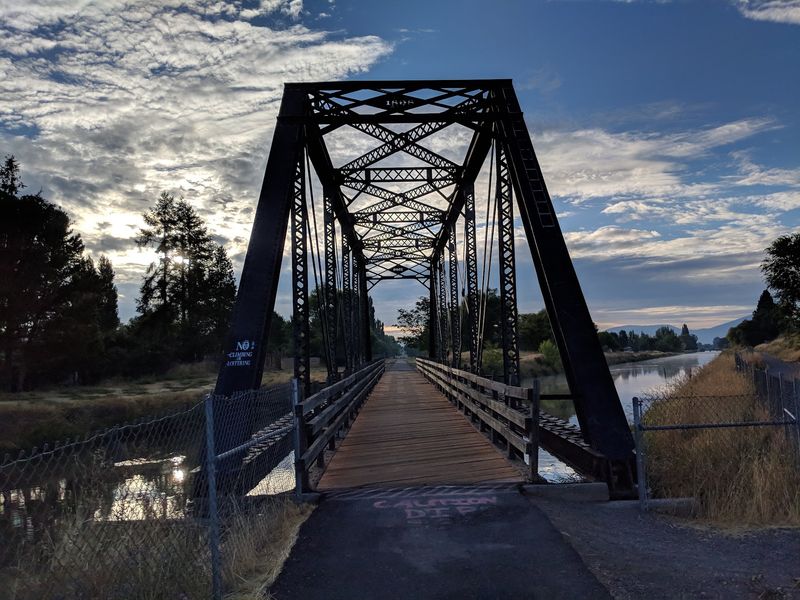
Some state parks have campgrounds and lakes. Oregon’s longest state park is mostly a strip of pavement and gravel built on an old railway.
The OC and E Woods Line State Trail begins in Klamath Falls, with its listed address at Oc&E Woods Line State Trail, Klamath Falls, OR 97603, United States.
It is a linear park, which means it is long and narrow instead of wide. The route is popular for jogging, biking, and skating.
The paved section near town is often described as about 50 miles long. Beyond that, the old rail corridor keeps going into the country, giving the trail its reputation as a 110-mile journey.
Oregon State Parks manages the trail. That makes it a public place anyone can use, kept in place for neighbors and travelers alike.
For people who worry about familiar spots disappearing, this trail is a quiet success story. A rail line that could have been lost was turned into a path that families still walk every week.
When Log Trains Ruled the Streets
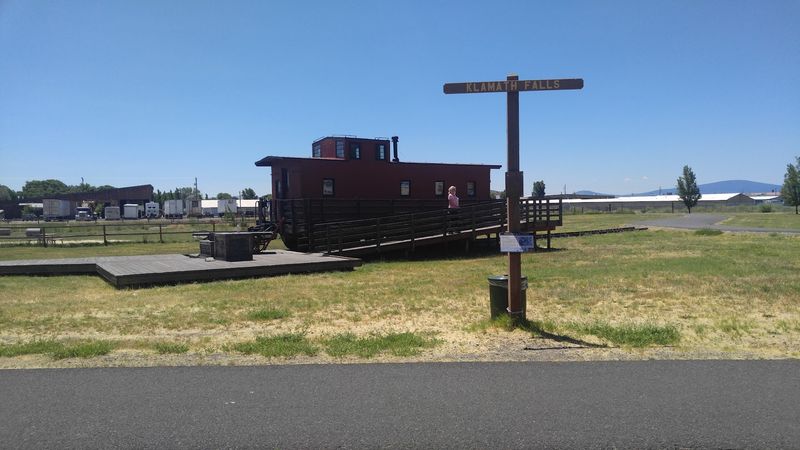
Long before bikes rolled along this route, it carried freight. Live railroad cars hauled logs to the mill, and traffic in town sometimes waited for hours as trains passed.
People who grew up in Klamath Falls still remember those days. For them, the trail is more than exercise space.
It is a link to a working past, when timber shaped daily life in the Klamath Basin. The trains left, but the route stayed.
Turning an old railway into a trail is often called rails-to-trails. The idea is simple: keep the corridor, lose the tracks, and let people travel it on foot or bike.
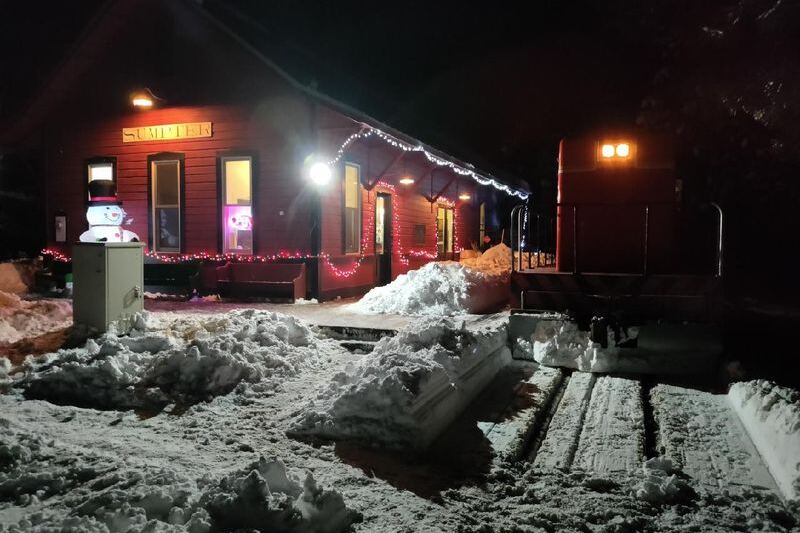
Along this path, that history is easy to spot. Old bridges, a preserved caboose, and rail yards remain as reminders of what the line once did.
Some local voices feel the train era was the better experience. Others are glad the route found a second life, because a trail is far better than a fenced-off strip of weeds.
The Caboose With a Guest Book
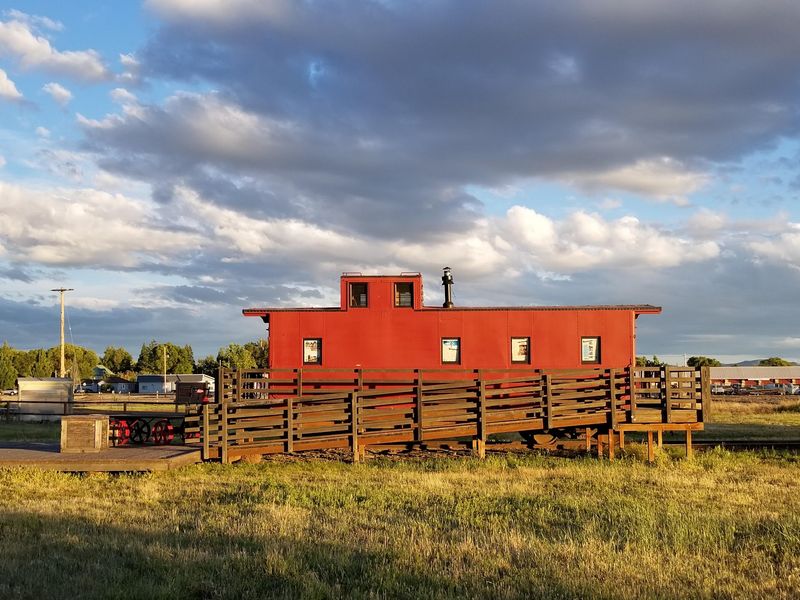
Few trails come with a volunteer historian. Here, a caboose on display has been staffed at times by a volunteer who greets guests.
She has asked people to sign a guest book and walked them through the history displays inside. She is unpaid, very friendly, and hard to stump with tricky questions.
The caboose is a favorite stop for many who use the trail. It gives the route a clear tie to the railroad story without needing a museum ticket.
Nearby, an old rail yard and a passenger car also sit along the line. These pieces have drawn real concern from locals.
Weeds, damage, and camps have crept into that area. Some residents feel the state has not done enough to protect the history in its care.
That tension matters. The caboose shows what care looks like, while the yard shows what can slip away. Both are worth seeing, and both are a reason to speak up for the trail’s future.
Farmland, River, and an Old Bridge
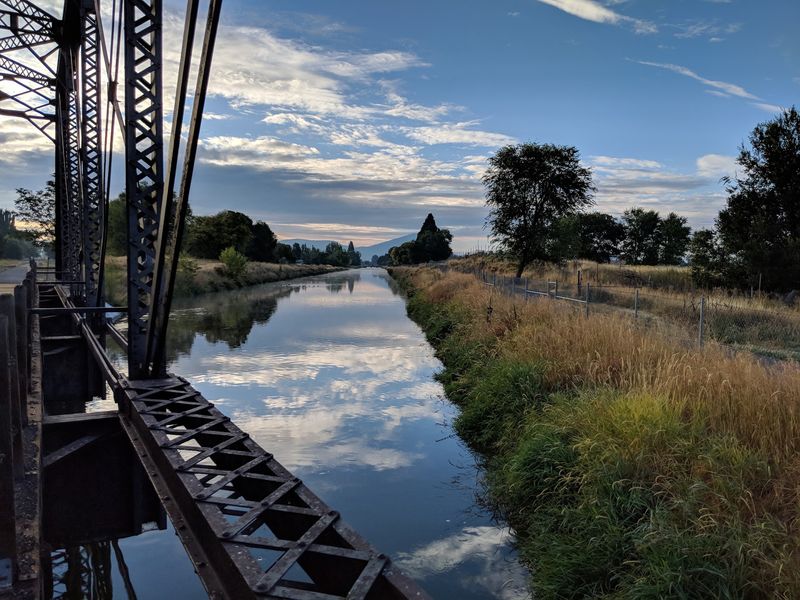
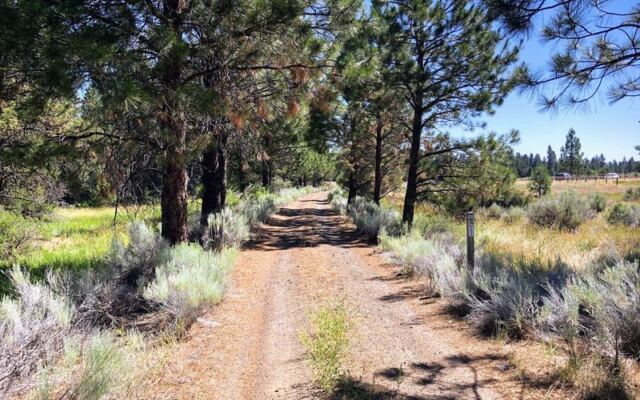
Head east from town and the buildings start to thin out. Before long, the trail runs through wide farmland.
Runners like this stretch for its open feel. Often the only company is a few people walking their dogs.
Closer to the city, the path runs along the river and crosses some street intersections. It feels like a walk through town that slowly becomes a mild hike on the outskirts.
One highlight is the crossing over an irrigation canal on an old railroad bridge. It is a small moment, but it reminds users that they are following a real rail line.
The route stays flat, which is typical for old railways. Trains could not handle steep climbs, so the grades are easy for walkers and casual riders.
That flat design makes the trail friendly for many fitness levels. A short stroll and a long ride both fit here.
Views From the High Country
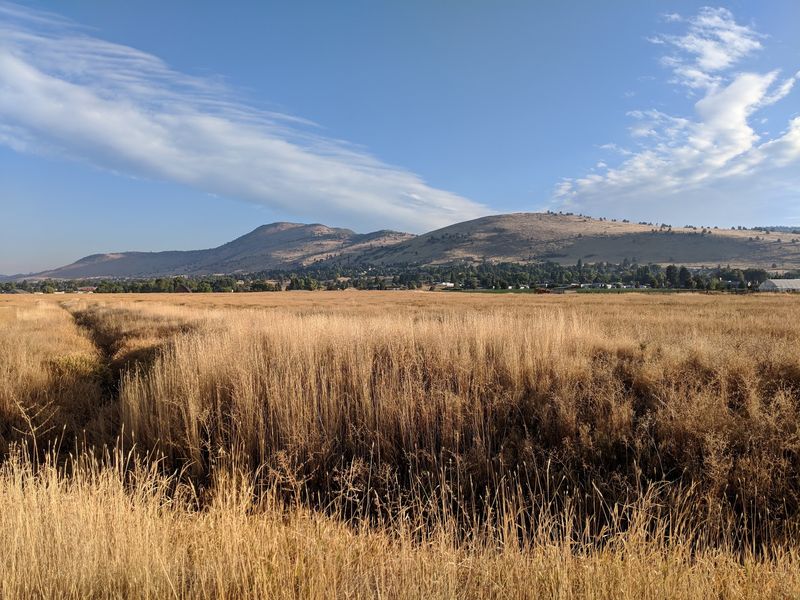
Out past the farms, the scenery changes. The country gets wilder and the views get bigger.
In some areas, the high ground looks over a lake and down at the highway on a steep mountain grade. It is a reminder of how far the old line reached into the region.
Wildlife shows up in different areas along the route. Deer, birds, and other animals are part of the trip for patient travelers.
Sunsets from the mountain areas are a favorite. Plan the timing carefully, though, since the park lists hours of 8 AM to 5 PM.
These outer stretches feel very different from the paved miles in town. They suit people who want quiet and do not mind more distance between stops.
Bring a plan and supplies before heading this far out. The views are the reward for the extra effort.
A Dog Park Worth the Detour
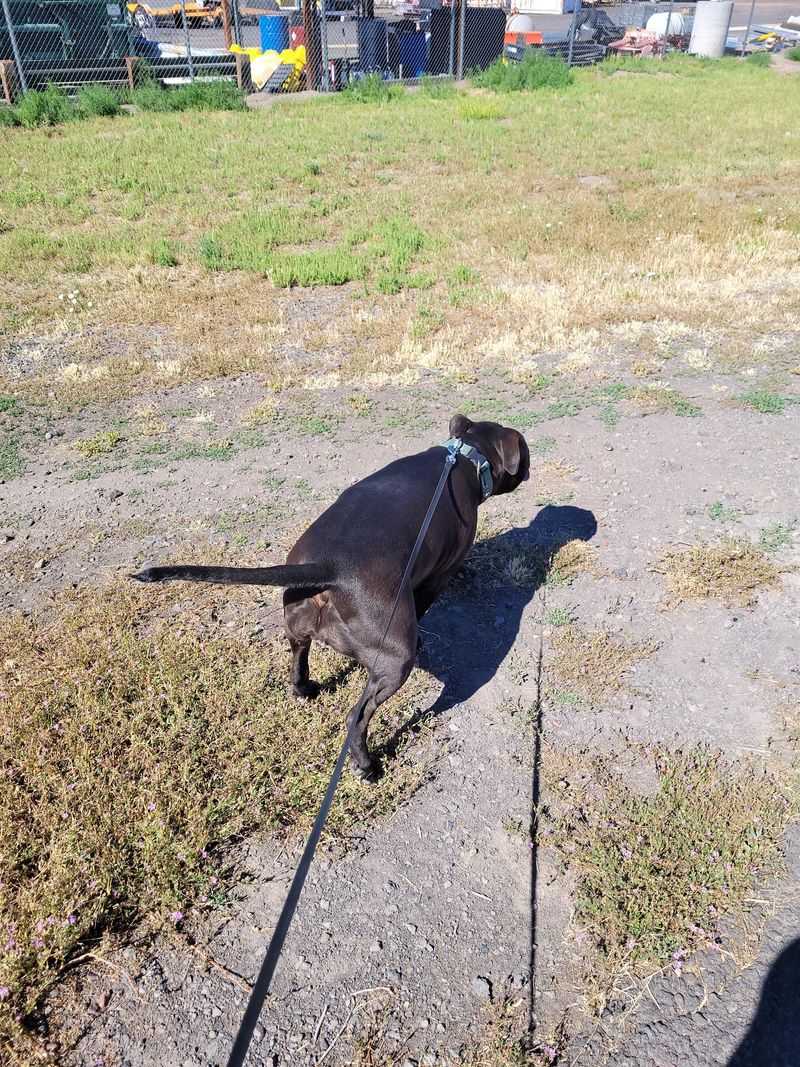
Dogs might be the trail’s most loyal fans. Some owners walk here every morning, starting at 5:30 AM in summer and around 6:30 or 7 AM in fall and winter.
Near the trail sits a fenced dog park with a shelter, a couple of tables, and agility equipment. Dog bags are supplied, and buckets hang along the fence.
Owners need to bring their own water, though. Very small dogs may slip through parts of the fence, so keep tiny pups close.
Most days go smoothly, but not every dog plays nice. There has been at least one case of repeated aggression from the same dog, so watch your pet and leave if things get tense.
Trail manners matter too. Pick up after your dog, keep waste off the pavement, and carry bags to the garbage cans instead of leaving them on the path.
A little courtesy keeps this spot a happy place for paws and people.
The Bumpy Truth About the Pavement
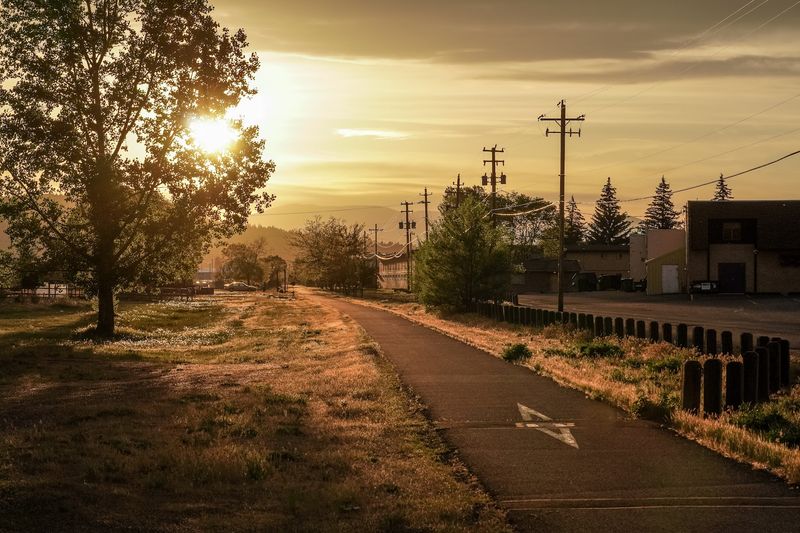
Here is the honest part cyclists should hear first. The paved section has many horizontal cracks filled with tar.
On a bike, those patches create a steady thump-thump rhythm. Riders on bikes without suspension often find it jarring, and even a full-suspension trike can leave a sore rider at day’s end.
The cause may be frost heaves or the way the path was built. Either way, patching cracks with more tar has not fully solved it.
Walkers and runners notice it less. Many describe the path as well maintained and clean, which shows how much your experience depends on your wheels.
Wider tires and some suspension help a lot. An older bike will still make it, just with more bounce.
Repairs here would make a big difference. For a public trail this long, smoother pavement is a fair thing for locals to ask for.
Who Feels at Home Here
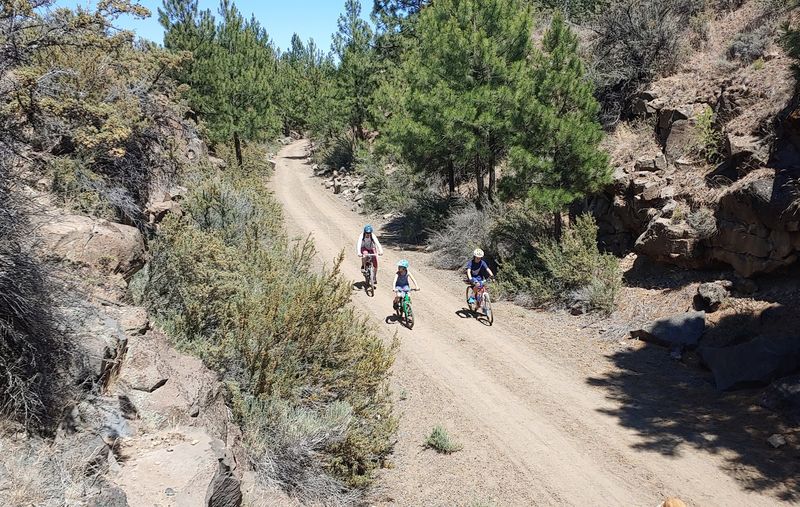
Friendly waves are common on this path. People say hi as they pass, and the trail stays away from car traffic for long stretches.
That mix makes it great for daily walkers, joggers, dog owners, and casual riders. It is a free way to stay active close to home.
Still, the experience is not the same everywhere. Some sections near town have homeless camps, and some users have heard arguments and felt uneasy.
Going with a friend is a smart choice, especially on quieter sections. Daylight trips during posted hours are best.
Comfort is another factor. There is no shade in many places, no water fountain, and no bathrooms.
Plan around that and the trail becomes much easier to enjoy. Busy people out and about tend to make the walk feel welcoming.
Practical Notes and a Final Word
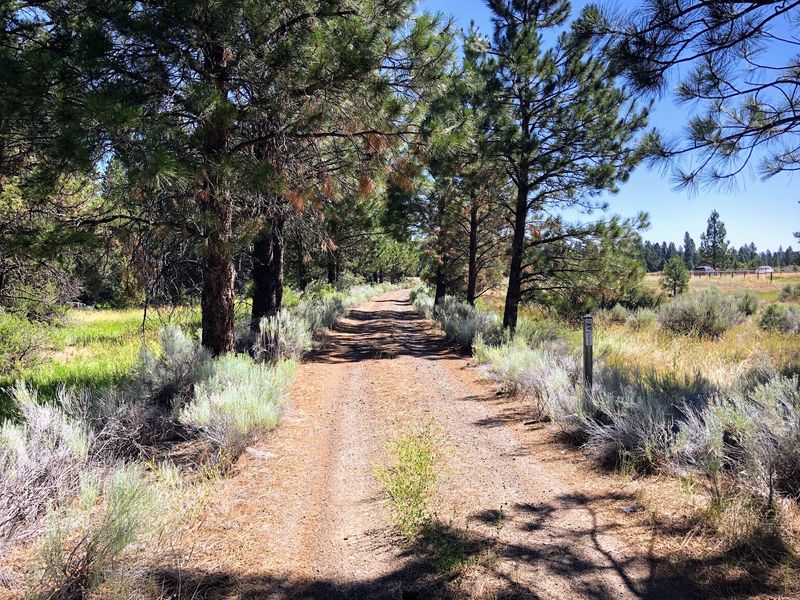
Getting started is simple. The trail begins in Klamath Falls, and the posted hours run from 8 AM to 5 PM every day of the week.
No fee information is listed for the trail. Details and updates are on the Oregon State Parks website.
Pack water for yourself and your dog, plus sun protection. Use the restroom before you go, since none are on site.
Cyclists should bring a bike with wider tires or suspension. Walkers and runners will have an easier time on the patched pavement.
So is it worth the trip? For history fans, dog owners, and anyone who likes a flat, free path, the answer leans yes.
The trail has rough spots that deserve repair and care. Yet it remains a piece of old Oregon that still belongs to everyone, one quiet mile at a time.
Share this story