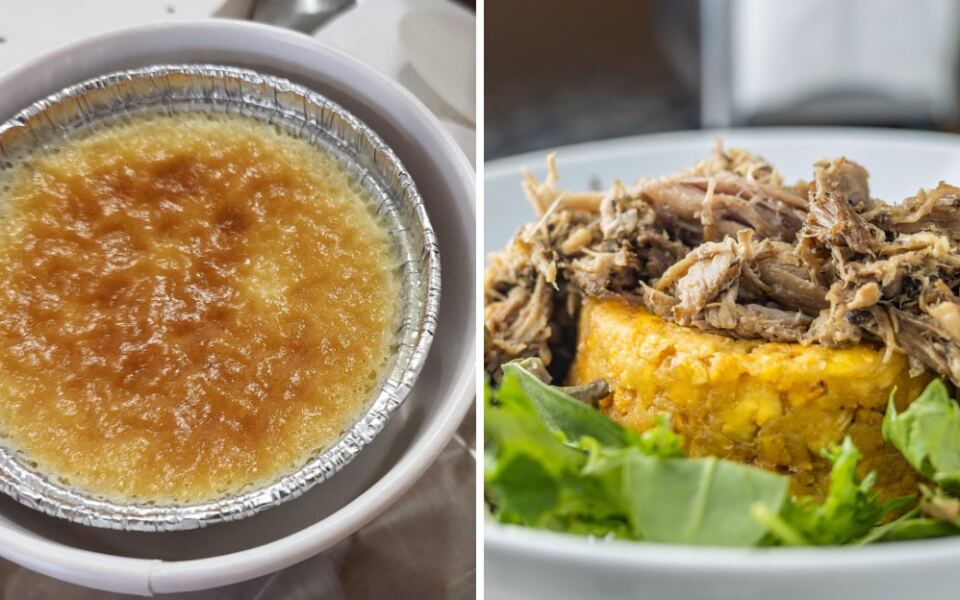
Some Phoenix lunches are forgotten by dinner. Others send you home with a second meal in a to-go box and a plan to come back on Friday. A small, family-run kitchen near the Melrose District has built a loyal crowd by doing one thing well: serving Puerto Rican home cooking in portions so big that sharing feels less like a choice and more like a rule.
It started as a food truck, and it now draws Boricuas who say it tastes like home, plus newcomers who have never heard the word mofongo. The pernil is slow cooked for hours. The mofongo arrives in a size that can stretch across two appetites, and sometimes three.
Keep reading for the address, the hours that catch people off guard, the plates worth ordering, and the small details that make this spot worth the drive across the Valley.
1. A Small Storefront on 15th Avenue
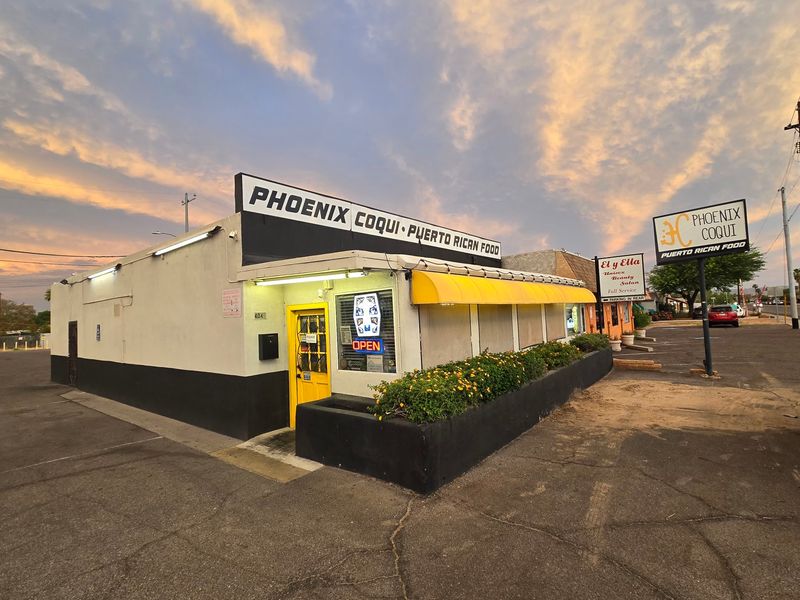
The mystery ends at 4041 N 15th Ave, Phoenix, AZ 85015. That is where Phoenix Coqui, a Puerto Rican restaurant run by owners Juan and Alexis, serves its plates in central Phoenix.
The neighborhood sits right around the Melrose District, a stretch many Valley drivers pass on their way somewhere else. Some first-timers found the place exactly that way, spotting it while cruising the area and pulling over on a hunch.
The building itself is small and clean. Nobody comes here for a grand dining room, and the restaurant does not pretend otherwise.
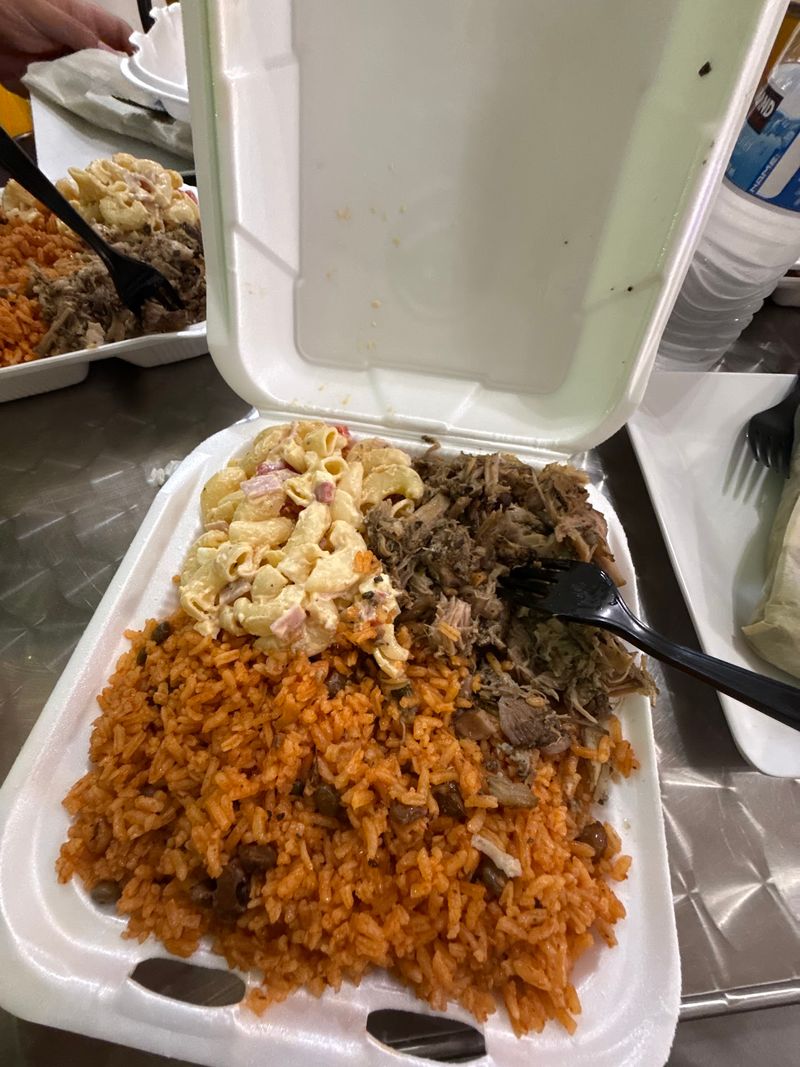
What it does offer is a menu built around island classics. Pernil, mofongo, arroz con gandules, carne frita, alcapurrias and empanadillas fill the order board.
For Phoenix residents, the location is easy to reach from most of the Valley. It sits close to central corridors, so a lunch run from downtown or the west side does not require a road trip.
Tucson folks have a longer haul, but plenty of people make bigger trips than that. One fan has driven in from Las Vegas and says the food has never let them down.
So the address is settled. The bigger question is how a food truck turned into a neighborhood favorite with a crowd this devoted.
2. From Food Truck to Four Walls
Long before there was a dining room, there was a truck. Regulars who followed the business early still remember those days on wheels.
The jump from a mobile kitchen to a permanent restaurant is a big one. It takes steady customers, and Phoenix Coqui clearly found them.
Juan and Alexis sign their replies to customers with a warm “Con cariño.” That small sign-off says a lot about how the business sees itself.
The owners describe cooking every dish with care, intention and plenty of love. The kind words come up again and again from the people who eat here, so it does not read like a slogan.
Family-run spots often live or die on personal connection. Here, guests mention being greeted by Juan at the door, and one owner has even brought out extra carne frita so a newcomer could try it.
That kind of gesture is hard to fake. It is also the reason many people say the place feels like visiting a relative’s kitchen rather than a restaurant.
The truck may be in the past. The habit of treating every customer like a regular came along for the ride.
3. Pernil That Takes Its Time
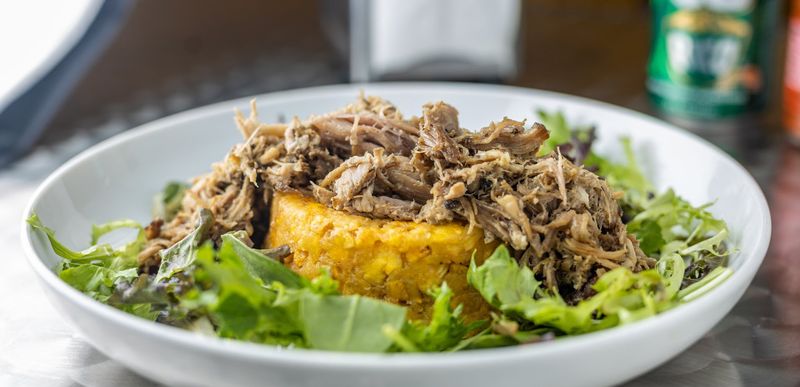
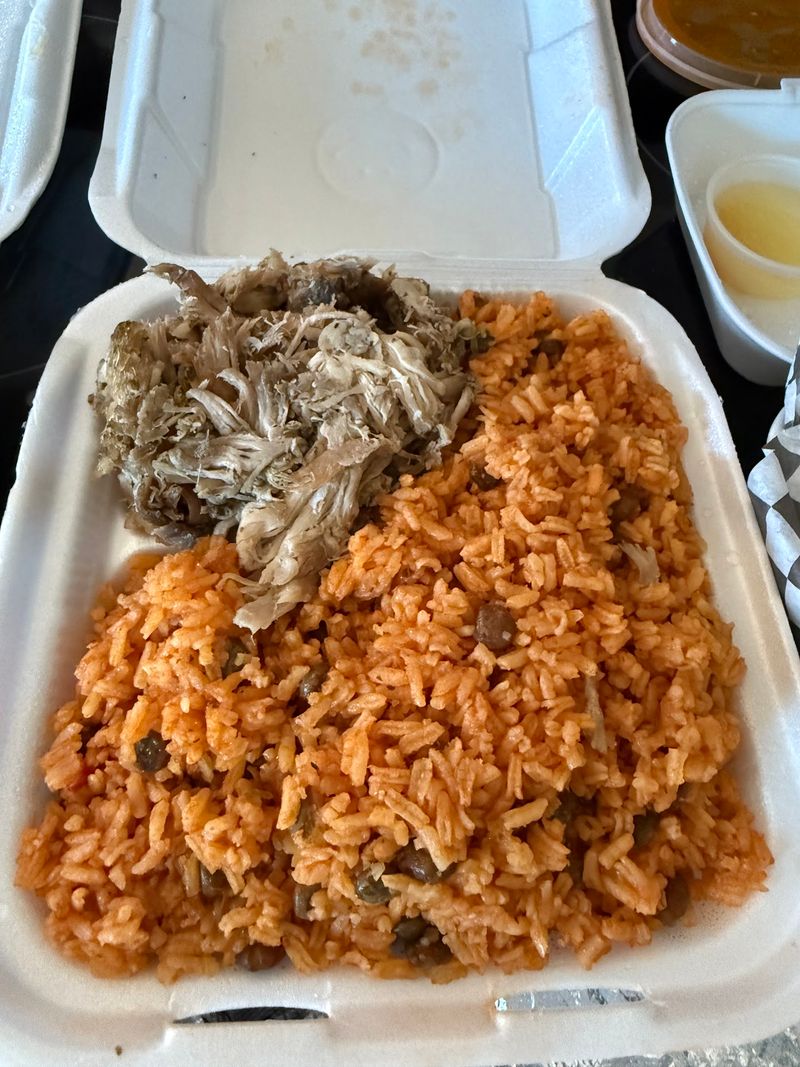
Patience is the secret ingredient nobody can buy. The pernil here is slow cooked, smoky and well seasoned, with some guests guessing it spends most of the day getting ready.
It is the most talked-about item on the menu by a wide margin. Pernil comes up more than any other dish when people describe their meals.
Several fans call it the most tender pernil they have ever had. That is a bold claim, and it keeps showing up.
A plate of it arrives with sides like arroz con gandules or rice and beans. The portion is large, and the price stays friendly, which is a rare pairing these days.
One honest note for crunch lovers: the pernil does not always come with crispy skin. A few diners mention they wished for that, though they still enjoyed the meat.
It also shows up in other forms. There is mofongo con pernil and the jibarito, a plantain sandwich that the kitchen has made with chicken on request.
Order it once and the reputation makes sense. Order it twice and the to-go container becomes part of the plan.
4. The Mofongo Mountain
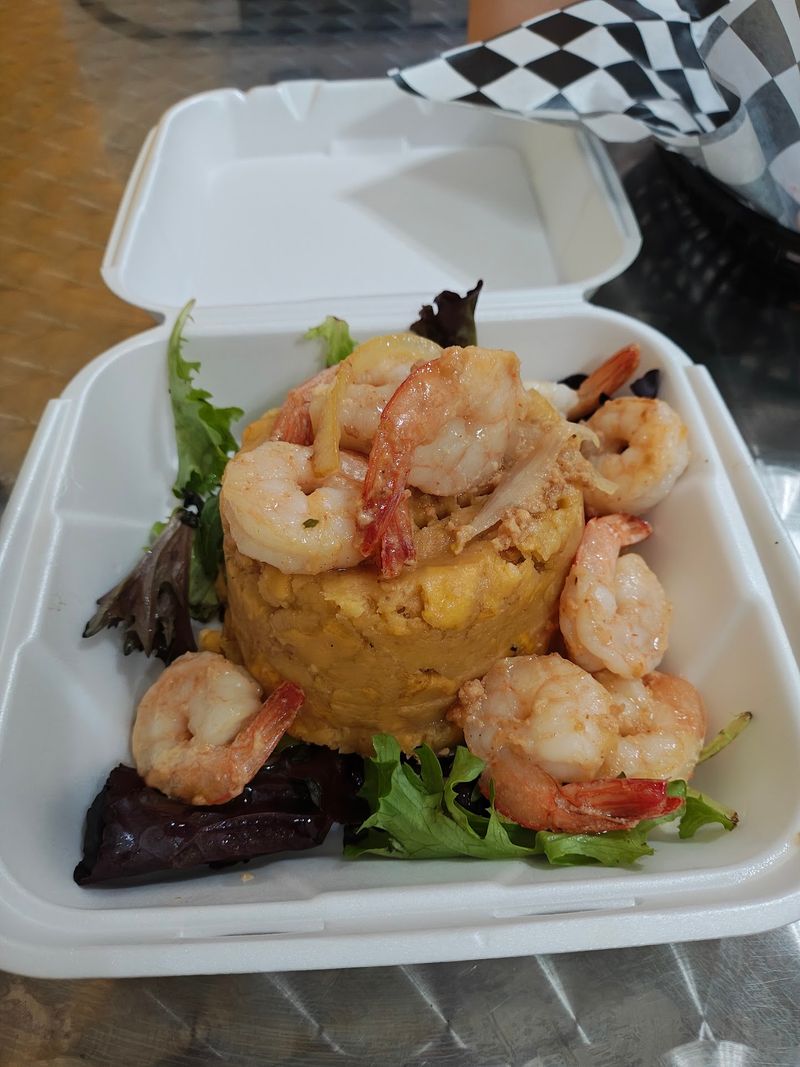
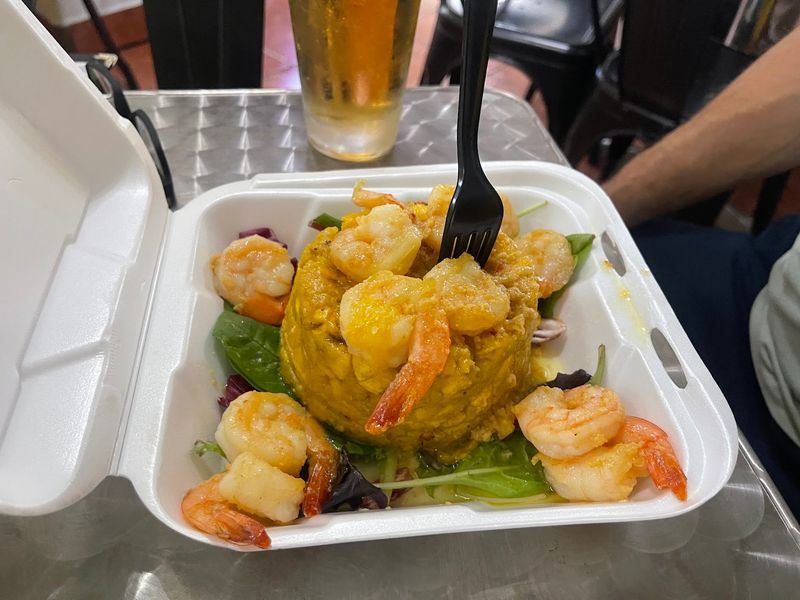
Here is the dish that earned the headline. Mofongo, the mashed plantain dome that anchors so many Puerto Rican tables, comes out big enough to share.
How big? Even a diner who was unhappy with a visit admitted the mofongo con pernil platter could easily feed three people.
Most guests are far more cheerful about it. Many say they cannot put into words how much they loved the mofongo, and that the size was generous too.
The kitchen offers several toppings. Options mentioned by diners include pernil, chicken, and shrimp al ajillo, which is a garlic preparation.
The shrimp version gets special praise. One Boricua mom ordered it and found it garlicky, not salty, and loaded with more shrimp than she could finish.
Mofongo de pollo with caldito on the side also has its fans. One Puerto Rico native said the combination nearly brought tears.
Texture can vary from visit to visit. One diner found it on the dry side, so asking for that caldito might be a smart move.
Bring a friend, split one plate, and still expect leftovers. That math is the whole point.
5. Rice Worth Ordering Extra
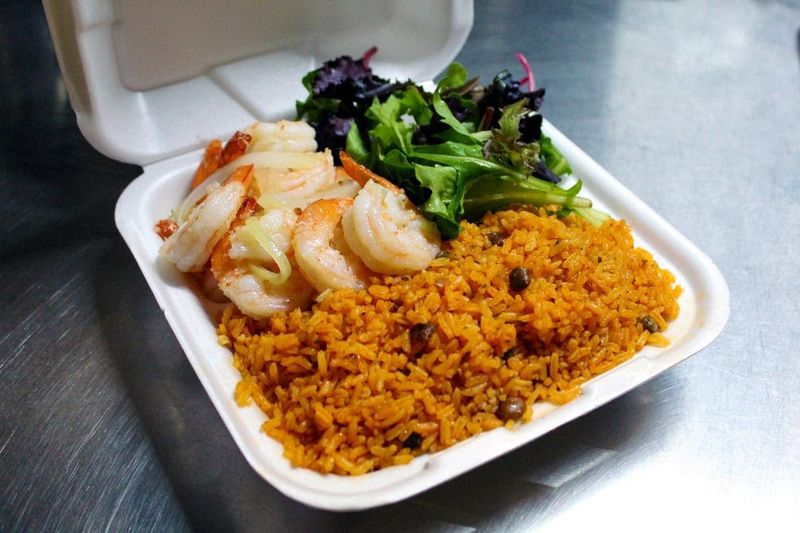
Side dishes rarely steal the show. At Phoenix Coqui, the rice keeps trying anyway.
Arroz con gandules, rice cooked with pigeon peas, is one of the most mentioned items on the menu. People talk about it almost as much as the main plates.
Some diners order a large side of it on every visit. Another said they could eat it forever, which is a strong commitment to a starch.
Native Chicagoans who grew up around Puerto Rican cooking called it some of the best rice they have had. That carries weight coming from people who know the dish well.
White rice with beans is also available. Habichuelas, the stewed beans, have their own loyal followers.
The point is simple. Plates here are built so the sides pull their weight, not just fill space.
When rice is this popular, ordering a little extra is less a splurge and more a strategy. Leftover rice makes for a very good next-day lunch.
6. Fritters, Empanadillas and Other Handheld Hits
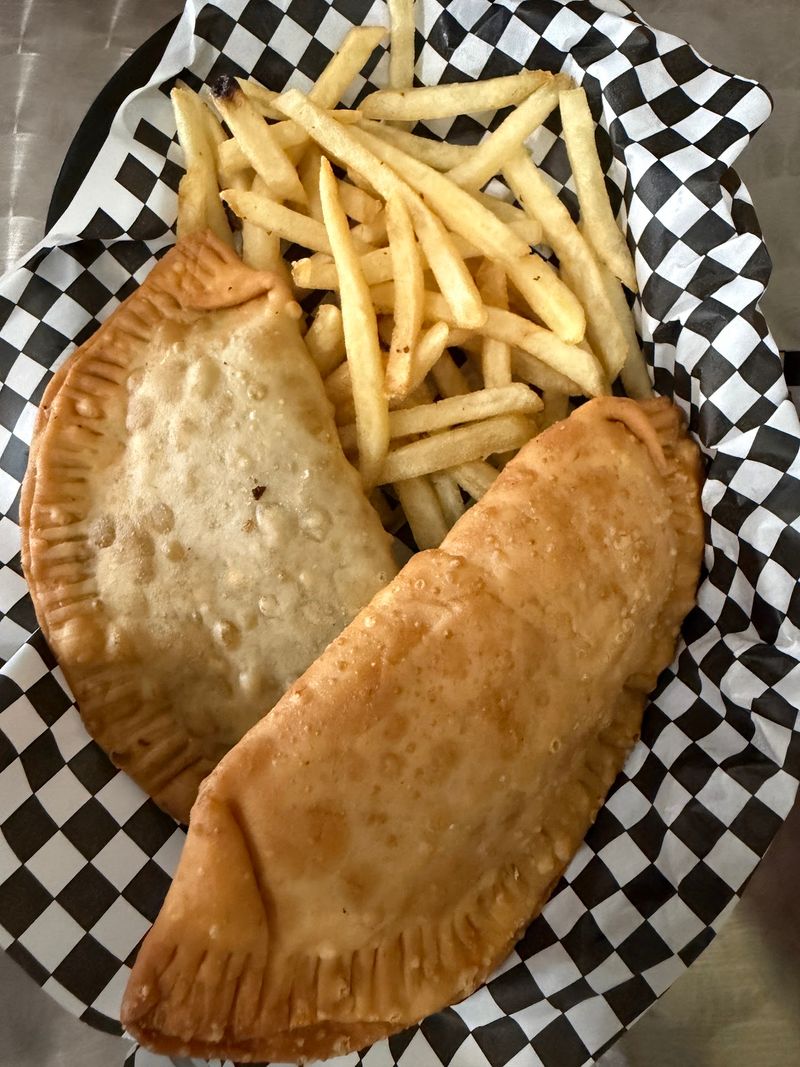
Not every great meal needs a fork. The fried starters here have a fan club of their own.
Empanadillas come in several fillings. Beef, pizza, and mushroom versions all get love, with the mushroom one called an absolute favorite by some first-timers.
Diners describe them as crispy outside and packed inside. They are made fresh to order, which shows up in how often people bring them up.
Alcapurrias, especially the yuca version, are another standout. Several guests named them their top pick from the whole visit.
Sorullitos, little corn fritters, appear on orders too. So do tostones and maduros, the savory and sweet plantain sides.
Carne frita, fried pork chunks, works as a plate or a pairing. Tostones con carne frita is a combination that one diner said brought back memories of the island.
A smart move for groups is ordering a spread of these. Everyone samples, nobody fights over the last one, and the table gets a crash course in Puerto Rican snacks.
7. More Plates From the Island Kitchen
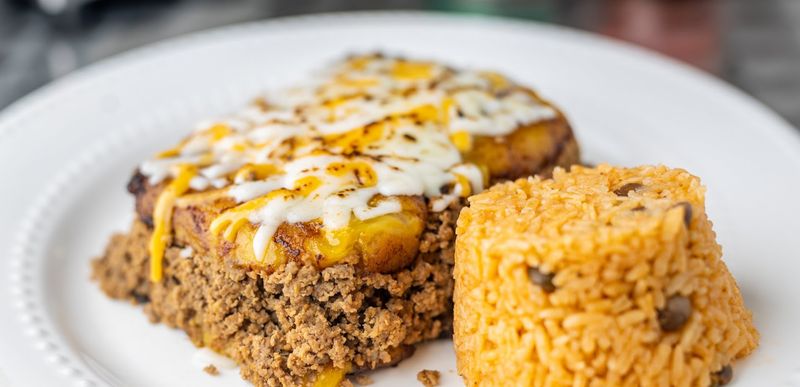
Beyond the big two, the menu keeps going. Regulars often branch out after a few visits.
Pastelón, a layered sweet plantain dish, has a steady following. It earns mentions alongside the alcapurrias and mofongo as a fresh, satisfying order.
Pollo a la criolla, a Creole-style chicken, reminds some Puerto Rican diners of home. One father ordered it and his family said it tasted like the island.
Jibarito sliders put a fun twist on the classic plantain sandwich. Shrimp with garlic shows up with rice too, praised as a garlic lover’s dream.
Yuca makes an appearance as a side. It pairs well with heavier proteins for anyone building a plate.
For first-timers, the variety can feel like a lot. Ordering a mix with a friend is a low-risk way to figure out favorites.
Nobody needs to try everything in one go. Coming back is part of the fun.
8. Sips and Sweet Finishes
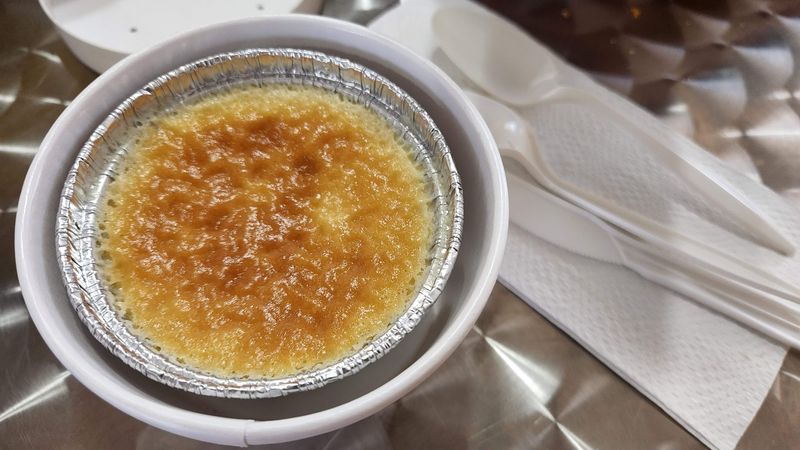
Dessert and drinks get their moment here too. The beverage list leans tropical.
Jugo de parcha, passion fruit juice, is a favorite pick. Lemonade is on hand for those who keep it simple.
Malta India, the malt soda many Puerto Ricans grew up with, is available as well. One family said ordering it completed the whole experience.
On the sweet side, flan has fans. A coconut version, flan de coco, was called a nice touch after a hearty meal.
During special events, the kitchen has rolled out seasonal treats. A Christmas in July event featured pastel de cerdo, flan and holiday favorites.
Those events are worth watching for on the restaurant’s website and social channels. They tend to add dishes not found on a regular day.
Save a little room after that mofongo. It might take some planning.
9. Cozy Room, Open Arms
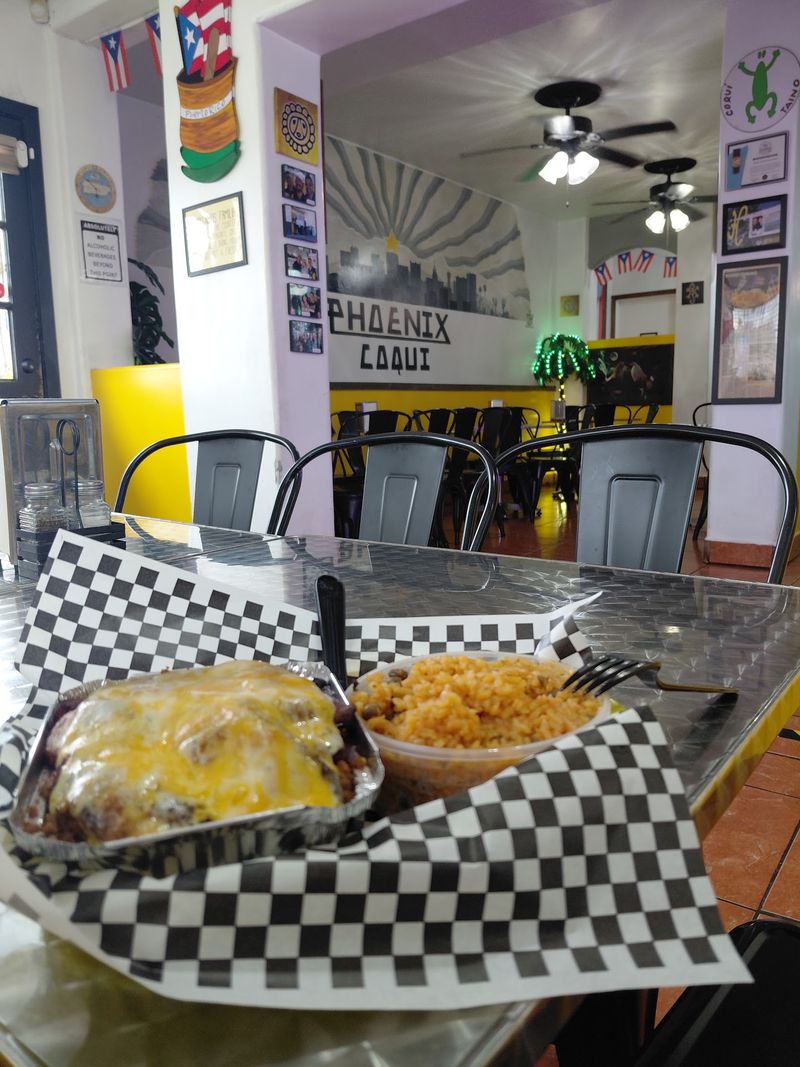
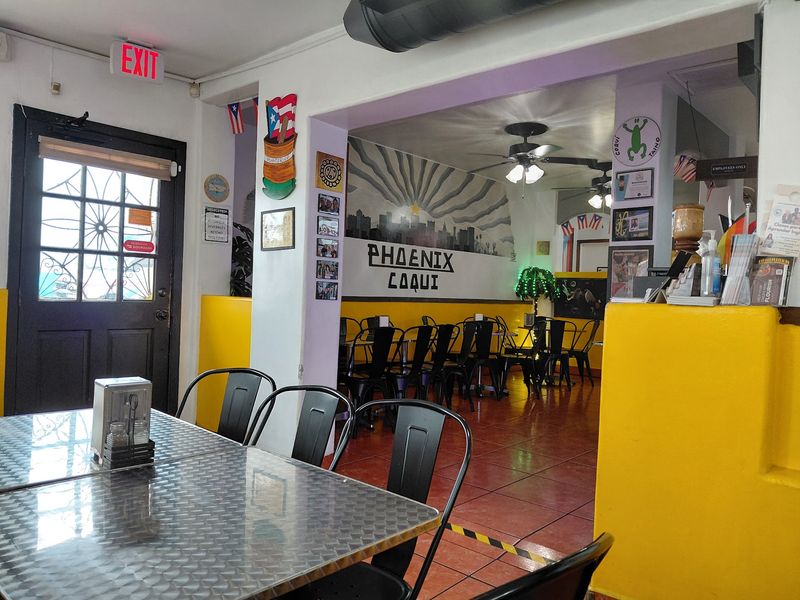
Size matters less than spirit. The dining room is small, but guests often call it cozy and welcoming.
Staff members get frequent praise for being friendly and helpful. They answer questions about the menu, which helps anyone new to the cuisine.
On one hot day, a server brought free bottles of water to every guest at the table. Small things like that stick with people.
The restaurant is gay-owned and openly promotes itself as a welcoming and inclusive LGBT space. Many diners mention being glad to support it.
Not every visit is perfect. One diner reported a slow greeting and a noisy moment in the dining room, so expectations should match a small, busy family operation.
Most guests leave feeling at home. That word, home, comes up over and over.
The room may be compact. The welcome is not.
10. Who Keeps Coming Back
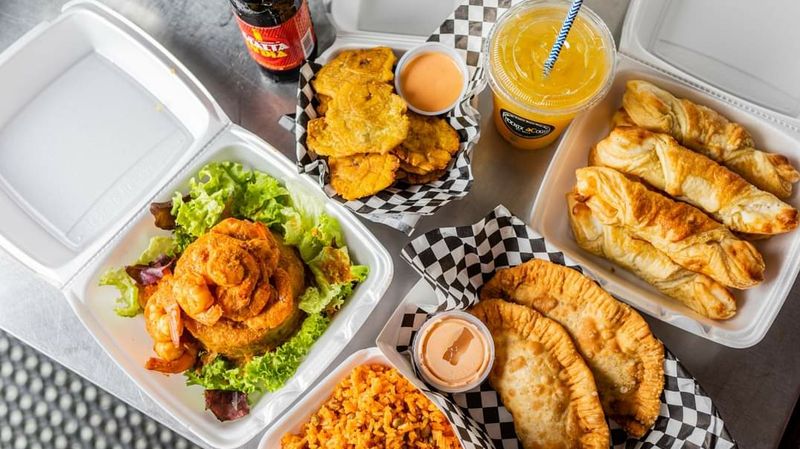
A New Yorker, two native Chicagoans and a recent transplant from the island walk into a restaurant. It sounds like a setup, but it is basically the guest list.
Puerto Ricans living far from home make up a big part of the crowd. Many call it the best Puerto Rican food they have found outside the island.
One born-and-raised Boricua described being extremely picky about authenticity. The verdict was glowing.
Newcomers fit in too. Some first-timers come with Puerto Rican friends who order the works and walk them through it.
Families bring parents. Couples treat it as a regular date spot, and locals bring out-of-town guests to show off.
The place has strong standing, with a 4.8-star score from about 781 Google ratings. That is a lot of happy plates.
Whether arriving with history or curiosity, the table has room.
11. The Hours That Surprise People
Timing is the catch. Phoenix Coqui closes early, so late dinner plans need a rethink.
The doors open at 11 a.m. most days. Monday runs until 5:45 p.m., and Tuesday through Thursday run until 6:45 p.m.
Friday stretches the latest, until 7:45 p.m. Saturday wraps up at 5 p.m., and the restaurant is closed on Sunday.
That schedule makes it a lunch or early supper stop. Showing up at 7 on a Saturday will only lead to disappointment.
For summer visits, an early lunch can also mean a cooler drive. That matters on those triple-digit afternoons.
Hours can change, especially around events. A quick check of phoenixcoqui.com before heading out is a smart habit.
Plan around the clock, and the payoff is a very full plate.
12. Big Portions, Small Bill
Value is part of the story. Diners consistently describe huge portions at a cheap price.
A single plate can cover lunch for two. That turns an already reasonable meal into a genuinely budget-friendly one.
One diner did wish for a bit more meat on a plate. Most, though, mention leaving full with extra to take home.
Takeout is a popular option. Orders are packed for to-go, and the restaurant also appears on DoorDash.
One fan ordered delivery so often they phoned the restaurant just to say thanks. That is loyalty on a whole new level.
Still, eating in has perks. Staff interaction and the occasional surprise taste are hard to deliver through an app.
Split a mofongo, grab some empanadillas, and the bill tends to stay friendly. Your wallet may thank you later.
13. Worth the Drive Across the Valley
Some places earn a spot in the regular rotation. Phoenix Coqui seems built for exactly that.
The pernil is slow cooked and tender. The mofongo comes in a size that invites sharing, and the rice often gets ordered twice.
Behind it all are Juan and Alexis, who took a food truck and turned it into a neighborhood kitchen. Their care shows in the gestures as much as the food.
Go hungry, go early, and skip Sundays. Bring a friend so that oversized plate has two forks.
Puerto Rico natives often find a taste of home here. Everyone else finds a great reason to learn what they have been missing.
The building is small and easy to drive past. Now you know better than to keep driving.
Share this story