Some retirees spend years watching their rent climb faster than their savings. Then they find a harbor town on the southern Oregon coast and start doing the math all over again. The numbers look different here, and so does daily life.
This article walks through why one working waterfront city keeps showing up on the lists of people who want a calmer budget. You will learn where it sits, how it grew, what it offers on an ordinary Tuesday, and what to check before you pack a single box. No hype, no fantasy, just a practical look at a place built by people who worked for a living.
Keep reading, because the town in question has a few surprises tucked along its bay.
A Harbor City on the Southern Oregon Coast
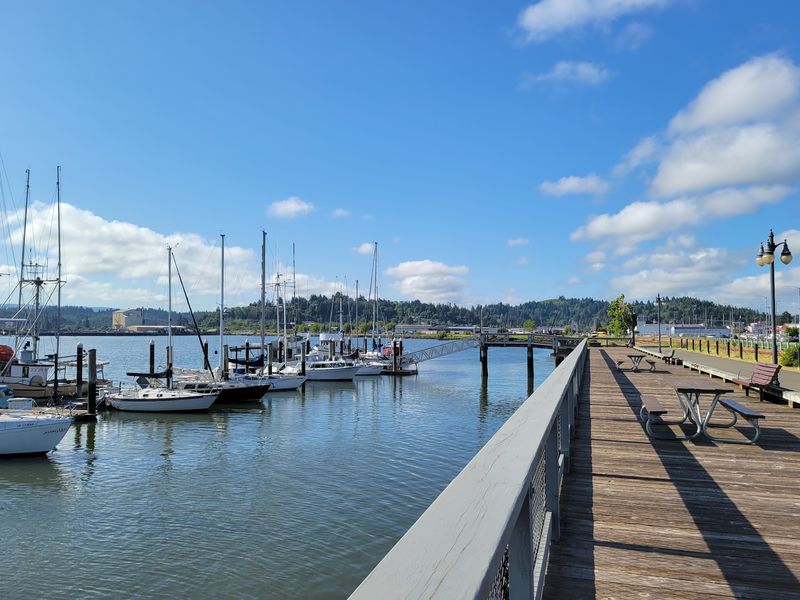
Coos Bay, Oregon, USA, sits where the Coos River meets the Coos Bay estuary on the Pacific Ocean. It is a city in Coos County, on Oregon’s southern coast.
Plenty of coastal towns market themselves as escapes. This one describes itself more simply, as a place where people live, work, and stay put.
The city shares a border with North Bend. Together, the two form one continuous urban core that locals call Oregon’s Bay Area.
That nickname matters for anyone thinking about retirement. A combined urban area usually means more everyday services than a single small village could support on its own.
Grocery runs, appointments, and errands tend to be easier when two cities sit side by side. For a retiree on a fixed income, convenience can be its own kind of savings.
The city keeps an official website at coosbay.org, which is a useful first stop for anyone researching local services. It lists city departments and community information.
So the first answer to the question of where is simple. It is a real coastal city, not a seasonal postcard, and that difference shapes everything that follows.
Why the Rent Conversation Starts Here
Retirees rarely move for scenery alone. They move because the monthly numbers finally line up.
Coos Bay comes up in those conversations because it is a working coastal city rather than a resort enclave. Places built around jobs and families, rather than vacation homes, often carry a different housing market than the trendier stretches of shoreline.
That said, nobody should pick a home based on a headline. Rents change, and the only numbers that count are the ones on a current listing.
The smart approach is to compare local listings against what you pay now. Look at rent, utilities, and the cost of getting around, then add them up side by side.
Oregon also has no general sales tax, a detail many newcomers notice quickly at the checkout counter. That applies statewide, so it is a perk of the whole state rather than just this city.
What this town offers is a chance to have that coastal address without the price tag of a postcard community. For many people on a pension, that is the whole point.
Run the math carefully, and the coast may stop feeling like a luxury reserved for someone else.
Where River Meets Estuary
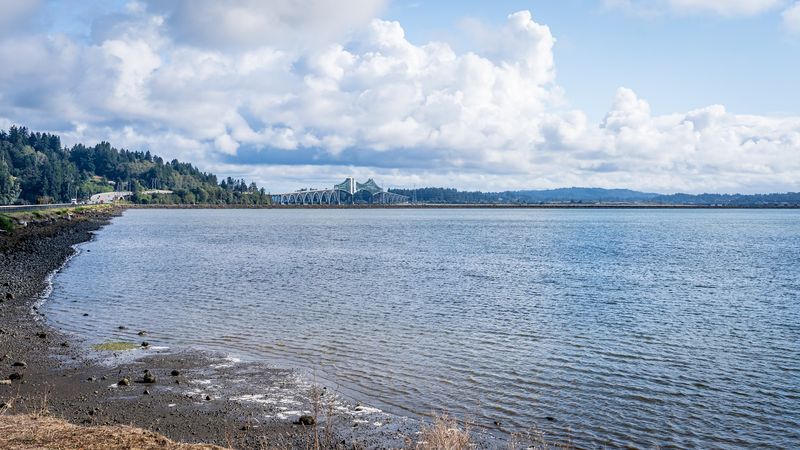
Geography explains a lot about this city. The Coos River runs into the Coos Bay estuary here, and that estuary opens to the Pacific Ocean.
That setting gave the community its purpose. A protected bay is a natural place for boats, docks, and the trades that follow them.
For residents, the estuary is less a tourist attraction and more a daily backdrop. Errands, walks, and drives often trace the edge of the water.
Retirees who love the coast but prefer calmer water than open ocean surf may appreciate the difference. A bay setting tends to feel more sheltered than a beach town fully exposed to the sea.
The estuary also links the city to the wider region. Coos County stretches beyond the urban core, so countryside and river valleys are part of the neighborhood too.
A quick look at a map shows how the water shapes the street grid and the shoreline. Understanding that layout helps when choosing which part of town fits your routine.
Water is the reason the city exists, and it remains the reason many people decide to stay.
Two Cities, One Bay Area
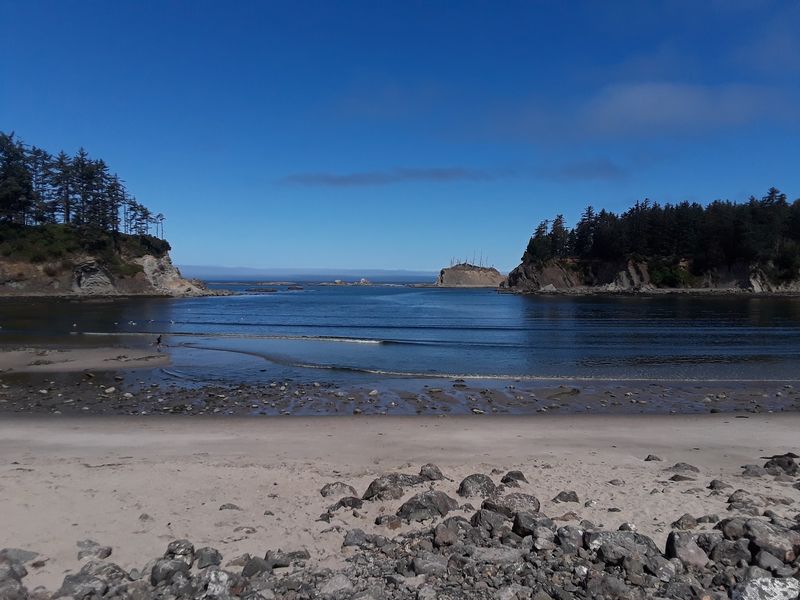
Ask a local where Coos Bay ends and North Bend begins, and you may get a shrug. The two municipalities sit right next to each other.
Together they form a contiguous urban core. The shared nickname, Oregon’s Bay Area, is a friendly nod to a much bigger Bay Area farther south in California.
For retirees, this pairing is practical. More people in one connected area usually means more choices for housing, shopping, and services.
It also means you are not stuck with one neighborhood option. If a rental in one city does not work out, the next city over is only minutes away.
Many residents move between the two without thinking about it. Errands may start in one city and finish in the other.
That flexibility can help when hunting for a place that fits a budget. Widening the search to the whole Bay Area gives you more listings to compare.
Two names, one community, and twice the chance of finding a rental that makes sense.
A Town Built by Working Hands
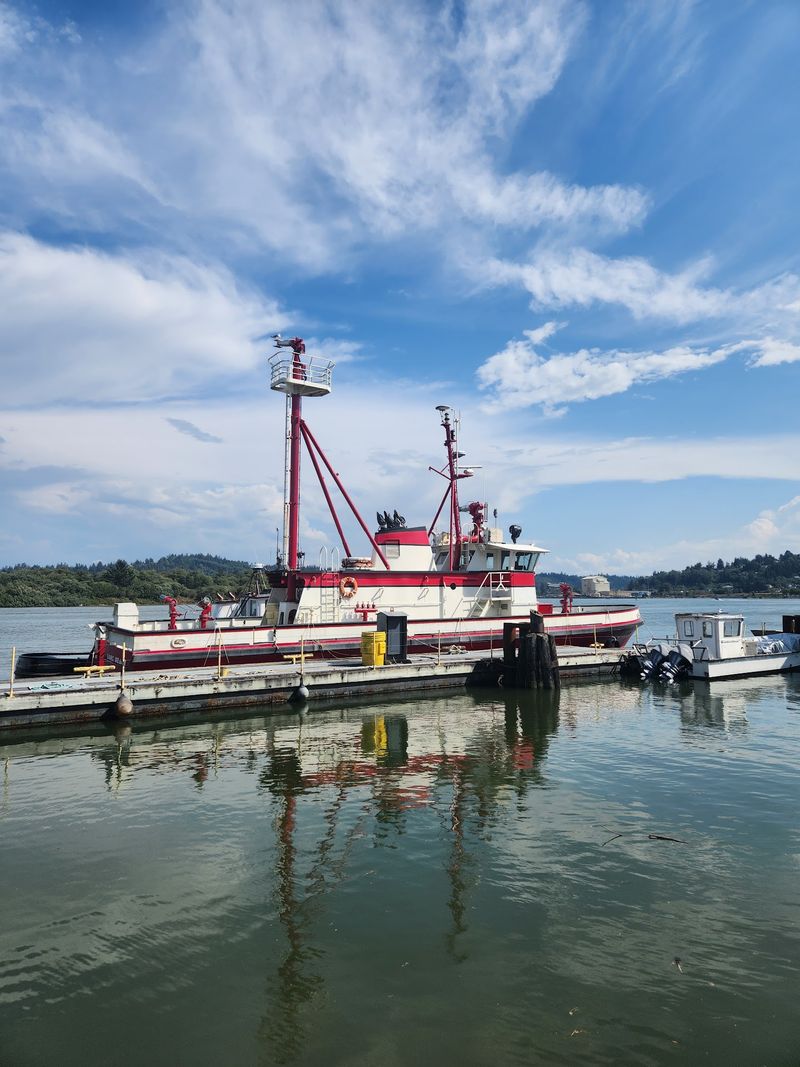
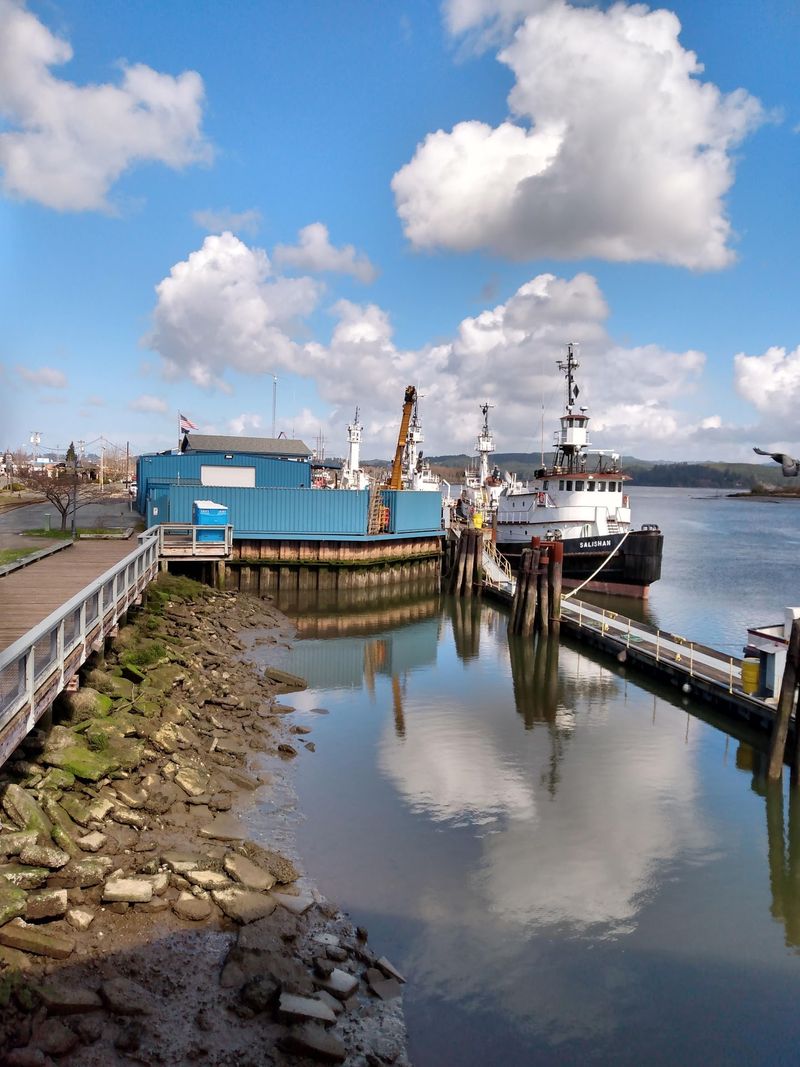
Some towns were built for visitors. Coos Bay was built around a working bay.
Its location on a protected estuary connected to the Pacific made it a natural home for maritime work. That heritage still shapes the character of the place.
Retirees often say they like towns that feel lived in. A working waterfront tends to attract people who value practicality over polish.
That character can show up in the pace of life. Daily routines here center on community needs rather than on entertaining crowds of tourists.
For someone who spent decades in a trade, a factory, or an office, that grounded atmosphere can feel welcoming. Neighbors are more likely to be locals than weekend renters.
Preserving that identity matters to many residents. Familiar places, longtime businesses, and community institutions are part of what keeps a town feeling like home.
History here is not locked behind glass. It is still moored along the waterfront, doing its job.
Everyday Errands Without the Big-City Hassle
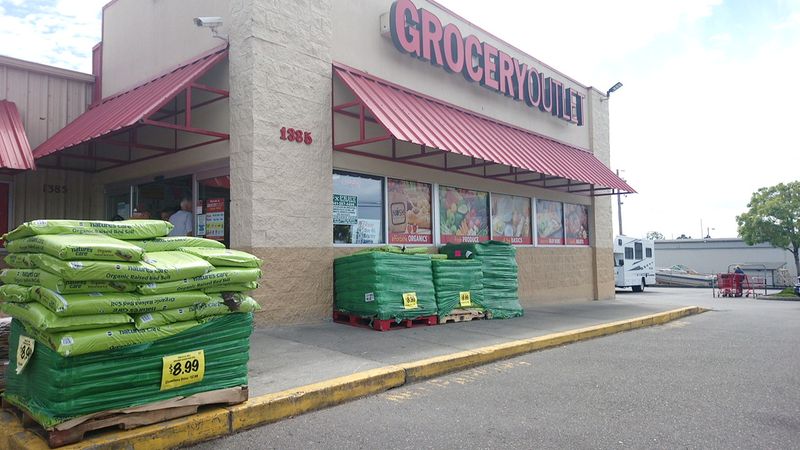
Retirement budgets are made or broken by the small stuff. Gas for errands, time spent in traffic, and parking fees add up quickly in larger cities.
A compact urban core like the Coos Bay and North Bend area keeps many daily needs closer together. Shorter trips can mean lower transportation costs.
That convenience is easy to overlook when house hunting. It is worth tracing a weekly route on a map before signing any lease.
Where is the nearest grocery store? How far is the pharmacy, and how long does the drive to medical appointments take?
Answering those questions ahead of time helps you judge whether a rental is truly affordable. A cheaper apartment far from everything can end up costing more than it saves.
The city website is a good place to find information about local services and departments. Calling city offices directly can fill in the gaps.
Small trips, small savings, and a lot less stress behind the wheel make a quiet difference over a year.
Life on the Edge of the Pacific

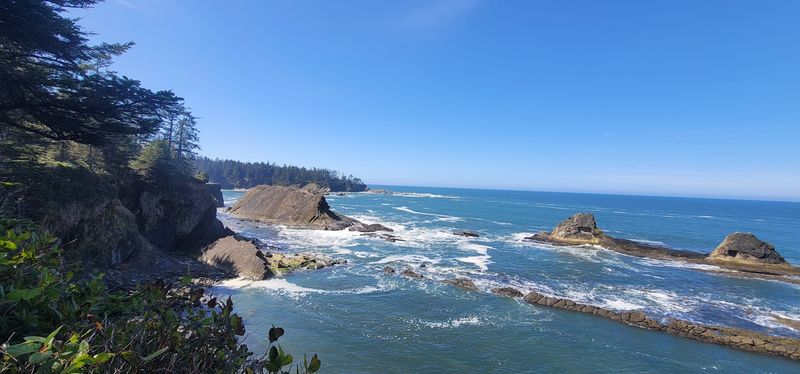
Ocean access is the reason many retirees dream of the coast in the first place. Here, the Pacific is part of the address.
The Coos Bay estuary opens onto the ocean, so the open coast is part of the larger setting. Residents do not need a long road trip to reach it.
That proximity changes how weekends look. A free afternoon outdoors can replace pricier forms of entertainment.
For people on fixed incomes, low-cost leisure is a real benefit. Walks, drives, and time near the water do not require a ticket.
The Oregon coast is known for changeable weather, so packing layers is wise any time of year. Locals tend to plan around conditions rather than fight them.
Newcomers should check conditions before heading to the shoreline. Coastal waters deserve respect, and staying on established paths is always the safer choice.
Living near the Pacific without paying resort-town prices is a combination that keeps people talking.
The Coos County Connection
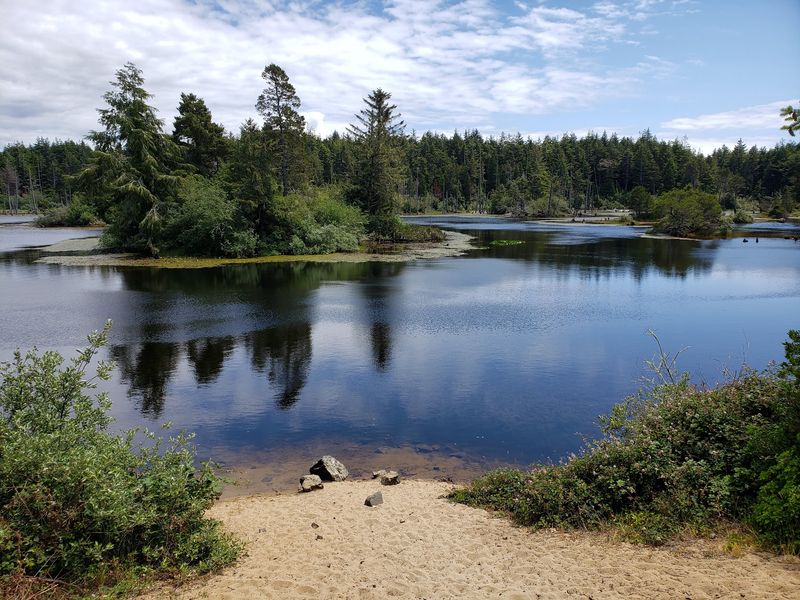
City limits only tell part of the story. Coos Bay is the anchor of a wider county with its own small communities and countryside.
Coos County gives residents room to roam. River valleys and rural roads sit within reach of the urban core.
That mix appeals to retirees who want both services and space. You can live near shops and still enjoy quiet drives into the county.
It also widens housing options. Some people choose to live in the city, while others look at surrounding areas for a different pace.
Each choice comes with tradeoffs. Rural living may mean longer drives to appointments, which affects both time and fuel costs.
Before deciding, it helps to spend a few days exploring different corners of the county. Seeing the area in person beats relying on online photos.
The county is the backyard, and the city is the front porch.
Community Places Worth Keeping
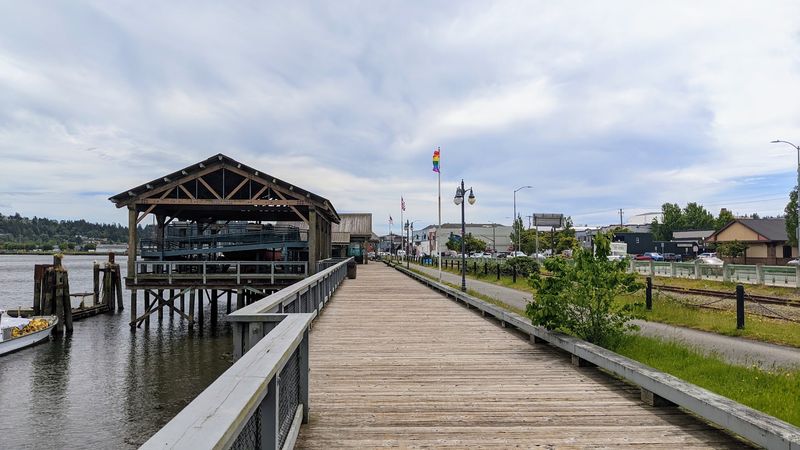
Affordability means little if a town loses the places that make it feel familiar. Many residents of Oregon’s Bay Area care deeply about their long-standing local institutions.
Community spaces, longtime businesses, and civic organizations help newcomers find their footing. They are where neighbors become friends.
For retirees, connection is as valuable as cheap rent. Isolation can be costly in ways that never show up on a budget sheet.
Getting involved is often the fastest way to settle in. Volunteering, attending local meetings, or joining community groups can open doors quickly.
The city’s website is a reasonable place to look for civic information and community updates. Local libraries and senior programs in the region are also worth checking directly.
Supporting familiar places helps keep them open. When residents show up, those institutions have a better chance of lasting.
A town stays affordable in spirit when the people who live there keep its heart beating along with the budget.
Who Feels at Home Here
Not every retiree wants nightlife and boutiques. Coos Bay tends to suit people who prefer practical living over constant buzz.
Those who appreciate a working waterfront, coastal weather, and a down-to-earth community may fit right in. The pace is steady rather than flashy.
People who want walkable big-city amenities may find it quieter than expected. That is not a flaw, just a different kind of place.
Outdoor lovers often have the easiest adjustment. With the bay, the river, and the Pacific nearby, free recreation is part of daily life.
Retirees who value privacy and a slower rhythm also tend to settle comfortably. A smaller urban area can feel more manageable than a sprawling metro.
The best test is a trial stay. Spending a week or two in different seasons shows what living here actually feels like.
Fit matters more than any single number, and this town fits a particular kind of person very well.
Getting There and Getting Around

Reaching the southern Oregon coast takes a little planning. Coos Bay sits along the coast in Coos County, away from the state’s largest metro areas.
Most people arrive by car, so a reliable vehicle matters for newcomers. Driving times from inland cities can be long, especially in poor weather.
Once in town, the joined layout of Coos Bay and North Bend helps. Many daily destinations sit within a fairly compact area.
Retirees who no longer drive should research local transit options before moving. Contacting city or county offices directly is the most reliable way to get current details.
Medical care is another key factor. Map the distance to clinics and specialists, since some appointments may require travel.
Planning these pieces in advance prevents surprises. Transportation costs can quietly reshape a budget that looked perfect on paper.
A smooth commute keeps the savings from the rent where they belong, in your pocket.
Smart Steps Before Signing a Lease
Excitement can rush a move. A little homework keeps the dream from turning into a headache.
Start by comparing several current listings across both Coos Bay and North Bend. Prices vary by neighborhood, size, and condition.
Ask about utilities, since heating costs on the coast can differ from what you pay now. Coastal moisture also makes it smart to check a unit carefully for upkeep.
Moving costs deserve their own line in the budget. Truck rentals, movers, and deposits can add up quickly for a long-distance relocation.
Oregon’s lack of a general sales tax can help offset some expenses after arrival. Still, property and income tax rules are worth reviewing with a professional.
Visiting before committing is the single best step. Meeting landlords, touring units, and driving the neighborhoods reveals details no listing will show.
Careful planning turns a promising town into a home that actually works on paper and in practice.
A Coastal Address That Adds Up

Retirement should not feel like a constant math problem. For many people, Coos Bay offers a chance to solve it on friendlier terms.
The city brings together a working harbor, an estuary that opens to the Pacific, and a shared urban core with North Bend. That combination delivers coastal living with practical roots.
It is not a resort, and it does not pretend to be. Its appeal lies in everyday usefulness and a community that values familiar places.
Anyone considering a move should check current rents, visit in more than one season, and map out daily needs. Those steps protect both budget and peace of mind.
The official city website at coosbay.org is a sensible place to begin that research. Local offices can answer questions the internet cannot.
For retirees tired of watching rent swallow their income, this corner of Oregon deserves a serious look.
Sometimes the best view from a coastal home is a monthly budget that finally balances.
Share this story