Some of the most surprising places in North Carolina sit at the end of a quiet country road, far from any billboard. Down one of those roads near Troy, a small community of Orthodox nuns keeps daily prayer going, much as monasteries in Greece have done for centuries.
Their home is named after a beloved icon of the Virgin Mary that has drawn pilgrims in the Greek mountains for generations. The Carolina version may be small, but people who make the trip tend to plan a return almost before they leave.
Read on to learn the story behind the name, what the grounds offer, how to dress and behave, and how to plan a respectful visit of your own.
A Greek Monastery on Warner Road
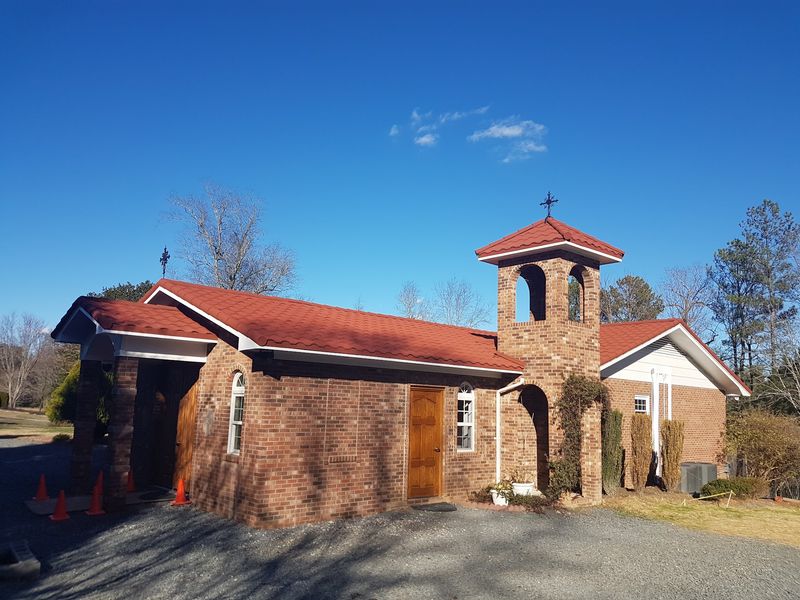
Few road trips in the Piedmont end at a working Greek Orthodox monastery, which makes this one stand out.
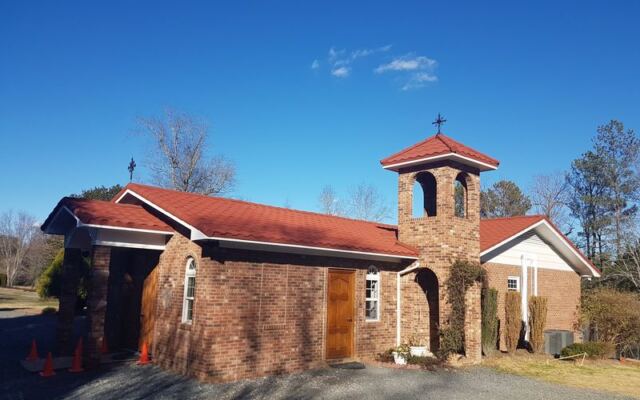
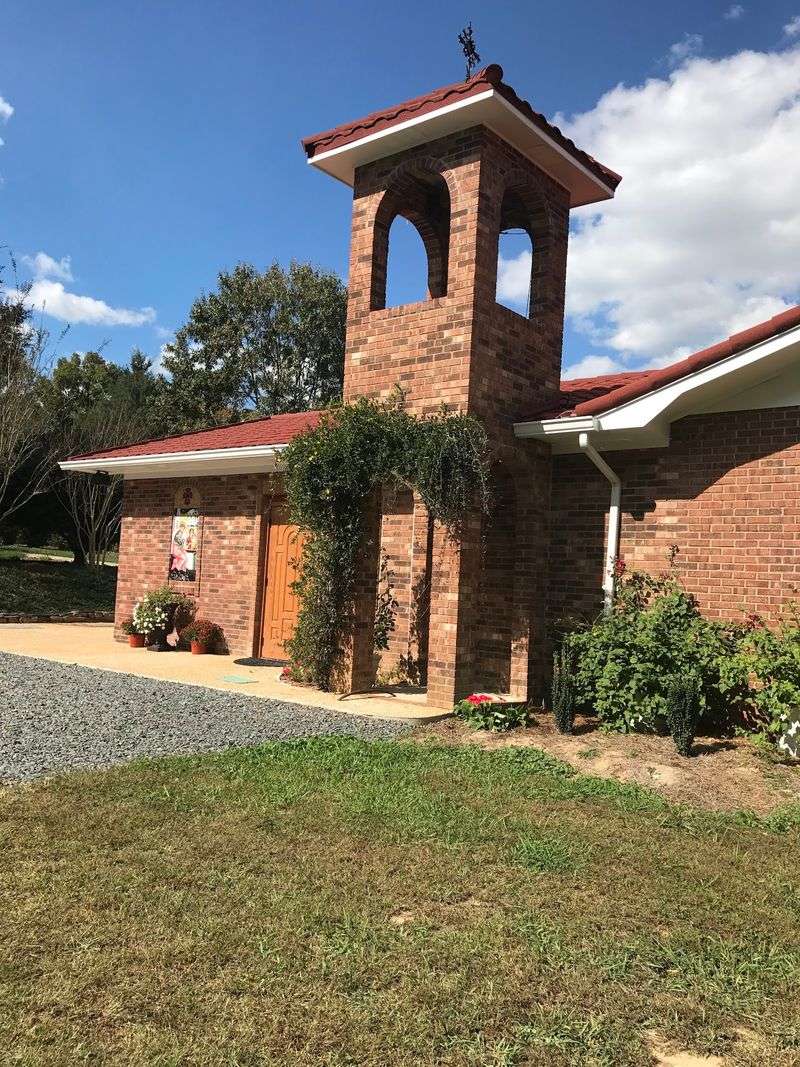
Panagia Prousiotissa Greek Orthodox Monastery sits at 404 Warner Rd, Troy, NC 27371, in the United States. Troy is the county seat of Montgomery County, a rural corner of central North Carolina better known for forests and lakes than for monastic life.
The monastery is listed as a Greek Orthodox church, but it is more than a parish. It is a home for a community of nuns who follow a schedule of prayer, work, and worship.
That detail shapes everything about a visit here. The grounds are not a theme park or a museum, and the people who live there are going about real daily duties.
Still, the doors have a reputation for being open in spirit. Guests consistently describe the place as welcoming, and the monastery holds a perfect five-star standing across dozens of online comments.
For North Carolinians who enjoy discovering something unexpected close to home, this is a strong candidate. A small slice of Greek monastic tradition is waiting just off a quiet country road, and the story behind its name is where things get interesting.
The Icon Behind the Name
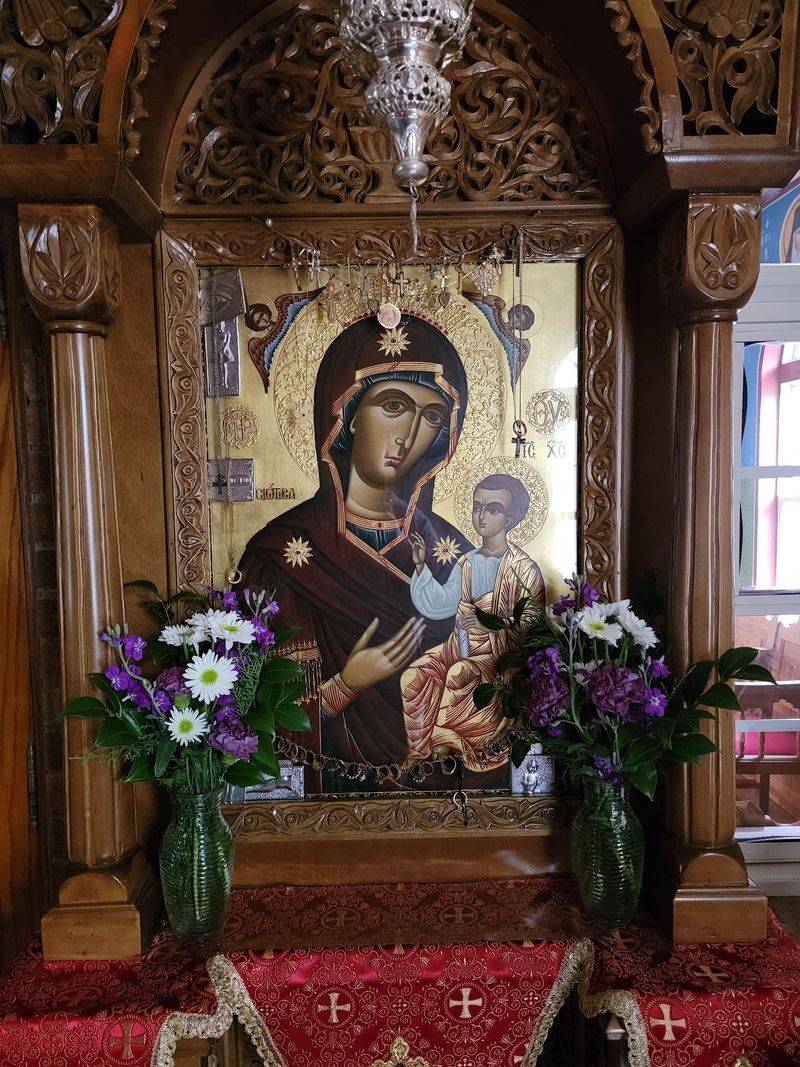
Names in the Orthodox world often carry a whole history, and this one is no exception.
Panagia means the All-Holy One, a title Orthodox Christians use for the Virgin Mary. Prousiotissa points to Proussos, a mountain village in central Greece that is home to a famous monastery and a revered icon of Mary.
That Greek icon has drawn pilgrims for centuries. Church tradition links it to the earliest days of Christian iconography, and it remains one of the best-known holy images in that part of Greece.
A monastery in North Carolina carrying the same name signals a direct spiritual tie to that tradition. Orthodox communities commonly honor famous icons by keeping copies of them, which allows the faithful far from Greece to pray before the same image.
Because details about the specific icon held in Troy are best confirmed with the sisters, it is wise to ask politely when you arrive rather than assume. They are the best guides to what the monastery keeps.
Either way, the name alone connects a quiet Montgomery County property to a holy site thousands of miles away. Few addresses in the state can claim a link quite like that.
Proussos, Echoed in the Carolina Pines
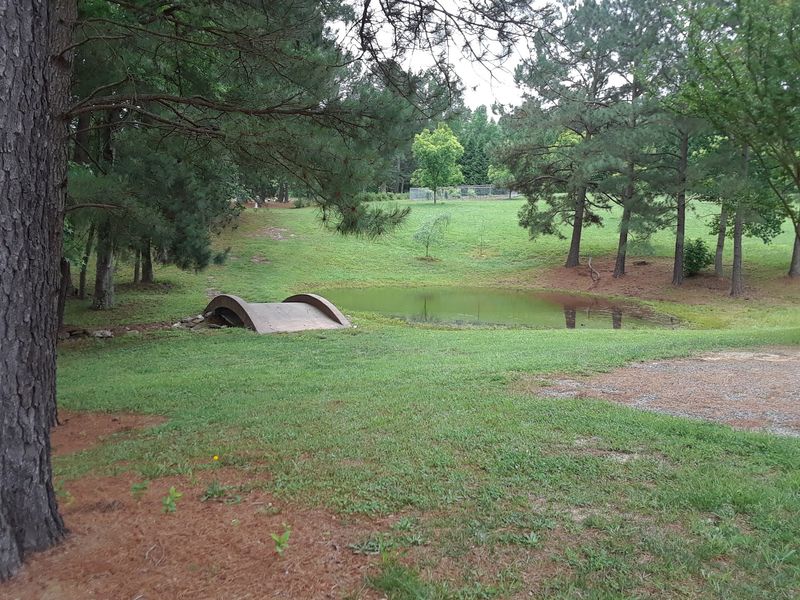
Half a world away, the original home of this icon looks nothing like Montgomery County, and that contrast is part of the charm.
Proussos sits in the mountains of Evrytania in central Greece. Greek speakers who know the area describe the village as built in tiers up the hillside, surrounded by fir trees and many other trees, with numerous springs running through the landscape.
The famous Greek monastery there clings to a dramatic mountain setting. Pilgrims have made their way to it for generations, often to pray before the icon of the Virgin.
The North Carolina monastery brings that devotion to a very different landscape of rolling hills and pine woods. It does not try to copy the mountains of Greece, but it carries forward the same name and the same prayers.
For Greek American families in the Southeast, that link can mean a great deal. It offers a way to stay close to a beloved holy place without crossing an ocean.
For everyone else, it is a fascinating bit of geography. A remote Greek mountain village and a small Carolina town now share a name in the hearts of the faithful, which is a pretty remarkable connection for a country road.
Part of Elder Ephraim’s Monastic Family
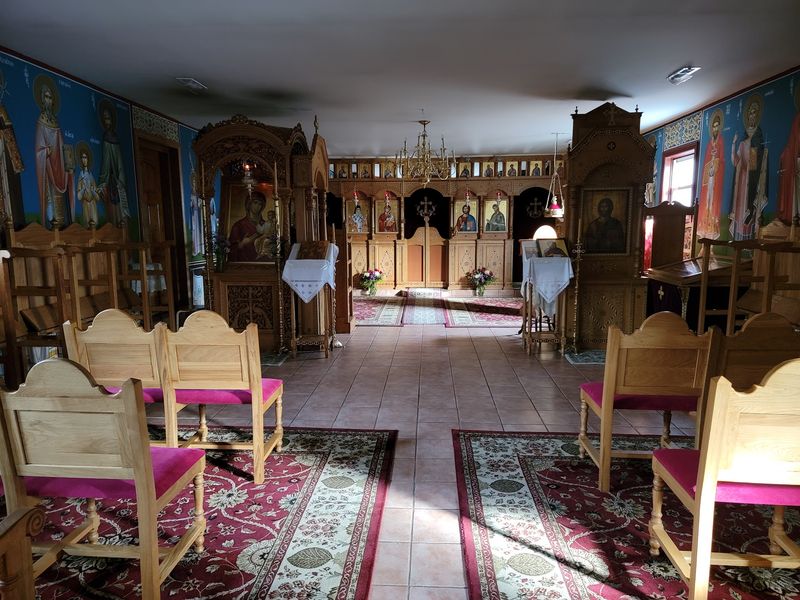
The roots of this community trace back to one of the best-known figures in modern Orthodox monastic life.
Greek-speaking guests refer to it as a blessed monastery of Elder Ephraim. Elder Ephraim was a monk from Mount Athos in Greece who helped establish a network of Orthodox monasteries across the United States and Canada.
Those monasteries tend to share a common rhythm. They follow traditional Athonite practice, with long services, an emphasis on prayer, and a focus on hospitality toward pilgrims.
Knowing this background helps set expectations. The sisters in Troy are part of a wider family of monastic houses that keep a disciplined and traditional way of life.
That tradition also explains why guests mention both an Abbess and a priest. An Abbess leads the community of nuns, while a priest serves the liturgical services.
For curious North Carolinians, this is a rare chance to see a piece of Athonite heritage without a passport. Many people drive past rural churches without a second thought, yet this one quietly belongs to a lineage stretching back to one of the oldest centers of Christian monasticism on earth.
Sisters Who Set the Tone
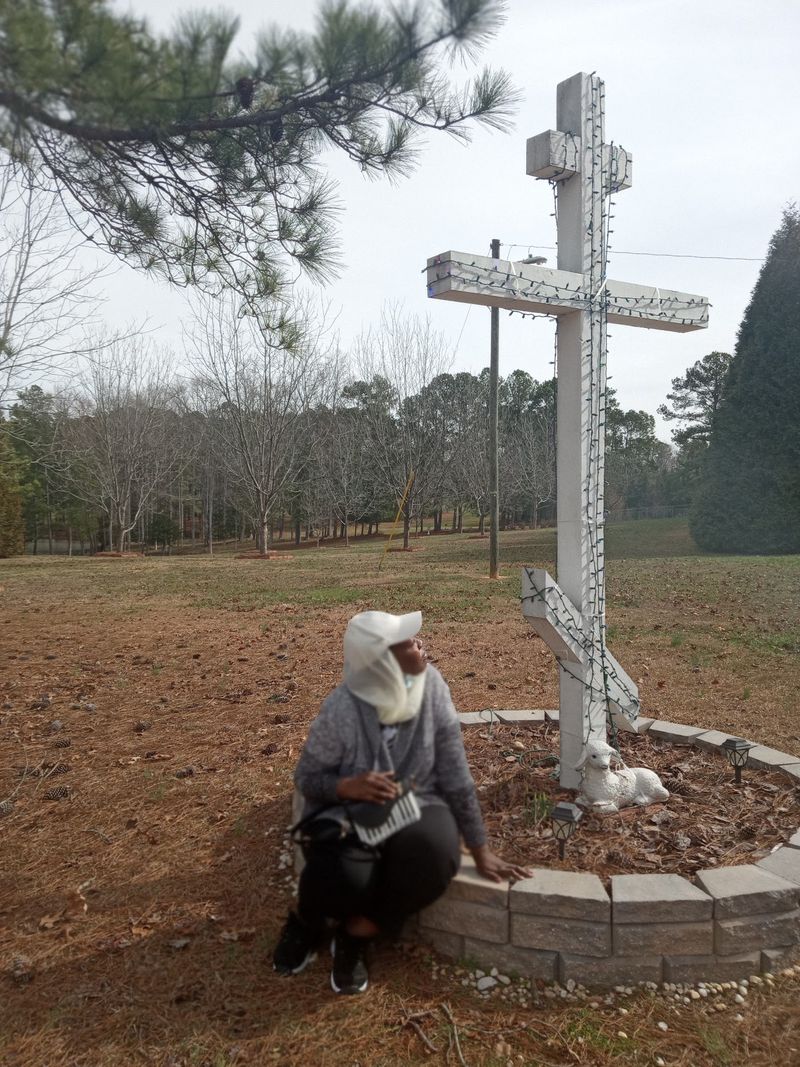
Ask anyone what they remember most about this monastery and the answer usually points to the people, not the buildings.
The nuns earn warm words again and again. They are described as lovely ladies who take great care of the place, and as precious and deeply hospitable.
The Abbess gets special mention as well. Together with the sisters, she creates the welcoming atmosphere that so many guests carry home with them.
Some people ask the sisters for prayers for their families, which is a common practice at Orthodox monasteries. It speaks to the trust that the community has built over the years.
The priest who serves there is also held in high regard. Guests talk about the nuns and priest together as kind, sincere, and caring.
Even people who did not go inside the church have noted that the sisters were friendly and invited them in. That kind of openness is not something every quiet religious community offers.
Remember that hospitality here comes from people with full days of prayer and work. A respectful approach helps keep that generous spirit going for the next carload of guests rolling up Warner Road.
Liturgy in the Language of Greece
Here is a fun surprise for first-timers: the services may not be in English.
Guests who attended a service noted that it was conducted in Greek. That fits the monastery’s identity and its close ties to Greek monastic tradition.
Not understanding every word does not seem to bother anyone. The services are described as beautiful and very nice, and people who attend often say they plan to come back soon.
Orthodox worship follows ancient patterns of prayer, chant, and ritual. Even without knowing Greek, newcomers can follow the flow by watching when others stand, bow, or cross themselves.
A little homework before the trip can help. Reading a short guide to the Divine Liturgy online may make the experience easier to follow.
Service times are not posted in the information available here, so checking the monastery website before driving out is the smart move. Monastic schedules can differ from typical parish times.
For Greek-speaking families, hearing the liturgy in their own language may feel like a small trip home. For everyone else, it is a rare chance to experience centuries-old worship in its traditional form, right in the middle of North Carolina.
Grounds Made for Reflection
Plenty of places in North Carolina call themselves peaceful, but this one seems to earn the label without trying.
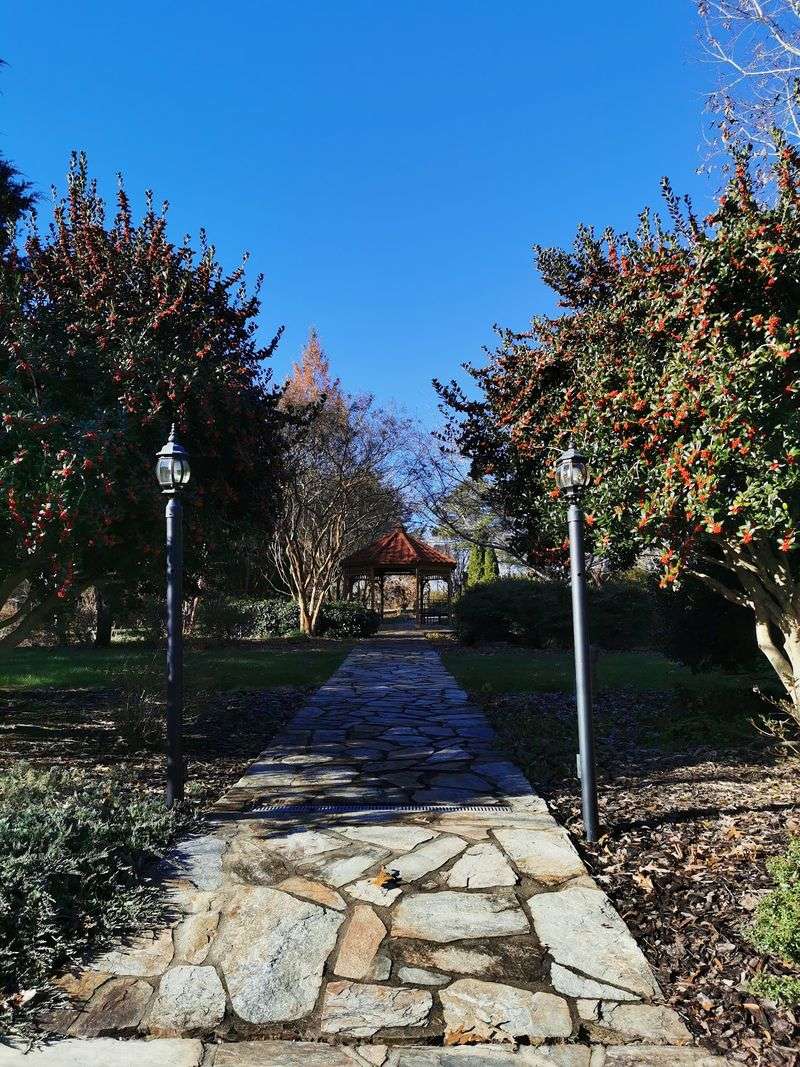
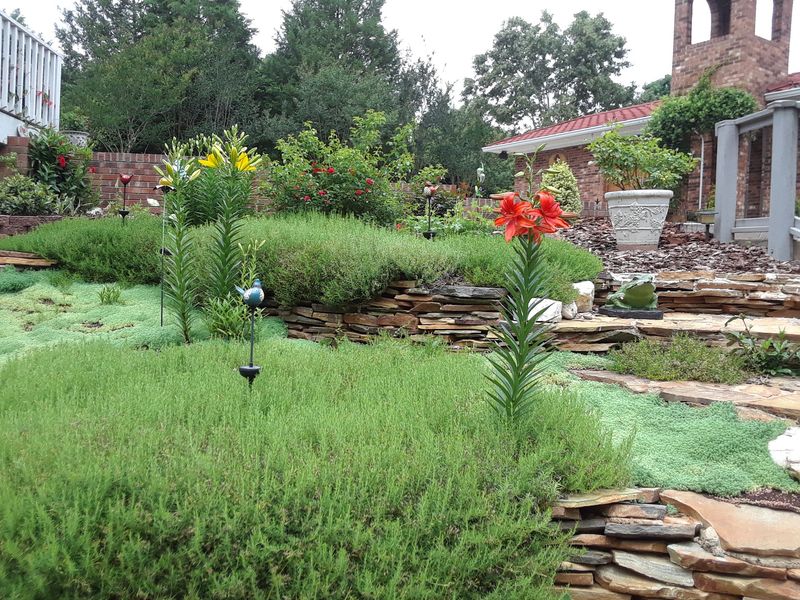
Guests describe the grounds as beautiful and the overall setting as quiet and serene. Words like tranquil and peaceful show up again and again.
The property is often called a place of reflection and prayer. One guest summed it up as an oasis for the soul, which is high praise for a few acres in Montgomery County.
That calm is not an accident. Monasteries are designed around a life of prayer, so the whole setting supports slowing down and turning inward.
There are no gift-shop crowds or tour buses described here. The appeal is simply time spent in a well-kept place that encourages stillness.
Guests who arrive with a busy mind often leave in a more settled frame of mind, at least by their own accounts. Results may vary, of course, but the setting clearly helps.
For anyone tired of packed weekend destinations, the contrast can be refreshing. This is a spot where the main activity is being quiet, and that is exactly the point of the place.
Dress Codes and Good Manners
A little preparation goes a long way at a working monastery, and the wardrobe is the first place to start.
Guests specifically advise being mindful of how you dress. Orthodox monasteries generally expect modest clothing, which usually means long skirts and covered shoulders for women and long pants and sleeves for men.
Some monasteries also ask women to cover their heads in church. Because rules can vary, checking the website or asking the sisters is the safest bet.
Equally important is respect for the nuns’ duties. Their days are built around services and work, so guests are encouraged to keep that schedule in mind.
Quiet voices, silenced phones, and patience are all good habits here. Asking before taking photos is a courteous move as well.
None of this needs to feel intimidating. The sisters are known for kindness, and simple respect is usually all that is expected of newcomers.
Think of it as dressing for someone else’s home, because that is exactly what a monastery is. Packing a long skirt or a pair of slacks in the car is a small effort that shows a lot of good faith.
Who Will Love the Trip
Not every weekend outing needs a roller coaster, and some folks will find this one exactly right.
Orthodox Christians are the most obvious audience. For them, this is a chance to pray, attend services, and connect with a monastic community in their own state.
Greek American families may value the Greek-language worship and the link to Proussos. Several guests write in Greek, which hints at how meaningful the place is to that community.
People exploring faith or simply searching for calm also find a welcome. Guests from many backgrounds describe it as one of the most welcoming places they know.
History buffs and lovers of religious art may enjoy learning about the icon tradition behind the monastery name. It is a story that stretches from Greek mountains to Carolina hills.
On the other hand, anyone hoping for a busy attraction with exhibits and snack stands should look elsewhere. The experience here is quiet by design.
Some people come once out of curiosity. Others keep coming back every chance they get and call it their favorite monastery, which says a lot about the bond it builds over time.
Planning the Drive to Troy
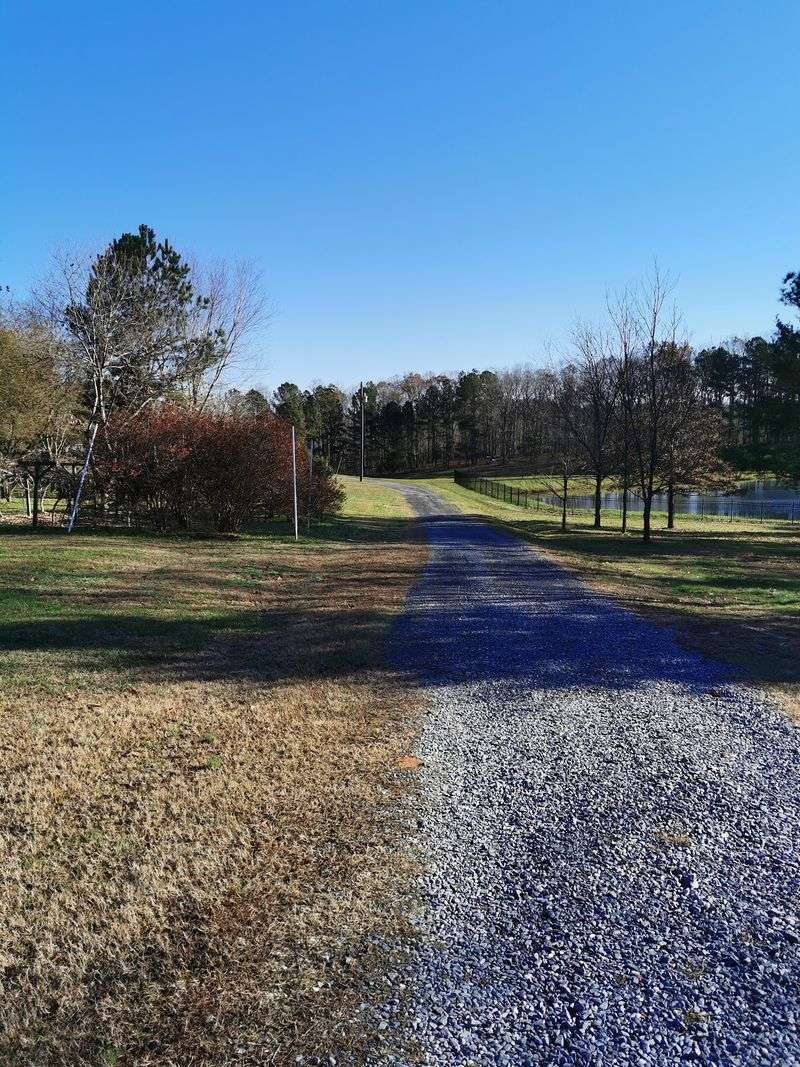
Getting there is half the adventure, since Troy sits well off the interstate in rural central North Carolina.
The monastery is on Warner Road near Troy in Montgomery County. Most travelers from Charlotte, the Triad, or the Triangle will spend part of the trip on country roads, so a GPS with the full address is helpful.
Hours and visiting rules are not listed in the information available here. The monastery maintains a website at panagiaprousiotissa.org, and checking it before heading out is strongly recommended.
No admission prices are noted either. Monasteries typically do not charge entry, but confirming details ahead of time avoids surprises.
One guest found the church closed during a stop, though the nuns still offered an invitation inside. That experience shows why timing a visit around services or open hours matters.
Plan for a calm, unhurried stop rather than a quick photo op. Arriving with time to spare makes it easier to respect the community’s schedule.
Montgomery County also offers rural scenery around Troy, so building a relaxed day trip around the monastery visit can make the drive feel well spent.
Why This Quiet Place Lingers
Some outings are measured in miles and photos, while others are measured in how people talk about them afterward.
By that standard, this monastery does remarkably well. Every guest comment on record gives it top marks, and the words used are consistent: holy, peaceful, beautiful, and welcoming.
That reputation rests on simple things. A devoted community of sisters, an Abbess and priest who care for those who come, and grounds that invite quiet reflection.
Add the link to a centuries-old Greek icon and the village of Proussos, and the place gains a story worth sharing. It is a slice of Greek monastic heritage tucked into Montgomery County.
Respect remains the key to keeping it that way. Modest dress, attention to the nuns’ duties, and a calm presence help protect what makes the monastery special.
For North Carolinians looking for something genuinely different close to home, this one deserves a spot on the list. Check the website, plan the drive, and give yourself time to slow down.
Chances are good the visit will end the way it does for so many others, with plans already forming for the next trip back.
Share this story