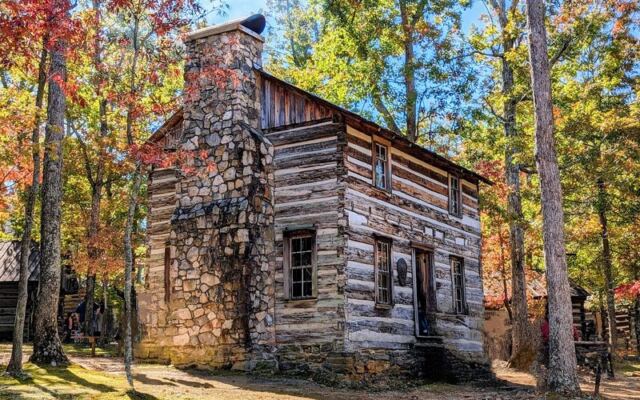
Somewhere in the Catawba County countryside, a whole village from around 200 years ago sits quietly in the woods around a small lake. Most days it stays calm, with cabins waiting and trails empty.
Then one Saturday each fall, craftspeople in period clothing fill the porches, music drifts from the old homes, and every door swings open. It is one of North Carolina’s most unusual outings, and it is closer than many people realize.
Keep reading to learn where it is, how it came together one cabin at a time, and how to plan a visit of your own.
A Pioneer Village Hiding in Catawba County
Down a country road west of Hickory sits a place that most maps describe simply as a museum. That label barely scratches the surface.
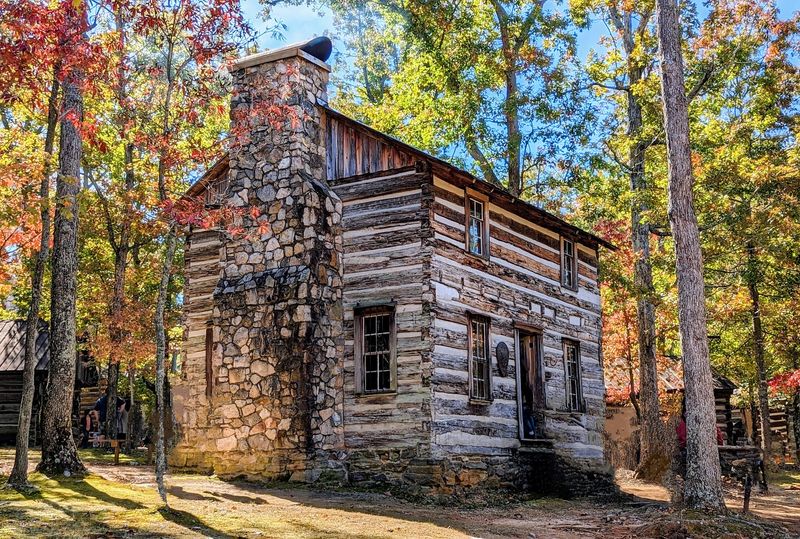
Hart Square Village stands at 5055 Hope Rd, Vale, NC 28168, in the rolling countryside of Catawba County. It is an outdoor history museum built from real log structures, each one rebuilt on the grounds after a life somewhere else in the region.
The collection is widely described as the largest group of heritage log buildings in the United States. Counts vary a little depending on who is tallying, with figures landing between 101 and 104 structures, but the headline number of 103 gives a fair sense of the scale.
Log homes make up much of the village. Trade shops, a cotton gin, a chapel, a general store and other working buildings fill in the rest, creating something that feels more like a small town than a gallery.
For North Carolinians in the Piedmont and foothills, the drive is short and easy. Some locals live just minutes away and still treat the village like a treasure in their own backyard.
The real question is how all these buildings got here in the first place.
Dr. Hart’s Cabin-Collecting Vision
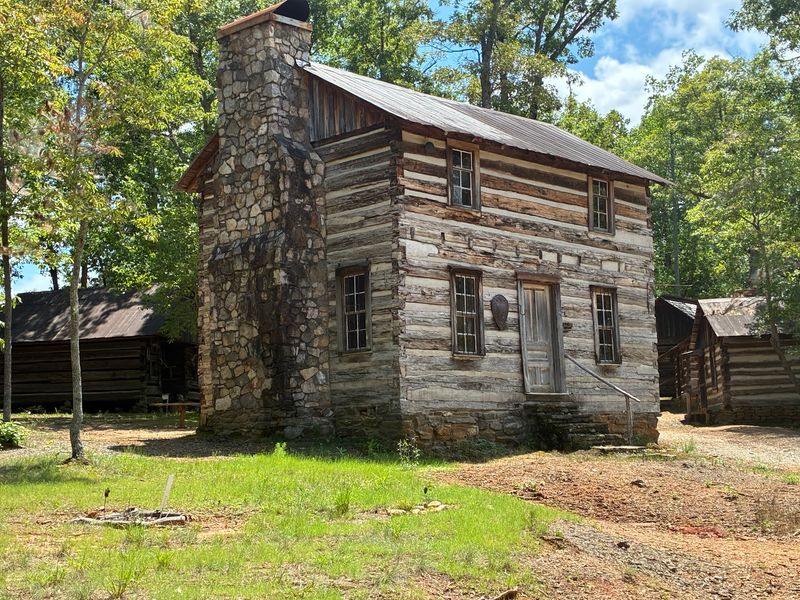
Some people collect stamps. Dr. Robert Hart collected entire buildings.
His project started with log structures found on other properties within roughly a 20 mile radius of Hickory. He secured the rights from property owners, took the buildings down, and then reconstructed them on his own land in the woods surrounding a small lake.
Every one of those cabins was once built locally by hand. The Hart family then rebuilt and furnished them, piece by piece, to create the collection that stands today.
The goal was preservation. Many of these structures might have faded away on old farms, and instead they now share a single home where future generations can explore them.
Dr. Hart was also known for his hands-on involvement. School groups have told stories of him personally guiding classes through the cabins with a quick sense of humor and obvious enjoyment.
A PBS documentary helped spread the word beyond the foothills, sending curious history fans toward Vale. The village has since become a family legacy that staff and volunteers protect with real passion.
That kind of dedication shows up in the details, especially once you step inside a cabin.
Cabins Without Ropes or Glass
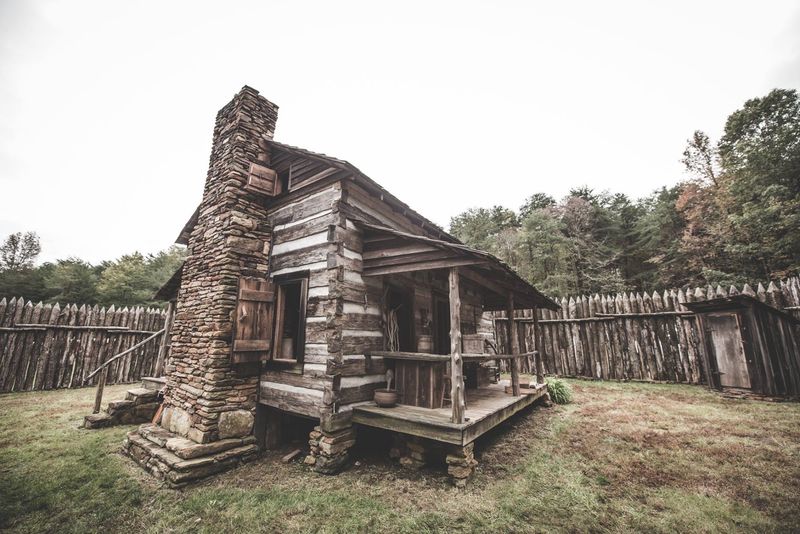
Most museums keep history at arm’s length. Here, the arms get a lot closer.
Inside the buildings, there are no ropes blocking the way and no display cases sealing items off. The cabins are furnished as they might have looked when families actually lived in them, which makes the experience feel far more immersive than a typical exhibit hall.
Shelves hold tools, utensils, materials and goods from the era. The sheer amount of detail can take a while to absorb, so moving slowly pays off.
The reconstruction work is careful and strategic, with each structure rebuilt to match how it was first built. That approach lets you study craftsmanship up close, from joints to rooflines.
Fans of plantations and backcountry farms often call this one of the most comprehensive and interactive spots of its kind. Longtime regulars who have returned for decades say they still notice something new every visit.
One small surprise worth spotting: a coffin tucked up in the rafters of the general store. Back then, general stores truly sold a bit of everything.
Still, the cabins are only half the story once the village starts to move.
The Last Saturday of October
Here is the day that gives this article its title.
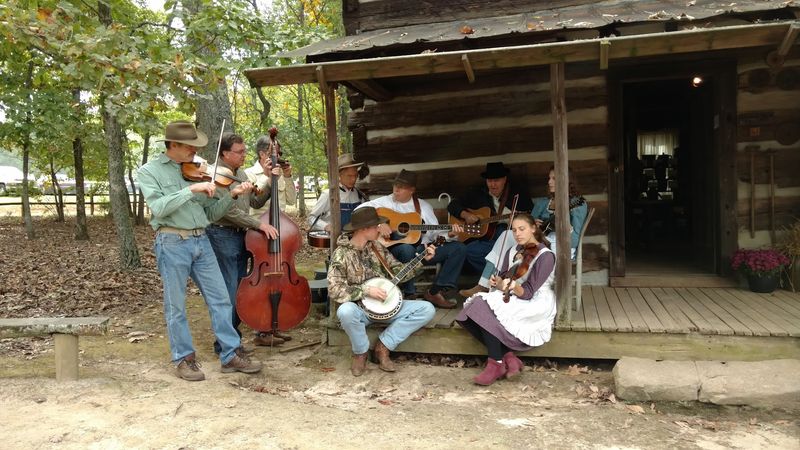
On the last Saturday of October, the annual Hart Square festival transforms the quiet grounds into a working village from around 1790 to 1820. People in period costume fill the paths, and every building opens its doors.
Craftspeople of all trades set up inside the shops and cabins. You might find a cooper shaping barrels, a boot maker at work, or a surveyor in a tall hat and vest strolling past.
Musicians gather on the porches of the larger homes and play old-time tunes, mixing early songs with some more modern picks. A vicar heading home from church and a young Revolutionary soldier have been spotted among the cast.
Many describe the festival as the moment the village truly comes alive. Early machinery, various forms of transport and live demonstrations round out the scene.
Tickets are the key detail. Since the village opens only on limited days, checking the official website well ahead of time is the smart move.
Miss it, and you will be counting down to next October like a kid waiting for a birthday.
Trades, Tools and a Famous Outhouse
Not every building at Hart Square was a home. Plenty of them earned their keep.
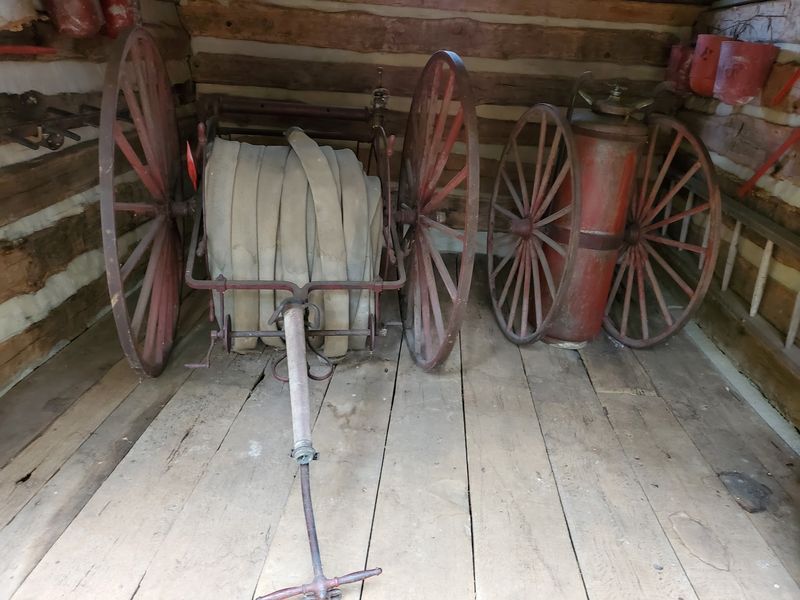
The village includes trade shops, a cotton gin, a general store and a fire station water tank, giving a fuller picture of daily life in the early 1800s. Work, commerce and community all show up across the grounds.
During festival time, these spaces fill with demonstrations. Watching a craft unfold where it was once practiced can make old skills click in a way no textbook manages.
The variety of professions on display is a big reason families return. Each building offers a slightly different slice of how people lived off the land and their own resources.
Then there is the three-holer outhouse. Yes, three seats side by side, which has prompted more than a few jokes about whether a bathroom trip was once a social event.
Little details like that keep the experience light and memorable. History does not always have to be serious to be meaningful.
Beyond the buildings, though, the setting itself deserves some attention.
Lakeside Paths and a Sunflower Patch
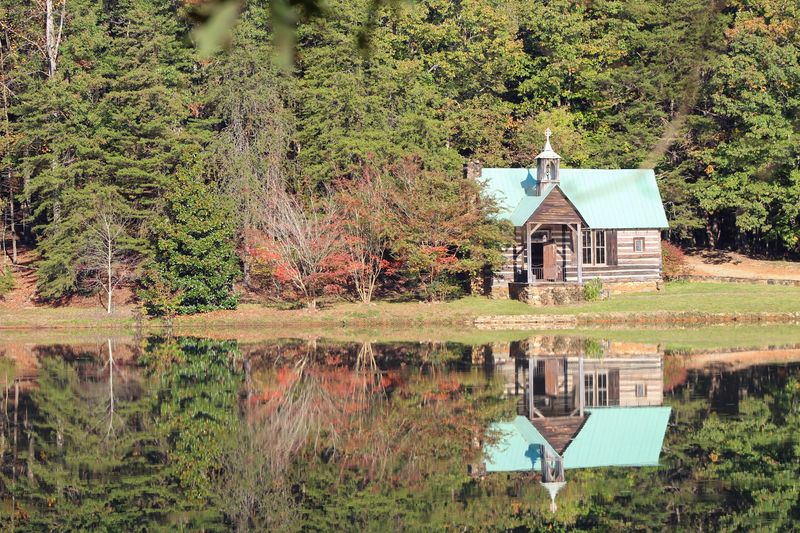
Getting around the village is part of the adventure.
The buildings are spread through the woods surrounding a small lake, creating a setting that many call beautiful in every season. The walk is mostly flat, but the paths are unpaved, so sturdy shoes make sense.
Good signage helps you follow the map without much guesswork. Even so, the property is big, and some guests leave having seen only about 30 buildings in one go.
Bringing water is a wise habit, especially on warm days. Pacing yourself helps too, since there is a lot to look at.
The terrain is manageable for many. Older guests using canes have made the trek and called it well worth the effort, helped along by the map and kind staff.
A huge sunflower patch has also drawn attention, adding a cheerful splash to the historic grounds. It makes a natural spot for a family photo.
Plan for a full outing rather than a quick stop. The more time you budget, the more the village rewards you.
And the people working there make that time even better.
Field Trips, Seniors and Curious Kids
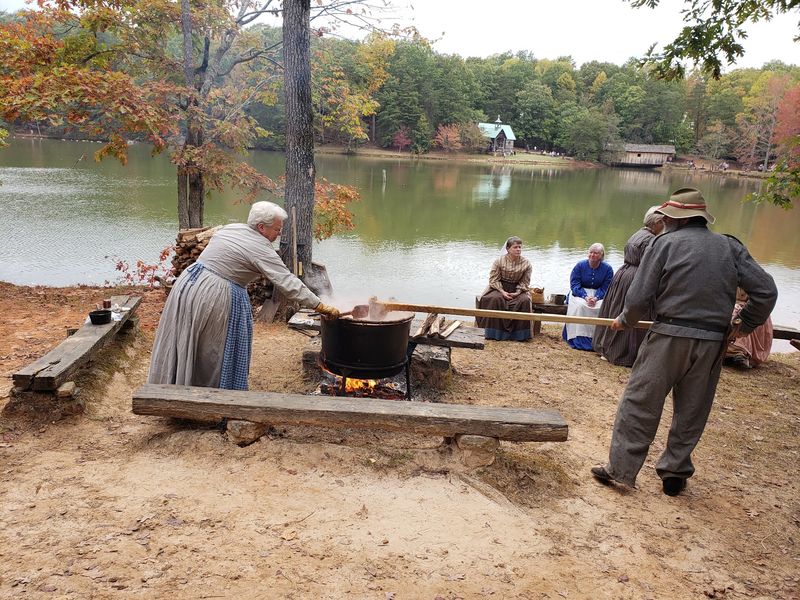
Ask a group of fourth graders about the 1800s and you may get blank looks. Bring them to Hart Square and the questions start flowing.
The village leans strongly educational. School trips are common, and students often leave wanting to come back during a festival to see even more.
Parents find it a solid place to teach children how people lived off the land. Many plan return trips with the whole crew in tow.
Private group tours are available too. Senior adult groups have praised the experience from the reservation process through the guided walk, noting how memories surfaced as they explored.
Staff and volunteers earn steady praise for being helpful and kind. Their passion for the Hart legacy shows in how they share stories and answer questions.
The appeal crosses generations easily. Grandparents may recognize old tools, while kids get to see them for the first time.
Solo explorers fit right in as well, since a quiet stroll works just as nicely as a group outing.
Of course, some people come to Hart Square for a very different reason.
Vows at the Chapel of Peace
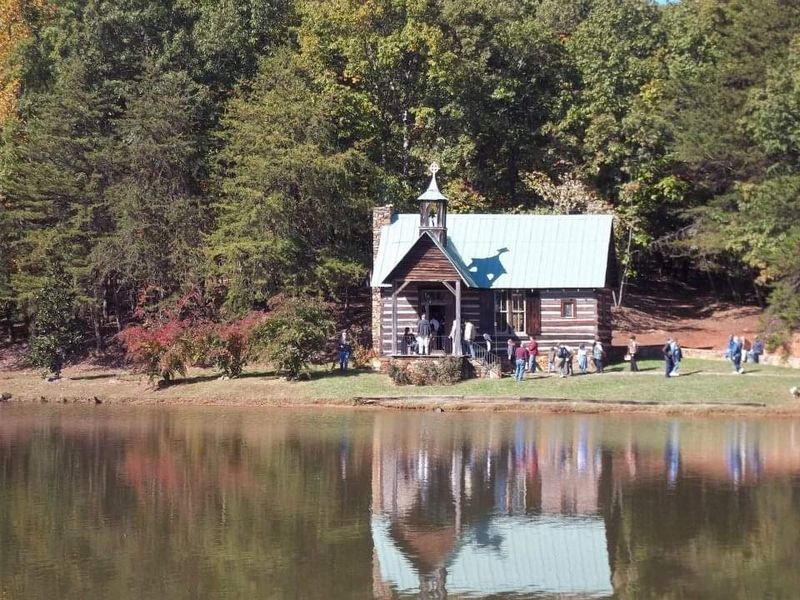
Some couples pick a ballroom. Others pick a village from two centuries ago.
Hart Square also works as an event venue, and weddings have become part of its story. The Chapel of Peace is one of the rentable spots for ceremonies.
Couples have praised staff for helping with questions, setup and takedown. That kind of support can take a lot of stress off a big day.
Friday weddings have been held on the grounds, and the setting gives photos a timeless backdrop without much effort. The historic cabins and lake create a mood that is hard to copy elsewhere.
One sweet detail: at least one couple married at the very place where they first fell for each other back in high school. Local landmarks have a way of weaving into people’s lives like that.
Beyond weddings, the village hosts other gatherings and special events throughout the year. Themes and formats can vary, so expectations should match the event description.
Anyone planning an occasion should reach out directly through the official website for details.
Which brings up the practical side of making a visit happen.
Planning Your Trip to Vale
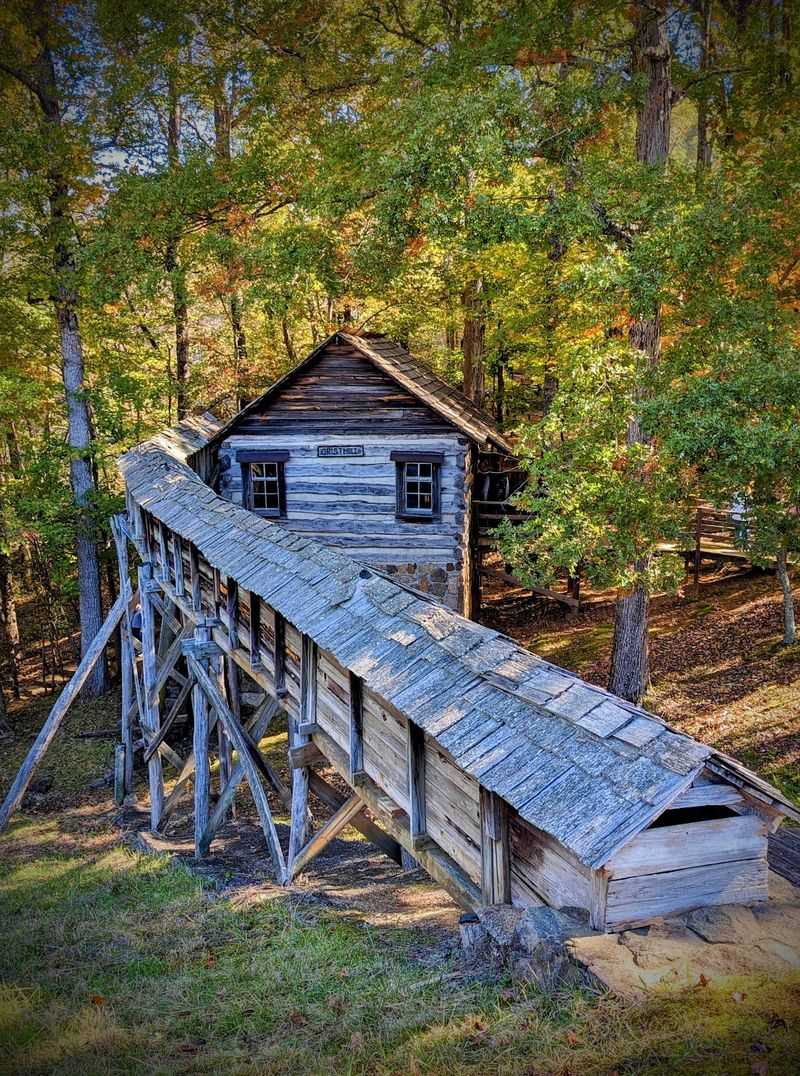
A little planning goes a long way here.
Listed hours run 10 am to 4 pm on Tuesday, Wednesday, Thursday, Friday and Saturday. The village is closed on Sundays and Mondays.
That said, public access is limited to certain times of the year and certain days. Checking the official website at hartsquare.com before heading out is essential for tickets and open dates.
Special days open more buildings, so timing matters if you want the full experience. Many folks make a quieter first visit and return later for a festival.
Wear comfortable shoes, pack water, and grab the map. A weekend day gives you room to explore without rushing.
The limited schedule can feel frustrating. Many see it differently, saying it makes each visit feel more special.
With a near perfect 4.8 standing among guests, Hart Square has clearly earned its loyal following. For North Carolinians hunting a weekend outing with real roots, few places offer this much history in one stretch of woods.
Mark the last Saturday of October, round up the family, and let 103 old buildings tell their stories.
Share this story