Some of the oldest college buildings in the country sit just a short drive from many North Carolina homes. They belong to a school with a basketball program known far beyond the state line and a medical reputation that reaches across the Southeast.
For families here, that kind of prestige comes with a hometown advantage, since in-state students can study there without paying private-school sticker prices. Even if college is years away, the campus makes a fine weekend outing, with shady paths, a famous water fountain and a bell tower worth seeing in person.
The pages ahead cover its history, its standout programs, the best spots to wander, the bus and parking situation and the hours you need to know. By the end, you may want to plan a trip of your own.
A Campus Anchored in Chapel Hill
The story starts in a college town in the heart of the Piedmont. The University of North Carolina at Chapel Hill sits in Chapel Hill, NC, in the United States, and it serves as the anchor for the whole community around it.
The school is a public university, which matters a great deal for families who live in North Carolina. Public schools are built to serve their home state, and that is where the in-state value comes into play.
Chapel Hill is part of the Triangle region, along with nearby cities that many locals already know well. That makes the campus an easy day trip for a big chunk of the state.
Students know the place as home to the Tar Heels. Alumni often carry that name with them for life, and many say it never really wears off.
The campus is famed for its healthcare and athletics programs. It is also one of the oldest public schools in the country, so a visit offers a mix of history and modern campus life.
Not bad for a spot that many North Carolinians can reach before lunch, with time left over for a long walk.
Roots of the Nation’s First Public University
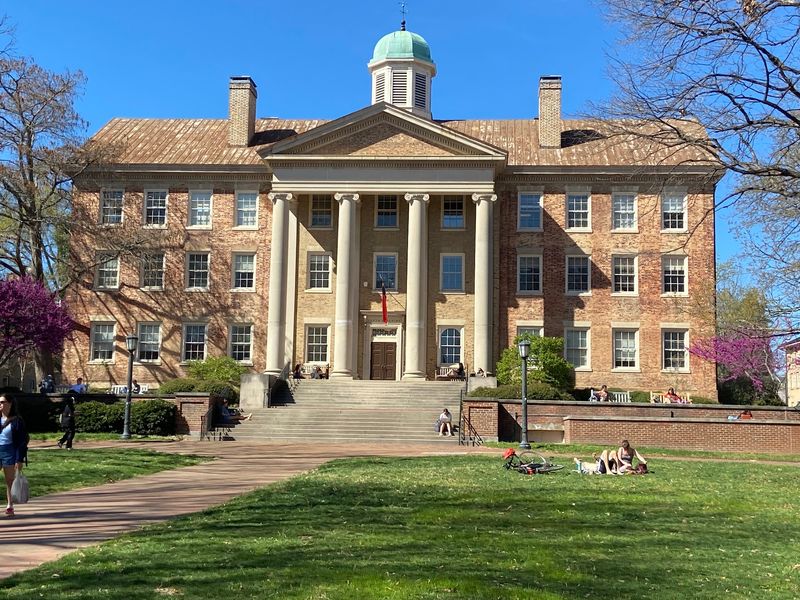
History comes up more than any other topic when people talk about this campus. That is fitting for a school widely known as the nation’s first public university.
Some of the buildings here are a couple of hundred years old. They still stand on a carefully kept campus where the past and present share the same sidewalks.
Old West is one of the names that pops up often. Guides who know the grounds like to share a bit of its backstory, and that kind of context can make the stroll far more interesting.
Brick construction shows up across much of the campus. Some students joke that a few big modern windows would be welcome, but the classic look remains part of the identity.
The architecture also helps the school stand apart from the surrounding landscape. Even kids on tours tend to notice that the buildings feel distinct.
For North Carolina families, that heritage adds weight to the in-state deal. Students can attend a school with centuries of history behind it without leaving home.
A history lesson rarely comes with this much fresh air, which might explain why so many people keep coming back for another look.
The Public Ivy Value Equation
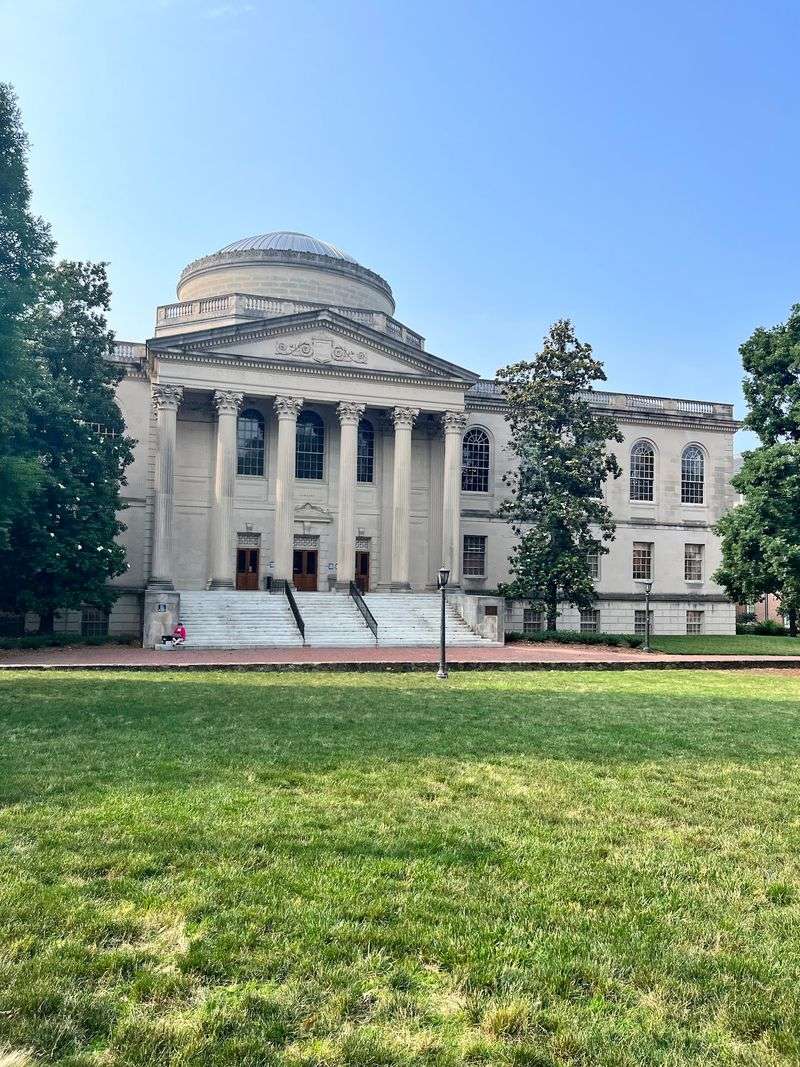
Value is not only about cost. It is about what students get for it, and this school earns a public Ivy reputation that many families take seriously.
That label points to a mix of strong academics and public access. In professional circles, the university is often seen as a model for blending prestige with a commitment to the common good.
For North Carolina residents, the math gets especially interesting. A degree with this kind of name can come at in-state rates, which is the heart of the best-value argument.
Opinions are not unanimous, of course. Some former students feel the experience may not justify the higher cost for out-of-state students, which only underlines how much the in-state price matters.
Graduates in fields like business and the humanities often point to the alumni network as a real boost. Connections like that can help after graduation, though results vary from person to person.
The takeaway is simple enough. Locals have a strong shot at an education that people across the country notice, and they can pursue it close to home.
Sometimes the best deal is the one sitting right in your own backyard.
Classrooms Built for Discussion
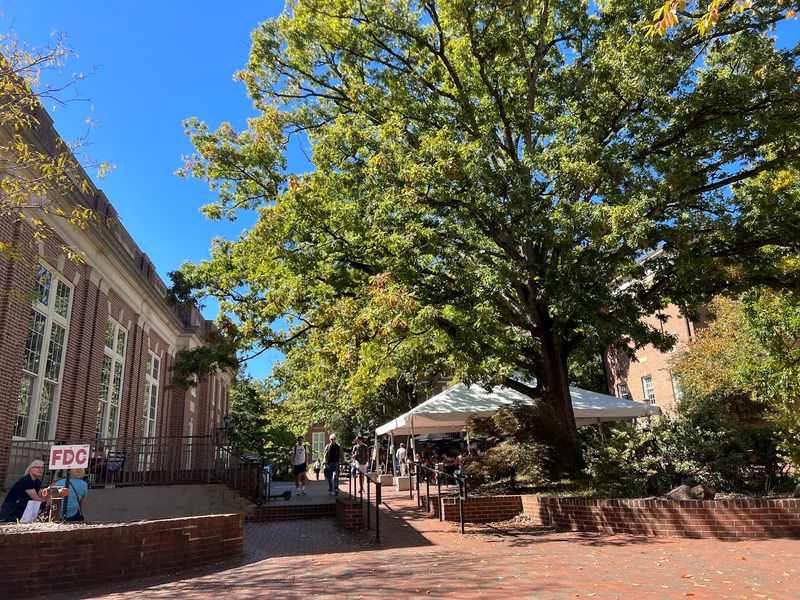
Sitting quietly in the back row is not really the plan here. Many classes emphasize discussion and analytical thinking, and students are expected to engage directly with faculty and classmates.
That style can push motivated students to sharpen their ideas. They learn to explain their reasoning and defend it in a serious academic setting.
Faculty accessibility gets mentioned often too. Many families say their children grew in an environment that felt both rigorous and culturally rich.
Some see the school as having a more cohesive intellectual culture than other large universities. In that view, growth feels built into the system instead of left entirely to chance.
Not every experience is glowing, and a few students feel guidance and support could be stronger. As with any big school, outcomes may depend partly on how actively students seek help.
Still, the overall picture is of a campus where ideas are meant to be shared out loud. Civic leadership and curiosity are part of the culture.
For students who like to think on their feet, that may be one of the biggest perks of all.
Healthcare Programs With Statewide Reach
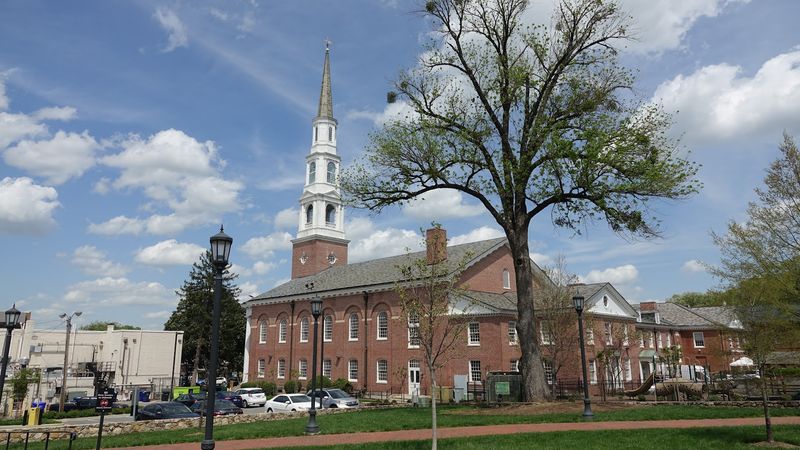
Ask around about the school’s strengths, and healthcare is usually near the top of the list. The university is famous for its programs in this area, from medicine to pharmacy.
The dental school earns its own share of attention. Cancer care also comes up often, which shows how far the university’s influence extends beyond the classroom.
Many people describe the clinical work and research here as transformative for the entire Southeast. That is a big claim, but it reflects how highly the programs are regarded.
Caring staff is another recurring theme. Nurses in particular earn warm praise for making sure people feel looked after.
For in-state students interested in health careers, this may be a major draw. Training at a nationally known program without paying private tuition can make a real difference in long-term plans.
The benefits also ripple outward to the community. Patients across North Carolina may rely on care connected to this campus without ever setting foot in a lecture hall.
So the next time someone mentions Chapel Hill, remember that it is much more than a pretty college town.
Tar Heel Hoops and Game Day Energy
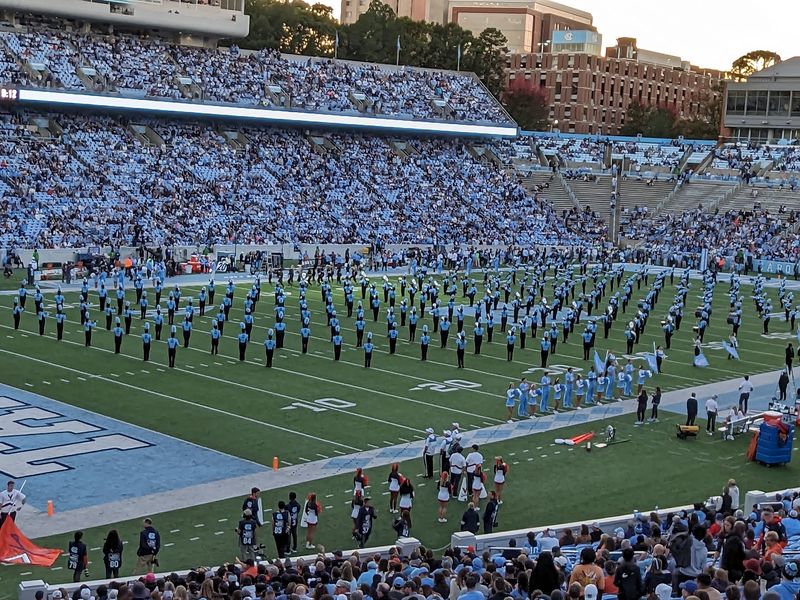
Few things unite North Carolinians like college basketball, and this campus sits at the center of that conversation. The Tar Heels program has a name known well past the state line.
Game days rank among the most cherished memories for many students. Wins over Duke are especially celebrated, and that rivalry needs no introduction around here.
After big victories, students have been known to rush Franklin Street. Graduates talk about that tradition with obvious pride years later.
Athletics here go beyond basketball, too. The school is famed for its athletics programs overall, and the stadium has hosted crowds for a range of events.
For in-state students, being part of that culture is a bonus that no tuition bill lists. It adds a layer of fun and belonging to the college years.
Fans visiting for a game should expect plenty of company. Big events can bring heavy crowds, so a little patience goes a long way.
A popular saying sums up the spirit nicely: it is always a great day to be a Tar Heel, especially when the scoreboard cooperates.
Fountain, Bell Tower and Campus Lore
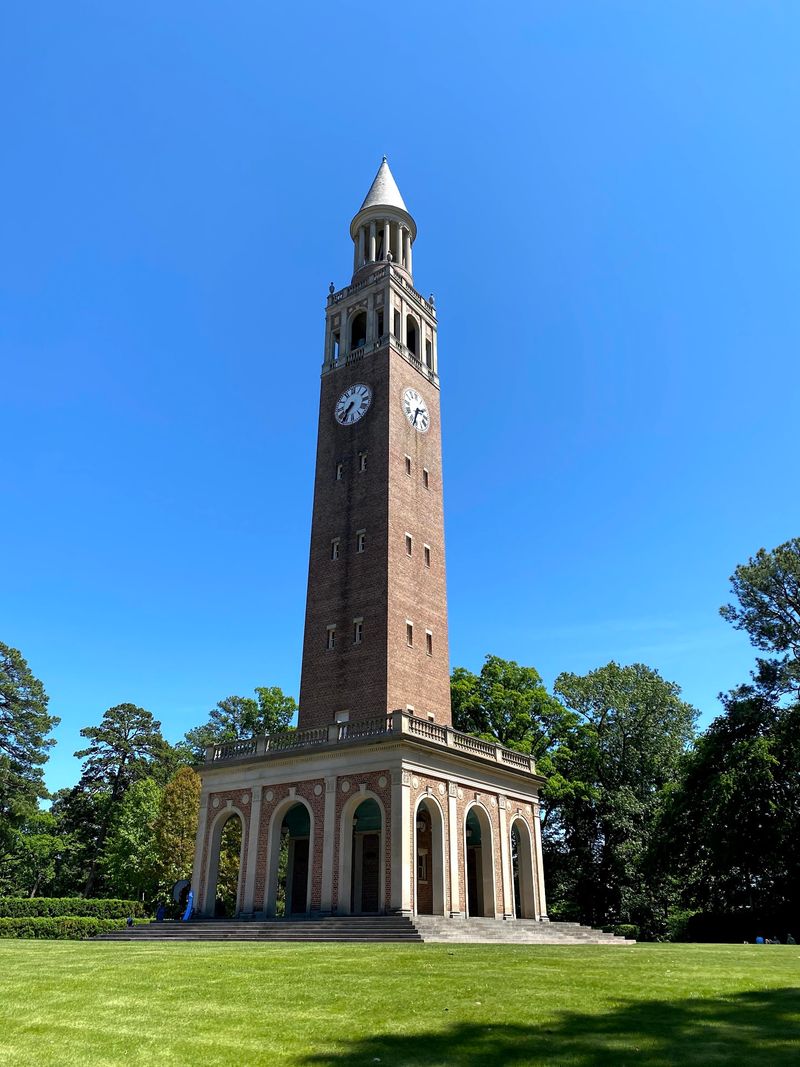
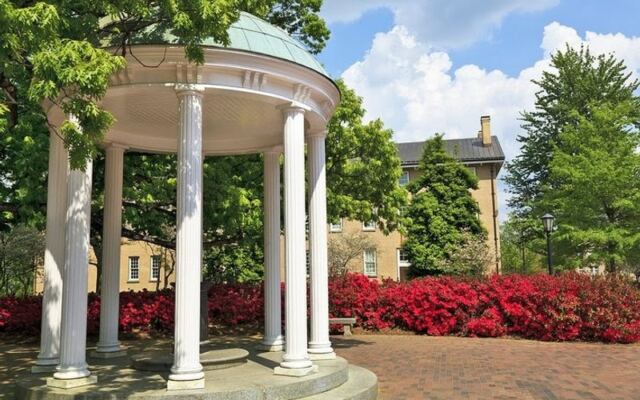
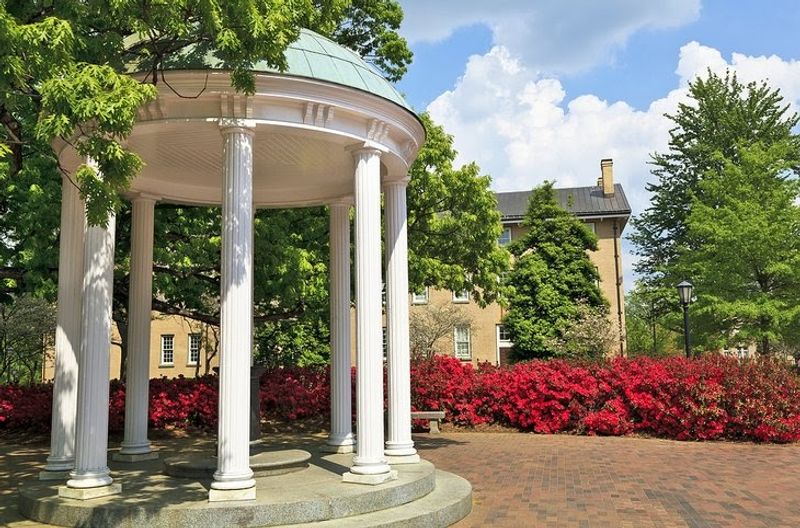
Every great campus has its rituals, and this one has a few that even first-time guests want to try. A sip from the famous water fountain is said to bring good luck.
Having someone along who knows the campus helps. They can explain why people take that sip and share the stories behind nearby buildings.
The bell tower is another favorite stop. Young visitors on tours often name it as a highlight, along with the fountain.
These spots give a walk some structure. Instead of wandering without a goal, guests can build a loose route around the landmarks everyone talks about.
Campus tours come up frequently as a great way to see it all. A guided route can turn a pleasant stroll into a genuinely informative afternoon.
Families with high school students may find these traditions especially meaningful. Touching a piece of campus lore can make the idea of applying feel a little more real.
Luck is never guaranteed, of course. Still, a quick stop at the fountain costs nothing and makes for a great photo.
Coker Arboretum’s Quiet Corner
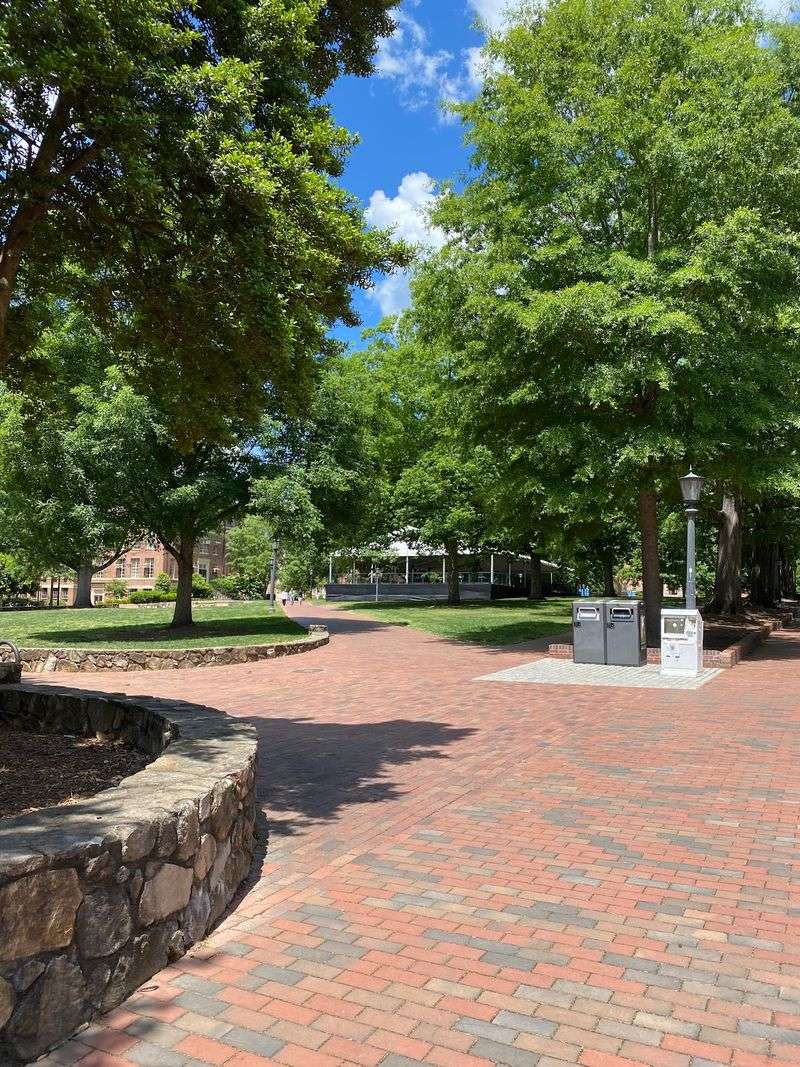
Tucked into the campus is a spot that feels like a break from the bustle. The Coker Arboretum is often recommended as a calming oasis.
Tiger lilies are among the plants that catch people’s attention here. Garden fans may want to set aside extra time to explore.
The arboretum adds a different flavor to a campus visit. After the history and the landmarks, it offers a chance to slow down.
Big trees and shade appear throughout the broader campus too. In spring and summer, many people say a walk under them is one of the most relaxing ways to spend an afternoon.
Squirrels are frequent companions on these paths. Watching them dash around has become a small joy for students on sunny days.
For North Carolina families looking for an easy outing, this corner is a solid pick. It works for kids, grandparents and anyone who wants a gentle stroll.
College visits do not always have to be about admissions. Sometimes they can simply be about finding a peaceful bench and a little green space close to home.
Fall Colors and Seasonal Strolls
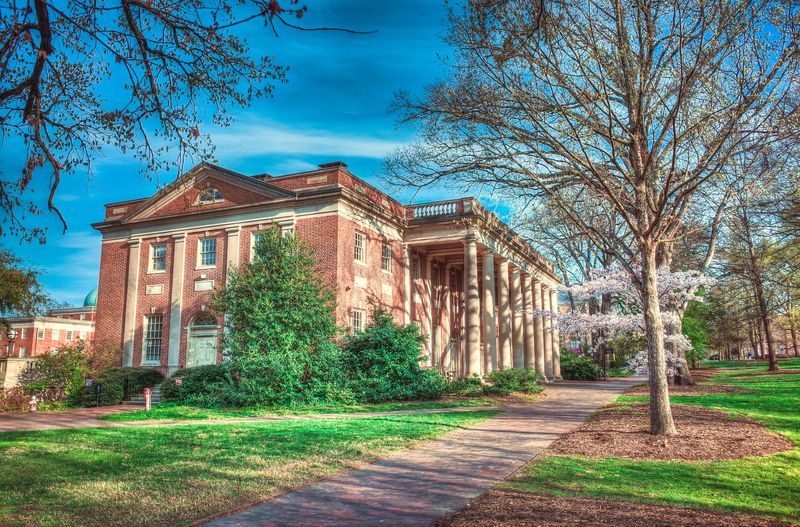
Timing a visit can change the whole experience. Many people say the campus looks especially beautiful in the fall.
One family even made a holiday tradition of sorts, walking the grounds on Thanksgiving Day. Interesting buildings and plenty of outdoor seating made it an easy way to spend the afternoon.
Spring has its own fans. Students fondly remember springtime on the quad, and guests who come for events in that season often enjoy strolling the campus and Franklin Street.
Summer brings heavy shade from the large trees. That cover can make warmer days more comfortable for walkers.
Sunny weather seems to bring out the campus at its best. Students say the grounds really shine when the skies are clear.
One small heads-up: the campus is a little hilly. Comfortable shoes are a smart choice for anyone planning to cover a lot of ground.
With so many good seasons to choose from, there is no wrong time to plan a trip. The hard part may be deciding whether to come back for the next one.
Franklin Street Next Door
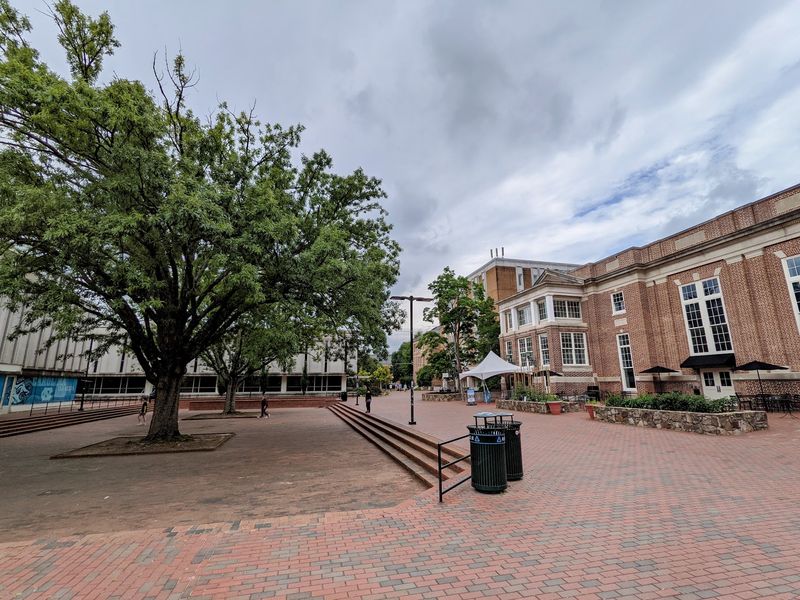
Right beside campus, Franklin Street gives the university its lively front porch. The area offers plenty of spots to walk, eat and spend time.
Shops and restaurants line the way. Hotels are nearby as well, which helps families planning overnight visits.
The street plays a big role in student life. It is also where celebrations spill out after major basketball wins.
For day-trippers, pairing a campus stroll with time on Franklin Street makes sense. It turns a quick visit into a full outing.
Chapel Hill itself is often described as a delightful community. People who come for sports events or conferences frequently find themselves enjoying the town as much as the campus.
The overall environment tends to feel pleasant and welcoming. That small-town charm, combined with a major university, gives the area a distinct personality.
Locals who have not visited in a while may notice how busy it can get. Popular weekends and special events draw crowds, so planning ahead may help.
Even so, the energy is part of the appeal. College towns are supposed to feel alive, and this one delivers.
Events Beyond the Classroom
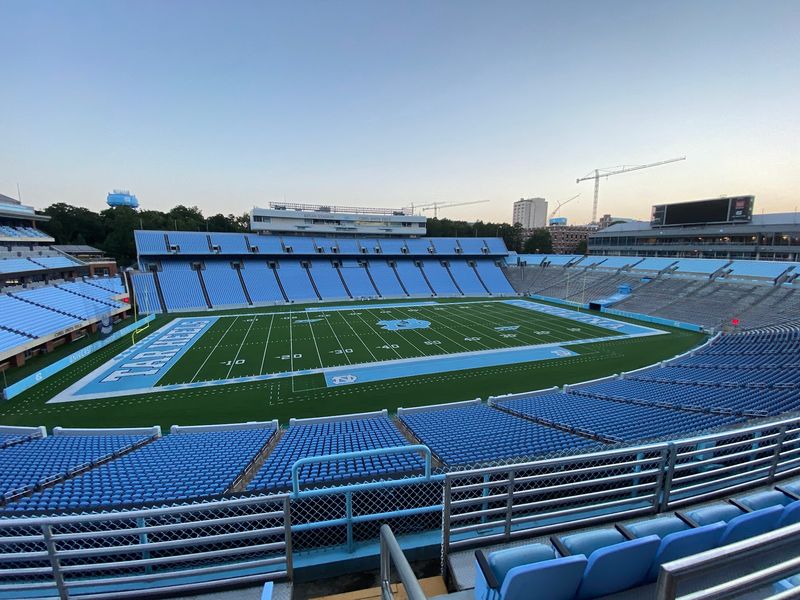
Not everyone comes to campus to study. The university hosts a surprising range of events that draw people from around the state and beyond.
The Savannah Bananas have played here, bringing their famous brand of baseball fun to Chapel Hill. Crowds turned out in big numbers.
International soccer has made an appearance too. A match between Chelsea and Wrexham brought a global spotlight to town.
Youth sports are part of the mix as well. A 7v7 tournament and camp earned praise for nice facilities and smooth organization, and kids had a great time.
The Carolina Club hosts professional gatherings, including a technology leadership event. Its facility, staff and location get high marks.
Exchange students also find a home here. Some arrive for a single semester and leave with lasting friendships, often surprised that the large campus feels compact.
All of this shows how the school serves more than its enrolled students. It works as a community hub for North Carolina.
Checking the event calendar before a visit could turn an ordinary weekend into something memorable.
Parking, Buses and Office Hours
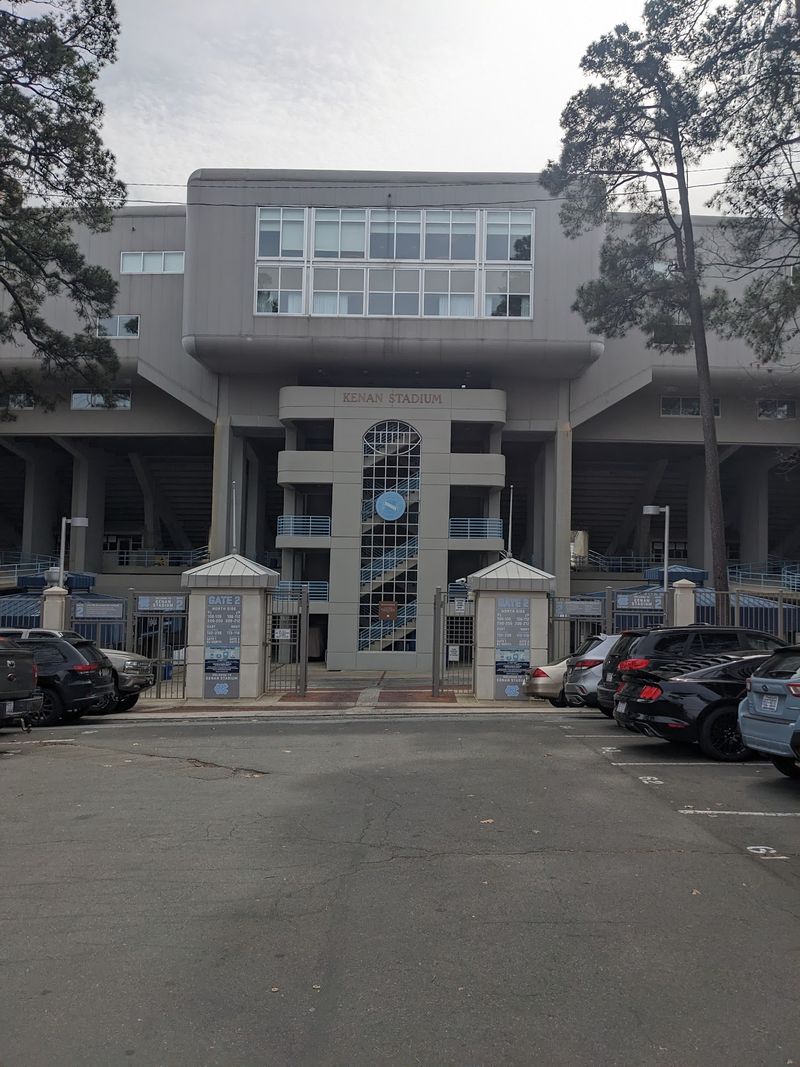
Here is the honest part of the trip plan. Parking on campus is challenging, and demand far exceeds supply.
Students, staff and guests all feel the squeeze. Big events near the stadium can make it even tougher.
The smart move is to plan ahead. Park-and-ride lots and the bus system are strongly encouraged whenever possible.
Drivers who head straight to campus should expect paid decks or visitor lots. A bit of walking afterward is part of the deal.
Finding your way can feel tricky at first. Thankfully, helpful people around campus are usually willing to point guests in the right direction, and the layout becomes easier with time.
University offices keep weekday hours. They are open Monday through Friday from 8 AM to 5 PM and closed on Saturday and Sunday.
Anyone needing to handle official business, schedule a tour or ask questions should keep that window in mind. Weekend strolls are still possible, but offices will not be staffed then.
A little preparation can save a lot of circling. Think of comfortable shoes as your secret weapon.
A Hometown Deal Worth the Drive
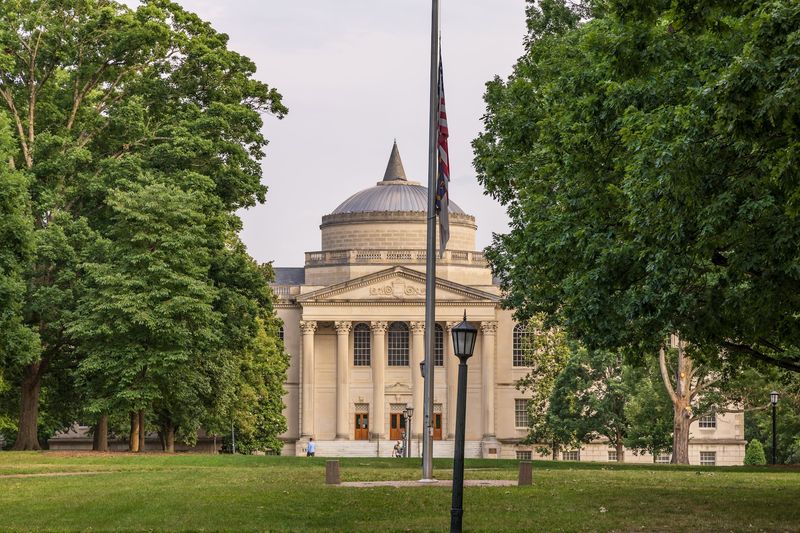
Put all the pieces together, and the case for this campus becomes clear. North Carolina families have a world-known university right in their own state.
It offers deep history, respected healthcare programs, beloved athletics and a classroom culture built on discussion. In-state students can access all of that at public rates.
The campus also works as a simple day trip. Shady walks, the lucky fountain, the bell tower and the Coker Arboretum make it worth visiting even without applications in mind.
Not everything is perfect. Parking can test anyone’s patience, and some feel the value is much stronger for residents than for out-of-state students.
Many graduates still describe their time here with deep gratitude. Some even talk about wanting to give back someday.
The overall picture is of a place that carries real pride for the state. It nurtures North Carolina while competing at a national level.
So grab a friend, check the office hours, and plan a weekday or weekend stroll through Chapel Hill. The best value in America might be closer than you think.
Share this story