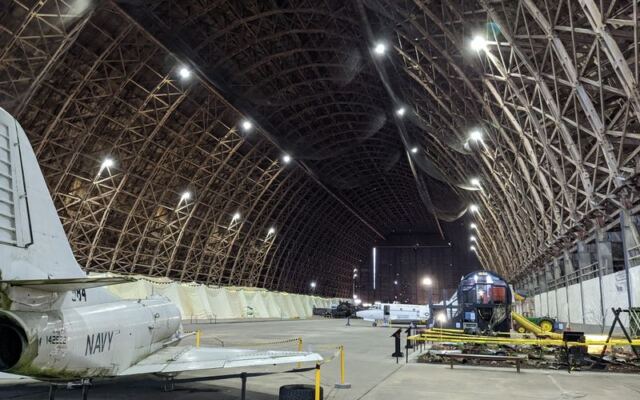
Drivers on the highway near Tillamook keep doing the same thing. They spot a massive structure with the words Air Museum painted on its side, and they hit the brakes. Inside waits a collection of planes, cockpits you can climb into, and a jet with a Hollywood past.
Still, the real headliner is not parked on the floor. It is the roof, the walls, and the sheer wooden bulk of a building made during World War II to hold blimps. Plenty of people stumble onto this place on the way to somewhere else and end up staying for hours.
Keep reading to learn why this coastal landmark deserves a planned stop, what to see once inside, and a few practical tips that will make your visit smoother.
A Wartime Giant on Hangar Road
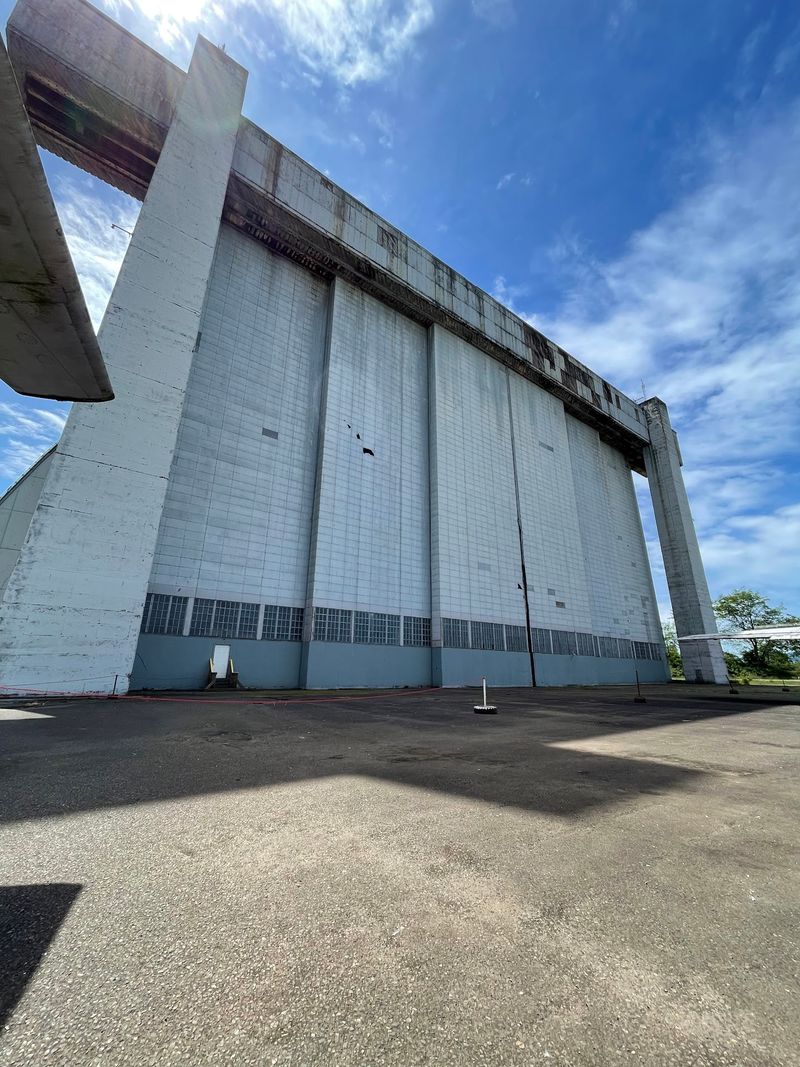
Some museums hide behind a modest sign. The Tillamook Air Museum announces itself with a building big enough to be seen from the highway.
You will find it at 6030 Hangar Rd, Tillamook, OR 97141, in the coastal dairy country of Oregon. The museum fills Hangar B, a World War II blimp hangar known as one of the largest wooden buildings in the world.
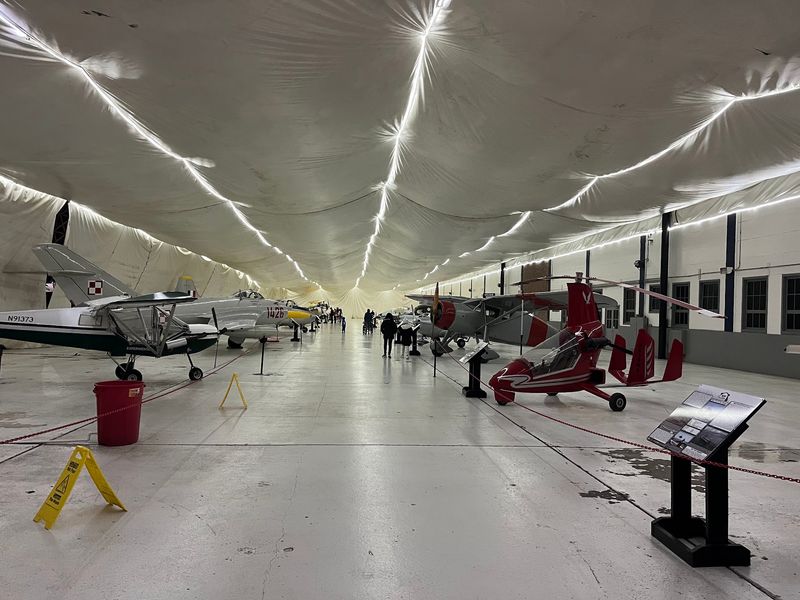
Inside, the collection centers on aircraft, with planes parked across a floor that covers about seven acres. Side exhibits round things out, many of them focused on the World War II era.
The pairing makes a lot of sense. A building designed to hold airships now shelters fighter jets, passenger plane sections, and vintage machinery, so the subject and the space tell one shared story about flight.
It also helps that the location is convenient. The museum sits close to the busy Tillamook Creamery, and many people discover it simply because they happen to be heading that way.
That accidental stop often turns into the highlight of the trip. A first glimpse of the hangar from the road is usually enough to change travel plans on the spot.
Why the Navy Built Hangars This Big
During World War II, blimps needed a home. The answer in Tillamook was not one hangar but two.
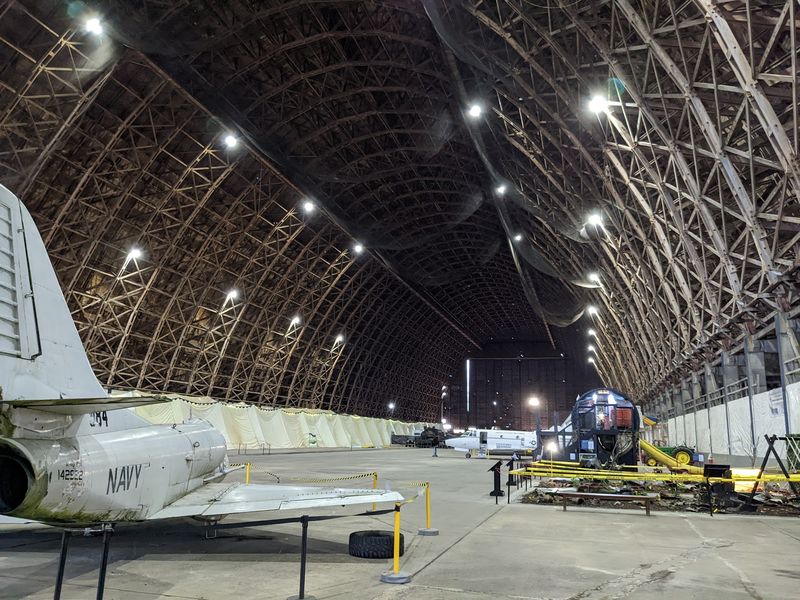
Both were built during the war to house airships, and Hangar B is the one that survives today as the museum. The structure is a class K hangar, a type made for the blimps of that era.
A short film inside the museum walks through how the hangars were built. It is well produced and worth the time, especially for anyone curious about how such a large wooden structure came together during a world at war.
The film adds context that the planes alone cannot. It explains the purpose of the site and the effort behind it, which makes the walk across the floor afterward feel more meaningful.
Preservation is a big part of this story too. Many key people worked together to save the site, and that effort is the reason Oregonians can still stand inside it today.
Familiar places like this do not survive on their own. Admission and gift shop purchases help support a landmark that many hope will continue its restoration work for years to come.
The Building That Outshines Its Planes
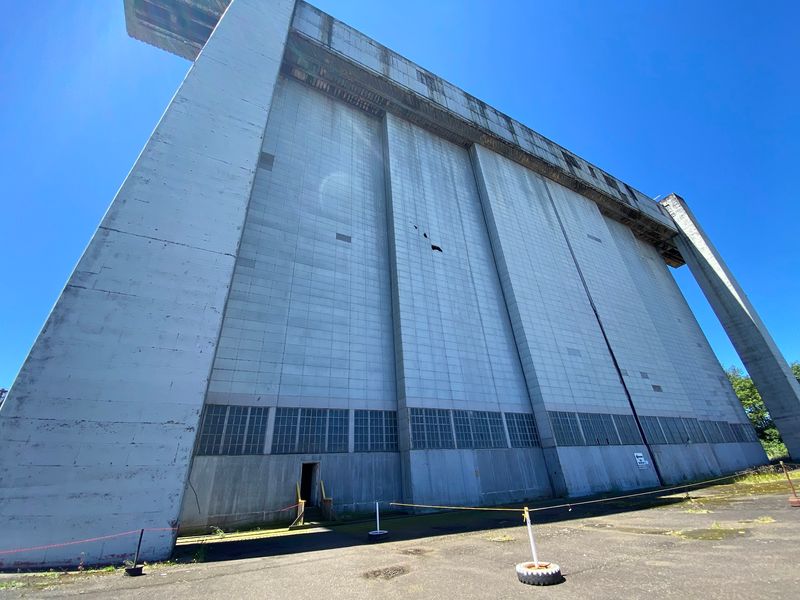
Ask people what impressed them most here, and a surprising number skip the aircraft entirely. They talk about the hangar.
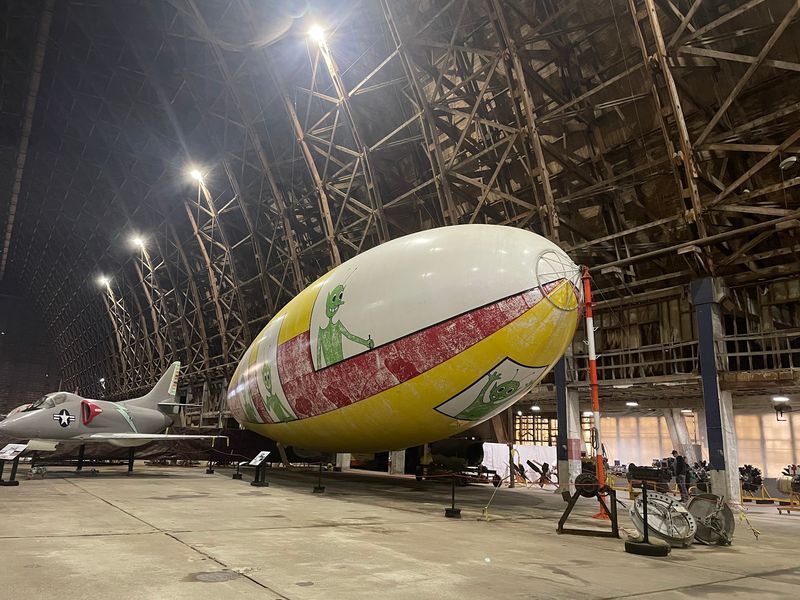
The scale is hard to grasp until you are standing on the floor. Even large planes look small inside, and people often feel tiny next to the wooden framework rising overhead.
Photos struggle to capture it. The hangar needs to be seen in person to make sense of how blimps once fit inside.
Some fans of the building wish the museum leaned into it even more. Ideas include better ways to highlight the blimp history and more chances to view the structure from outside.
For architecture lovers, that is part of the appeal. This is a rare chance to explore a surviving wartime airship hangar rather than read about one.
Plenty of people admit the exhibits are a bit limited compared to larger air museums. Even so, the opportunity to walk inside a World War II blimp hangar is often called worth the price of admission on its own.
So yes, the planes are the reason for the sign out front. The hangar is the reason people keep telling their friends.
Tomcats, Guppies, and a Famous Movie Jet
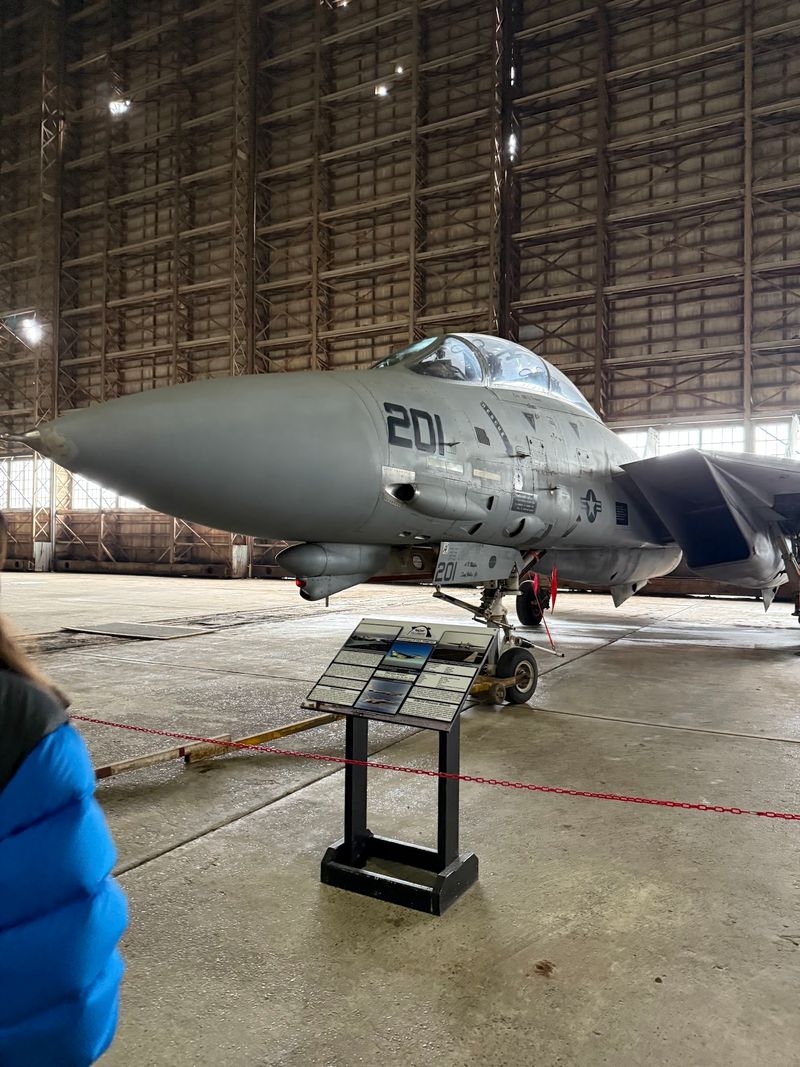
Movie fans, take note. One of the F-14 Tomcats used in Top Gun is parked here.
That jet tends to draw a crowd, but it has plenty of company. The collection mixes military aircraft with a few throwbacks to passenger flight.
The Mini-Guppy stands out for anyone who appreciates old-school engineering. Its analog design is a fun look back for older generations and tech fans alike.
Each plane comes with general information about its type. Better still, many displays share stories about the specific aircraft on view, which gives each one a personality.
The roster keeps growing too. The museum hosted the last flight of a Harrier jet being delivered to its collection, an event that brought out a crowd of aviation fans.
Nearly every aircraft sits indoors, with just one plane parked outside. That outdoor plane is popular with families, so save a few minutes for it before heading back to the car.
Aviation enthusiasts will find enough here to fill a slow, happy afternoon.
Cockpits Made for Climbing In
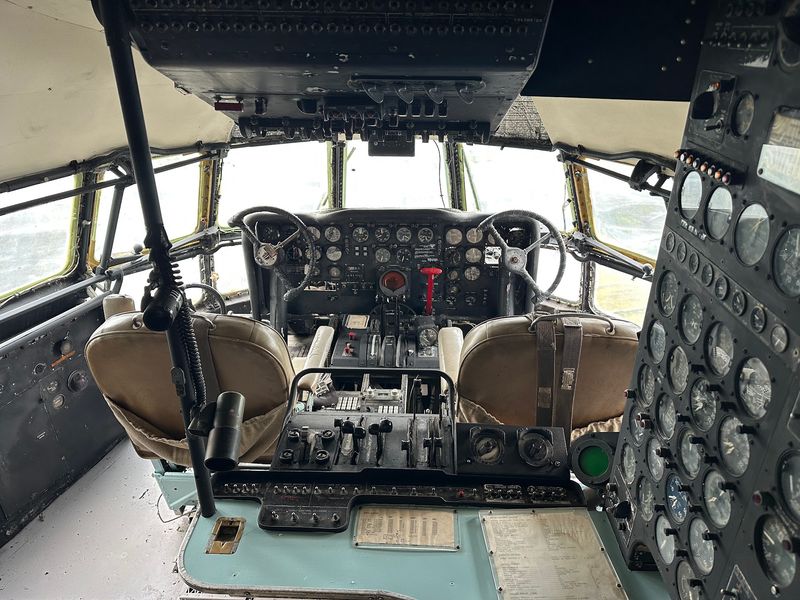
Looking at a plane is one thing. Sitting where the pilot sat is something else entirely.
Several aircraft here let you view the inside of the cockpit, and many let you climb in. The museum has added even more cockpits in recent years, which makes the history feel far more hands-on.
Model cockpits give people a sense of what a pilot experiences at the controls. Kids tend to treat these like the main event.
A section of a TWA plane from the 1970s offers another kind of time travel. You can walk right through it and get a feel for passenger flight from that decade.
Flight simulators add more interaction. A simulator area designed for kids keeps younger pilots busy while adults read the plaques.
Videos and VR experiences also help explain the history of the hangar. Some people note that the technology is not as advanced as at bigger, newer aviation museums, so expectations should stay grounded.
Still, few things beat the grin of a kid gripping a real control stick.
Tiny Battles and Handmade Ships
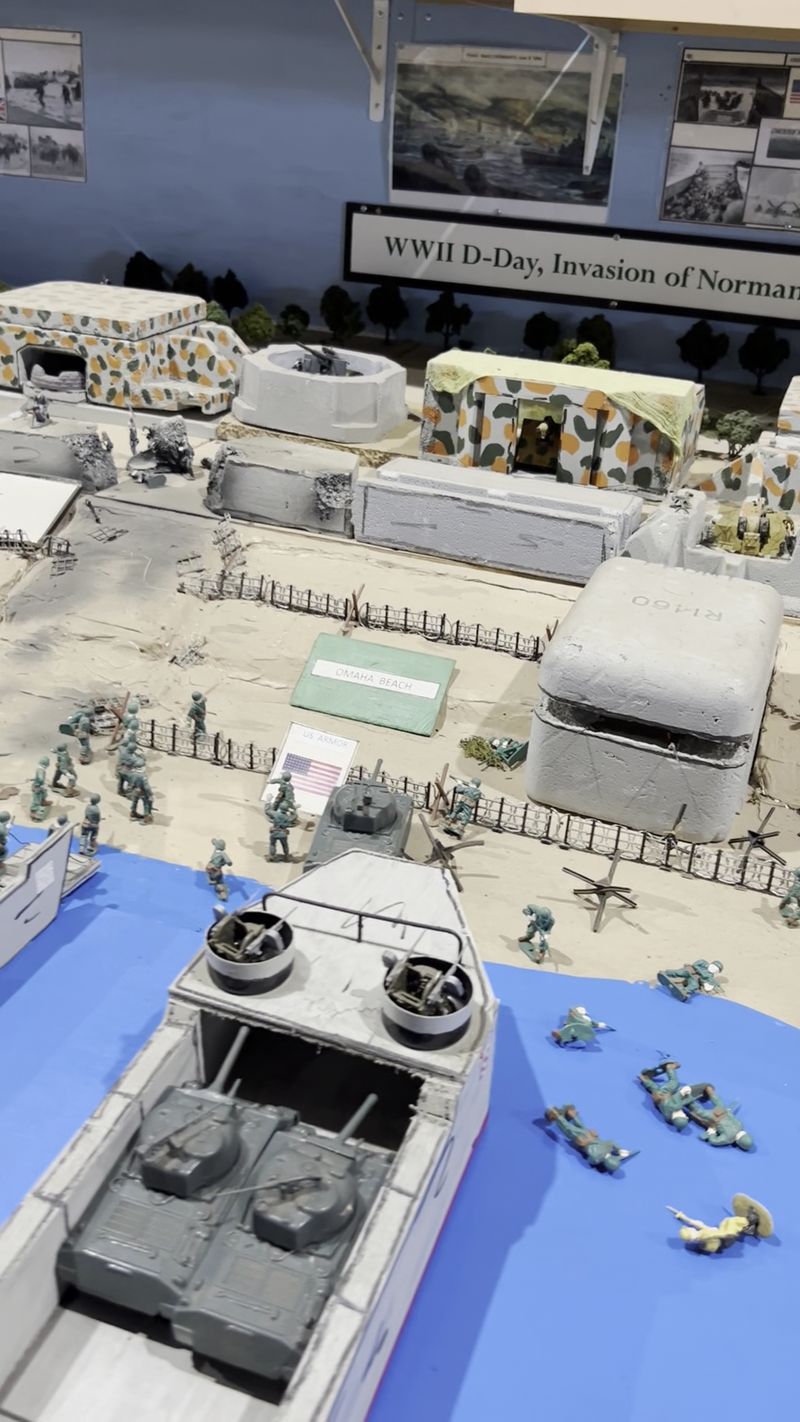
A father and son built something remarkable here. Their miniature reenactments of World War II battles rank among the most talked-about exhibits in the building.
The models depict battles from across the war. They sit right at eye level for kids, presented in a way young minds can follow.
Handmade model ships and submarines add to the display. These small works make a nice contrast with the full-size planes nearby.
Wood carvings appear throughout the collection too. They are easy to miss if you rush, so slow down a little in these areas.
The side exhibits also include a presentation on women in the Holocaust. It adds a thoughtful layer to the museum’s World War II focus.
Beyond the aircraft, look for old tractors and locomotives that were once used at the hangar. They show the working side of the site’s past.
Small details like these often stay with people long after the big jets fade from memory.
Room to Run for the Youngest Pilots
Most museums ask kids to tiptoe. With about seven acres of floor space, this one lets them stretch their legs.
That open layout is a big reason families rave about the place. Children can move around and burn energy without feeling boxed in.
Toddlers get their own corner as well. A small play area and a tots space give little ones something to enjoy while older siblings explore.
A scavenger hunt keeps things lively. Kids, or adults who want in on the fun, answer questions and find clues around the collection.
Families often say everyone left happy, even the hardest-to-please teens. That is no small feat on a road trip.
History buffs get plenty too, so multi-generation groups work well here. Grandparents can reminisce over older aircraft while kids head straight for the cockpits.
Wear comfortable shoes, because that big floor adds up to a lot of walking by the end.
Honest Notes on a Well-Worn Landmark

Polished and high-tech it is not. That honesty is part of the charm.
The museum feels a bit dated compared to state-of-the-art aviation centers. Some areas show signs of age, and the hangar carries wear from the coastal weather.
Those quirks are worth knowing before you go. The building is old wood, and it does not stay very warm inside.
Bring a jacket, even in milder months. Several people mention how chilly the hangar gets.
Those same people usually add that the trip was still worth it. The history and scale of the hangar outweigh the rough edges for most.
There is also a bigger point here for Oregonians. Wear and tear is a reminder that historic places need ongoing support, and many hope the museum finds funds to continue its restoration.
A visit, a gift shop purchase, or simply spreading the word all help keep this rare structure standing for the next generation.
Planning Your Hangar Stop

Budget at least two hours. Many people spend longer, and a half day is not unusual.
Admission is widely described as reasonable, which makes this an easy add-on for a coastal day trip. Check the official website at tillamookair.com for current hours and ticket prices before heading out, since those details can change.
A snack bar on site helps when energy dips. The gift shop is a solid stop for aviation souvenirs.
Getting there is simple for anyone already in Tillamook. The hangar is close to the Tillamook Creamery, so pairing the two makes for an efficient outing.
Keep an eye on the museum’s calendar as well. Special events, like the arrival of a Harrier jet, have drawn enthusiastic crowds.
Pack a warm layer, a camera, and good walking shoes. Start with the short film about the hangars, since it sets up everything else nicely.
With those basics covered, the rest of the visit can be pure exploring.
Worth the Detour, Every Time
Is it the biggest or flashiest air museum in the country? No, and it does not need to be.
What it offers is rarer. You get to stand inside a surviving World War II blimp hangar, one of the largest wooden buildings anywhere, and see how ambitious American builders could be.
The planes add plenty of fun along the way. A Top Gun Tomcat, climb-in cockpits, and handmade battle models give every age group something to enjoy.
Families, history buffs, and aviation fans all tend to leave smiling. Even skeptical travelers often admit the place won them over.
The museum holds a 4.5-star average from thousands of guests, which speaks to how many people walk away glad they stopped.
For Oregonians, this is a local treasure worth protecting. Places like Hangar B survive because people keep showing up.
So the next time the coast road takes you through Tillamook, follow that giant Air Museum sign. The building will handle the rest.
Share this story