A man struck oil in Oklahoma, got rich beyond belief, and built himself a palace on the prairie. Then he lost it.
The house is still standing in Ponca City, and its rooms tell the whole story, the soaring highs and the hard fall. Ornate ceilings, Italian craftsmanship, and a family tale that guides call both remarkable and sad all wait inside.
This is a north Oklahoma day trip that proves the state has far more than flat land and wheat fields. Keep reading to learn what the tour covers, how long to plan, what a ticket costs, and why so many people say they want to go back for a second look.
1. A Prairie Palace on Monument Road
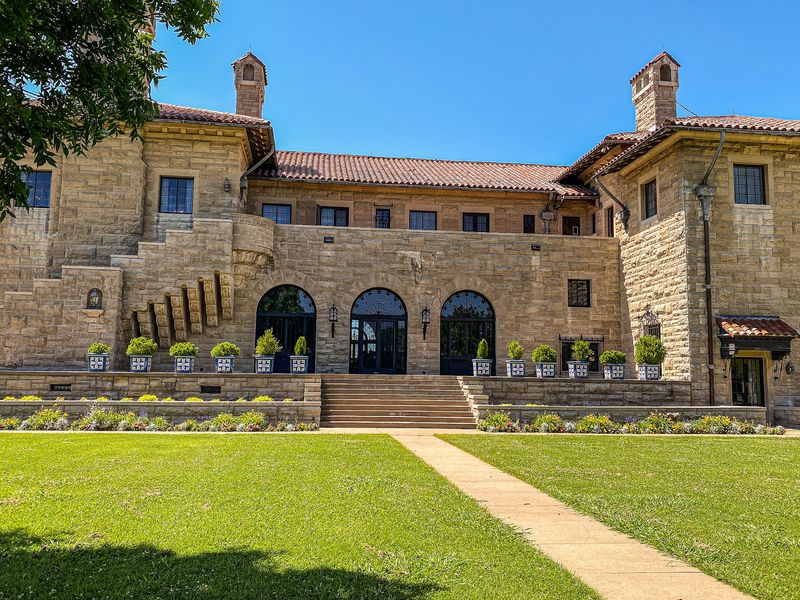
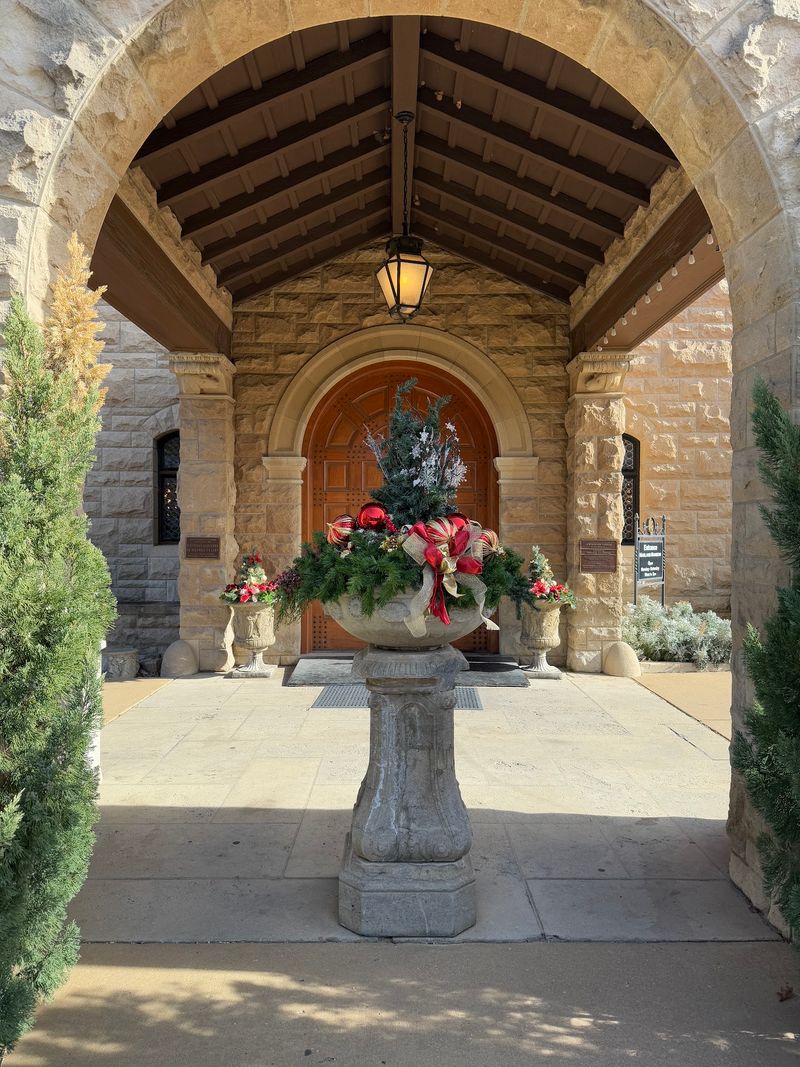
Ponca City is not where most people expect to find a European-style palace. Yet there it sits, at 901 Monument Rd, Ponca City, OK 74604, in north central Oklahoma.
The E. W.
Marland Mansion is a museum today. It was once the private home of oil baron E.
W. Marland and his family.
The estate is often called the Palace on the Prairie, and the nickname fits. Its Italian Renaissance style makes it look like it wandered in from overseas.
The house holds the family’s story along with a fine art collection. It also offers tours, grounds open to the public, and a busy schedule as a wedding venue.
For Oklahoma families, it lands squarely in day-trip range. The drive from Tulsa or Oklahoma City makes for an easy weekend outing.
Many people admit surprise that a place this grand is tucked away in a small city. That surprise is half the fun.
Its outside hides how big it gets once the doors open, and that is exactly where the story begins.
2. The Oil Baron Behind the Walls
Every big house starts with a big personality. E.
W. Marland was a self-made multimillionaire who rode the 1920s oil boom to enormous wealth.
He was more than a businessman. Marland also served as Governor of Oklahoma, which adds a political chapter to the tale.
His fortune paid for this estate during the height of the boom. The money flowed, and the house grew to match his ambition.
Here is the twist the title promises. The tour shares the life story of Marland and his family, and guides describe it as remarkable, amazing, and also a bit sad.
The house itself becomes evidence. Its luxury shows how high he climbed, while the family story explains how much slipped away.
Guides weave these chapters together as you move room to room. Many guests leave talking about the history as much as the architecture.
Knowing the man first makes every carved ceiling feel more personal. Next comes the house he dreamed up.
3. Italian Renaissance in Oklahoma
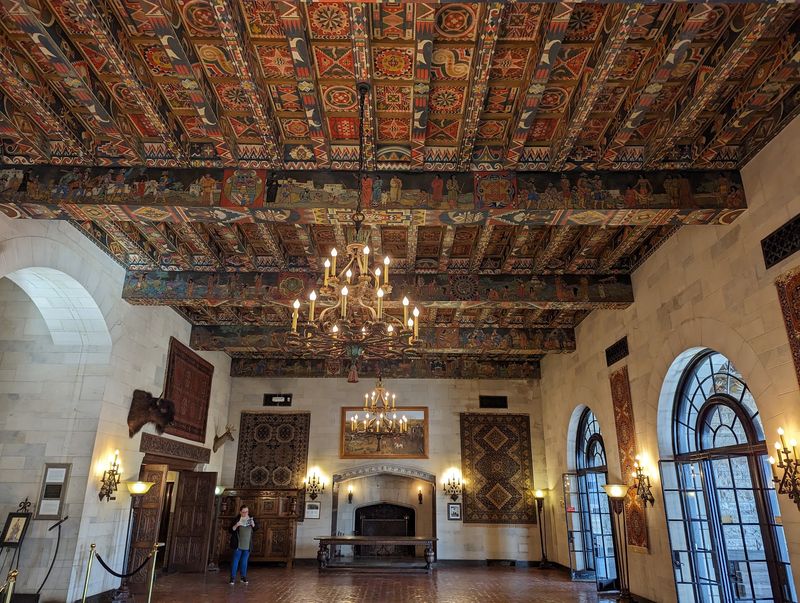
Some homes follow trends. Marland’s followed the masters of Italy.
The mansion was built in the Italian Renaissance style, with imported stonework and intricate detailing throughout. It covers about 43,561 square feet.
Marland brought craftsmen from Italy to help create it. That international touch shows up in nearly every corner.
The building is exciting both in style and in technical design. Clever, detailed architecture fills the structure from top to bottom.
Even with all that grandeur, the place is not dully showy. Many describe a welcoming, feel-good atmosphere rather than a cold monument.
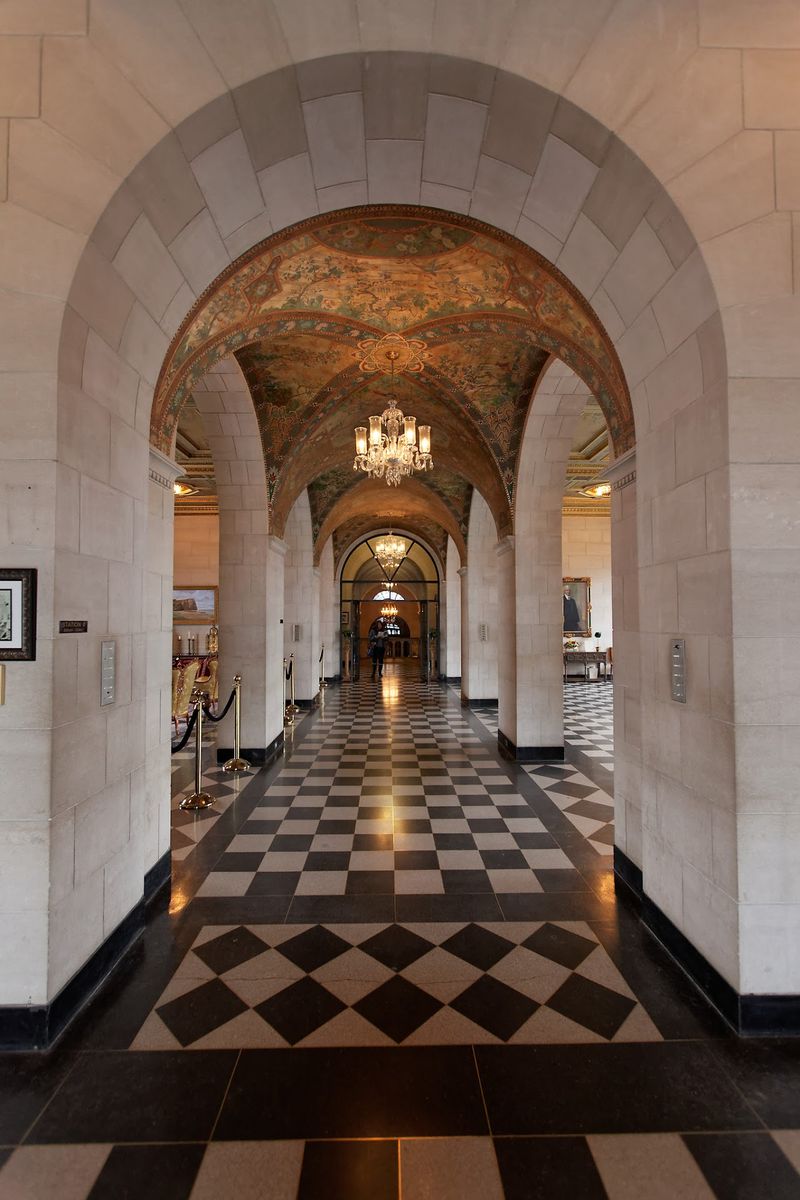
Architecture fans can spend real time here. Arches, stairways, and the variety of design styles reward slow looking.
Bring a camera and patience. The building has a way of making people stop mid-hallway.
4. Ceilings Worth a Sore Neck
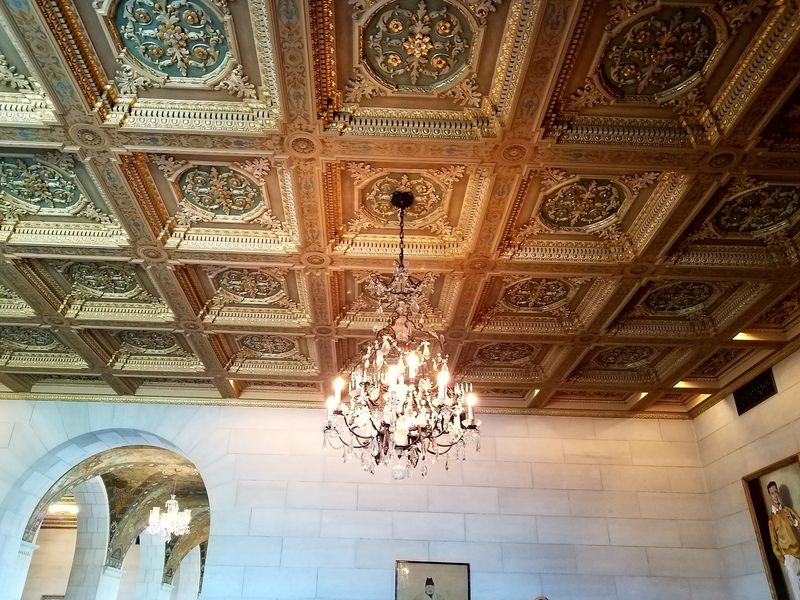
Look up. Seriously, that is the best advice for this house.
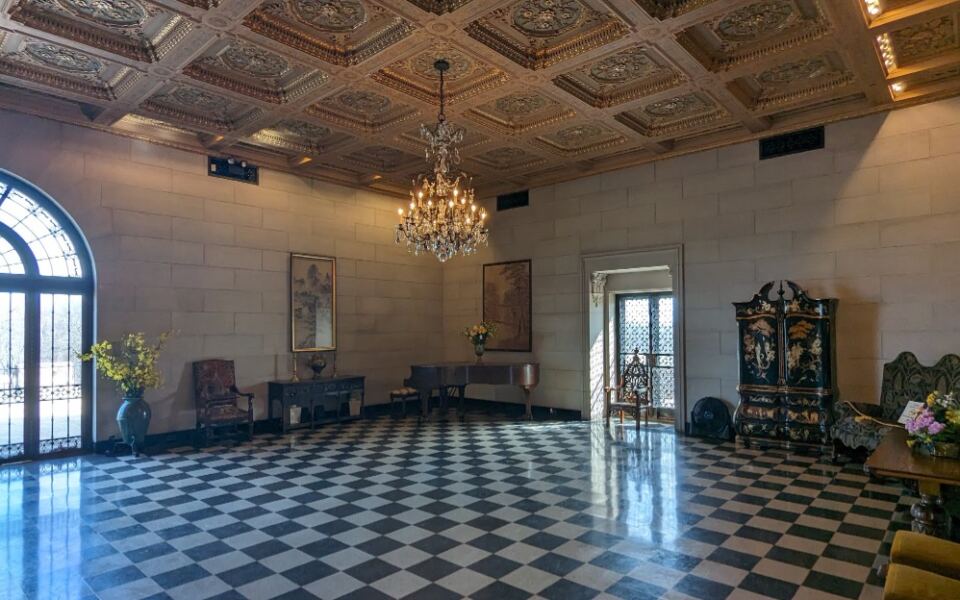
The ceilings are some of the stars of the show. Fantastic artwork covers them throughout the mansion.
Ornate chandeliers hang from many of them. Together they create rooms that feel like works of art from the top down.
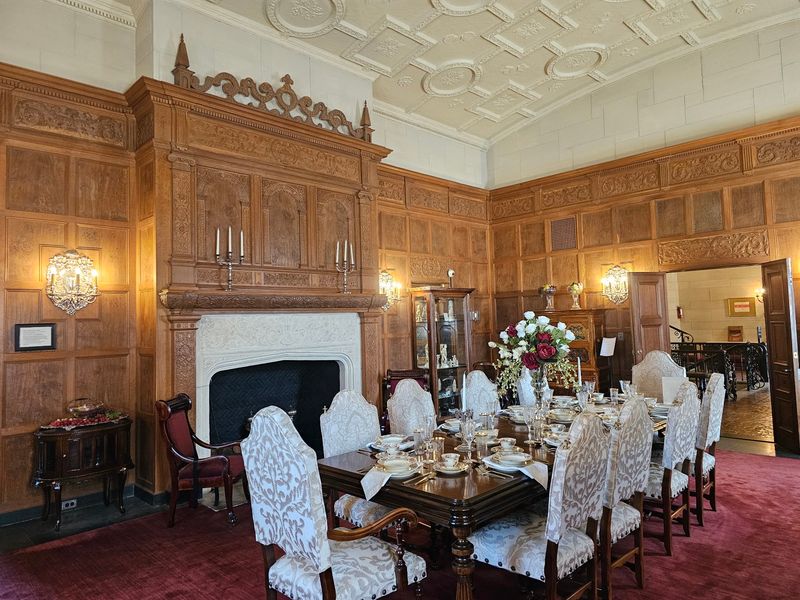
The woodwork deserves equal attention. Hand-carved details appear on walls, doors, and dramatic staircases.
All of this reflects the oil boom era at full speed. Money was no object, and craftsmen had room to show off.
The attention to detail is what keeps people lingering. Small touches turn up in places you might walk right past.
A guided tour helps point them out. Otherwise, a slow pace and an upward glance will do the trick.
5. Technology Ahead of Its Time
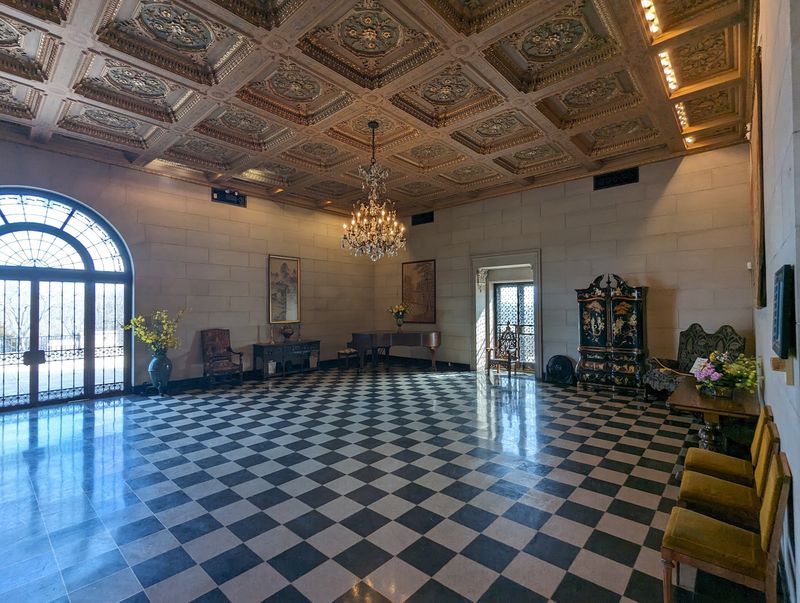
Fancy plaster is one thing. Marland also wanted comfort that few homes of his day could match.
The house was built with technology that was unique at the time. It included air conditioning, heating, and elevators.
That was cutting edge for the 1920s. It shows how far the oil fortune could stretch.
The elevator is not just a history lesson. Guests can still ride it between floors inside the mansion, which helps anyone who struggles with stairs.
Talk of a secret tunnel also comes up among guests. Ask your guide about it for the full story.
These features add a fun layer for kids and grownups alike. A palace with modern gadgets makes the past feel closer.
It turns out the boom built more than beauty. It built brains into the walls too.
6. Guided or Self-Guided
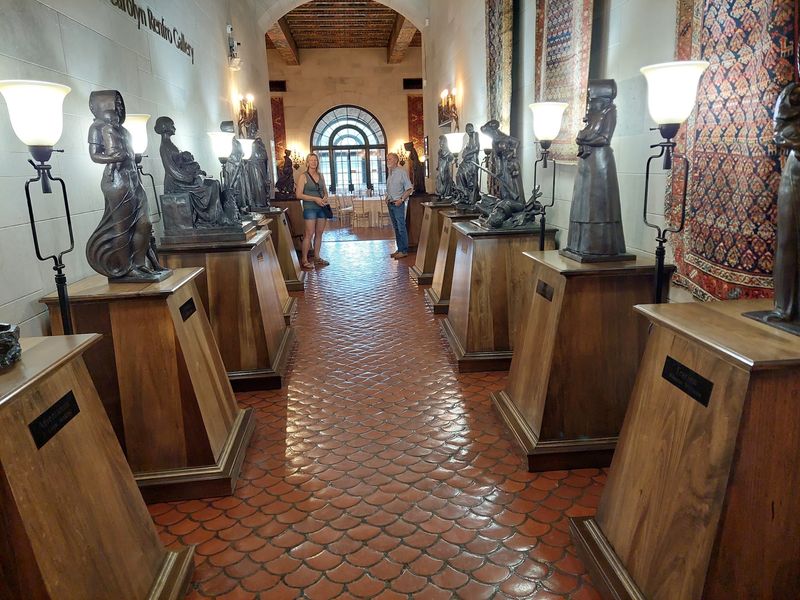
Two ways to explore, one tough choice. The mansion offers both guided and self-guided tours.
Self-guided guests receive a booklet to follow through the rooms. It works well for anyone short on time.
The guided tour, though, gets the loudest praise. Docents share facts and stories that bring the family history to life.
There is a bonus. Guided groups can enter rooms that are roped off for self-guided guests.
The guided route can also include the chapel and the house of Marland’s wife. That adds even more to see.
Staff members earn high marks for being knowledgeable and kind. Questions are welcome along the way.
For first-timers, the guided route is the smarter bet. The stories make the rooms make sense.
7. The Family Story That Lingers
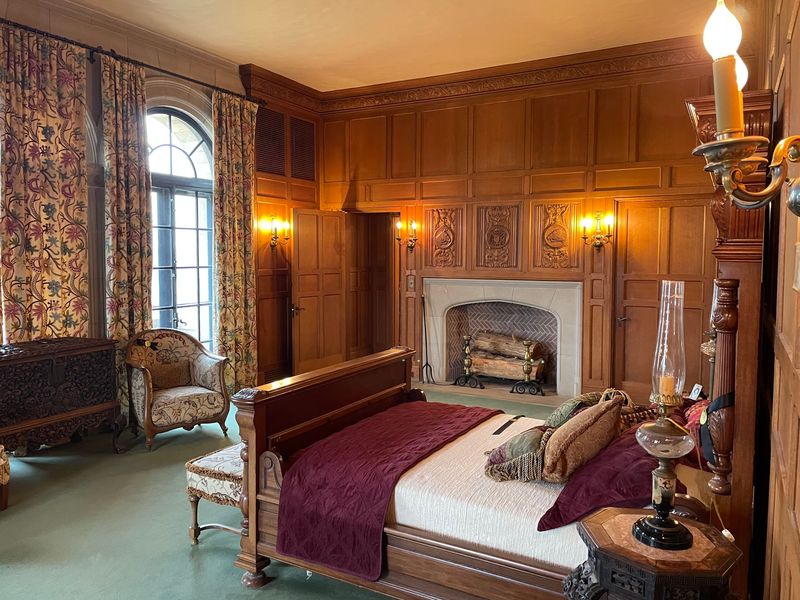
Grand houses can feel empty without people in them. This one stays full of story.
Guides share the history of the Marland family as part of the tour. It is the part many people remember most.
The tale has bright moments and difficult ones. Words like tragic and a little scary come up when guests describe it.
That balance is what gives the visit weight. Luxury on display sits next to a story of how fortune can shift.
The title’s promise lives here. Wealth built the palace, and the family story shows how it all slipped away.
Hearing it in the rooms where it happened hits differently than reading it in a book. The setting does the heavy lifting.
Bring older kids for this part. It sparks good questions on the drive home.
8. Art Collection Under One Roof
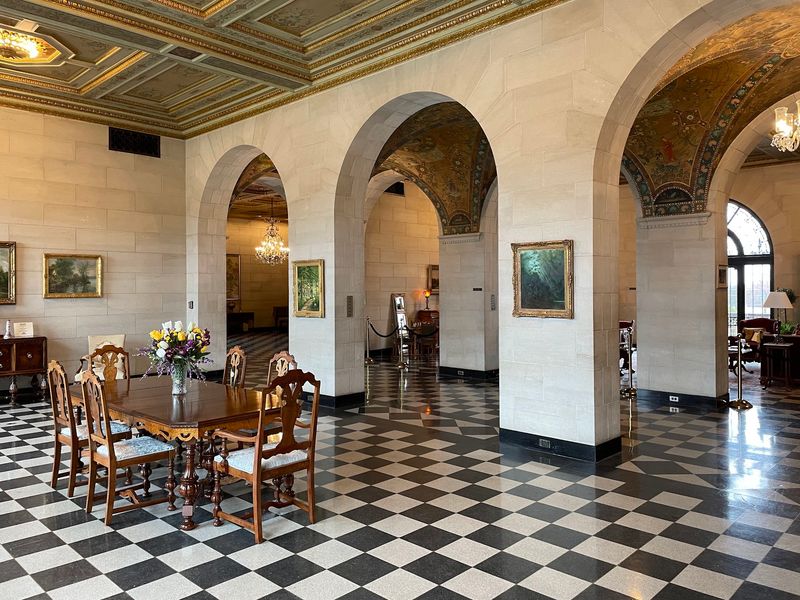
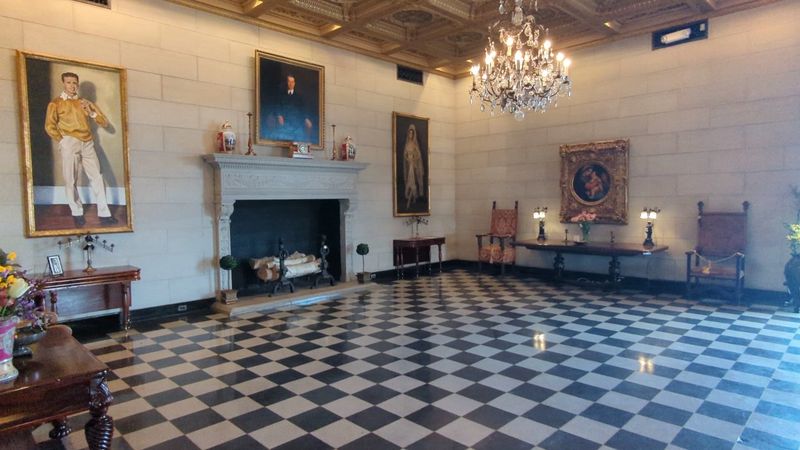
The walls here have stories of their own. The estate holds a fine art collection connected to the Marland family.
Historic furnishings fill the rooms as well. They give a real sense of early 20th-century living.
The house still feels lived-in rather than frozen. That makes the art feel at home instead of on display behind glass.
Grand ballrooms and formal dining rooms set the scene. Each space reflects the ambition of the boom era.
Art lovers will want extra time. The pieces blend with the architecture in ways that reward a second look.
Kids can play spot-the-detail as they go. It keeps younger guests engaged through the bigger rooms.
Culture, it seems, was part of the oil baron’s plan from day one.
9. Grounds, Statues, and Ducks
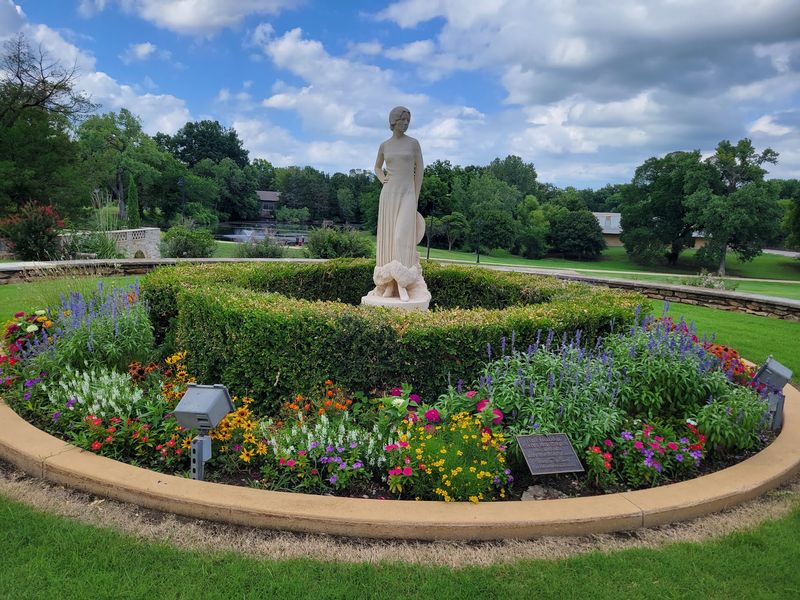
Not every highlight sits indoors. The grounds are open to the public and earn plenty of praise.
Paths let guests walk all the way around the house. That means views of the mansion from every angle.
Statues dot the landscape. Ducks and flowers add life to the scene.
The old pool has not been restored, so do not expect a swim. It still adds a hint of what the estate once was.
Even when the mansion is closed, people stroll the grounds and snap photos. It makes a nice free stop.
During graduation season, the lawns fill with students posing for pictures. The backdrop is hard to beat.
Pack walking shoes. The outdoor loop is part of the payoff.
10. Wedding Bells at the Palace
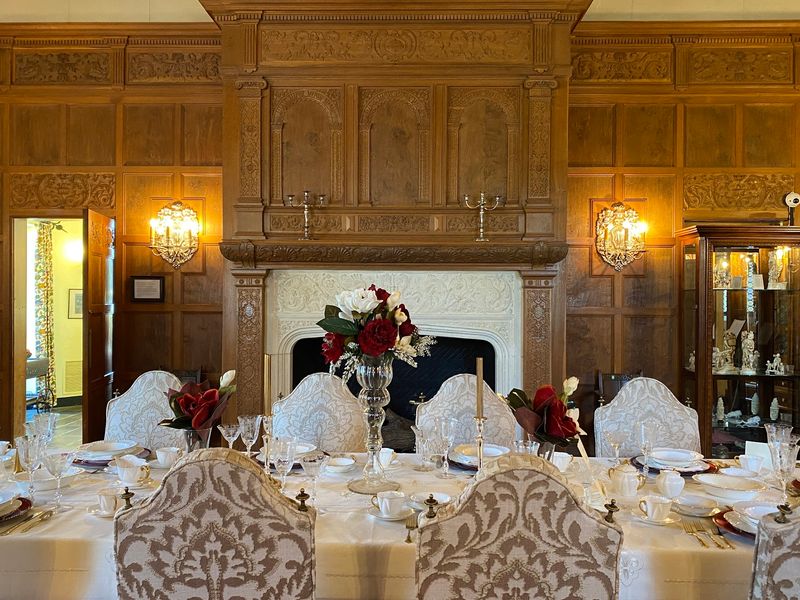
Plenty of couples say yes to the dress. Here, many also say yes to the house.
The mansion is a popular wedding venue. Photographers love the many settings, both inside and out.
Ponca City residents also use it for special occasions. That keeps the house active and part of community life.
The venue is described as affordable. Its castle-like look makes it stand out from typical event halls.
Planning tips matter, though. As a historic landmark, large events come with rules.
Read contract details closely and keep copies of emails. Ask about security requirements and guest limits before signing.
Do that homework, and the backdrop does the rest.
11. Who Will Love This Trip
History buffs, this one has your name on it. So do architecture fans and photographers.
Families with curious kids will find plenty to talk about. A rich man, a palace, and a twist ending make a strong story.
Couples looking for a classy afternoon fit right in. So do out-of-state guests seeing Oklahoma for the first time.
Guests with mobility concerns should plan ahead. The tour involves a lot of standing.
Bringing a walker with a seat can help. The elevator makes moving between floors easier.
Repeat trips are common. Several people mention going twice and planning a third visit.
That says plenty about how much this house holds.
12. Hours, Tickets, and Timing
A little planning goes a long way. The mansion opens Monday through Saturday from 10 AM to 5 PM.
It is closed on Sundays. Plan your weekend trip around a Saturday.
Adult tickets have been listed at about $10. Children and seniors over 65 may pay slightly less.
Prices and hours may change. Check the official website before driving.
Give yourself time. Guided tours run about an hour and a half, and some guests spend around 2.5 hours exploring.
Quiet weekdays can mean smaller groups. That may give you more time for questions.
The gift shop is small, so treat the house as the main event.
13. Worth the Drive North
Oklahoma likes to surprise people. This house is one of its best surprises.
It packs Italian craftsmanship, 1920s technology, and a gripping family story into one stop. The grounds add a free stroll on top.
The price stays friendly for families. The history stays with you long after.
Most of all, the mansion tells an honest story. It shows how high an oil fortune could climb, and how quickly things could change.
That lesson fits right in with Oklahoma’s frontier and boom-town roots. It is heritage you can walk through.
Pack the car, check the hours, and head to Ponca City.
The palace on the prairie is still waiting, and it still has stories to share.
Share this story