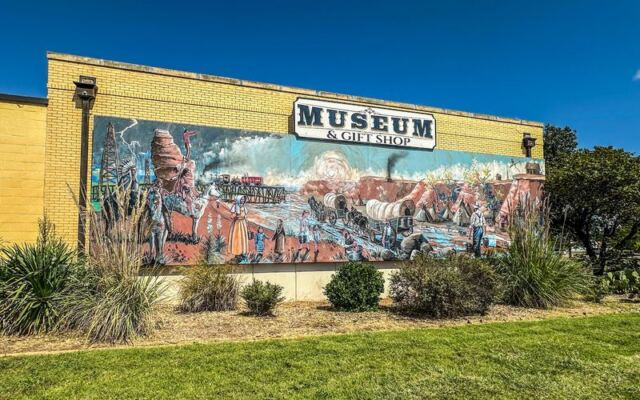
Out in northwest Oklahoma, a modest building in Woodward holds far more history than its outside suggests. Inside, Native Plains heritage, pioneer settlement stories, old firearms, fresh art and even a famous 1940s tornado share the same floor plan.
Best of all, the front door costs nothing to walk through, just a donation box for anyone who wants to chip in. Keep reading for the full tour, the hours and the side door most people almost miss.
1. A Woodward Address Worth Knowing
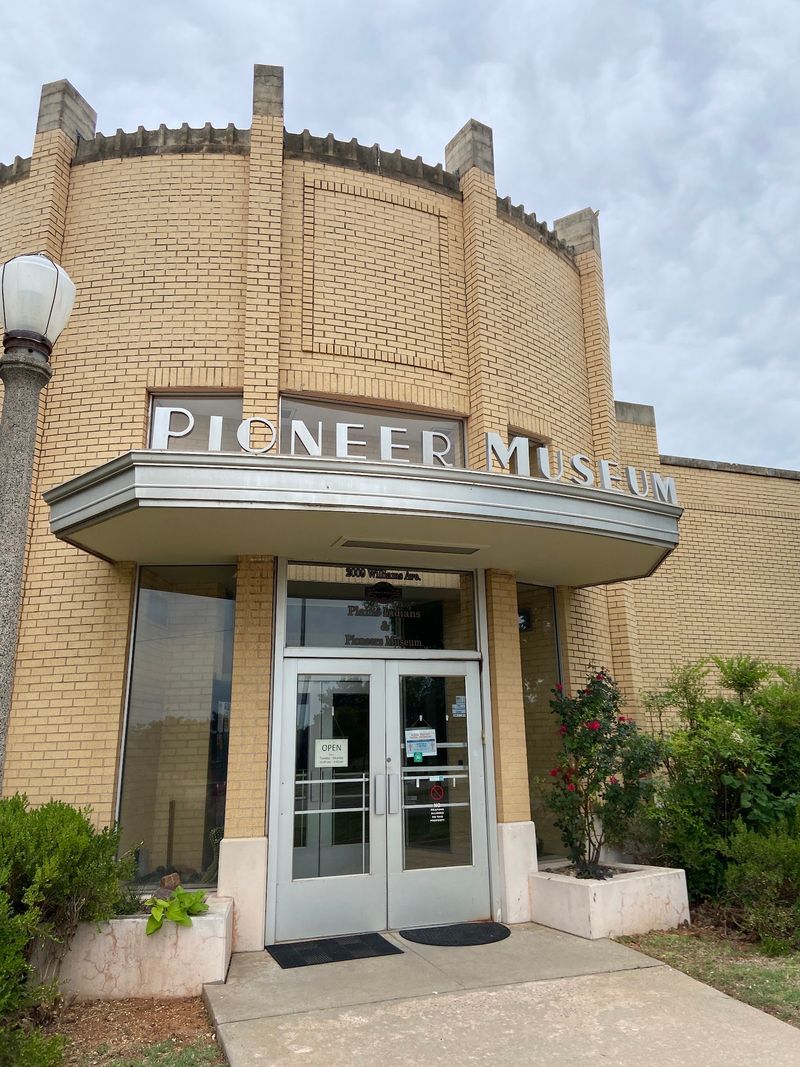
Every good road trip needs a destination, and this one sits right on the map at 2009 Williams Ave, Woodward, OK 73801.
The Plains Indians & Pioneers Museum anchors this northwest Oklahoma town in the United States as its keeper of regional memory. It is a museum devoted to the history of Northwest Oklahoma, gathering artifacts, written and oral records, and photographs in one place.
For families in Oklahoma City or Tulsa, Woodward makes a solid day-trip target. The drive out offers a reminder that this state stretches far beyond any single skyline.
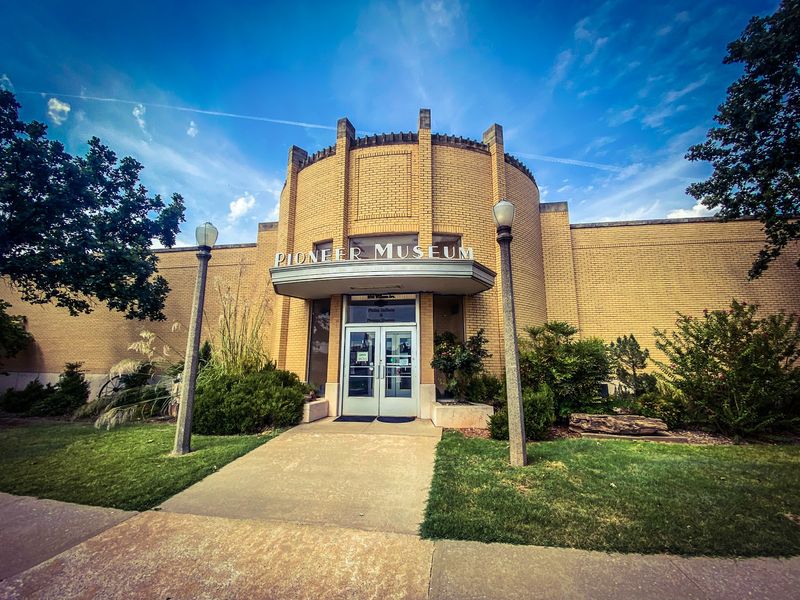
Once there, the building itself may look modest. That first impression is part of the fun, because the collection inside turns out to be much bigger than the outside lets on.
The museum holds a 4.7-star standing from well over a hundred people who have made the trip. That is a strong showing for a small-town stop that charges no admission.
Parking and finding the entrance are straightforward, so the adventure starts quickly. A guest book waits near the front for anyone who wants to leave a name behind.
Consider it a friendly little welcome mat for curious travelers, and a sign that the stories inside are meant to be shared.
2. Northwest Oklahoma’s Story Under One Roof
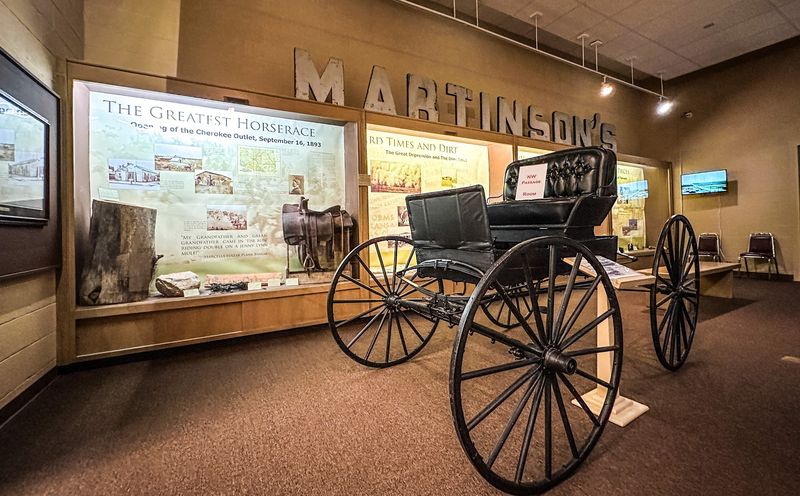
History rarely fits neatly into one box, yet this museum gives it a good try.
Its mission covers the whole sweep of Northwest Oklahoma. Artifacts sit beside written records, oral histories and old photographs, so each era gets more than one way to tell its tale.
The layout is small but carefully planned. Stories weave from one exhibit to the next, and the history of the town, the state and the country all get their turn.
That thoughtful flow matters in a compact space. Instead of feeling crowded, the displays lead naturally from one chapter to another.
The displays intertwine Woodward’s own history with the long presence of Native peoples on the plains. Many people leave having learned about the area things they never knew before.
For Oklahomans who like proving their state has depth, this is useful ammunition. The northwest corner is often skipped in conversation, but its past is layered and lively.
Each case adds another piece to the puzzle. By the end, the region feels less like empty space on a map and more like a place with a long, busy memory.
3. Plains Nations and Their Enduring Crafts
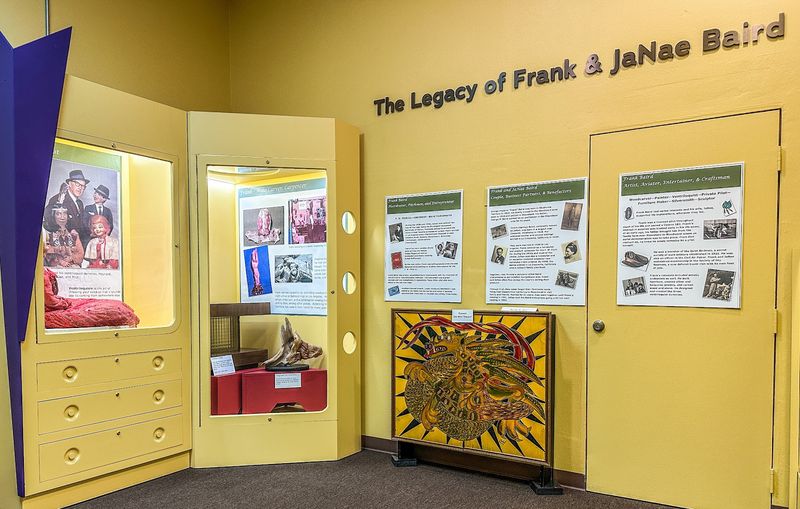
Long before wagon wheels rolled across this prairie, Native nations called the plains home, and the museum’s name puts them first for a reason.
Exhibits cover Native American history, crafts and conflicts. That combination gives a fuller picture than objects alone could manage.
Craftwork on display shows skill and artistry handed down through generations. The history panels explain the people behind the pieces rather than leaving them as mere curiosities.
The conflicts are part of the story too. Covering them honestly helps young people understand how the region changed and who was affected.
The collection features quite a few Native American artifacts. Those pieces form one of the strongest threads running through the building.
For families, this section can spark meaningful conversations. Kids often ask big questions here, and the exhibits give grownups solid material for answers.
Oklahoma’s identity is deeply tied to its tribal nations. A stop like this one honors that connection in a way that feels respectful and grounded.
It is a quiet, important corner of the museum, and many people find themselves lingering longer than planned.
4. Homesteads to the Mid-Twentieth Century
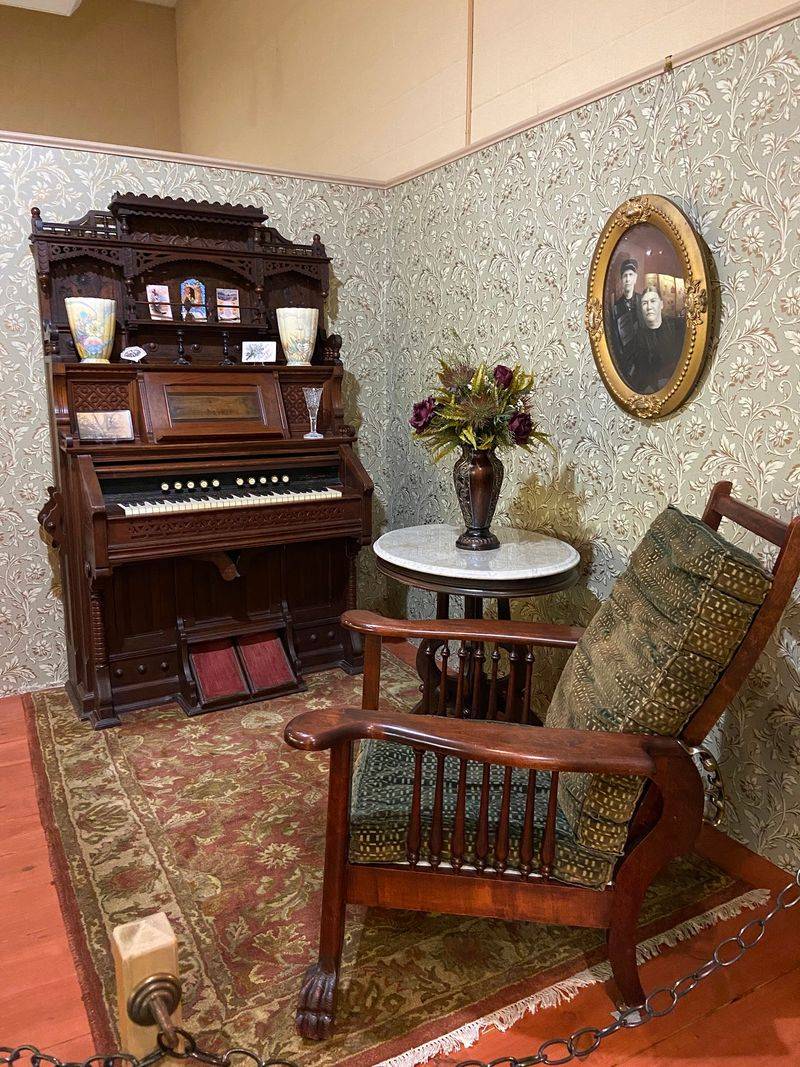
Settlers arrived with big hopes and very little else, and their story picks up where many old textbooks drop off.
The pioneer exhibits run from the days of early settlement all the way into the mid-20th century. That long timeline lets the region’s growth unfold step by step.
Household items, tools and photographs show how daily life changed over the decades. Each generation adds a new layer, and the changes come into focus quickly.
Pioneer artifacts appear throughout the museum in good numbers. They sit alongside the Native collections, which helps show how different groups shared and shaped the same land.
The exhibits are well made and clearly presented. Even short attention spans tend to stay engaged, which is a win for parents.
Grandparents often enjoy this part most. Some objects may look familiar to older generations, turning the visit into a chance to swap family stories.
Kids, meanwhile, get to see how much has changed since great-great-grandma’s time. A few may even appreciate their tablets a little more afterward.
Frontier life was hard work, and this section makes that plain without heavy lecturing.
5. Characters Who Shaped Woodward
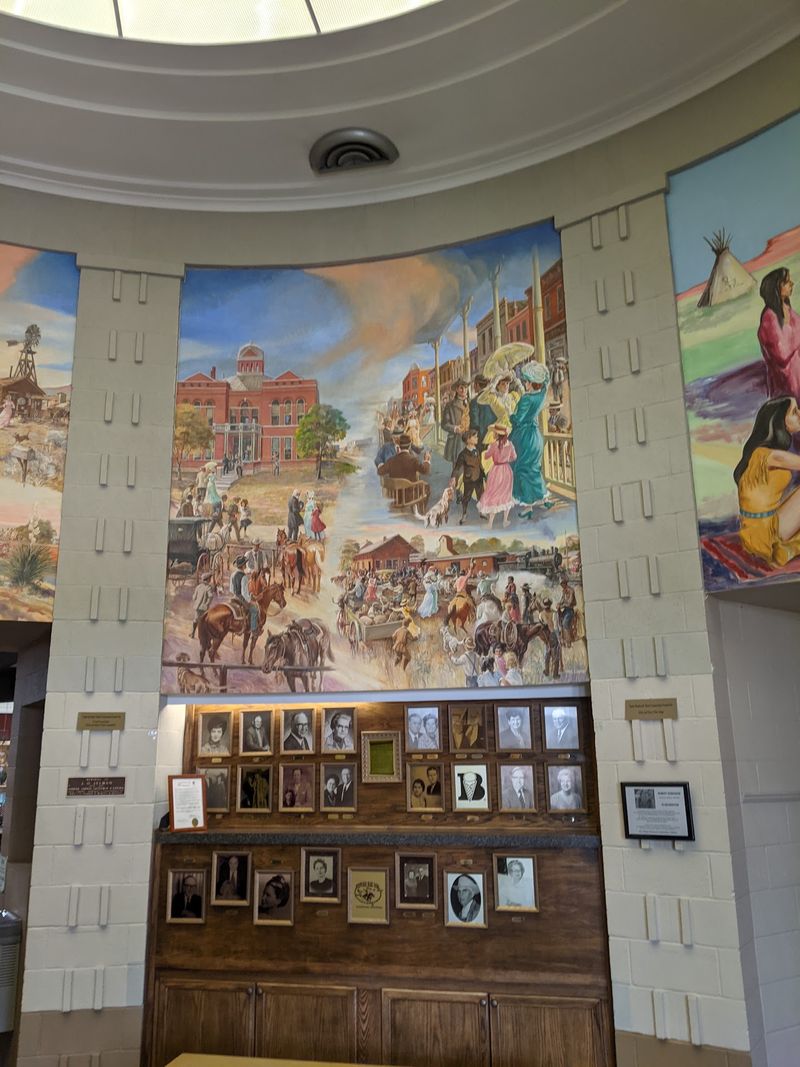
Every town has its legends, and Woodward has a few worth reading about.
Well-written exhibits introduce interesting characters from the town’s past. Several noteworthy citizens get their own spotlight.
These profiles turn history from dates into people. A name on a panel becomes someone with ambitions, quirks and a part in building the community.
Writing quality makes a difference here. The panels are clear and engaging, so reading them feels more like hearing a story than studying for a test.
For locals, the section may answer questions about street names or old family connections. For out-of-towners, it offers a quick way to understand what makes Woodward tick.
Short visits can skim these panels in minutes. Slower readers, though, may find this is where an hour quietly slips away.
A smart move is to let kids pick one character and report back on the drive home. It turns a museum stop into a small detective game.
By the end, Woodward stops being just a pin on the map and starts feeling like a hometown full of personalities.
6. The Late-1940s Tornado Chapter
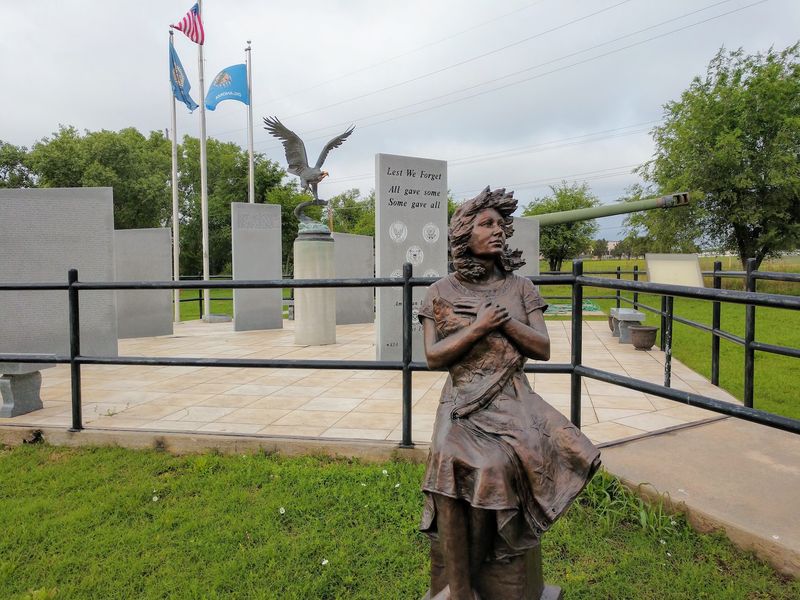
Oklahomans know tornado season well, and Woodward holds a notable place in that weather history.
The museum includes an exhibit about a tornado that struck in the late 1940s. It stands out as one of the more memorable stops on the tour.
Historic photos and records help explain the event and how the community responded. The focus leans toward resilience and recovery, which suits family audiences.
Weather is woven into life on the plains. Seeing how one storm shaped a town gives kids a real-world connection to the warnings they hear every spring.
Older relatives may have heard stories about this period from their own parents. The exhibit offers a chance to compare those family memories with the documented record.
It is a sobering section, yet it is presented with care. The emphasis on rebuilding makes it more inspiring than frightening.
Plenty of museums cover pioneers and artifacts. Fewer can point to a local weather event that left such a lasting mark on their community.
This chapter proves the town’s history includes more than settlement alone, and it may change how younger guests think about the next siren test.
7. Old Firearms and a Rotating Art Wall
Not everyone in the car will be equally excited about history, and the museum seems to know it.
Old firearms on display tend to win over those who arrive as reluctant passengers. The historic pieces add a frontier flavor that pairs well with the settlement exhibits.
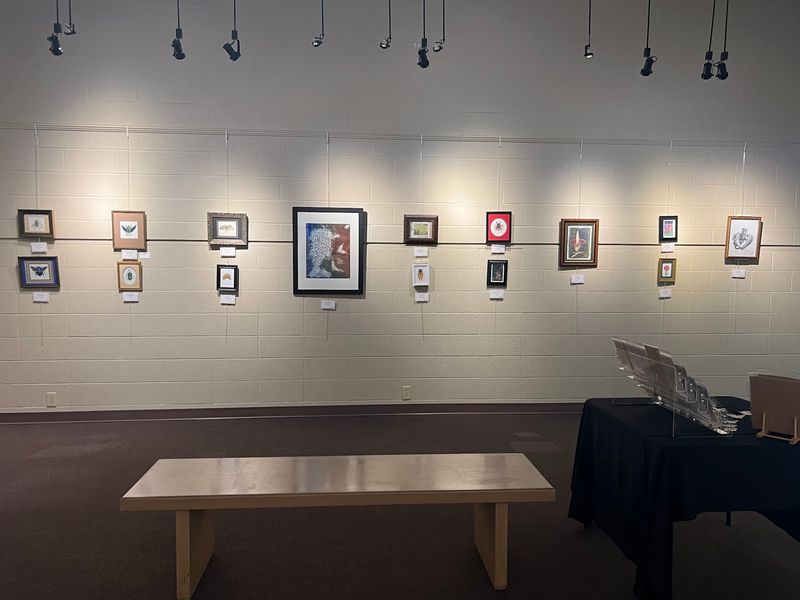
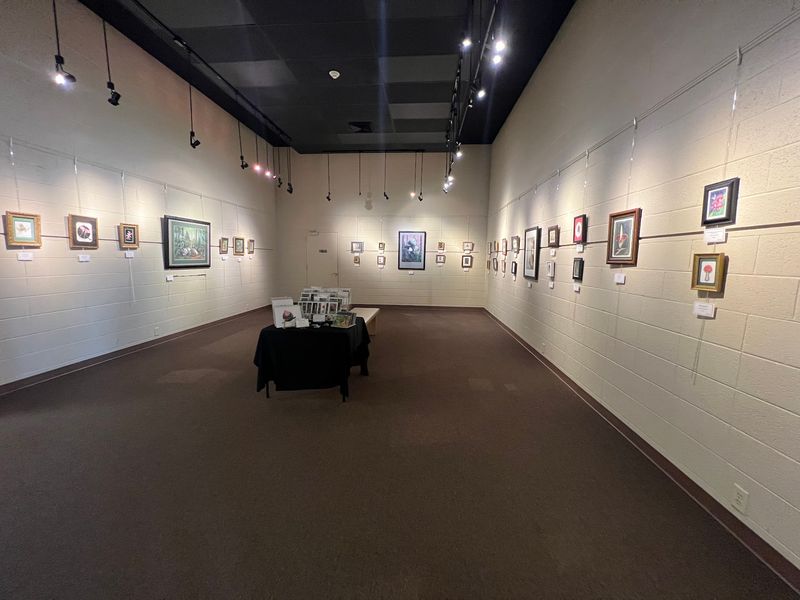
Art is the other crowd-pleaser. Paintings and artwork appear throughout, adding beauty to the history lessons.
The museum has also offered new art exhibits on a monthly basis. That rotation means a return trip may reveal something fresh on the walls.
Local art sits comfortably beside native culture and pioneer relics. The mix gives the building a range that covers nearly everything in the middle.
For families with a budding artist, this section can be a highlight. Kids can sketch a favorite piece while grownups read nearby panels.
Monthly changes are worth confirming before a drive, since exhibit schedules may shift. A quick look at the museum website at nwok-pipm.org can help with planning.
Between the antique hardware and the canvases, this corner proves that history and art make surprisingly good neighbors.
8. The Ag Building Bonus Round
Here is the tip that separates a quick stop from a complete one: do not skip the Ag building.
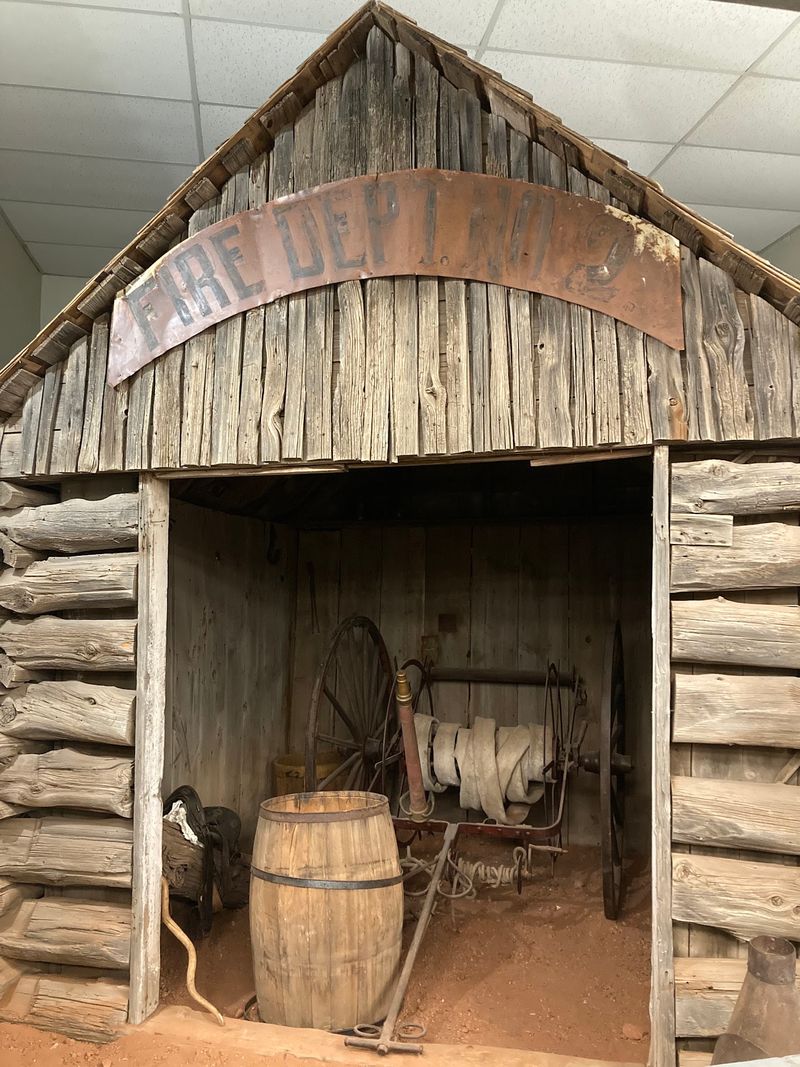
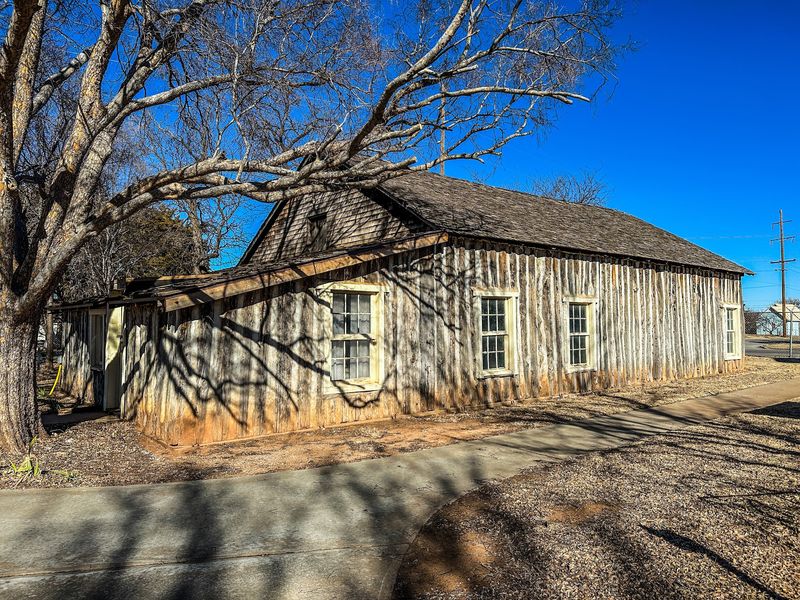
The museum’s agricultural exhibits are housed in their own building. Many people make a special point of seeing them, and it is easy to understand why.
Farming built much of northwest Oklahoma. The Ag exhibits connect the pioneer story to the fields and ranches that still define the region today.
For kids raised in town, this can be an eye-opener. Seeing older farm equipment and tools explains where so much of the state’s work once happened.
Families with farming roots may find it especially meaningful. Grandparents might spot equipment similar to what they once used or saw as children.
Because it is separate from the main galleries, it can slip past hurried guests. Asking the staff for directions is the simplest way to make sure it stays on the list.
Budgeting a little extra time for this building is wise. Those who allow an hour or more for the full museum tend to feel they caught everything.
Consider it the hidden track at the end of the album, and well worth the extra steps.
9. Metal Sculptures and a Veterans Memorial
A side door inside the museum leads somewhere many guests never expect to go.
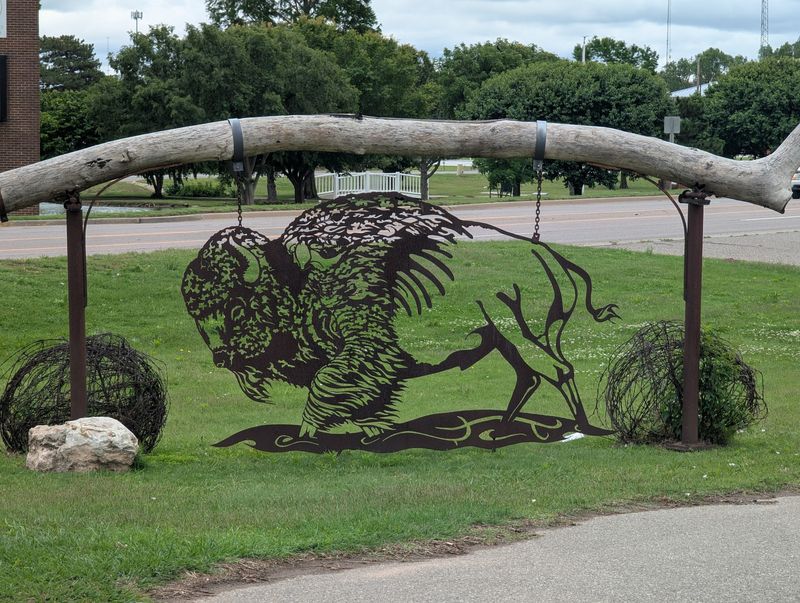
Through it are pretty grounds dotted with metal sculptures made by a local artist. The pieces are playful and tasteful, and they tend to draw smiles and a few chuckles.
Kids especially enjoy this stretch. After time spent reading panels, a bit of outdoor wandering among creative sculptures makes a welcome change of pace.
The museum deserves credit for giving a local metal artist space to share work with the public. It adds personality and shows community pride in a very visible way.
Outside the building, there is also a veterans memorial. It offers a quiet moment of respect and connects local history to national service.
Families can pause here to talk about relatives who served. It is a simple, meaningful addition to the day.
The side door is easy to overlook, so it helps to ask staff where it is. Missing the grounds would mean missing one of the most charming parts of the visit.
Sometimes the best room in a museum is the one without a roof.
10. Souvenirs Made Close to Home
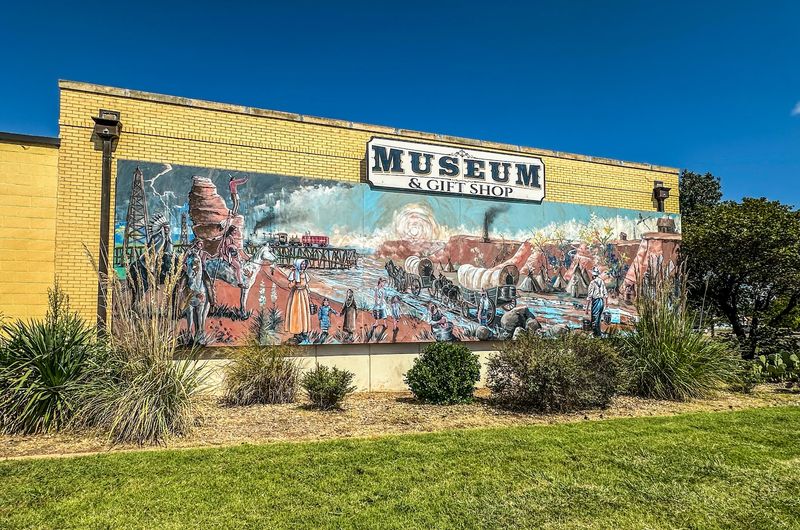
Some gift shops feel like an afterthought, but this one regularly earns its own praise.
The small shop stocks locally crafted items. That gives souvenirs a real connection to the region rather than generic trinkets.
Prices are considered reasonable and affordable. There is something for nearly everyone, which helps when several family members each want a keepsake.
Museum tee-shirts are part of the lineup. Popular sizes can run out, so anyone with a specific size in mind may want to grab one early.
Browsing is relaxed and pleasant. It makes a nice final stop before heading back to the car.
Purchases here also help support the museum. Since admission is free, the gift shop and donation box play a role in keeping the doors open.
Kids with a small allowance can usually find something within reach. That makes it a handy lesson in budgeting, too.
A locally made piece on the shelf at home becomes a reminder of the trip. Long after the drive, it keeps the story of northwest Oklahoma close by.
11. Friendly Docents and a Relaxed Mood
Smiles at the front desk set the tone before a single exhibit comes into view.
The staff stands out as one of the museum’s biggest strengths. Friendliness comes up again and again, along with helpful and informative docents.
Guests are greeted warmly and invited to explore at their own pace. Questions are welcomed, and answers often add details the panels leave out.
The atmosphere is relaxed and classy. It feels polished without being stiff, so families do not need to tiptoe.
The museum suits all ages. Grandparents bringing grandkids appear to be a common and happy combination here.
History fans will find plenty to read. Casual guests can enjoy the art, sculptures and gift shop without feeling overwhelmed.
Small size works in its favor. Nothing feels rushed, and the space is easy for little legs to cover.
For a first museum trip with young kids, this is a comfortable starting point. The welcome alone can make children feel like honored guests rather than tag-alongs.
12. Hours, Donations and Time to Budget
Good planning keeps a free outing truly stress-free.
The museum is open Tuesday through Saturday from 10 AM to 5 PM. It is closed on Sunday and Monday, so weekend trips work best on Saturday.
Admission is free. A donation box sits near the entrance, and a recommended donation helps support the exhibits and staff.
Time needs vary widely. A quick walk-through can take 20 to 30 minutes, while dedicated readers might spend more than three hours.
Most families land somewhere around an hour to an hour and a half. Adding the Ag building and outdoor grounds pushes the visit toward the longer end.
Hours and exhibit schedules may change. Calling ahead or checking the website at nwok-pipm.org before driving is a smart habit.
Woodward is a solid drive from the state’s bigger cities. Pairing the museum with lunch in town turns it into a full, low-cost day.
Arriving soon after opening gives the most breathing room, and it leaves the afternoon free for the scenic ride home.
13. Why the Drive to Woodward Pays Off
Big history does not always need a big building, and Woodward proves it with ease.
In one stop, families can explore Native Plains heritage, pioneer settlement, colorful local characters and a famous 1940s tornado. Add rotating art, old firearms, an Ag building and sculpture-filled grounds, and the day fills up nicely.
All of it comes with free admission. That makes it one of the friendliest values on any Oklahoma road-trip list.
The museum has more to offer than it appears from the outside. Its quality exhibits and careful presentation leave many guests pleasantly surprised.
Friendly docents and a relaxed atmosphere make it easy for every age group. Grandkids and grandparents alike tend to find something to love.
For Oklahomans who enjoy showing off their state, this is a strong example. The northwest corner holds real stories worth the drive.
A small donation helps keep those stories available for future generations. It is a simple way to say thanks for a well-spent afternoon.
Pack the car, check the hours and head west, because Woodward’s past has been waiting patiently for new company.
Share this story