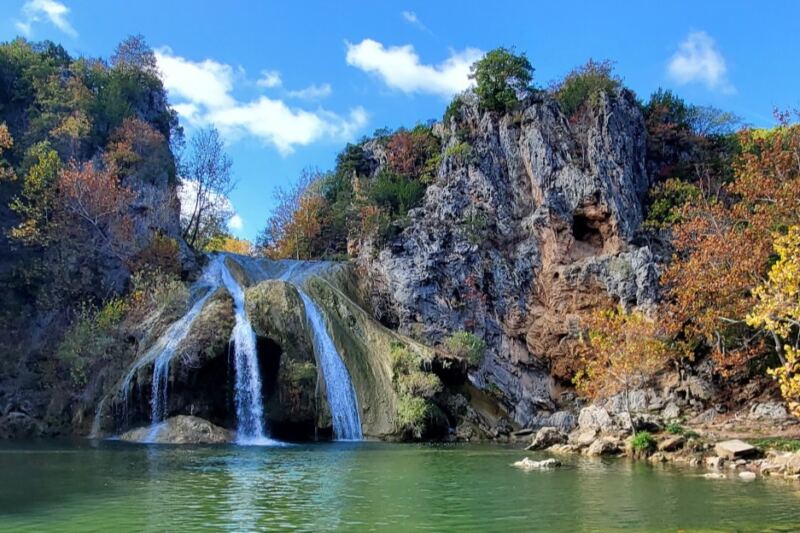
A donkey is chewing on your side mirror, an ostrich is tapping your window, and the kids in the back seat cannot stop laughing. That is an ordinary Tuesday morning just a few minutes down the road from one of the most famous waterfalls in Oklahoma.
Families from Oklahoma City, Texas, and small towns all over the state make this drive for one reason: the animals come to the car, and the kids get to feed them by hand. The roads are bumpy, the feed cups run out fast, and the whole thing feels a little wild.
Keep reading for the hours, the feed strategy that seasoned families swear by, which animals to save your snacks for, and the one type of car you should leave at home.
1. A Safari Park Seven Minutes From the Falls
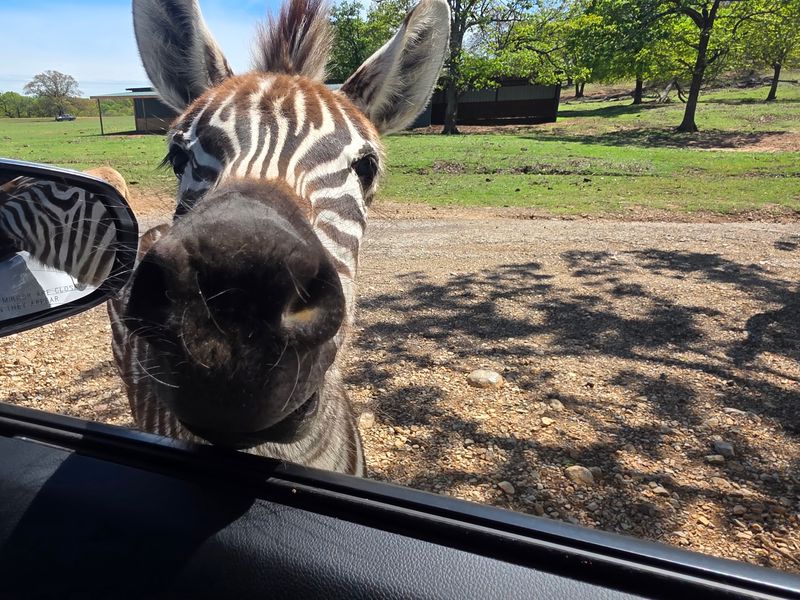
Most people drive past the exit for Turner Falls with swimsuits on their minds and never realize a herd of zebras lives right around the corner.
Arbuckle Wilderness sits at 6132 Kay Starr Trail, Davis, OK 73030, in the Arbuckle Mountains region of south-central Oklahoma. The drive between the waterfall park and the safari gate takes about seven minutes, so pairing them in one day is easy.
The park is a drive-thru exotic animal attraction. Guests stay in their own vehicles and follow a winding road through pastures and pens filled with animals from around the world.
Along with the self-drive tour, the property lists a petting zoo, a reptile center, and a few small rides. The main event, though, is clearly the safari road itself.
Families coming from Oklahoma City treat it as a full day trip. Travelers heading up Interstate 35 between Texas and OKC often spot the roadside signs and pull over on a whim.
That mix of planned outings and spur-of-the-moment stops tells you a lot. This is a place that works as a destination and as a detour.
So where does the adventure actually begin? Right at the gift shop counter, with a cup of feed.
2. Decades of Family Road Trip Memories
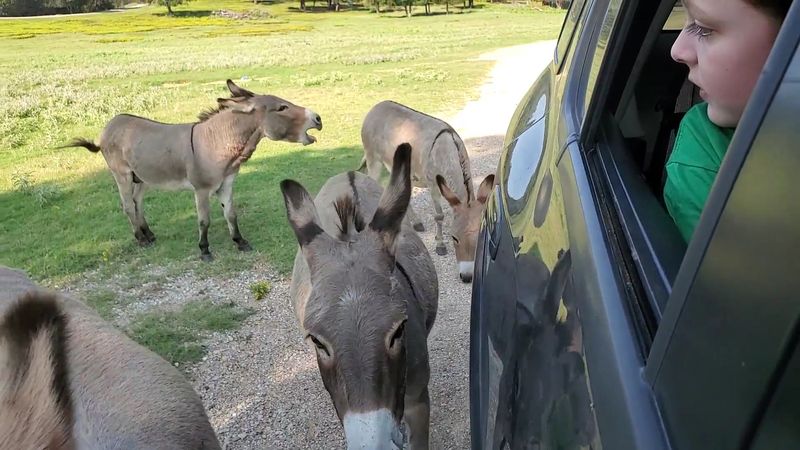
Ask an Oklahoma parent about this park and there is a good chance they will tell you they went as a kid.
Arbuckle Wilderness has been welcoming carloads of families for a long time. Some folks remember trips from 20 or even 40 years ago, back when the property had bouncy houses and more walk-around attractions.
Today the experience has slimmed down. The safari drive is now the star, and the extras that once filled the grounds are mostly gone.
For some returning families, that change stings a little. They speak fondly of the park in its earlier days and hope someone will invest in bringing it back to full strength.
Others have turned it into a yearly tradition anyway. One family makes a point of going at least once every single year and says each visit still feels special.
That kind of loyalty is rare for a roadside attraction. It shows how much a simple idea, feeding animals from your car window, can stick with people.
Grandparents now bring grandchildren to the same gate they drove through decades ago. Few things say Oklahoma nostalgia quite like that.
3. The Feed Cup Rule Every Family Learns
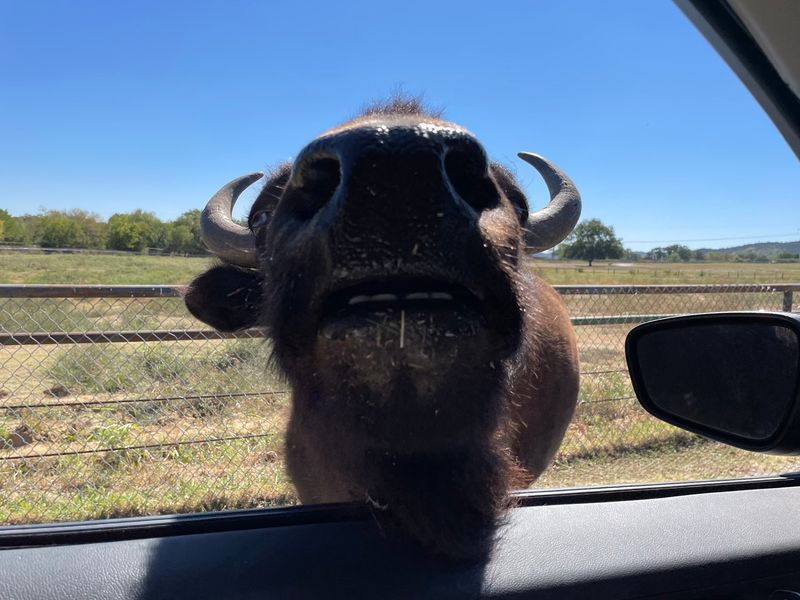
Here is the single most repeated piece of advice about this park: buy more food than you think you need.
Feed is sold at the entrance in cups. Recent prices have landed around $5 to $6 for three cups, though costs may change, so check before you go.
Three cups sounds like plenty. It is not.
One couple watched a full cup vanish on deer and donkeys alone, and the second cup disappeared into a single hungry bison. A group with two adults found six cups to be close to the right amount.
Another family bought fifteen cups and still ran short. A party of four adults grabbed the largest package and wished they had bought two.
There is currently no spot to buy extra feed halfway through the drive. Once you pass the gate, what you have is what you get.
Staff ask that animals only be fed from the provided cups. Stick to that rule and the animals stay healthy and happy.
A practical target is around six cups per two people. Families with excited kids should go higher.
Also, do not forget the separate turtle food. Those shelled residents deserve a snack too.
4. Donkeys Run the Welcome Committee
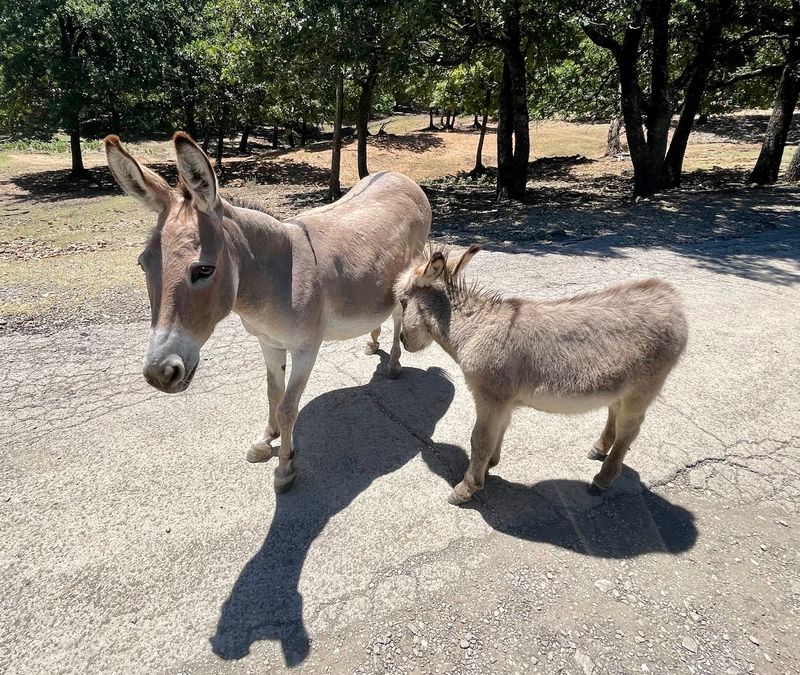
Nobody warns you that the donkeys will treat your car like a drive-thru restaurant.
Donkeys are by far the most talked-about animal at the park. They gather in big groups, they follow cars down the road, and they are relentless about snacks.
Some will nibble on a side mirror while waiting. It looks dramatic, but cars typically come through without damage.
A few guests have joked that the place could be renamed a donkey safari. The herd is that large.
For little kids, though, the donkeys are often the highlight. They are calm, curious, and eager to eat right out of a cup.
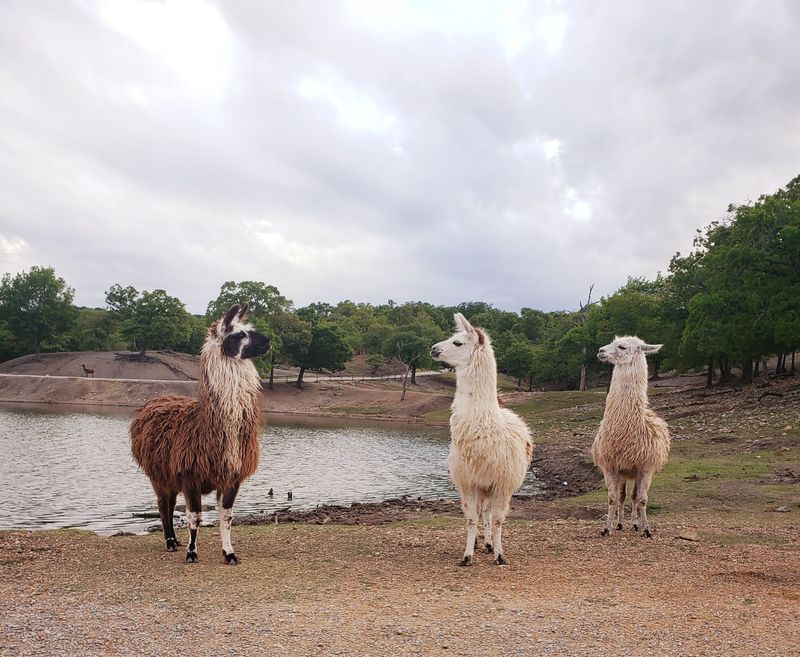
Llamas are close behind in popularity. They have a habit of trailing cars down the road, hoping for another handful.
Deer also approach vehicles early in the drive. Emus and ducks wander near the start as well.
Here is the catch: these early greeters can empty your feed supply fast. They are cute, and they know it.
A smart move is to ration from the very first stop. Hand out small portions and keep the cup moving, because the bigger animals are still ahead.
5. Save Some Snacks for the Big Stars
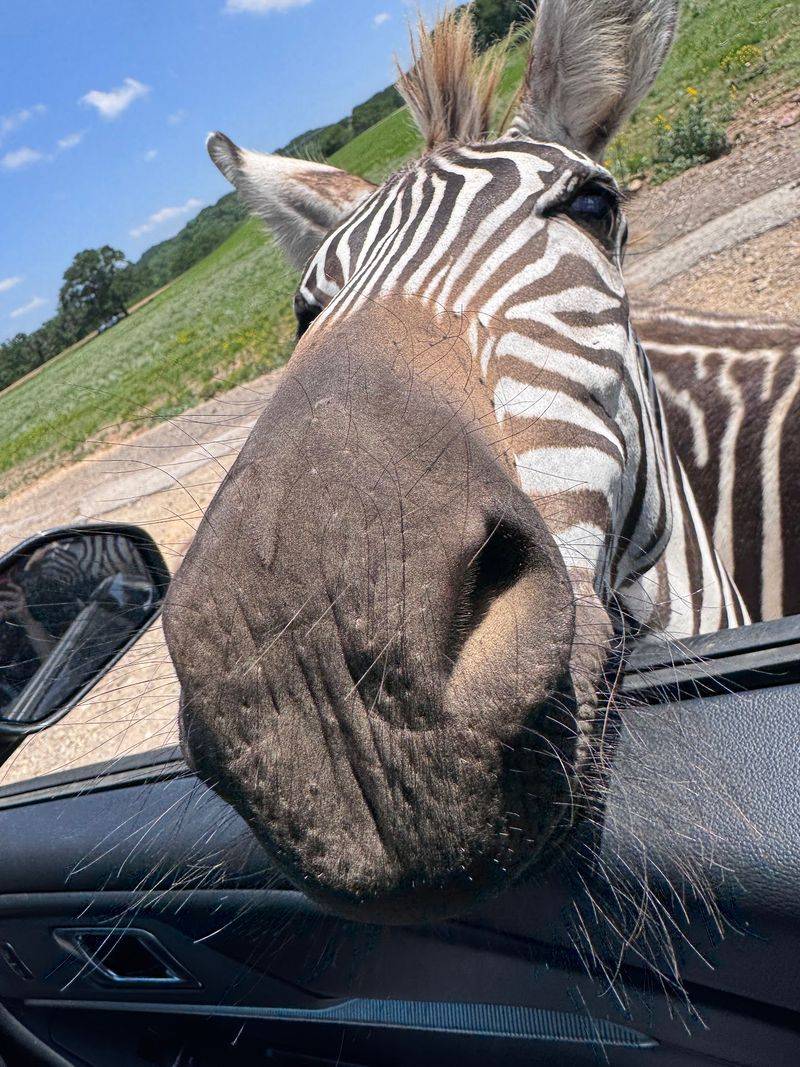
The best part of the drive comes near the end, and that is exactly why so many cups are empty by then.
Bison, zebras, ostriches, a camel, and a giraffe live in the later sections of the route. Families who plan ahead hold back a portion of their feed just for these animals.
Bison are known to be hearty eaters. One shaggy customer can work through an entire cup in no time.
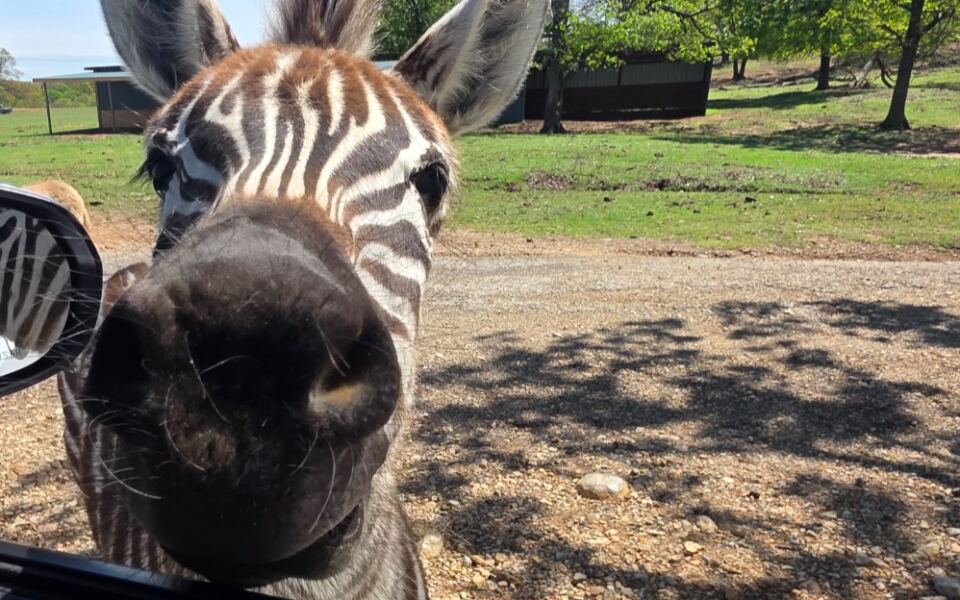
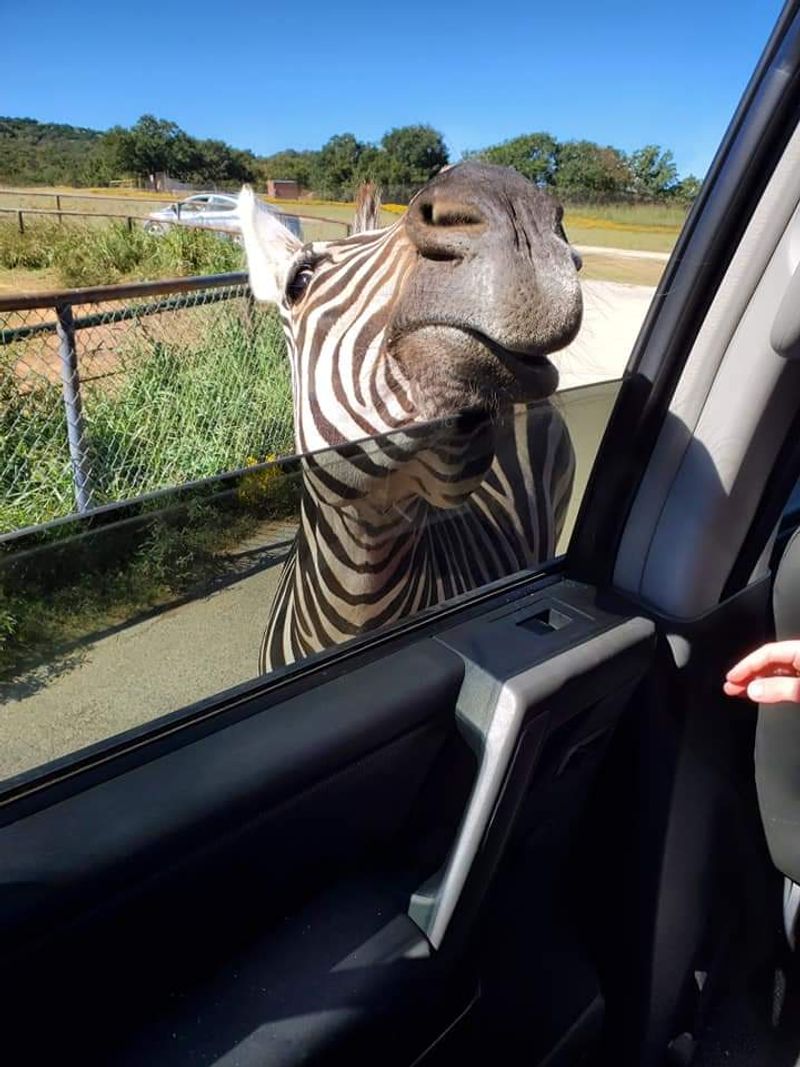
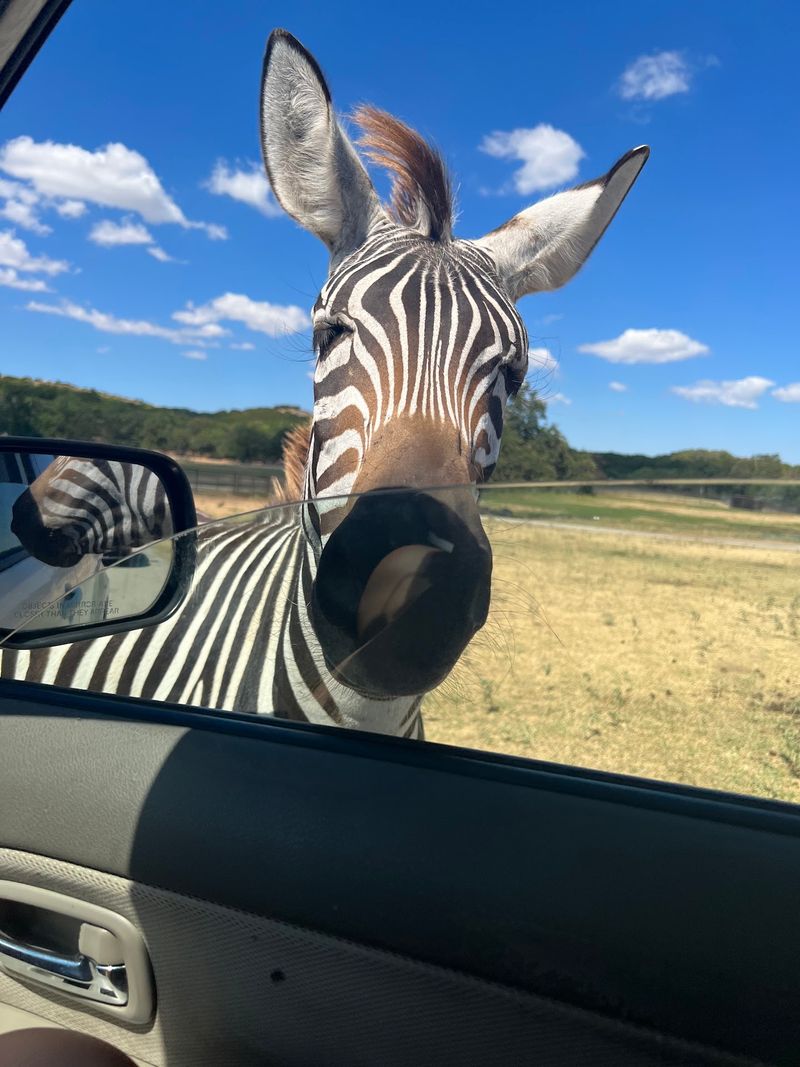
Zebras will lean right in toward the window. One family laughed about having to wash zebra slobber off their car for the first time ever.
Ostriches are bold and may peck at glass. It is surprising the first time, but it is part of the fun.
The giraffe has not appeared on every trip. Some groups have fed it, while others did not spot it at all.
A solo driver once ran out of food before reaching the zebras and ostriches. The window stayed closed for the grand finale.
Do not let that happen to your crew. Tuck away at least one cup for the last stretch.
6. Wolves and a White Tiger Behind the Fences
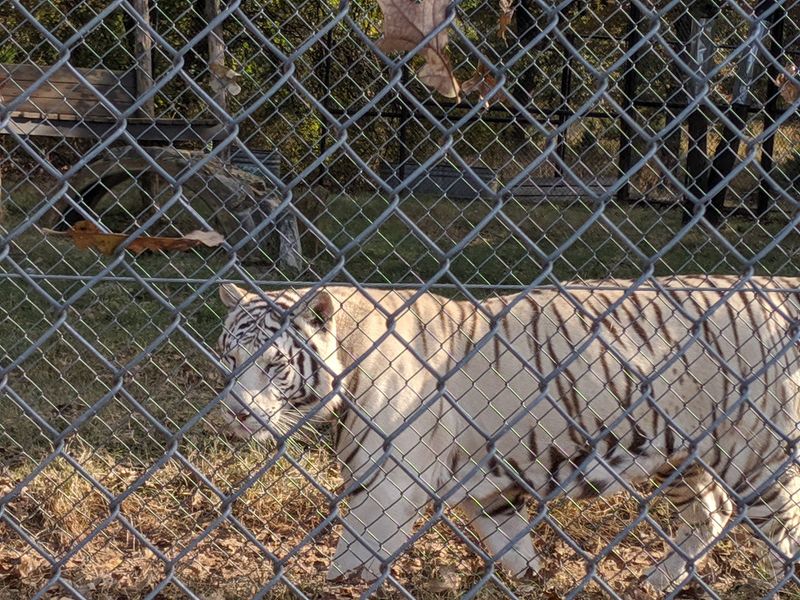
Not every animal at the park is on the snack list, and a few of them are the reason people grab their cameras.
A white tiger lives on the property. It has been spotted cooling off in the water of its enclosure.
Feeding the tiger is off the table, of course. Watching it from the car is the experience.
Arctic wolves are another standout. Their pale white coats make them easy to spot.
A rhino is also part of the collection. It sits in its own area along the drive.
The property includes a large pond where many animals can cool down. Free-roaming species have plenty of open space to move around.
These enclosure animals add a different pace to the trip. After the frantic feeding stops, the kids get a chance to simply watch and point.
Many families call these moments some of the most memorable of the day. Seeing a white tiger in southern Oklahoma is not something most kids expect on a weekend.
Bring a phone with a decent zoom. The fenced areas mean a little distance, and that zoom will earn its keep.
7. Potholes, Ruts, and the Right Ride
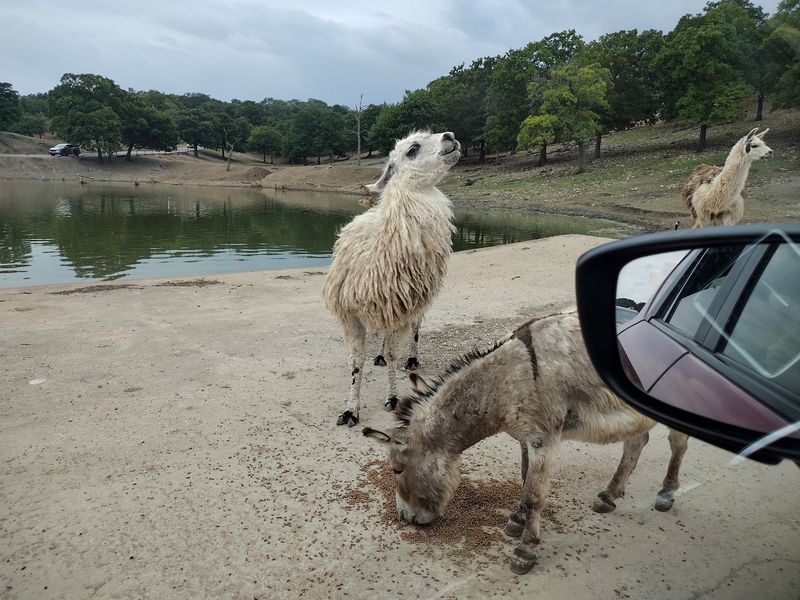
Leave the low sports car in the garage.
The safari road is rough. Potholes are common, some sections are deeply rutted, and heavy rain can make things worse.
One family drove through in a 4×4 and still described the ride as very bumpy. A smaller car bottomed out in a couple of spots.
Several groups strongly recommend skipping lowered or low-sitting vehicles entirely. Trucks, SUVs, and minivans handle the route better.
There is a silver lining for families. The bumps can make the drive feel more like a real safari to kids in the back seat, even if the driver is less amused.
Drive slowly, and give animals time to move out of the road. Some of them will plant themselves in front of the car until they get a snack.
Patience matters here. Rushing helps nobody, and the slow pace is half the fun anyway.
The full loop also takes a bit longer than many expect. Plan for a relaxed pace rather than a quick spin.
Think of it as a slow-roll adventure. Your suspension will thank you.
8. Petting Zoo, Reptiles, and the Gift Shop Crew
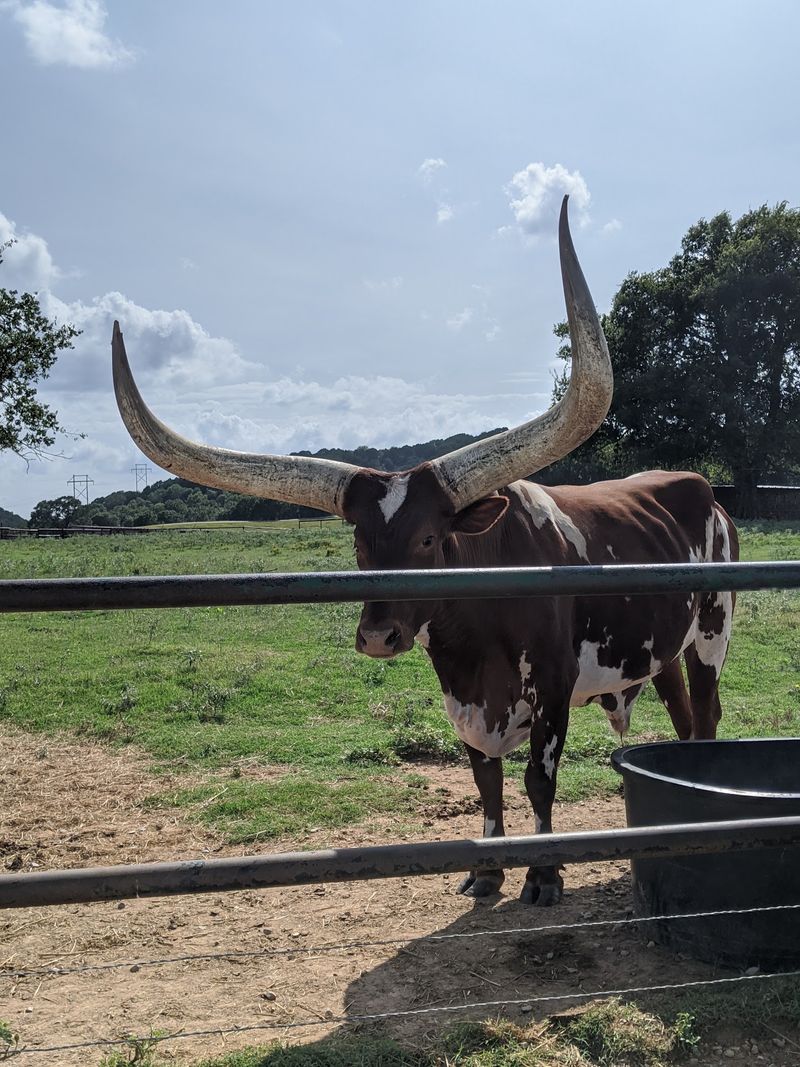
Before the gate opens to the safari road, there is a stop inside that has its own small cast of characters.
The gift shop is where you buy tickets and feed. It also houses a parrot and a lemur, which kids often notice right away.
Shelves hold t-shirts, bracelets, and other souvenirs. Prices inside the shop run on the high side, so set a budget before the kids start browsing.
The park lists a petting zoo, a reptile center, and small rides on the property. However, the petting zoo has been closed on some recent trips.
That makes it smart not to promise the kids a petting zoo visit. Treat it as a bonus if it happens to be open.
The building shows its age. Some floors feel uneven, and not every restroom stall has been working.
Staff experiences vary. Many families describe the crew as friendly and knowledgeable, and one traveler even met the owner, who was welcoming.
A quick bathroom break and a feed purchase are really all you need here. Then it is on to the main show.
9. An Honest Look at the Grounds
Every good trip starts with clear expectations, so here is the straight story.
Arbuckle Wilderness has seen better days. Roads, buildings, and some parts of the grounds are showing wear.
Opinions on the animal areas are mixed. Some families feel the animals have adequate space and water, with a large pond and plenty of room to roam.
Others have been disappointed. A few returning guests felt there were fewer species than in years past, with llamas and donkeys making up most of the animals they saw.
Some have also noticed that certain animals looked less healthy than they hoped. The pastures can look dry compared with the green scenery at nearby Turner Falls.
On the other side, plenty of families describe the animals as plentiful, active, and well cared for. Many walk away saying the trip was money well spent.
The overall picture lands somewhere in the middle. The park holds an average of 3.9 stars across thousands of opinions online.
Go in knowing it is a rustic, older attraction. With that mindset, the fun tends to win out.
10. Who Laughs Loudest on the Safari Road
Grandparents, teenagers, solo road-trippers, and toddlers all show up here, and each group gets something a little different.
Young kids usually love the up-close moments. Feeding a deer or llama from the car window is often the biggest hit of the whole day.
That said, not every child is sold. One five-year-old was curious at first, then rolled up the window after seeing a little too much animal drool.
Teens have a surprisingly good time. Pairs of 14-year-olds and teen siblings have called it a blast.
Grandparents bringing grandkids show up often. For many, it is a chance to share a place they remember from their own childhood.
Couples on road trips stop in as well. One pair found it more affordable than expected and longer than they planned, in a good way.
Even solo drivers have enjoyed it. A first-timer traveling alone felt a little nervous at the start but found the animals calm and friendly.
The secret ingredient is enthusiasm. Kids tend to have the best time when the adults in the front seat are just as excited.
11. Hours, Crowds, and Smart Timing
Timing can turn a good safari drive into a great one.
Arbuckle Wilderness opens at 9 a.m. every day. On weekdays, Monday through Friday, it closes at 4:30 p.m., and on Saturday and Sunday it stays open until 5 p.m.
Hours may change with seasons or weather. Calling ahead or checking the official website before you drive is a good idea.
Weekday mornings are the sweet spot. Families who arrived early on a weekday found the park nearly empty and could take their time.
A Monday stop meant no line at all for one traveler. Weekends and holiday breaks can bring a wait at the entrance.
Animal activity matters too. One family visited in March around 11 a.m. and found the animals very lively.
Since many guests pair this stop with Turner Falls, crowds can follow the waterfall season. Going outside peak summer weekends may mean shorter lines.
A good plan is to arrive soon after opening. You get calmer roads, hungrier animals, and more breathing room for photos.
12. The Verdict on This Wild Little Detour
So is it worth the gas money? For most families, the answer is yes, with a few asterisks.
Arbuckle Wilderness is not a polished, modern zoo. The roads are rough, the buildings are aging, and some extras are not always open.
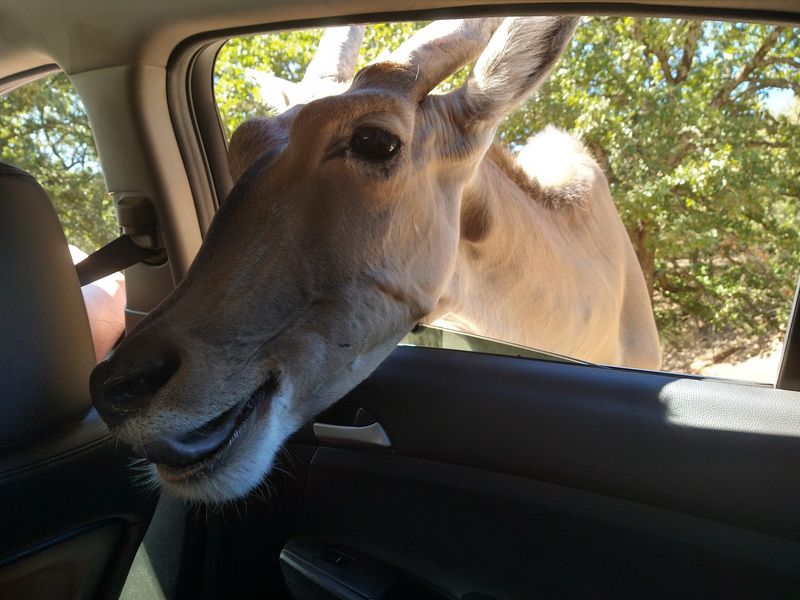
What it does offer is rare in Oklahoma. Kids get to feed zebras, bison, llamas, and ostriches right from the car, all within minutes of Turner Falls.
Many families drive down from Oklahoma City and say the trip was worth it. Others stop on a whim between Texas and OKC and leave planning a return.
The keys to a happy trip are simple. Bring a vehicle with good clearance, buy plenty of feed, and save some for the end.
Arrive early on a weekday if you can. Set a budget for the gift shop before anyone falls for a souvenir.
Most of all, go in with a sense of humor. A donkey may nibble your mirror, and that is the story your kids will tell for years.
Pair it with a waterfall stop, and you have a classic southern Oklahoma day.
Share this story