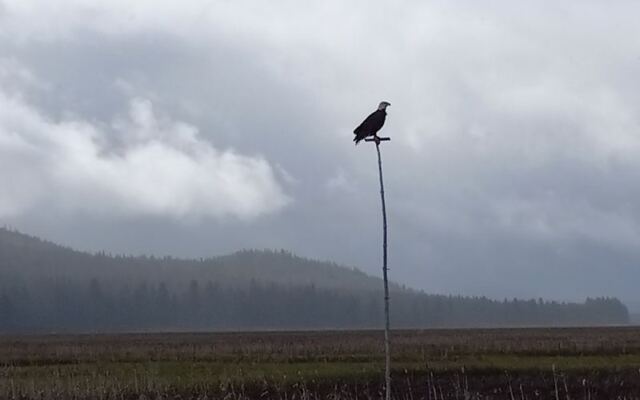
Some of the best birding in Oregon happens far from the city, on quiet marsh roads near the small town of Chiloquin. Early risers who head out here are rewarded with ducks, eagles, and a wide range of wetland wildlife. This is a place many Oregonians have never visited, and it deserves a spot on more weekend plans.
Keep reading to learn where it is, how to get around, and what to expect before you go.
A Marsh Hiding Near Chiloquin
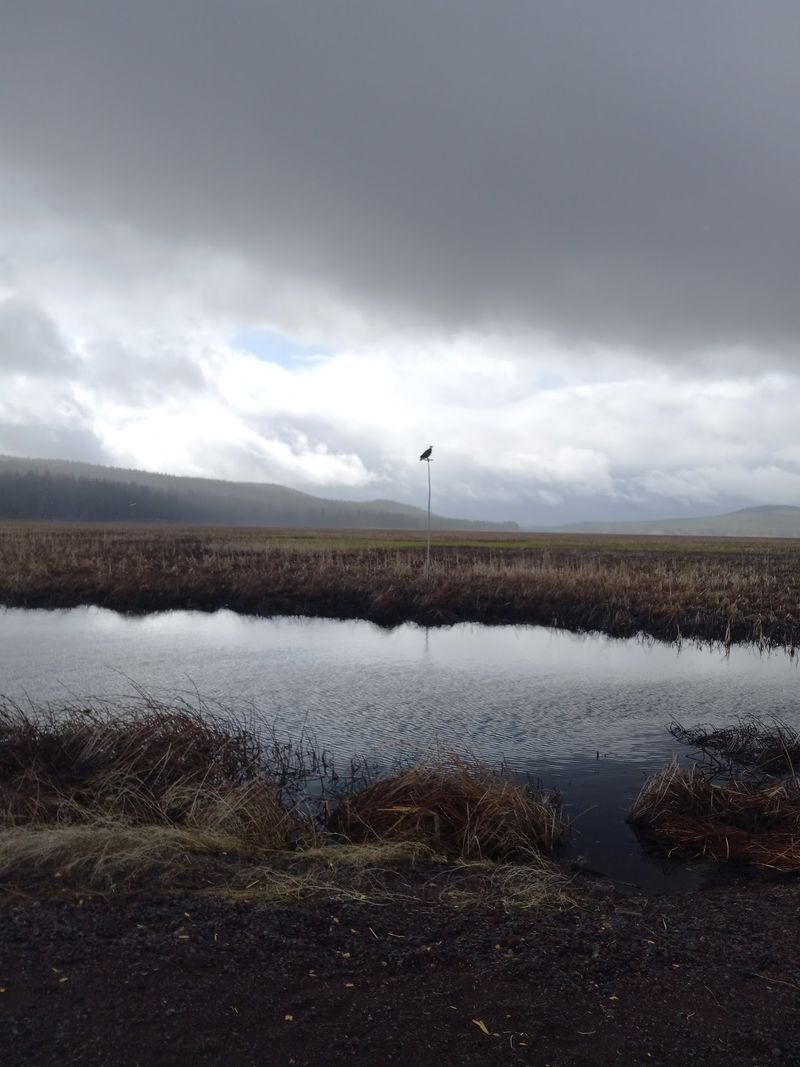
Southern Oregon keeps one of its quieter wildlife secrets tucked away off the main highways. The spot is Klamath Marsh National Wildlife Refuge, with an address listed as Chiloquin, OR 97624, in the United States.
It is a federally managed wildlife refuge run by the U.S. Fish and Wildlife Service. Its official page lives at fws.gov/refuge/klamath-marsh, which is the best place to confirm current details before a trip.
The refuge sits among several wetlands in the broader Klamath Lake area. That neighborhood of marshes is part of why bird lovers keep circling back to this corner of the state.
Expectations matter here, so a quick note on the headline. The refuge is not a manicured park with a long network of footpaths, and it has been described as having no formal walking trails.
Instead, exploring happens mostly from roads that cross the marsh, with pullouts and posted maps along the way. Short strolls near the entrance and headquarters area are possible, but the real show is the wetland itself.
Overall sentiment stays strong, with a 4.6 star average from a small group of people who have shared their thoughts. Most of them came for birds and wetlands, and most left happy.
So where does all that water come from? The answer changes with the calendar.
Water That Shifts With the Seasons
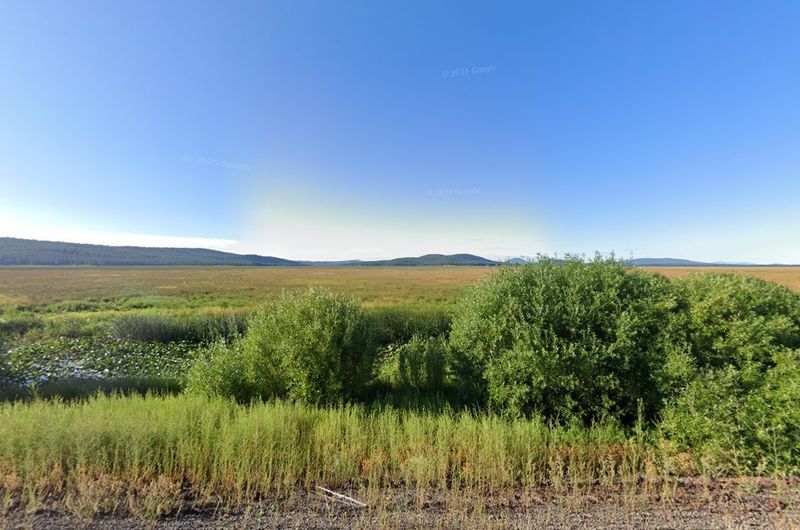
Few landscapes rewrite themselves as dramatically over a single year. Klamath Marsh is linked to Silver Lake, and the water picture shifts from spring into late summer.
In spring, the area tends to hold shallow water across wide stretches. By August, much of it can turn into a half-dry marsh.
That seasonal swing shapes the whole visit. More water means more room for waterfowl, and it also determines whether a canoe launch at the end of one road is usable at all.
Planning around the calendar is a smart move. Spring trips generally offer the fullest version of the wetland, while late summer shows a drier, more open face.
The refuge has also faced challenges. Fire has burned parts of the area in past years, and some of that change is still part of the scenery.
Even so, people who come keep calling it scenic and worth exploring. A landscape that bounces back is a big part of why preserving places like this matters to Oregonians.
It is a living reminder that public lands are not frozen in time. They need care, attention, and people who show up to appreciate them.
Next comes the main event for most early risers: the birds.
Eagles, Ducks, and a Birder’s Wish List
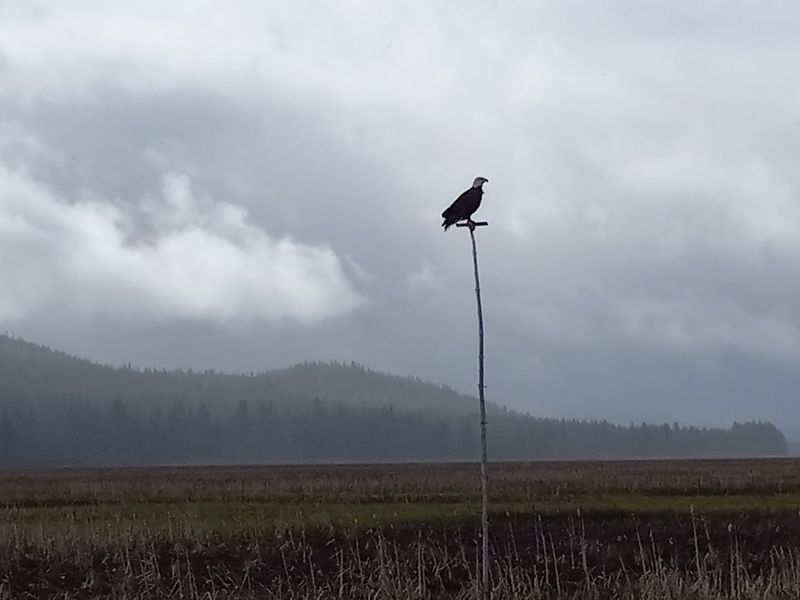
Bird watching tops the list of reasons people make the drive. The refuge has earned praise as a marvelous spot for birders, and that reputation is well deserved.
Eagles are a highlight. Some groups have come away with a notable number of eagle photos, even on days when other birds were scarce.
Ducks show up regularly on the water. Wetland diversity is the bigger story, with the marsh described as spectacular for the variety of wildlife it supports.
Results can vary from trip to trip. Some outings bring plenty of activity, while others turn up only a handful of birds.
Timing and water levels play a role in that difference. A spring morning with healthy water usually beats a dusty August afternoon.
Bring binoculars and a camera with a decent zoom lens. Much of the viewing happens across open marsh, so distance is part of the game.
A field guide or a birding app helps too. One past trip ended with folks unsure what kinds of birds to look for, and a little homework fixes that quickly.
Patience pays off here more than speed. Slow down, scan the edges, and let the marsh do the talking.
Of course, reaching those viewing spots starts with picking the right road.
Silver Lake Road and Its Roadside Maps
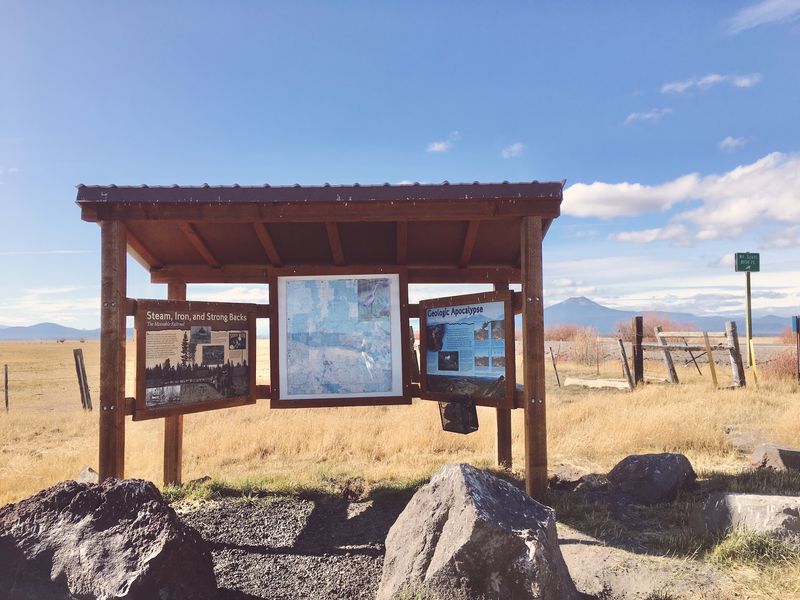
Paved, simple, and friendly to any car, Silver Lake Road is the easiest way across the marsh. It slices straight through the wetland and offers some of the most accessible views on the refuge.
Maps are posted in several places along the road. Those signs help newcomers get oriented without guessing where the refuge boundaries begin and end.
Here is the honest catch. The road carries regular traffic, and cars can pass at around 60 miles per hour.
That means walking along the shoulder is not a relaxing stroll. Pull fully off the road at safe spots, stay alert, and keep kids and pets close.
For dawn birders, the early hours are usually the calmer window. Fewer vehicles make it easier to stop, scan the water, and enjoy the quiet.
Think of the car as a rolling bird blind. Many animals tolerate a parked vehicle better than a person walking toward them.
This road is the natural starting point for a first visit. It shows the scale of the marsh in a short amount of time and helps decide whether to explore deeper.
And deeper exploration means gravel, dust, and one road that tests both vehicle and nerves.
Wocus Bay Road, for the Brave and High-Clearance
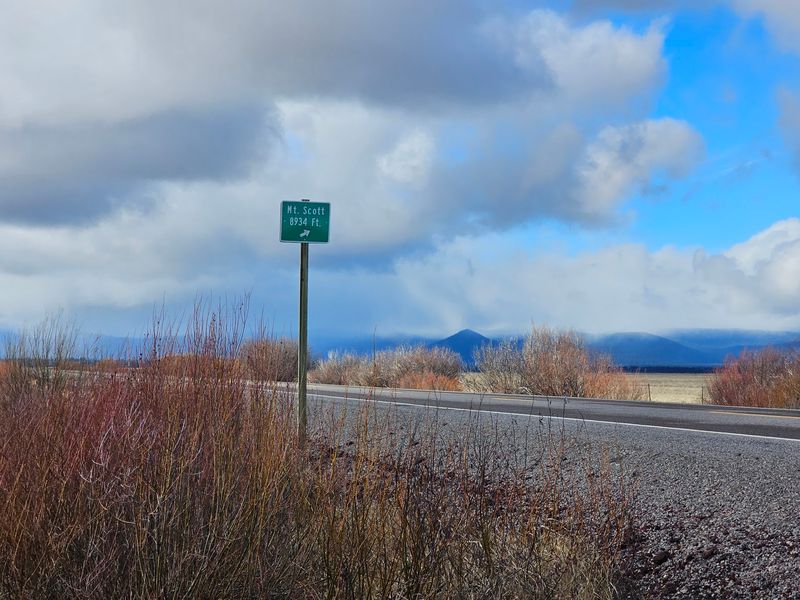
Adventure seekers, meet your match. Wocus Bay Road, also known as Forest Service Road 690, is narrow, unpaved, and dotted with fairly large rocks and tree roots.
High-clearance vehicles are advised. Even an SUV may find the going tight, with bushes brushing both sides of the vehicle in places.
Turnouts are rare. Spots to make a U-turn are also scarce, so meeting another car head-on can become a puzzle.
At the far end, there is said to be a parking area and a canoe launch. That launch only works when there is enough water, which ties back to the seasonal swings of the marsh.
Some drivers have turned back partway after finding little wildlife along the route. Going in with realistic expectations helps.
A few tips make this road more manageable. Check conditions with refuge staff when possible, travel in a vehicle built for rough roads, and avoid it entirely in a low sedan.
Paddlers have the most to gain here. A spring trip with good water levels is the best bet for anyone hoping to launch a canoe.
For everyone else, a smoother option sits on the other side of the refuge, and its name is more dramatic than the road itself.
Military Road and Its Misleading Name
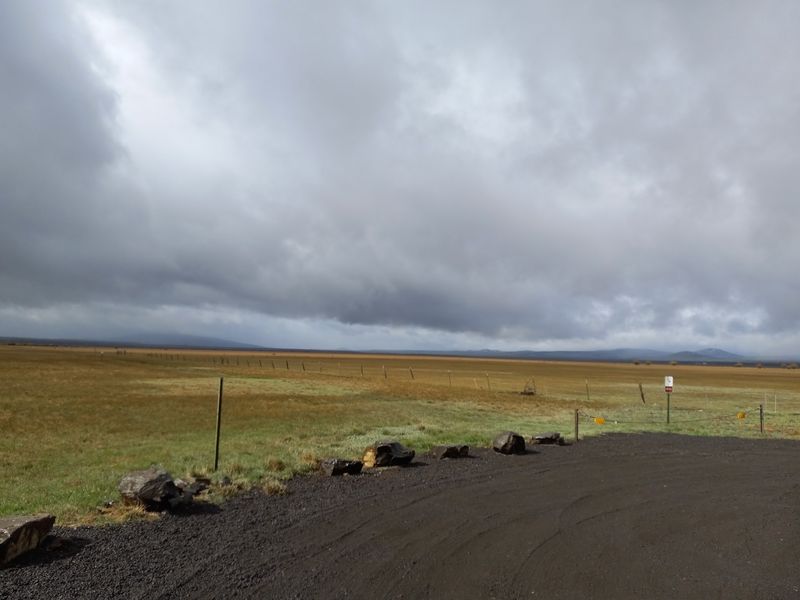
Despite the name, there is nothing military about Military Road. It is simply what the route is called, and no tanks are waiting at the end.
The good news is that it is well graded and easy for nearly any vehicle. Expect a dusty car afterward, but the drive itself is straightforward.
After roughly four to five miles, the road reaches another section of the same marsh. It offers a different angle on the wetland than Silver Lake Road.
The stretch of marsh that this road crosses is fairly short. Some travelers have felt it was not worth the extra miles.
That makes it a judgment call. Birders who want to cover more ground in one morning may enjoy the variety, while casual sightseers can likely skip it.
A quick car wash afterward is the only real cost. Compared with the rocky challenge of Wocus Bay Road, this route feels like a breeze.
Families with regular passenger cars will appreciate having a gravel option that does not require special equipment. It keeps the trip affordable and simple.
With the roads sorted, the next question is who will actually enjoy a morning out here.
Headquarters, Staff, and Who Will Love It
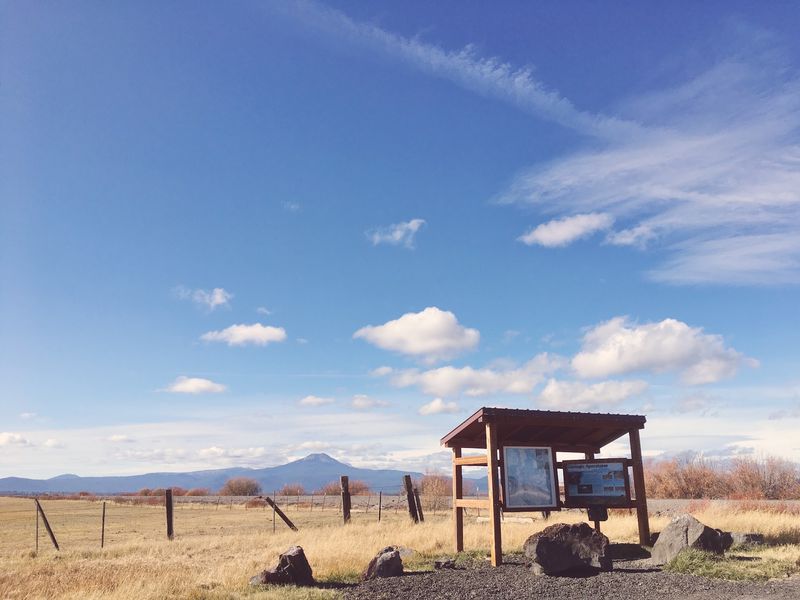
Small but welcoming, the refuge headquarters includes a little visitor center. It is a handy stop for maps and local knowledge.
The staff is very small, so someone may not always be on hand. When they are around, they come across as friendly and informative.
Weekend timing can be tricky. The headquarters has been found closed on a Saturday, leaving only the notice board at the entrance to explore.
Hours and fees are not clearly listed in the available details. Calling ahead or checking the official refuge website is the safest plan.
So who fits best here? Dedicated birders, wildlife photographers, and paddlers chasing spring water will get the most out of a visit.
Travelers expecting long hiking paths or a busy visitor complex may feel let down. The refuge rewards curiosity and self-guided exploring rather than structured activities.
Patient kids who enjoy spotting eagles can have a great time too. Pack snacks, water, and a sense of humor for the dusty roads.
Rural Oregon places like this survive because people use and value them. A low-key morning here is an easy way to support that.
A Quiet Refuge Worth the Early Alarm
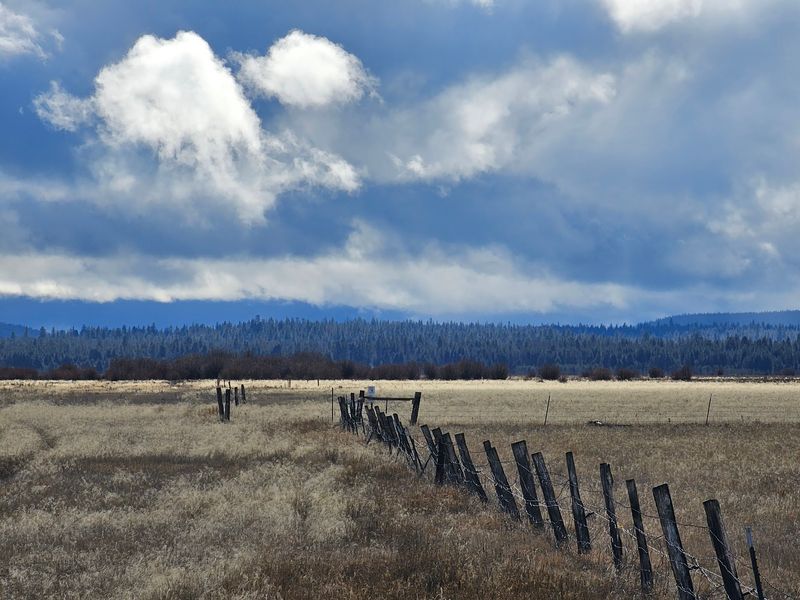
Not every great outing needs a famous name or a crowded parking lot. Klamath Marsh shines because it stays modest, open, and full of wildlife.
It may not be the flashiest preserve in the Klamath Basin. Some travelers have had better photo luck at Lower Klamath, south of Klamath Falls.
Still, this refuge holds its own. Eagles, ducks, and a broad mix of wetland life keep birders coming back, and the scenery has won plenty of fans.
A few practical reminders help seal the deal. Come in spring for the fullest water, start early, and choose roads that match your vehicle.
Check the official website before leaving home. Staff numbers are small, so confirming the headquarters status saves a wasted stop.
Cost is part of the charm too. A full tank of gas, a pair of binoculars, and a packed lunch can add up to a rich day without straining the budget.
Oregon has many beloved outdoor spots, and some of them fly under the radar. This one deserves a little more attention from people who want local places to thrive.
Set that alarm, grab the binoculars, and let the marsh surprise you.
Share this story