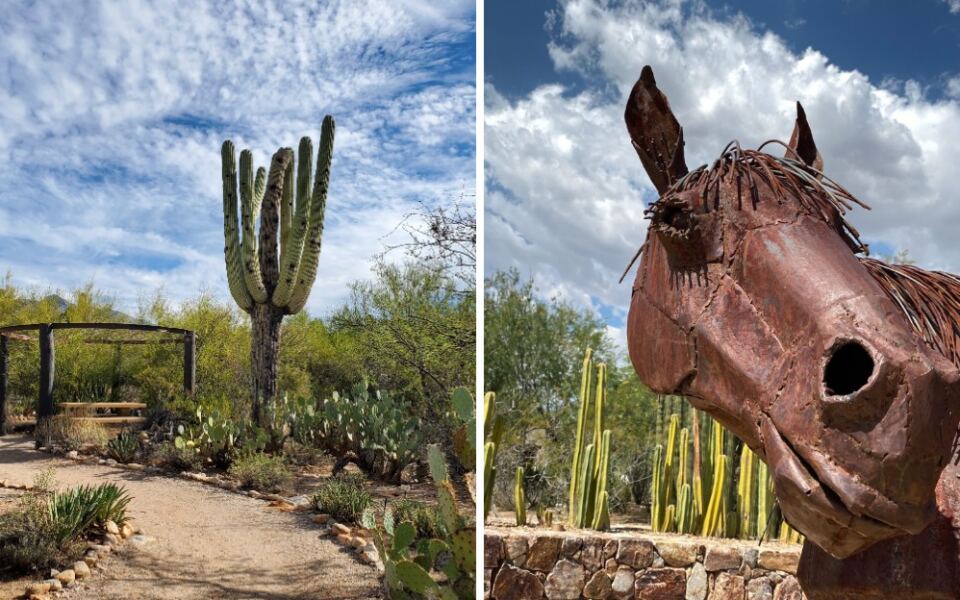
Plenty of Tucson drivers pass the corner of Oracle and Ina every week without a second thought. Tucked just off that busy stretch sits a desert garden where trails wind past a rare crested saguaro, a shaded stream, and a hummingbird area that keeps bird fans busy for hours. Some locals have lived here for decades and never set foot on its paths.
That is a little surprising, because the place packs gardens, art galleries, a greenhouse, a plant nursery, and even a children’s museum into one walkable property. It opens early, closes before dinner, and works well for a slow morning or a quick escape from errands. Families, plant lovers, and anyone needing backyard ideas tend to leave with a long list of reasons to return.
Keep reading to learn where it is, what it costs, and how to plan a visit that beats the heat and the crowds.
1. A Desert Escape Off Oracle and Ina
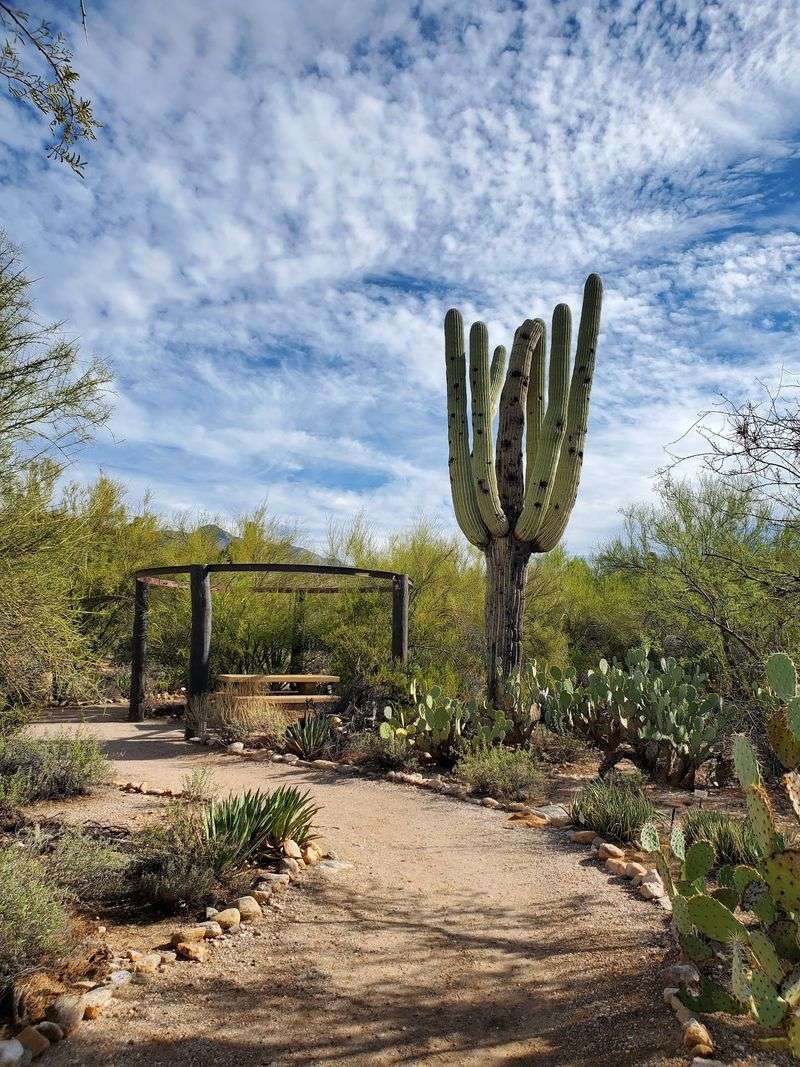
The secret hiding near one of Tucson’s busiest intersections has a name worth learning: Tohono Chul Sonoran Botanic Gardens & Arboretum.
You will find it at 7366 N Paseo Del Norte, Tucson, AZ 85704, in the northwest part of the city. The property sits just off Oracle Road and Ina Road, close enough to a grocery run that it feels almost sneaky.
Officially, it is a botanical garden with a desert habitat full of cacti, a demonstration garden, art displays, and rotating exhibits. In practice, it plays several roles at once.
Part nature walk, part art gallery, and part plant shop, the grounds give Tucson residents a full outing without a long drive out of town. Paths range from wide paved loops to dirt trails that stretch toward the quieter north end.
Many people expect a small city park and are caught off guard by how much ground the trails cover. Some guests spend two and a half hours walking the whole map, while others linger for three hours and still wish they had more time.
For locals who think they have seen every corner of the Old Pueblo, this spot tends to rewrite that list. The first loop is usually just the start.
2. Why the Name Sticks
Some places earn their reputation slowly, through word of mouth from neighbor to neighbor. That pattern fits here.
The garden draws a loyal following, with thousands of people sharing their experiences and the overall response landing at 4.7 stars. Plenty of first-timers become members after a single visit, which says a lot about the pull of the place.
Tucson actually has two botanical gardens, and locals often compare them like siblings. Tohono Chul is the more desert-focused of the pair, built around native Sonoran plants rather than tropical showpieces.
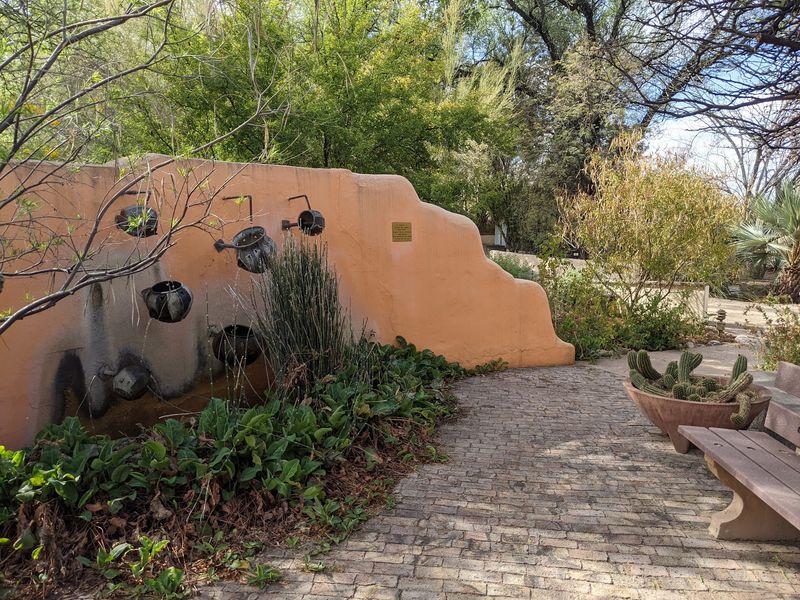
Even so, the grounds are often described as lush. Shade trees, fountains, and a stream create pockets that feel far from the dry image people carry about desert gardens.
That mix is part of the appeal for residents. The garden teaches you about the desert you already live in, rather than trying to transport you somewhere else.
It also explains why longtime Tucsonans who finally visit often wonder why they waited so long. Familiar plants look new once someone takes the time to label and arrange them with care.
3. Trails for Every Kind of Walker
Good news for anyone who hates choosing between a stroll and a hike: the trail system lets you do both.
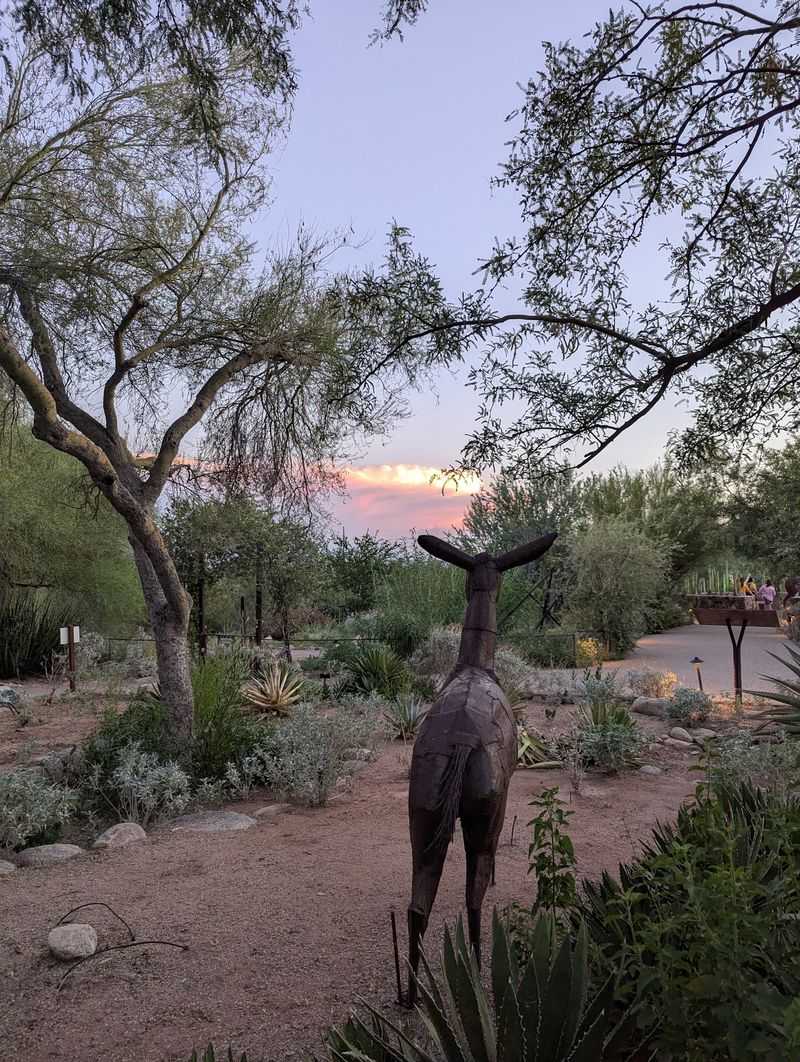
Wide paved paths loop through the main garden areas. They are smooth enough for wheelchairs and work fairly well for strollers, though a few stretches get a bit rough.
Packed gravel walkways branch off from the pavement. Beyond those, dirt hiking paths lead into the northern section of the property, where the scenery shifts toward open desert.
That north side is the part many guests skip on a first trip. It is also where the hike in this article’s title truly begins, giving you a taste of a real desert trail without leaving the city.
Informative signs line the routes, naming plants and explaining the different zones. You can read as much or as little as you like.
Benches and seating areas pop up often, so nobody has to push through a long stretch without a break. The layout rewards a slow pace and frequent stops.
4. The Crested Saguaro Worth Hunting For
Ask a Tucson kid what a saguaro looks like, and you will get arms raised like a cactus. A crested saguaro breaks that mold entirely.
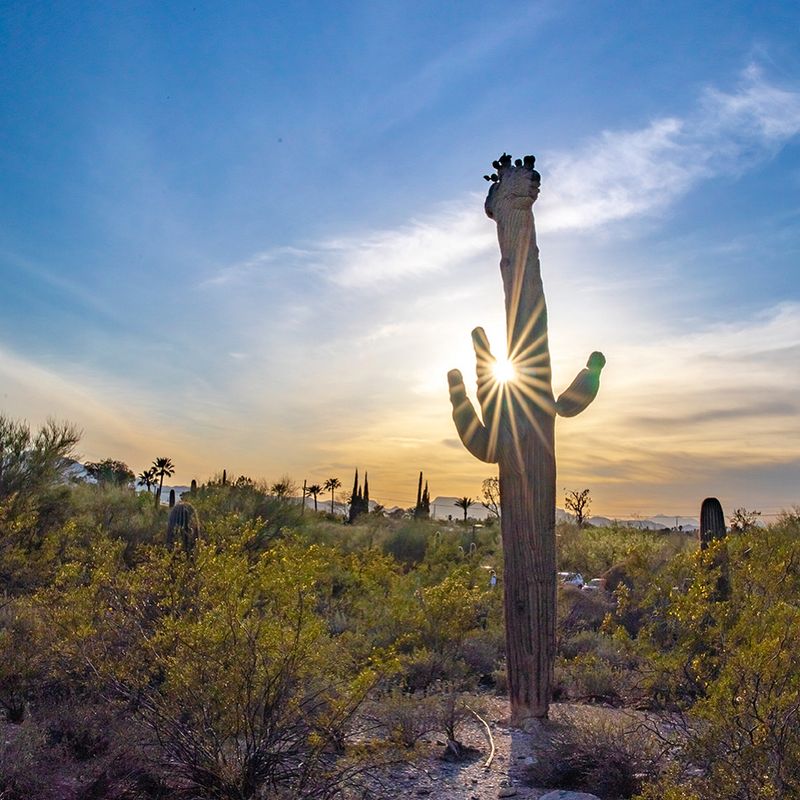
Tohono Chul is home to one of these rare cacti. Instead of the classic arms, a crested saguaro grows a wide, fan-shaped top that looks almost sculpted.
Scientists still debate exactly why some saguaros develop crests. Whatever the cause, they are uncommon enough that spotting one in the wild feels like winning a small lottery.
Here, you do not need luck or a remote hike. The garden puts this oddity right along your route, so it is easy to add to your photo roll.
It is a fun target for families, too. Turning the walk into a crested saguaro hunt keeps younger hikers moving along the trails.
Once you have seen one up close, you may start scanning every desert ridge on your drives home. That habit is hard to break.
5. Streams, Shade, and a Riparian Retreat
Water in the desert always draws a crowd, and that includes wildlife as well as people.
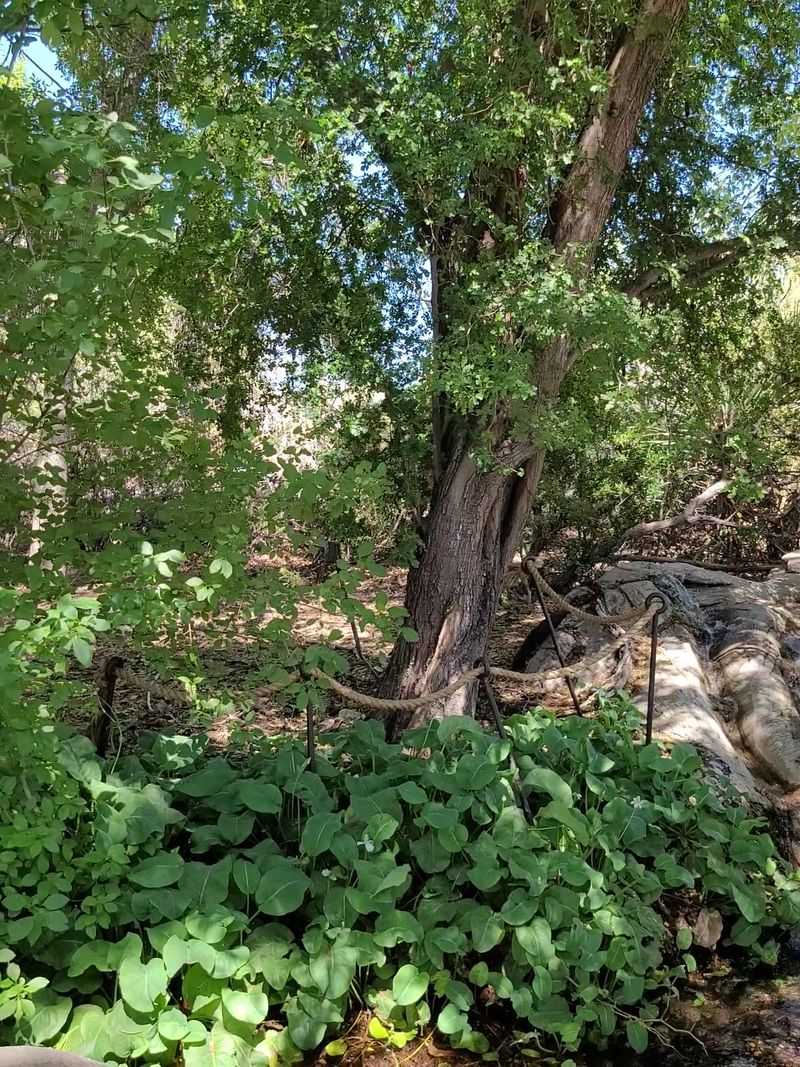
Tohono Chul includes a riparian area, along with streams and fountains spread through the grounds. Shade trees stand over many of these spots.
That combination makes a real difference on warm days. Guests have walked the full garden map on an 85-degree afternoon and still found the visit comfortable thanks to the shade.
Many people plan breaks around these water features. Sitting by the stream is a favorite way to rest between trail sections.
The riparian zone also shows a side of the Sonoran Desert that newcomers often overlook. Desert washes and streamside habitats support a surprising range of plants and animals.
For residents, it is a reminder that our region is not just rock and cactus. A short walk here covers more habitat types than many longer hikes outside town.
Bring a water bottle anyway, of course. Shade helps, but this is still Tucson.
6. Hummingbirds, Butterflies, and Busy Wings
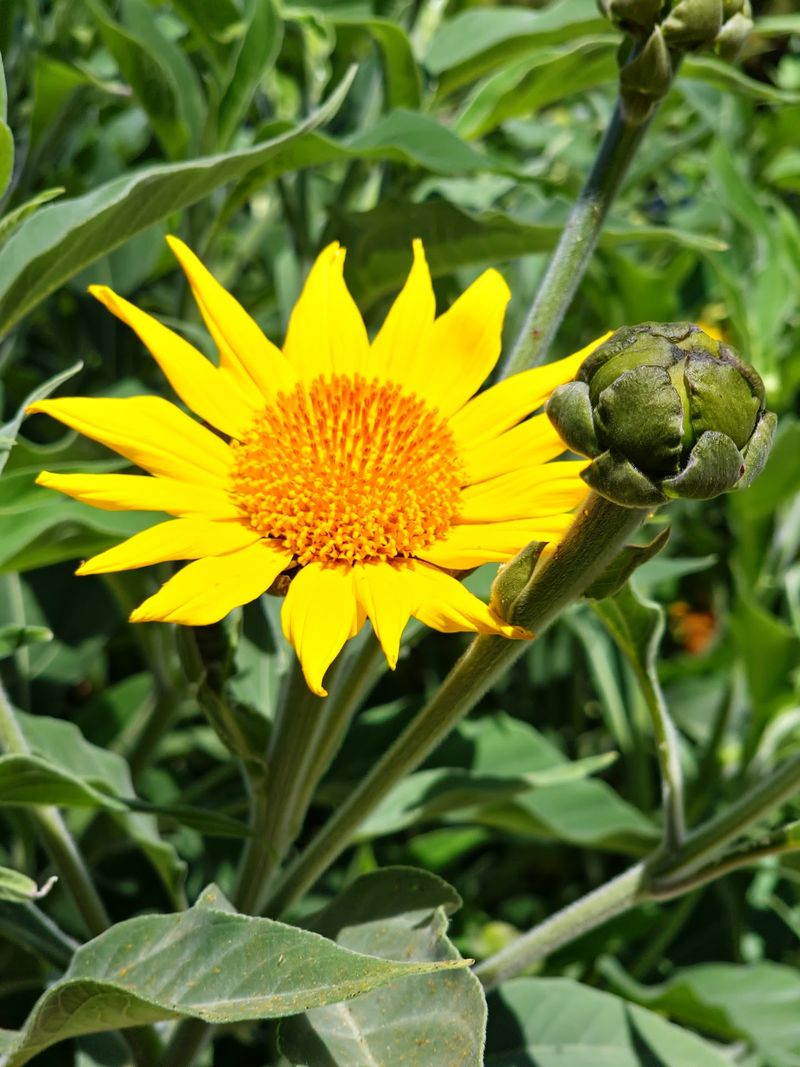
Bird watchers, consider yourselves warned. Tohono Chul can easily eat up a whole morning.
The grounds attract tons of different birds, and there is a dedicated hummingbird area for fans of those tiny speedsters. Guests have even caught Arizona cardinals on video while resting on the patio.
A butterfly area adds another stop for wildlife lovers. Depending on the season, flowers in bloom bring a steady stream of winged visitors.
Lizards and bugs also share the main paths. Kids tend to treat every rustle as a reason to stop and look.
No special gear is required to enjoy any of it. A pair of binoculars or a phone camera is plenty.
Patience pays off, though. Sitting quietly on one of the many benches often brings more sightings than marching briskly from one garden to the next.
Locals who keep a backyard bird list may find a few new names to add after a single visit.
7. Critters on Display and a Tortoise Mystery
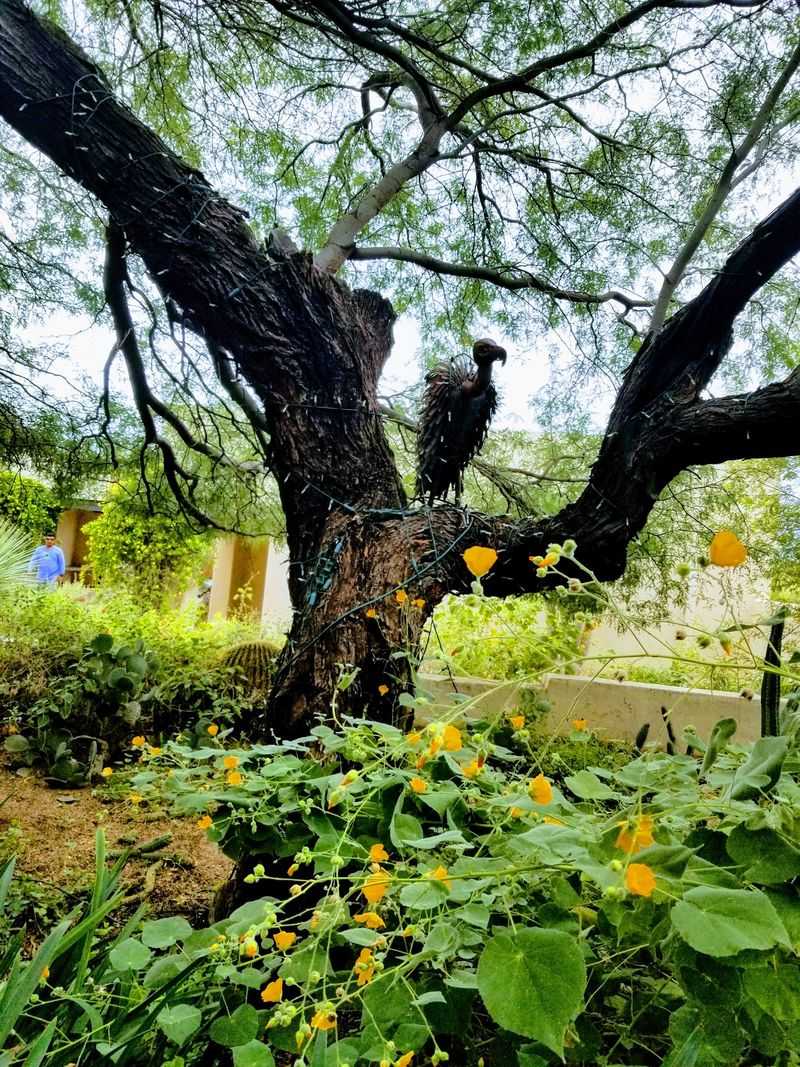
Not every resident of the garden has feathers. Some prefer scales.
At times, the local herpetological society sets up displays with a variety of lizards and snakes. These visits give families a safe, close look at reptiles that live across southern Arizona.
There is also a tortoise habitat on the grounds. Here is the catch: it is not always clearly marked, and some guests leave without ever finding the resident tortoise.
Treat it as a scavenger hunt rather than a guarantee. Tortoises are known for keeping a low profile, especially in heat.
Asking a docent or staff member for directions can save some wandering. They usually know the best spots to check.
Wild critters add to the fun as well. Lizards often dart across the paths, giving kids a reason to slow down.
Seeing desert animals in context helps explain why the plants around them matter. Everything here connects back to the same ecosystem.
8. Art Among the Agaves
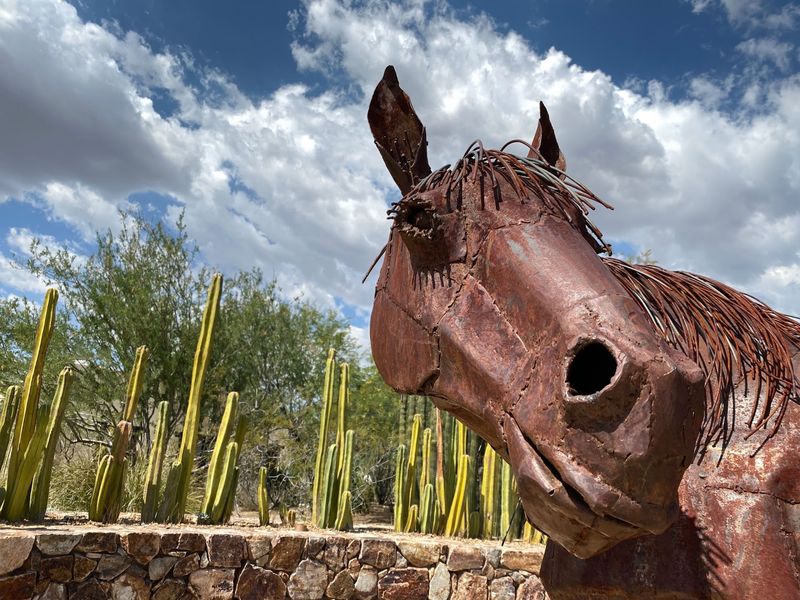
Few gardens in Arizona blend nature and art as smoothly as this one does.
Iconic southwest artwork is placed throughout the grounds, mixed right in with the plants. Many of the seating areas come with views of art exhibitions as well as desert scenery.
A gallery on the property hosts exhibits that change over time. Some pieces are for sale, so a walk can double as a shopping trip for your living room.
Themed and artistic gardens add another layer. Small specialty gardens each carry their own look and purpose, which keeps the walk from feeling repetitive.
Special events sometimes tie into the art scene too. One guest timed a trip with a ceramic sale and got in free that day, so it pays to watch the event calendar.
For locals who think of galleries as indoor-only outings, this offers a different format. The art and the desert trade the spotlight back and forth along every path.
9. Docents Who Make Plants Personal
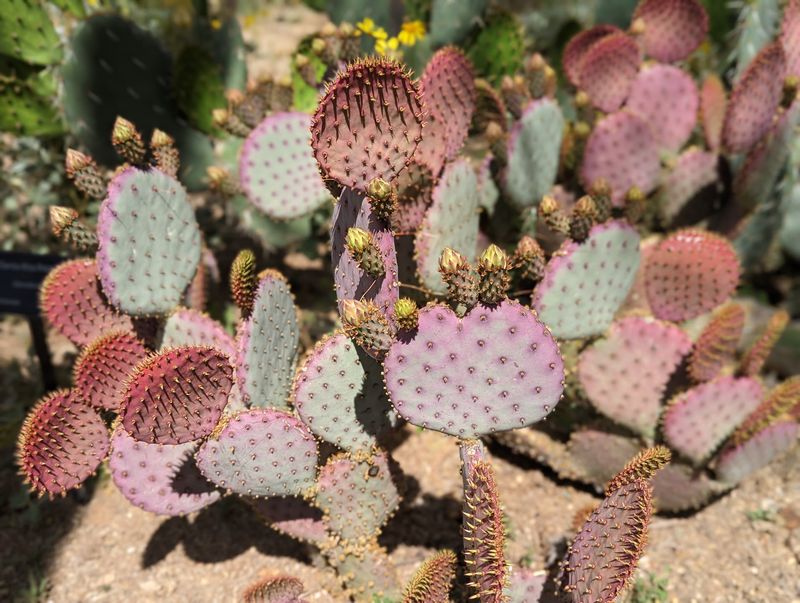
Plant labels can only say so much. That is where the docents come in.
Friendly docents are one of the most talked-about parts of a visit here. They share background on the plants, wildlife, and history of the grounds.
Guided programs add structure for curious minds. One example is a docent-led tour called Plants and Poetry, which runs about an hour.
That tour blends art and science in an unusual way. Participants meet each desert plant as an individual within a community of specialized desert flora.
Programs like this give regulars a reason to come back. A path you have walked five times can look different after a good guide points out details you missed.
Check the website for current tour offerings and times. Programs can change with the seasons.
Even without a formal tour, docents on the grounds are often happy to answer questions. A quick chat might lead you to a plant or bird you would have walked right past.
10. Backyard Ideas and Plants to Take Home
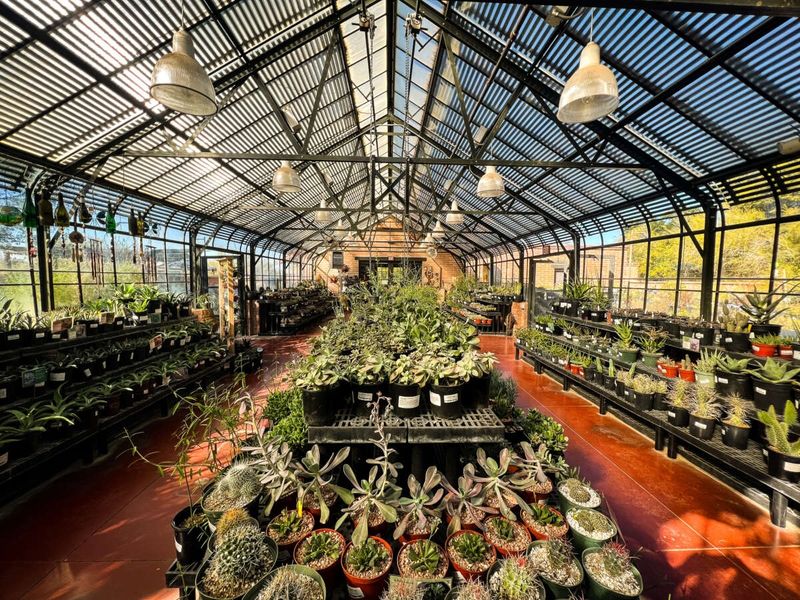
Here is the hands-on part Tucson gardeners love most: you can actually take the desert home with you.
The property includes a greenhouse and a nursery. Many of the plants you see along the trails are available for purchase, often at reasonable prices.
A demonstration garden helps bridge the gap between admiring and planting. It shows how native and desert-adapted plants can work in a real landscape.
Homeowners often call the gardens a great place to gather ideas for their own yards. Seeing mature plants in thoughtful arrangements makes planning easier.
Native plants come up often in conversations about the garden, and for good reason. They are suited to our climate and support local birds and butterflies.
So bring a notebook or snap photos of plant signs as you walk. That way, you can match your favorites in the nursery before heading out.
Your backyard may never look the same.
11. A Shop Locals Keep Talking About
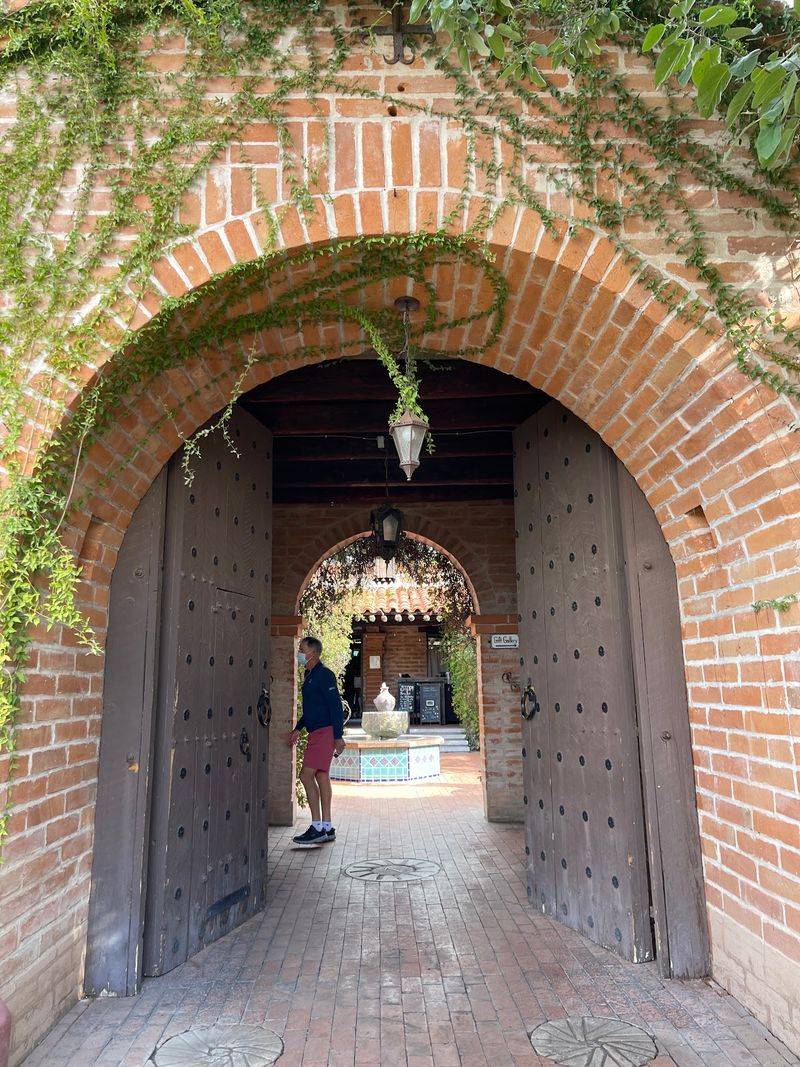
Of everything on the grounds, nothing gets mentioned more than the gift shop.
The shop stocks local finds that work as souvenirs or home decor. Guests often note that many items feel higher quality than typical gift shop fare.
There is more than one shop on site, alongside the gallery. Together they make it easy to spend an extra half hour browsing.
For residents, the shop solves a common problem. It is a handy place to grab a thoughtful gift with a true Tucson connection.
Out-of-town relatives tend to appreciate it as well. Bringing family here gives them a desert experience and a chance to shop in one trip.
The shop also works well as a waiting room of sorts. If you are on a list for a table at the on-site restaurant, browsing is a pleasant way to pass the time.
Leave a little room in the budget. Walking out empty-handed is harder than it sounds.
12. Kids, Jazz Nights, and Holiday Lights
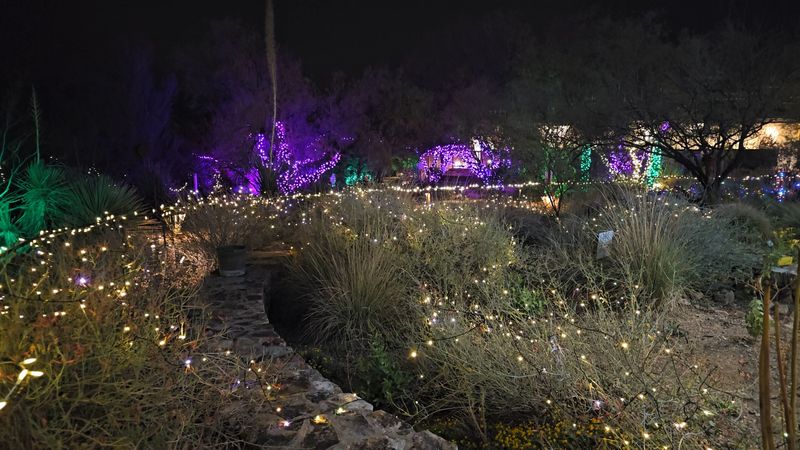
Some outings serve one crowd. Tohono Chul manages to serve several.
Families get a big bonus: entrance includes access to a children’s museum inside the garden. For young kids, it is often the highlight of the day.
A dedicated children’s area adds more room for little explorers. Combined with lizards on the paths and a tortoise to search for, there is plenty to keep small hikers interested.
Adults have their own reasons to return after dark. Events like Jazz Under the Stars bring live music to the grounds in the evening.
The holiday season brings Christmas lights, another draw that locals mention often. It is a different way to experience the gardens once the sun goes down.
An on-site bistro with outdoor seating rounds things out. It is popular enough that the website offers a waitlist, and reservations are only taken for larger parties.
Checking the calendar before you go can turn an ordinary walk into a special night out.
13. Hours, Admission, and Parking Know-How
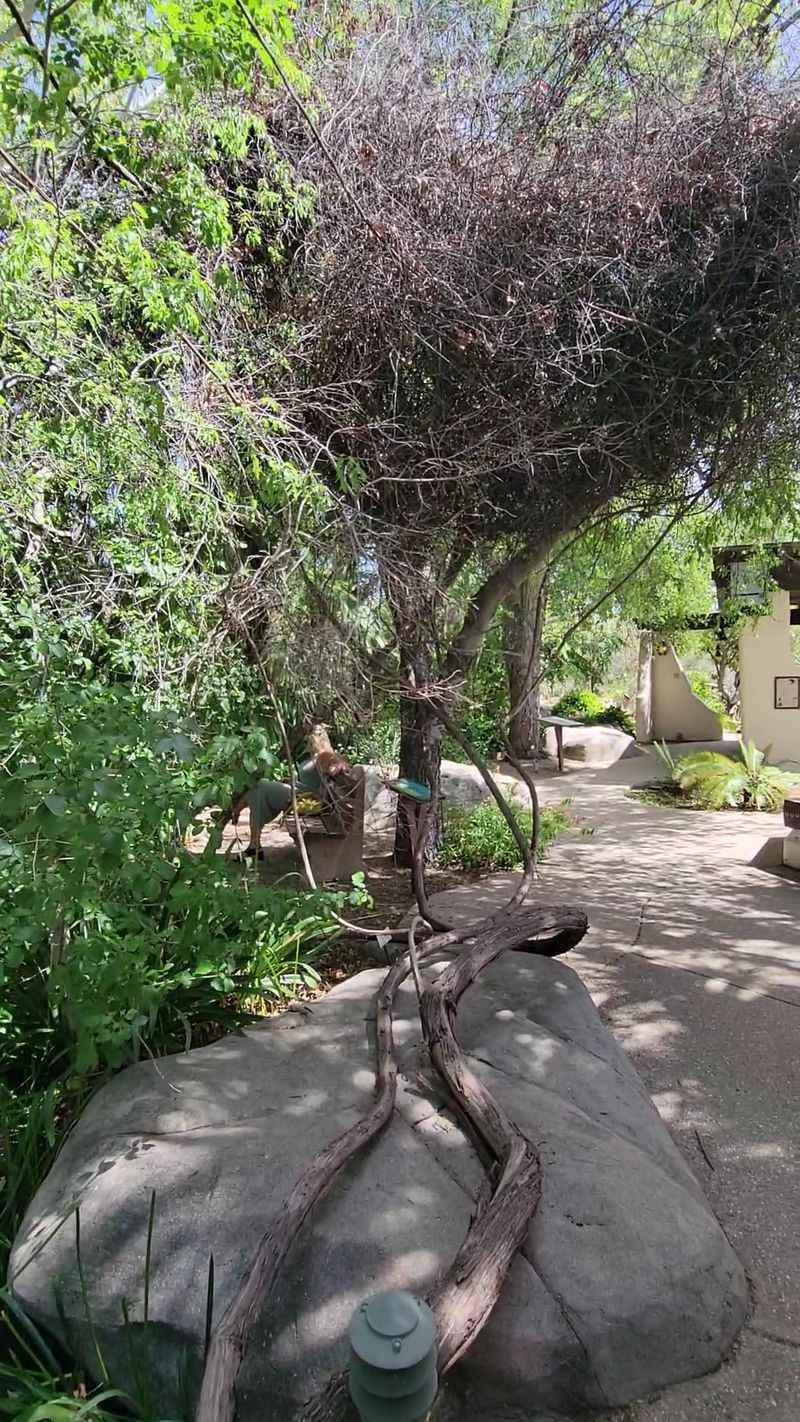
A little planning goes a long way, especially in a city where the sun has strong opinions.
Tohono Chul is open daily from 8 am to 5 pm. Arriving right at opening is the smart move on hot days, and late afternoon works well too.
Now for the honest part about cost. The standard entrance fee has been around $20, and admission includes the children’s museum.
Free entry does happen during certain events, such as a ceramic sale that coincided with one guest’s visit. Watch the official website for those dates and confirm current prices before you go.
Parking is usually easy, with plenty of spaces. Saturdays can be busier, so weekday mornings tend to be calmer.
Water and vending machines are available on site. Wear sturdy shoes if you plan to tackle the dirt trails in the north section.
Plan on two to three hours to see most of the grounds. Add more if a table at the bistro is on your agenda.
14. The Verdict on Tucson’s Overlooked Trails
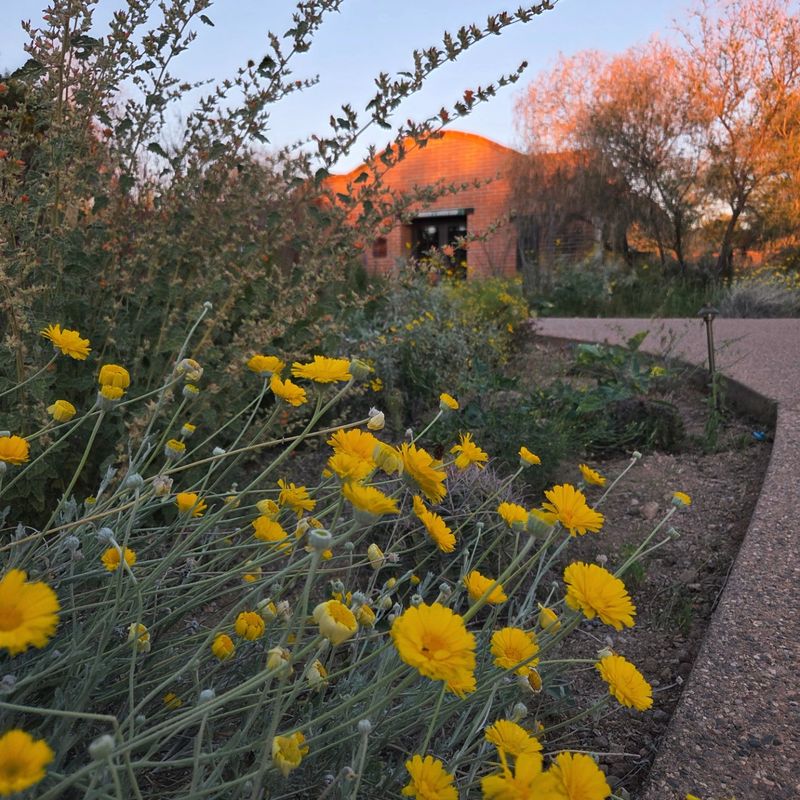
Plenty of Tucson adventures require a full tank of gas and an early alarm. This one barely requires leaving town.
Tohono Chul delivers desert trails, a rare crested saguaro, a hummingbird area, a shaded riparian zone, and rotating art, all within city limits. Add a nursery, a greenhouse, and a popular gift shop, and the visit offers far more than a simple stroll.
It is not a free walk most days, so budget for admission. Still, the children’s museum, docents, and event nights stretch that ticket further than many expect.
The garden suits families, bird watchers, gardeners hunting ideas, and anyone who wants a desert taste without a long hike. Wheelchair-friendly paths make it accessible for many guests too.
Go early, start on the paved loops, then head north onto the dirt trails that so many people skip. That is where the quieter side of the property waits.
Next time you are stuck in traffic at Oracle and Ina, take the turn. Your neighbors may still be driving past, but you will know better.
Share this story