Arizona is about as far from a beach as most of us ever get, yet there is a hillside near Payson where tiny seashells sit right in the rocks. These are not souvenirs from a gift shop. They are real fossils of sea creatures that lived when this part of the state was covered by water.
You can walk up, look down, and find them yourself, often in less than an hour. The stop costs nothing to enter, the parking lot is paved, and the whole thing sits right off a highway many Valley drivers already use on the way to the Rim Country. Kids love it, rock fans love it, and road-trippers who just need to stretch their legs end up staying longer than planned.
Here is everything a local should know before pulling over to go shell hunting in the pines.
1. A Roadside Pullout Hiding an Ancient Seafloor
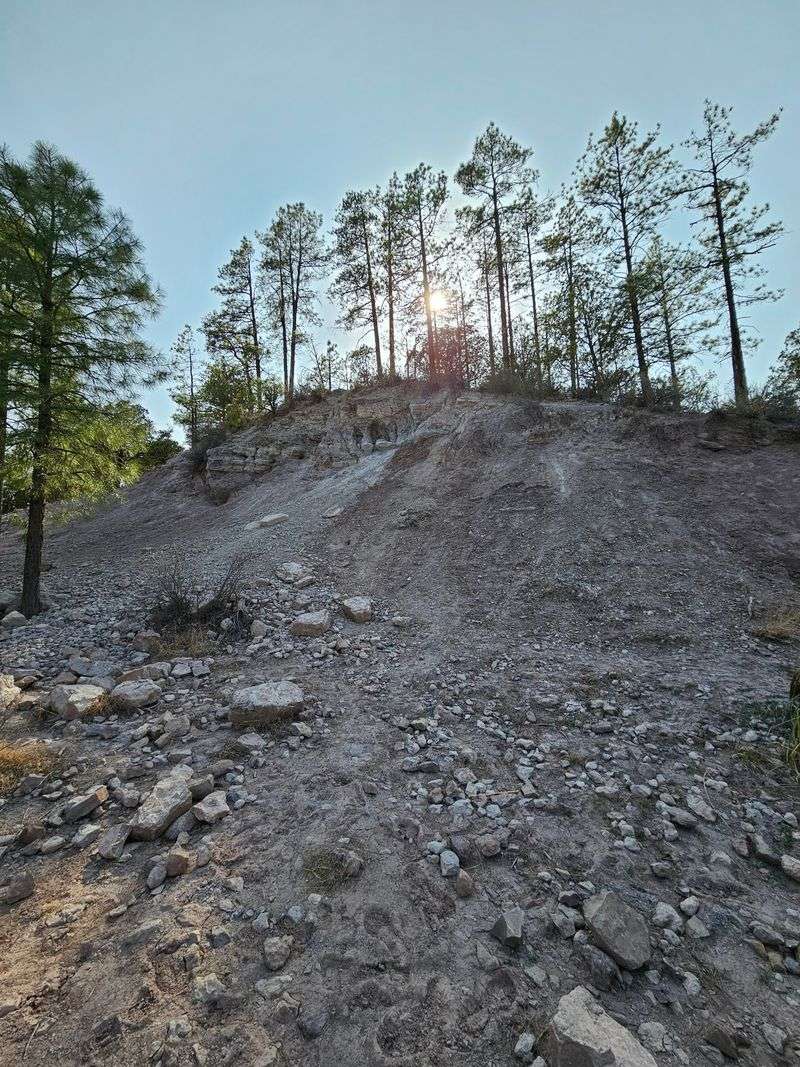
Most drivers zip past without a second thought, which is exactly why this spot feels like a secret.
The place is called Paleo Site Monument, and it sits at AZ-260, Payson, AZ 85541, in the Rim Country of central Arizona. It is classified as an archaeological site, though the real stars here are fossils, not artifacts.
The setup is simple. A paved lot connects to a short walking area where a slope of sedimentary rock holds the remains of creatures that lived in an ancient sea.
From the Phoenix area, Payson is a familiar weekend run up the Beeline Highway, and the site sits along AZ-260 heading out of town. That makes it an easy add-on to a camping trip, a lake day, or a drive toward the White Mountains.
The appeal is the contrast. You are standing in pine country, hundreds of miles from the nearest ocean, holding a rock full of shells.
Not a bad trade for pulling off the highway.
2. When Rim Country Was Underwater
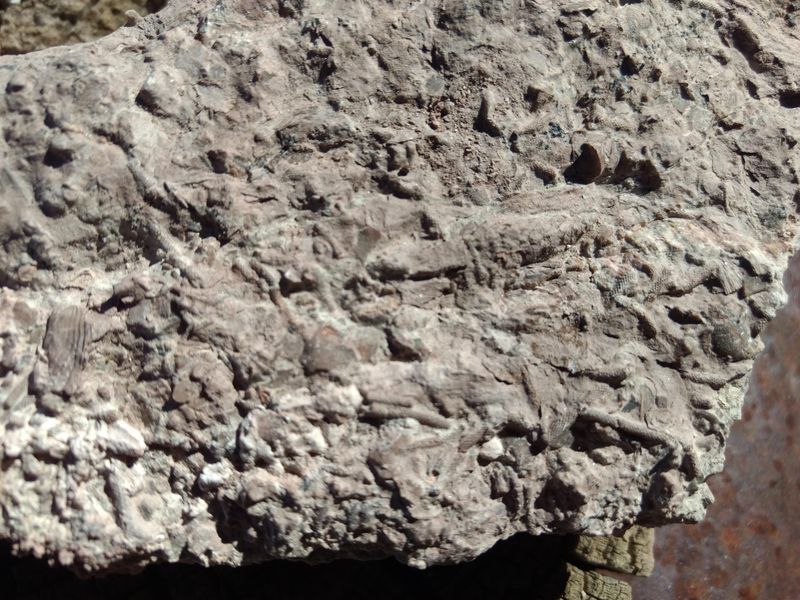
Long before pine trees and pickup trucks, this land was a seafloor.
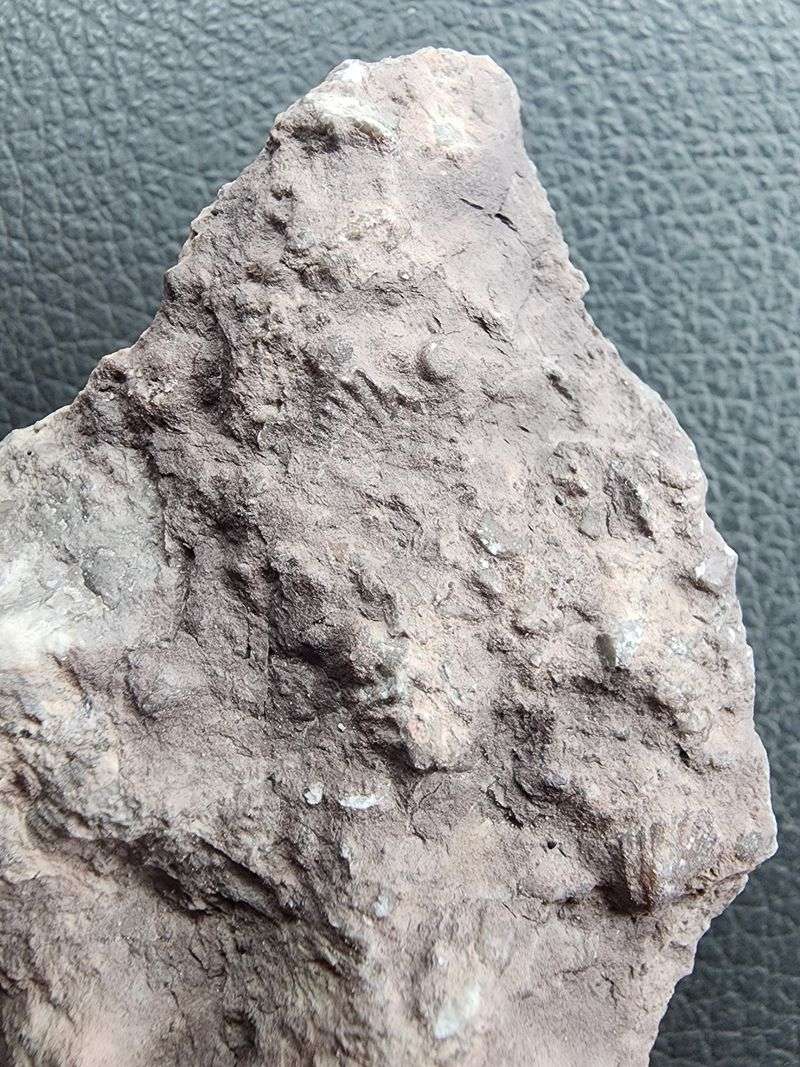
The rock at the site is sedimentary stone, built up in layers over time. Packed inside those layers are the remains of small bivalves, worms, mollusks, and other marine life.
It is a strange idea to wrap your head around while standing at a highway pullout in the mountains. Yet the evidence is right there in the slope, layer after layer.
Plenty of people walk away thinking about that more than about any single fossil they found. The idea that all of this was once under water tends to stick.
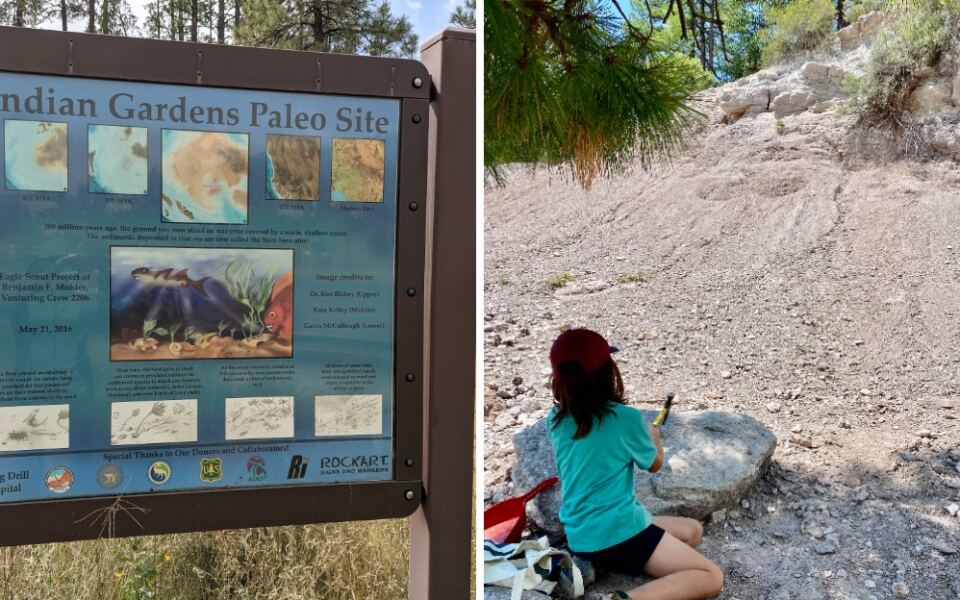
The interpretive sign near the trail helps connect the dots. It explains what kind of fossils show up here and what the area looked like in the distant past.
Think of the hillside as a history book with its pages stacked sideways. Every layer holds a chapter.
3. Brachiopods, Bryozoans, and Other Tiny Tenants
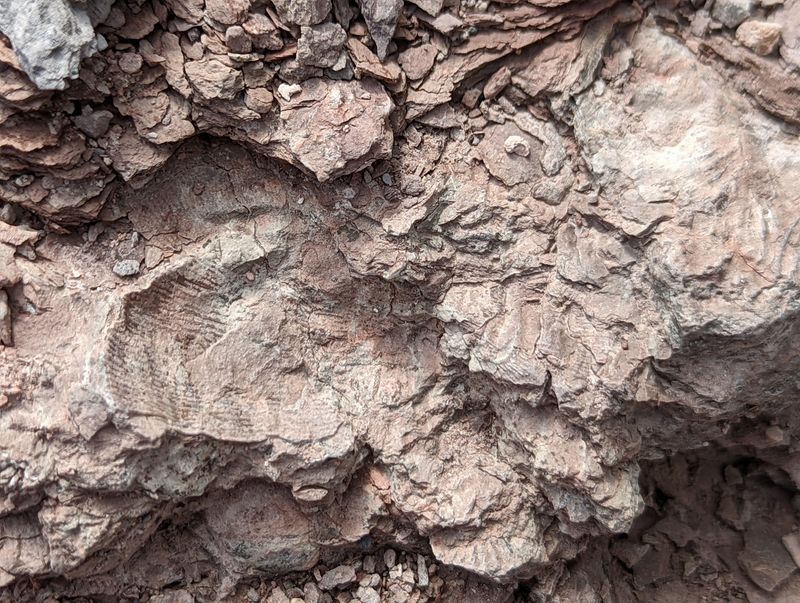
Brachiopods and bryozoans sound like spells from a wizard movie, but they are the main residents of this hillside.
Brachiopods look a lot like small clams, with ribbed shells. Bryozoans were tiny colony animals, and their fossils often show up as lacy or ridged patterns in the rock.
You will also spot small bivalves and other shell fragments. Some hunters find rocks covered in little ridges that look like miniature tracks.
Most of these finds are small. A shell the size of a fingernail counts as a solid win here.
That small size is part of the fun. It trains your eye to slow down and notice details you would usually miss.
Bring a phone to snap close-ups, since some of the best specimens look even better zoomed in.
4. The Free Admission Bonus
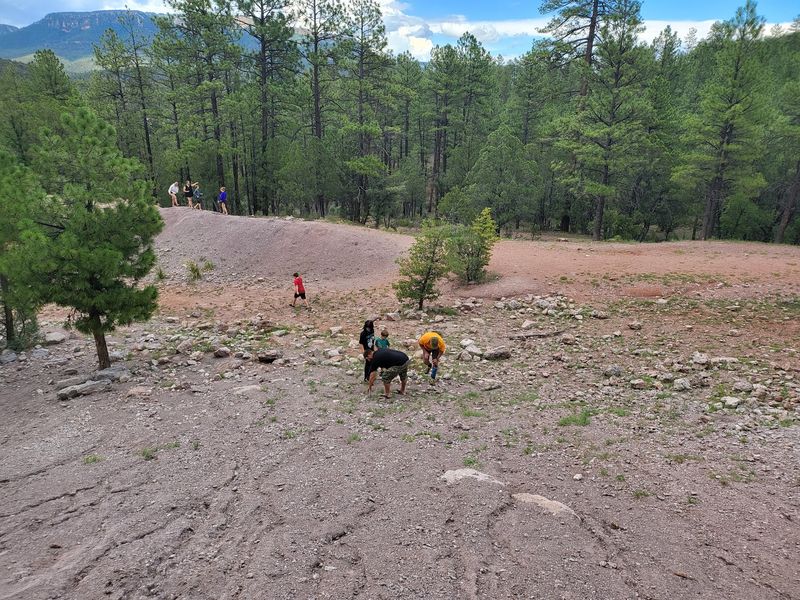
Here is the part that makes budget-minded weekenders grin: there is no entry fee listed for this stop.
You park, walk through a pedestrian gate that keeps vehicles out, and start looking. No ticket booth, no timed entry, no gift shop upsell.
The gate is worth knowing about. It means the fossil area stays foot traffic only, which keeps things tidy and safer for kids.
Compared to a museum day in the city, the math is easy. A tank of gas and a few snacks cover the whole outing.
Some families say it beats a museum because the fossils are real and unearthed by their own hands. That hands-on factor is hard to put a price on.
Since conditions and rules can change, a quick check with local Forest Service sources before a trip is a smart move.
5. Where the Shells Actually Hide
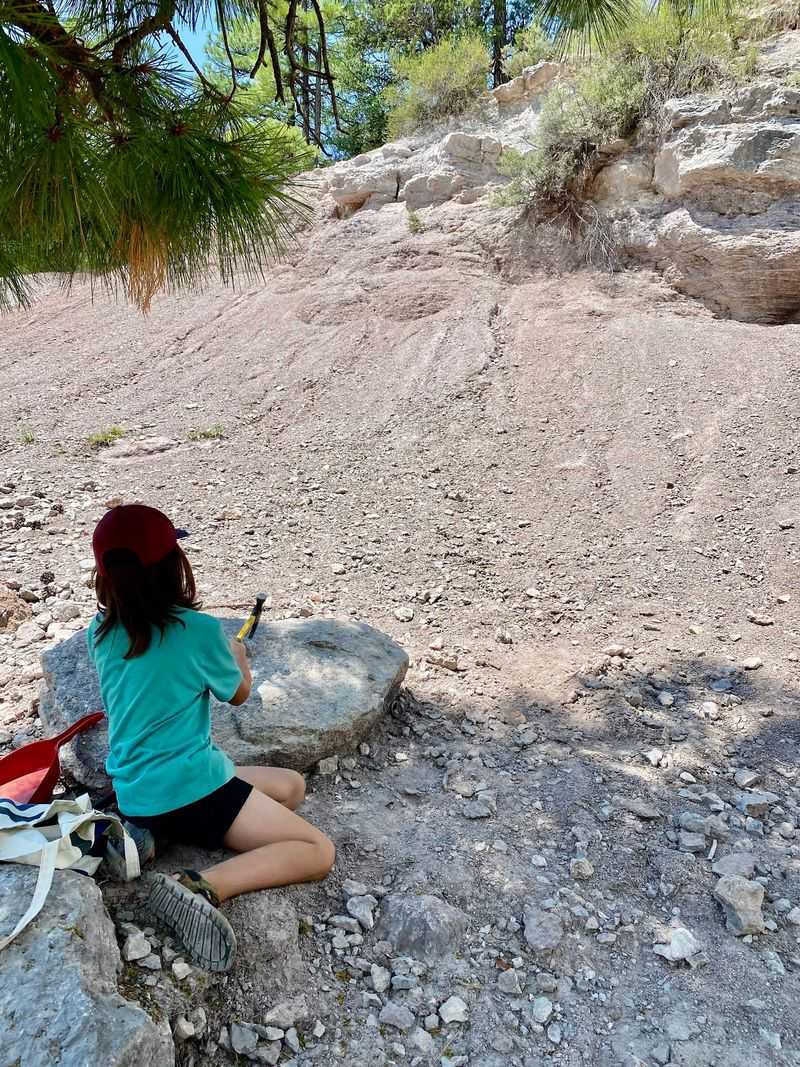
Good news for anyone who does not love steep climbs: you do not have to scramble up the slope to score.
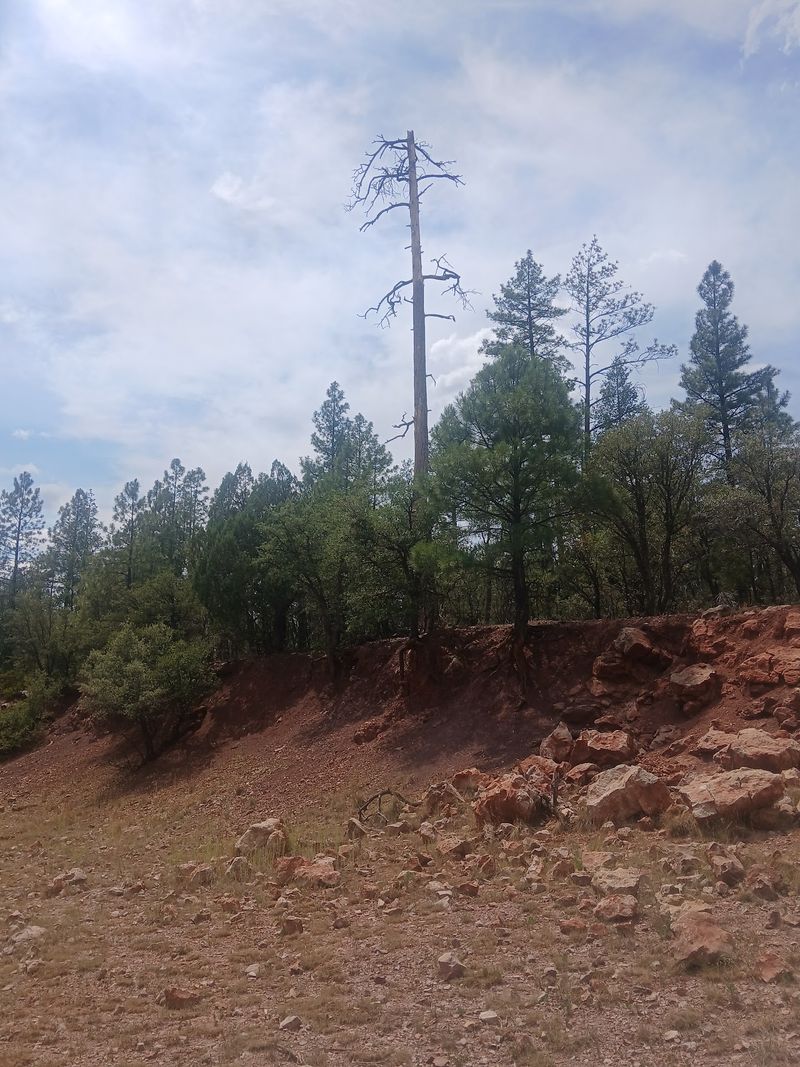
Fossils show up in the rock layers higher on the hillside, but plenty are found near the identification sign and right at ground level. Many hunters have their best luck in the loose gravel on the lower, flatter areas.
The gray material is the key. Digging a little into that gray layer tends to turn up more specimens.
There is also an old road or Jeep track above the big rock outcrop. Water washes down it, and some hunters find several shells there in about 20 minutes.
A wash running downhill from the site can also be productive, with fossils and interesting rocks mixed together.
Once you learn what to look for, little shells start popping up everywhere.
6. Patience Over Pickaxes
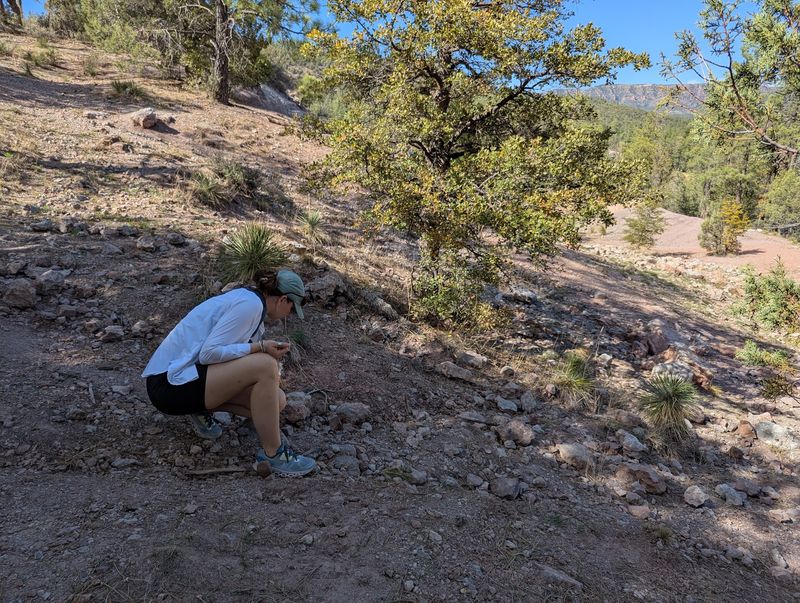
Fair warning: this is a treasure hunt, not a treasure buffet.
Because the site is so easy to reach, it gets picked over. Some people leave with a handful of shells, while others find nothing at all.
Results seem to depend on time and effort. One family needed about 45 minutes to find two small fossils, while others found plenty in half an hour.
A few folks have walked away convinced the place is cleaned out. Others insist you just need to put in a little work and keep looking.
Very young kids may lose interest fast if they expect instant results. Setting expectations ahead of time helps a lot.
Treat any find as a bonus, and the hunt itself becomes the main event.
7. Tools, Water, and a Sharp Eye
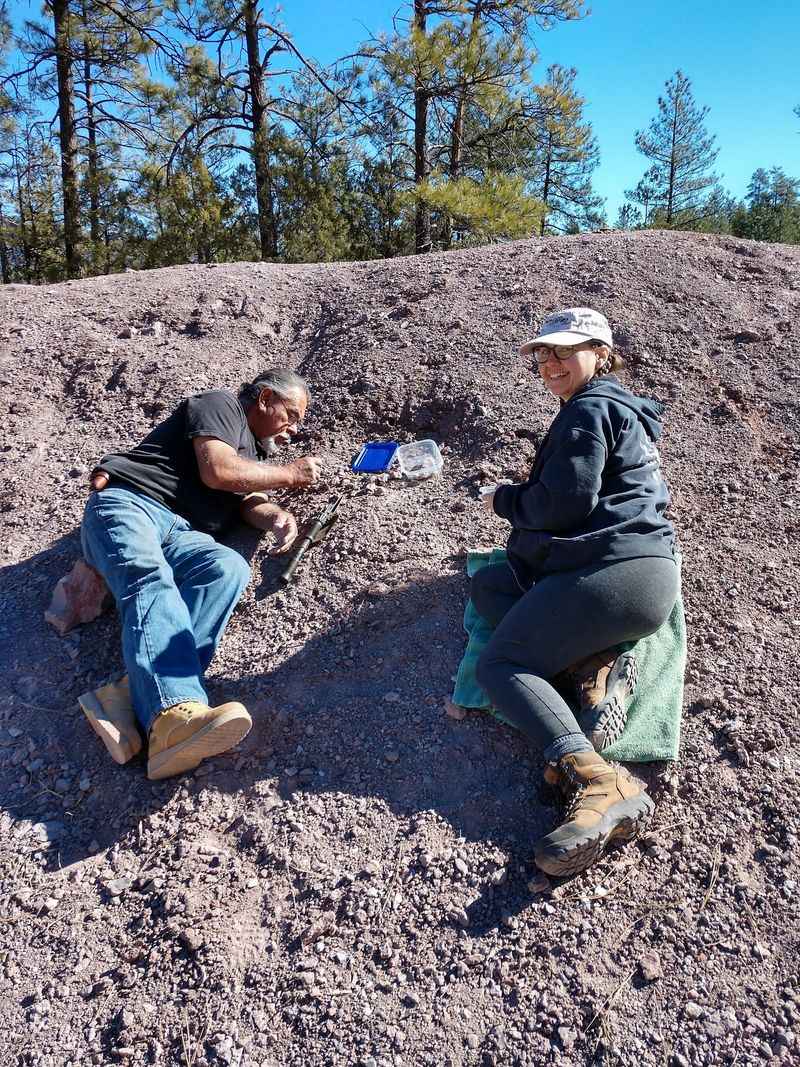
Packing smart can turn a quick stop into a productive afternoon.
Many fossils sit right on the surface, so little to no digging is required. Still, most people seem to show up with a few tools anyway.
A small trowel or hand tool helps when sifting through the gray layer. Those hoping to dig into the hillside itself may want sturdier gear.
Water matters more than you might think. There are no stores close by, so bringing your own lets you stay longer without cutting the hunt short.
A magnifying glass is handy for the tiniest shells. Some specimens are so small that a sharp eye makes all the difference.
Toss in sturdy shoes and a snack, and you are set.
8. An Eagle Scout’s Lasting Contribution
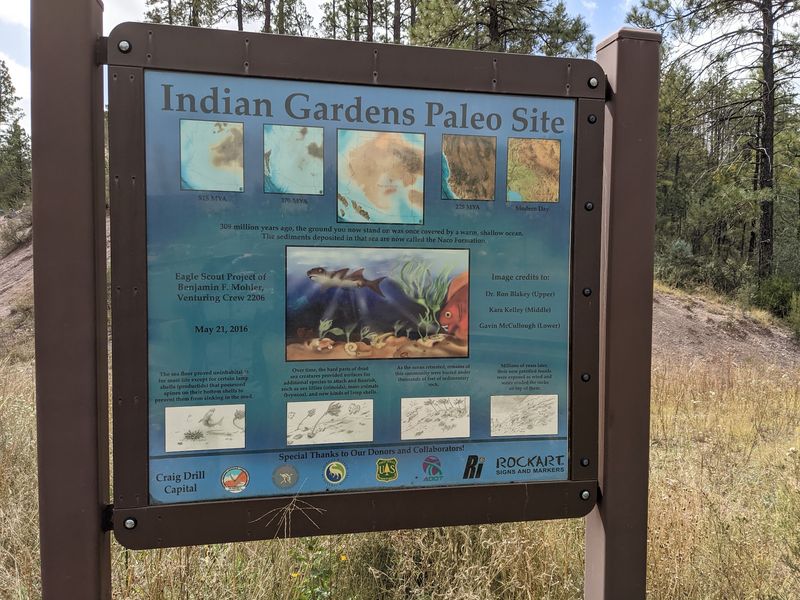
Behind the helpful sign at the trail sits a story of community effort.
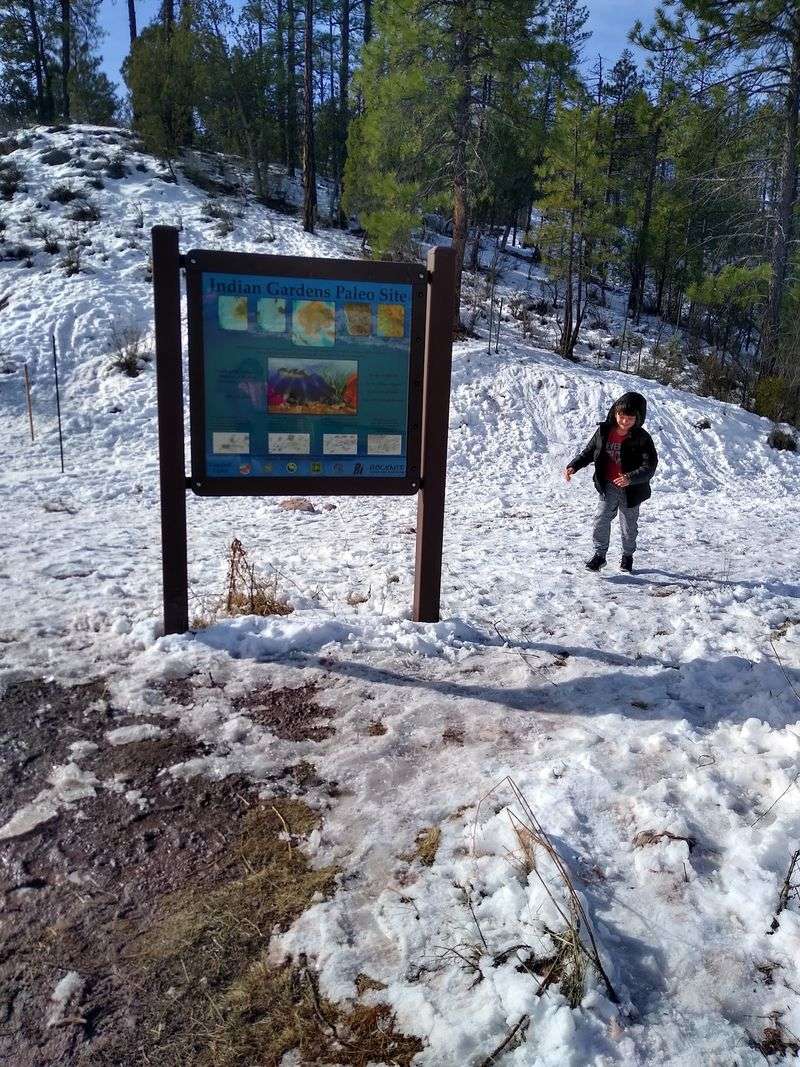
The informational sign was put together by a young Eagle Scout. It explains the fossils found at the site and gives first-timers a head start on what to look for.
That small project makes a big difference. Without it, plenty of people would walk right past a brachiopod and never know it.
The sign also works as a natural starting point. Several hunters find their first fossils right around its base.
Kids especially seem to benefit, since it turns a rock pile into a lesson they can touch.
Give it a read before you start scanning the ground. A few minutes there can save a lot of guesswork later.
9. Rain Changes Everything
Monsoon fans, this one is for you.
After a good rain, fossils can wash out onto the surface. That means less digging and better odds for casual hunters.
Water runoff along the old track above the outcrop and through the wash moves loose material around. Fresh specimens can appear in spots that were picked clean before.
Hunting during light rain is possible, though footing can get slick on the slope. Take it slow on the steeper parts.
Snow does not stop everyone either. Some people have found fossils in the barren patches even with snow covering much of the ground.
Timing a visit for just after a storm may be the closest thing to a cheat code here.
10. A Pit Stop That Feels Like a Day Out
Not every highway break comes with a side of prehistory.
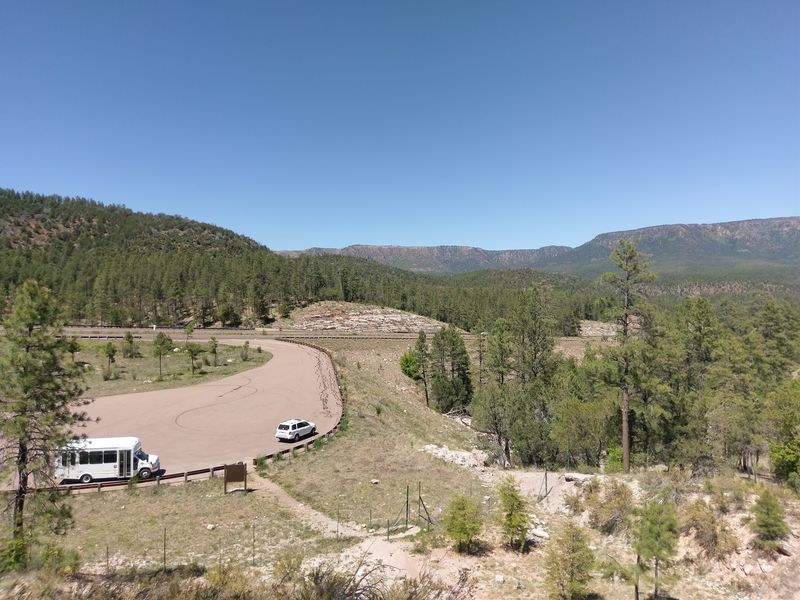
The site works great as a leg-stretching stop on a long drive. The big paved lot is right off the road, clean and quiet, with plenty of room.
Plenty of folks stop just to repack the car or take a short walk. A few have even caught a striking sunrise from the little circle lot.
The area is calm enough for a picnic or a quick rest. It often feels private, and some groups have the place completely to themselves.
Scenic trails around the fossil beds add another reason to linger. Even those who find nothing tend to enjoy the wandering.
Ten minutes can easily stretch into two hours.
11. Who Gets the Most Out of It
Curious kids, rock collectors, and grandparents all seem to find their groove here.
The hike is short and easy, so it suits a wide range of ages. Older kids who enjoy a challenge tend to stay hooked the longest.
Rock collectors appreciate the mix of fossils and interesting stones. Campers like it as a quick detour on the way to the forest.
Toddlers and kids under seven may get restless if fossils do not show up fast. A snack and a game of who-finds-the-first-shell can help.
Those expecting dramatic rock formations may feel underwhelmed. The site is small and simple by design.
Come for the hunt and the history, and it tends to deliver.
12. Hours, Exit Ramps, and Timing Tips
Mark your calendar carefully, because this spot keeps a schedule.
The site is open Wednesday through Sunday from 9 AM to 4 PM. It is closed on Monday and Tuesday.
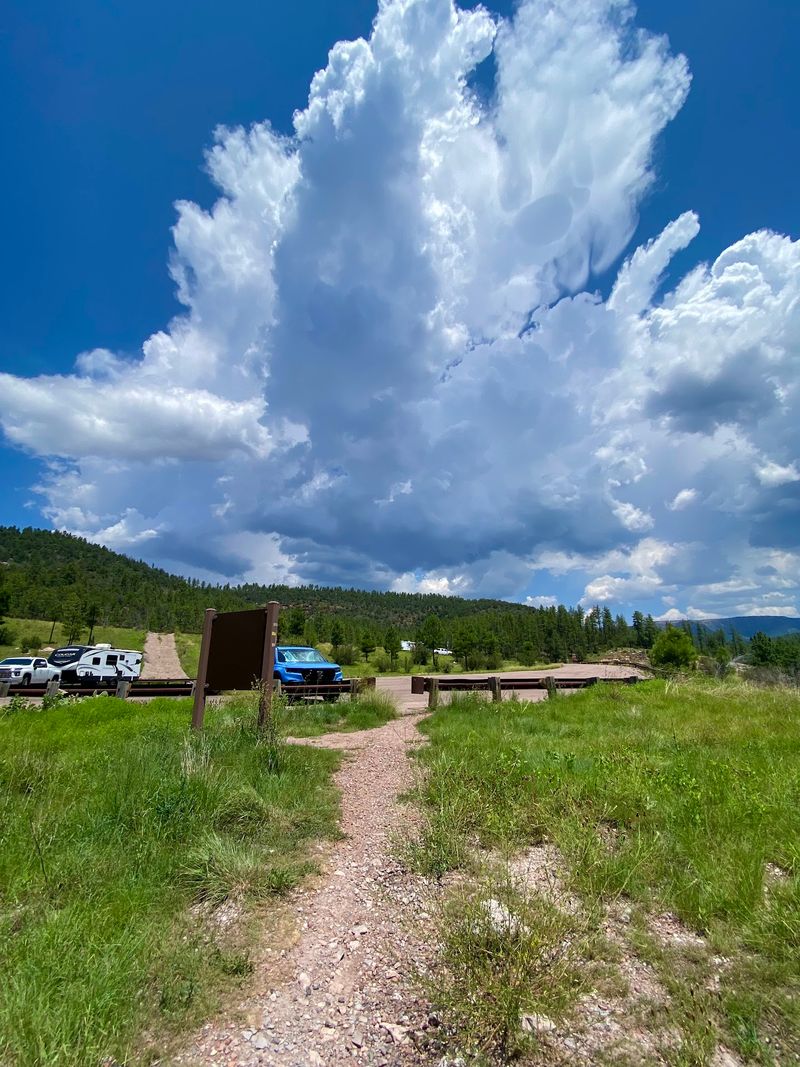
The exit off AZ-260 comes up fast. The ramp is fairly short, so drivers in large vehicles or towing trailers should slow down early.
Weather is worth planning around. Warm days can make the slope tiring, and many people say cooler days are better for a long search.
Fall and spring are natural fits for Valley residents escaping the heat. Winter works too, with a jacket.
On collecting, rules are not posted clearly in all accounts, and some people leave fossils in place. Check current guidelines before pocketing anything.
13. Worth the Detour for Shell Seekers
Some road trip stops fade from memory by dinner. This one tends to stick around.
Paleo Site Monument packs a lot into a small space. Free access, real fossils, an easy walk, and a bit of mystery make it a strong pick for Rim Country day-trippers.
It is not a guaranteed haul, and it is not a big attraction. Expect a modest hillside, a helpful sign, and a hunt that rewards patience.
Go after a rain, bring water and a small tool, and give yourself an hour or more. Your odds go up fast.
Then head home with a story about finding seashells in the mountains.
Not many Arizonans can say they went to the beach in Payson.
Share this story