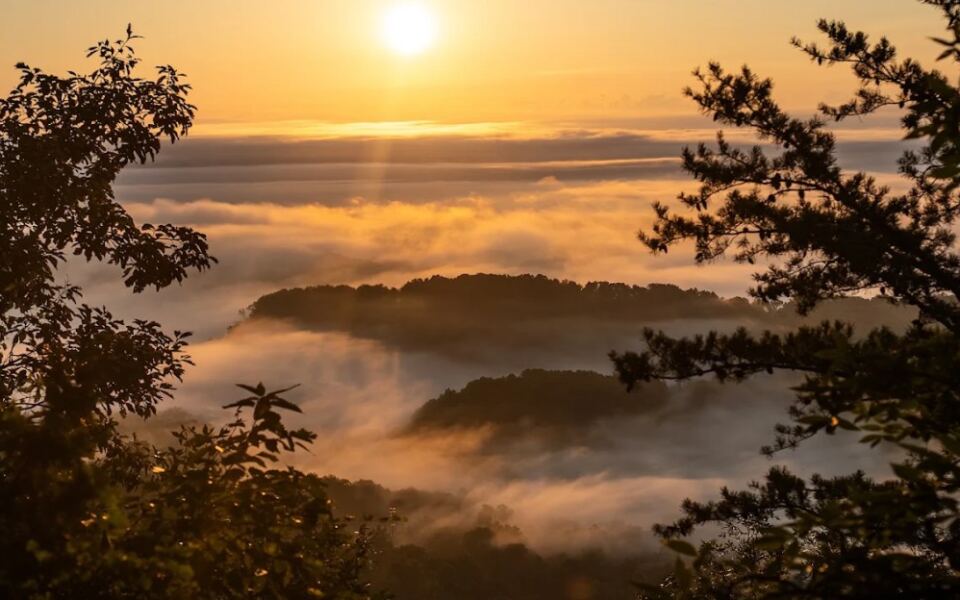
The highest point in an entire county sits just a short drive from a busy city, and you can stand on top of it before lunch. The catch is simple. Your legs have to earn every single foot.
The trail climbs about a thousand feet in roughly a mile. That’s steep, rocky, and honest work. Then the trees open up, and long ridges roll off toward the horizon like waves frozen in place.
I like how this Tennessee peak doesn’t pretend to be easy. It hands you rocks, roots, and switchbacks, then rewards you with views that feel way bigger than the effort. I believe that trade is a bargain.
So why do so many hikers keep coming back to sweat up the same slope? The answer is waiting at the top.
The Tallest Spot in Knox County Is Closer Than You Think
House Mountain State Natural Area holds a fun bragging right. Its summit is the highest point in Knox County, Tennessee, topping out a little above 2,000 feet.
That number might not sound huge next to the Smokies. Still, the mountain rises sharply from the flat farmland around it, so it looks dramatic from miles away.
Here’s the best part for busy people. The trailhead sits in Corryton, roughly a half-hour drive northeast of downtown Knoxville.
That means you can squeeze in a real mountain hike without spending your whole day in the car. Morning climb, afternoon errands, and still home for dinner.
The natural area covers hundreds of acres of forest along the ridge. Knox County Parks and Recreation manages the park, and the state recognizes it as a protected natural area.
Protection matters here. The ridge shelters plants and animals that would have a tough time if the land were developed, so the woods stay wild and shady.
Its shape also gives the mountain its name. From certain angles, the long ridge with steep sides looks a bit like the roof of a house sitting on the valley.
Once you notice that rooftop outline, you can’t stop seeing it. Locals driving the back roads of east Knox County spot it all the time.
So who is this place for? Anyone who wants a true climb and big views without driving deep into the mountains.
Beginners can do it with patience and good shoes. Experienced hikers can treat it as a quick, sweaty workout with a scenic finish.
Either way, standing on the highest ground in the county feels pretty cool. Few places let you claim a summit this easily, even if your calves file a complaint.
Your Calves Will Have Opinions About That First Mile
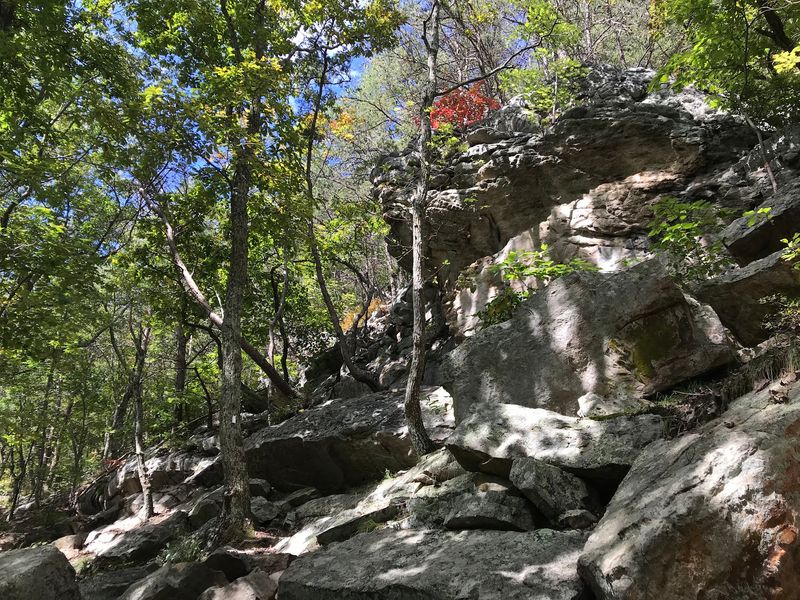
Short does not mean easy. The trails to the top of House Mountain gain around a thousand feet in about a mile, and you feel nearly every step.
Expect rocks. Lots of them, plus tree roots, loose gravel, and spots where you’ll use your hands to steady yourself.
Two main routes lead up the mountain. The Mountain Trail offers a challenging climb, while the West Overlook Trail is shorter and has steep, rocky sections with switchbacks.
A little is the key phrase. Neither path is a stroll, and both will get your heart pounding before you reach the ridge.
Pacing makes a huge difference on a climb like this. Take short breaks, sip water, and don’t race the person ahead of you.
Nobody hands out medals at the top. The view is the prize, and it’s the same whether you arrive in forty minutes or ninety.
Coming down brings its own challenge. Steep, rocky descents are rough on knees, and wet leaves can turn a simple step into a surprise slide.
Trekking poles help a lot on the way down. They take pressure off your legs and give you extra balance on tricky patches.
Families with little kids should think ahead. Young hikers can do it, but the steep sections may need a slower pace and plenty of encouragement.
Hikers can descend via the West Overlook Trail, but its steep, rocky sections and switchbacks still require caution.
The good news? The hard part ends fast. Once you top out on the ridge, the trail mellows out, and suddenly the whole sweaty effort makes perfect sense.
Pick Your Route Like a Pro Before You Lace Up
Smart hikers plan a loop. Linking the Mountain Trail, the ridge-top Crest Trail, and the West Overlook Trail turns your climb into a circuit with fresh scenery the whole way.
A full loop usually lands somewhere around three to four miles. Add side trips along the crest, and your total can stretch even farther.
Many hikers like going up the steeper Mountain Trail first. Climbing a steep slope is often easier than carefully stepping down one.
Then you can follow the ridge toward the West Overlook Trail and descend via its switchbacks. Take care, as the descent remains steep and rocky.
Short on time? Plenty of people simply go up and back on one trail. It’s a quicker trip that still delivers a summit view.
The crest trail runs along the top of the ridge. It connects the overlooks and lets you explore without climbing all over again.
Trail signs are posted at junctions, but it pays to check a map before you start. Snap a photo of the trailhead map board on your phone for easy reference.
Give yourself plenty of daylight. A loop can take anywhere from about one and a half to three hours, depending on your pace and how long you linger at overlooks.
Getting caught on rocky ground after sunset is no fun. Pack a small headlamp, just in case your snack break runs long.
One more tip worth remembering. Some map apps have sent drivers to a private road, so follow Hogskin Road to the official parking lot instead.
Plan well, and the hike feels like a smooth adventure. Wing it, and you might end up taking the scenic route nobody wanted.
Those Ridge-Top Views Stretch Farther Than You’d Believe
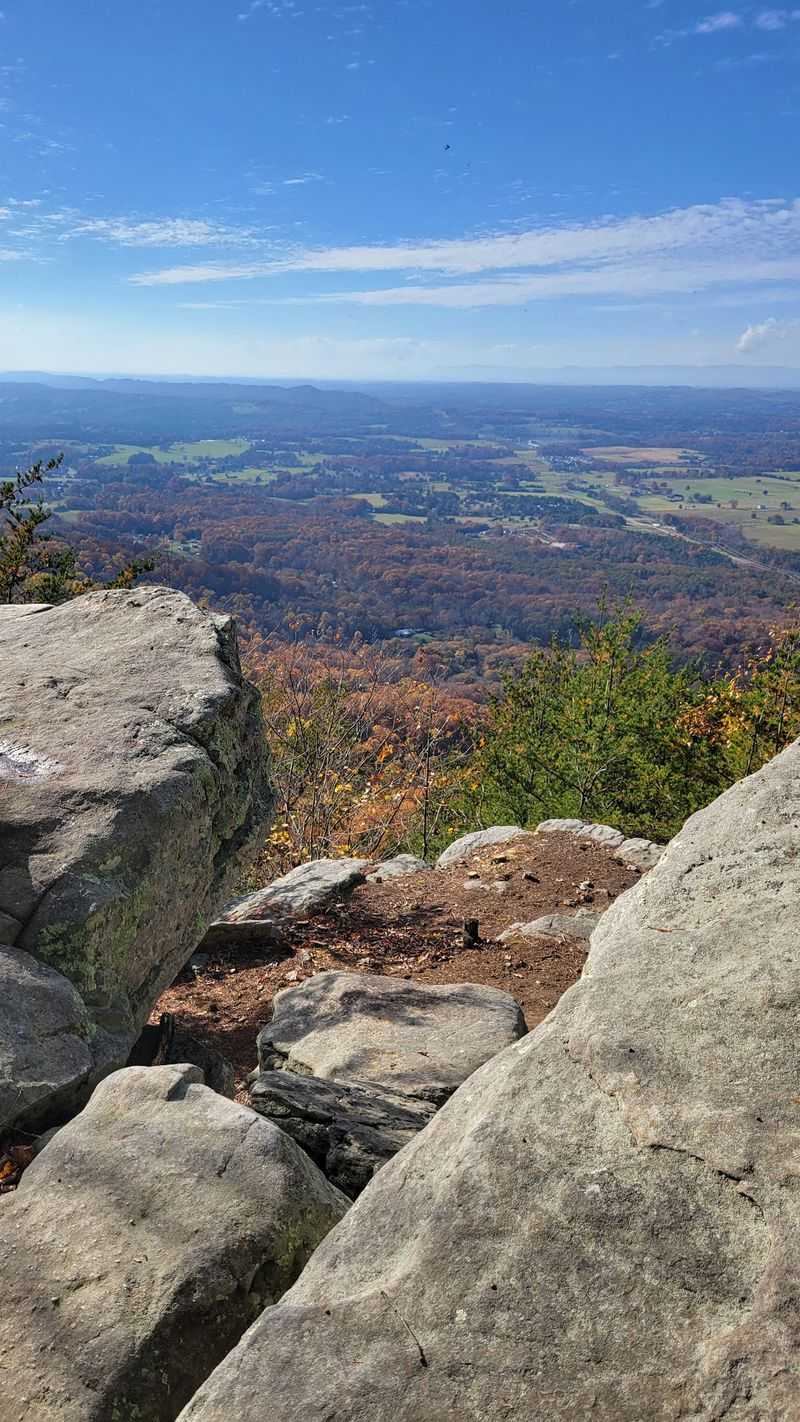
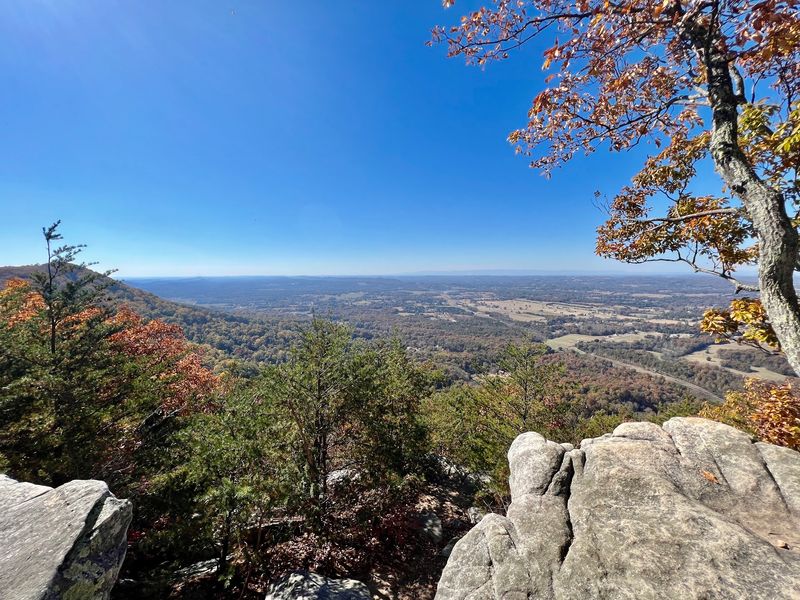
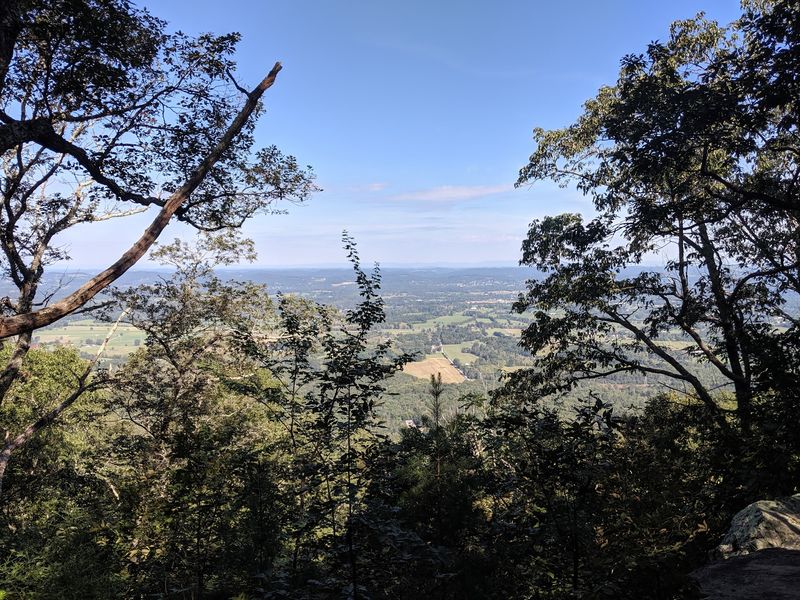
Ridge after ridge after ridge. That’s the scene waiting at the overlooks, with mountains fading into softer shades of blue the farther they go.
Looking north, you can see Clinch Mountain and the long line of the Cumberland Mountains. On clear days, the layers seem to go on forever.
The west overlook offers another treat. Hikers can catch a distant peek of the Great Smoky Mountains on the southern horizon.
It’s a cool feeling to spot famous peaks from a hike this close to town. You get big-mountain scenery without the big-mountain drive.
Below the ridge, the valleys spread out in neat patches. Farms, fields, and winding roads look tiny, almost like a model train set.
The east side of the crest has its own overlook. Visiting both gives you two different angles on the same beautiful corner of Tennessee.
Rocky ledges make natural seats at the viewpoints. Find a stable spot, sit down, and let your breathing return to normal.
Please stay careful near the edges, though. The drops are real, and a selfie is never worth a risky step.
Weather changes the show completely. Hazy summer days soften the ridges, while crisp, dry air sharpens every outline.
Clouds can roll through and hide the view in minutes. Check the forecast first so you don’t climb all that way to stare at fog.
Bring a snack and stay a while. After that climb, you’ve earned a long, quiet look at one of the best panoramas in east Tennessee.
Winter Might Be the Secret Best Season Up Here
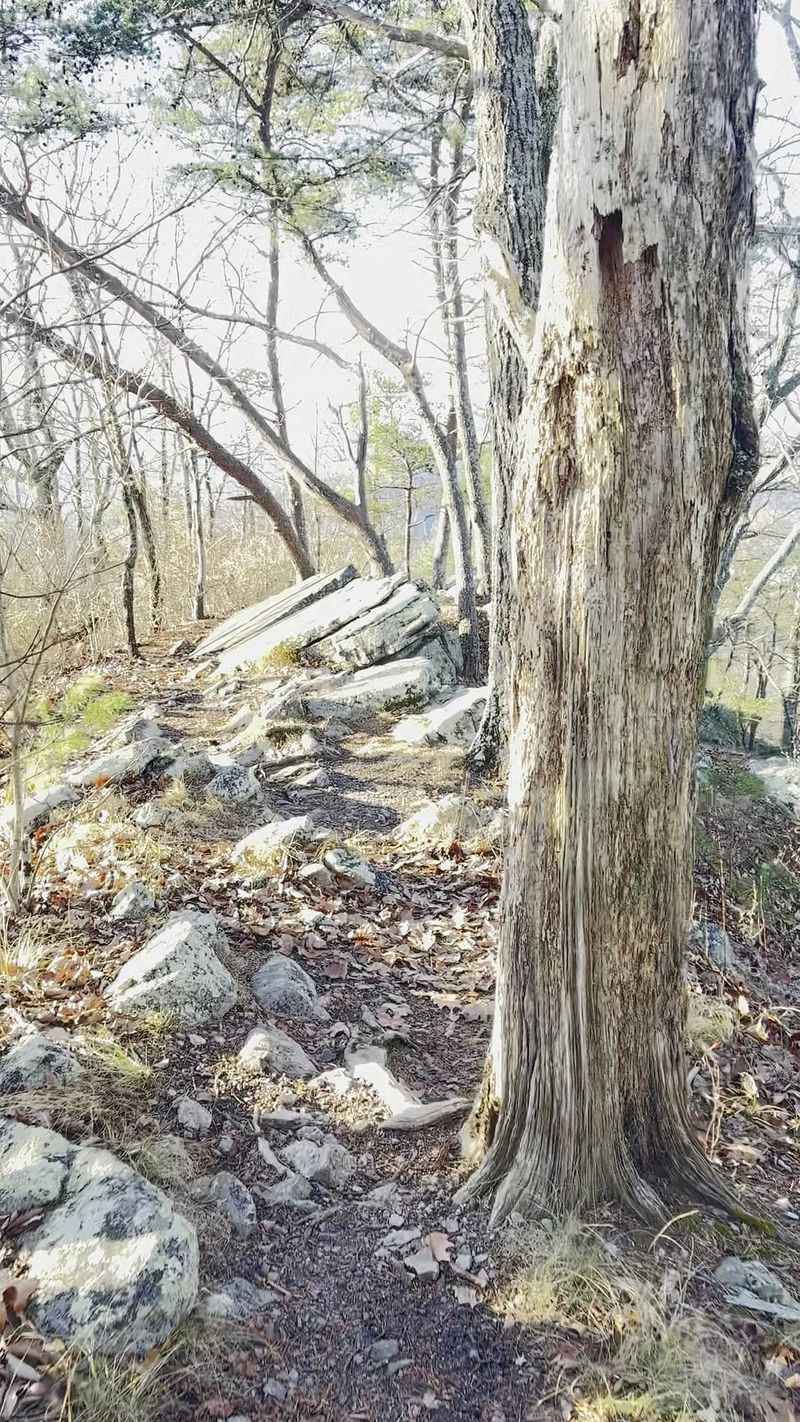
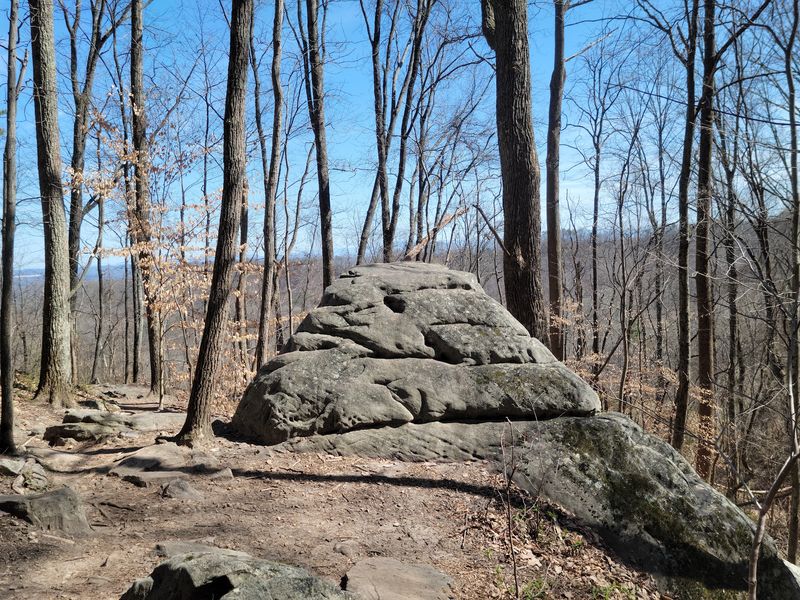
Leafless trees sound gloomy, but they’re great news on this ridge. When the foliage drops, views open up along the trail that stay hidden behind green leaves all summer.
Thick summer forest can block parts of the scenery at the top. In late fall and winter, you see much more of the surrounding valleys and ridges.
Cooler weather helps the climb too. Sweating up a thousand feet feels a lot nicer in a light jacket than in sticky July heat.
Layers are your best friend. You’ll warm up fast on the way up, then cool off quickly while resting at the overlooks.
Autumn brings its own color show. Hardwoods across the ridge turn shades of gold, orange, and red, and the valley views look like a painting.
Spring has charm as well. Fresh green leaves and wildflowers pop up, and the forest feels lively again.
Summer still works for an early start. Head out in the morning before the heat builds, and bring extra water.
Be honest about trail conditions in every season. Rain, ice, or snow can make rocky sections slick and much harder. After a storm, wet rocks act like slides.
Wait for things to dry out, or choose a calmer day for your climb.
Good traction matters most in cold months. Sturdy boots with solid grip make icy patches far less scary.
Truthfully, House Mountain is worth visiting year-round. Each season changes the mood, so you could hike it four times and get four different trips.
Furry and Feathered Neighbors Share the Trail
Chipmunks run this mountain, or at least they act like it. Squirrels and chipmunks scurry around the rocks near the top, busy with their own important errands.
The natural area protects forest habitat along the whole ridge. That shelter gives birds, small mammals, and plenty of plants a quiet place to live.
Birdwatchers can have fun here. Keep your ears open for calls echoing through the trees as you climb.
A small pair of binoculars barely adds weight to your pack. It can turn a rest break into a mini wildlife show.
Plants deserve attention too. The woods hold a mix of hardwoods, rocky outcrops, and seasonal wildflowers.
Please stay on the marked trails. Cutting corners tramples plants and wears away soil on these steep slopes.
Not every critter is cute, though. Ticks are common in these woods, especially in warmer months.
Wear long pants, use insect repellent, and check yourself carefully after the hike. Dog owners should check their pets too, paying attention to ears and paws.
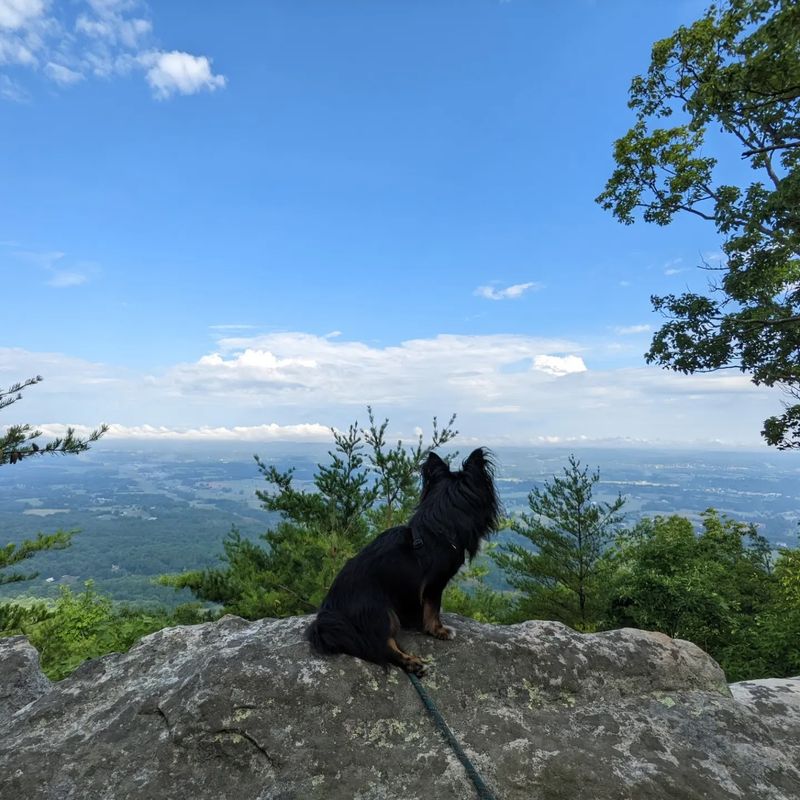
Speaking of dogs, pups are welcome on leash. A leash keeps your buddy safe on steep ground and respects other hikers and wildlife.
Never feed the animals, even the adorable chipmunks begging near your trail mix. Human food isn’t good for them and changes their natural habits.
Leave everything as you found it. That way, the next hiker gets to enjoy the same wild, lively woods you did.
Finding the Trailhead Is Half the Adventure
Directions matter more than you’d expect here. The official trailhead for House Mountain State Natural Area sits at 9601 Hogskin Road, Corryton, TN 37721.
Plug that address into your phone instead of just searching the mountain name. Some navigation apps have pointed drivers toward a private road nearby.
Stay on Hogskin Road until you reach the parking lot. Please respect private property signs along the way, since neighbors live close by.
The drive from Knoxville takes you through rolling east Tennessee countryside. Barns, pastures, and winding roads set a relaxed mood before the climb.
Restrooms are available at the trailhead. They’re simple, but they’re a welcome sight before and after a steep hike.
A kiosk near the start shows the trail system. Take a minute to study it, especially if this is your first visit.
Parking fills up on nice weekends. Arriving early in the morning gives you a better shot at a spot and cooler temperatures.
Weekday hikes tend to feel calmer too. If your schedule allows, a Tuesday morning climb can be wonderfully peaceful.
Plan to finish before dark. Hiking down rocky trails in fading light gets tricky fast.
Pack before you leave home, because supplies near the trailhead are limited. Water, snacks, and a fully charged phone should ride along every time.
Get those basics right, and the rest of the day falls into place. All that’s left is the fun part, and by fun, I mean the steep part.
Pack Like Someone Who Respects This Mountain
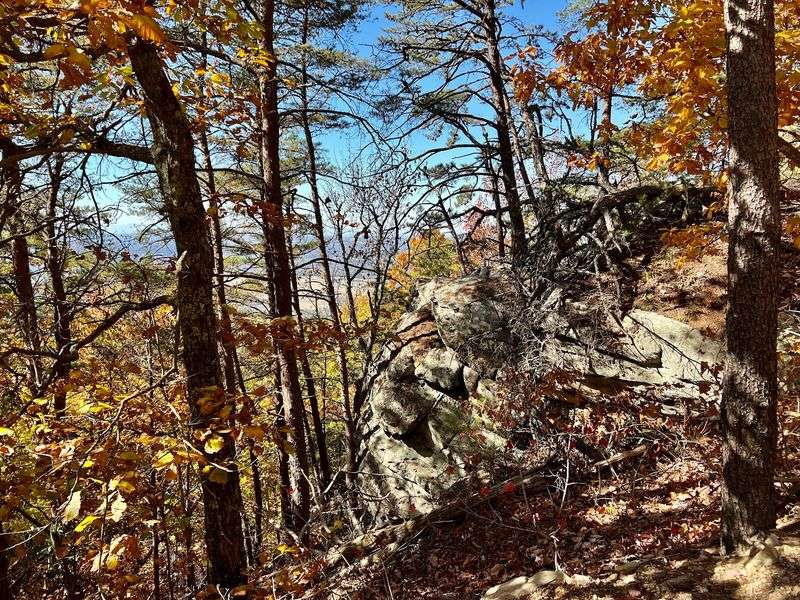
Sneakers with worn-out soles are a bad idea on this ridge. The rocky trail rewards good grip and punishes slick shoes, especially on the way down.
Hiking boots or trail runners with solid tread work best. Ankle support helps on uneven ground covered with loose stones.
Water comes next on the list. Even a short climb burns energy, and summer humidity in Tennessee makes you sweat buckets.
Carry more than you think you need. A liter per person is a reasonable start for a loop, and more on hot days.
Trekking poles earn their spot in your bag. They help push you uphill and steady you on steep descents.
Snacks turn the summit into a picnic. Trail mix, fruit, or a sandwich taste amazing after that climb.
Toss in insect repellent and a small first-aid kit. Ticks, scrapes, and blisters are all part of hiking life in these woods.
A headlamp weighs almost nothing. It’s cheap insurance if your hike takes longer than planned.
Dress in layers, even on mild days. The ridge can feel breezier and cooler than the parking lot.
Bring a bag for your trash. Carrying out wrappers keeps the overlooks clean for everyone.
Finally, tell someone your plan. Share your route and expected return time, then enjoy the climb with total peace of mind.
Make It Your Go-To Workout With a View
Gyms have treadmills. House Mountain has a thousand feet of rocky staircase and a reward no machine can match.
Plenty of east Tennessee hikers use this mountain for training. It’s a solid warm-up for longer trips in the Smokies or along the Appalachian Trail.
Repeat visits show your progress in a fun way. The climb that left you gasping the first time slowly starts feeling easier.
Try timing yourself on the Mountain Trail. Beating your own record is surprisingly motivating.
Hiking with friends adds another layer of fun. Shared struggle makes great memories, and the summit gives everyone something to celebrate.
Couples, families with older kids, and hiking clubs all find something to enjoy. The short distance keeps it doable, while the steep grade keeps it interesting.
Photographers have reasons to return too. Changing light and seasons create a new view almost every trip.
Afternoon light can glow across the ridges beautifully. Just leave enough time to get down safely before sunset.
The mountain also makes a great first step for new hikers. It teaches pacing, footwork, and packing in a manageable package.
Once you’ve conquered it, bigger trails feel less scary. Confidence is a sneaky souvenir.
So lace up, grab your water, and give this Tennessee peak a shot. The climb is tough, but those views will have you planning your next visit before you reach the car.
Share this story