Some Denver buildings hold onto their past quietly, and one of them just happens to have DJs spinning under its stained glass windows. A chapel built in 1865 now fills up on weekend nights with dancers, light shows, and touring artists. The original stonework and arches are still there, but the music has changed quite a bit.
Keep reading to learn where it is, what each room offers, when the doors open, and how to plan a smooth night out without any surprises at the door.
1. An Old Chapel on Lincoln Street
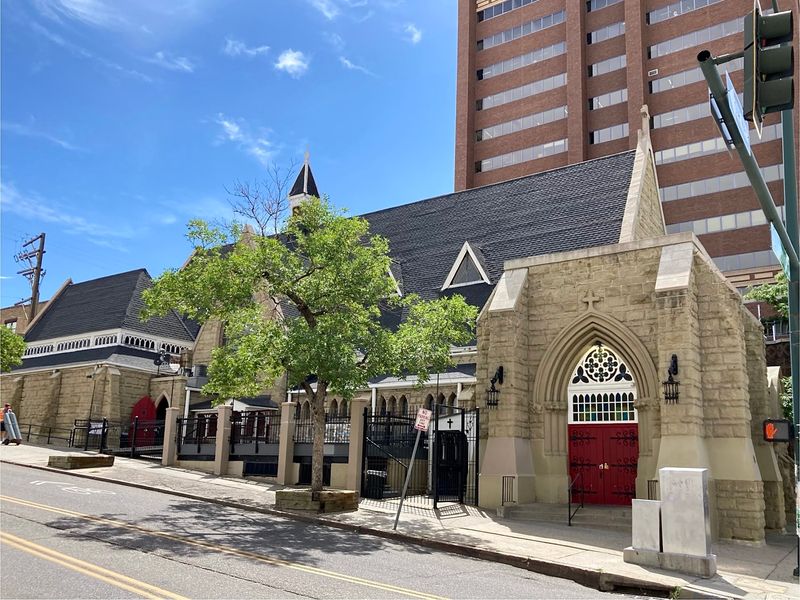
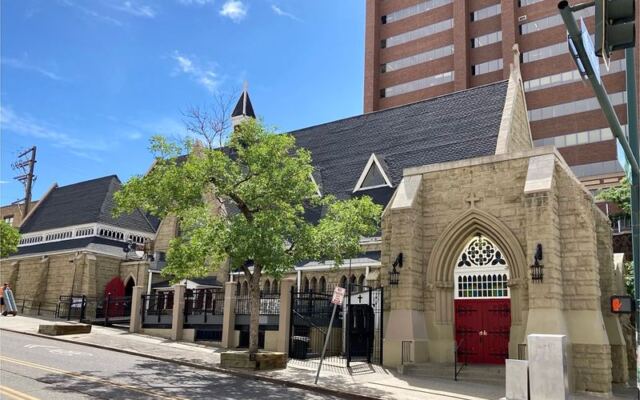
Capitol Hill has plenty of old buildings, but only one of them traded hymns for headliners. The Church Nightclub sits at 1160 Lincoln St, Denver, CO 80203, a short hop from downtown in Colorado’s capital city.
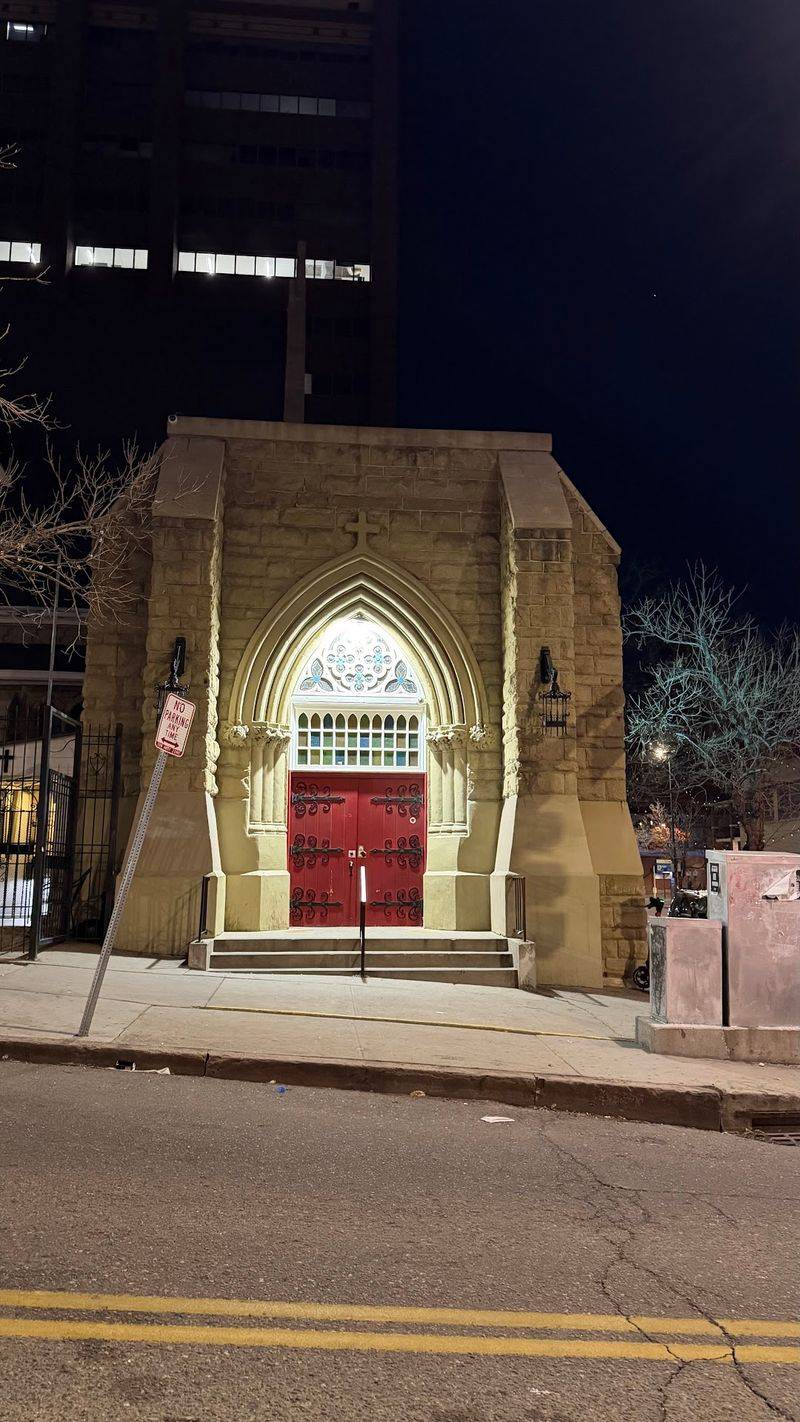
From the outside, it still looks like a place of worship. Inside, it works as a large dance club with several rooms, and each room plays different music.
The building dates back to 1865, which makes it older than Colorado statehood. That detail alone gives local history fans a reason to pay attention.
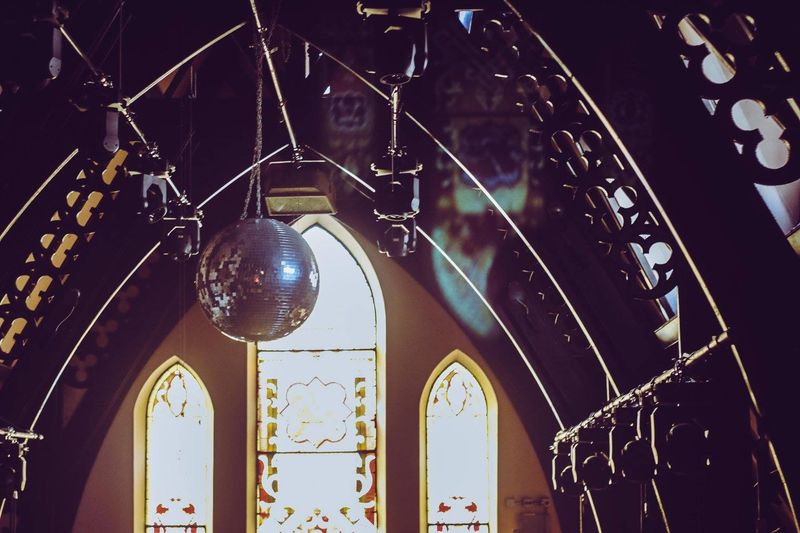
Over the years, the chapel was renovated into a dance hall without stripping away its character. Much of the original stained glass and stonework remains in place.
Plenty of Front Range residents have been coming here periodically for decades. Others are newcomers who heard about the club from friends and wanted to see the strange mix for themselves.
The venue is known locally as a spot where DJs and electronic music fans gather on weekends. It sits in a neighborhood that many Denver locals already know well, so finding it is rarely a puzzle.
So what happens once those old doors swing open on a Friday night? The answer starts with the building’s long backstory.
2. From 1865 Sermons to Saturday Sets
Few nightclubs can claim a founding year in the 1860s. This one can, and it wears that age openly.
The building began as a church in 1865. Later renovations turned it into a dance hall, keeping the arches, stone walls, and colorful windows that gave it a sacred look in the first place.
The result is a venue where history and nightlife share the same address. Longtime regulars note that the core of the building has not changed much over the years.
Some see that as part of the charm. A few others wish for more updates, especially in crowded corners.
The club’s team leans into the theme with good humor. Their messages to guests are full of playful lines about congregations, sermons, and holy beats.
That sense of fun helps explain why the building works so well as a party space. It does not try to hide what it used to be.
For Colorado residents who love local heritage, it is a rare chance to spend time inside a structure from the territorial era. It just comes with a lighting rig and a booming speaker stack.
Once the history sinks in, the next question is about the room that gets most of the attention.
3. The Main Hall Under the Pulpit
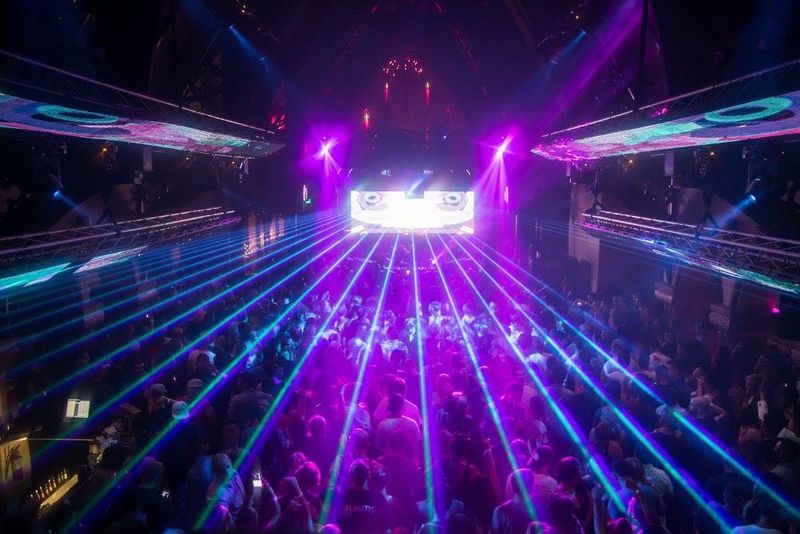
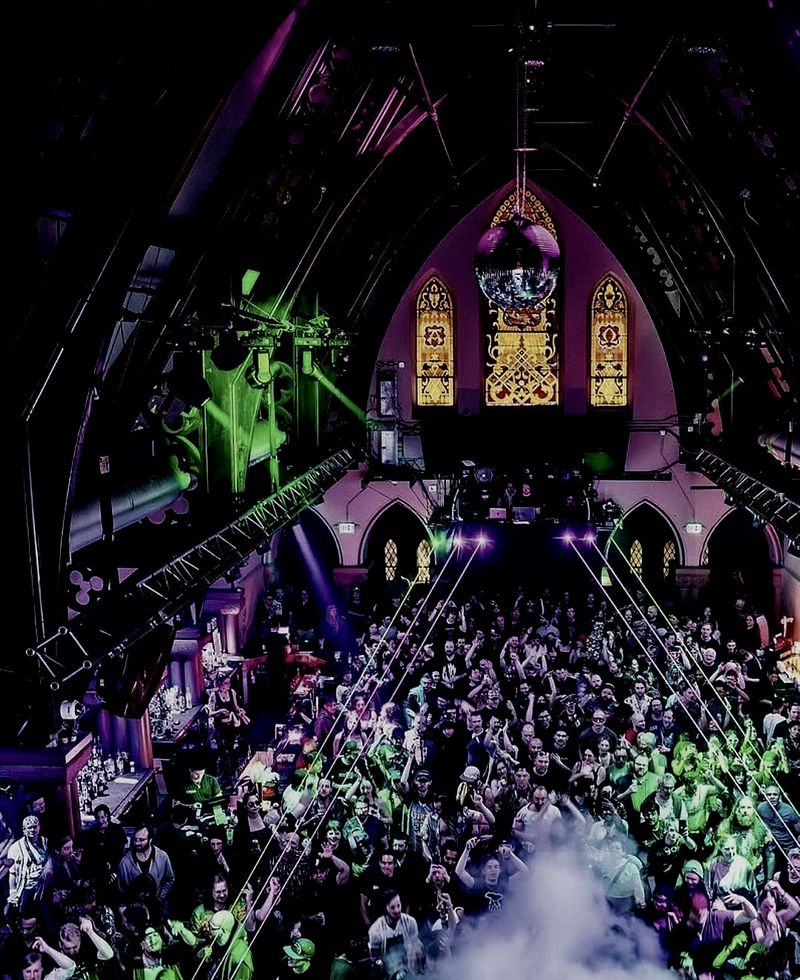
Here is where the big moments land. The main level holds a massive dance floor, and it fills the space where pews once stood.
The main hall is often described as beautiful, with lights and sound that feel well balanced. The sound system earns frequent praise, even from people who had complaints about other parts of the night.
Above the old pulpit area sits a VIP section. It offers a raised view over the crowd below.
A fair warning comes with all this energy. The main floor can get very crowded, which suits people who like being in the thick of things.
Some guests find the space tight during popular shows. A few end up near the DJ booth just to find room to move, though that spot can block the view of the performer.
Ventilation in certain areas, especially in front of the booth, can be limited. Regulars suggest bringing a hand fan on busy nights.
Another tip is timing. The main stage does not usually reach full volume until around midnight or later.
That means early arrivals might want to explore the rest of the building first. Luckily, there is a lot more to wander through.
4. Rooms Stacked on Every Level
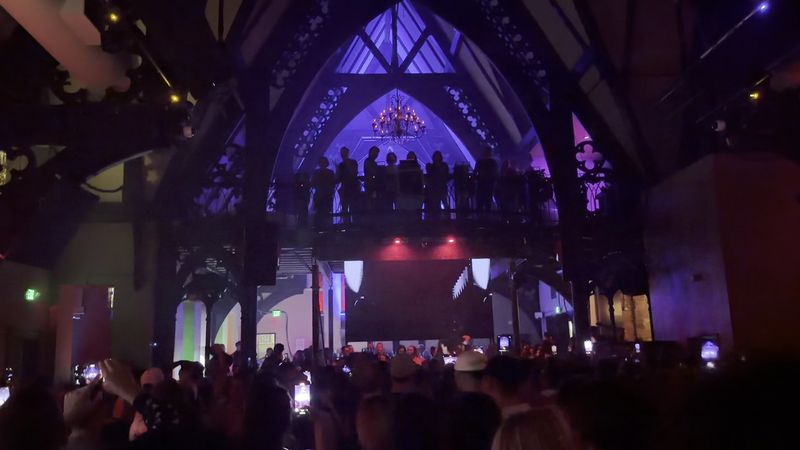
One building, several moods. That is the quiet secret behind the club’s staying power.
The venue spreads across multiple levels. There are well-lit walkways connecting areas, so moving between them feels manageable even on a full night.
On many nights, DJs spin in three different spots at once. Each area plays its own style, which gives guests options based on what they want to hear.
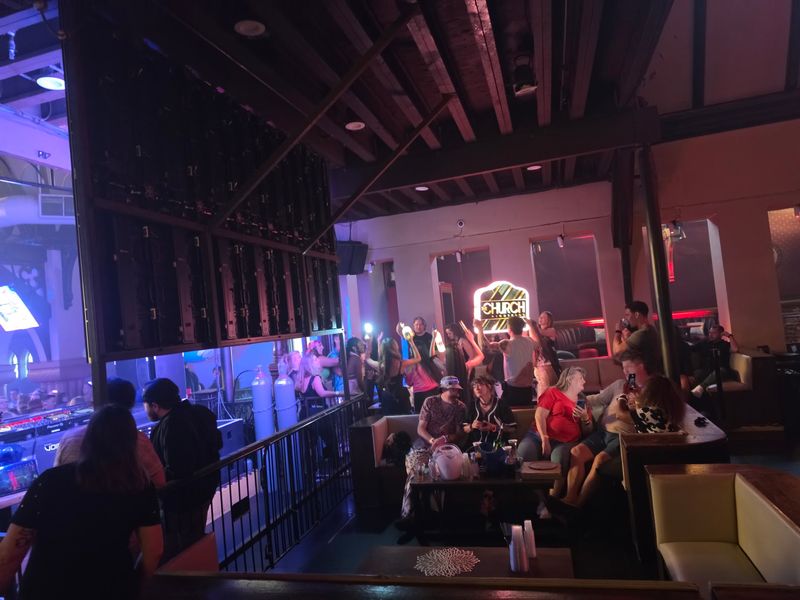
The basement holds two more event spaces. The third floor has a bar that also serves food.
There is also a quieter room with a bar for people who want to talk or take a break. That detail matters for anyone nervous about a nonstop dance marathon.
Several outdoor decks and a rooftop area add room to step away from the crowd. A big outdoor deck gets mentioned often as a place to cool down between sets.
This layout makes the club friendlier to mixed groups. One friend can stay on the main floor while another hangs out upstairs.
It is less like a single party and more like a few smaller ones under the same roof. Next comes the part most people buy tickets for, the artists themselves.
5. Headliners in an Intimate Room
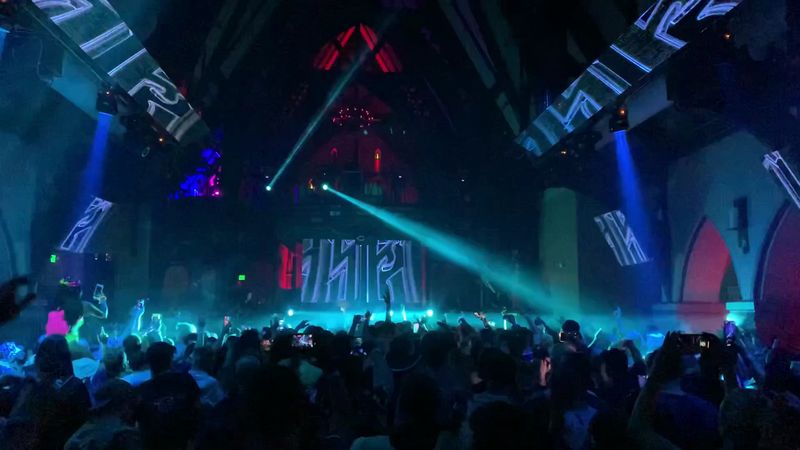
Big names do come through Lincoln Street. Recent lineups have included Kasbo, Yaeji, Sickick, Hybrid Minds, and Flux Pavilion.
That variety covers a wide stretch of electronic music. House music and drum and bass fans both find nights worth circling on the calendar.
Special dates get special shows too. A New Year’s Eve set and a Fourth of July night have both drawn crowds here.
The club feels more like a club than a large rave venue. That smaller scale creates an intimate atmosphere, where fans sometimes even get a chance to meet the artists.
Many locals say they have seen favorite performers here that they never expected to catch in Denver. Others recommend the venue to out-of-town friends because the shows are a strong draw.
Not every lineup will match every taste, of course. Different DJs bring different crowds, and the energy changes from night to night.
Checking the event calendar on the club’s website is the easiest way to pick a night that fits. A little homework helps the music land the way it should.
Of course, a great set means more when the people around you make the night easier.
6. Staff Who Keep the Night Moving
Security is the most talked-about topic connected to this venue. Most of that talk is about how the night gets started at the door.
Entry checks are thorough but not invasive. Guests should be ready to show they are not concealing anything, though items like rechargeable glow sticks have been allowed in.
Line management outside is often described as efficient. Many guests say they felt safe throughout the evening.
Inside, the team earns plenty of warm words. Staff members are called friendly, helpful, and switched on, from ticket checkers to the bathroom crew.
First-timers who arrived nervous mention being put at ease quickly. The crowd tends to include all kinds of people simply being themselves.
A bar staffer named Kamilla, also called Kam, gets repeated shoutouts for remembering guests and keeping lines moving. Some regulars say she is a big reason they return.
Not every encounter goes perfectly. Some guests have reported tense exchanges over ticket rules, and crowds can turn rowdy on certain nights.
Still, the overall picture is a team working hard to keep things safe and welcoming. That effort shapes who tends to enjoy this place most.
7. Hours, Tickets, and Door Tips
Plan for a late start. The club opens only on Friday and Saturday, from 10 PM to 2 AM.
Every other day of the week, the doors stay closed. That short schedule makes weekend nights the whole show.
The venue is now 21 and over. Many returning guests say that change improved the crowd, security, bathrooms, and overall experience.
Read ticket details carefully before heading out. Some tickets have been valid only until a certain time, such as 11 PM, with a door charge after that.
Arriving early can help avoid surprises. Door entry has been around $20 to $25 on some nights, though prices depend on the event.
Guest lists exist for some nights, so asking around can pay off. The website at churchnightclubco.com is the best place to check events and rules.
Drinks inside are on the expensive side, as many guests point out. Budget-minded locals may want to set a spending limit before arriving.
Getting there is simple for anyone already familiar with Capitol Hill near downtown Denver. Rideshare tends to be the easy choice for a 2 AM finish.
With logistics sorted, it is time to weigh whether the trip is worth it.
8. A Verdict Worth the Pilgrimage
Opinions about this venue land all over the map, and that is part of its story. The club holds a 3.8-star average from more than 1,200 opinions, which reflects both big fans and frustrated guests.
The praise centers on the setting, the sound system, the artist lineups, and the friendly staff. The complaints tend to involve tight crowds, warm spots, pricey drinks, and ticket confusion.
For Denver locals who love electronic music, it offers a rare blend of history and nightlife. Few places let you dance beneath original stained glass from the 1860s.
Parents looking for a grown-up night out may find it a memorable change from the usual dinner plans. Just know that crowds skew young and lively.
People who dislike packed rooms might prefer arriving early. Quieter rooms and outdoor decks can also offer breathing space.
The best approach is to pick a lineup that excites you. Then plan ahead for tickets, timing, and a ride home.
Some call it the only church they need, and others simply call it a charming oddity on Lincoln Street. Either way, the arches have seen a lot since 1865, and the beat goes on.
Share this story