A giraffe tongue can reach right past your fingers and snag a leaf of lettuce before you finish holding it out. On one Colorado Springs mountainside, that moment happens every day, and it happens at eye level. The place sits high above the city, with hills, a chairlift, and a big herd of giraffes waiting for a snack.
Keep reading to learn how to plan a visit, where to save a few dollars, and which uphill paths are worth the climb.
1. A Zoo Built Into Cheyenne Mountain
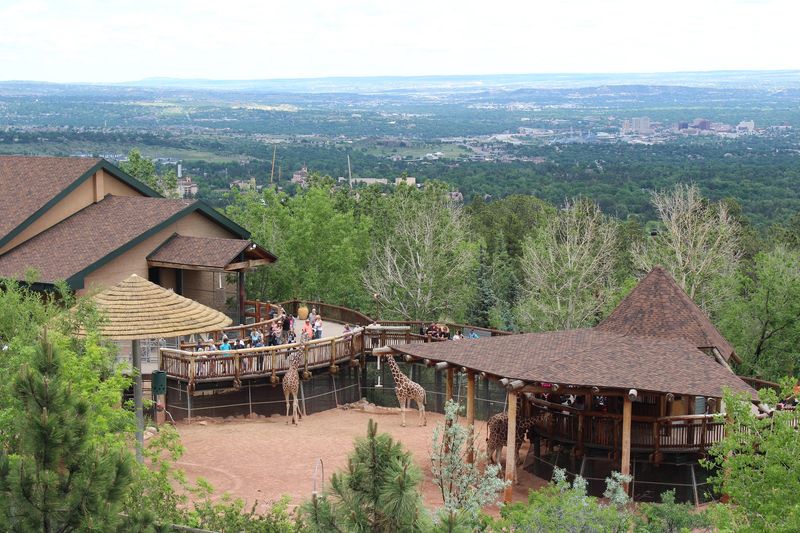
Most zoos sit on flat ground. Cheyenne Mountain Zoo climbs straight up the side of a mountain instead.
The address is 4250 Cheyenne Mountain Zoo Rd, Colorado Springs, CO 80906, in the United States. It perches above the city on the southwest side of town, so the drive in already feels like a short mountain trip.
The zoo is home to more than 700 animals. It is known as a conservation park, and its large giraffe herd gets most of the attention.
That reputation shows up in the numbers too. The zoo carries a 4.8-star score across more than 25,000 opinions, which is a lot of happy families.
Front Range residents often call it one of the best zoos in the country. Some folks even mention national rankings that place it near the top.
For Denver families, the drive south is longer than a trip to a hometown zoo. Plenty of people still say the extra miles are worth it.
The mountain setting changes everything about a visit here. It shapes the views, the paths, and even how much water you should pack.
So before getting to the giraffes, it helps to understand the hill they live on.
2. Views That Steal the Show
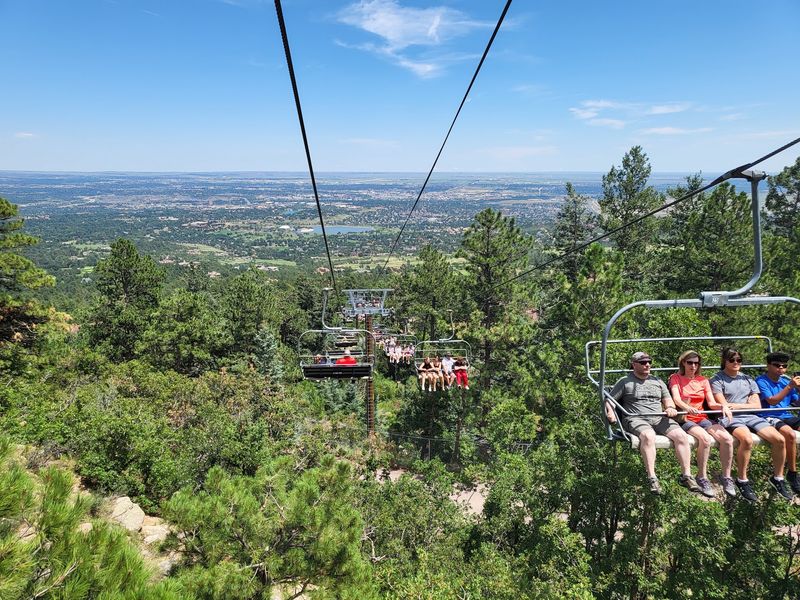
Some people come for the animals and leave talking about the scenery. That happens a lot on this mountain.
The paths overlook Colorado Springs from high above. Many corners of the zoo open up to wide views of the city spread out below.
The habitats are designed to give animals a sense of their native surroundings. They also include hiding places and resting spots where you can often see them up close.
Different sections have different landscapes. The layout feels spacious and spread out, which helps the zoo avoid feeling cramped.
The Will Rogers Shrine of the Sun sits further up the mountain. Some guests head up there after the zoo for an even higher viewpoint.
Shade shows up along the paths here and there. On warm days, mist fans around the grounds act as cooling stations, and kids tend to love them.
Photographers will want to keep a phone handy. A scenic shot can show up between exhibits when you least expect it.
Of course, the view is only half the story. The real stars stand about 15 feet tall.
3. Lettuce for the Tallest Neighbors
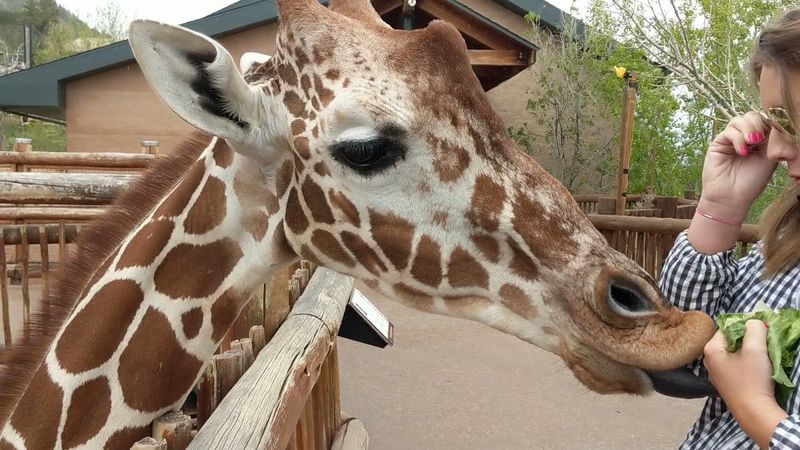
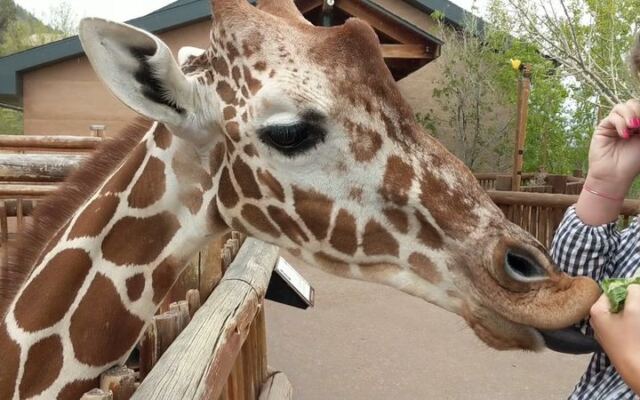
Talk to anyone who has been here, and giraffes come up within seconds. The zoo is famous for its big giraffe herd and its feeding experience.
Guests can hand lettuce to giraffes for a small extra cost. The platform puts you right at their eye level, so the long necks come straight to you.
Families often call it the highlight of their whole day. Toddlers, grandparents, and solo adults all seem to enjoy it equally.
The number of giraffes surprises many first-timers. It is not one or two animals off in the distance.
Some guests suggest starting your day with the giraffes. That way you get the main event in before little legs get tired.
Even people who feel lukewarm about the rest of the zoo usually agree on this part. The giraffe area alone is often called worth the trip.
Bring a little cash or plan to pay for the lettuce on site. The cost is small compared to the memory.
Giraffes may lead the parade, but they are far from the only animals asking for a snack.
4. More Mouths to Feed
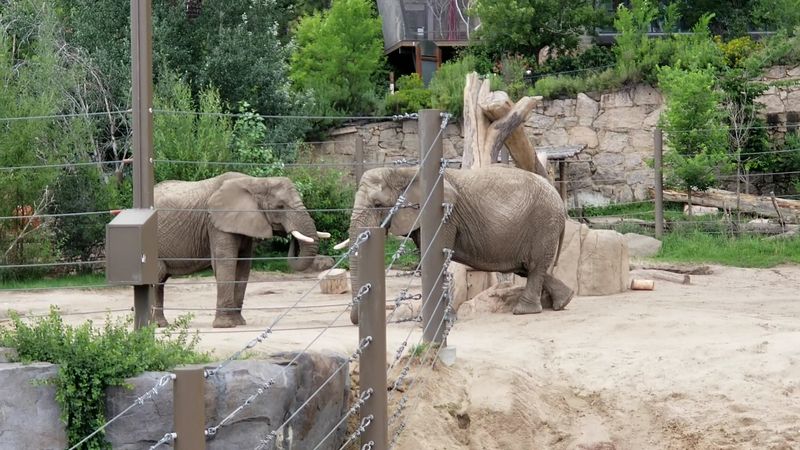
Giraffes get the headlines, but the snack line keeps going. Several other feeding chances are spread around the grounds.
Guests can feed parakeets, chickens, and koi fish. Small kids often love watching the fish take food right from their fingers.
Elephant feeding is another popular option here. Like other feedings, some extras come with a small added cost.
Staff run scheduled feedings and animal talks throughout the day. These sessions are educational and work well for all ages.
Keepers use the time to explain how the animals are cared for. It feels less like a show and more like a lesson in conservation.
Volunteers walk the paths too. Many share fun facts and background on each animal’s history.
Some guests even get the chance to pet a snake. That one might divide the family vote, so plan accordingly.
Check the daily schedule when you arrive. Timing your walk around a talk or two can turn an ordinary loop into a much richer day.
5. Wallabies, Hippos and a Rescued Eagle
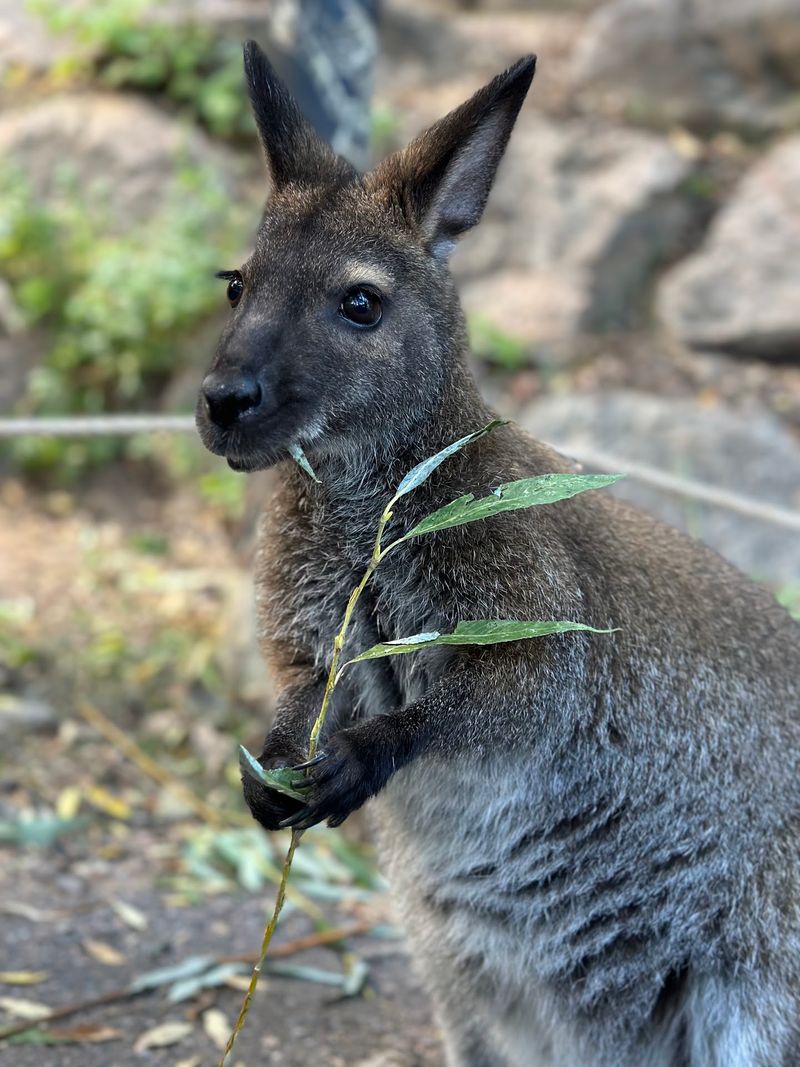
Australia, Africa, and India all share space on this one Colorado hillside. The animal lineup covers a lot of ground.
Wallabies are a crowd favorite. So are the penguins, lemurs, otters, and the hippo exhibit.
Lions, mountain lions, a wolf, and an American alligator round out the list. There are also gorillas and a large male orangutan.
One resident with a story is an American bald eagle that cannot fly again. The zoo cares for the bird because it could not survive on its own.
Many guests say most animals are active, even on warm afternoons. Others mention that some were resting or hard to spot, so patience helps.
Some exhibits may be closed or under construction at times. It is worth checking ahead if you have a favorite animal in mind.
Kids also enjoy the interactive stations. One lets you compare your weight to an animal, and big statues invite climbing and photos.
There is plenty to see on foot. But there is also a way to see some animals from above.
6. Riding the Sky Ride
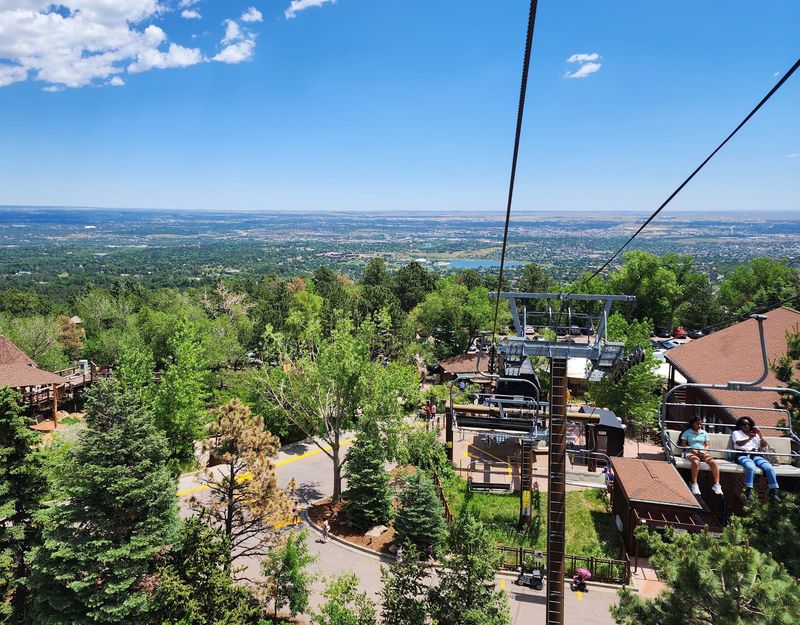
A ski lift at a zoo sounds like a joke. Here, it is one of the best extras in the park.
The Sky Ride costs roughly five to six dollars per person. It takes about seven minutes each way.
Riders get views over the zoo, Cheyenne Mountain, and Colorado Springs. You can also spot the bear and tiger areas from above.
Going first thing in the morning works well for many families. Lines tend to be lighter and the day is still fresh.
The lift may close during bad weather. Light rain has shut it down before, so keep expectations flexible on stormy days.
Staff at the top earn praise for being friendly and helpful. That makes the ride feel easy, even for nervous first-timers.
For people who do not love heights, the ground paths still offer plenty of views. Nobody is forced to leave solid ground.
Still, this ride gives a rare look at the zoo layout. Once you see the hills from above, the next section will make perfect sense.
7. Hills, Shuttles and Altitude Smarts
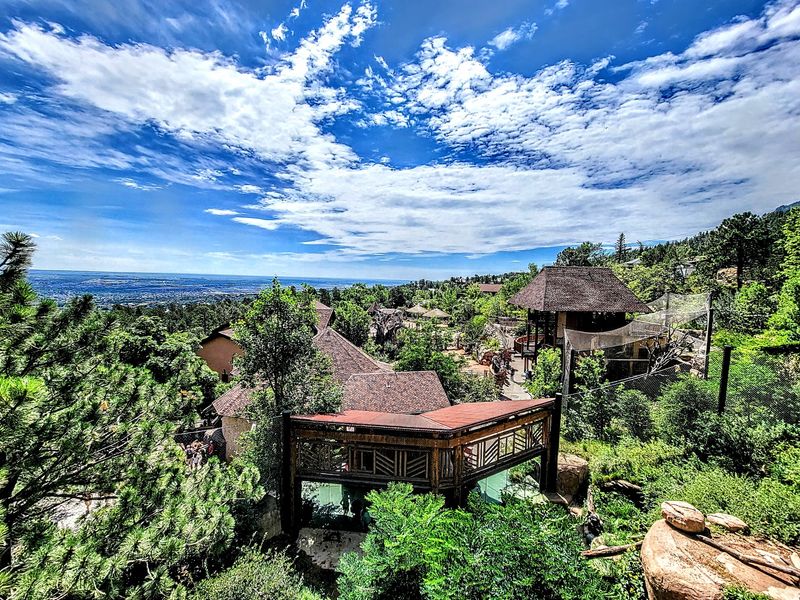
Good shoes matter more here than at almost any other zoo. The whole place runs uphill from start to finish.
Expect steep paths and some backtracking. The usual plan is to climb toward the top and then work your way back down.
Small shuttle carts help a lot. They cost about three dollars per person for the full day and are ADA compliant.
Paying at the front gate is the easier choice. Paying at the shuttle itself is cash only, though an ATM is on site.
The elevation can leave some people short of breath. Bring plenty of water, sunscreen, and a stroller for little ones.
Hot summer days make the hills harder. Some guests plan return trips in late fall when temperatures are cooler.
Seating, restrooms, and snack stops appear near many exhibits. That gives older guests regular places to rest.
Plenty of grandparents in their 70s and 80s have finished the full loop. With a cart and a few breaks, the mountain becomes far more manageable.
8. Timed Tickets, Parking and the Final Word
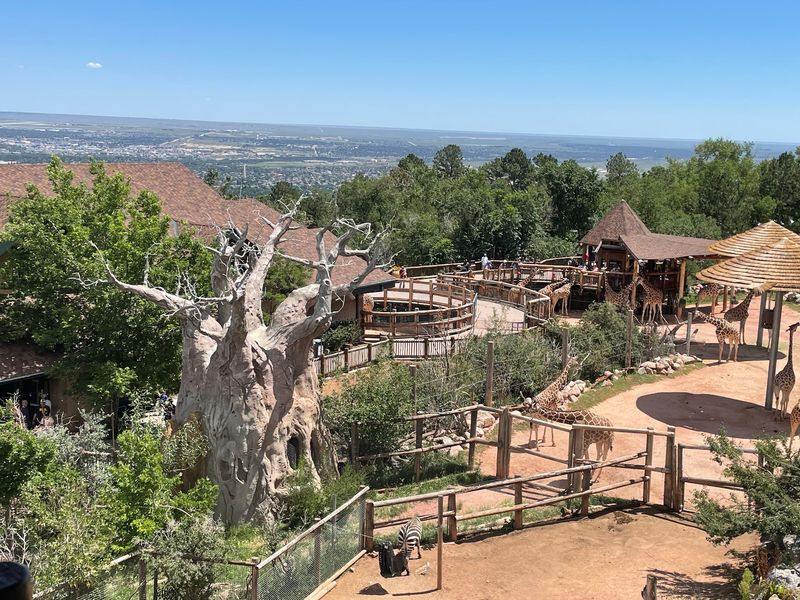
Planning ahead pays off on this mountain. The zoo uses timed-entry tickets, and buying them early is strongly advised.
Hours run from 9 am to 5 pm every day of the week. Most people spend between two and five hours inside.
General admission has been listed around $34.95. Military discount tickets are available, which helps local families near the bases.
Parking is limited, especially during the morning rush. A short wait of about 10 minutes to park is common.
Food options include the Grizzly Grill and a taco bar with valley views. There is also a coffee shop and gift shop.
Special events add variety. Boo at the Zoo, Electric Safari, and occasional dog days bring new reasons to return.
The zoo is not flat, and it is not the cheapest outing in town. But the giraffes, the views, and the Sky Ride make a strong case.
For Front Range residents, it is a close-to-home adventure with a lofty payoff. Bring lettuce money and comfortable shoes.
Share this story