Some road trips have a plan, and then one town quietly ruins it. On the far northwest edge of Oregon, a small city sits where a giant river meets the Pacific, and it has a habit of making people rethink their itinerary. There is a hilltop tower covered in painted history, a museum devoted to ships and the people who sailed them, and a Victorian mansion that looks ready for a period film.
The streets climb steep hills, and the water is never far from view. It is the kind of place that feels familiar the moment you arrive, which is exactly why locals care so much about keeping its landmarks standing. Keep reading to learn where it is, what makes it special, and how to plan a visit that might just turn into a longer stay.
A River Town at the Edge of the Map
Some places sit politely in the middle of the map. Astoria prefers the edge.
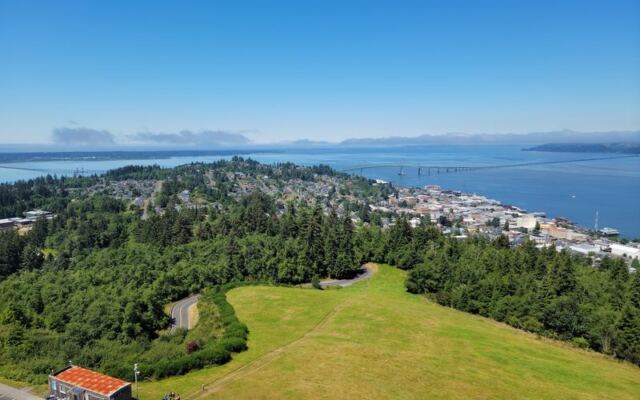
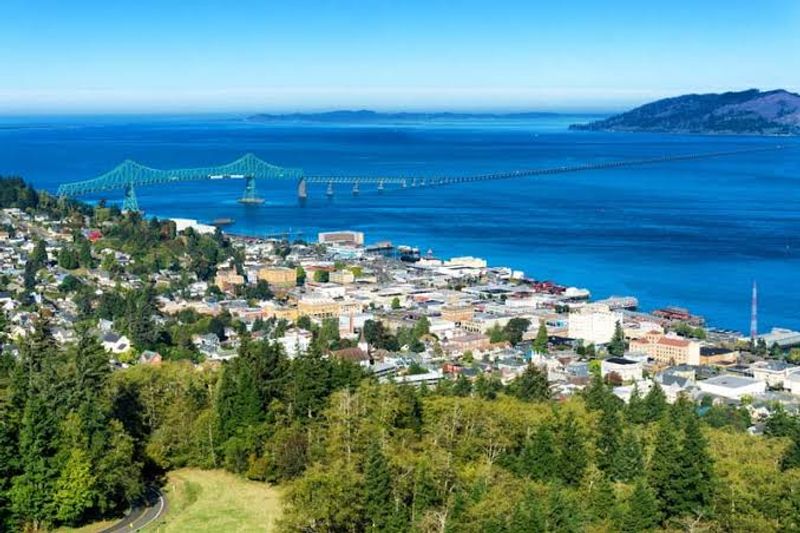
The city of Astoria, Oregon 97103, sits in the far northwest corner of the state in the United States. It rests on the Columbia River, close to where that river finally reaches the Pacific Ocean.
That location shapes nearly everything about the town. The water is part of daily life here, and it shows up in the museums, the views, and the streets that tilt toward the shoreline.
Astoria is a small city, but it does not feel empty of things to do. Within its limits are a towering hilltop monument, a maritime museum on the waterfront, and a historic mansion turned museum.
Travelers often arrive expecting a quick stop on the way somewhere else. The town has other plans, mostly involving a longer visit than anyone budgeted for.
For more details on the city itself, the official website at astoria.or.us is a handy starting point. Next up, the story behind why this corner of Oregon matters so much.
Where the Columbia Meets the Pacific
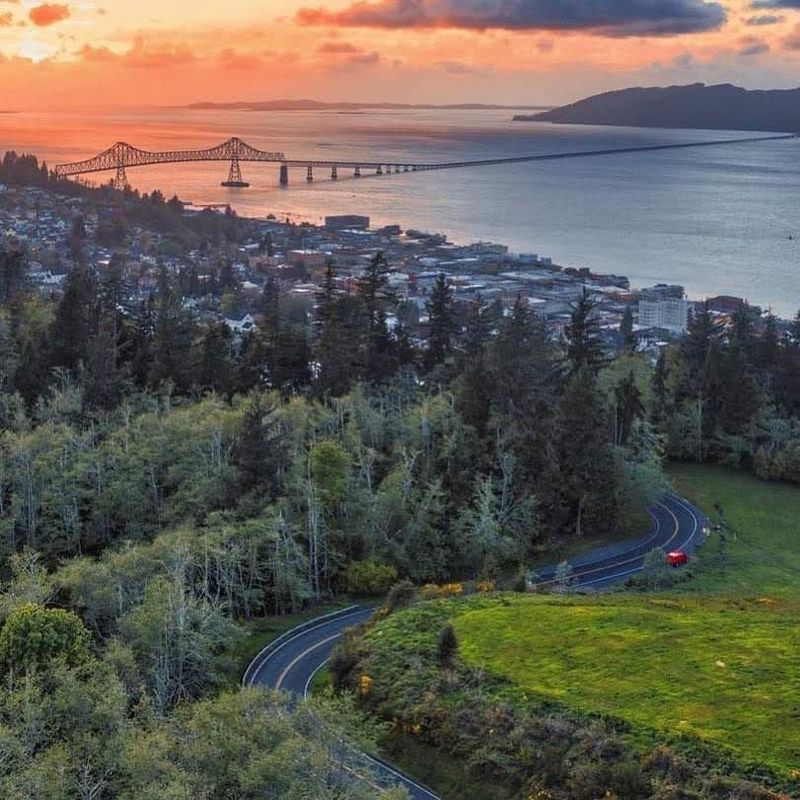
Geography is the real headliner in Astoria. The Columbia River rolls past the town on its way to the ocean, and the Pacific waits just a short distance away.
That meeting point explains a lot. A town at the mouth of a major river naturally becomes a place for boats, trade, and people who work on the water.
You can see that connection in the attractions that define the city today. The Columbia River Maritime Museum exists because the river has always been central to life here.
The setting also gives Astoria its layered look. Homes and buildings stack up the hillsides, so many spots offer a view across the water.
It is a town built around a river, not just beside one. Once you understand that, the rest of the city starts to make a lot more sense.
And nowhere shows off that setting better than the tall landmark watching over everything from the top of the hill.
The Column Above It All
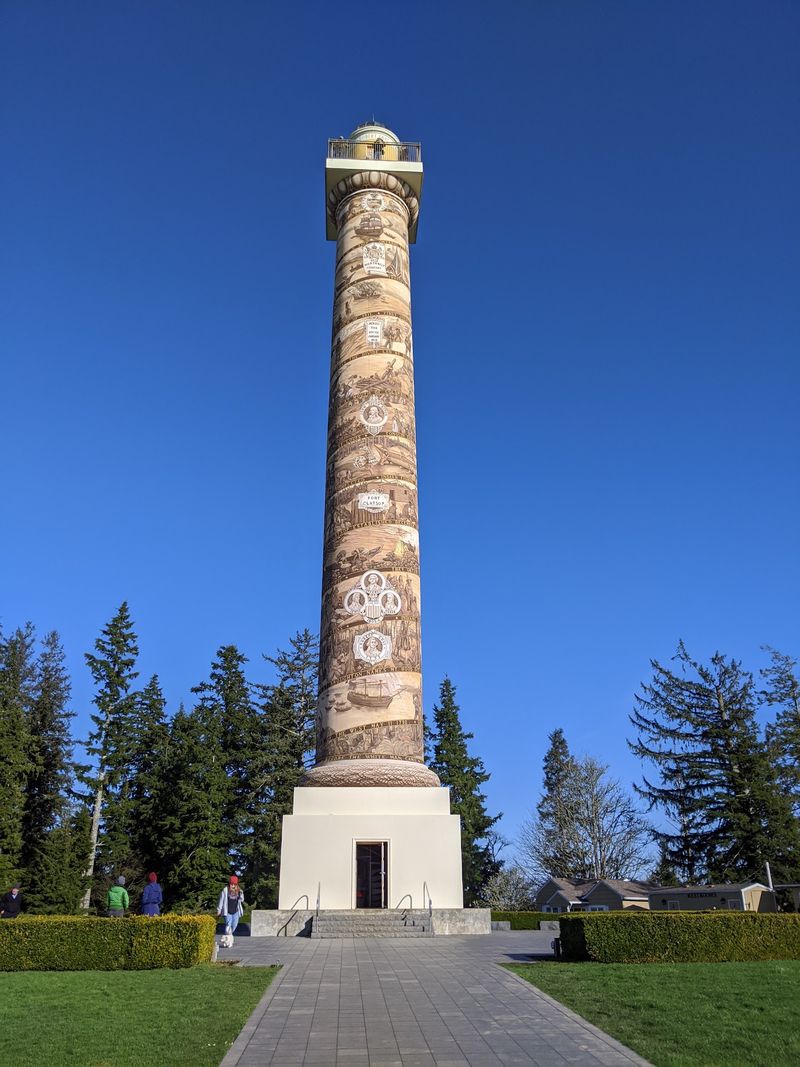
High above the rooftops stands the town’s most recognizable silhouette. The Astoria Column is a towering monument perched on a hilltop, and it is hard to miss from below.
It is more than a tall structure. The column is wrapped in murals that depict the history of the area, turning the whole thing into a vertical storybook.
Those painted scenes give context to the town before you even step inside a museum. They make the column a natural first stop for anyone curious about how Astoria came to be.
Then there is the view. The hilltop location offers panoramic scenery over the surrounding landscape, the river, and the town itself.
Photographers tend to linger here, and so does almost everyone else. A quick visit has a funny way of stretching out once the scenery opens up.
Consider it the town’s welcome sign, only much taller and with better art.
History Painted in a Spiral
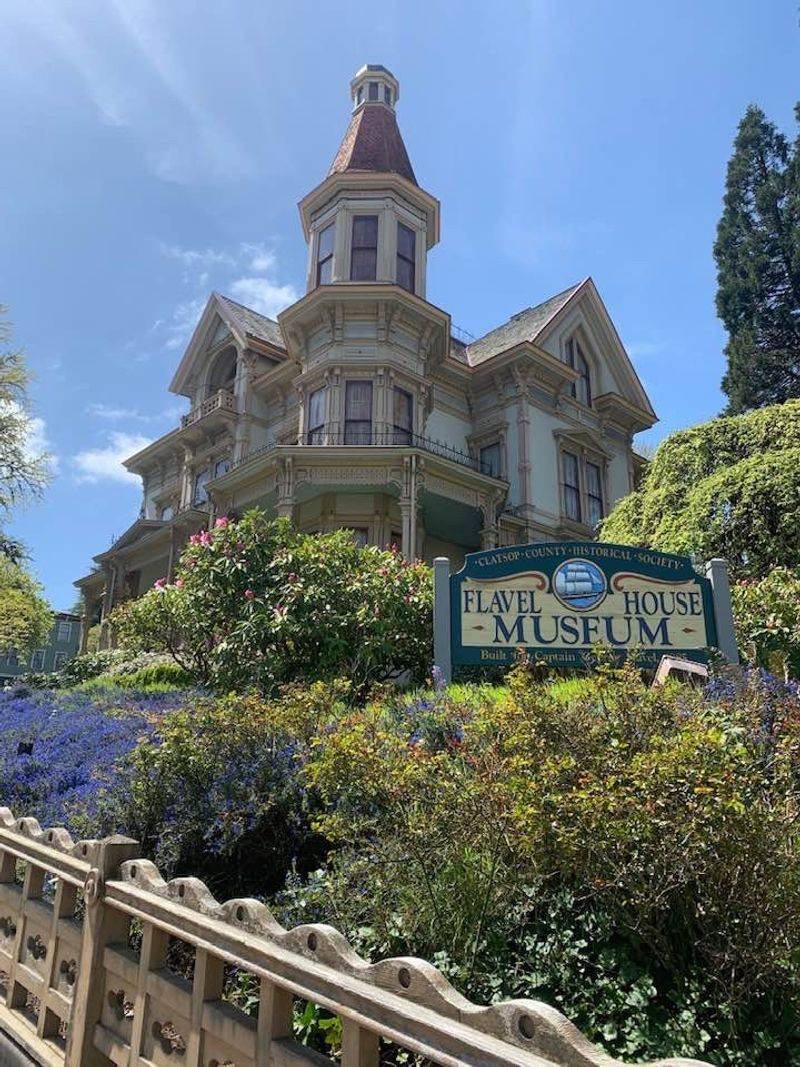
Art galleries usually hang their work on flat walls. Astoria decided to wrap its history around a column instead.
The murals on the Astoria Column depict scenes from the area’s past. That makes the monument a piece of public art as much as a lookout point.
Reading the column from the ground up is part of the fun. Each band of artwork adds a chapter to the regional story.
For families, it is an easy way to introduce local history without a lecture. Kids can follow the scenes while adults piece together the timeline.
It also shows how much the community values its past. Preserving a landmark like this keeps the town’s identity visible to every new arrival.
So bring a curious eye along with the camera. The details reward anyone willing to slow down and look up.
Ships, Storms, and the Maritime Museum
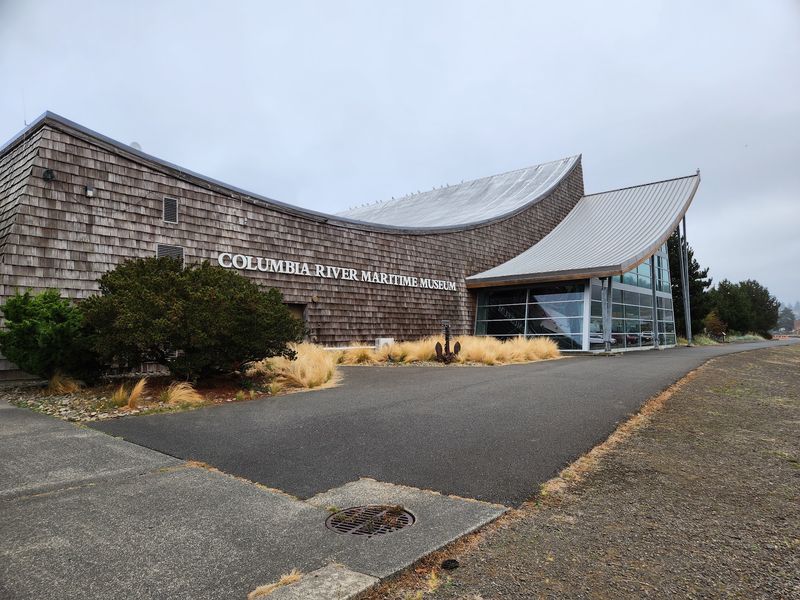
Every river town has stories, and this one has an entire building full of them. The Columbia River Maritime Museum sits right on the waterfront.
The museum showcases three big themes from the region. Fishing, shipping, and military history all get their moment here.
Its location is no accident. Placing the museum beside the river connects the exhibits directly to the water that inspired them.
This is a strong choice for a rainy afternoon or a slow morning. It gives real depth to the town’s long relationship with the Columbia.
Fans of boats will feel right at home. Even those who barely know port from starboard can come away with a better sense of why the river matters.
After all those tales of the water, it is a good time to head back uphill toward a very different kind of history.
Working Waters on Display
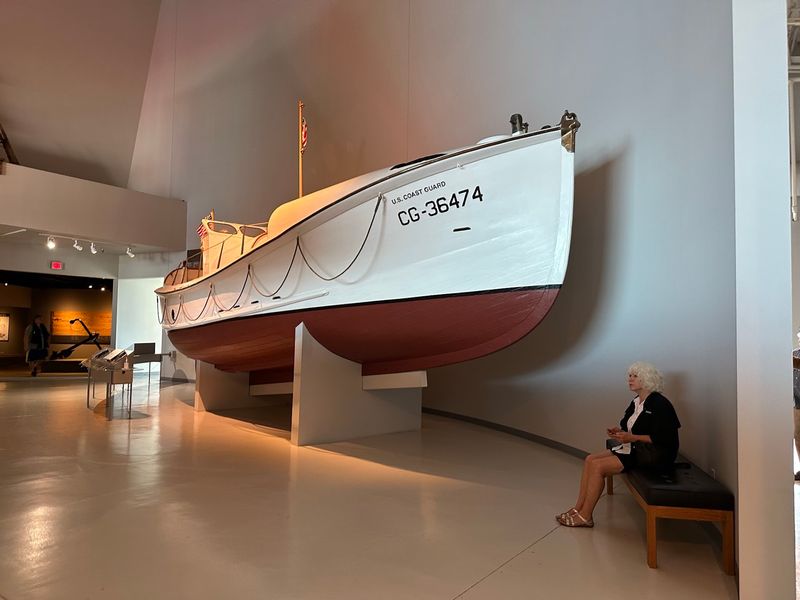
Fishing nets, cargo routes, and military vessels all have a place in Astoria’s story. The maritime museum gathers those threads into one waterfront stop.
Fishing history speaks to the town’s working roots. Shipping history shows how the river linked this corner of Oregon to the wider world.
Military history adds yet another layer. Together, these themes paint a full portrait of a community shaped by the water.
What makes the experience memorable is the connection to the outside view. Step back outdoors, and the same river from the exhibits is right there.
That link between past and present is part of Astoria’s charm. The history is not locked away, since the water keeps flowing past the door.
It is a reminder that this town has always earned its keep by the river. Few places make that story so easy to see.
A Queen Anne Mansion Worth the Climb
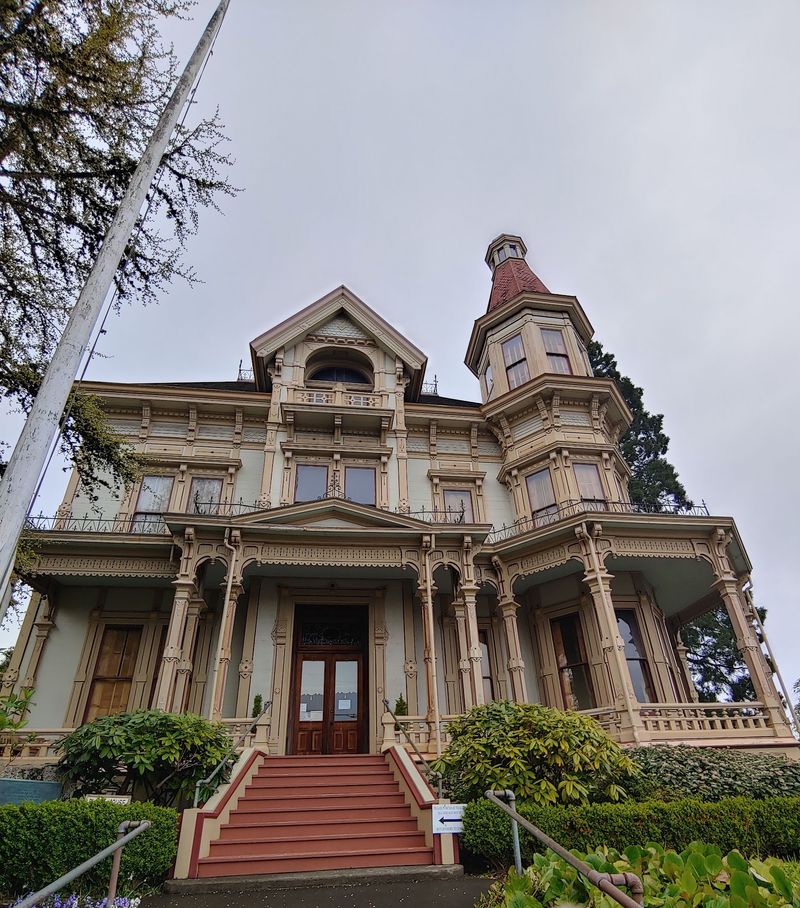
Victorian architecture fans, this is your moment. The Flavel House Museum is set inside a Queen Anne style Victorian mansion.
The building alone is a showstopper. Its ornate style stands out even in a town known for historic homes.
Inside, the museum features period furniture. The rooms offer a look at how an earlier era furnished its finest houses.
Outside, manicured gardens surround the home. They make the property worth a stroll even before you head through the front door.
The mansion gives Astoria’s history a more personal scale. After the big river stories, it is a quieter look at domestic life.
Fair warning: you may start browsing old house listings afterward. Victorian charm has that effect on people.
Gardens and Period Rooms
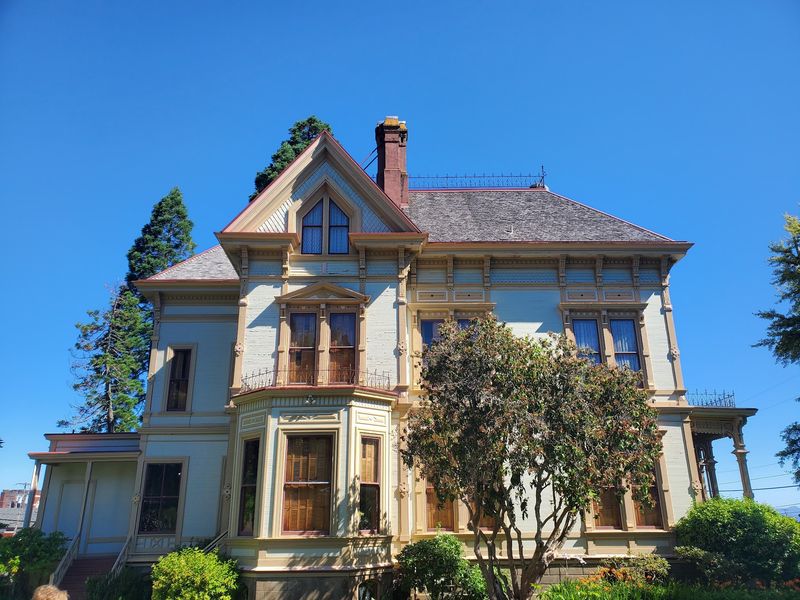
Not every highlight needs a panoramic view. At the Flavel House, the charm comes from careful details.
Period furniture fills the interior. It helps the mansion feel like a preserved snapshot rather than an empty building.
The manicured gardens add a calm finish. They are a nice place to pause between museum stops.
Keeping a house like this intact takes real effort. Oregonians who care about saving familiar landmarks will appreciate what it means to have it open to the public.
It also rounds out the town’s big three attractions nicely. Monument, maritime museum, and mansion each tell a different side of the same story.
Leave a little time here. Rushing through a Victorian house feels like reading only the first page of a novel.
The Quiet Pace That Wins People Over
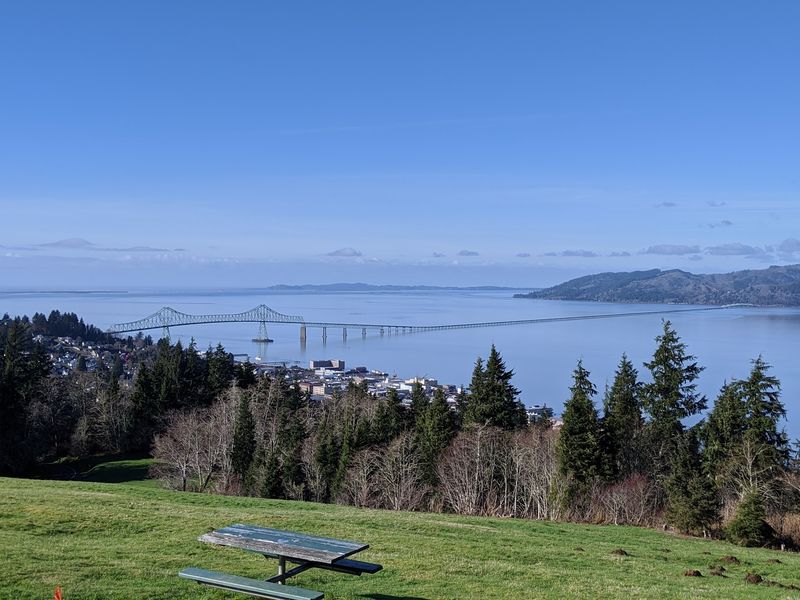
Big cities shout. Astoria tends to speak at a calmer volume.
The town’s appeal comes from its manageable size and its focus on history and scenery. You can spend a day here without feeling like you are racing a clock.
Hilltop views, waterfront museums, and Victorian homes create a relaxed rhythm. Each stop leads easily to the next.
That unhurried mood is exactly why travelers end up extending their stays. A planned afternoon can turn into an overnight without much arm twisting.
Locals value that character. It is the kind of familiar place many Oregonians hope will stay just as it is.
Slow travel is not a trend here. It is simply how the town works.
Who Will Love This Town Most
History buffs get the first invitation. Between the column murals, the maritime museum, and the Victorian mansion, there is plenty to study.
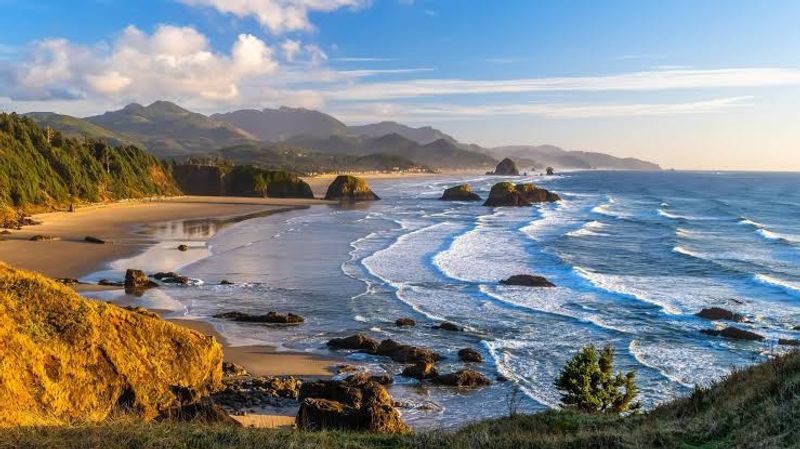
Photographers come next. The hilltop panoramas and river views give endless reasons to reach for a camera.
Families will find a good mix too. Stories painted on a monument and boats in a museum make history easier for younger travelers to enjoy.
Couples seeking a low-key getaway fit right in. The calm pace suits long walks and unplanned detours.
Budget-minded Oregonians may like that a short drive brings so much variety. A single town covers art, history, and scenery in one trip.
Honestly, the list of people who would not enjoy it is pretty short.
Planning the Trip
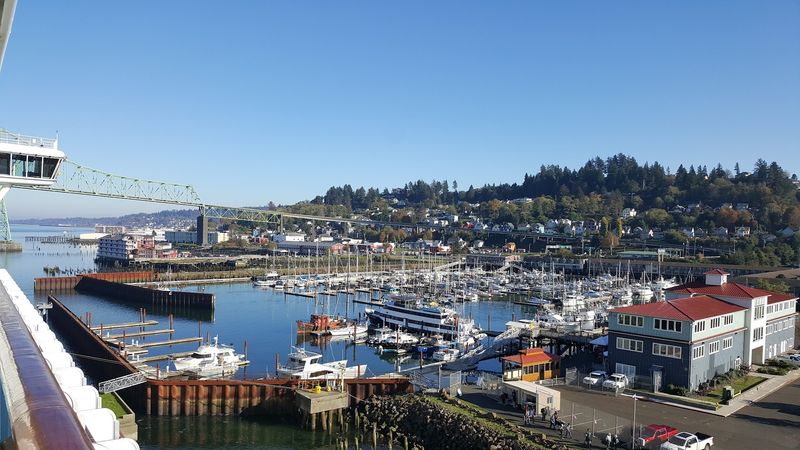
A little planning goes a long way. Astoria sits in the far northwest of Oregon, on the Columbia River near the Pacific coast.
The town’s three anchor attractions make an easy framework for a day. Start with the Astoria Column for orientation, then visit the Columbia River Maritime Museum and the Flavel House Museum.
Hours and admission details can change. Checking the city website at astoria.or.us and each attraction directly before you go is the smart move.
The hills here are real, so comfortable shoes are a wise call. Many streets climb steeply between the waterfront and higher ground.
Pack a light jacket too, since this is a coastal river town. Flexible plans work best, because the views have a habit of slowing everyone down.
With the basics sorted, the only remaining question is how long you will stay.
Why the Rest of the Trip Can Wait
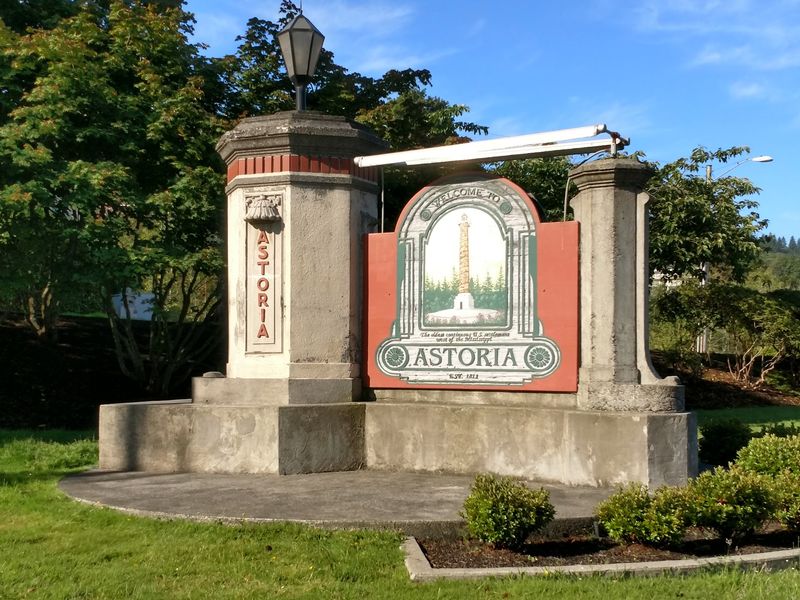
Itineraries are useful until a place like this comes along. Astoria makes a strong case for tearing up the schedule.
It packs a painted hilltop monument, a waterfront maritime museum, and a Victorian mansion into one small river city. That is a lot of story for a quiet town.
The setting does the rest. Where the Columbia meets the Pacific, the scenery keeps pulling attention back outside.
It is also a place worth protecting. Landmarks like these help keep Oregon feeling like home for the people who live here.
So go for a day if you must. Just do not be surprised when that day quietly stretches into a weekend.
The rest of the trip will still be there. Astoria, meanwhile, has a way of feeling like the destination all along.
Share this story