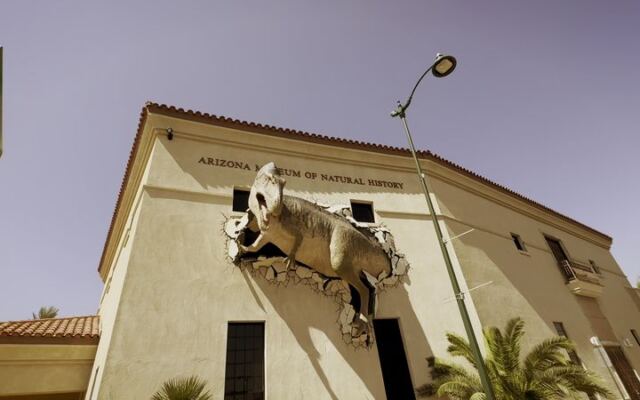
A T. rex is crashing through a wall in downtown Mesa, and nobody seems worried about it. Inside the same building, thunder rumbles on cue, a flash flood rolls through a canyon scene, and moving dinosaurs lurch out of the dark. Plenty of Valley locals have driven past this spot for years without ever going in.
Those who finally do often say the same thing: it is much bigger on the inside than it looks from the street. Three stories of fossils, minerals, ancient cultures, and an old jail are stacked inside, and kids can pan for real gold in the courtyard. Admission sits at about $16 for adults, and parking in the garage across the street is free.
Read on for the full breakdown, from Dinosaur Mountain to the best days to go and how long to plan.
1. A Dinosaur Bursting Out of Downtown Mesa
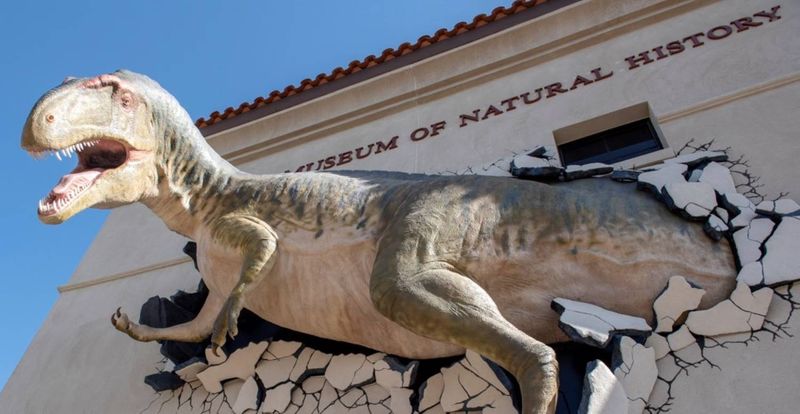
The first clue that something unusual is going on here is the giant T. rex smashing through the side of the building. It sets the tone before anyone even buys a ticket.
The Arizona Museum of Natural History sits at 53 N Macdonald, Mesa, AZ 85201, in the heart of downtown Mesa. For most Phoenix-area residents, that means a short drive east on a weekend morning.
The museum focuses on the natural and human history of the Southwest. Its exhibits cover dinosaurs, fossils, Southwest life and art, a Hohokam village, and gold panning.
From the curb, the building can look modest. Families who walk up expecting a quick lap often change their minds once they get through the doors.
The museum has a simple reply to that first impression: it is bigger on the inside. That line turns out to be more fact than joke.
Many locals admit it took them years to finally visit. Once they do, the common reaction is mild disbelief that this much was sitting a few blocks from Main Street the whole time.
So the dinosaur in the wall is not just decoration. Consider it an invitation that has been waiting patiently for you to RSVP.
2. Three Circular Floors of Surprises
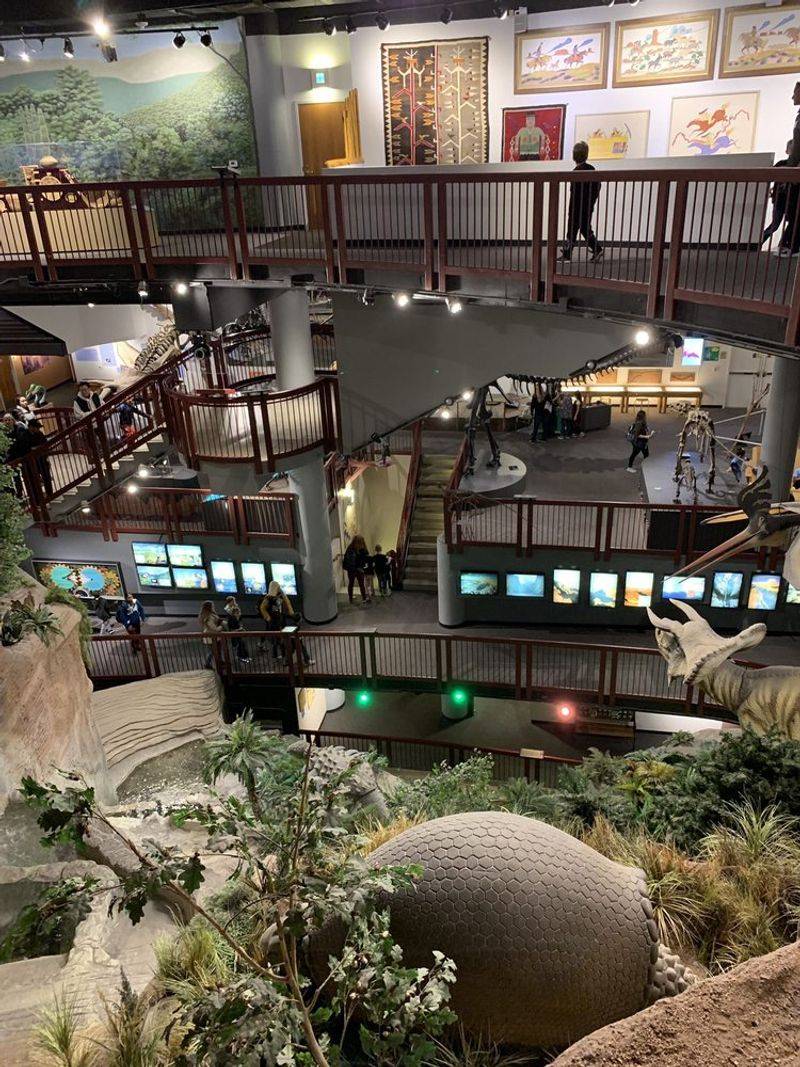
Plan for corners. The layout spans three circular levels, and each one reveals a new topic as you move through it.
The rooms flow into each other in a way that keeps the walk feeling continuous. A pretty good path leads slowly through the entire building without much backtracking.
There is one catch worth knowing. Some hallways tuck into corners, and it is easy to finish an area without realizing a passage leads to an entirely new section.
That hidden-door quality is part of the fun. Kids tend to treat every turn like a discovery, and adults end up doing the same.
The museum is not huge, but it is not small either. It lands in a comfortable middle that many people call right-sized.
Across the three floors, the subjects shift from fossils and minerals to sea life, ancient cultures, space, and Arizona history. Each level feels like a fresh chapter rather than a repeat.
A smart move is to peek around every bend before heading to the stairs. The next room might be the one your crew talks about all the way home.
3. Dinosaur Mountain and Its Indoor Storm
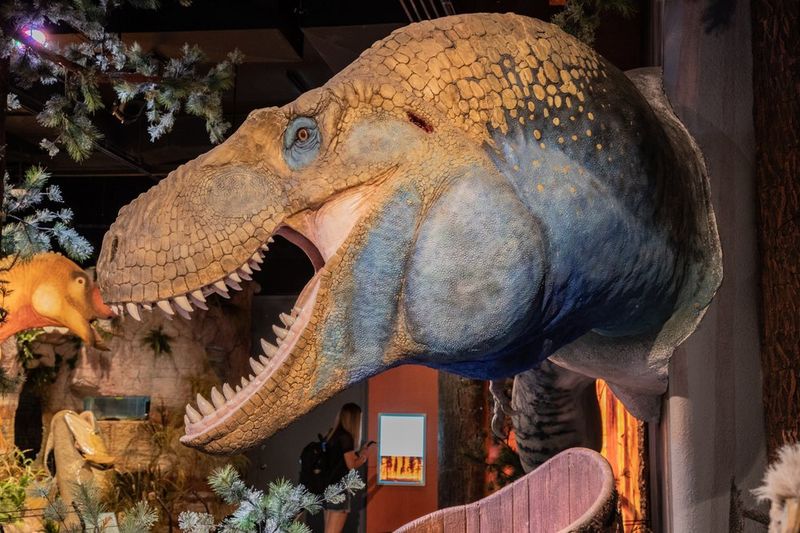
Thunder indoors sounds like a weather mistake, yet Dinosaur Mountain schedules it on purpose. This is the headline act and the spot behind the article title.
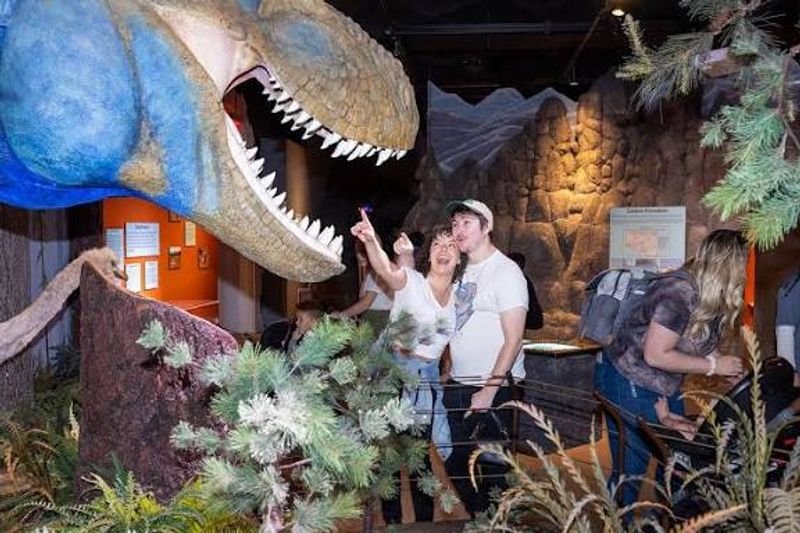
The exhibit uses dark rooms, moving dinosaur models, loud roars, and sudden thunder to set a prehistoric scene. A flash flood effect adds even more drama to the experience.
Animatronics here earn steady praise. The moving models work for kids and adults alike, and they look pretty good up close.
Alongside the moving figures, non-moving models sit in detailed dioramas. Together they make the room feel like a stage play starring very large reptiles.
One honest warning for parents of toddlers. The darkness, roaring, and unexpected thunder can overwhelm very young children, and some three-year-olds find it scary.
School-age kids, on the other hand, usually love the jolt. A few families even joke about being chased by dinosaurs on a hot summer day.
Bring a little courage and a camera. The mountain rewards both.
4. Skeletons, Fossils, and a Lab in Action
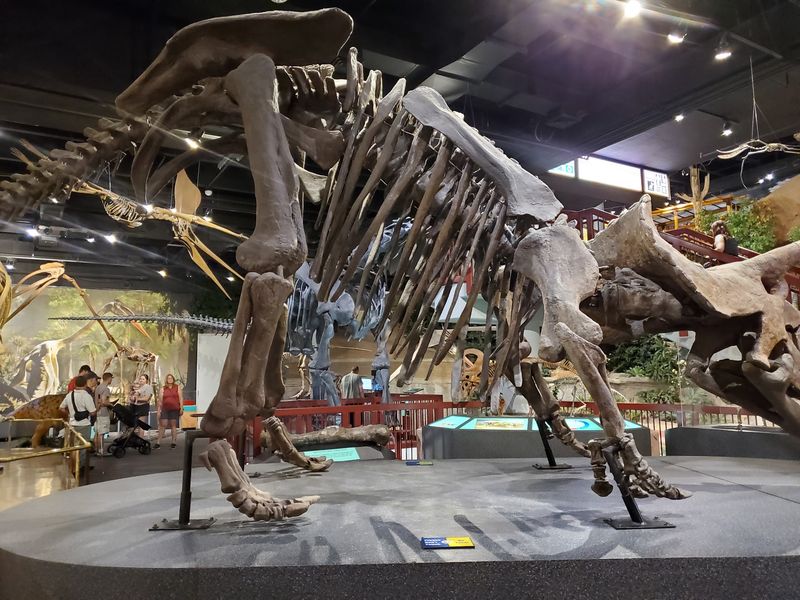
Bones are the backbone here, pun fully intended. The number of dinosaur fossils on display tends to surprise first-timers.
Full skeletons stand alongside detailed signs that explain each animal. The collection leans toward Cretaceous dinosaurs and also includes some pre-Columbian mammals.
The descriptions are educational without feeling dry. Readers who stop at each panel can learn a lot in a short visit.
A bonus happens when staff are working on fossils. Employees sometimes invite guests over to see specimens in progress and talk about the preservation process.
Guessing what a fossil might be before hearing the answer becomes a small game. It gives the visit a hands-on feel even when the bones stay behind glass.
Fossils draw a large share of the praise this museum gets, right behind dinosaurs themselves. Minerals and sea life displays round out the natural science side.
For budding paleontologists, this floor may be the main event. For everyone else, it is a solid reminder that Arizona’s past was a lot wilder than its present.
5. Gold Panning in the Courtyard
Here is the part where kids get to do instead of just look. An outdoor courtyard hosts gold panning, and it is one of the most talked-about features of the whole museum.
Children swirl pans and hunt for flecks, which turns a history lesson into a treasure hunt. Families often leave announcing they found gold.
The activity ties into the museum’s larger story about Arizona mining. Gold mining history shows up inside the exhibits too, so the courtyard feels like a natural next step.
It is also a nice break from indoor galleries. A few minutes of panning can reset restless energy before heading back to the fossils.
Kids who were lukewarm about bones sometimes light up here. There is something about a pan of water and the chance of a prize that works on almost every age.
Grown-ups are known to sneak a turn as well. Nobody is checking IDs at the trough.
Plan time for this stop rather than squeezing it in. It may end up being the story your kids repeat at school on Monday.
6. Hohokam Canals and Ancient Cultures
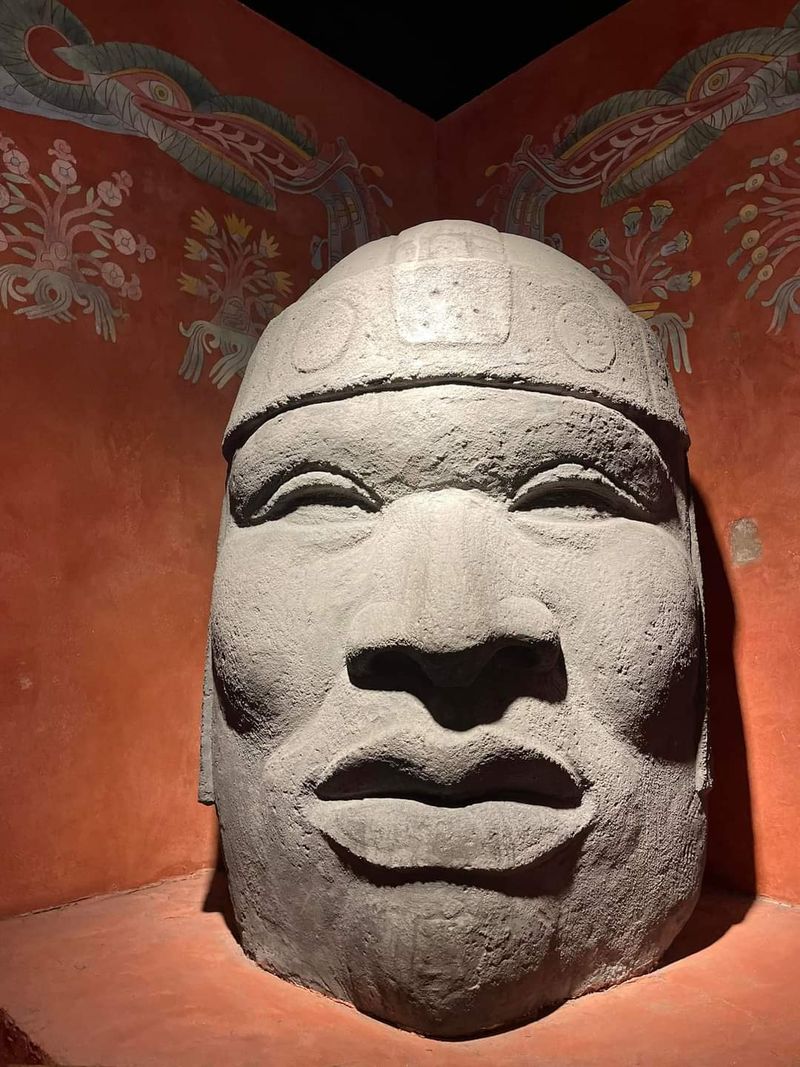
Long before Mesa had streets, people were moving water across this valley. The museum tells that story through its Hohokam village and exhibits on the canal system first built by the people of the land.
For Valley residents, this section hits close to home. The canals behind modern neighborhoods have roots that stretch back centuries.
Displays of traditional Native arts and crafts add depth. Many guests name the Indigenous exhibits as a personal favorite.
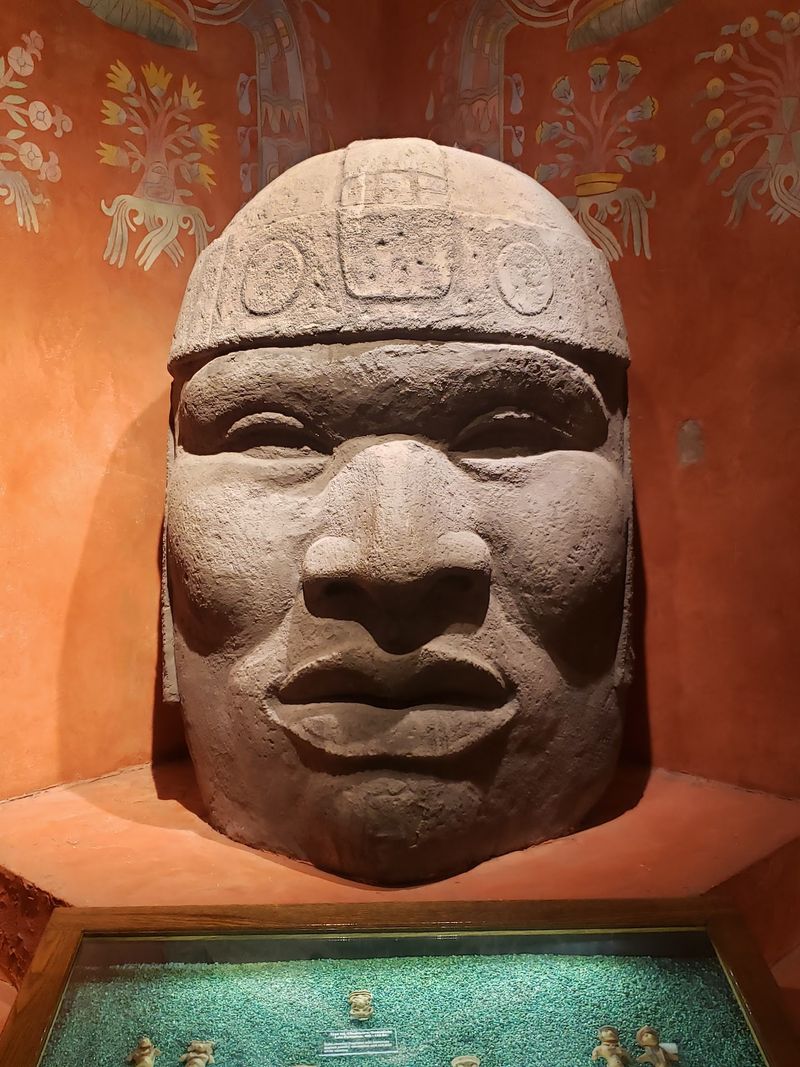
A smaller area covers pre-Columbian artifacts from the Maya, Toltec, and Aztec cultures. It broadens the view beyond Arizona to the wider Americas.
These rooms tend to slow people down. The pace shifts from dinosaur excitement to quieter reading and looking.
Teens who once raced past these cases often come back older and find them fascinating. History has a way of clicking when kids have a little more context.
Give this floor real attention. It quietly connects the ground under your car to the people who shaped it first.
7. Volcanoes, Space, and an Old Jail
Not every corner here belongs to a dinosaur. Some of the most memorable rooms cover volcanoes, outer space, and even old jail cells.
The volcano corner explains caldera formation and collapse. It also links volcanism to Arizona history and industry, which gives the science a local twist.
A space exhibit draws its own fans. In some families, one kid heads straight for the dinosaurs while the other makes a beeline for space.
Then there is the old jail. It is the kind of detail that surprises people who expected only fossils and rocks.
Exhibits about the Dutchman story and Arizona’s mining past add more regional flavor. Each one shows how the land shaped the people who settled here.
This variety is what keeps adults engaged after the kids peel off. There is enough range that nearly everyone finds a personal favorite room.
Treat these spaces as the museum’s side quests. Skipping them would mean missing half the plot.
8. Who Gets the Most Out of a Visit
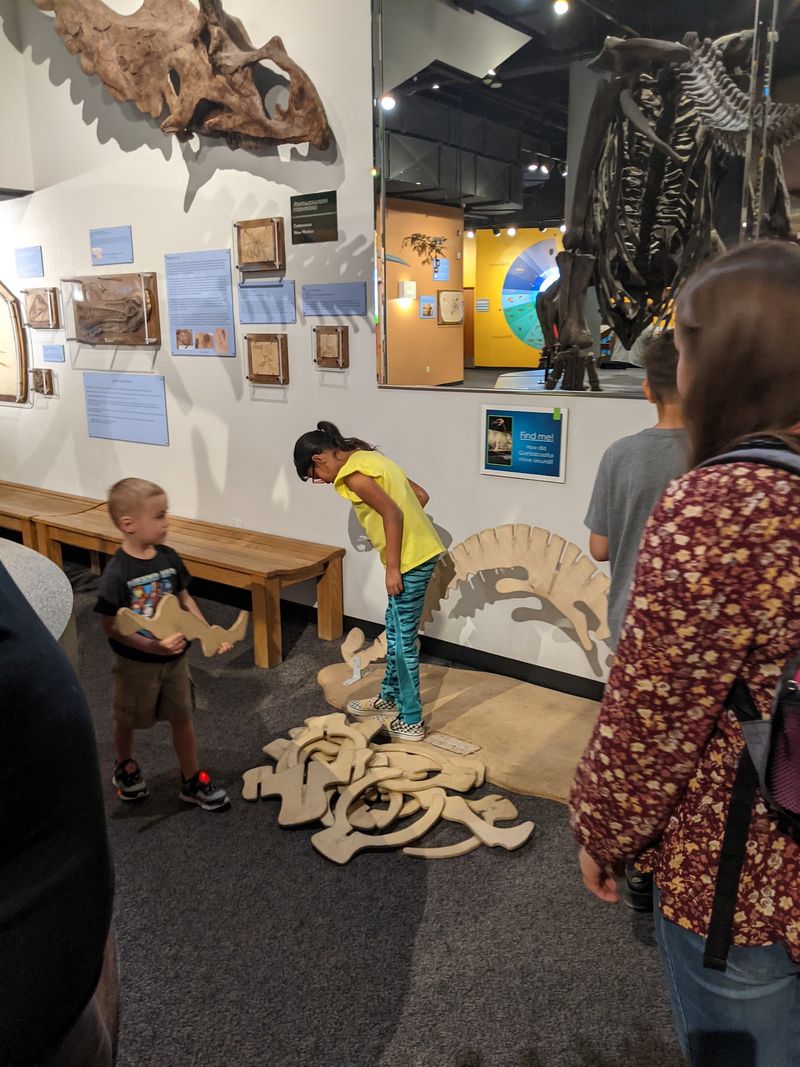
Ages matter more than you might think. School-age children and adults usually get the most from a visit, since many exhibits aim at older learners.
Toddlers can enjoy parts of it. Still, the advanced content and the stormy Dinosaur Mountain room may be a lot for the smallest guests.
Grandparents bringing grandkids are a common sight. Couples and groups of friends come too, often treating it as a weekend outing.
Staff and volunteers stay friendly and ready for questions. That helps curious kids get answers without a parent googling in the hallway.
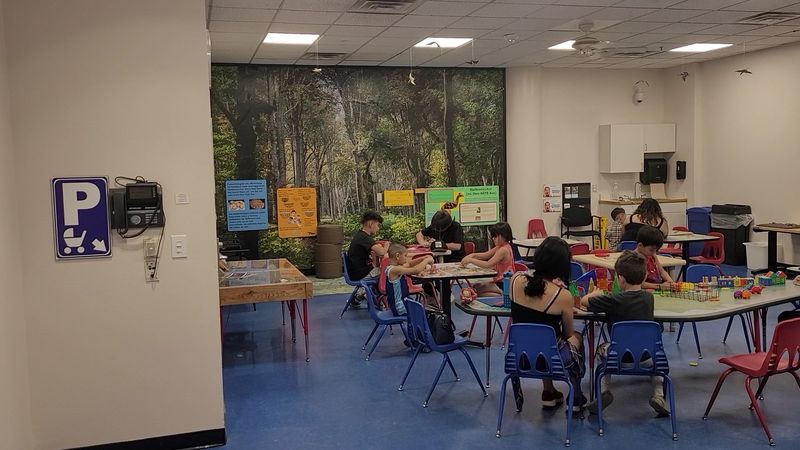
Birthday parties are an option as well. A party room seats about 24 people, and families bring their own food and decorations, then tour the museum afterward.
Some families return every year as kids grow. The same exhibits land differently at 6 and at 16.
That makes it a place that grows alongside your crew. Few local outings can say that.
9. Hours, Admission, and Free Parking
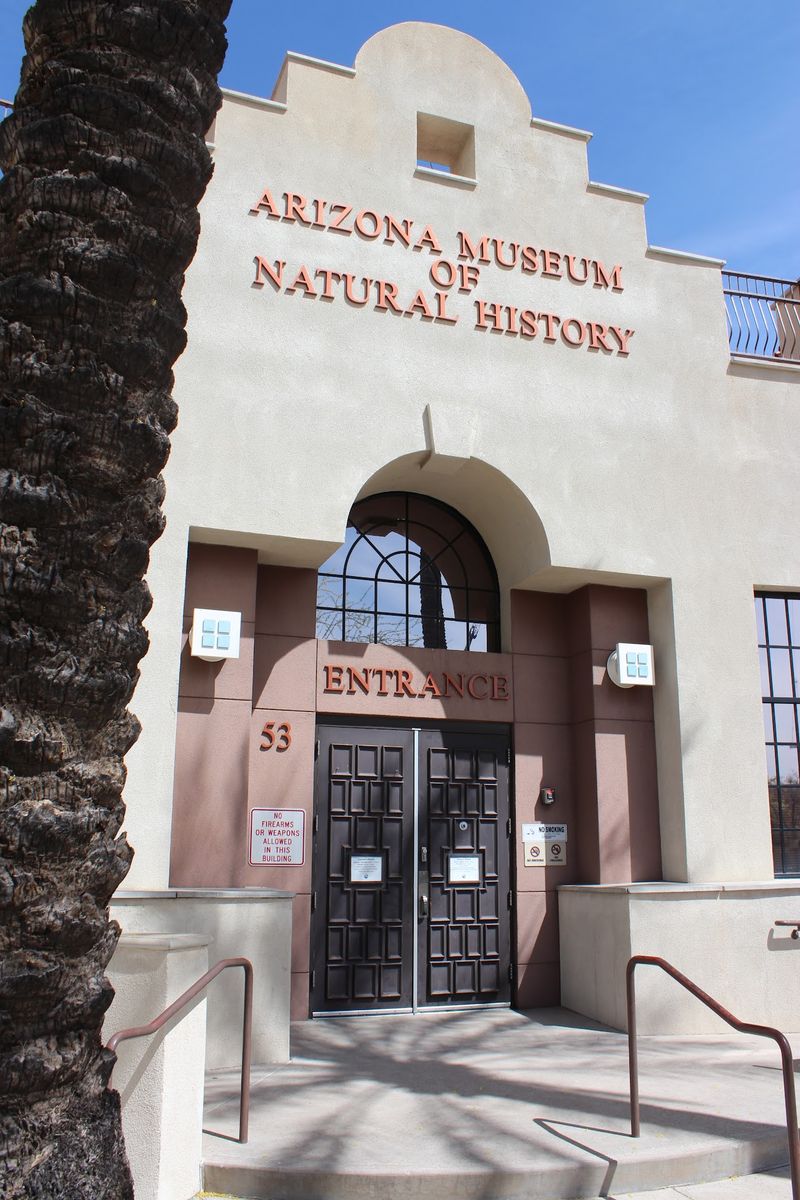
Timing a visit is simple once you know the schedule. The museum opens Tuesday through Saturday from 10 am to 5 pm, and Sunday from 12 to 5 pm.
Mondays are closed. Plan around that before loading up the car.
Adult admission runs about $16. Annual memberships are priced at roughly $100 for four people, which can pay off quickly for repeat trips.
ASTC Passport members can use reciprocal benefits here. The check-in process is quick and hassle-free.
Parking is free in a covered garage across the street, with a 3-hour limit. If lunch or shopping in downtown Mesa is on the agenda, a spot without a time limit may work better.
The museum has no dining inside. Downtown Mesa sits just a couple of blocks away with plenty of options.
Most visits run about 90 minutes to 2 hours. Adults and older kids could easily stretch it to 3.
Check azmnh.org before heading out for current details. A little planning keeps the day smooth.
10. A Summer Escape With Bonus Evenings
Summer in the Valley makes indoor plans valuable. This museum works as a solid way to escape the heat for a couple of hours while learning something along the way.
Special evening events add another reason to go. Dinosaurs After Dark nights keep the doors open until 8 pm.
Those evenings tend not to be too crowded. That leaves room to take your time with each exhibit.
Animatronic baby dinosaurs have made appearances too, with eyes that open and close. Young kids have been known to pet and chat with them as if they were old friends.
A small gift shop near the end leans toward children. Dinosaur toys and craft-style souvenirs are the main draw.
The overall verdict is easy to reach. This is a hands-on, budget-friendly, close-to-home outing that many locals wish they had tried sooner.
The T. rex is still waiting in the wall. Maybe this is the weekend you finally go say hello.
Share this story