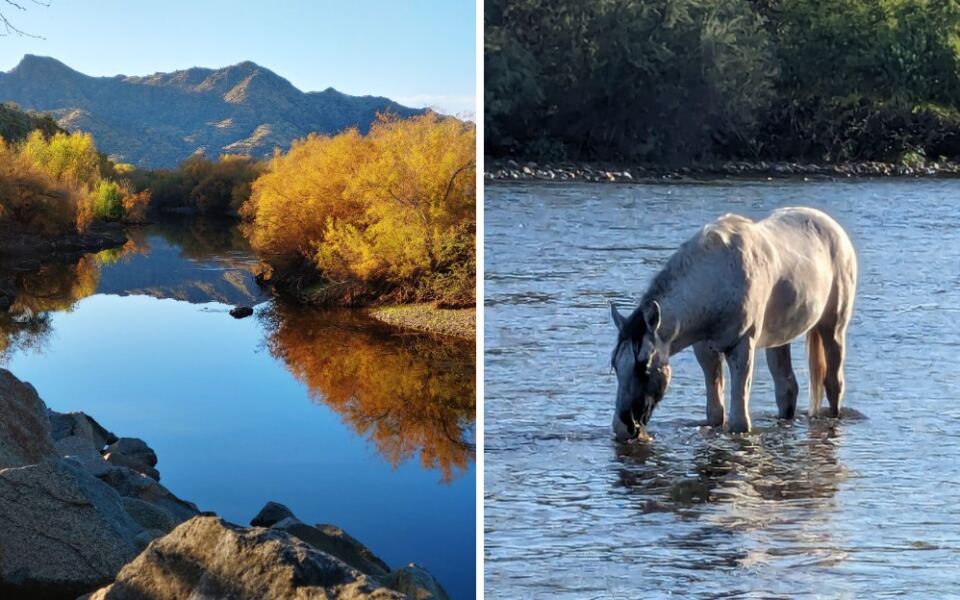
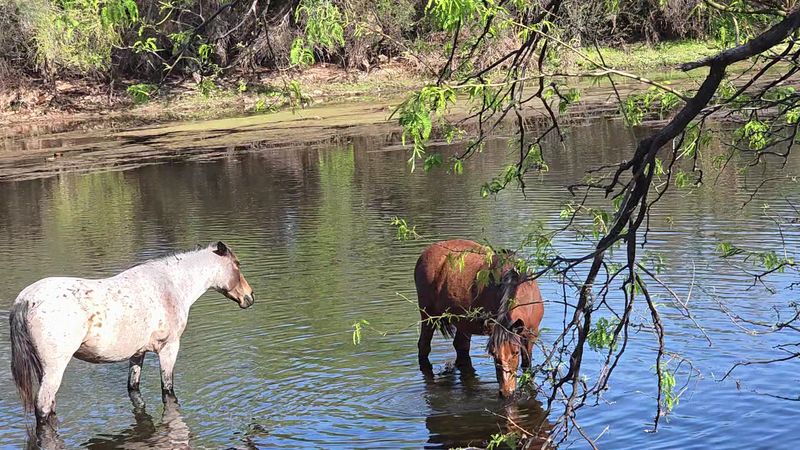
On the edge of Mesa, a band of wild horses wades into a river and pushes their heads under the surface to eat the plants growing below. Most people in the Valley have driven within a few miles of this scene without ever stopping. The ticket is a cheap forest pass, the seats are shady riverbanks, and the show often starts near sunset.
Here is where to go, what to bring, and how to watch without getting in the herd’s way.
1. A Riverside Corner of the Tonto at the End of the Road
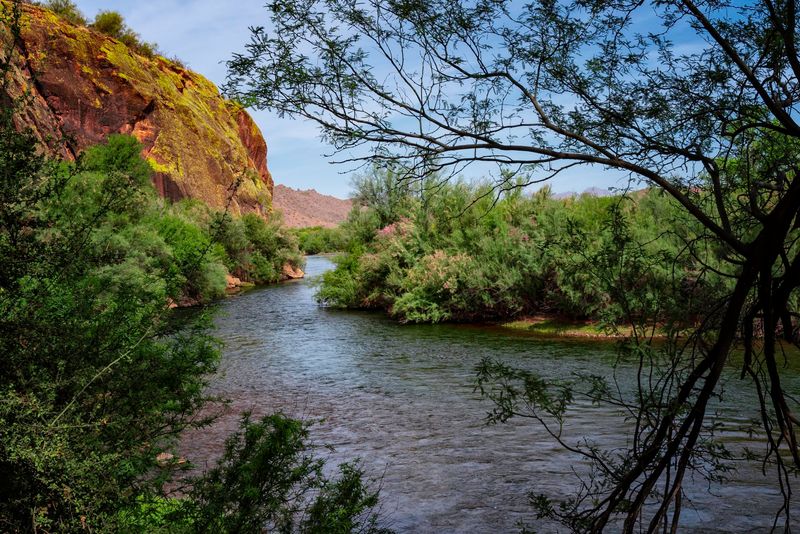
Coon Bluff Recreation Area sits at Coon Bluff Rd, Mesa, AZ 85215, in the United States, tucked inside the Tonto National Forest along the Lower Salt River.
The paved road simply stops here, which makes the spot feel like a well-kept secret even though it lies just past the northeast edge of the Valley.
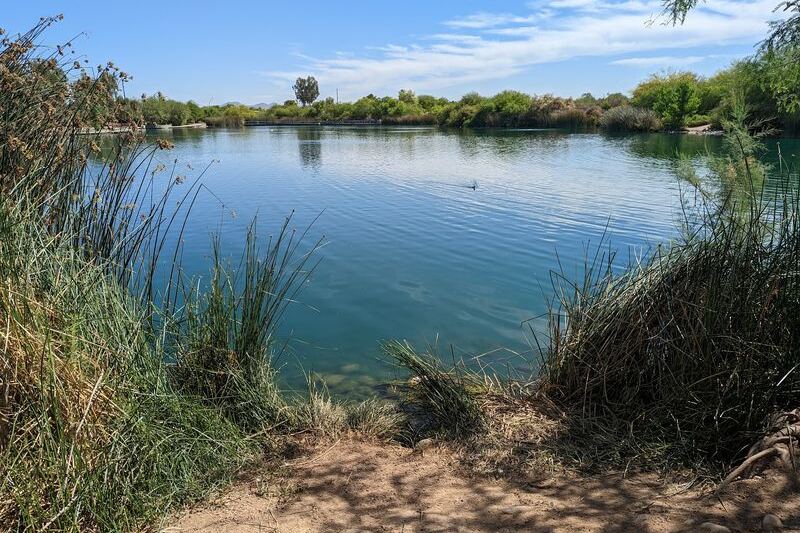
Officially, it is a national forest recreation area. In practice, it is a relaxed, shady riverfront park framed by mature mesquite trees, with access to the water and room to spread out.
The Forest Service lists it as a place for birdwatching and river access, and tubers often use it as a stop along the Salt.
For Phoenix and East Valley residents, the appeal is simple. There is no long highway haul, no resort fee, and no gift shop.
Instead, there is a bend in a desert river, a ridge of rock rising above the water, and a decent chance of sharing the bank with some of the most famous horses in Arizona.
The area holds a strong 4.6-star standing on Google Maps across more than a thousand opinions, which says a lot for a patch of dirt, trees, and river.
Not bad for a place many locals only know as a sign on the way to somewhere else.
2. Horses That Eat Underwater
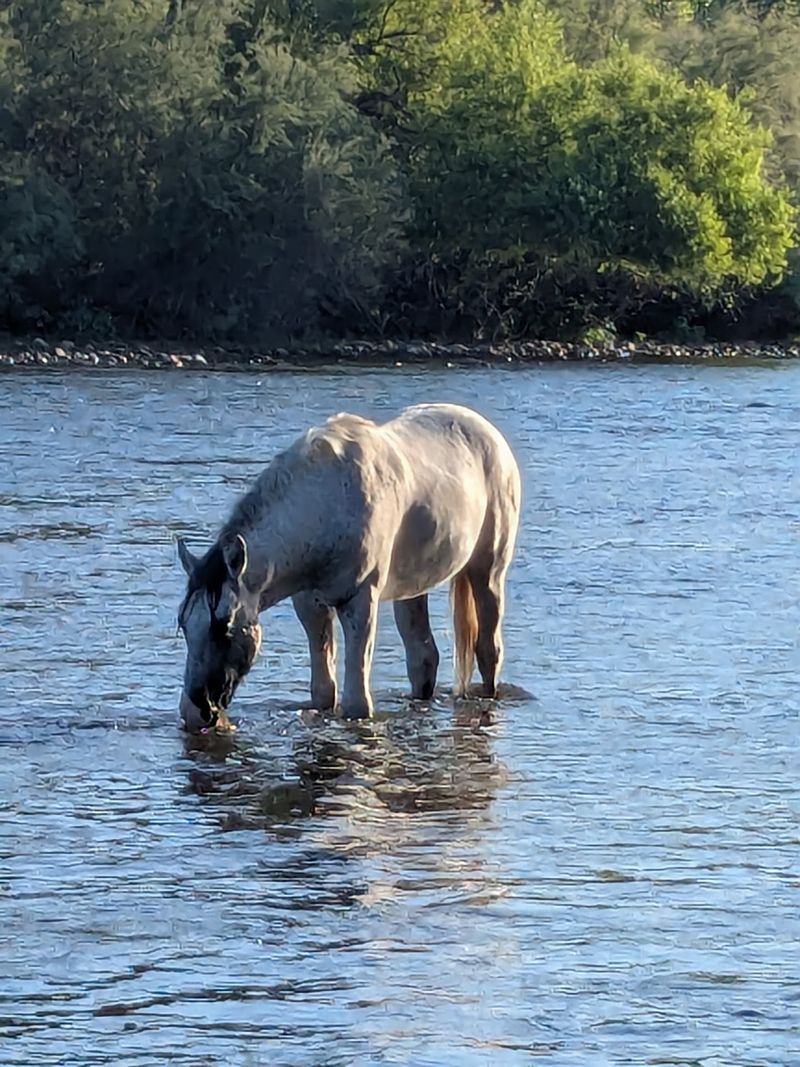
Most horses graze with their noses in a pasture. The Salt River herd prefers to graze with their faces in the river.
Along this stretch, the wild horses walk into the shallows and lower their heads beneath the surface to pull up the plants growing on the riverbed.
That habit is the headline act at Coon Bluff, and it is the reason wild horses rank as the single most talked-about topic for the spot.
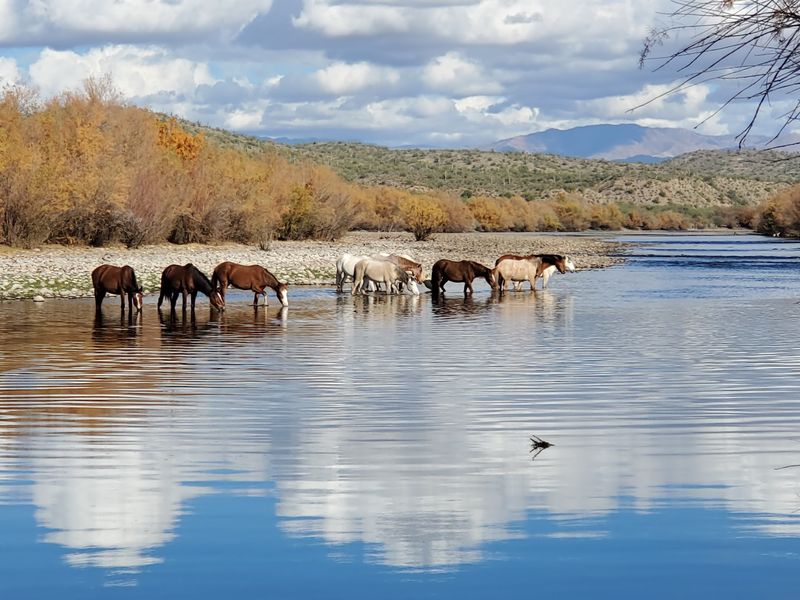
People regularly report catching the herd relaxing right in the Salt River, standing in the current as if the water belonged to them. In a way, it does.
The scene can look a little surreal the first time. A horse drops its head, disappears to the ears, and pops back up chewing.
Then it does it again, over and over, with zero concern for the humans watching from the bank.
Groups move together, and some sightings include very young foals. One recent account described a band of five with a colt only a few days old, the adults clearly shielding the little one as they headed for the water.
Moments like that are why people keep coming back, camera in hand and expectations in check.
3. Six Bucks and a Tonto Pass
Here is the catch, and it is a small one. Parking at Coon Bluff requires a Tonto Pass, the day permit used across recreation sites in the Tonto National Forest.
The daily pass generally lands around the six-dollar mark in the title, though fees can change, so it is smart to confirm the current price before heading out.
Getting one is easy. Circle K stores sell them, and there is a convenient one right on Power Road as you leave town toward the river.
Passes are also sold at other retailers, and a quick online search shows the full list.
Already carry an America the Beautiful pass? That federal pass works here too, so there is no need to buy a separate permit.
Forgetting the pass is the classic rookie move. Regulars specifically remind drivers not to show up without one, since there is nowhere at the site to grab a last-minute permit.
So the math works out nicely. For roughly the cost of a drive-thru snack, a carload gets a riverbank, shade, trails, and a shot at seeing wild horses graze underwater.
That is about as close to a free front-row seat as Arizona gets.
4. Sunset, the Unofficial Showtime
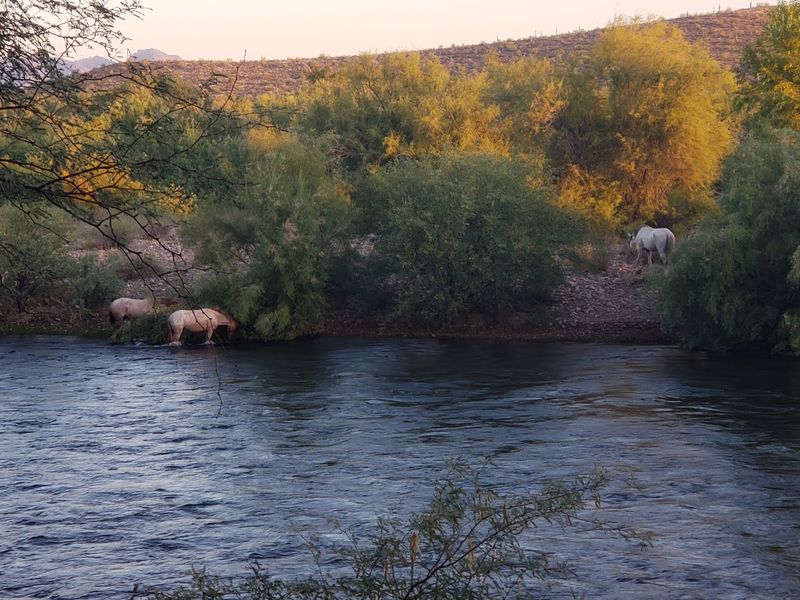
Timing matters more than luck here. Late afternoon into sunset tends to be the prime window for horse watching along this part of the Salt.
Some people swear the herd comes out around sunset without fail, and that the animals can be watched comfortably from a good distance.
Others have waited at dusk and gone home with nothing but photos of the river. Wild horses do not keep a posted schedule, and that is part of the charm.
Sunset ranks among the frequently mentioned highlights of Coon Bluff on its own, horses or not.
The light over the river and the surrounding mountains turns the whole area into a favorite spot for photos. That popularity has a side effect, though.
Evenings can get busy, especially when groups show up for formal photo shoots, including prom pictures. Expect company on peak nights.
A few tips help stack the odds. Arrive early enough to find parking and walk the bank before the light fades.
Bring patience, a little water, and realistic hopes. Even a horse-free evening still ends with one of the better river sunsets within reach of the Valley.
5. How to Find the Herd Without Bothering It
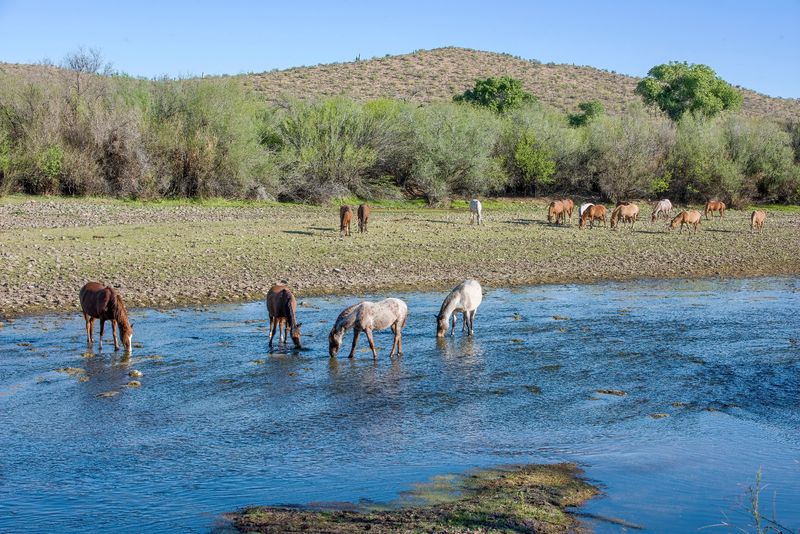
Spotting the horses usually takes a bit of legwork. The herd does not line up next to the parking lot waiting for guests.
A common strategy is to park at the far end of the area and walk upstream along the bank. Fresh horse droppings are a reliable clue that a band has been nearby.
Some people find horses within minutes. Others wander a good while along the banks before getting a glimpse, so sturdy shoes are a must.
Watch where each step lands, since natural debris and manure are scattered along the paths.
Once the horses appear, the rules are simple and important. Give them plenty of space.
Never block their path to the water, because the river is the reason they are there in the first place.
Watching from a distance lets the animals behave naturally, and that is when the best moments happen. Bands communicate, protect their young, and move as a group in ways that are fascinating to observe quietly.
Treat the herd like neighbors rather than a petting zoo. They were here first, after all, and the best seat in the house is the one that keeps everyone calm.
6. Birds, Cattle, and Other Surprise Guests
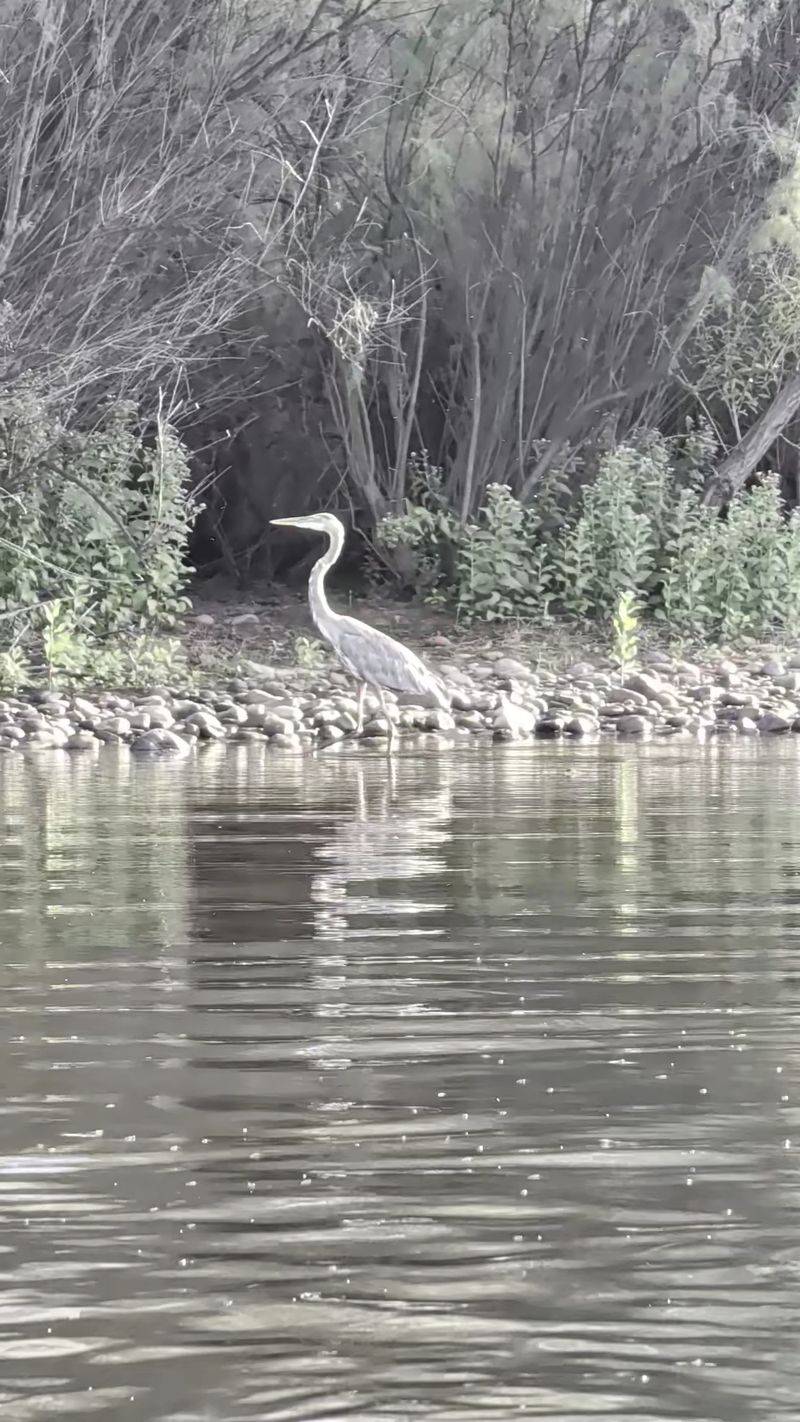
Horses get the spotlight, but the supporting cast is impressive. Coon Bluff is listed as a birdwatching area for good reason.
Grey herons, snowy egrets, and turkey vultures all turn up along this stretch of river, making it a solid stop for anyone who travels with binoculars.
Not every big animal on the bank is a wild horse. Free-roaming cattle wander the area too, and some days the cows show up instead of the herd.
Across repeat trips, people have also crossed paths with a longhorn steer and several javelina.
That variety is a nice consolation prize. A day without horses can still turn into a day of herons fishing the shallows or a javelina trotting through the brush.
There is also a less charming resident to keep in mind. Snakes live here, so watching the ground is wise, especially in warm months and around rocks and brush.
Flies can be plentiful as well, so bug spray earns its spot in the bag.
Treat it like a desert wildlife area, because that is exactly what it is. The more slowly the bank gets explored, the more creatures tend to reveal themselves.
7. An Easy Loop Along the Water
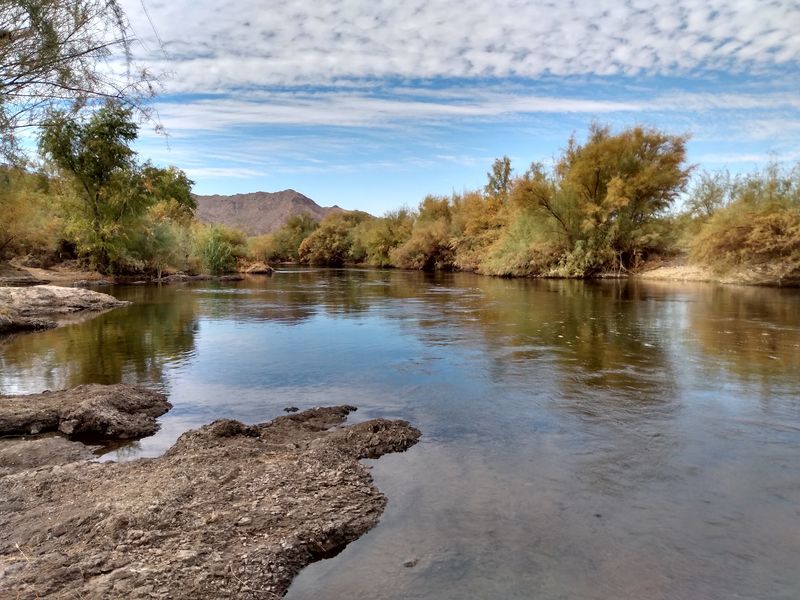
Hiking is one of the most popular things to do here, and the good news is that it does not require mountain-goat fitness.
A simple loop trail follows the Salt River, and much of the walk along the water is fairly flat and easy.
Even people who would never call themselves hikers find it very doable. It works well for a casual stroll, a family outing, or a slow horse-spotting mission.
There is one quirk worth knowing. Signage is limited, and the loop has no obvious start or finish point.
Some people love that and just go with the flow. Others have gotten turned around, so it helps to pay attention to the river as a landmark.
Adventurous types can also venture farther into the surrounding desert. Getting a little lost out there can be part of the fun, as long as you are prepared.
Wear good shoes, bring plenty of water and snacks, and do not count on trail markers to guide every turn.
Longer outings of an hour and a half or more often end with a well-earned rest on the shaded sand by the river, which might be the best part of the whole route.
8. The Bluff Itself and Its Rope Ladders
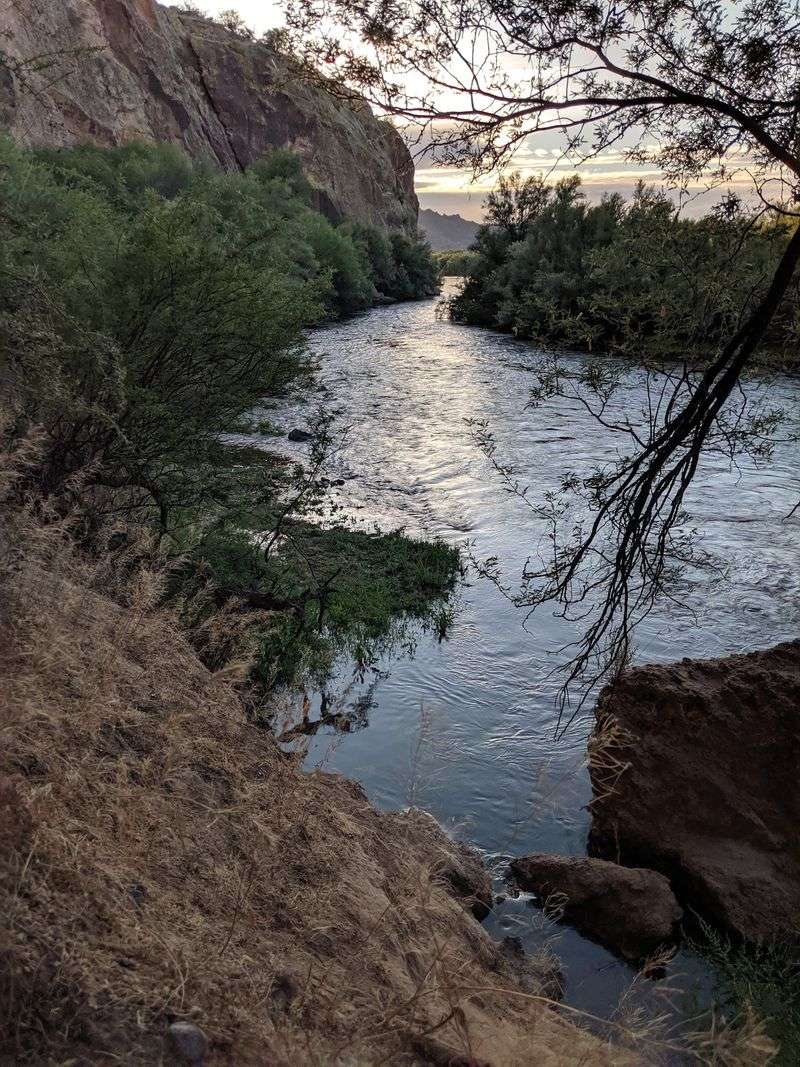
Every recreation area needs a namesake, and the bluff here earns its billing.
A rocky ridge rises above the river, and people like to hike around and up on it for a higher look at the Salt and the desert around it.
From the water, the bluff has a handy feature. Kayakers can tie off to one of four ropes that hang down from the top, turning the cliff into an informal dock.
Rappelling also comes up now and then as an activity linked to the area, though it is a niche pursuit compared to hiking and floating.
Anyone thinking about climbing or rappelling should bring proper skills and gear rather than trying it on a whim.
Down the river, there is a distant view of Superstition Mountain, which gives the whole setting a classic East Valley backdrop.
The bluff draws a mix of people. Hikers, paddlers, and even motorcycle riders who roll out for a quick escape all count it among their favorite corners of the Lower Salt.
It is a small landmark with a big personality, and climbing it adds a second act to any horse-watching day.
9. Paddleboards, Kayaks, and Tubes Drifting By
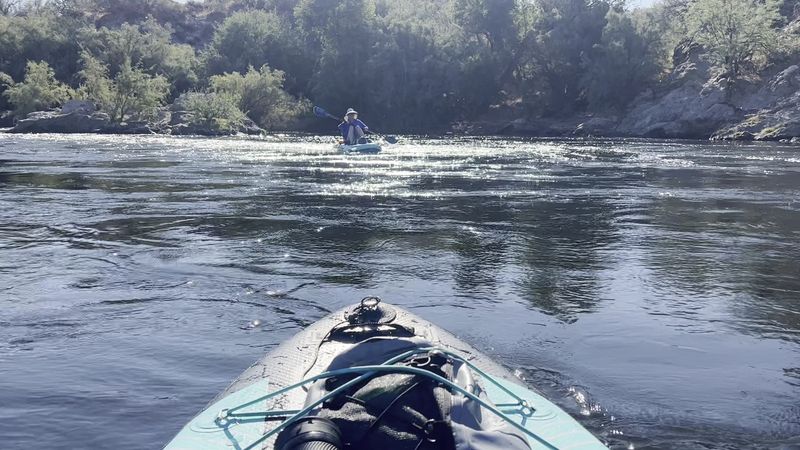
The river here is not just scenery. It is a working highway for paddlers.
Kayaks, paddleboards, and tubes regularly float past Coon Bluff, and the site is known for providing river access to tubers along the Salt.
On a quiet weekday, only a few boats might drift by. On busier days, a steady parade of paddlers rolls through.
Paddlers tend to stay in the main current, where the water moves faster, so they usually do not crowd people relaxing near the shore.
For anyone bringing their own boat, this is a convenient spot to launch, stop, or end a float. Tying off to the ropes under the bluff makes for an easy break.
Getting down to the water is not effortless everywhere, though. Some banks are hilly, so it pays to scout a gentler access point before hauling gear.
Watching the river traffic is half the entertainment for land-based guests. Between paddlers gliding by and horses wading in the shallows, the Salt rarely looks empty.
Bring a boat, borrow a friend’s, or just grab a shady spot and enjoy the free parade.
10. Swimming Holes and a Rope Swing
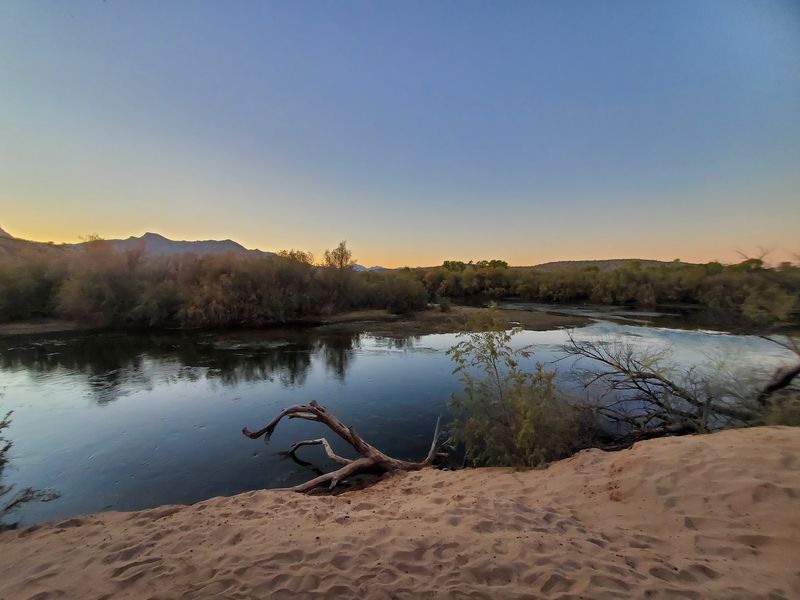
Summer in the Valley sends people looking for water, and Coon Bluff answers with river beaches and swimming holes.
There are sandy beach areas along the bank, plus spots to wade and swim, and even a rope swing for anyone feeling bold.
Even on a hot August day, the river is a welcome break from the city. That makes it a strong warm-weather pick when most desert trails feel too punishing.
Safety deserves a clear mention. The current moves fairly quickly in places, so parents should keep a close eye on little kids at all times.
Water levels also vary. Some days the river looks low, yet people still find ways to splash around and have fun.
Early mornings and weekdays help dodge the crowds and the worst of the afternoon heat.
Shade from the mature mesquite trees is a real asset. Families can set up near the water and still have a cooler place to retreat.
Pack water, sun protection, and footwear that can handle rocks and wet sand. A little planning turns a hot day into one of the easiest summer escapes near Mesa.
11. Winter Fishing on the Lower Salt
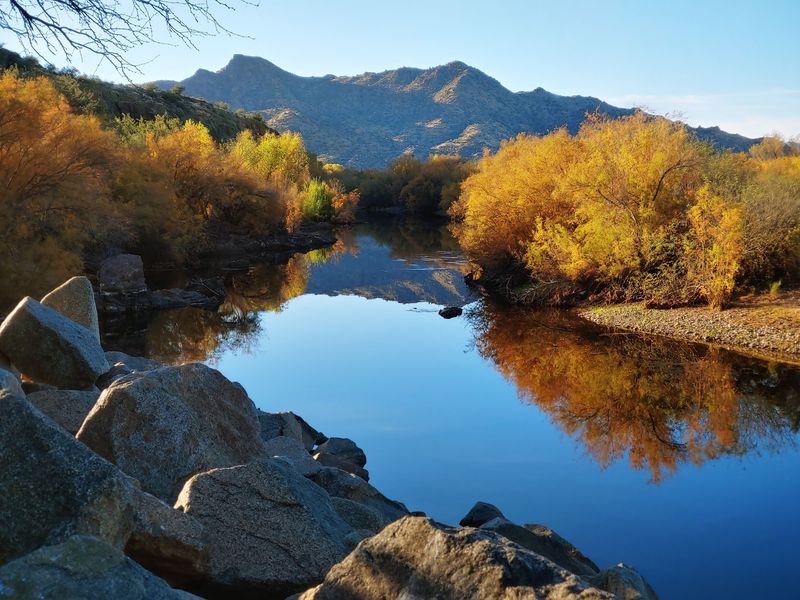
When temperatures drop, the crowd shifts from swimmers to anglers.
Fishing ranks among the more frequently mentioned activities at Coon Bluff, and winter in particular gets praise as a great time to cast a line.
Some call it the best place around to fish the river, and the setting makes even a slow day pleasant.
The shaded banks and quieter cooler-season days suit anyone who prefers patience and a folding chair over packed beaches.
Bird life adds a bonus. Herons and egrets fishing the same water can make an angler feel like part of a team, or like they have competition.
Fall and winter are also the sweet spot for outdoor day trips from Phoenix and Tucson in general, so pairing a morning of fishing with a horse-watching walk makes a full day.
Bring whatever licensing and gear the river requires, along with layers for chilly mornings.
Then settle in by the current and let the day unfold. If the fish do not cooperate, the wild horses sometimes wander by to keep things interesting.
12. Picnic Tables, Pavilions, and the Basics
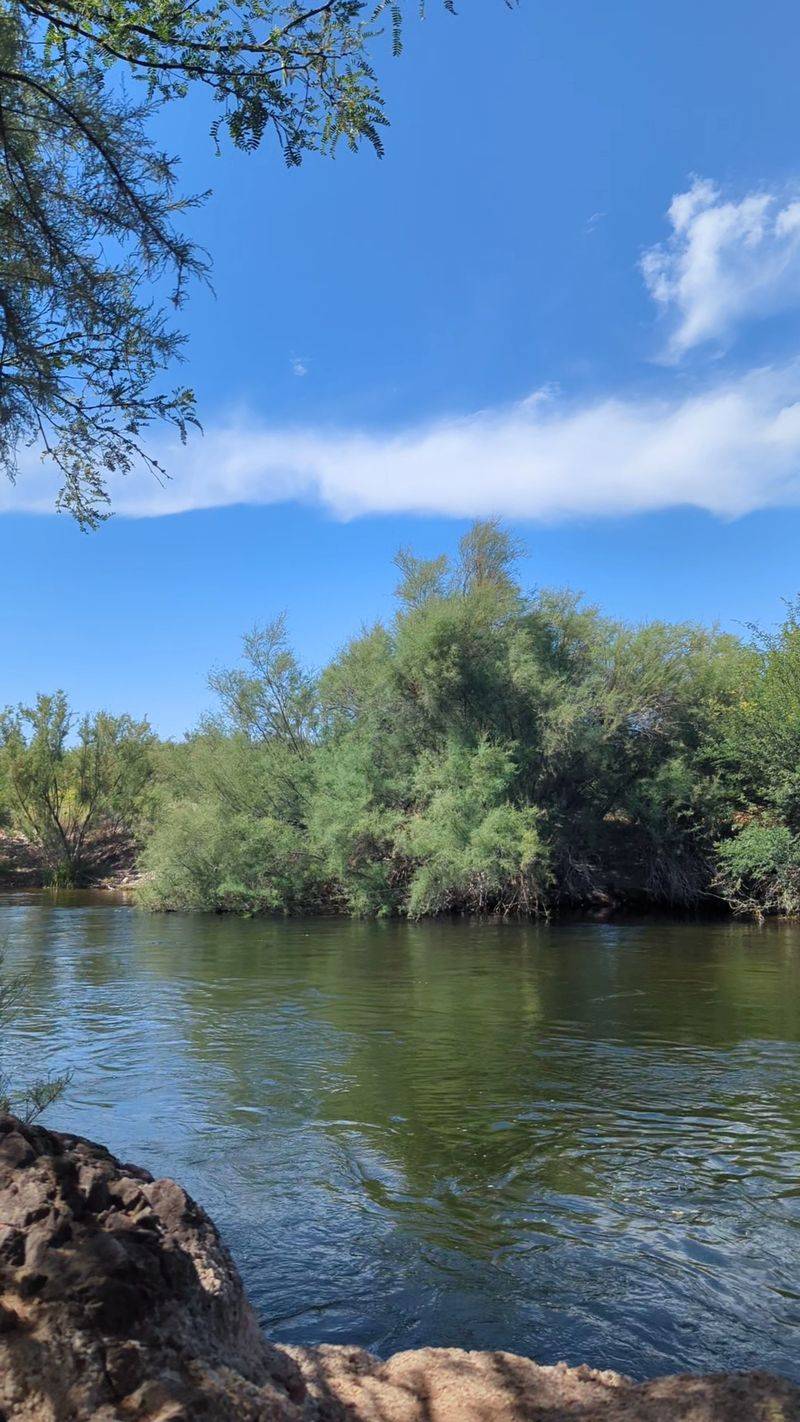
No one comes to Coon Bluff for luxury, but the essentials are covered.
The area has picnic tables, at least one pavilion, and restrooms in the form of outhouses. Picnic tables in particular are one of the most-mentioned features.
That setup makes it easy to plan a long afternoon. Families can claim a table under the mesquites, eat lunch, and then head to the river or the trail.
Shade is a big part of the comfort here. The mature trees give relief that many desert picnic spots simply lack.
There are no concession stands or rentals mentioned in the details for the site, so pack everything needed for the day.
That means water, snacks, sunscreen, bug spray, and a garbage bag.
Night owls have another reason to stay late. After dark, the area is considered a fantastic place for photographing stars, away from the brightest city lights.
Simple facilities, plenty of shade, and a river view add up to a picnic spot that feels far more remote than its short drive suggests.
13. Weekday Calm Versus Weekend Buzz
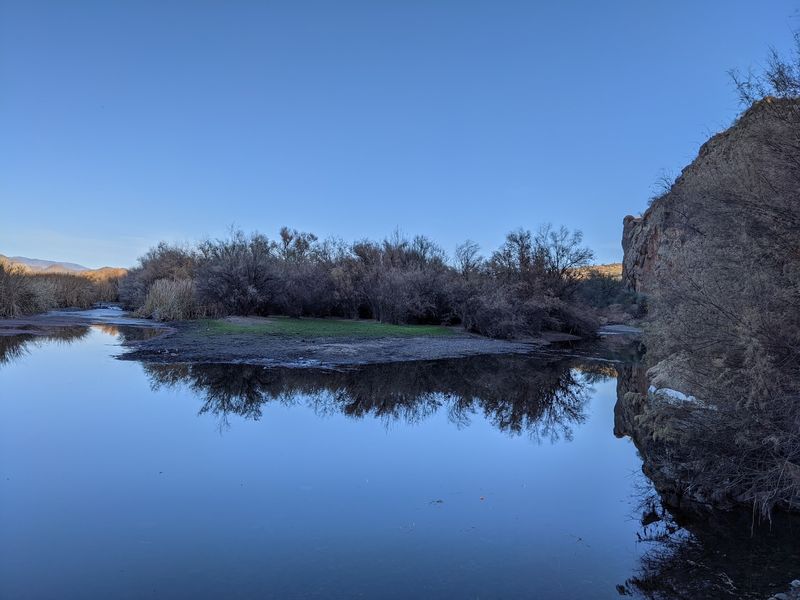
Two very different Coon Bluffs exist, depending on the calendar.
On weekdays, the area is often peaceful, with only a few kayaks and paddleboards drifting by and plenty of room on the bank.
Many regulars say weekdays are simply the best days to go, since crowds are thin and the shade is easy to claim.
Weekends and evenings can feel livelier. Sunset in particular may bring a busy parking area and groups gathering for photos.
Cleanliness is a recurring topic too. The area is often found clean, but some people have been let down by trash left behind by others.
The local rule is clear: pack it in, pack it out. Bringing a spare garbage bag helps keep the riverbank in good shape for the horses, the birds, and the next family.
The vibe suits nature lovers, casual hikers, anglers, paddlers, and photographers. It is less ideal for anyone hoping for amenities or guaranteed solitude on a Saturday.
Choose a weekday morning for quiet, or a weekend sunset for energy, and plan accordingly.
14. A Six-Dollar Front Row Worth the Drive
Some outings need a reservation, a long drive, and a fat wallet. Coon Bluff needs a Tonto Pass and a little patience.
The basics are straightforward. Head out past Mesa via Power Road, grab a pass at a Circle K or use an America the Beautiful pass, and follow Coon Bluff Road to where it ends.
Bring sturdy shoes, water, snacks, bug spray, and a trash bag. Watch for snakes, keep kids close in the current, and give the horses room to reach the river.
A horse sighting is never guaranteed. Some days the herd wades in at sunset, other days only cattle or javelina show up.
Even on a quiet day, the shaded banks, easy trail, birds, and bluff views make the trip feel worthwhile.
For Valley locals, that is the real win. This is the kind of place people drive past for years before finally turning down the road.
Go once on a weekday evening, stand back from the water, and wait for a horse to dip its head beneath the surface.
After that, the next time someone asks for a cheap Arizona adventure, the answer will come easily.
Share this story