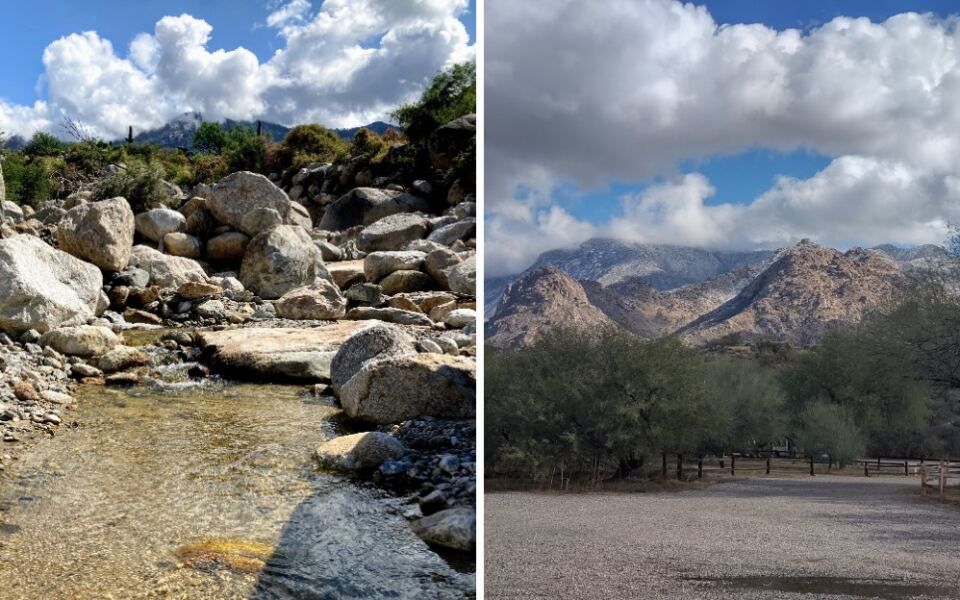
Most Tucson locals have driven right past it on their way to somewhere else. Tucked behind a busy stretch of shopping centers sits a desert park with saguaro hills, old ruins and a canyon trail that leads to a waterfall when the rain cooperates. The best part is that a full carload gets in for about the price of a takeout lunch.
Here is everything you need to know before you lace up your boots and go find it.
1. A Desert Escape Across From the Shopping Plazas
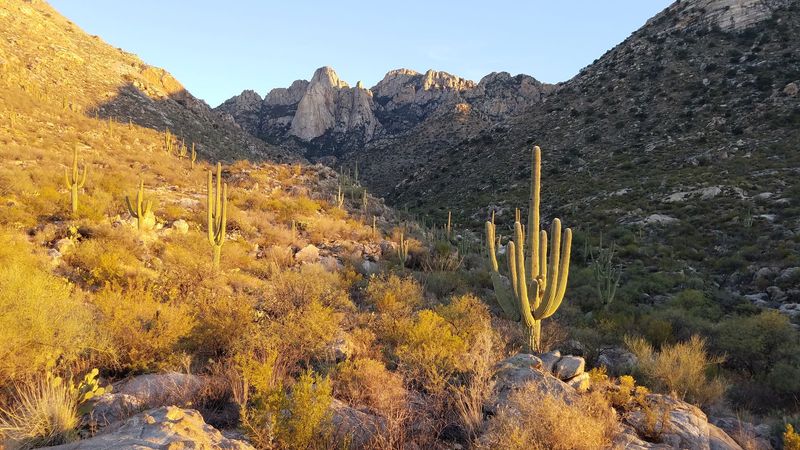
Few Tucson hideouts are this easy to reach. Catalina State Park sits at 11570 N Oracle Rd, Tucson, AZ 85737, on the north side of town in southern Arizona.
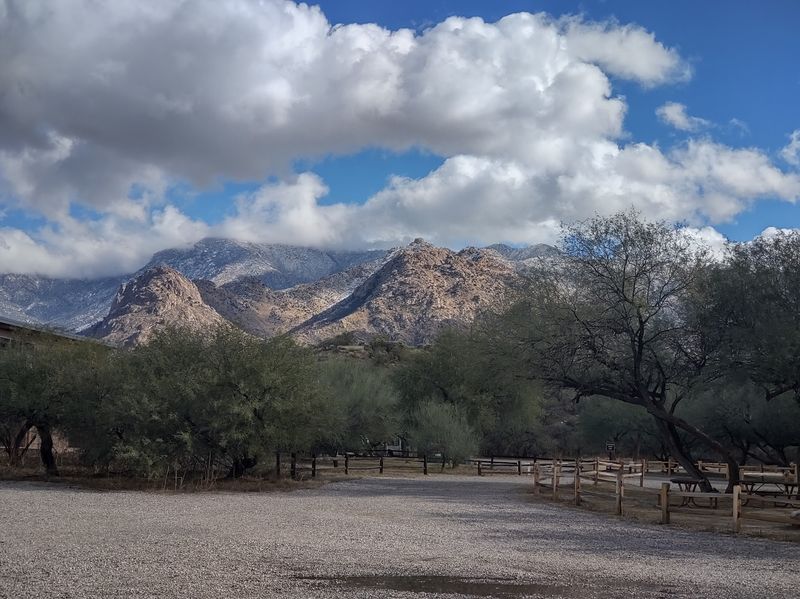
It is a state park, not a city park, and that difference shows the moment the road leaves the traffic behind. The park rests at the foot of the Santa Catalina Mountains, which form a wall of rock and ridges right behind the parking areas.
Across Oracle Road, you will find restaurants, big box stores and pet supply shops. Inside the gate, the view switches to cactus slopes and mountain canyons within a few minutes.
That contrast is a big part of the charm. Plenty of Tucson residents run errands within sight of the entrance and never turn in.
The park is not in the heart of Tucson, so plan a short drive if you live downtown or south of the city. From the Phoenix area, it makes a realistic day trip, especially in the cooler months.
So what makes it worth the stop? Hiking, camping, mountain biking, wildlife, monthly concerts and a canyon trail with a waterfall payoff all share the same 5,500 acres.
The best way to understand the place is to start with the land itself.
2. Saguaro Slopes and Mountain Backdrops
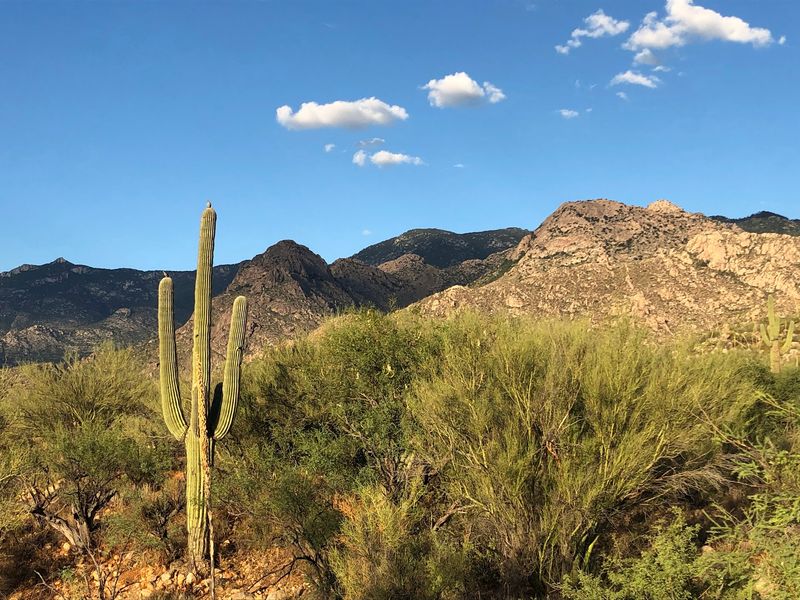
Mountain views come up more than anything else when people talk about this park. That makes sense, because the Santa Catalina Mountains fill almost every horizon.
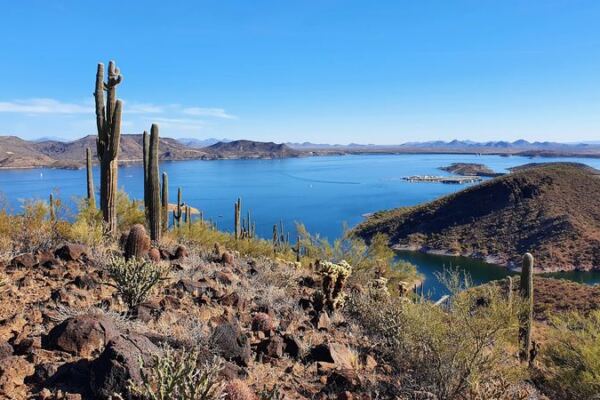
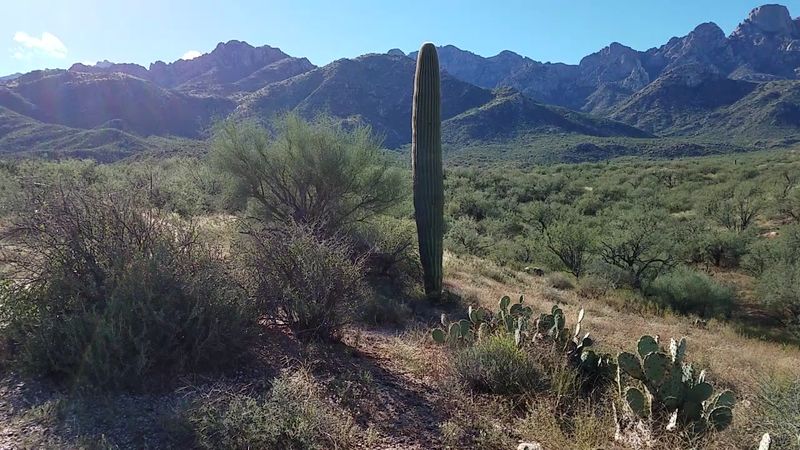
The park covers 5,500 acres of desert foothills, washes and canyons. Saguaro cacti stand on nearly every hillside, and some of them are clearly very old.
Washes cut through the lower areas, and sandy stretches make for easy evening walks. After a good rain, water can run through those washes, which changes the whole look of the place.
Some areas still show signs of an old fire, with burnt brush along parts of the trails. Even so, the overall scenery remains a major draw for photographers.
Landscape shooters like the sunset light on the mountains. Portrait photographers use the cactus hills as a ready-made backdrop for family and couple photos.
The views even start at the parking lots. Many people decide to commit to a longer hike just from what they see before leaving the car.
Here is the quick takeaway for locals:
The scenery does a lot of the work here, and you do not need a grueling climb to enjoy it. Still, the most famous view in the park requires a bit more effort.
3. The Waterfall Hiding Up Romero Canyon
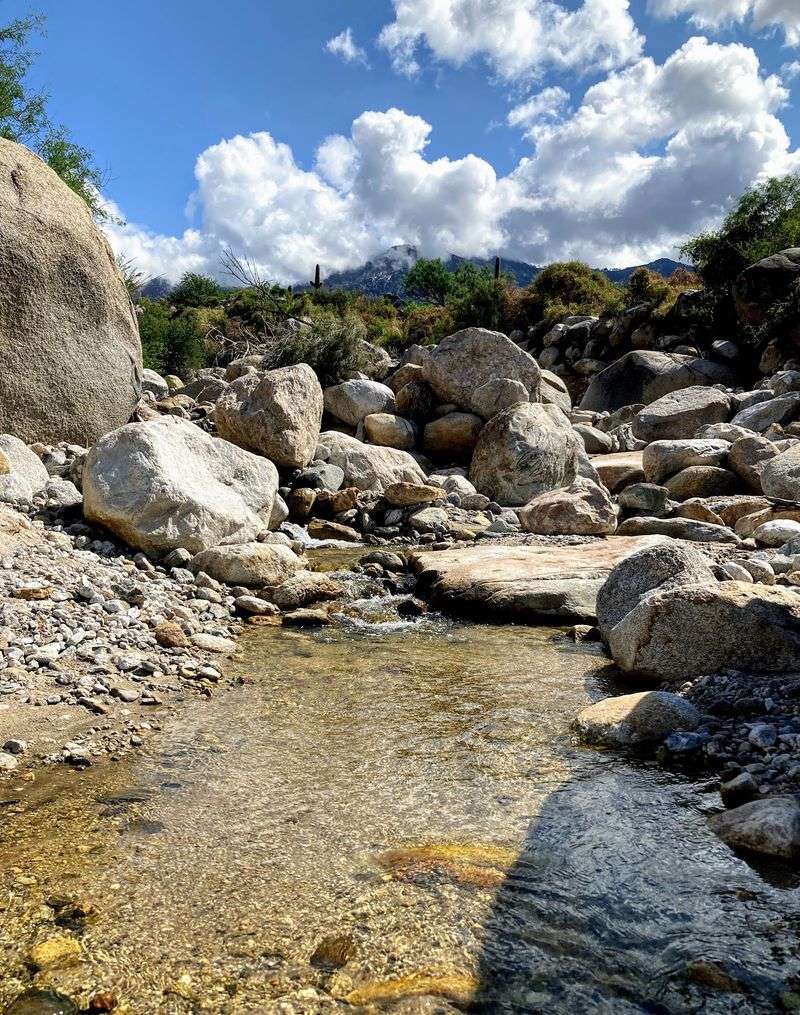
Yes, a Tucson state park has a waterfall. Romero Falls sits up the Romero Canyon area, and it is the hike many people come for.
Here is the honest catch: desert waterfalls run on their own schedule. Water in the canyon and washes depends on the time of year and recent rain.
After a wet stretch or during the right season, falls and pools may form along the rocky canyon. In dry months, you may find little or no water at all.
That is why timing matters more than anything. Locals who watch the weather tend to plan this hike for the cooler, wetter parts of the year.
If you hope to wade or take a dip, ask the rangers at the entrance about current conditions. Staff and volunteers regularly help people pick trails and can tell you what to expect that day.
Even without much water, the hike earns its reputation. Saguaros line the route, and the canyon views grow bigger as you climb.
Think of the water as a bonus round. When it shows up, you get a rare desert reward that most Tucson residents never see. When it does not, you still get one of the best hikes on the north side of town.
4. What the Romero Falls Climb Asks of You
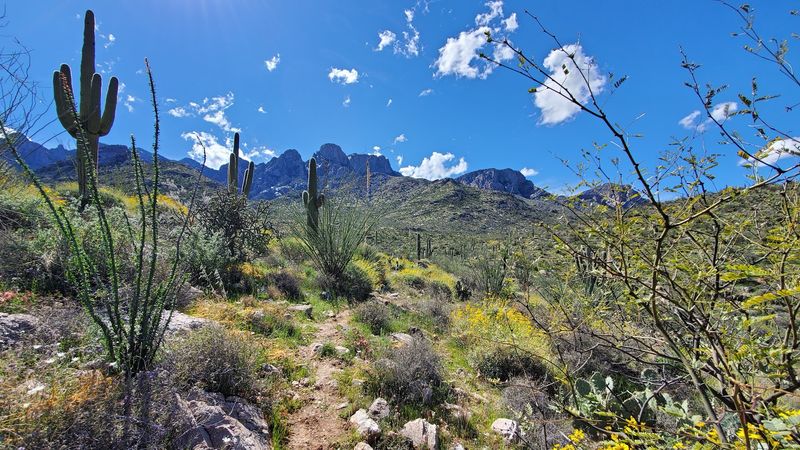
Nobody should treat Romero Falls as a casual stroll. The hike is known as a bit difficult, with steady climbing on rocky ground.
Saguaros appear in big numbers along the way, which helps the effort feel worth it. The trick is going when it is cooler out.
Summer heat in Tucson is no secret to locals. On this trail, it turns a solid workout into a real challenge.
Start early, especially from late spring through early fall. The park opens at 5 AM every day, so dawn starts are easy to plan.
Carry more water than you think you need. There is no water fill station in the park, though the small shop near the entrance sells bottled water and other drinks.
Good boots matter on the rocky sections. Trekking poles can help on the steeper parts, both going up and coming down.
A few smart extras for this trip:
Pack snacks, sun protection and a fully charged phone. Tell someone your plan before heading up the canyon.
None of this should scare you off. It simply means the waterfall belongs to the people who show up prepared, and that is part of the bragging rights.
5. Ruins on a Short Detour
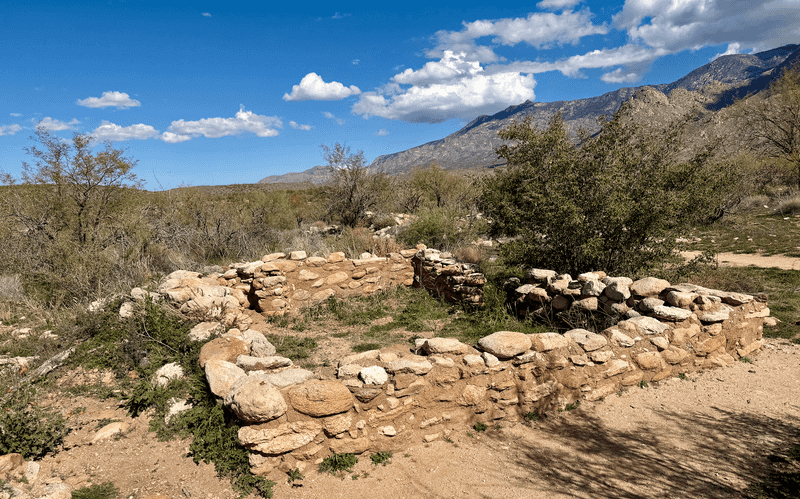
Not every reward here involves water. The Romero Ruins Trail leads to ruins inside the park, which adds a history angle to a desert walk.
This trail gets regular attention from people who want something shorter than the canyon climb. It works well as a warm-up or as a stand-alone outing.
Rangers often hand out a pamphlet at the entrance that points out the ruins along with picnic areas and other trails. Grab one, since the map helps you plan a loop that fits your time.
The ruins make a good stop for families with kids who need a goal. A destination at the end of the path can keep young hikers moving.
Trail signs could be clearer in some spots, so keep that pamphlet handy. A quick check before each junction can save you some backtracking.
Please treat the site with care. Stay on the trail, leave everything where you found it and follow leave no trace habits.
Pairing the ruins with another short trail can fill a relaxed morning. It is a smart choice for days when the falls feel like too much, and it still gives you a story to share.
6. Canyon Loop for an Easy Morning
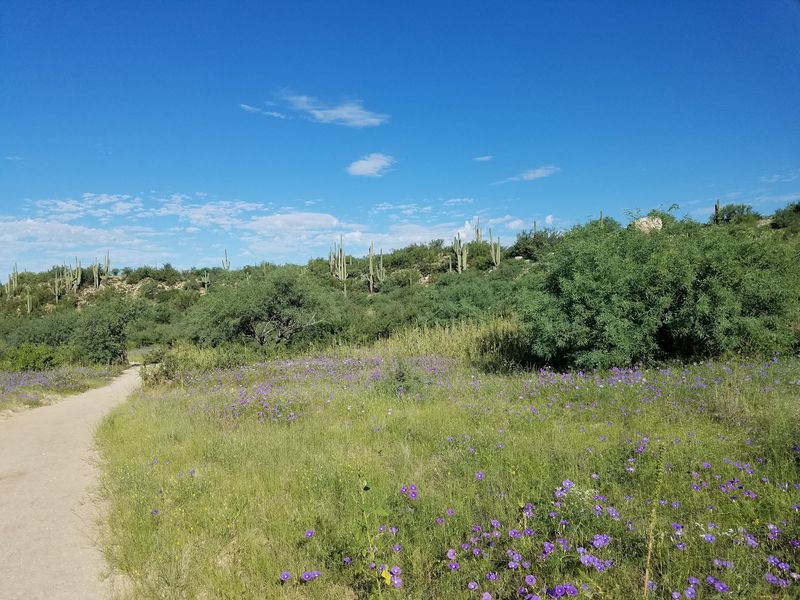
Some days call for a hike where you can actually look around. The Canyon Loop Trail is one of the most talked-about routes in the park for exactly that reason.
The loop starts with a short climb out of the riverbed. After that, it settles into a manageable route for most hikers.
One pair of hikers covered a little over three miles in about an hour and a half here. Their main highlight was being able to enjoy the scenery instead of staring at their feet.
Expect endless saguaros, lizards darting over rocks and wide mountain views. It is the kind of trail that turns first-timers into regulars.
The loop suits kids, older hikers and anyone easing into desert trails. Families will find it a good test before tackling longer routes.
Shorter nature and birding trails are also available nearby. Those work well for quick visits when you only have an hour or so.
Arrive early, since parking fills up. Lots can be fairly full by 9 AM even on a weekday, and weekends get busier.
This is the trail to bring the friend who swears they are not a hiker.
7. Alamo Canyon’s Steep Little Surprise
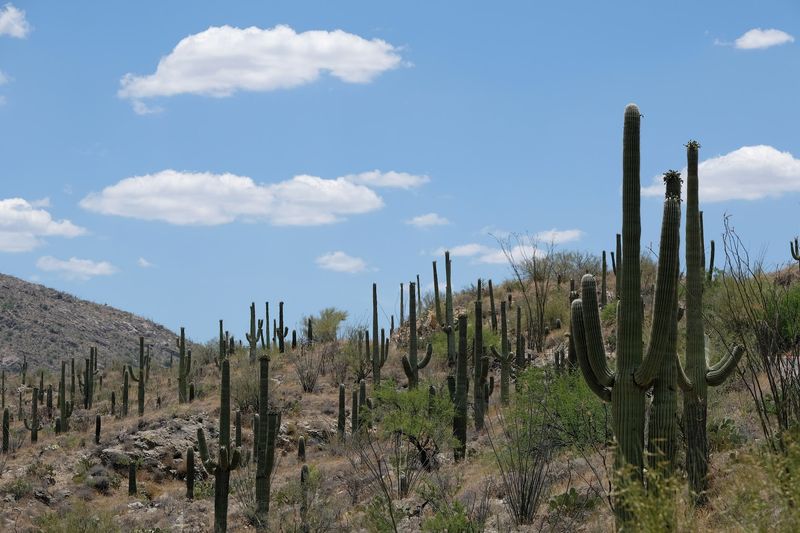
Short does not mean simple on this one. The Alamo Canyon Loop runs under four miles, yet it delivers a real workout.
The trail begins across from a good-sized parking area and is easy to follow for most of the loop. Some sections turn steep, with plenty of loose rock underfoot.
Walking sticks and sturdy boots are a smart call. Hikers who do not like loose footing may want to choose a gentler route.
There is almost no shade along the way. Go early and bring plenty of water, especially outside of winter.
Like Romero Canyon, Alamo Canyon can show falls and water in the wash at certain times of year or after a good rain. On dry days, the canyon still offers strong mountain views and some very old saguaros.
Burnt brush from a past fire appears along parts of the route. It adds a different look to the landscape compared to other trails.
One small heads-up for planners:
Restroom options near the Alamo Canyon trail parking area are limited, so use the facilities before you drive over.
Plenty of seasoned hikers name this loop among their favorites, and it is easy to see why after the first climb.
8. The Locals With Four Legs and Eight
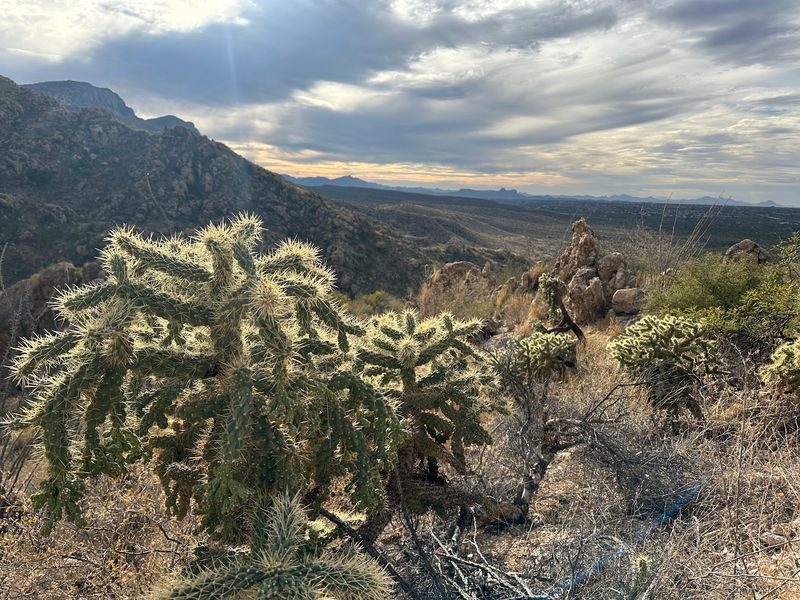
Javelinas do not care about your campsite boundaries. They are among the residents most often spotted around the park, sometimes strolling right through campgrounds.
The wildlife list runs long. Jackrabbits, lizards, coyotes and plenty of birds all make appearances.
Tarantulas show up too, which delights some people and alarms others. Give them space and they will happily go about their business.
Small burrowing critters scurry around some of the campground loops. Kids tend to spot them long before the adults do.
Birders have their own reason to come. Dedicated birding trails make it easy to look for species without committing to a long hike.
A few simple rules keep everyone safe:
Keep a respectful distance, never feed animals and store food properly at camp. Stay aware of your surroundings, especially at dawn and dusk.
As the park quiets down in the evening, the desert wildlife becomes more active. That makes an evening walk in the sandy washes a good time to keep your eyes open.
Bring binoculars if you own a pair. The animals here are a big part of why so many people keep coming back season after season.
9. Trails Built for Bikes and Dogs
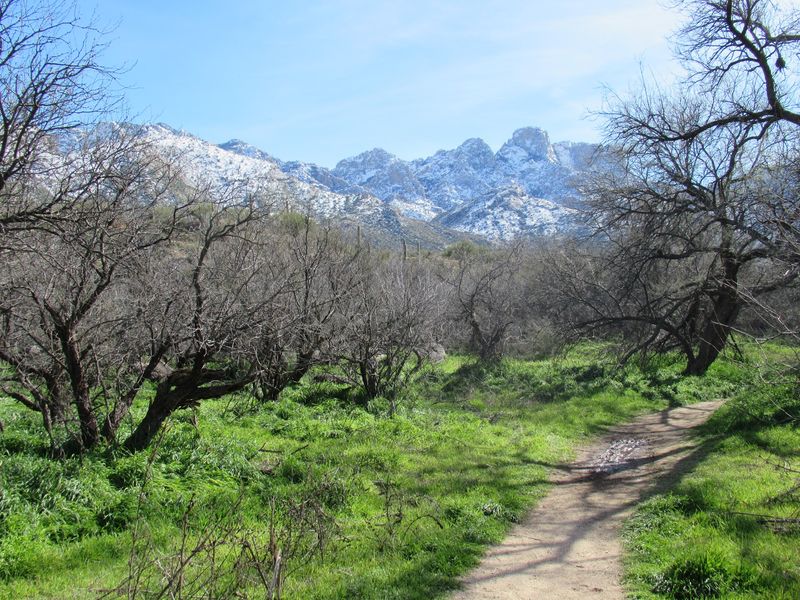
Cyclists figured this place out a long time ago. A steady stream of riders heads into the park, and mountain biking trails give them plenty of options.
Many campers bring bikes and ride directly from their sites. It is an easy way to cover more ground in a single day.
Dog owners get good news too. The park is known as dog-friendly, with plenty of open space and trails of different lengths and difficulty levels.
One hiker spent about three hours exploring with a dog and came away impressed by the well-kept trails. Variety in elevation gain means you can match the route to your pup’s energy level.
Summer brings a real concern for paws. Hot ground can be tough on dogs in the middle of the day, so some owners buy dog boots during warm months.
The easiest fix is timing. Morning and evening walks keep both you and your dog comfortable.
Keep dogs leashed and clean up after them. Wildlife, other hikers and cyclists all share the same routes.
The mix of riders, walkers and four-legged hikers gives the park a busy, friendly energy without feeling crowded once you get on the trails.
10. First Saturday Concerts and Free Popcorn
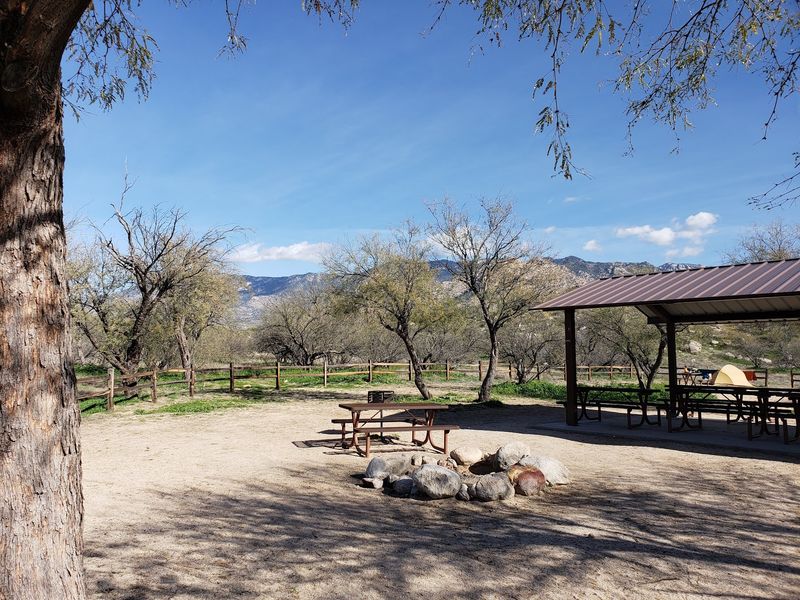
Live music with a mountain backdrop is one of the best-kept secrets in north Tucson. Music in the Mountains takes place at the park on the first Saturday of the month.
The setup includes a small venue with parking, a stage, picnic tables and a restroom. One recent show ran from 5 to 7 PM with an indie group on stage.
Here is the fun bonus: a park ranger has been known to hand out free popcorn. That is a hard deal to beat for a relaxed evening.
Saturday mornings bring their own draw. A nature program runs on Saturday morning, and weekend nature programs are a regular feature.
Evening hikes appear in the park literature as well. These fill up quickly, and registration may be required months in advance.
That catch surprises plenty of campers who show up hoping to join last minute. Check the park website early if a guided evening outing is on your wish list.
Volunteers often play a big role in these events. They are known for being friendly and happy to share what makes the park special.
A concert followed by a sunset walk makes for one cheap and memorable Saturday.
11. Campgrounds With Room to Spread Out
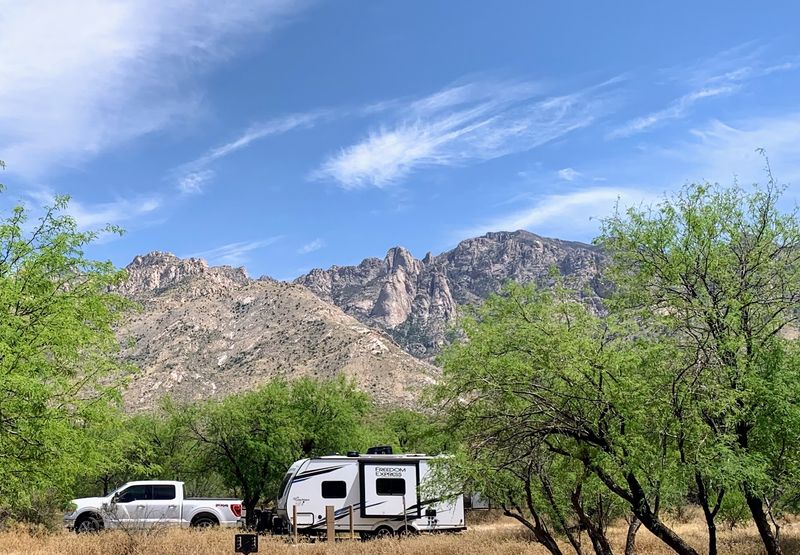
Camping is the single most discussed topic about this park, and the two main campgrounds explain why. Both offer sites with water and electric hookups.
Sites provide 30 and 50 amp service, which matters a lot when Tucson heat climbs past 100 degrees. Many sites are large, and some back up to hills covered in saguaros.
There is no sewer hookup at the sites. A dump station on site handles grey and black water, and it does the job even if it is basic.
Bathrooms in some loops are fairly new, with spacious showers. Some campers on long road trips have called them among the best they found anywhere.
Camp hosts help keep sites clean and ready for the next arrival. They can also update your vehicle tag if you need to switch sites during a longer stay.
That site switching is worth knowing about. Popular dates may require booking different sites for different nights.
Shopping and restaurants across Oracle Road make supply runs quick. It is a handy setup for anyone who forgot a camp chair or needs groceries.
The location also makes the park a convenient base for exploring other Tucson-area attractions.
12. Know Your Loop Before You Book
Not every campsite here offers the same experience. The Ringtail Camping Loop is labeled rustic, and expectations should match that label.
Ringtail is essentially a dirt lot. Sites sit fairly close together, so privacy is limited compared to the main campgrounds.
Generators are allowed from 8 AM to 8 PM. Campers who value quiet may want to book elsewhere in the park.
The flip side is convenience. For travelers who mainly want a base for hiking and quick access to stores across Oracle Road, Ringtail can still work fine.
Restroom quality varies across the park. Some areas get strong marks, while others could use more frequent cleaning.
Vault toilets serve some trailhead and picnic areas. They are generally stocked, though not as polished as the newer shower buildings.
So what is the smart move?
Read the site details carefully before reserving. Look at which loop you are booking and whether it has hookups, then decide based on how you like to camp.
The hiking stays excellent no matter where you sleep. A little planning simply makes sure your nights match your days.
13. Gate Hours, Day Passes and the Water Catch
Early birds win here. The park is open every day from 5 AM to 10 PM, which leaves plenty of room for sunrise hikes before the heat sets in.
Entry runs about $20 per vehicle, based on what a couple paid driving in together. Check the official park website for current rates before you go.
Your pass covers the whole day. You can leave for lunch across the street and come back for a sunset walk without paying again.
Regulars have another option. An annual pass costs about $200, which pays off if you visit often.
The ranger station sits at the entrance, and staff hand out maps and trail advice. A gift shop there sells water and other drinks.
That shop matters because the park has no water fill station for hikers. Fill your bottles at home.
Parking lots can fill by mid-morning, even on weekdays. Weekend crowds make an early start even more important.
Quick planning checklist:
Arrive early, bring water, grab a map and ask about trail conditions. Those four steps cover most of the surprises people run into.
14. A Day Trip That Keeps Calling You Back
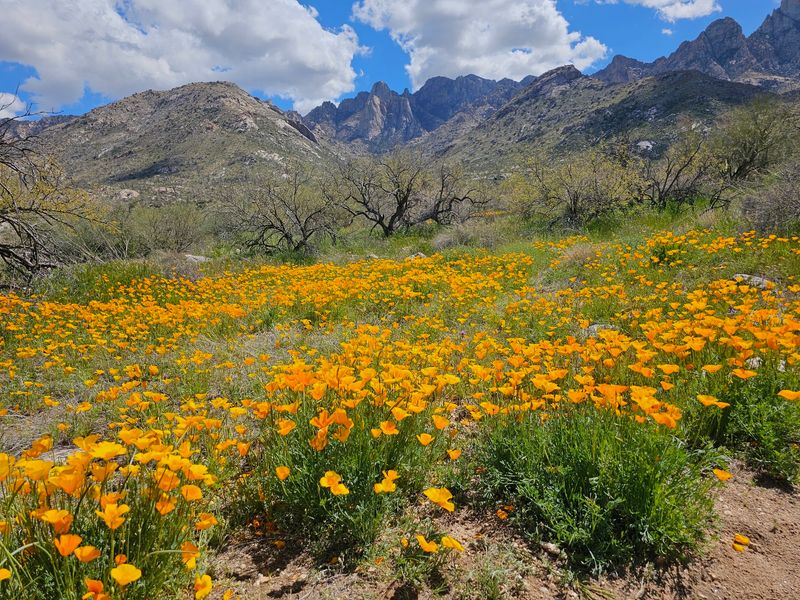
Plenty of parks have one good trail. This one stacks a waterfall canyon, ruins, easy loops, steep climbs, wildlife and monthly concerts into a single day pass.
Locals get the biggest advantage. You can watch the weather, wait for rain and head up Romero Canyon when the water has the best chance of flowing.
The park also works as a launch point for bigger outings. A drive up Mount Lemmon Highway and a visit to Biosphere 2 both pair well with a stay here.
Saguaro National Park is close enough to combine on a camping trip. That makes a long weekend easy to fill.
Fall and winter are the sweet spot for hiking. Summer can still work if you hike at dawn and keep things short.
Families, cyclists, dog owners, campers and serious hikers all find something that fits. Few places in Tucson cover that many groups this well.
Bring water, start early and ask the rangers about the canyon. With a little luck, you might catch the falls flowing, and that is a story most of your friends cannot tell yet.
Share this story