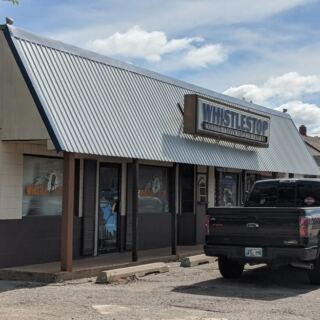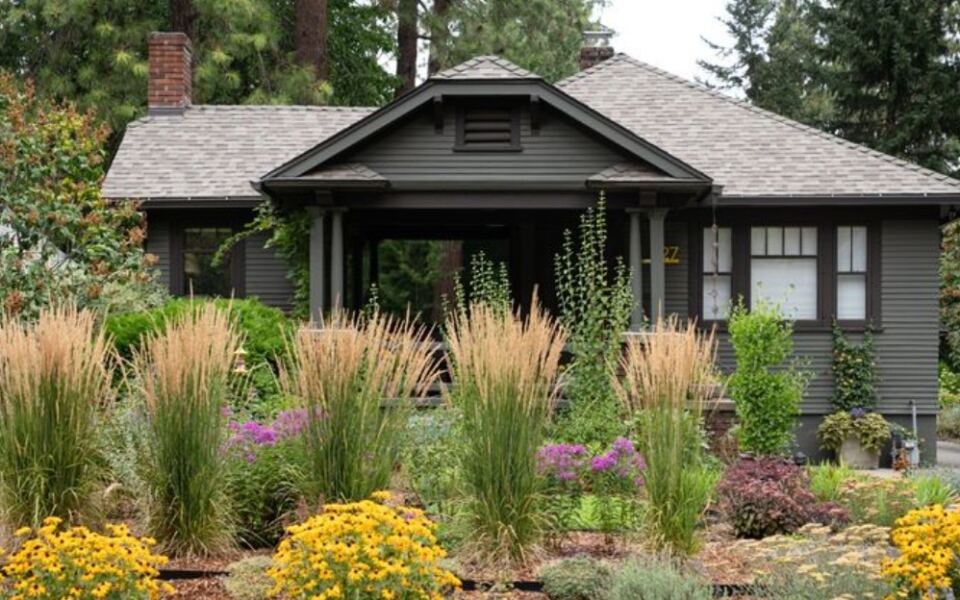
The Spokane Conservation District helps local landowners care for their soil, water, and plants. Its annual tree and shrub sale gives gardeners a practical place to start.
The same campus also keeps an arboretum full of plants suited to dry eastern Washington summers. I like how the whole place treats your backyard like it matters to the bigger landscape.
The staff here help farmers, forest owners, and backyard gardeners care for soil, water, and wildlife habitat. I believe that steady work shows up later on local dinner plates, at farm stands, and in every creative garden it inspires.
So why do so few neighbors seem to know this spot exists? I can’t imagine a better excuse to start planning a spring visit around a little patch of green.
Spring Shopping Here Comes With Roots Attached
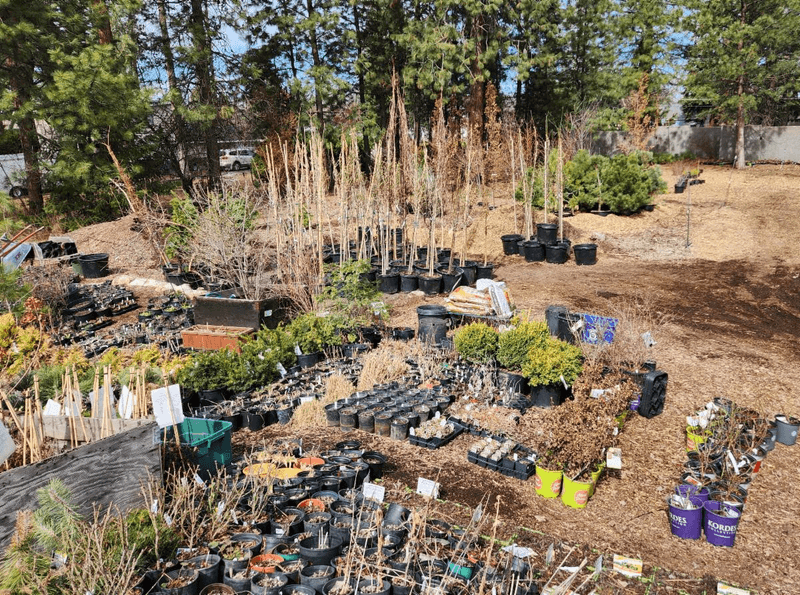
Most markets sell things you eat this week. The Spokane Conservation District sells things you might be enjoying twenty years from now.
Every spring, the district holds a plant sale stocked with trees and shrubs. Some families have made it a yearly habit, and it’s easy to see why.
Think of it as a farmers market for your future yard. Instead of grabbing tomatoes, you leave with the start of a windbreak, a shade tree, or a hedge for birds.
The best part is the purpose behind it. These plants are picked to help people improve their land, not just fill a cart.
A smart move is planning before sale season arrives. Measure your space, check your sunlight, and think about how big each plant will grow.
Bring questions too, because the folks at the district know their stuff. Asking about soil or water needs can save you from planting the right tree in the wrong spot.
Spring fever is real in eastern Washington after a long winter. Here, at least, that fever turns into something useful that keeps giving back for years.
Your Yard Will Thank You For Picking Plants That Get The Climate
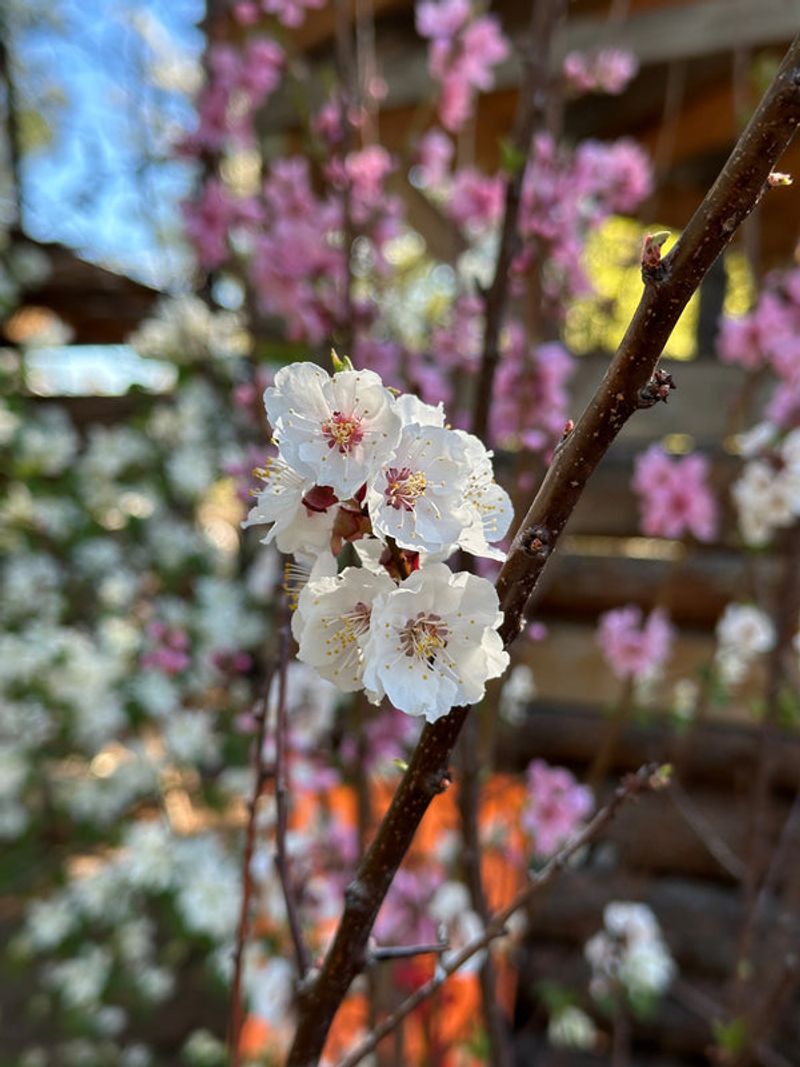
Eastern Washington summers can be hot, dry, and a little bossy. Plants that fight the weather usually lose, and your water bill loses with them.
That’s why the Spokane Conservation District focuses on plants that fit the region. Choosing species suited to local conditions is one of the simplest ways to garden smarter.
Hardy plants tend to need less fuss once they’re settled. They can also support birds, bees, and other wildlife that already call the area home.
A good habit is grouping plants by how much water they need. Thirsty ones go together, and tougher ones get their own corner.
Mulch is another easy win in dry country. A layer around new plantings helps the soil hold moisture longer between waterings.
It also helps to be patient. Young trees and shrubs often spend their first seasons building roots before they show off up top.
So if your first summer looks quiet, don’t panic. Underground, your plants may be working harder than anything else in the neighborhood, and that’s the kind of hustle worth waiting for.
A Food Forest Full Of Planting Ideas
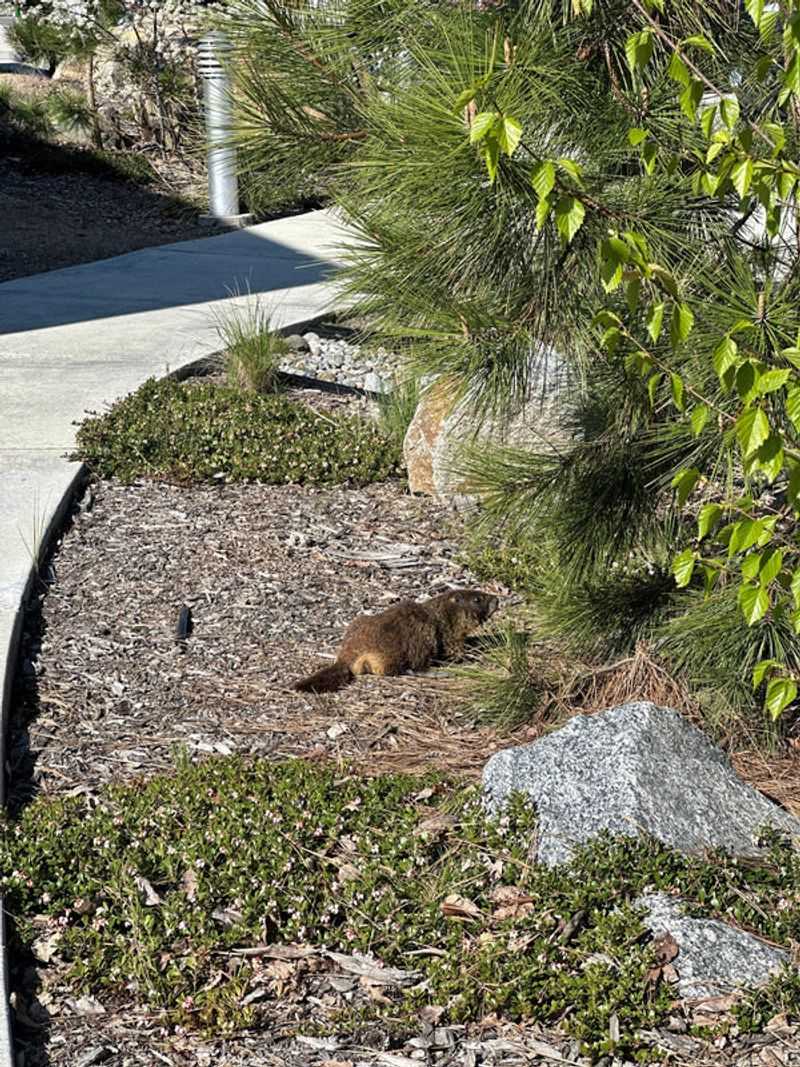
Shopping from a picture is risky. Seeing a grown tree in person tells you far more than any tiny tag ever could.
The Spokane Conservation District grounds include a Food Forest open for self-guided exploration. For gardeners, that’s like getting a preview before making a long-term commitment.
Walking through planted space helps you understand real size. A shrub that looks cute in a pot may end up much wider than your front walk.
It also shows how plants look together. Shape, color, and texture all matter when you’re designing a yard that feels finished.
Bring a notebook or snap a few photos with your phone. Jot down which plants catch your eye so you can ask about them later.
Kids can make a game of it too. Have them pick a favorite tree and guess how tall it might grow by the time they finish school.
Free inspiration is hard to beat. In a region with tricky weather, a real-world example in Washington soil is worth more than a dozen glossy catalog pages.
Good Food Starts Long Before The Farm Stand
Ever wonder what makes a great local meal possible? Long before anything lands on a plate, someone has to take care of the dirt.
The Spokane Conservation District works with farmers across the county on soil health and land care. That behind-the-scenes effort helps keep local farms productive for the long haul.
Healthy soil holds water better and can resist erosion. In a farming region like this corner of Washington, that’s a big deal for growers and eaters alike.
The district offers guidance and programs that help landowners try conservation practices. Some focus on reducing soil loss, while others help farms use resources more wisely.
For shoppers, this connection is easy to forget. Every bag of lentils, loaf of bread, or basket of produce depends on land that’s still healthy next year.
You don’t need to own a farm to care about this. Supporting local growers and learning where your food comes from are great places to start.
Next time you bite into something grown nearby, give a quiet nod to the soil. It did more work than anybody else at the table.
Creative Gardeners Will Find Plenty Of Fresh Ideas
Gardening is basically art you can water. The canvas just happens to be your backyard, and the paint keeps growing.
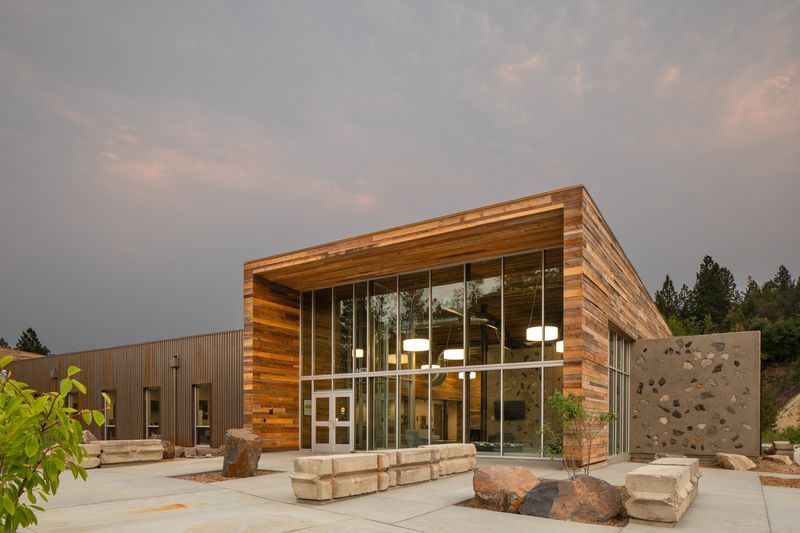
Creative ideas thrive at the Spokane Conservation District because its work blends beauty with purpose. A hedge can block wind, feed birds, and still look great by the patio.
Pollinator-friendly planting is one fun direction to explore. Mixing shrubs and flowers that bloom at different times can keep color going for months.
Windbreaks and privacy screens are another clever project. A row of trees can soften harsh breezes and make outdoor spaces more pleasant to use.
Small acreage owners get even more room to play. A few acres can hold wildlife habitat, a garden patch, and space for animals, all with some careful planning.
Start small if the options feel overwhelming. One well-planned bed teaches you more than a giant project you never finish.
Sketch your yard on paper first and label sunny and shady spots. Then bring that drawing along with your questions, because a plan in hand turns big daydreams into something you can actually plant.
Forest Owners Get A Friend In The Woods
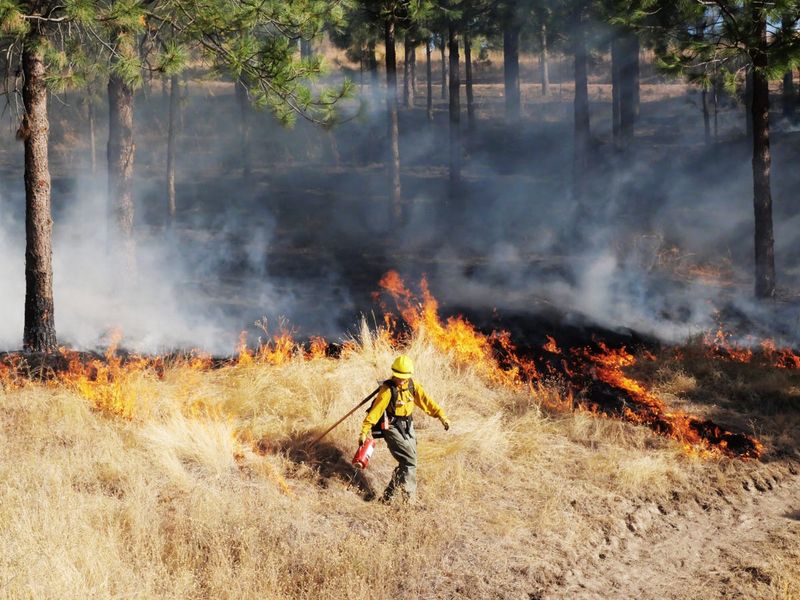
Pine trees look peaceful, but crowded forests can turn into real trouble during wildfire season. Spokane County knows that story well.
The Spokane Conservation District helps landowners care for forested property. That support can include advice on forest health and ways to make land more fire-resilient.
Thinning crowded stands is one common topic. Giving trees more space can help them grow stronger and reduce fuel close to homes.
Clearing brush near buildings is another practical step. A tidy zone around your house can make a meaningful difference when smoke is in the air.
Owning trees is a joy, but it’s also a responsibility. Getting expert input early can help you avoid costly mistakes later on.
Even suburban folks with a few big pines can benefit. Asking about tree health or spacing is never a silly question here.
Healthy forests also protect the things Washington residents love most. Clean water, wildlife habitat, and scenic drives all depend on woods that are cared for wisely, and a little help from people who know the local landscape goes a long way.
Streams And Rivers Are Part Of The Plan Too
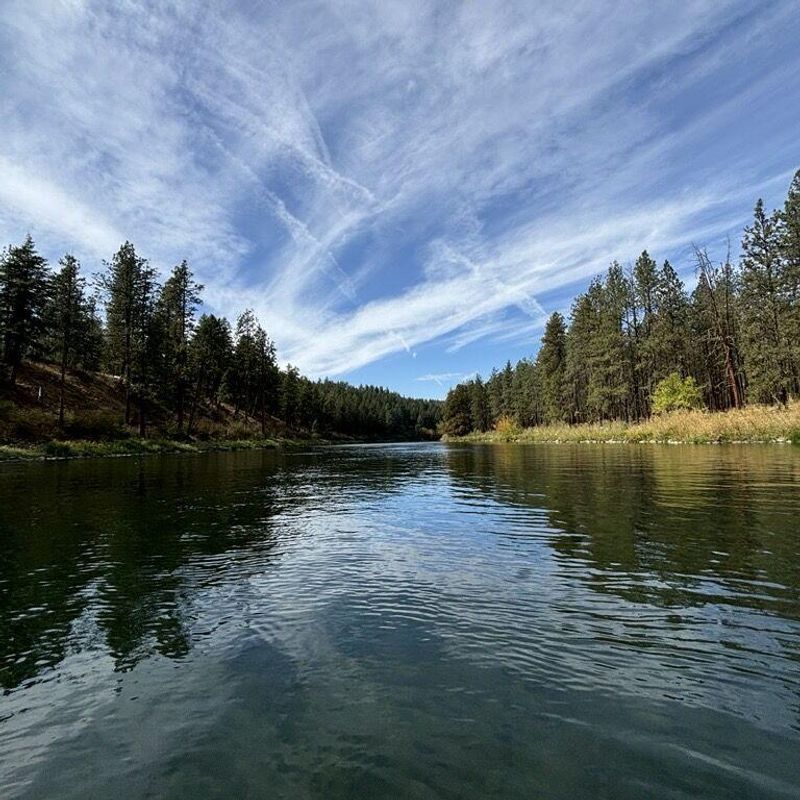
Water doesn’t care about property lines. What happens on one farm or yard can travel downstream and affect everyone else.
The Spokane Conservation District keeps that big picture in mind with its water quality work. Protecting creeks and rivers is a core part of its mission.
Streamside plants play a surprisingly big role. Their roots help hold banks in place, and their shade can keep water cooler for fish.
Erosion control matters here as well. When soil washes into streams, it can cloud the water and carry unwanted material along with it.
At home, small habits help more than you’d think. Using fertilizer carefully and keeping bare soil covered both reduce runoff after storms.
Planting near ditches or low spots can catch extra water too. A few hardy shrubs might do more good than a whole lawn of grass.
It’s nice to know someone is watching out for local waterways. The next time you cross a bridge in the Spokane area, you might look at that creek below a little differently, and maybe even feel a bit protective of it.
Friendly Experts Make Every Question Feel Welcome
Nobody likes feeling silly for asking a basic question. Thankfully, the team here seems to make that worry disappear.
Online feedback for the Spokane Conservation District leans heavily on one theme: helpful staff. One person even called them some of the nicest people they had ever met.
That matters when you’re dealing with soil, trees, or water problems. Clear answers from patient people can turn a confusing project into a doable one.
You’ll find the office at 4422 E 8th Ave, Spokane Valley, WA 99212. It’s open Monday through Thursday from 8 a.m. to 4:30 p.m.
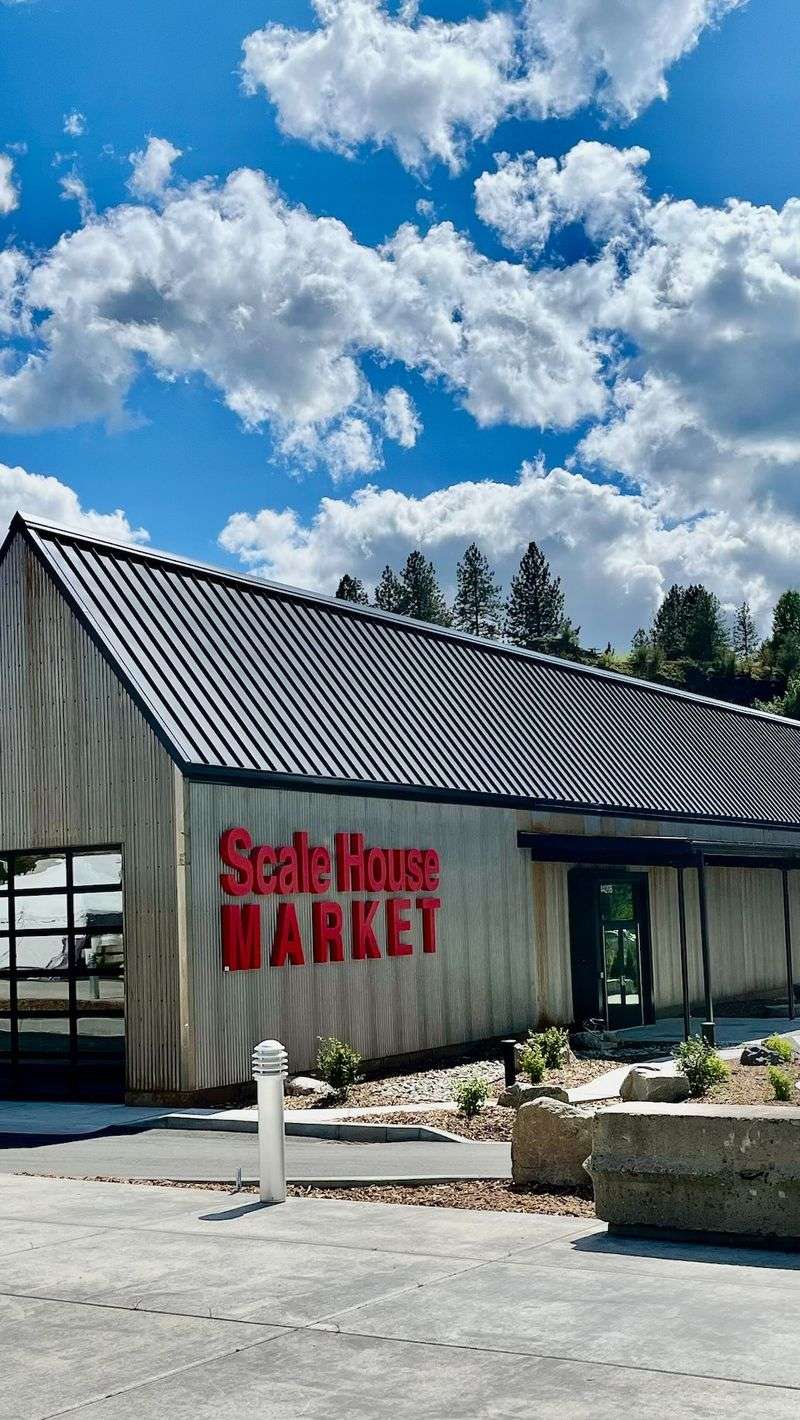
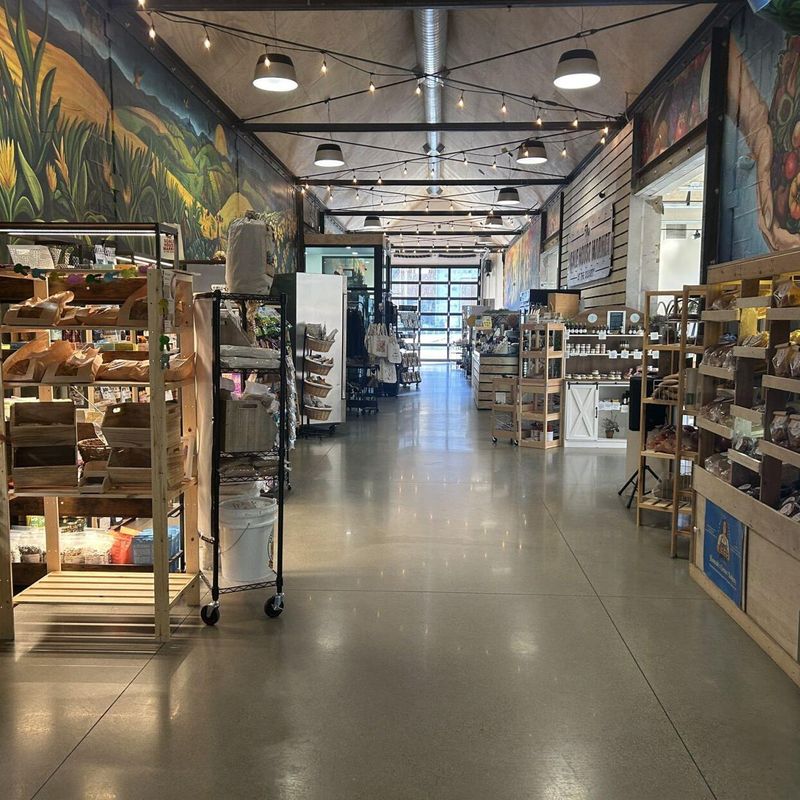
Friday office visits require an appointment. The Scale House Market follows a separate schedule that includes weekends.
Come prepared to get the most out of a visit. Photos of your yard, notes about drainage, or a soil sample idea can help focus the conversation.
Staff who know local land are a resource many people overlook. Treat them like the neighborhood plant whisperers they are, and your garden plans might get a lot more confident.
Make Spring The Season You Finally Plant Something Big
Planting a tree is a small act with a very long reward. Your future self, sitting in the shade, will be grateful.
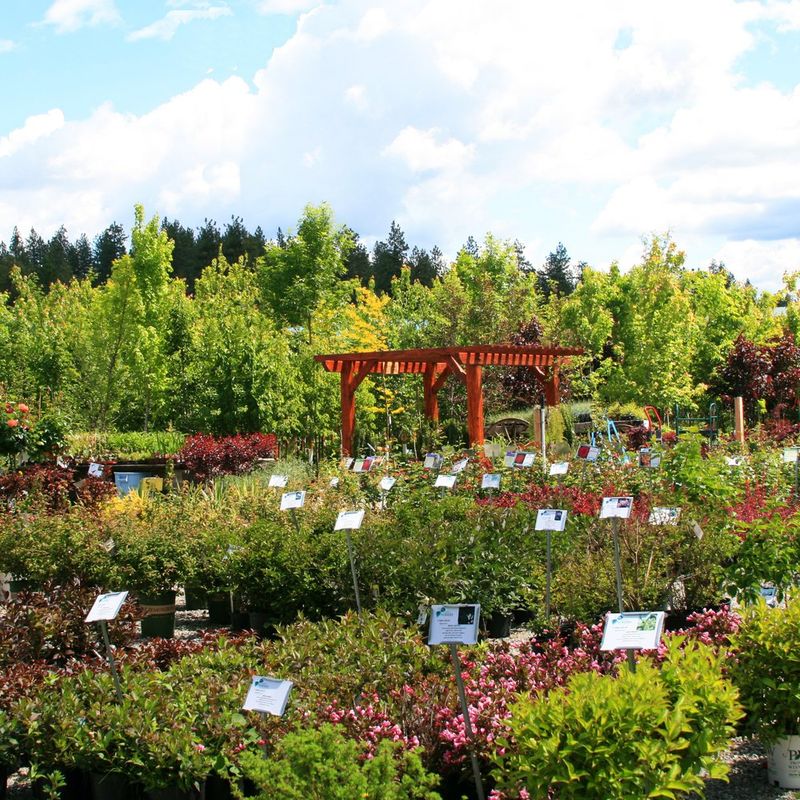
Spring is the season to watch at the Spokane Conservation District. That’s when the plant sale arrives and gardeners across Washington start itching to dig.
Turn it into a family tradition if you can. Kids love having a tree that grows up right alongside them.
Get your site ready before bringing plants home. Clear weeds, loosen the soil, and know exactly where each new addition will go.
Water deeply right after planting. Then keep checking through the first summer, especially during those hot, dry stretches.
Write down what you planted and where. It sounds simple, but in a few years you’ll be glad you remembered which shrub was which.
Local food, creative yards, cleaner streams, and healthier forests all connect back to this one Spokane Valley spot. Few places quietly shape a region this much while staying so down to earth, and that alone makes it worth a spring visit.
Share this story