Some Arizona day trips fill a morning. This one quietly eats the whole calendar square. On the south side of Tucson, there is a place where bombers, spy planes, helicopters and rockets sit in long rows across the desert, and plenty of Phoenix folks who have lived here for decades still have not made the drive.
People plan for two hours and leave after five, still short of seeing everything. Some fans say a real plane buff needs two full days. The good news is that the ticket covers two visits within 30 days, so a second trip is built right in.
Below you will find what makes the collection special, which hangars deserve your time, how the tram works, when to show up, and the small catch that can trip up a summer visit. Grab water and good shoes, because this museum is big.
1. An Aircraft Kingdom on Valencia Road
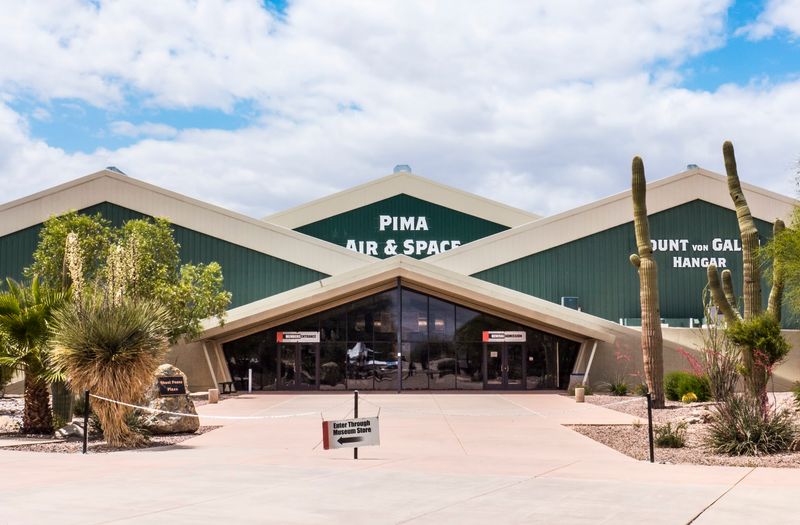
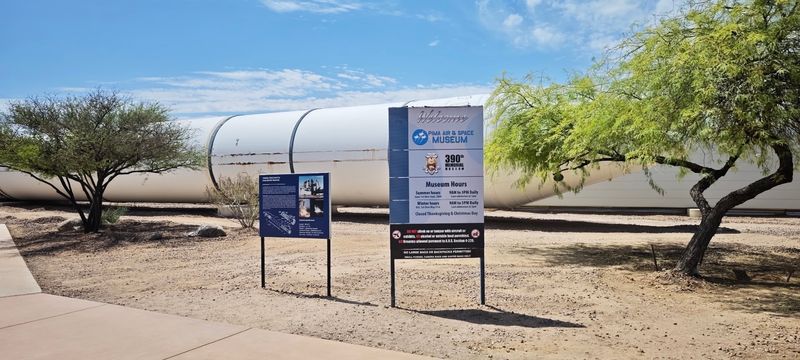
Tucson hides one of the biggest aviation collections around in plain sight. Pima Air & Space Museum sits at 6000 E Valencia Rd, Tucson, AZ 85756, on the city’s south side.
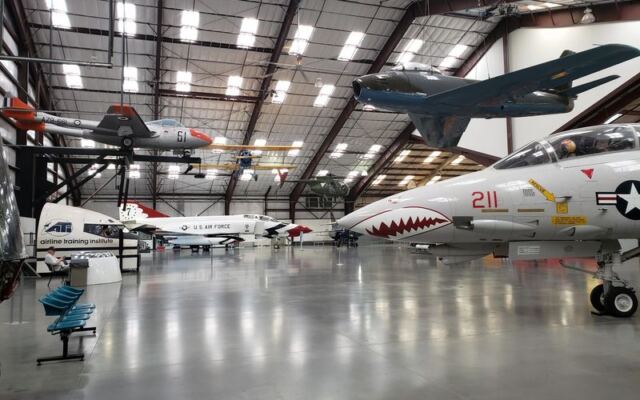
The museum calls itself a homage to historical air and spacecraft. More than 300 of them are on display across 80 acres of exhibits, both indoors and out.
That number is not a typo. The grounds hold planes from more than 100 years of flight, covering nearly every American conflict plus a good share of foreign aircraft.
Drivers heading into town often spot huge fields of parked aircraft before they even reach the gate. That first view gives a fair preview of the scale waiting inside.
The museum is open seven days a week, and it has earned a 4.8-star average from more than 10,000 people who took the time to weigh in. That is a lot of happy aviation fans.
For Phoenix residents, the trip down Interstate 10 makes for an easy weekend outing. Plenty of longtime Arizonans admit it took them years to finally make the drive, and they wish they had come sooner.
So what exactly fills all those acres? The answer starts with a timeline that begins at the very first powered plane.
2. A Century of Flight in One Stop
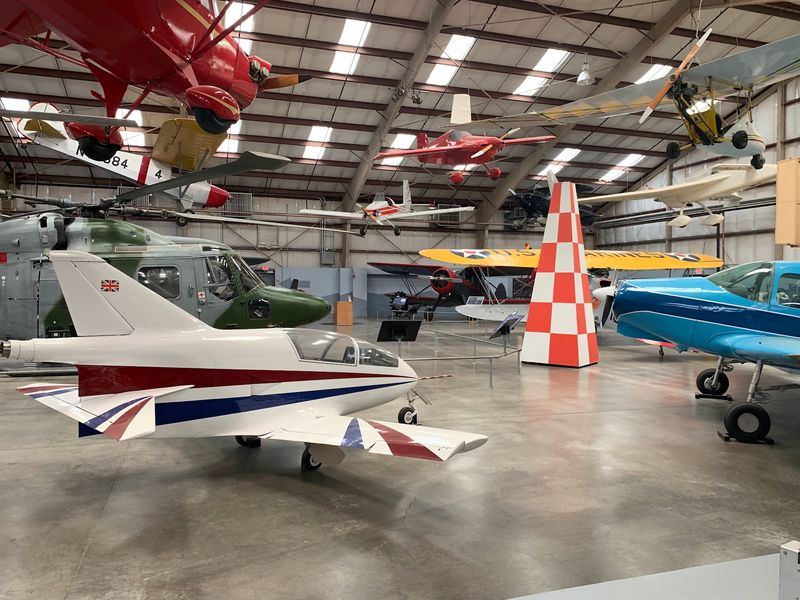
History buffs, meet your new favorite timeline. The collection runs from a model of the very first airplane all the way to modern jets.
World War II gets plenty of attention here. So do aircraft from the Korean War era and the Vietnam War era, plus more recent machines.
Most of the planes are American, but foreign aircraft show up too. Some models on display are rare and hard to find anywhere else in the world.
The variety covers small trainers, huge bombers and helicopters. One fan joked that the place could claim to have one of everything, and the line is not far off.
Size is part of the draw. Seeing a World War II heavy bomber up close makes clear just how big these machines really were.
Beyond aircraft, the museum mixes in artifacts, bombs and torpedoes. The result is a full lesson in aviation history that does not feel like a classroom.
Families often say kids leave asking to come back. That is a pretty strong sign for a history museum.
Of course, a timeline needs a headliner, and a few aircraft here pull crowds like rock stars.
3. Speed Demons Like the SR-71 and B-58
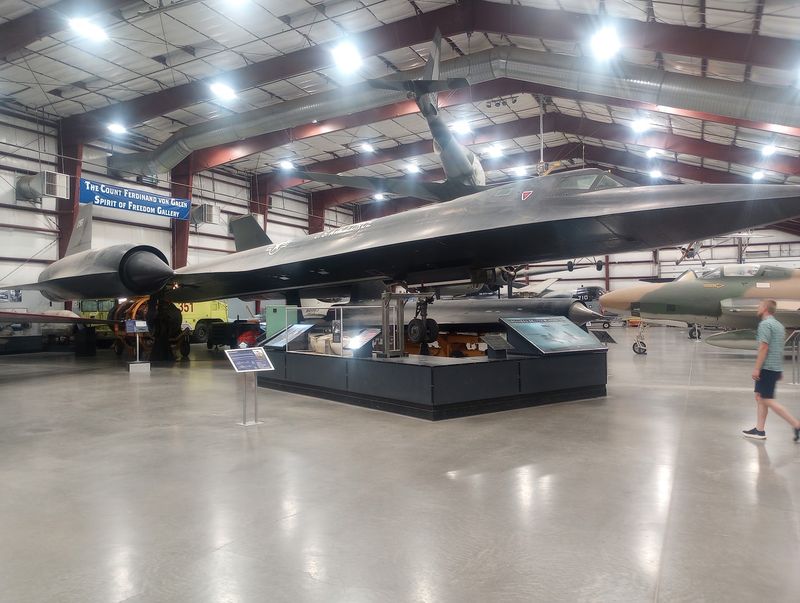
Few planes draw a crowd like the SR-71 Blackbird. The sleek spy plane ranks among the most talked about aircraft on the property.
Close by in popularity is the B-58 Hustler, a Cold War bomber with a needle-nose shape. Fathers and sons have been known to make the trip just to stand next to these two.
The museum also displays a replica of the X-15 NASA craft. It fits nicely with the speed theme.
Military aircraft fill much of the grounds. Cold War jets, Vietnam-era planes and later models line the paths in long rows.
Plane fans can test themselves by naming each iconic aircraft before reading the sign. Casual guests can just enjoy the shapes and the stories.
A bonus show sometimes happens overhead. A-10 jets from the nearby air base can take off during a visit, so keep a camera ready.
The jets get the headlines, yet many guests say the most moving stop is an older propeller plane in a hangar all its own.
4. The B-17 Hangar and 390th Memorial Museum
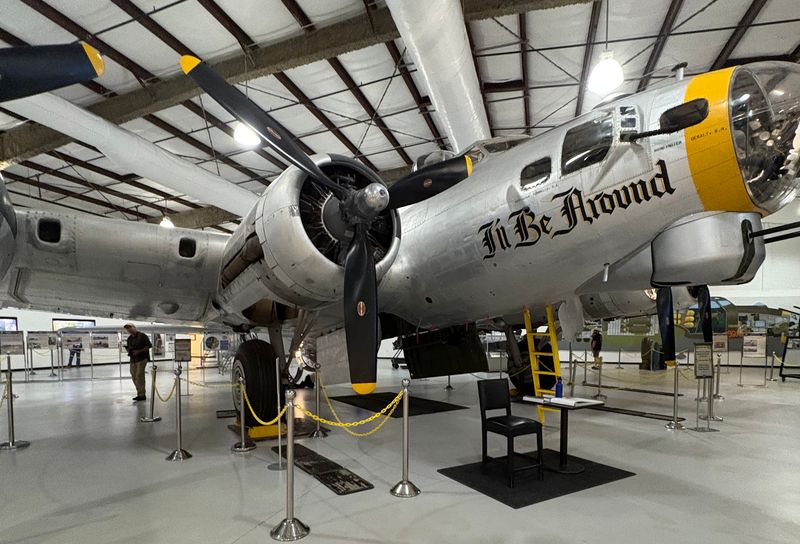
For World War II fans, the B-17 hangar is the must-see stop. The famous bomber sits inside, and the space comes up again and again as a highlight.
The hangar is home to the 390th Memorial Museum. It honors the bomb group and its crews.
Entry runs on a voluntary donation. Even guests who call themselves non-plane people say the visit was worth it.
Volunteers are the secret weapon here. They share detailed stories about the air war over Europe, including what happened in Germany during the Second World War.
Timing matters. The B-17 hangar does not open until 10 AM, so early birds should start elsewhere.
Special guests occasionally appear. Colonel Richard Bushong, a former B-17 pilot past the age of 100, has visited to sign books and talk with history fans.
Those visits are not on a fixed schedule, so check the museum website before planning around one.
From one bomber to a whole row of them, the next stop takes the Cold War story even further.
5. Giants You Can Walk Through
Bigger is the theme in several corners of the grounds. The B-52 building ranks as a strong favorite for anyone into heavy bombers and military history.
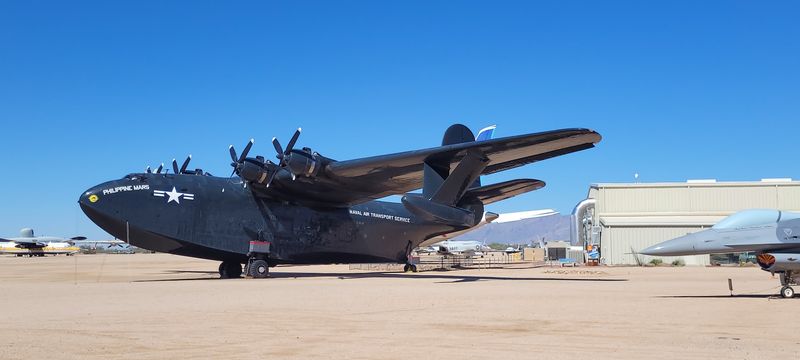
Then there is the Philippine Mars, a massive flying boat. Its arrival turned the museum from a someday trip into a must-go for many aviation fans.
The Orbis Hospital Plane adds a different story. This airplane served as a flying eye hospital, and guests have been able to go inside.
Getting into aircraft is a real perk. Many planes are viewed from outside, so a chance to step aboard feels special.
The museum also offers evening and night tours where people can go inside various planes. Fans who have done the day visit often say they want to return for one.
Spaces on those tours may be limited. Booking ahead through the website is the safe move.
Aircraft are only half of the title, though. The museum also reaches beyond the sky.
6. Space Capsules and a Moon Rock
The space part of the name earns its spot. A small collection covers the Mercury and Apollo missions.
A moon rock is part of the display. Kids tend to remember that one long after the drive home.
Rockets also show up throughout the space area. The exhibits make a nice change of pace after rows of bombers.
Out front, a Thiokol solid rocket booster from the shuttle program greets arrivals. It is one of the first things guests see.
The X-15 replica bridges the gap between air and space. It shows how high-speed flight research led toward spaceflight.
Space fans should not expect a huge rocket park. The collection is compact, but it rounds out the visit well.
It also works as a smart indoor stop during the hotter part of the day. That idea matters, because the grounds are vast, and getting around them takes planning.
7. The $10 Tram That Saves Your Feet
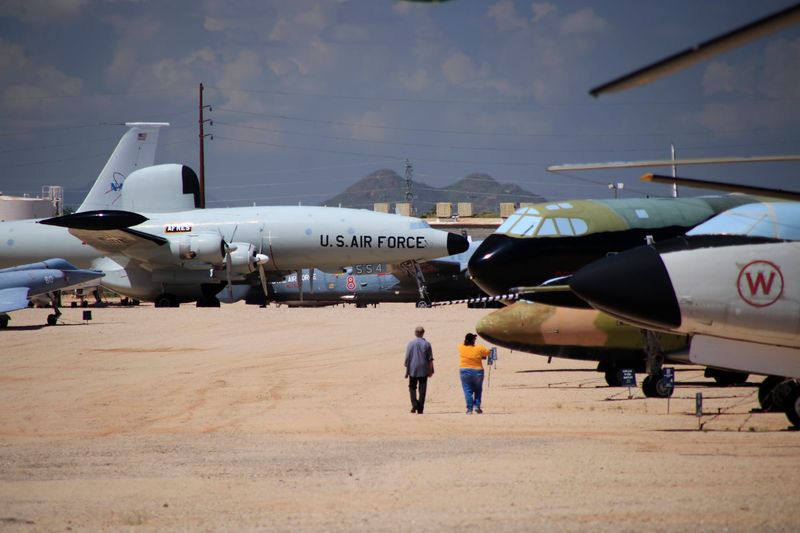
Eighty acres is a lot of ground for one pair of shoes. Enter the tram tour, one of the most praised parts of the visit.
The guided ride costs an extra $10 and lasts about 45 minutes. It passes almost all of the outdoor displays.
Drivers know their stuff. Expect facts and stories about each airplane on the route.
A smart game plan works well here. Ride the tram first for an overview, then go back on foot to the planes you want to see up close.
Short on time? Walk through the buildings, then take the tram to cover the outdoor collection.
One catch: the tram does not start until 10 AM. Arriving right at 9 means the first hour should go to indoor hangars or nearby planes.
Even with the ride, good walking shoes are a must. Restrooms and water refill stations are spread around the site, which helps on long loops.
Speaking of extras, there is a whole second museum that comes with its own perks.
8. Bonus Round at the Military Vehicle Museum
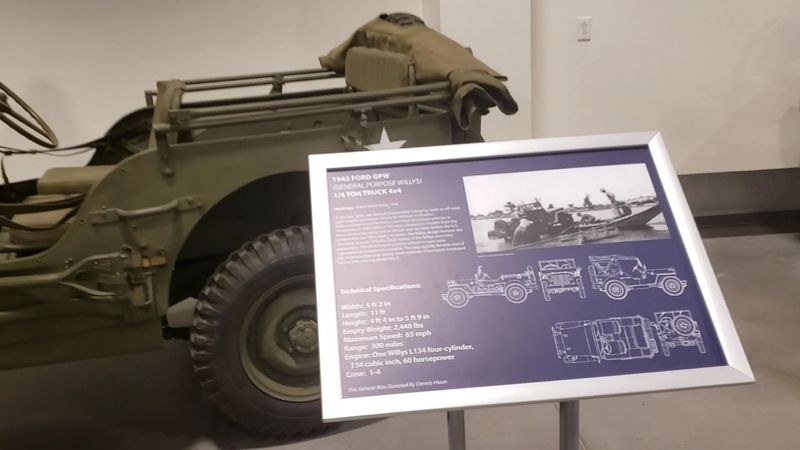
Not every exhibit flies. The Tucson Military Vehicle Museum is a newer addition tied to the visit.
It costs extra, so plan the budget ahead. Some guests skip it and focus on planes, while others call it a highlight.
The building is packed. Families describe rows of vehicles crammed into the space, and kids seem to love it.
A free shuttle runs between the two museums. That makes it easy to pair them in one day.
Here is the honest truth, though. Adding the vehicle museum makes an already long day even longer.
Many people save it for their second visit. Since the main ticket covers two trips, that split can work nicely.
Hands-on fans should ask staff about current options at the vehicle museum. Offerings can change, so the website is the best source.
All this ground calls for a plan, especially in an Arizona summer.
9. Hours, Tickets and the Summer Catch
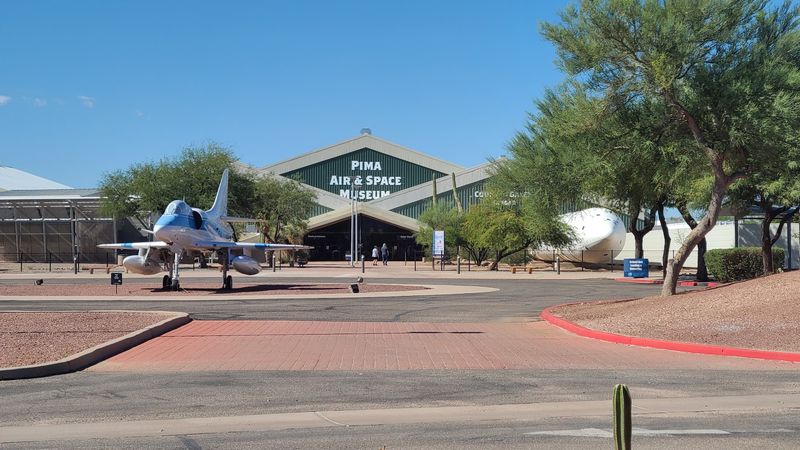
Time is the real currency here. The museum is open daily from 9 AM to 3 PM, and in summer the last admission falls at 1 PM.
Hours can change by season. Check pimaair.org before leaving Phoenix or the Tucson suburbs.
General admission recently ran $29. That ticket includes two visits within 30 days, which many call a solid value.
Online tickets can cost more, but the ticket line at the door can move slowly on busy mornings. Choose based on whether time or a few dollars matters more.
The tram adds $10, and the vehicle museum carries its own charge. The B-17 hangar runs on donations.
Summer heat is the big catch. Many buildings do not have air conditioning, and they can get very hot inside.
Bring a water bottle and use the refill stations. Do outdoor rows early, then shift to hangars and shaded spots as the day warms.
Fall and winter make the outdoor rows far more comfortable. Locals with flexible weekends should take note.
And yes, there is room in the plan for a four-legged co-pilot.
10. Worth Every Hour, and Then Some
Dogs are welcome, which surprises a lot of people. Well-behaved, leashed pets can come along, so the family pup does not have to stay home.
The crowd is broad. Plane buffs, kids, veterans and people just killing time all seem to find something worth hours.
Staff and volunteers get steady praise for being kind and full of knowledge. Their stories add depth to the metal.
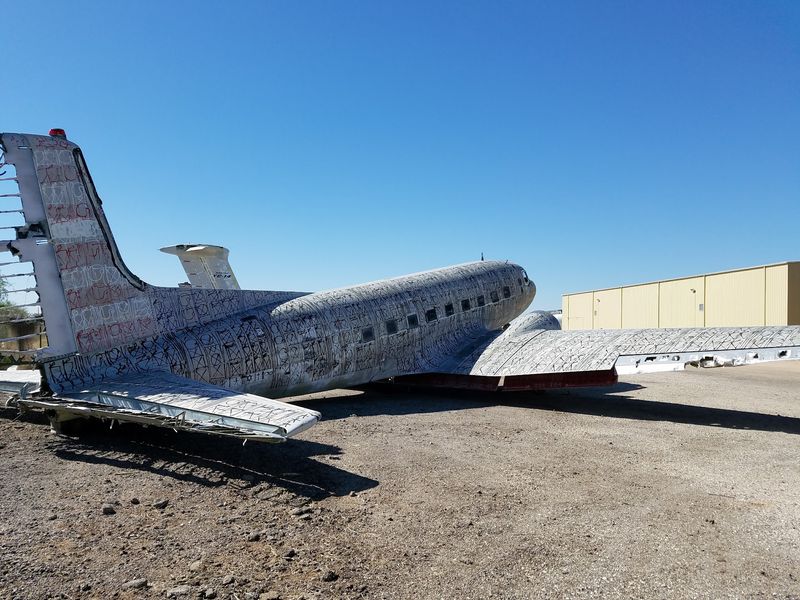
A fair heads-up: the desert sun is tough on paint. Some outdoor planes look weathered, and a few wear protective covers that block views inside.
Still, the dry climate helps preserve the collection. The sheer volume more than makes up for faded paint.
Plan on four to five hours at minimum. Many guests stay longer and still leave things unseen.
The best strategy is simple. Arrive at 9, start indoors, ride the tram at 10, and use that second visit for anything you missed.
For Arizona locals, this museum offers a rare thing: a world-class collection a short drive away. Bring water, comfy shoes and patience, then let the planes take the whole day.
Share this story