A whole jail once moved down a mountain without a single prisoner planning the escape. It happened in a copper town clinging to a steep slope in the Verde Valley, a place newspapers once branded the wickedest city in the West. Today that same town has a few hundred residents, a lot of empty foundations, and plenty of stories that refuse to stay buried.
Valley day-trippers usually blow past it on the way to Sedona, which is a shame. A guided walking tour here packs gunfights, mine booms, wild nights, and ghost tales into one easy afternoon. Keep reading to learn which tour company runs these walks, what the guides actually cover, when to go, and the one small catch worth knowing before booking.
The town is about two hours from Phoenix, and the drive is the easy part.
1. A Tour Desk on a Mountainside
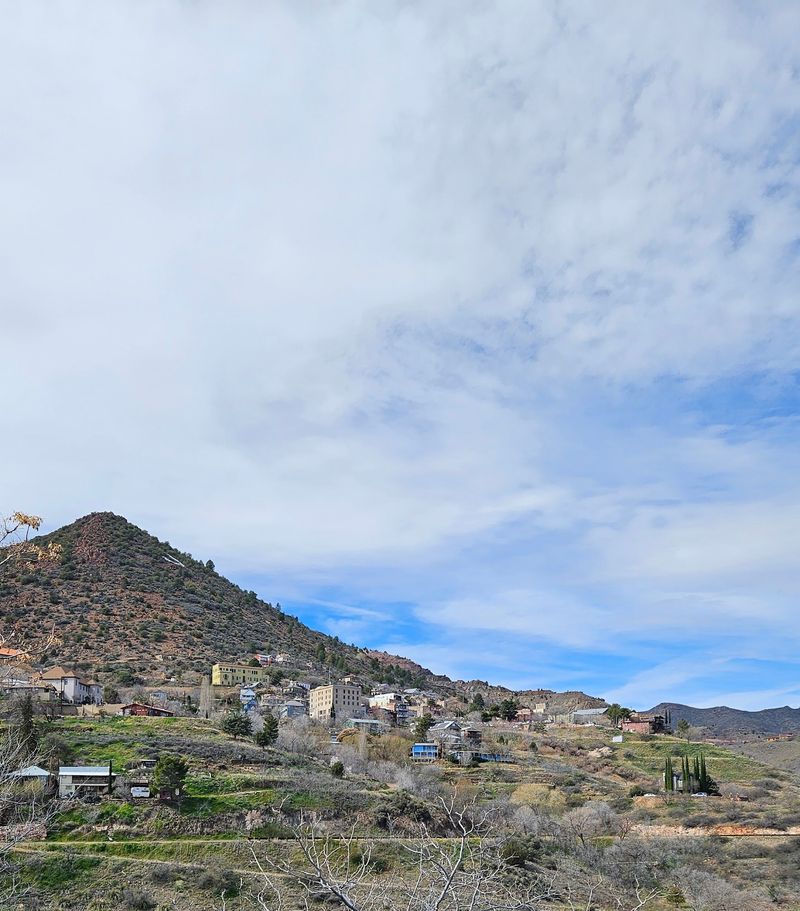
Every good ghost story needs a starting point, and this one begins on a steep street in a former copper camp.
Jerome Ghost Town Ghosts Tours & Haunted Pub Crawls lists its meeting address as 601 Clark St, Jerome, AZ 86331, in Yavapai County, Arizona, United States.
The company is a tour operator that runs guided walks through the town. It is connected to US Ghost Adventures, which handles booking through its website.
Jerome sits high on the side of Cleopatra Hill, above the Verde Valley. From Phoenix, the drive usually runs around two hours, heading north on I-17 and then west through Cottonwood.
Tucson folks should plan on roughly double that, so an overnight in the Verde Valley may make more sense for them.
The walks focus on two things. First comes the real history of a rowdy mining town, and second comes the ghost lore that grew on top of it.
Families, history buffs, and curious road-trippers all show up for different reasons. Most leave knowing far more about Arizona copper than they expected.
That mix of fact and folklore is what makes the town worth the trip, and the backstory behind it is even stranger than the legends.
2. Copper, Cash, and a Booming Hill
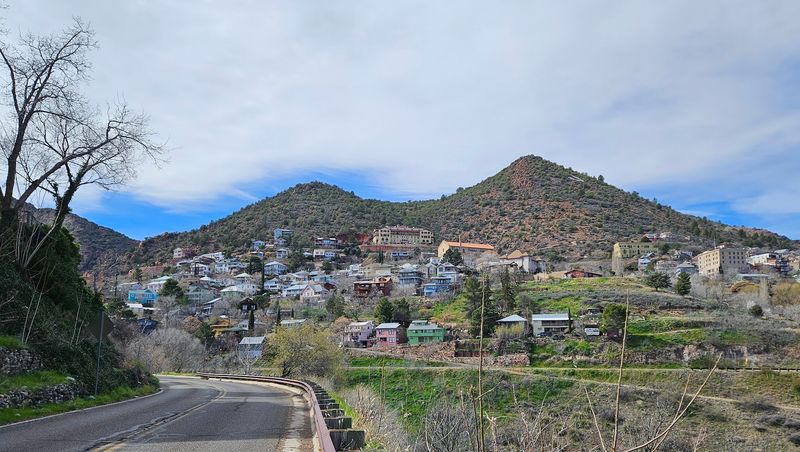
Copper built Jerome, plain and simple.
The town grew in the late 1800s around the United Verde mine, one of the richest copper operations in the territory. Money poured in, and so did workers from all over the world.
At its peak in the early twentieth century, Jerome is often said to have held around 15,000 people. That made it one of the larger communities in Arizona at the time.
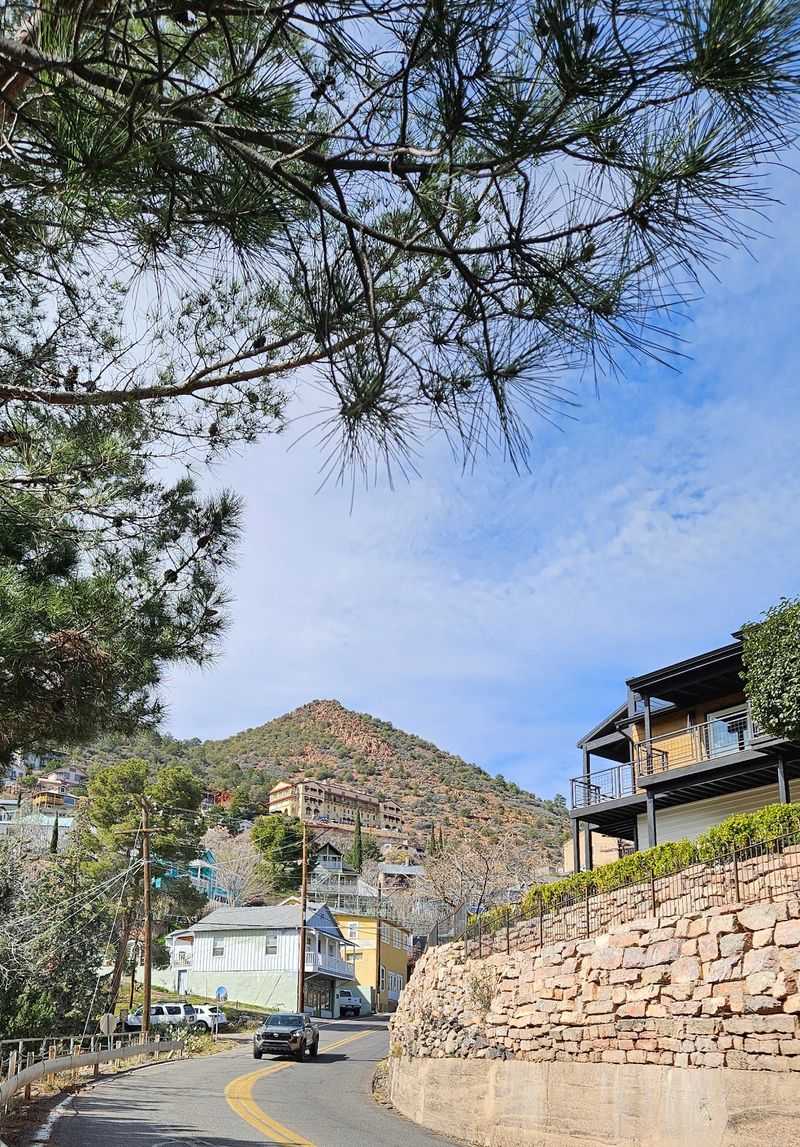
Houses, stores, hotels, and churches were stacked up the hillside wherever builders could find a flat spot. Some streets switch back so sharply that the town looks like a staircase from below.
The good times did not last forever. Copper prices dipped, the big mines slowed, and the last major operation shut down in 1953.
After that, the population shrank to a tiny fraction of what it had been. Empty buildings earned Jerome its ghost town label.
Later, artists and small business owners moved in and slowly brought the place back to life. The town was named a National Historic Landmark in 1967.
The guides on these walks spend a lot of time on this boom and bust cycle. It sets the stage for the reputation that made the town famous across the country.
3. How a Town Earned a Wicked Reputation
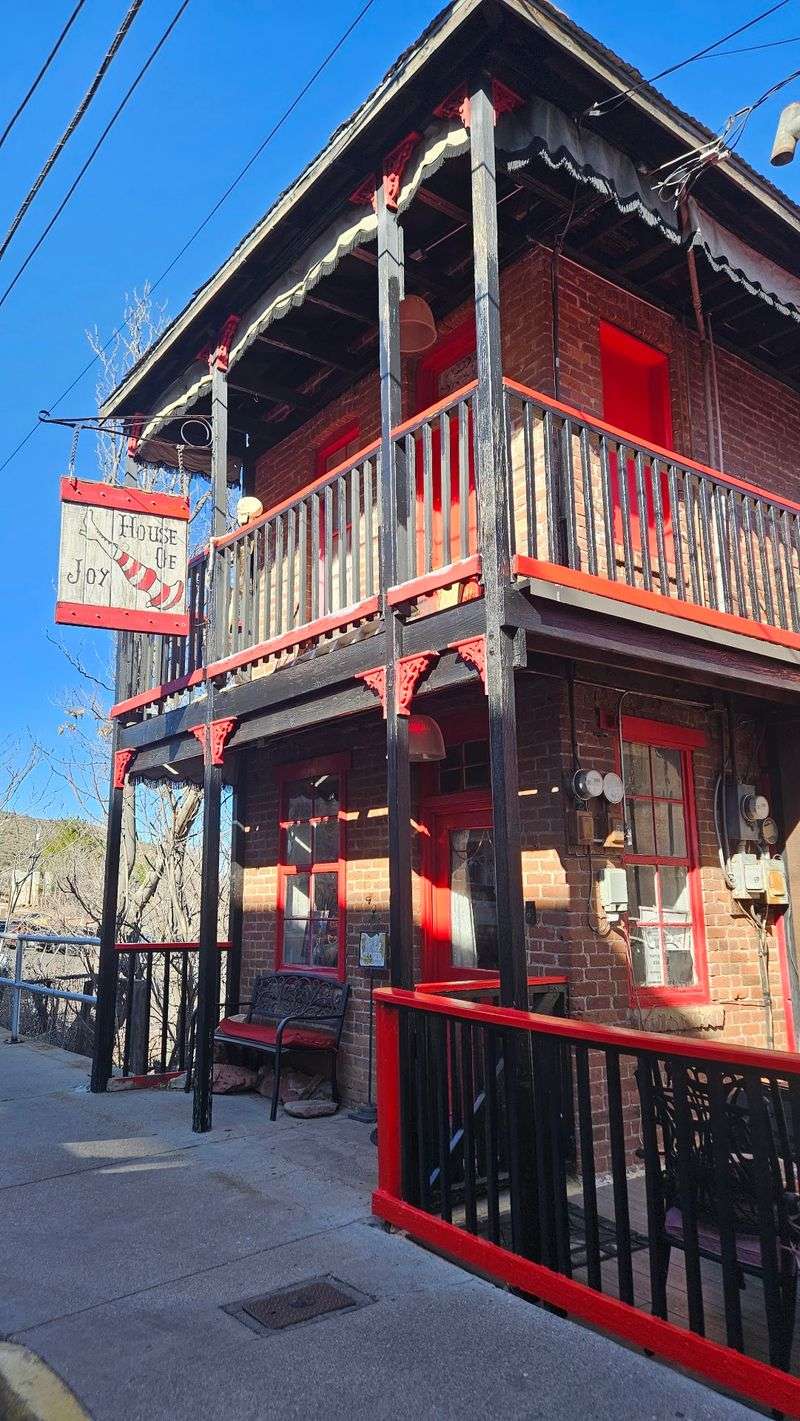
Newspapers back East did not mince words about Jerome.
In the early 1900s, the town picked up the nickname the wickedest city in the West. The label stuck, and it is still the headline fact most people know before they arrive.
So why the rough name? A mining camp full of young workers, fast money, and few rules tended to get loud.
Gambling halls, brawls, and plenty of trouble filled the busier blocks. Fires also tore through the town more than once in its early years.
Guides on the tour lean into this chapter with obvious enjoyment. The history comes across as fun rather than dry, which is a common thread in how guests describe the experience.
Some call the town a fun little Sedona detour with a surprising amount of backstory. That is a fair way to put it.
The tour also explains how the wild side of Jerome fed directly into its ghost legends. A town with that many stories was bound to collect a few spirits along the way.
Of course, the most famous oddity in town has nothing to do with bad behavior at all. It has to do with gravity.
4. The Jail That Went for a Slide
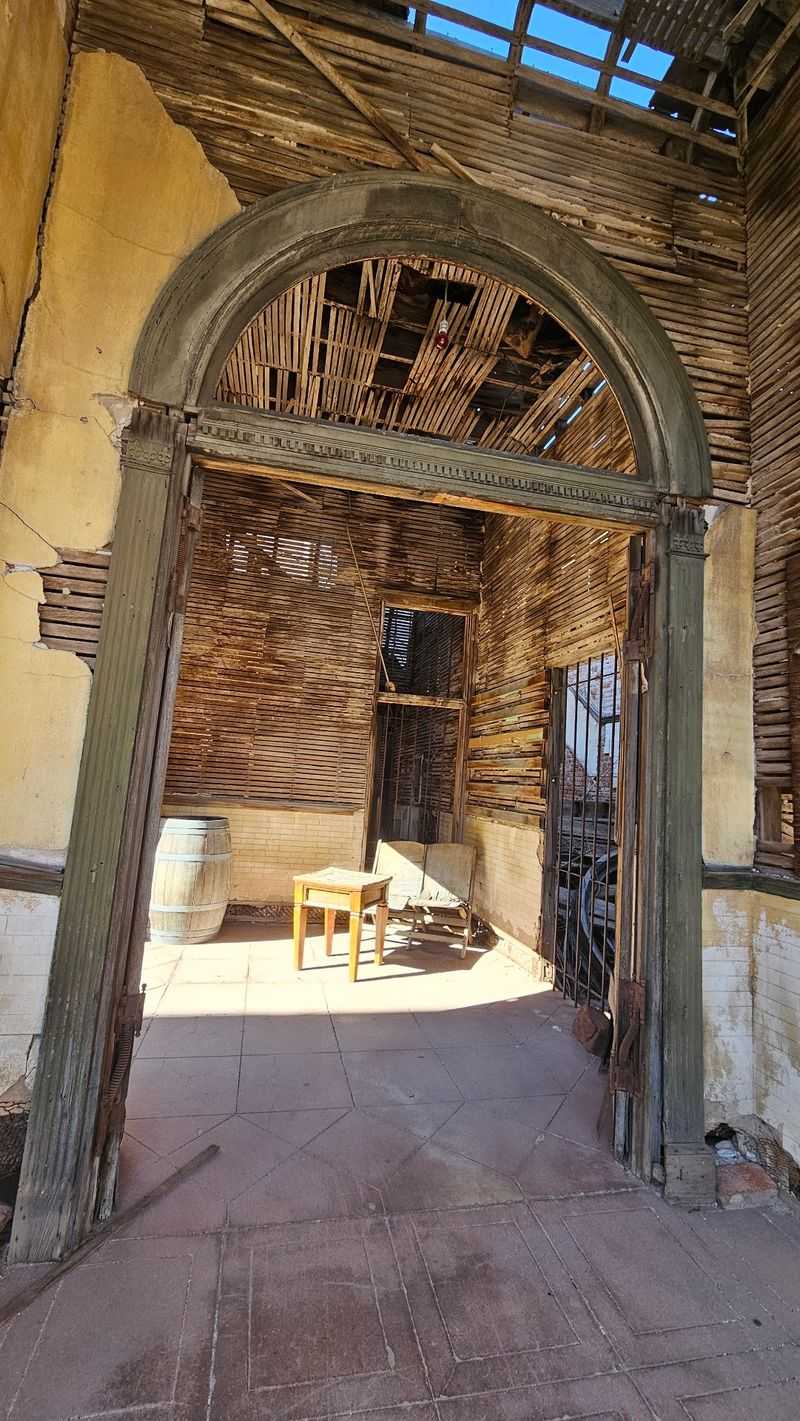
Most jails are built to keep people from leaving. Jerome built one that left on its own.
The small concrete town jail now sits well below where it started. Over time, it shifted downhill and across a road, ending up a fair distance from its original spot.
The cause traces back to the mining itself. Underground blasting and the miles of tunnels under the hill made the ground unstable.
As the earth moved, so did plenty of buildings. The jail just happens to be the most famous example.
Locals call it the Sliding Jail, and it has become one of the most photographed stops in town. It is a quick, quirky landmark that people love to point at.
Guides who know their stuff use it to explain how the mines shaped every part of daily life in Jerome. The ground under the town is part of the story, not just the backdrop.
Did you know? Shifting ground is one reason parts of Jerome look so uneven today, with some foundations sitting empty along the slope.
Bring a camera for this one. The jail does not move much anymore, so it will hold still for photos.
5. Guides With Bottomless Trivia
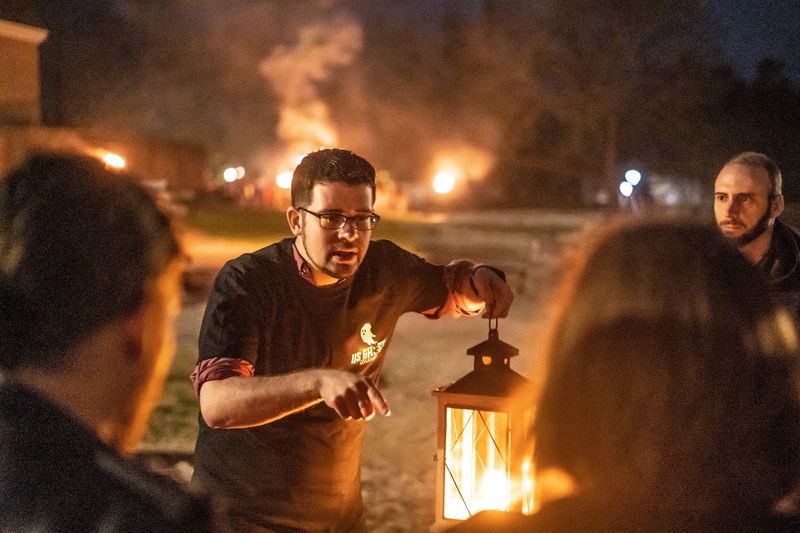
A ghost tour lives or dies by the person holding the group together.
Here, the guides come up again and again as the highlight. Knowledgeable guides are one of the most frequently praised parts of the experience.
One guide on the Wild West tour gets credit for having a seemingly endless supply of facts. He answered questions freely and even handed out book recommendations about the town.
That is the kind of detail that turns a one-hour walk into a weekend reading project. History fans will appreciate a guide who points them to more.
Another guide working the family-friendly side mixed a solid amount of history with lighter ghost material. The balance seems to depend a bit on the group and the tour chosen.
Pacing matters too. Guides tend to pause at key spots so the group can snap pictures without feeling rushed.
Some people who have taken many tours across the country rank the Wild West walk among their personal favorites. That is a strong showing for a small mountain town.
Questions are welcome, so come prepared with a few. The guides clearly enjoy a curious crowd.
6. Spooky Stories Without the Scare Overload
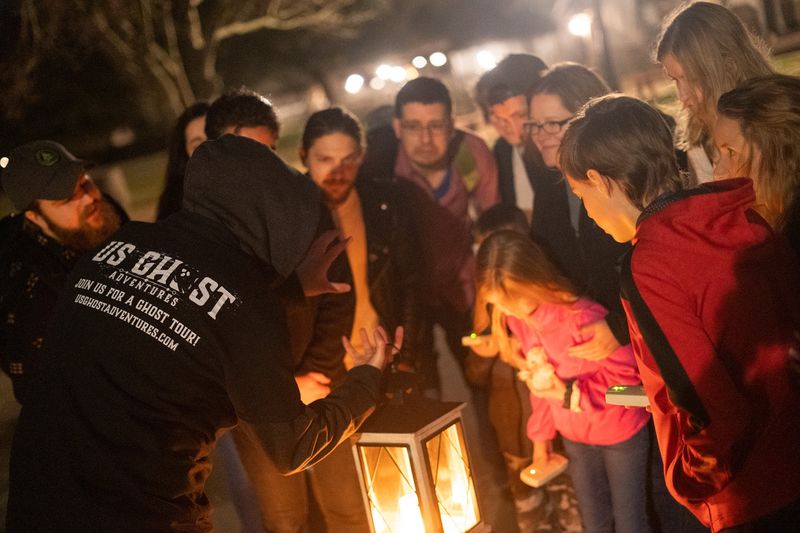
Ghost lore in Jerome comes with a wink.
The tour mixes real history with legends about the spirits said to wander old buildings. It is meant to be entertaining more than terrifying.
Some guests describe the ghost portion as a little gimmicky, and that is not a complaint for everyone. Teens in particular seem to enjoy the theatrical side.
That balance makes the tour a good fit for groups with mixed interests. One person can soak up mining facts while another waits for the next haunted tale.
Jerome has a long list of buildings with spooky reputations, including structures tied to its mining and medical past. Guides weave those stories into the route.
Nobody is promising a sighting, of course. The fun lies in hearing why so many stories gathered in one small town.
Skeptics can treat the ghost bits as folklore and still get plenty out of the walk. Believers will have lots to talk about on the drive home.
Either way, the stories stay family friendly. Nobody needs to sleep with the lights on afterward, probably.
7. Main Street and the Busy Blocks
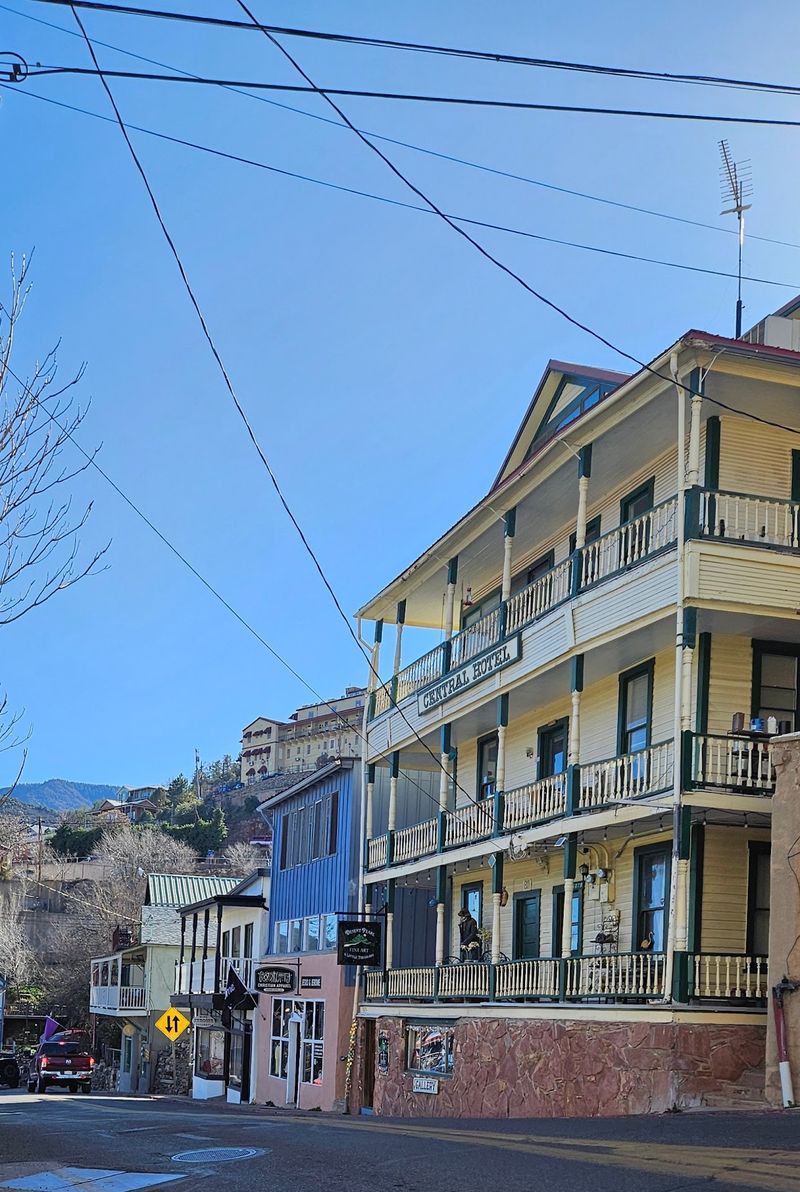
Main Street is where Jerome feels most alive today.
The historic blocks hold galleries, shops, and restored buildings that once served miners and their families. Much of the action in town happens right here.
One fair piece of feedback is that some tours could spend more time close to these buildings. Families who want the full Main Street experience may want extra time on their own afterward.
That is easy to arrange. Once the tour ends, the street is right there to wander.
Plan an hour or so to browse after the walk. Many of the shops are run by local artists, which ties back to the way creative folks helped revive the town.
Parking can be tight on busy weekends, so arriving earlier in the day helps. The town is small, and spaces fill up.
Comfortable shoes are a must. The streets are steep, and stairs connect different levels of town.
A tour gives the background, and a self-guided stroll lets each person linger at the spots that stuck with them. Together, they make the day feel complete.
8. Rusty Relics and Honest Opinions
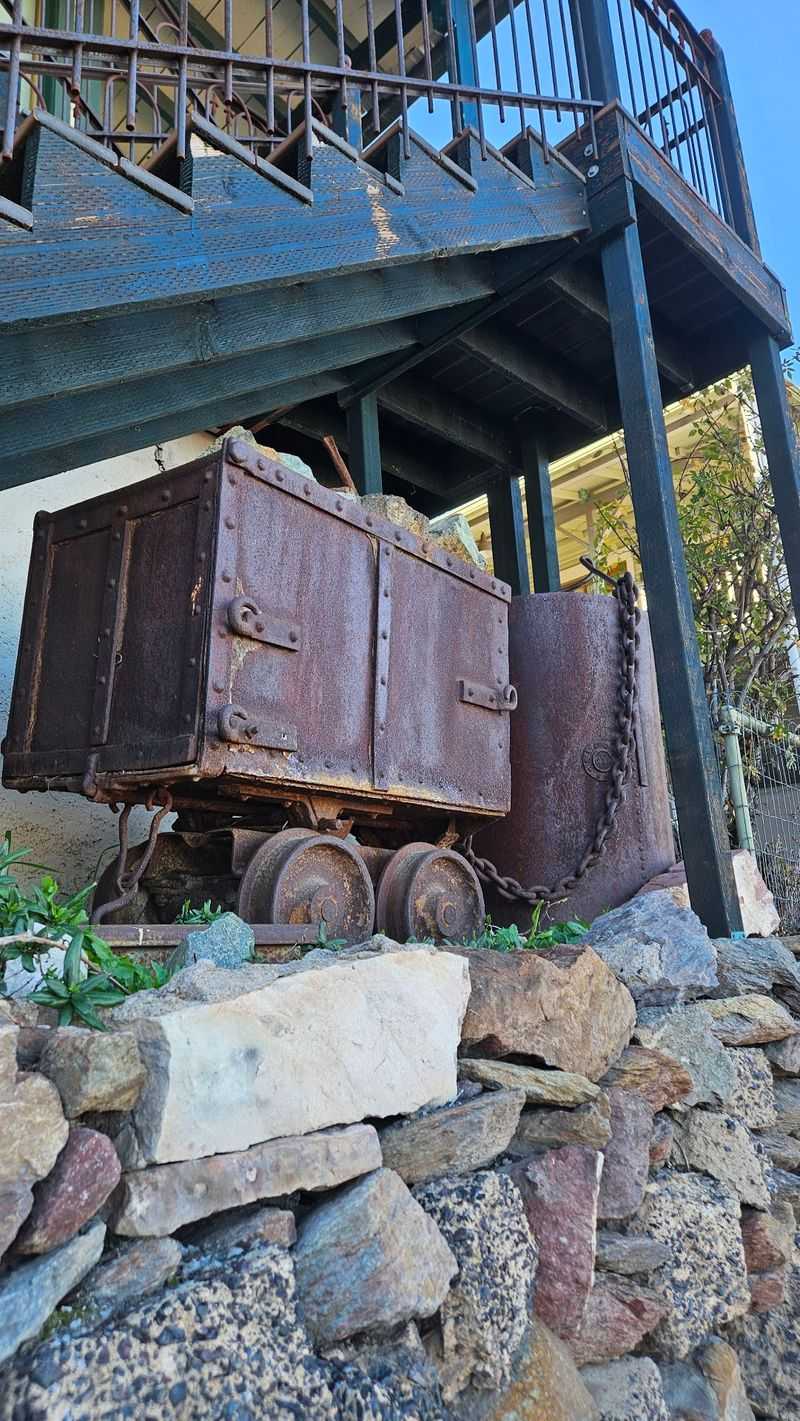
Not every corner of Jerome is polished, and that is part of its charm.
Old equipment, rusting machinery, and leftover pieces of the mining era sit around parts of town. To some eyes, certain spots look more like a junkyard than a museum.
That is an honest take, and a fair one. A former mining camp was never built to look tidy.
History buffs tend to see these relics differently. Each rusted piece hints at the heavy industry that once ran the hill around the clock.
The tour helps put those leftovers in context. Knowing what a machine did makes it far more interesting than a random heap of metal.
Photographers often enjoy the rough edges most. Weathered walls and old vehicles make for striking shots against the valley below.
Anyone expecting a spotless theme park version of the Old West may be surprised. Jerome is a real place with real wear and tear.
Go in with that mindset, and the rough patches start to feel like proof that the stories actually happened.
9. Who Gets the Most Out of the Walk
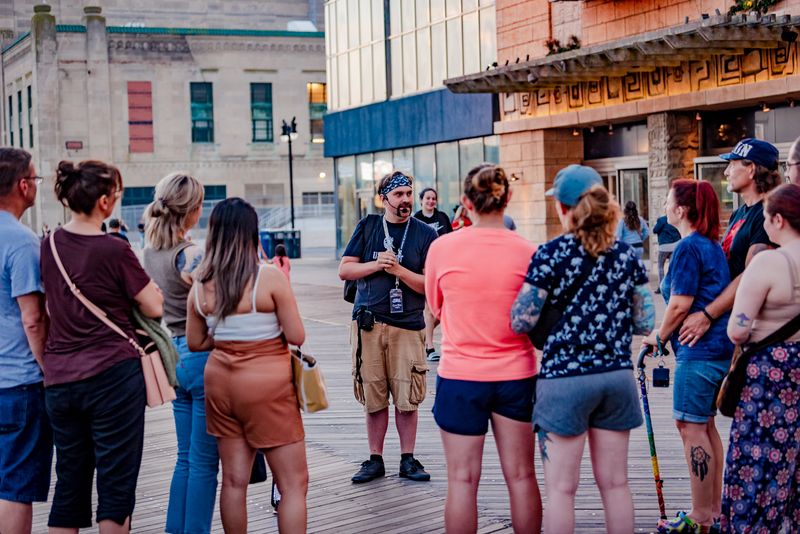
Some outings suit only one kind of traveler. The Jerome walk spreads its appeal a lot wider.
Families with teens seem to have a good time. The kids stay entertained by the ghost angle while parents get a real history lesson.
Serious tour fans also find plenty to like. People who have taken many walking tours in different cities still rank this one highly.
Road-trippers heading to Sedona can treat it as a fun side stop. Jerome is close enough to fit into a Verde Valley weekend.
Photography lovers benefit from guides who pause for pictures. Few tours bother to build that time in.
Readers who love Arizona history will probably leave with a list of books to track down. That alone can make the trip worthwhile.
Groups hoping for a pure fright-fest may find the tone lighter than expected. This is more storytelling than haunted house.
Overall, the walk works best for curious people who like a little humor with their history. Bring questions and patience for hills, and the rest takes care of itself.
10. Hours, Booking, and a Small Catch
Timing is refreshingly simple here.
Listed operating hours run from 10 am to 10 pm, seven days a week. That leaves room for both daytime history walks and later ghost-themed outings.
Prices are not posted in the information available, so check the US Ghost Adventures website for current rates. Tour lineups and start times can change by season.
Booking ahead online is the smart move, especially on fall weekends. Groups can fill up when the weather cools down.
Now for the catch. One complaint claims the company is not among the tour operators licensed by the Town of Jerome.
The company responded that it is operating and encouraged guests with concerns to contact guest relations by email. Anyone who cares about that detail may want to confirm before paying.
A quick check on current status takes only a minute. It is a small step that can head off any surprises.
Overall, the scheduling is flexible enough for most day trips. A little homework before the drive keeps the day smooth from start to finish.
11. Best Seasons for a Hillside Day Trip
Jerome sits at a much higher elevation than Phoenix, and that changes the math on when to go.
Fall and spring are prime time for a walking tour. The hill streets are far easier to tackle when the weather is mild.
Summer is still possible thanks to the altitude. Morning slots are the best bet before the afternoon heat builds.
Winter can bring cold days and the occasional dusting of snow. Pack layers and check road conditions before leaving the Valley.
October tends to draw the biggest ghost crowds, for obvious reasons. Book early if a Halloween-season trip is the plan.
Weekdays are usually calmer than weekends. Fewer people means easier parking and more room on narrow sidewalks.
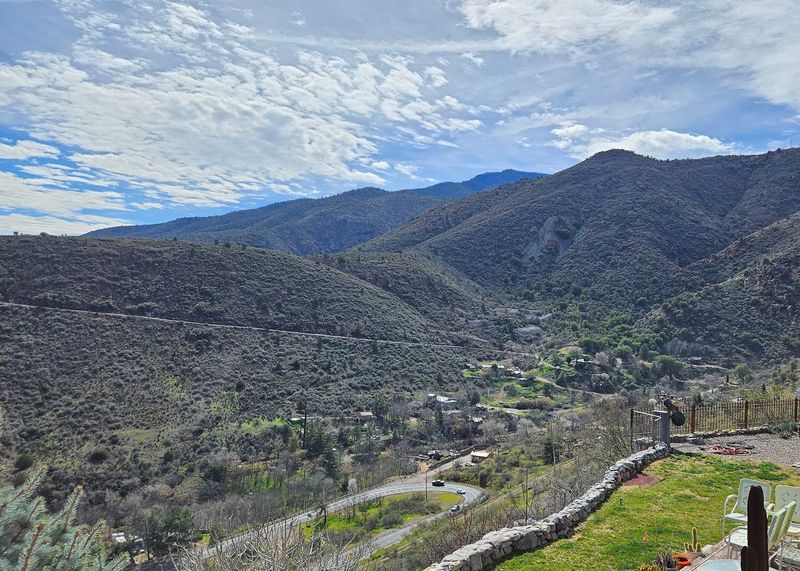
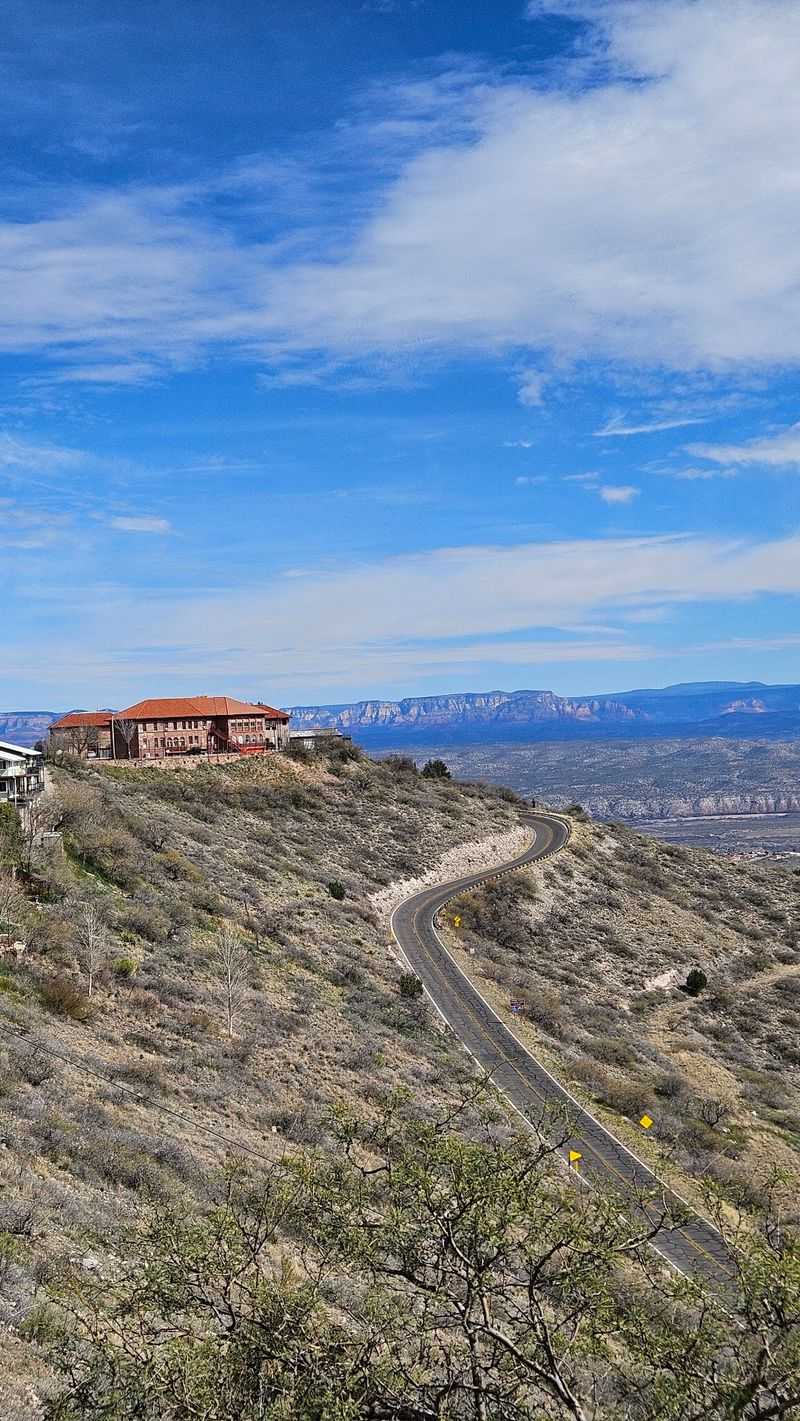
The views over the Verde Valley are a bonus in any season. On clear days, the red rock country around Sedona shows up in the distance.
Choose the season that fits the group, and the hill will handle the drama. Jerome has had a lot of practice at that.
12. A Worthy Detour Off the Sedona Route
Plenty of Arizonans have driven through Cottonwood a dozen times without ever climbing the hill. That is a missed opportunity.
Jerome packs a surprising amount of history into a few steep blocks. A guided walk turns those blocks into a story worth retelling.
The tours earn a solid four-star average, with guides drawing the most praise for their knowledge and storytelling. Fun history is the theme that comes up most often.
There are a few honest drawbacks. Some stretches look rough, and some groups wish for more time near Main Street.
The licensing question is worth a quick check before booking. Beyond that, the experience seems to deliver what it promises.
For Phoenix locals, the round trip fits neatly into a Saturday. Leave in the morning, take the tour, wander the shops, and head home by evening.
The wickedest city in the West has calmed down plenty since its mining days. Its jail, though, is still sitting right where gravity left it, waiting for the next round of photos.
Share this story