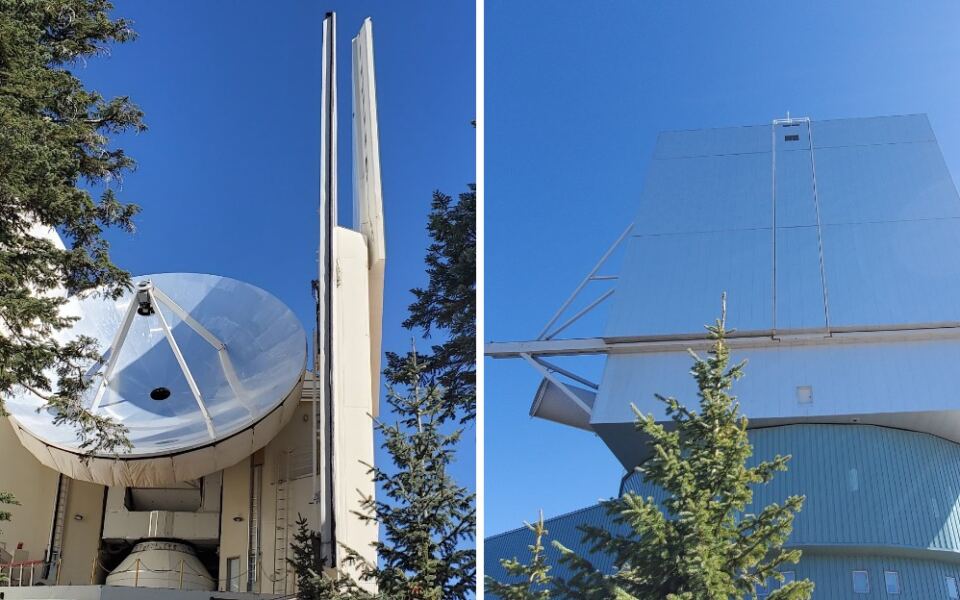
High above the cotton fields and desert flats near Safford, a mountain road climbs toward one of the most powerful eyes humans have ever aimed at the sky. Most Arizonans have never heard of it, even though it sits a reasonable weekend drive from Tucson and Phoenix. The building holding it is so big that you climb five sets of stairs just to reach the base of the telescope.
Tour passes are limited each year, the road takes real planning, and the payoff is a close look at gear built to study galaxies far beyond our own. Here is what to know before you go, from the route up the mountain to the crew who keep the giant running.
1. A Giant Hiding on a Southeast Arizona Peak
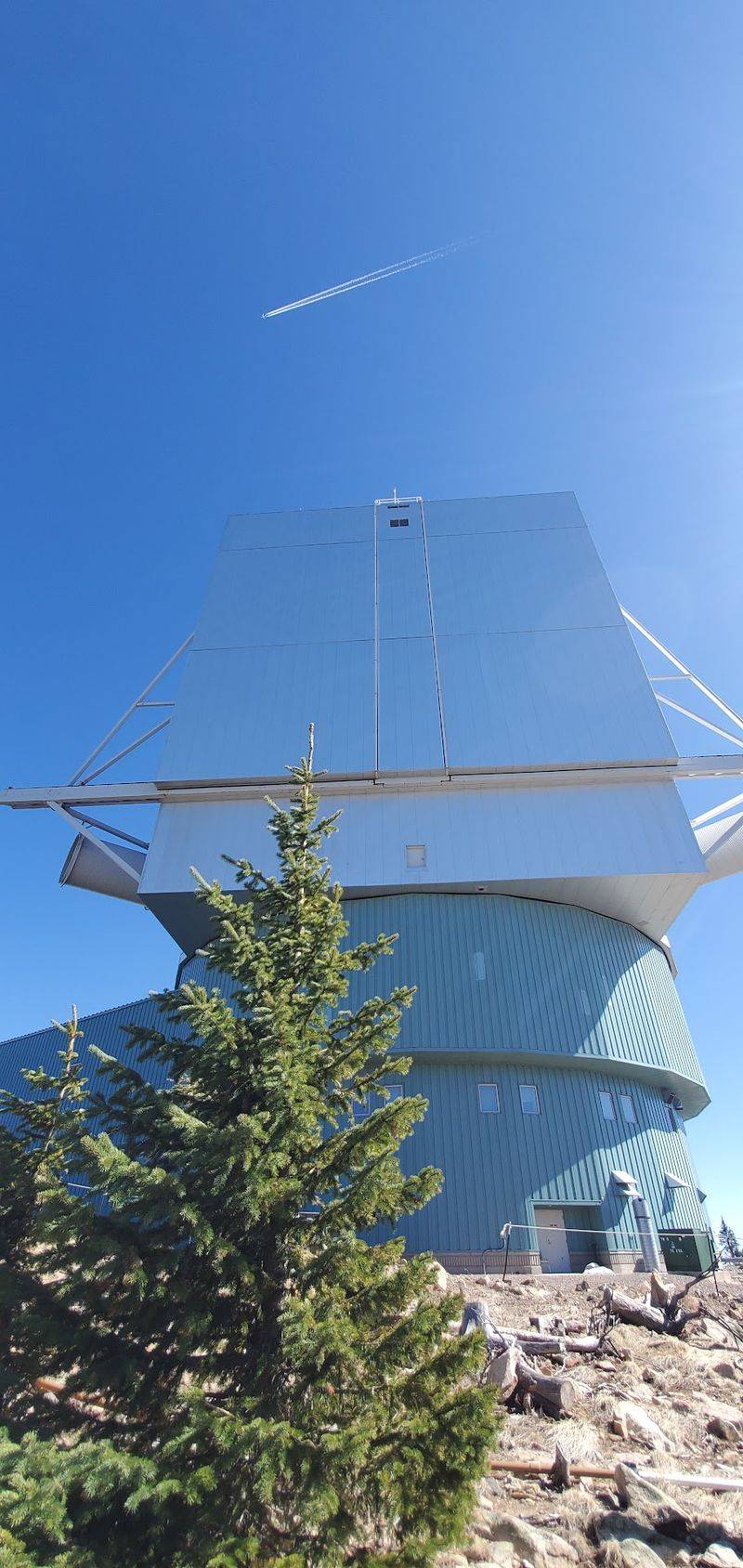
Few Arizona road trips end at a machine this ambitious. The Large Binocular Telescope Observatory sits at 12500 W Swift Trail, AZ-366, Safford, AZ 85546, in the Pinaleño Mountains of southeastern Arizona.
From Tucson, the trip is a manageable weekend outing. From the Valley, it becomes a proper road trip worth an early start.
The facility is a working research observatory, not a theme park. Scientists use it to study objects far out in space, and public access comes mainly through limited tours.
That working status shapes everything about a visit. Schedules, access, and what you can see all revolve around the science happening on the mountain.
Still, the reward for planning ahead is rare. You get to stand inside a facility that once held the title of the world’s biggest optical telescope.
Not bad for a spot most Safford-bound drivers never know is up there.
2. Two Mirrors, One Very Big Idea
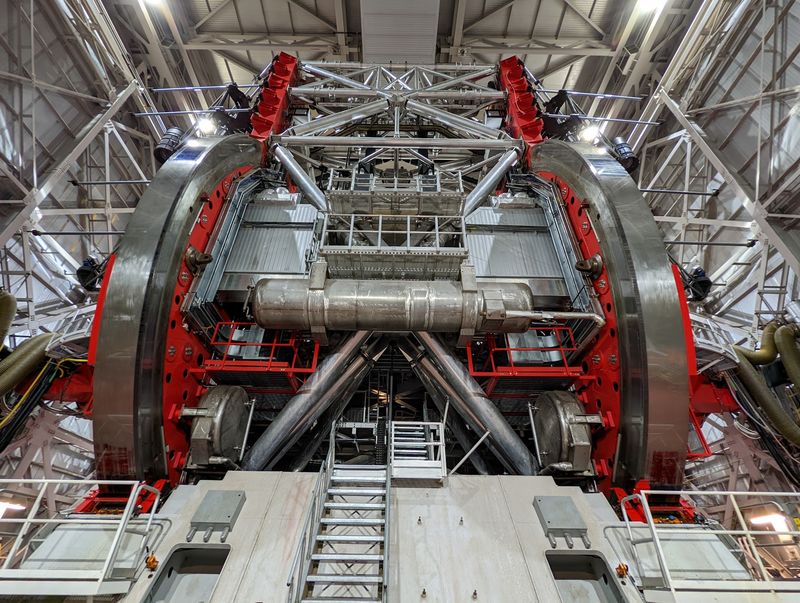
The name gives away the trick. Like a pair of binoculars, this telescope uses two large mirrors mounted side by side on a single structure.
That design lets astronomers gather a huge amount of light and see faint, distant objects. It is why the observatory is counted among the deepest-seeing instruments on Earth.
Until recently, it was described as the farthest-observing optical telescope in the world. Many people still call it the world’s biggest optical telescope.
The scale hits hard in person. Getting to the base of the telescope means climbing five sets of stairs inside the enclosure.
Guests often leave talking about the modern technology first. It is a multi-million dollar array, and every piece seems to exist for one job: catching light that has traveled an enormous distance.
Bring curiosity and comfortable shoes. The stairs are a small workout for a very big view of engineering.
3. The Road That Tests Your Ride
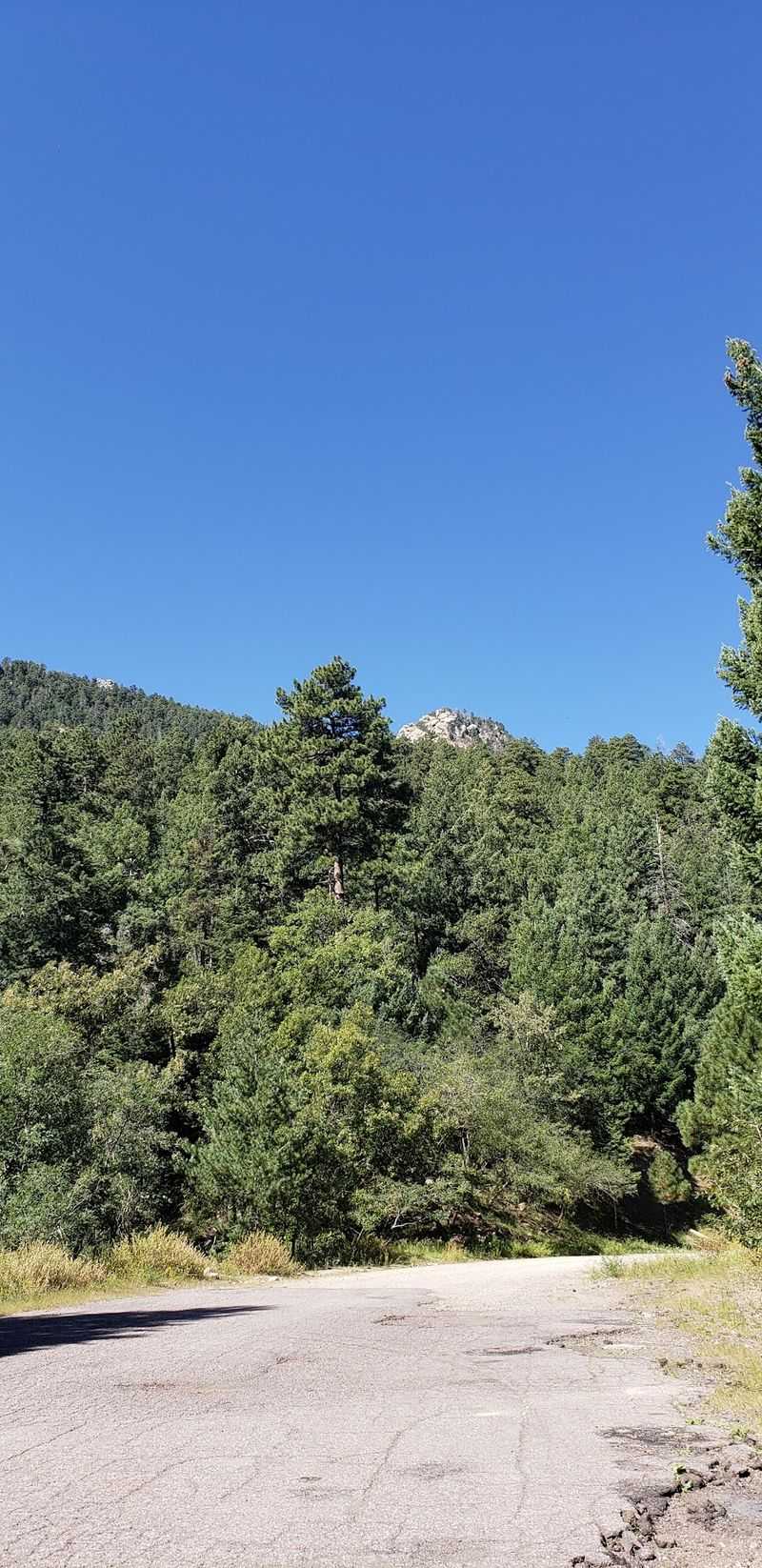
Getting there is half the story. The route up the mountain follows Swift Trail, and the final stretch can be rough.
Past guests describe the road as treacherous. A high-clearance vehicle suited for off-road driving is the smart choice, and some groups have rented a small, agile Jeep for the trip.
Plan extra time for the climb. Mountain driving is slower than highway miles, and rushing is never a good idea on narrow roads.
Fill the tank in Safford before heading up. Services thin out quickly once you leave town.
The drive itself carries a sense of adventure. Several people mention that simply finding the place in the mountains felt like part of the fun.
Treat the climb as a quest rather than a commute, and the telescope at the top feels earned.
4. Passes Worth Planning Around
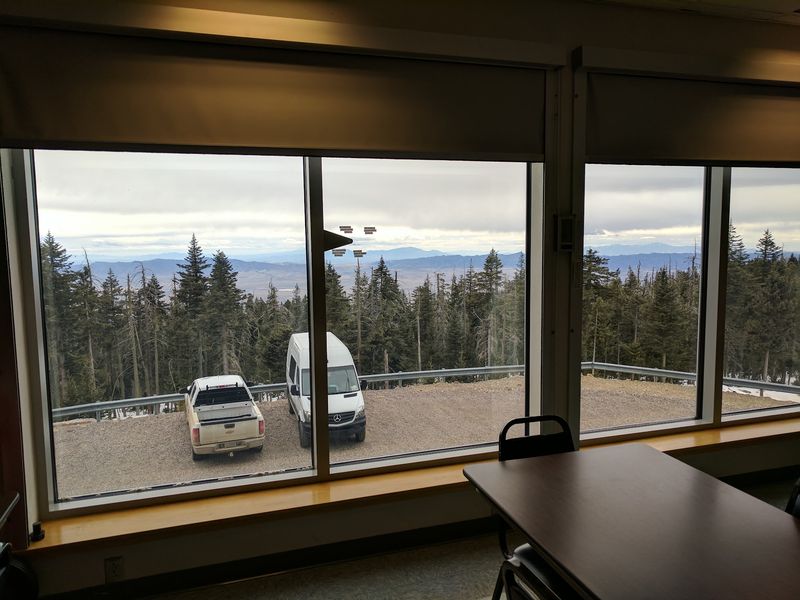
Here is the catch that keeps this spot off most weekend lists. Only a very limited number of tour passes are handed out each year.
Google lists the observatory as open 24 hours, every day of the week. That listing reflects a working facility, not open public access, so do not drive up expecting to wander in.
The best move is checking the official website, lbto.org, well ahead of your trip. That is where current tour details, availability, and any costs should be confirmed.
Since spots are scarce, flexibility helps. Having a few possible dates ready can make booking easier.
Arizona locals have an edge here. Living within driving range means you can grab an opening without booking flights or hotels far in advance.
Snag a pass, and you join a fairly small club of people who have seen this giant up close.
5. A Mountaintop Full of Neighbors
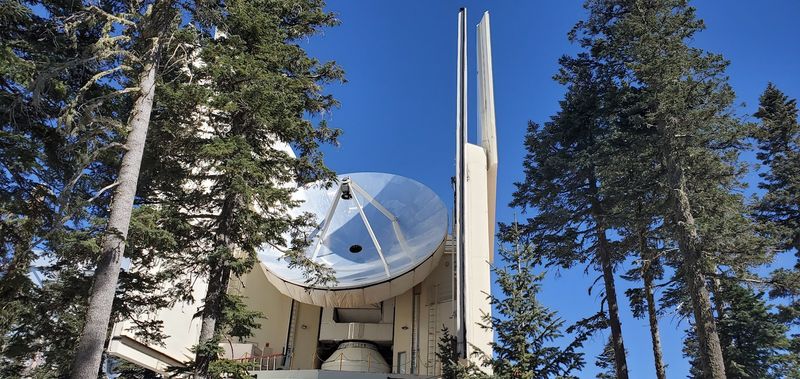
The big binocular scope does not stand alone. It shares the mountain with other research instruments.
Some tours have included a stop at the Vatican observatory and the submillimeter radio telescope along with the LBT. That makes for a mini astronomy campus tour in one outing.
Each facility studies the sky in its own way. Seeing them back to back helps explain why scientists built several instruments on the same peak.
Tour stops can vary, so ask what is included when booking. Not every visit will cover every building.
For space fans, this cluster is a quiet bonus. It turns one telescope trip into a broader look at how modern astronomy works.
Consider it a three-for-one deal, with the stars doing the heavy lifting.
6. The Crew Behind the Giant
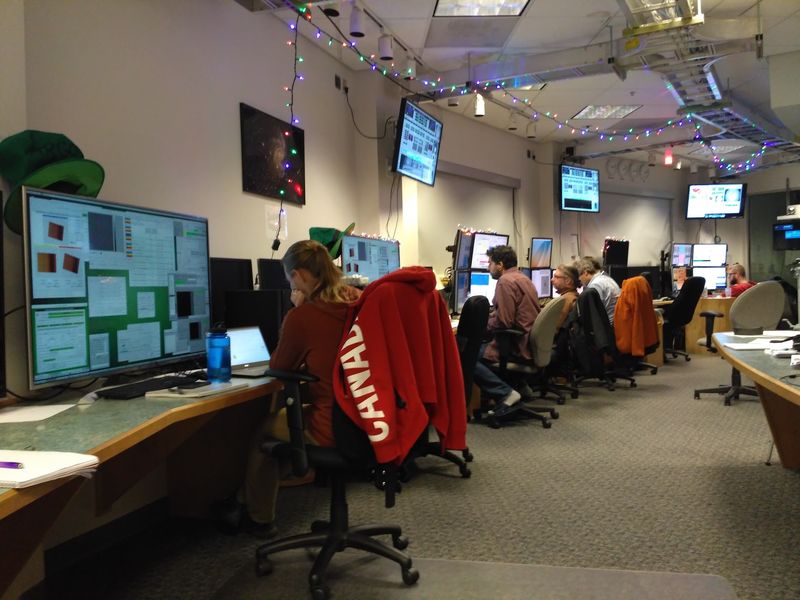
Behind every huge instrument is a team that keeps it humming. At this observatory, the people on site earn plenty of praise.
Tour guests describe the staff as accommodating and very knowledgeable. Several mention a friendly crew that answered every question asked during the visit.
That on-site help matters, because the technology is complex. A good guide turns mirrors and mounts into a story anyone can follow.
One fair note: contacting the observatory remotely can be harder. Some people have reported slow or missing replies to emailed questions.
The takeaway is simple. Save your biggest questions for the tour itself, where the crew is ready to talk shop.
Bring a short list of things you are curious about, and you will likely head home smarter than you arrived.
7. Cold Air at High Altitude
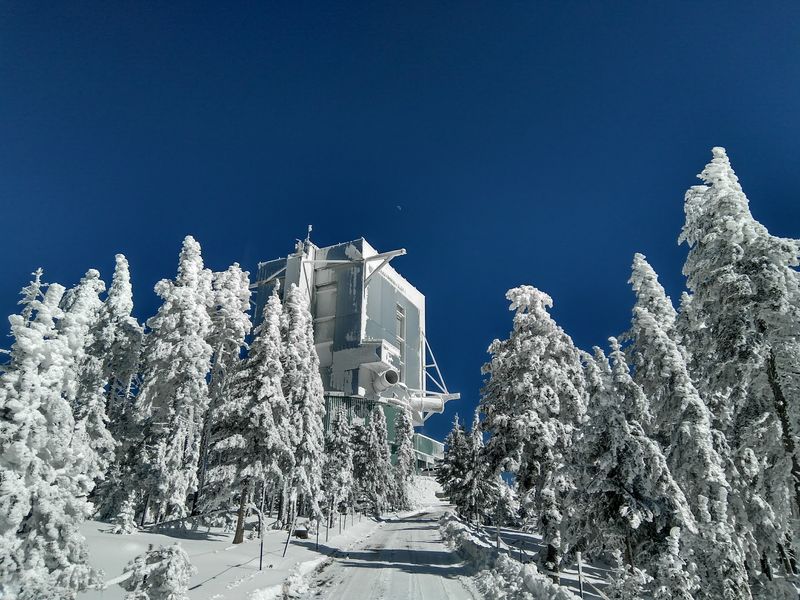
Leave the desert wardrobe at home. The mountain sits high above Safford, and temperatures up top can drop fast.
One past tour took place with temperatures around 25 degrees Fahrenheit. That is a big swing from a typical day in Phoenix or Tucson.
Pack layers, a warm jacket, gloves, and a hat. Even in warmer months, the summit can feel like a different climate zone.
That elevation is also a gift during an Arizona summer. Heading to a high peak is one of the better ways to escape triple-digit heat.
Check the forecast for the mountain itself, not just for Safford. The two can differ quite a bit on the same day.
Dress for the peak, and the cold becomes a minor footnote instead of the main memory.
8. Stick Around for the Night Sky
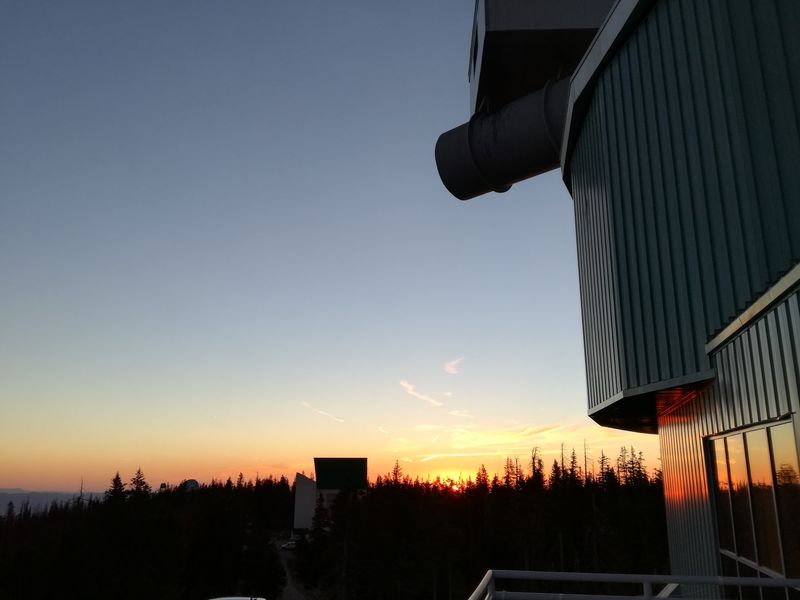
The telescope gets the spotlight, but the sky above it deserves a turn. Those who stay after dark call the night view unmissable.
Remote mountain locations like this one are chosen partly for clear, dark skies. That same darkness benefits anyone standing outside after sunset.
If your plans allow, build in time to remain on the mountain as evening falls. It turns a technical tour into a full astronomy outing.
Night driving on a rough road needs extra caution, though. Plan your descent carefully and keep that high-clearance vehicle handy.
For city dwellers used to Valley light glow, the contrast can be striking. Many people forget how crowded the sky looks away from town.
Watching the stars above a machine built to study them is a fitting way to end the day.
9. Who Will Love This Trip Most
Astronomy buffs are the obvious fans. Still, the appeal reaches well beyond people who own their own telescopes.
Even folks with zero science background tend to walk away impressed. The size and technology do most of the convincing.
Road-trip lovers will appreciate the adventure of the drive. Families with older kids who enjoy science could find it a memorable outing too.
It may not suit everyone. The mountain also carries cultural significance, and some people feel strongly that the telescopes should not be there.
Knowing that history adds depth to a visit. Respectful curiosity goes a long way on a peak with meaning to many communities.
Arrive with open eyes and an open mind, and the experience gives back plenty.
10. Worth the Climb for Curious Locals
Some trips are about checking a box. This one is about earning a story.
The observatory holds a solid 4.5-star standing, and most people describe the tour as thrilling and memorable. Words like adventure and wonderful experience come up again and again.
The hurdles are real: scarce passes, a rough road, and chilly weather. Each one is manageable with early planning.
For Arizonans, the location is the secret advantage. A world-class telescope sits within reach of a weekend drive, while most people pass Safford without a second thought.
Check lbto.org for tour openings, line up a sturdy vehicle, and pack warm layers.
Then head up the mountain and meet the giant that looks deeper into space than nearly anything else on the planet.
Share this story