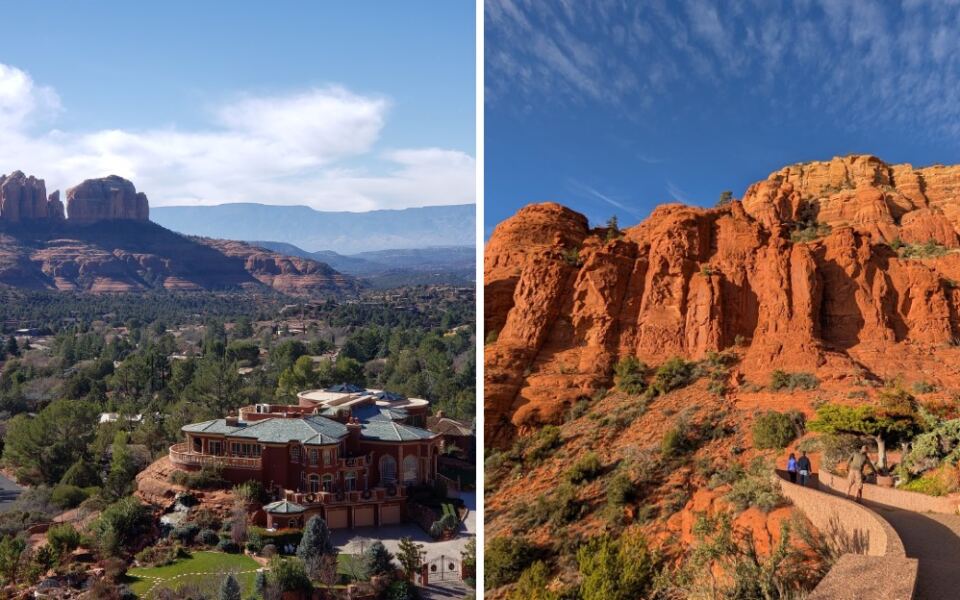
Ask a longtime Arizonan about a certain red-rock town north of Phoenix, and you may get a long sigh before you get an answer. The buttes have not moved an inch, but the streets, shops, and trailhead lots around them tell a busier story than they once did. Some locals say the place they knew as a quiet weekend escape now feels like a different town wearing the same scenery.
Here is what that town looks like today, what still makes it worth the drive, and how to plan a trip that keeps the old magic within reach.
1. A Desert Town Ringed by Red Rock
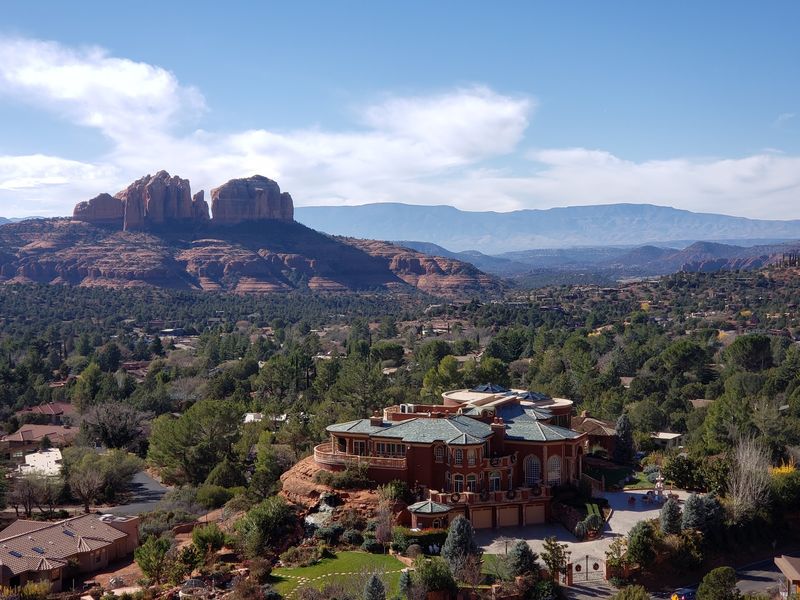
Some towns sit near the scenery, and others live right inside it. Sedona belongs firmly to the second group.
The official address is simply Arizona 86336, USA, and the town sits in northern Arizona not far from Flagstaff. For Valley residents, that puts it within reach of a long day trip or an easy weekend away.
On paper, it is a small desert town. In practice, it is a place where red-rock buttes, steep canyon walls, and pine forests crowd right up against the streets and storefronts.
That setting is the reason the town became famous in the first place. It is also the reason so many people keep coming back, which is part of the change locals talk about.
The city keeps an official website at sedonaaz.gov, and it is a smart first stop for anyone checking local updates before heading north. Town notices, visitor information, and civic news can change faster than a trail map.
Before getting into what feels different now, it helps to understand what has always stayed the same. The rocks came first, and everything else in town has grown up around them.
2. The Quiet Days Locals Still Talk About
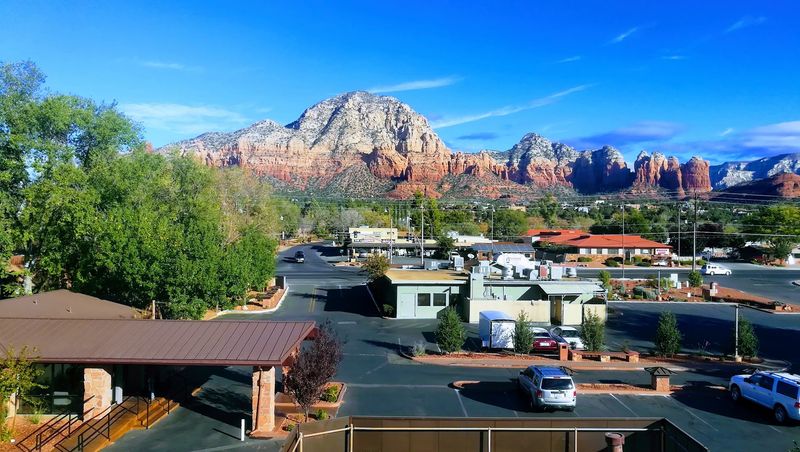
Every longtime Arizonan seems to have a version of the same story. They drove up years ago, found a parking spot without trying, and had a trail mostly to themselves.
Those memories are a big part of why the town now feels unfamiliar to some people. The landscape is the same one they remember, yet the experience around it can feel busier and more commercial.
Uptown is now dense with shops, spas, and galleries. Trailheads on the outskirts draw hikers, bird-watchers, and families with picnic plans.
None of that makes the town worse, exactly. It simply means the quiet version now takes a bit more planning to find.
For Phoenix and Tucson day-trippers, that shift is worth knowing about before the car leaves the driveway. A spontaneous Saturday trip may look very different from the easy outings people describe from years past.
The good news is that the reasons people fell for this place are still here. The buttes, the canyons, and the pine forests did not get the memo about crowds.
So the real question is not whether the town has changed. It is how to enjoy it now, and the answer starts with the land itself.
3. Buttes, Canyon Walls and Pine Forests
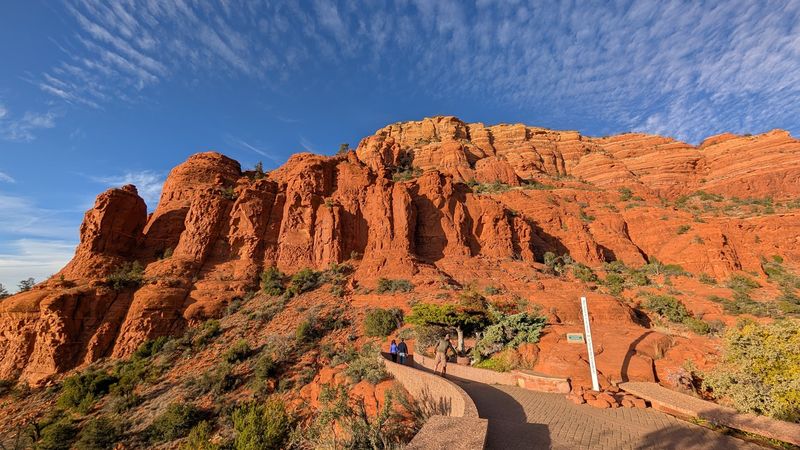
Geography does most of the talking here. Red-rock buttes rise around town, steep canyon walls cut through the landscape, and pine forests fill in the spaces between.
That mix is what separates this town from many other desert communities in the state. Plenty of Arizona towns have rock formations, but few have them stacked this close to everyday life.
The pine forests are a detail newcomers sometimes overlook. Many folks expect only bare desert, then find tree cover that hints at the higher country around Flagstaff.
Canyon walls add depth to the scenery and give hikers plenty of terrain to explore. They also explain why so many trailheads ring the edges of town.
For locals who grew up hiking Camelback or the Catalinas, the terrain offers a nice change of pace. It is still Arizona, just with a different color palette and a more dramatic backdrop.
This setting is the one thing no amount of growth can rearrange. Shops can open and close, but the buttes have kept their posts for a very long time.
Once the scenery sinks in, the next question is usually about timing. That is where the weather earns its own spotlight.
4. A Milder Climate Than the Valley
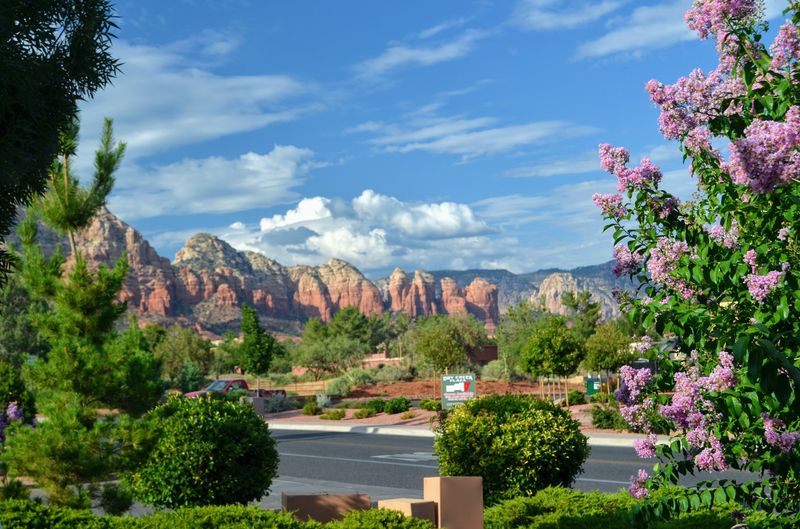
Phoenix residents know the drill. When the thermometer climbs, any place with a milder climate starts to look like a rescue mission.
This town is noted for exactly that kind of mild climate. It is one of the big reasons Valley folks have treated it as an escape for generations.
Fall and winter tend to be the sweet spot for outdoor plans. Trails, picnic areas, and walks through Uptown can all feel more comfortable when the season cools.
Summer trips can still work with a little strategy. Early starts help, and shaded or indoor stops like galleries and spas can fill the warmer hours.
The mild weather has a side effect, though. Comfortable conditions draw crowds, and popular weekends may bring more traffic than first-timers expect.
Checking the forecast before leaving is always wise. Conditions in the high country can differ from what Phoenix or Tucson is seeing the same morning.
Good weather is only half the reason people make the drive. The other half lives inside the galleries and studios scattered through town.
5. An Arts Community With Real Roots
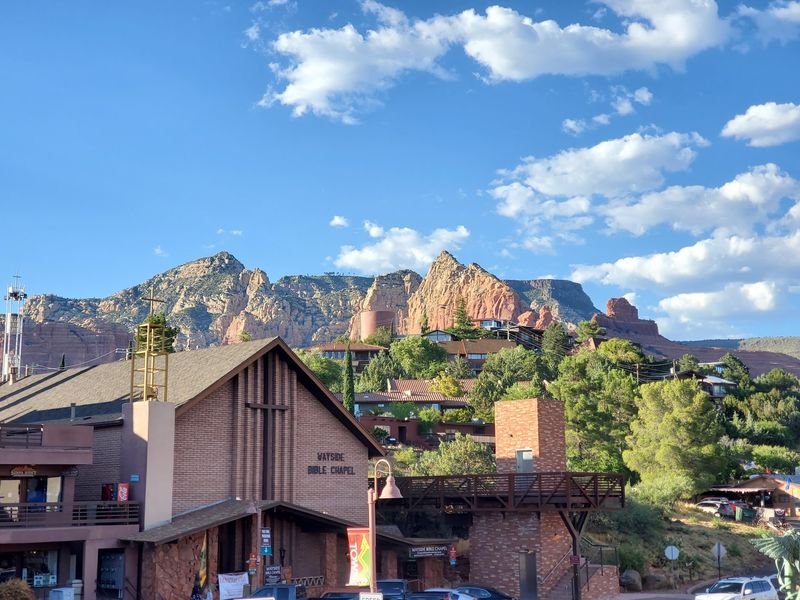
Long before it became a weekend hot spot, the town had a reputation for creativity. Its vibrant arts community is still one of the features it is best known for.
Art galleries are a big part of the Uptown landscape. For anyone who prefers browsing to hiking, they offer a full afternoon of things to see.
The galleries also provide a practical bonus. On days when trail conditions or the weather do not cooperate, art makes a solid backup plan.
Locals who feel the town has changed often point to how commercial some areas have become. Still, the arts community gives the place an identity that goes beyond souvenirs.
Browsing costs nothing, which matters to day-trippers watching their budget. Walking gallery to gallery can be a free way to spend a slow morning.
It is easy to see why artists were drawn here. With scenery like this outside the window, inspiration does not need to commute very far.
Galleries are only one slice of Uptown, however. The rest of that district is where the change locals mention becomes hard to miss.
6. Uptown and Its Crowded Blocks
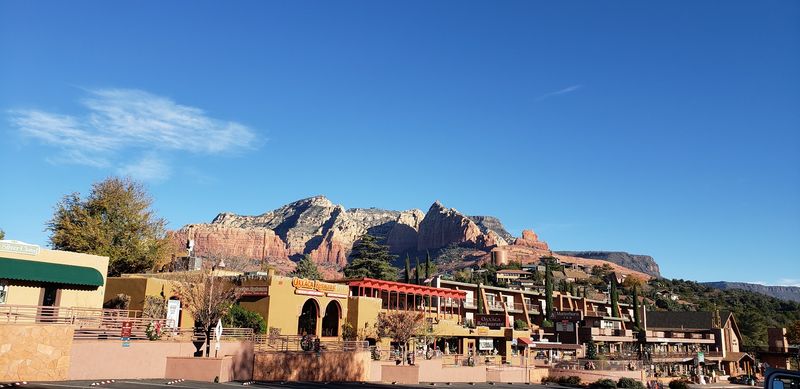
Uptown is where most first impressions get made. It is also where longtime fans tend to notice the biggest difference.
The district is dense with shops, spas, and art galleries packed into a compact area. That density makes it easy to explore on foot but can also make it feel busy.
For some returning locals, Uptown is the part they barely recognize. The scenery looming above it is familiar, but the street-level energy feels more like a tourist hub.
Even so, plenty of people enjoy it for exactly that reason. There is a lot packed into a short walk, and window shopping does not cost a dime.
A few tips can make the experience smoother:
Arrive earlier in the day if possible. Midday weekend crowds can make parking and sidewalks more hectic.
Plan Uptown as one stop rather than the whole trip. Pairing it with time outdoors keeps the day balanced.
Uptown is lively, a little hectic, and undeniably part of the modern town. One type of shop in particular gives it a personality all its own.
7. Crystals, Curiosities and New Age Shops
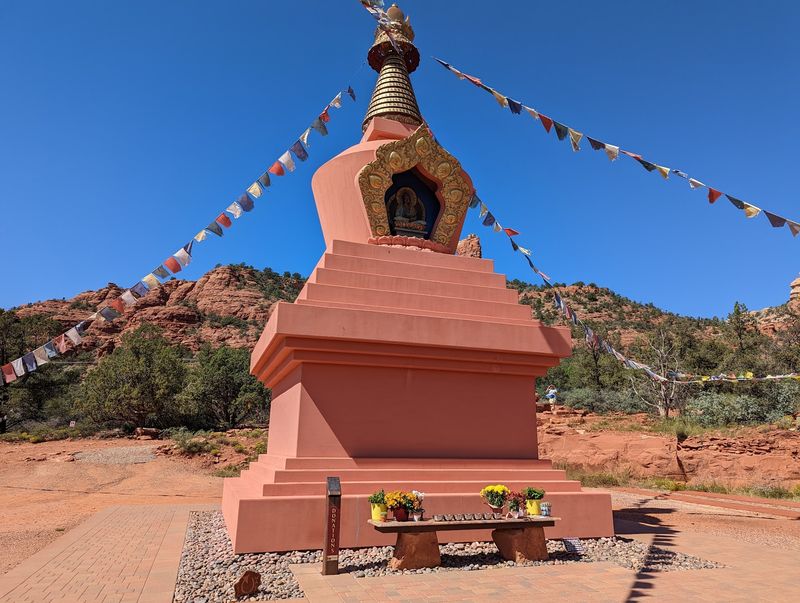
Few Arizona towns have a reputation quite like this one. Uptown is dense with New Age shops, and they have become part of the town’s identity.
These stores give the district a distinctive character. Even skeptics tend to wander in out of curiosity, and browsing is free.
For locals who remember a quieter era, the sheer number of shops can feel surprising. It is one of the clearest signs of how the town has evolved around visitor interest.
Still, the shops reflect something real about the place. The town has long drawn people looking for reflection, wellness, and a different pace.
Browsing them makes for an easygoing hour between other stops. It also offers a good look at what draws so many travelers here in the first place.
A friendly word of advice: set a budget before walking in. Curiosity is free, but shopping carts have a way of filling up.
Whether a shopper leaves with a souvenir or just a story, these stores are worth a peek. And for those who want to slow down even further, the spa scene is waiting.
8. Spa Days Between Hikes
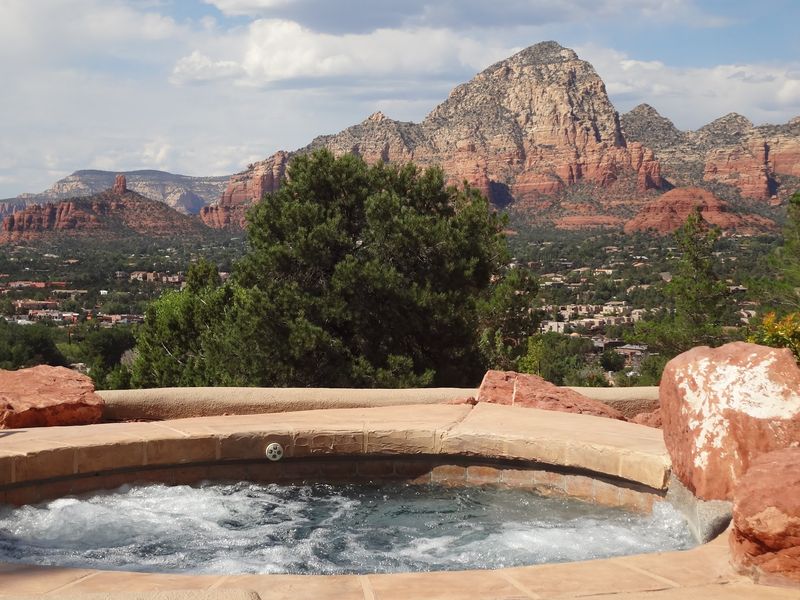
Hiking boots and spa robes do not usually share a packing list. Here, they often do.
Spas are one of the main features listed among Uptown’s offerings. They give the town a relaxing side that balances out all the trail time.
For Valley residents, a spa visit can turn a simple day trip into a proper getaway. It is also a solid option when the weather pushes plans indoors.
Spa experiences are rarely the budget pick, so this is one area where costs can add up. Checking prices and booking ahead before driving up is a smart move.
Reservations matter even more on busy weekends. Showing up without one may mean leaving without the treatment.
The growth of spa culture is another piece of the change longtime fans notice. A town once known mainly for scenery is now just as known for rest and relaxation.
There is a nice rhythm to pairing a morning hike with an afternoon of downtime. Speaking of hikes, the trailheads on the edge of town deserve a closer look.
9. Trailheads on the Edge of Town
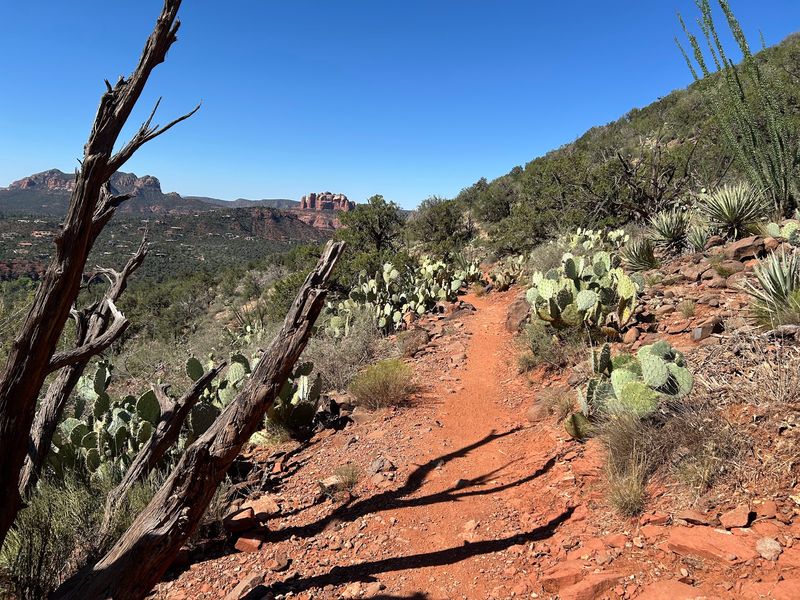
Head away from Uptown and the town quickly gives way to trail country. Numerous trailheads sit on the outskirts, ready for anyone with sturdy shoes.
These trailheads are the hands-on heart of a visit. Instead of just looking at the buttes, hikers get to explore the land around them.
This is also where the crowds can show up in a big way. Popular trailheads may fill quickly, especially on pleasant weekends.
Early starts are the classic local strategy. Getting on the trail before mid-morning can mean easier parking and a calmer hike.
Packing the basics never goes out of style. Water, sun protection, and a plan for the return trip help keep the outing safe and enjoyable.
For Phoenix and Tucson hikers, the change of terrain makes these trails feel fresh. Canyon walls and pine forests offer a different experience from the familiar desert routes back home.
Some of these trailheads lead somewhere especially worth a visit. One state park on the outskirts stands out as a favorite for a slower kind of adventure.
10. Red Rock State Park’s Slower Pace
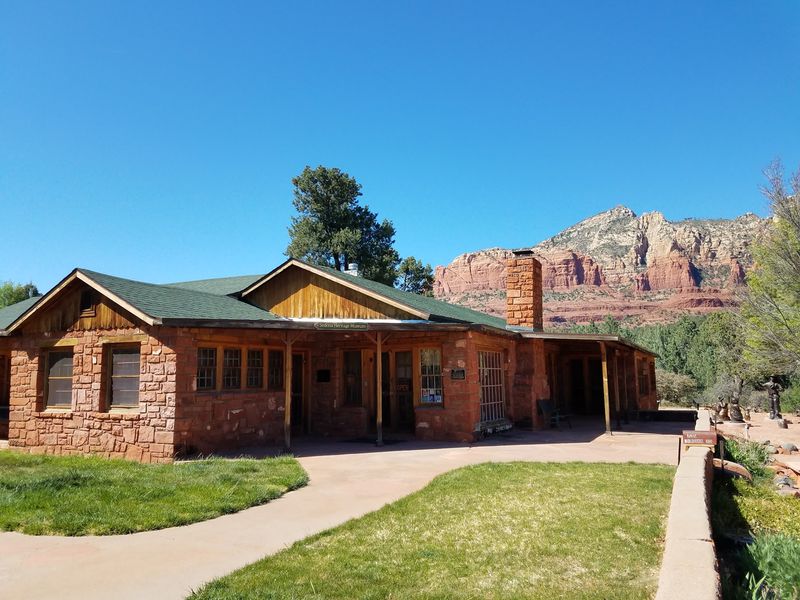
Not every outing needs a steep climb. Red Rock State Park, reachable from trailheads on the town’s outskirts, offers a more relaxed way to enjoy the area.
The park is known for bird-watching, hiking, and picnicking spots. That combination makes it a natural fit for families and anyone who likes an easier pace.
Bird-watching is a quiet hobby that rewards patience. Bringing binoculars can turn a simple walk into a hands-on scavenger hunt.
Picnicking is the low-cost hero of the day. Packing lunch from home keeps the budget in check and gives everyone a reason to linger.
For locals who feel Uptown has gotten too busy, the park can be a welcome reset. It shows a side of the area that still feels close to the old days.
Hours, fees, and conditions can change, so checking official park information before the trip is wise. A few minutes of planning can save a wasted drive.
A park like this proves the town still has room for calm. The next question is who tends to enjoy a trip here the most.
11. Who Gets the Most Out of a Visit
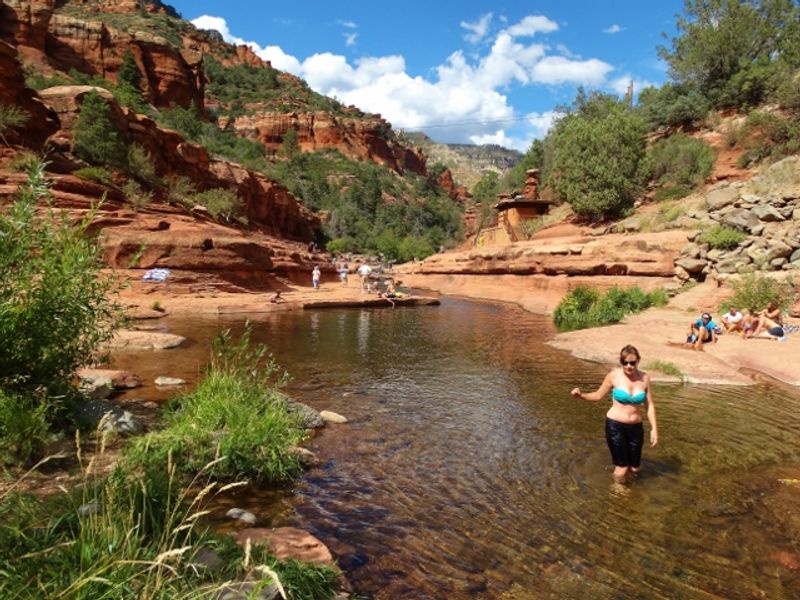
Some destinations appeal to one kind of traveler. This one manages to welcome several at once.
Hikers have the trailheads and the state park. Art lovers have the galleries, and spa fans have plenty of options for a slower day.
Families can lean on the picnic areas and bird-watching. Kids who get restless in shops often perk up once they hit a trail.
Curious browsers will find Uptown’s New Age shops worth a look. Even people who are not into crystals tend to enjoy the people-watching.
The trip may suit some folks less well. Anyone hoping for total solitude on a peak weekend could leave disappointed.
That is the honest trade-off locals keep mentioning. The town’s popularity means its best moments often reward those who plan around the busy times.
Couples, friend groups, and solo explorers can all build a good day here. The trick is matching the itinerary to the mood, which brings us to the practical side of the trip.
12. Smart Planning for the Drive North
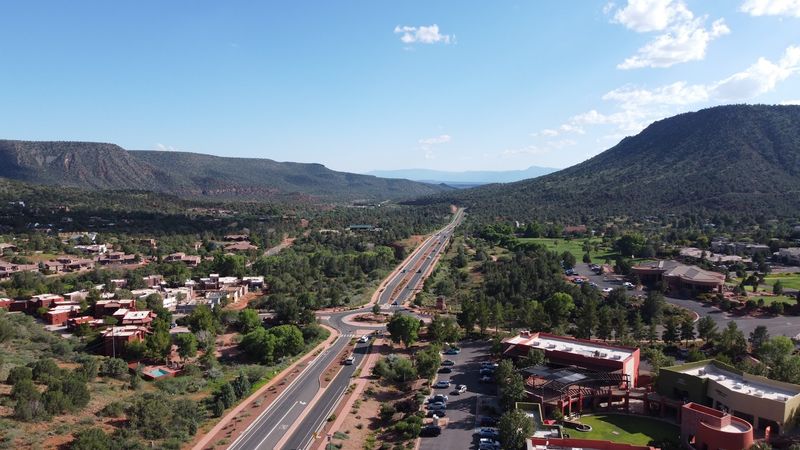
A little homework makes this trip far more enjoyable. That is especially true now that the town draws bigger crowds than it once did.
From Phoenix, the drive is roughly two hours depending on traffic, making it a realistic day trip. Tucson residents may prefer to treat it as an overnight or weekend outing.
Here are a few habits that tend to pay off:
Start early. Earlier arrivals usually mean easier parking at trailheads and in Uptown.
Check the official town website at sedonaaz.gov before leaving. Local updates can help avoid surprises.
Book spa appointments ahead of time. Walk-in availability may be limited on busy days.
Pack a picnic and water. Bringing food from home keeps costs low and makes a stop at the state park easy.
Consider weekdays if your schedule allows. Fewer people around can make the town feel closer to the quieter version locals remember.
None of these tips are complicated, but together they can change the whole feel of a visit. With the plan in place, only one question remains.
13. Changed, Yet Still Worth the Trip
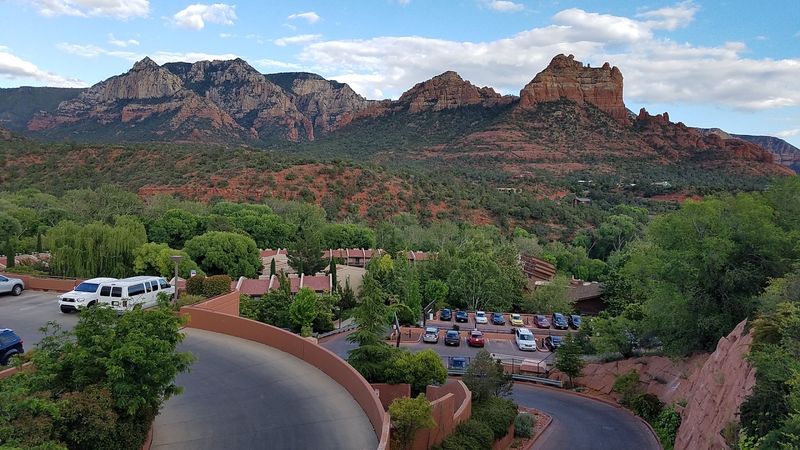
So, has the town really changed that much? For many longtime locals, the honest answer is yes.
Uptown is denser, the shops are more numerous, and the trailheads can be busier than they used to be. Those changes are real, and it is fair to miss the quieter days.
Yet the foundation is exactly the same. The red-rock buttes, steep canyon walls, and pine forests still frame every street and trail.
The mild climate still offers relief from the Valley. The arts community still gives the town a creative identity, and Red Rock State Park still offers bird-watching, hiking, and picnic spots.
With an early start, a packed lunch, and a flexible plan, the old charm is still within reach. Sometimes it just hides a little further from the busiest blocks.
For Arizona day-trippers, that makes the drive north worth it all over again. The town may look different at street level, but its scenery has not lost a step.
Go with fresh eyes, plan around the crowds, and see which version of this famous place you find.
Share this story