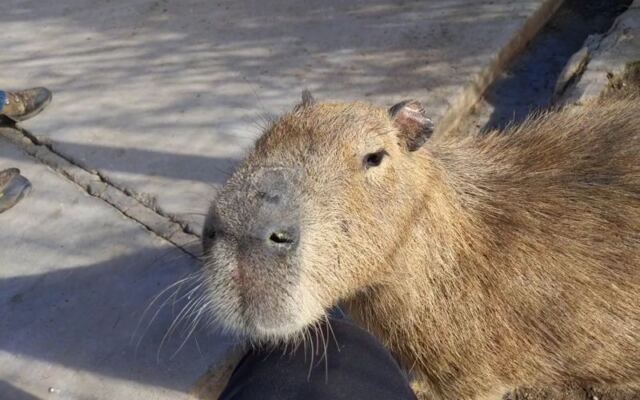
Somewhere past the edge of Marana, down a dirt road most Tucson drivers never turn onto, a herd of capybaras is waiting for someone to show up with lettuce. These are not shy zoo animals hiding behind glass. They walk right up, climb onto laps, and sometimes doze off there.
The world’s largest rodent has become an internet favorite, and here you can actually sit with one. The ranch also keeps porcupines, a warthog, emus, Patagonian maras, goats, and even a water buffalo. Every visit is a private tour with a guide, so your group gets the animals to itself.
Keep reading for what happens inside the gate, who the experience suits, and the practical details that help a day trip from Phoenix or Tucson go smoothly, including a deal Arizona residents should know about before booking.
1. A Desert Ranch at the End of a Dirt Road
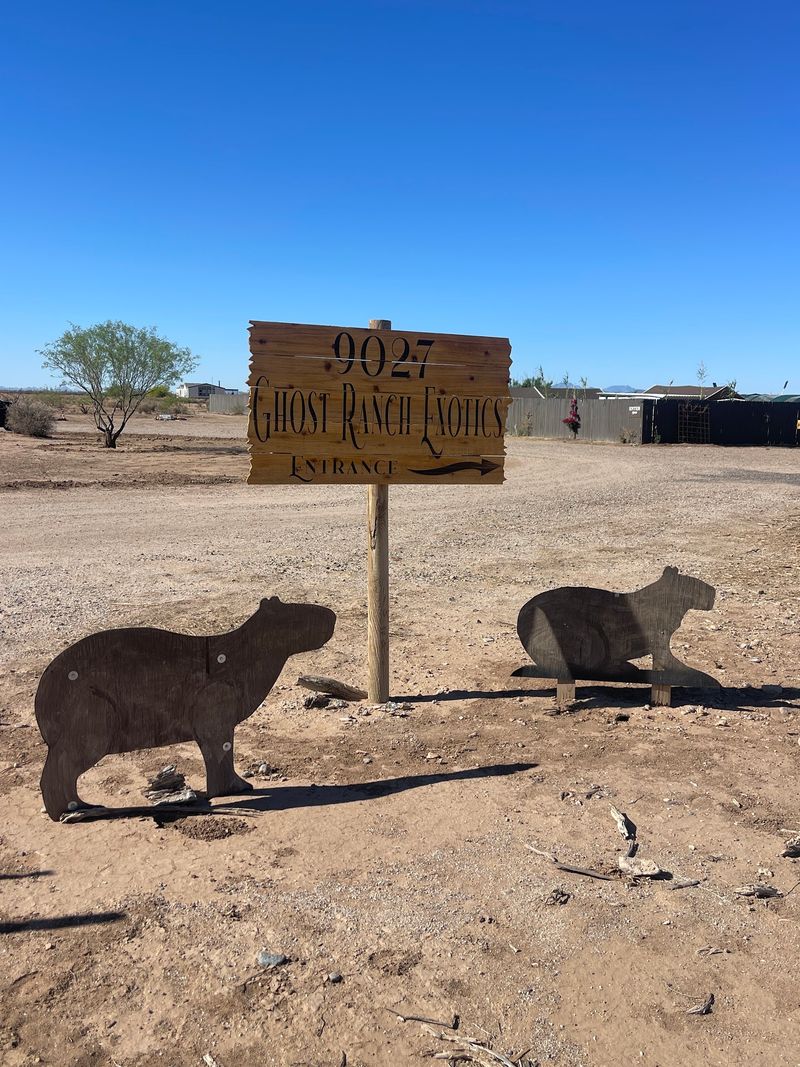
Out on the quiet western side of Marana sits Ghost Ranch Exotics, a small exotic animal farm at 9027 Ghost Ranch Rd, Marana, AZ 85653.
It is listed as a zoo, but it works more like a hands-on encounter ranch. The property also goes by the name Funny Foot Farm, which hints at the lighthearted mood here.
The setting is truly remote. Locals describe it as being in the middle of nowhere, and that is part of the appeal.
There is no crowd shuffling past railings, and no line at a ticket booth. Visits are reservation only, and each tour is private for just you and your group.
For Tucson residents, it makes an easy half-day outing. Phoenix families can turn it into a longer weekend drive south.
The ranch has gathered more than a thousand public impressions online, with an average of 4.6 stars. Capybaras come up far more than any other animal, which tells you exactly who the headliners are.
Still, the cast list runs much deeper than one famous rodent, and the next sections meet them one by one.
2. How the Ranch Came to Be
Every good ranch has an origin story, and the guides here enjoy telling this one.
Tours often include background on the owners and how the place got started. Some groups even meet an owner in person, who takes time to share stories about the animals and the ranch itself.
The guides explain more than names and diets. They talk about the habitat, the reasons behind how things are set up, and the benefits of the sanctuary for the animals living there.
That context changes the visit. A petting session becomes a small lesson in how a family-run exotic farm operates in the Sonoran Desert.
The ranch is also still growing. Plans to improve the enclosures and expand the offerings come up often, and guides have mentioned that sloths may be joining the lineup soon.
That makes this a place worth checking on from season to season. What you see this year may be only one chapter of a longer story.
Keep an eye on the website for updates, since new arrivals could change what a tour includes.
3. Meet the Capybara Welcome Committee
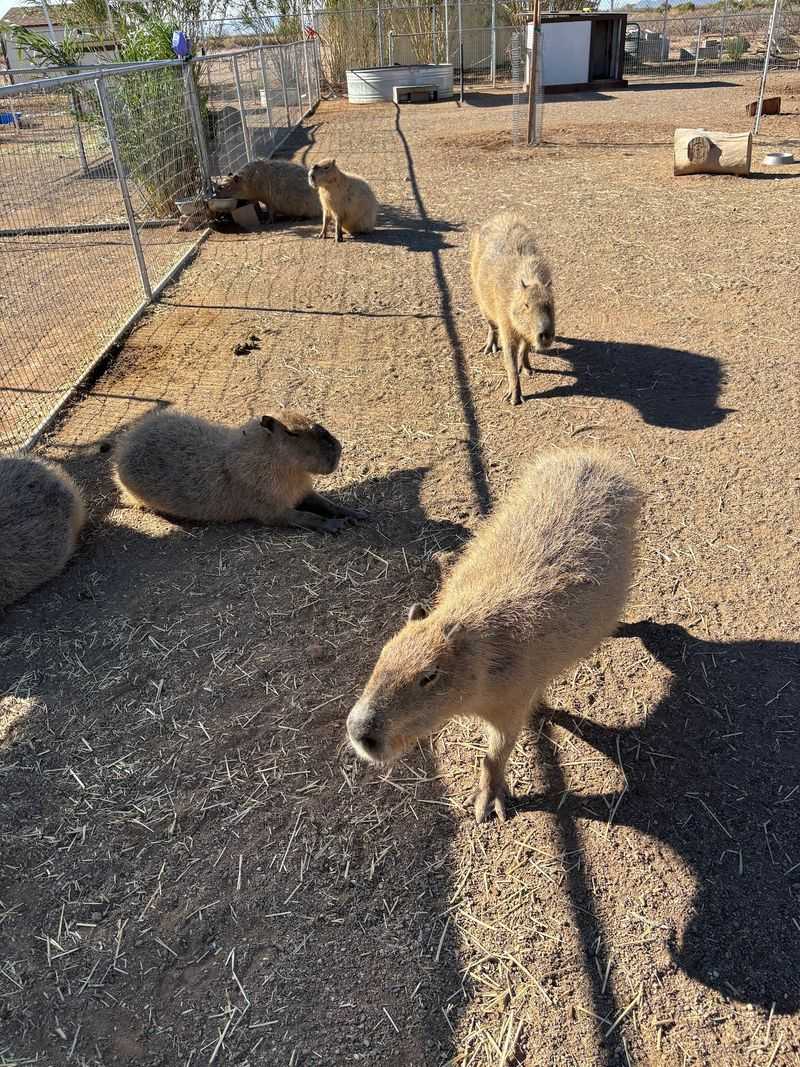
Capybaras do not wait politely for an introduction. They come straight over.
The ones at this ranch grew up being bottle fed, so they are very used to people. They follow guests around looking for snacks and attention, which is exactly what most people came for.
The capybara portion usually takes up the longest stretch of the tour. Guests sit in the enclosure, hand out lettuce, and give belly rubs to the ones who roll over for them.
Several capybaras may climb right onto your legs. Some settle into laps for a long while, and at least one has been known to fall asleep there.
Each animal has its own name and personality. Guides share personal details about every capybara, so you leave knowing who is the snack hunter and who is the napper.
Their coats are bristly rather than fluffy, which surprises plenty of first-timers. The calm attitude, however, matches every online video you have seen.
Bring a fully charged phone, because the photo count tends to climb fast.
4. The Maras Next Door
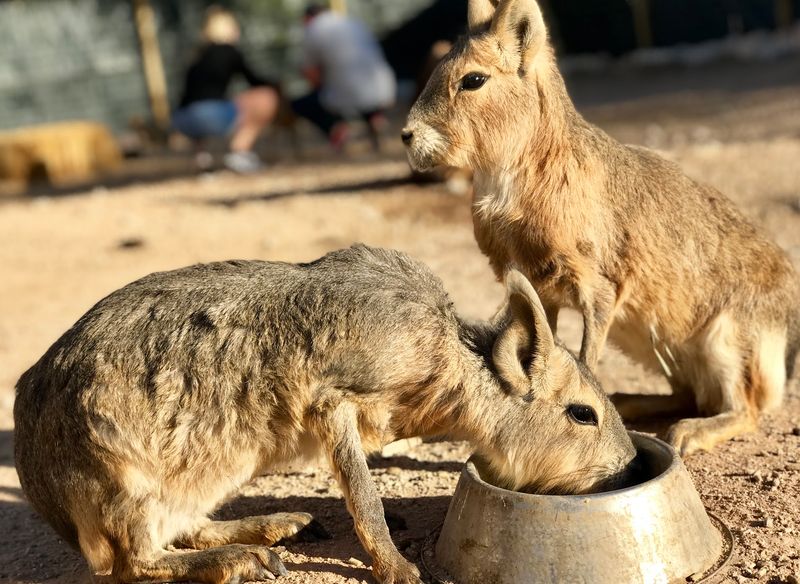
Most people have never heard of a Patagonian mara before arriving. Most leave as fans.
The maras share the enclosure with the capybaras. They are long-legged rodents from South America, and they look a bit like a cross between a rabbit and a small deer.
Because they live alongside the capybaras, they become part of the same hands-on session. Guests get to watch them up close while the bigger rodents compete for lettuce.
They tend to steal a little of the spotlight. Many guests mention that the maras were just as charming as the main act, even though they were never on the original wish list.
Here is a quick fun fact. The mara is one of the largest rodents in the world, which puts this enclosure in rare company with two giants of the rodent family living side by side.
Ask your guide about their habits. Learning how two very different species share one space adds a nice layer to the visit.
5. Porcupines, a Warthog and Other Surprises
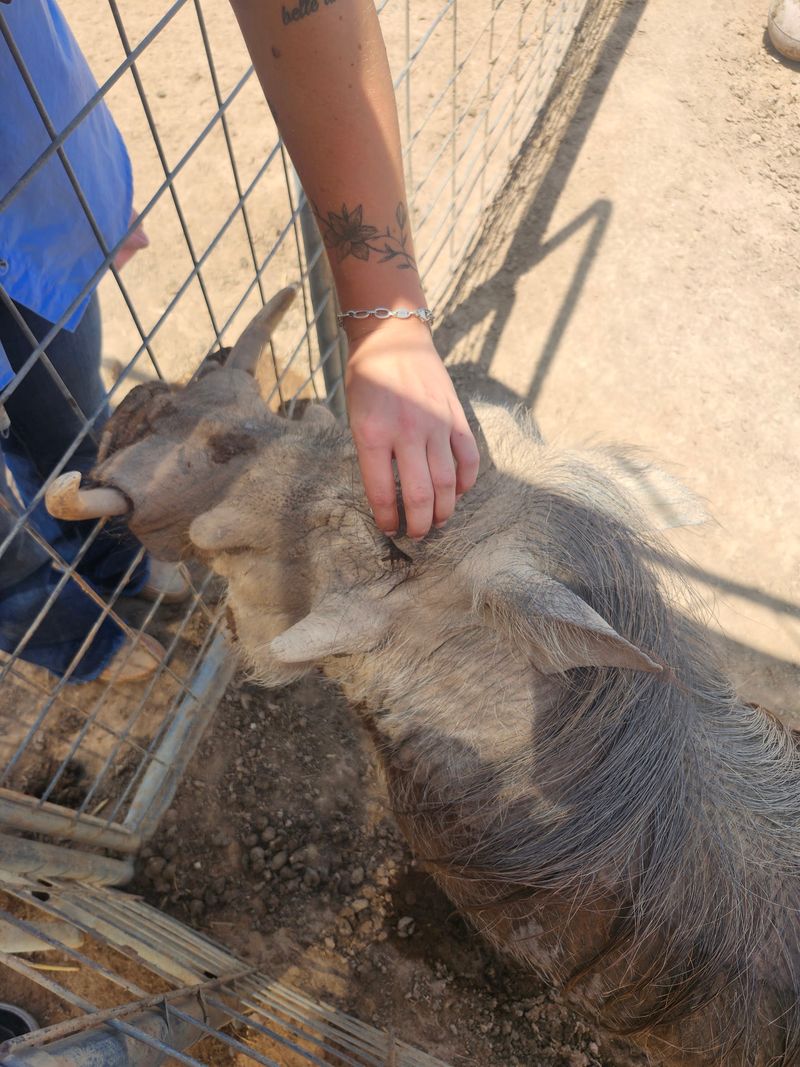
After capybara time, the tour keeps rolling, and the next stops are full of quills and tusks.
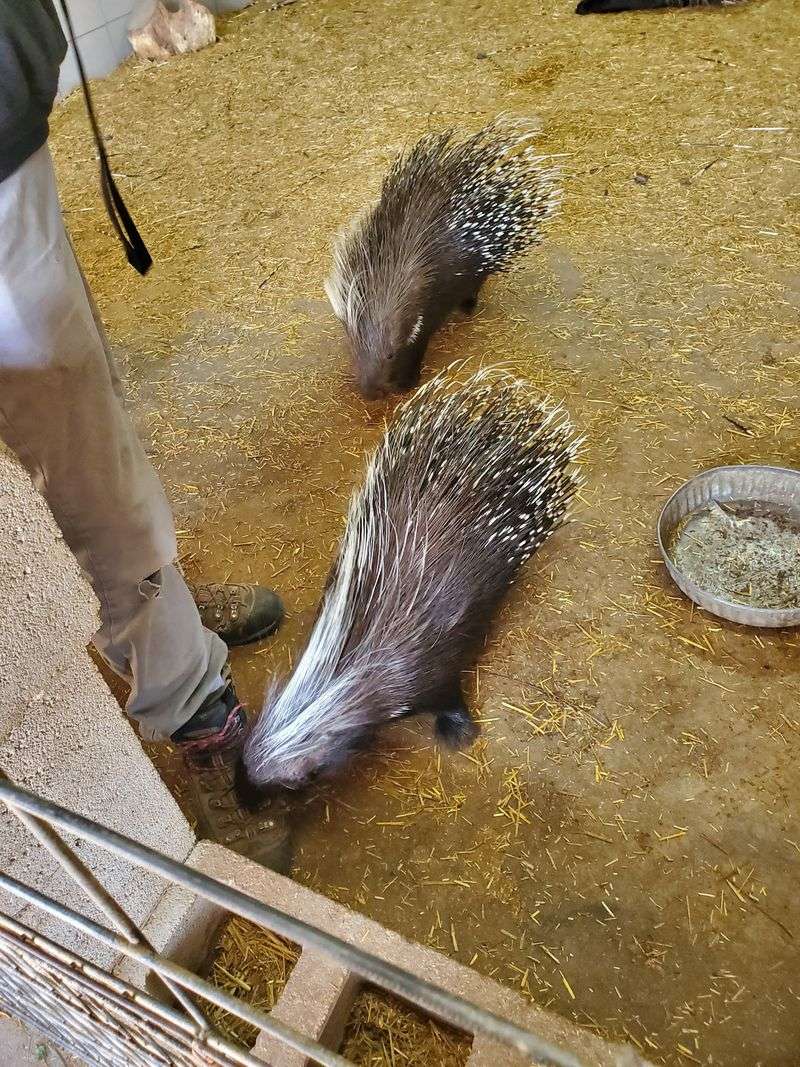
Porcupines are the second most talked-about residents at the ranch. Guests get to see them up close, and they often surprise people who expected a prickly attitude to match the prickly coat.
A warthog also lives here. It is not an animal most Arizonans expect to meet on a Saturday outside Marana.
The all-animal tour typically covers these stops after the capybaras and maras. Tortoises are part of the lineup too, adding a slower-paced moment to the visit.
One standout is the red-rumped agouti, which the ranch proudly calls the only friendly one in the world. Agoutis are usually skittish, so meeting a social one is a genuine novelty.
Guides keep the pace relaxed. There is just enough time at each enclosure to ask questions and snap photos without feeling hurried.
Kids especially tend to light up at this stretch, since each pen holds something new.
6. Emus, Goats and a Water Buffalo
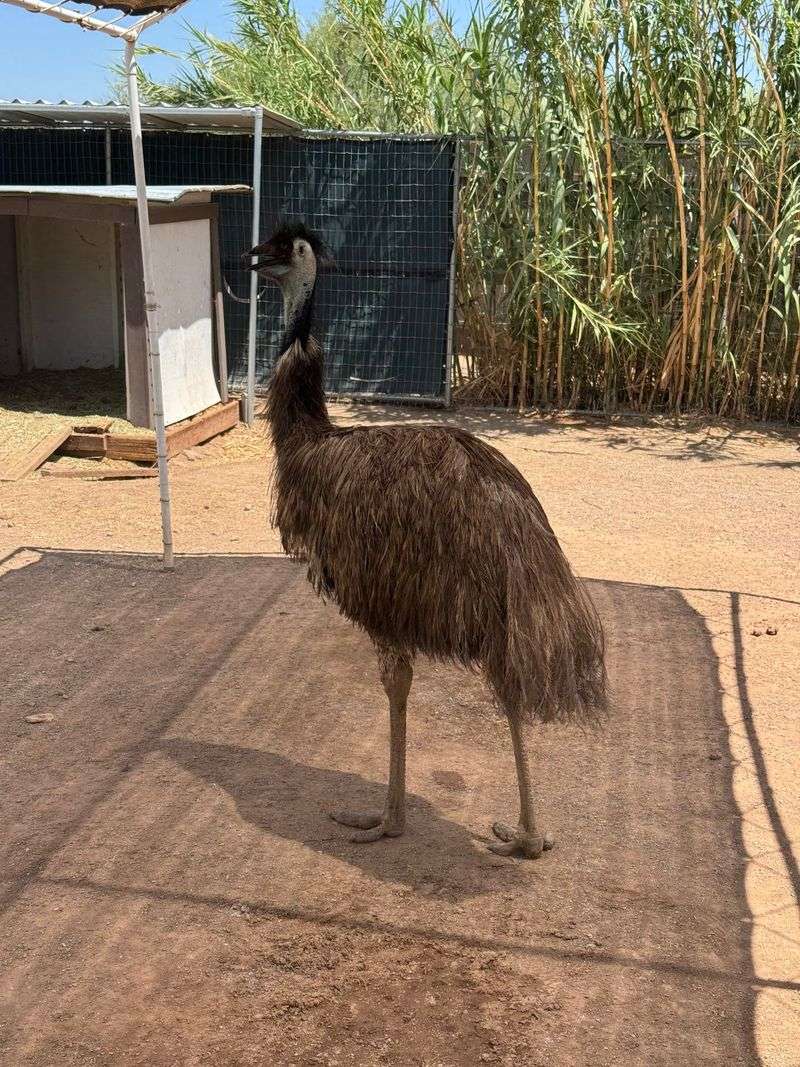
Feeding time does not end with the rodents. Just about every animal on the property gets a snack from guests.
Emus are a big part of the experience. These tall flightless birds draw plenty of attention, and they are among the most mentioned residents after the capybaras and porcupines.
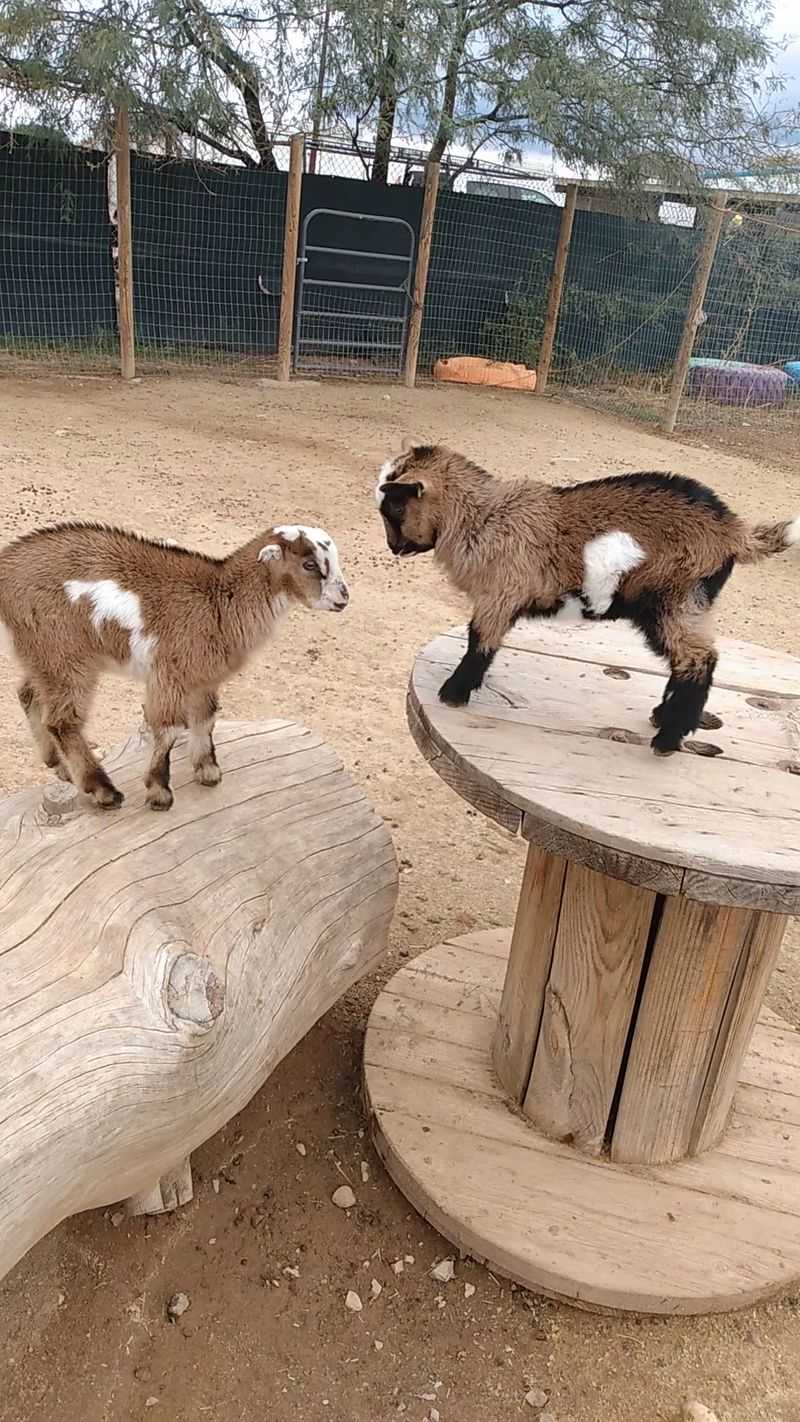
The goats are crowd favorites for younger guests. They are eager eaters, and some guests wish the capybaras got as much lettuce as the goats received.
There is also a mini donkey, often called one of the sweetest animals on the ranch. Various types of fowl wander about as well.
Then there is the water buffalo. It is a large, unexpected sight in the Arizona desert and makes for a memorable photo.
Altogether, guests interact with six or more varieties of animals during a tour. That variety keeps the hour moving and gives every family member a favorite.
The barnyard section feels like a classic petting zoo, only with a few exotic twists mixed in.
7. Guides Who Know Every Name
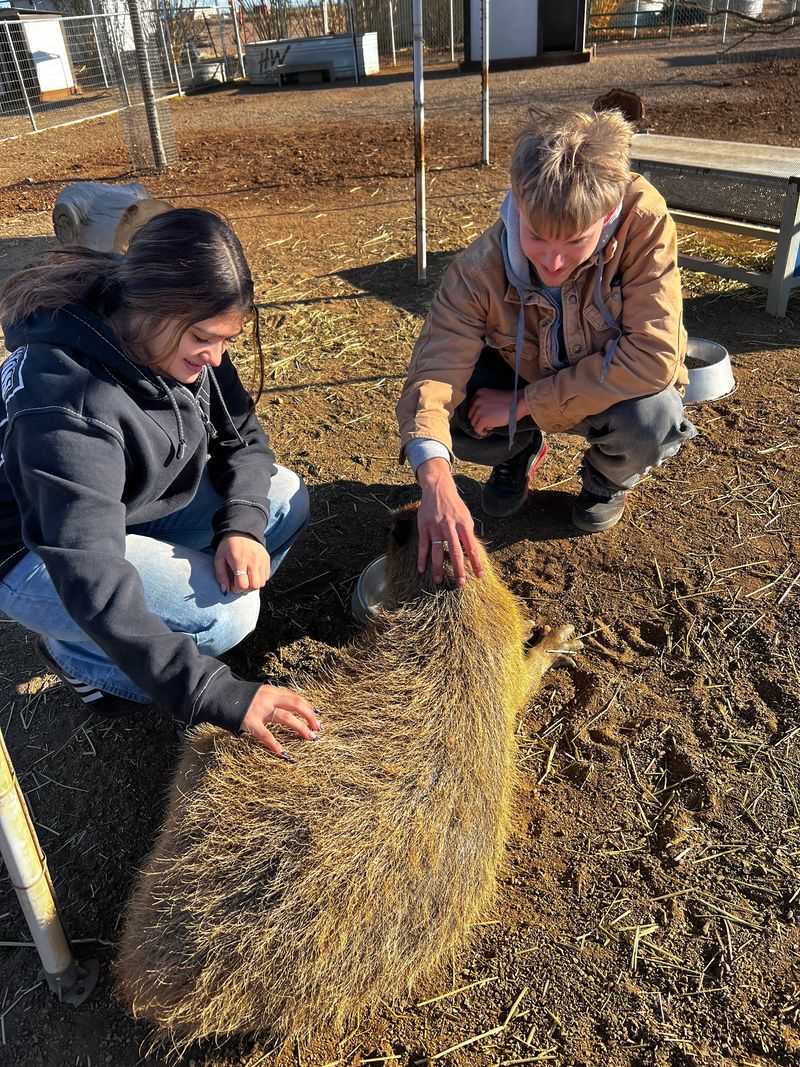
A great animal encounter depends on the person leading it, and the guides here get steady praise.
They are known for being knowledgeable, patient and genuinely fond of the animals. The animals clearly like them back, which says a lot.
Guides share general facts about each species. They also share personal details about individual animals, so a capybara becomes a named character rather than just a cute face.
Questions are welcome, and big families with curious kids tend to ask many. Guides answer them without rushing the group along.
They are also good with nervous guests. One young visitor started out scared and left calling it the best day ever, thanks to a guide who took things slowly.
Birthday surprises get handled well too. Guides help keep the secret until the big reveal.
Safety is part of the job. Guests are told about risks and proper behavior up front, and the guide stays with the group the entire time.
8. Shade, Misters and Free Drinks
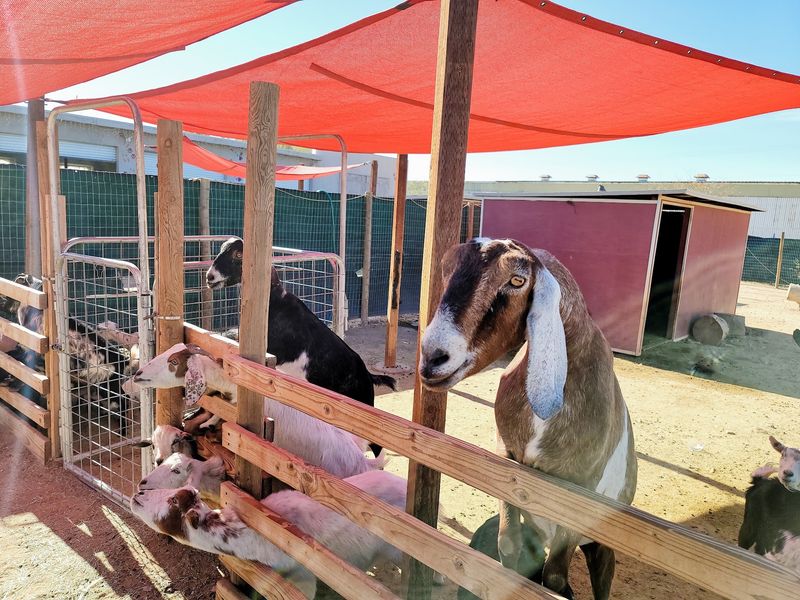
Arizona heat is no secret to locals, and the ranch plans around it.
Shade covers much of the property, and misters run around the grounds. Complimentary drinks are offered too, including sugar-free and kid-friendly options.
The enclosures are surrounded by fruit and vegetable plants. That greenery gives the desert ranch a more lived-in, farm-like look.
Even with those comforts, summer visits call for preparation. A hat and sunscreen are smart choices, especially for midday tours.
Cooler months are the easiest time to go. Fall through spring makes for a much more comfortable outdoor morning with the animals.
During hot months, an earlier booking may help. Check available tour times on the website when you reserve.
With water provided and shade overhead, a summer trip is still doable. It just rewards guests who come ready for the sun.
9. Dress for Capybara Paws
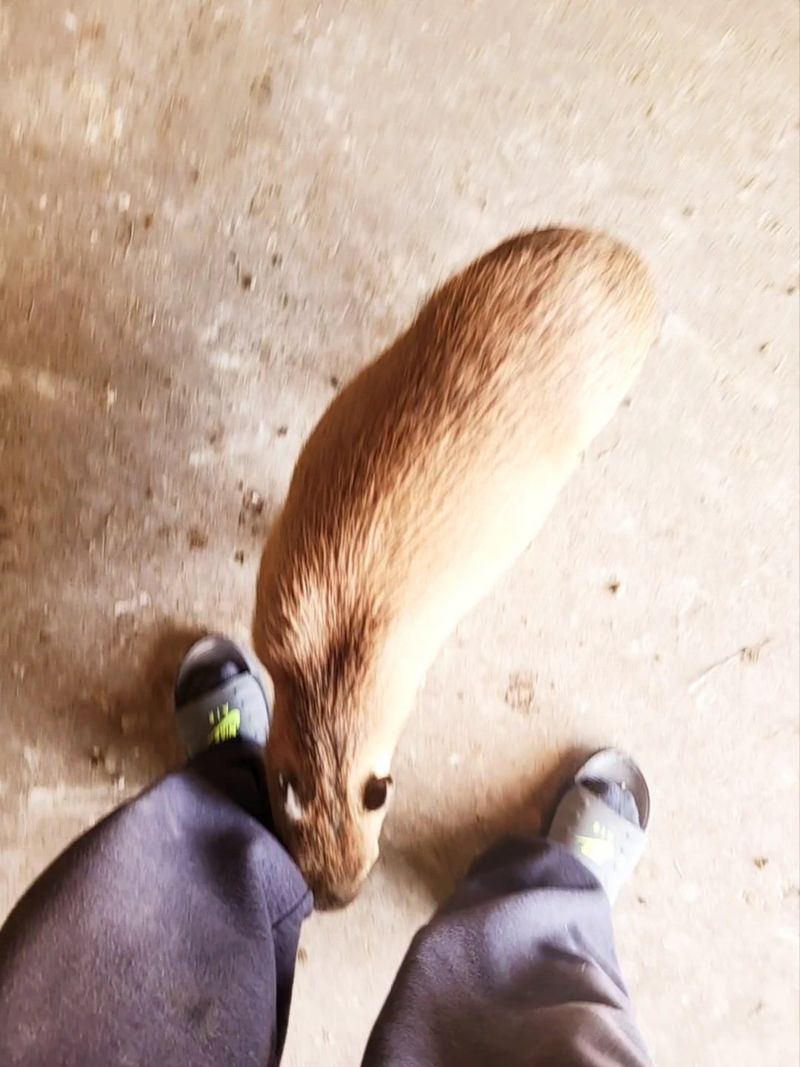
Leave the white sneakers at home. Capybaras are friendly, but they are not tidy.
They produce a lot of droppings, and the ranch sits right in the desert. Dust and dirt are part of the deal.
Since the animals often climb on legs, clothes can get muddy or dirty quickly. Rugged pants and closed-toe shoes make a lot of sense.
Consider leaving fancy outfits for the photos you post later. The animals do not care about your style, only your lettuce.
Sun gear is also part of a good outfit here. A hat, sunscreen and breathable layers can help during warmer months.
Families with small children may want a change of clothes in the car. The drive home is more pleasant without a capybara souvenir on your knees.
Getting a little messy is part of the charm. It means the animals came close enough to count.
10. Who This Hour Is Made For
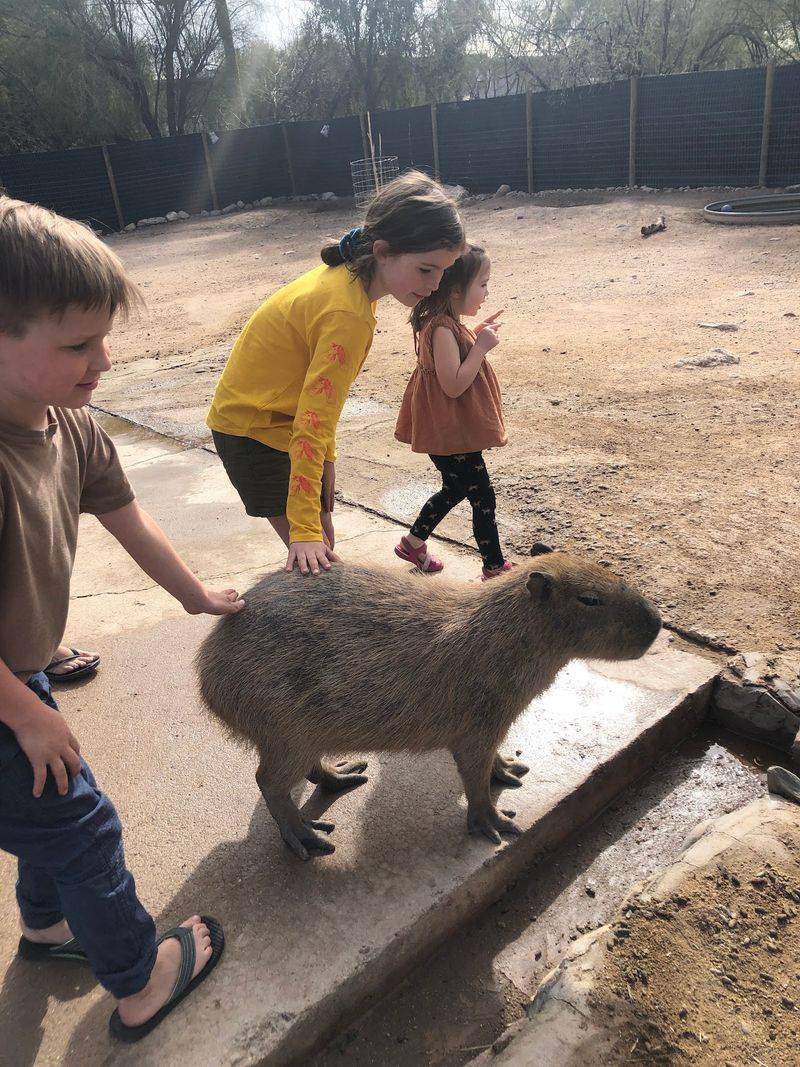
Birthdays come up again and again at this ranch. It has become a go-to place for celebrations of every age.
Guests have brought a 4-year-old, a 10-year-old, a 12-year-old and a 20-year-old capybara superfan. Adults have booked it for their own birthdays too.
A grandparent brought a grandson to celebrate finishing 7th grade, and now plans to return every year. That says plenty about its appeal across generations.
Parents often enjoy it as much as their kids do. The capybaras have a way of turning grown-ups into giddy fans.
The private format helps. Since it is just your group, the pace can adjust for toddlers, shy kids or adults who want extra time with one animal.
It is also a strong pick for anyone who has followed capybara videos online for years. This is a rare chance in Arizona to sit with one in person.
Animal-loving families will find plenty to talk about on the ride home.
11. Booking, Tours and the Resident Discount
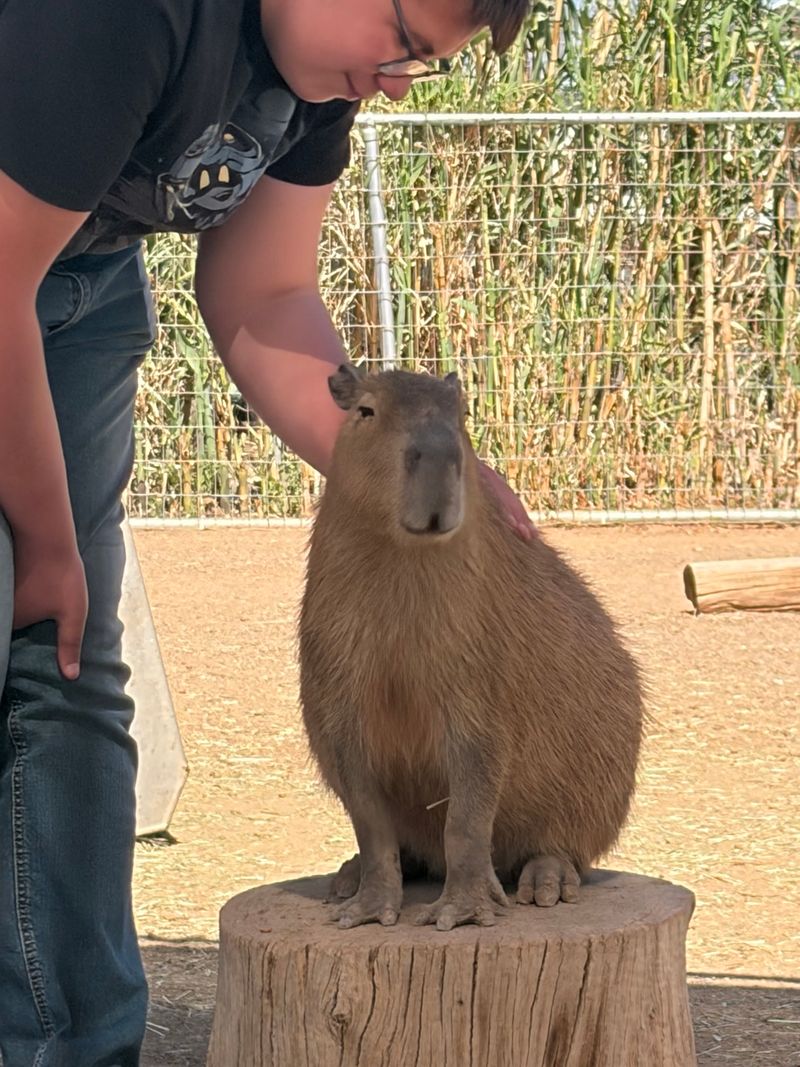
Spontaneous drop-ins will not work here. Every visit is reservation only.
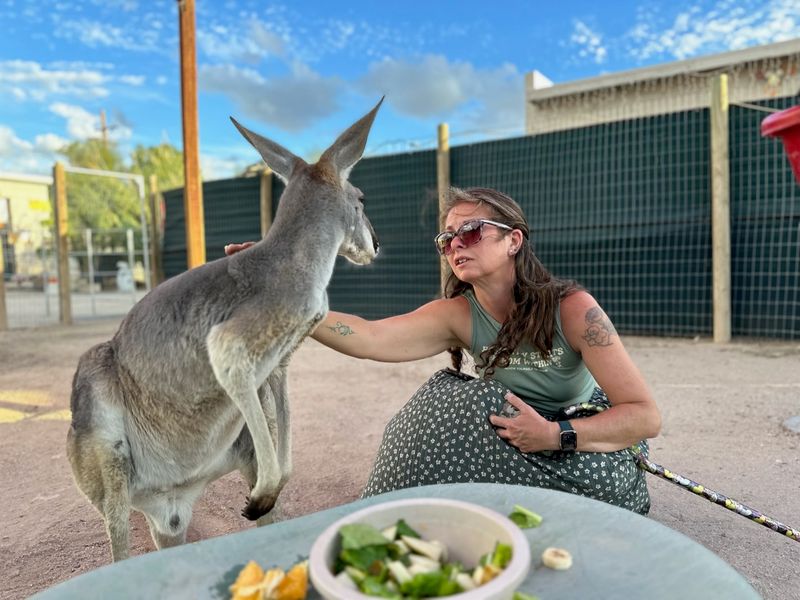
Several tour styles are offered, including a capybara experience, a kangaroo experience and an all-animal tour. The full tour covers the capybaras and maras first, then moves on to the other animals.
A typical visit lasts around an hour. Many guests say that hour felt unhurried rather than rushed.
Tours are private, and that comes at a higher price than a standard petting zoo. Many guests call it expensive yet worth it, given the cost of feeding and caring for these animals.
Here is the insider tip Arizonans will appreciate. Private tours are offered at half price for Arizona residents and military members, so bring proof of residency.
Pricing is clear up front, and guests report no surprise fees. Nothing extra is expected after booking.
Check the official website for current prices, tour options and times before you go.
12. The Drive Out and Picnic Plans
Getting there is half the adventure, mostly because of the dirt road.
The ranch website shares helpful details about the road and its speed limit. Read those notes before you head out, so the final stretch goes smoothly.
The location is remote. There is not much in the area to eat, so plan a meal stop on the way or bring food from home.
A picnic table sits in the parking area. It is a handy place for a sack lunch after the tour wraps up.
From Tucson, the trip makes an easy morning outing. Phoenix residents will be looking at a longer drive, so pairing it with other stops near Marana could make the day worthwhile.
Fill up the tank and grab snacks before leaving town. Being out in the desert means services are limited near the ranch.
Most guests agree the drive is worth it once a capybara settles in for a nap beside them.
13. Plushies and a Soft Farewell
A small gift shop waits at the end of the tour. It is the last stop before heading back to the car.
Capybara plushies and other small items are available. Nothing is pushed, and buying something is entirely optional.
That relaxed approach stands out. Families appreciate that the ranch never pressures guests to spend more once the tour is paid.
So is the trip worth it? For anyone who has dreamed of a capybara climbing into their lap, the answer leans strongly toward yes.
The private format, caring guides and wide cast of animals make it feel special. The Arizona resident discount makes it far more approachable for locals.
It works best as an occasion trip, such as a birthday or a milestone. Many guests leave already planning their next visit, especially with new animals on the horizon.
Book ahead, dress for dirt and bring lettuce-ready hands. The capybaras will handle the rest.
Share this story