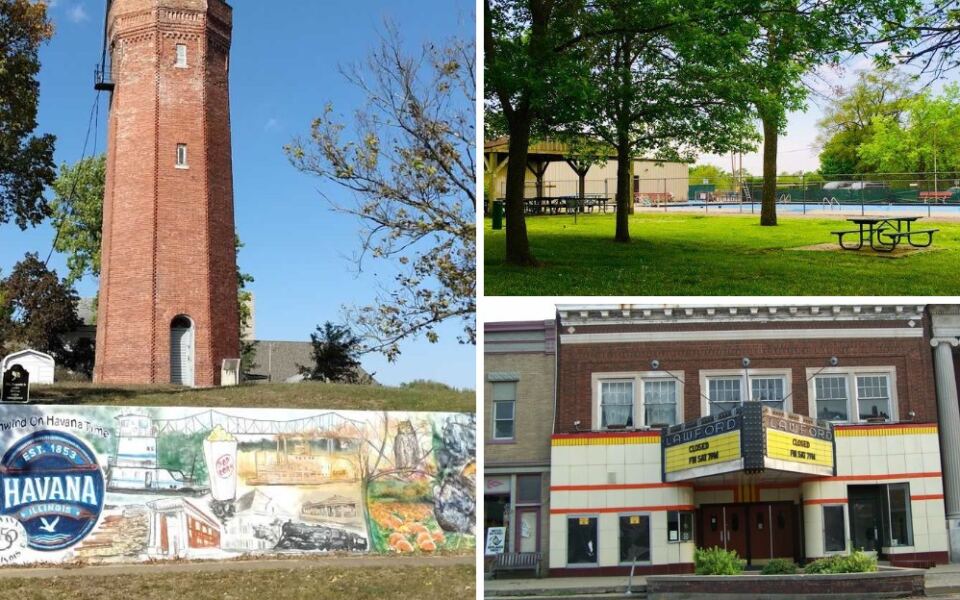
An 1889 brick water tower still rises above this little Illinois river town, looking almost like an old-fashioned lighthouse. It’s one of the most unusual landmarks I can think of in the Midwest.
The town sits beside a wildlife refuge where huge flocks of ducks, geese, and pelicans stop during migration. Bald eagles show up in winter too. That’s a lot of feathered company for one small Illinois community.
A shady riverfront path lets you watch barges slide by at their own patient speed. Nobody here seems to be in a rush, and honestly, the river sets the tempo.
I like how this place asks almost nothing of you. Bring a camera, walk slowly, and let the afternoon stretch out. I believe a few quiet hours here could reset an entire week.
Let The River Set Your Pace Along The Waterfront
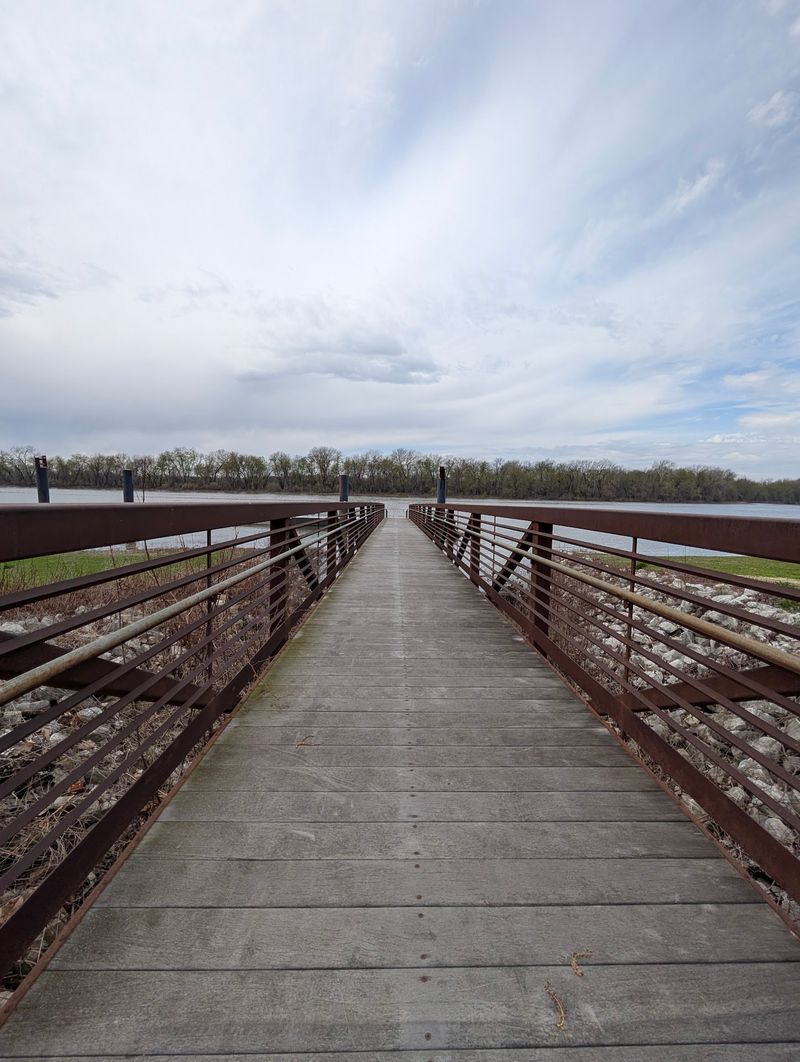
Big rivers move slowly, and Havana, Illinois USA follows their lead. This Mason County seat sits right on the east bank of the Illinois River, so the water is never far away.
Riverfront Park is the natural starting point. It stretches along the shoreline with grassy space, benches, and a path made for unhurried strolling.
You can watch towboats push barges up and down the channel. The Illinois River is a working waterway, so commercial traffic still passes through town today.
That makes the view more interesting than a still pond. Each barge looks like a floating city block slowly sliding past the trees.
Spring and fall tend to bring the best walking weather. Summer afternoons can be warm and humid, so a water bottle and some shade will help.
Bring a folding chair if you plan to linger. Nobody will judge you for doing absolutely nothing except watching the current for an hour.
The river can rise in wet seasons, sometimes reaching the low parts of the park. Checking conditions before you go is smart. When the water behaves, though, this stretch of shoreline feels like the town’s front porch.
Yes, That Old Water Tower Is Worth A Closer Look
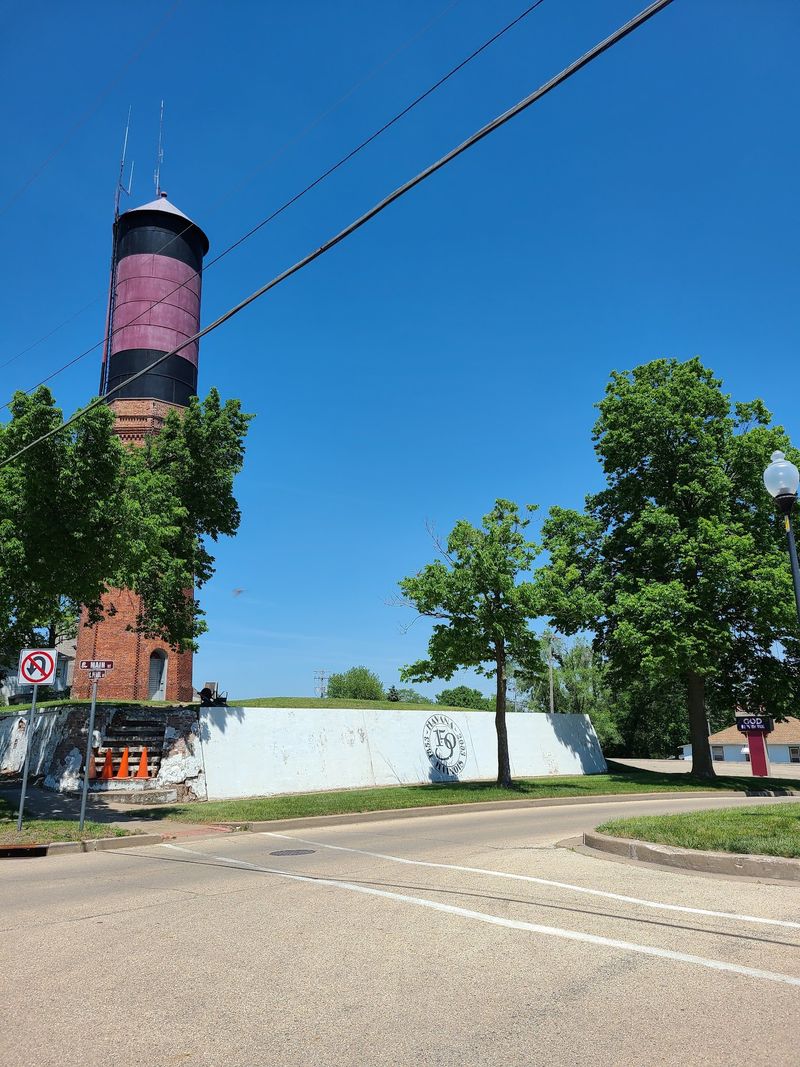
Most water towers are boring metal tanks on skinny legs. Havana’s riverfront version breaks the mold, and it has become one of the town’s best-known sights.
The historic tower stands at Main and Pearl Streets, overlooking downtown and the Illinois River.
Built in 1889, it once helped supply the town’s municipal water system and maintain water pressure for homes, businesses, and fire protection.
Today it works more like a giant postcard. It’s tall, unusual, and easy to spot from the park paths.
History buffs will enjoy reading any posted information nearby. Photographers will enjoy the strong lines against an open Illinois sky.
Try visiting in the late afternoon. Softer light makes old structures look extra handsome, and the river behind it adds a calm backdrop.
Kids usually get a kick out of it too. A grown-up can explain how towns stored water before modern systems, which turns a stroll into a sneaky history lesson.
Pair the tower with a lap around the park. It’s a quick stop, but it gives you a real sense of how much the river mattered here. Few small towns can claim a landmark quite this distinctive.
Bring Binoculars Because The Birds Steal The Show
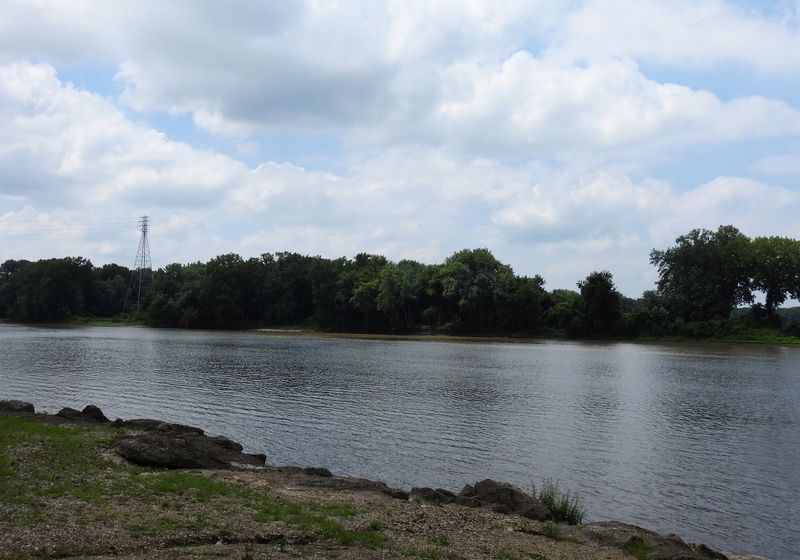
Thousands of ducks and geese can crowd the sky just north of town during fall migration. That spectacle happens at Chautauqua National Wildlife Refuge, managed by the U.S. Fish and Wildlife Service.
The refuge protects backwater lakes and wetlands along the Illinois River. It sits along the Mississippi Flyway, a major migration route for waterbirds.
American white pelicans are a big highlight. Their huge white wings look almost too dramatic for central Illinois, which is part of the fun.
Shorebirds, herons, and egrets also use the shallow waters. In colder months, bald eagles often hunt along the river nearby.
An observation area and trails give you places to scan the water. Binoculars are a must, and a simple bird guide app can help name what you see.
Timing matters a lot here. Spring and fall migrations usually bring the most action, while midsummer can feel quieter.
Some areas may close seasonally to protect wildlife, so check current refuge rules before heading out. Then move slowly and keep voices low. The birds reward patience, and patience happens to be the whole point of a Havana afternoon.
Walk Among Ancient History At Dickson Mounds
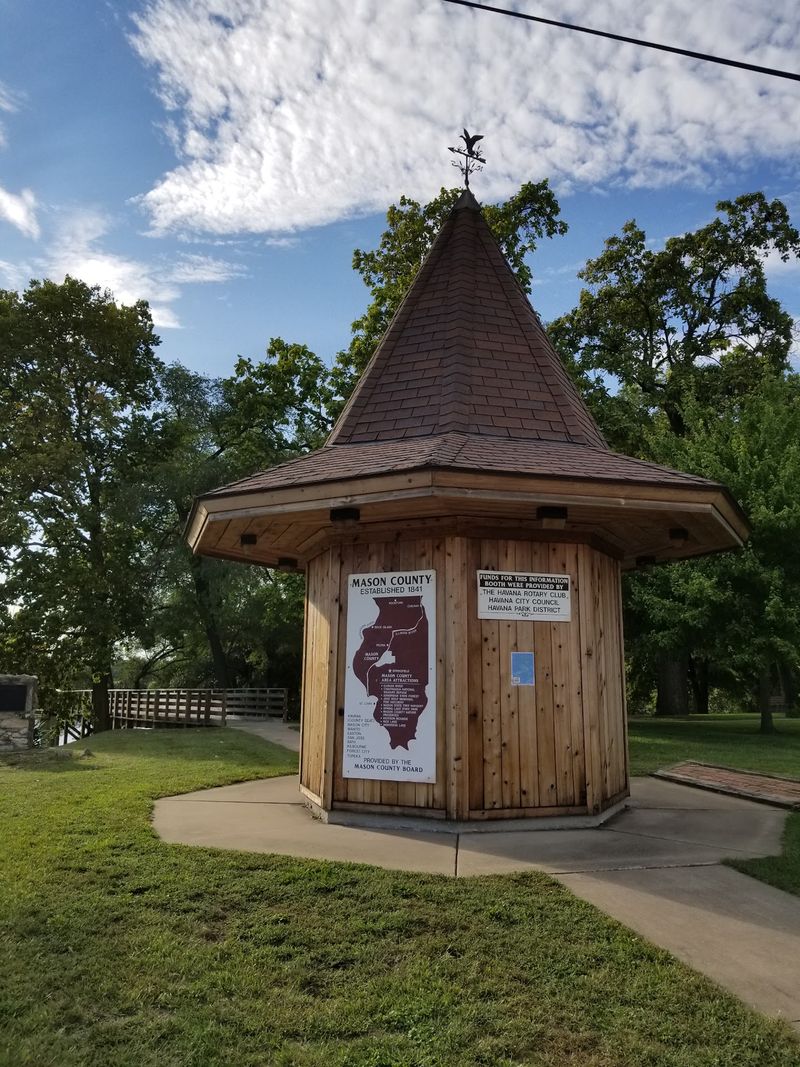
Long before Havana had streets, people lived and built mounds along this valley. Dickson Mounds Museum, a short drive across the river near Lewistown, tells that story.
The museum is part of the Illinois State Museum system. It focuses on Native American cultures of the Illinois River valley across thousands of years.
Exhibits cover daily life, tools, and the changing landscape. The setting on a bluff gives you wide views of the valley below.
Admission has traditionally been free, which makes this an easy add-on to your day. Hours can change, so confirm before you drive over.
Outside, the grounds include walking trails and nearby archaeological sites. It’s a great way to stretch your legs after time indoors.
The area around Havana itself is linked to the Havana Hopewell culture. Archaeologists named that culture after mound sites found near town, so the name carries real weight.
That connection makes a visit feel extra meaningful. You’re not just learning about a distant place. You’re learning about the very ground you’ve been strolling along all afternoon, which is a pretty cool twist.
Stroll A Downtown Built For Small Errands And Big Pauses
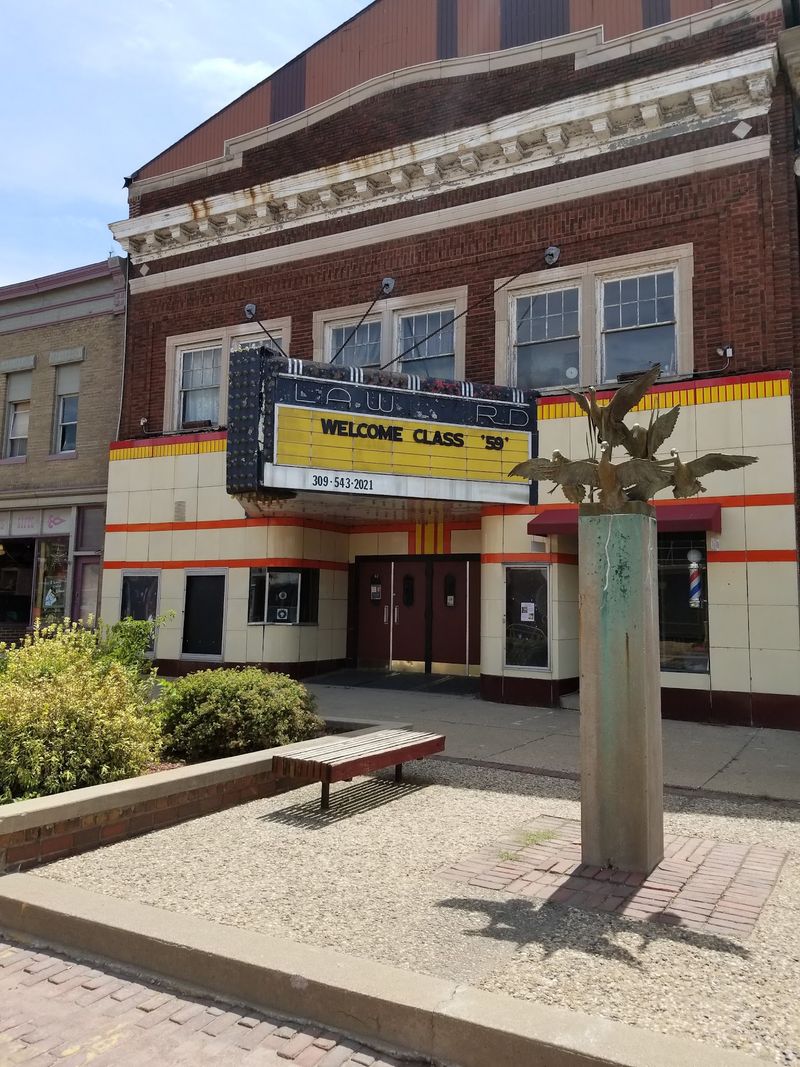
Brick storefronts and a county courthouse give Havana’s downtown a classic Midwestern look. It’s compact, which means you can see it without a map.
As the seat of Mason County, Havana holds the Mason County Courthouse. The building anchors the town and makes a handsome background for a photo.
Downtown shops and local businesses come and go over time. Checking current hours before your trip saves you from staring sadly at a closed door.
Small-town shopping works best without a strict plan. Pop into whatever is open, browse slowly, and chat politely if the moment feels right.
Parking is usually simple in a town this size. That alone makes the experience calmer than any big-city shopping trip.
The walk from downtown toward the river is short and pleasant. You can easily link a few errands with time at the waterfront.
Look up at the older building details as you go. Cornices and old signs hint at the busy river-trade era of the past. It’s a quiet history lesson printed right on the bricks, and it costs nothing to read.
Cast A Line Where Fishing Is A Way Of Life
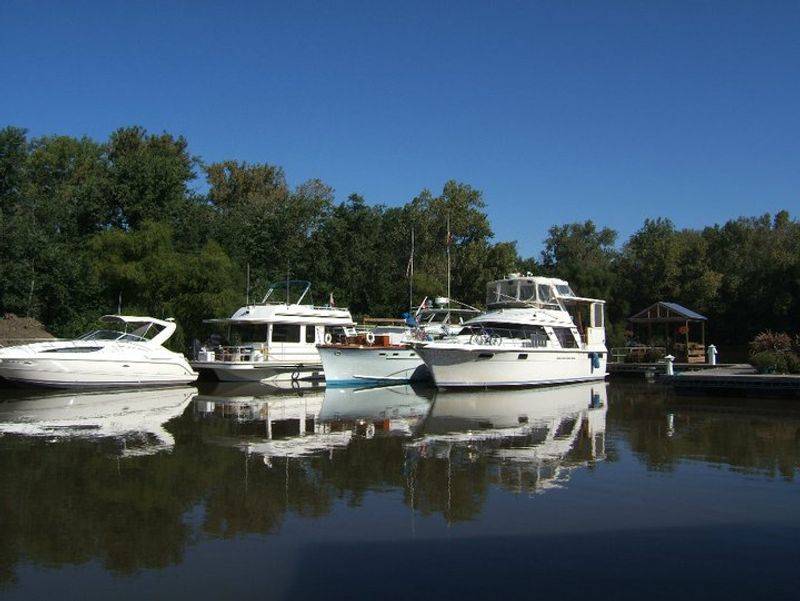
Fishing has deep roots in this river town. In earlier decades, the Illinois River supported major commercial fishing, and Havana sat right in the middle of it.
Today, recreational anglers still chase catfish, bass, crappie, and other species. Backwater lakes nearby add even more options.
A public boat ramp along the river gives boaters easy access. Bank fishing is another relaxed choice if you’d rather keep your feet on land.
You’ll need a valid Illinois fishing license if you’re old enough to require one. Rules on size and limits can change, so review current state regulations first.
Patience is the main skill here. The river doesn’t hurry, and the fish clearly agree with that philosophy.
Bring sunscreen, bug spray, and snacks for a longer session. Afternoons on the bank can slip away fast when the bobber stays stubbornly still.
Even a fishless outing has perks. You get fresh air, river views, and maybe a heron fishing better than you. Losing a contest to a bird is humbling, but it makes a great story later.
Find Wide Open Quiet At Sand Ridge State Forest
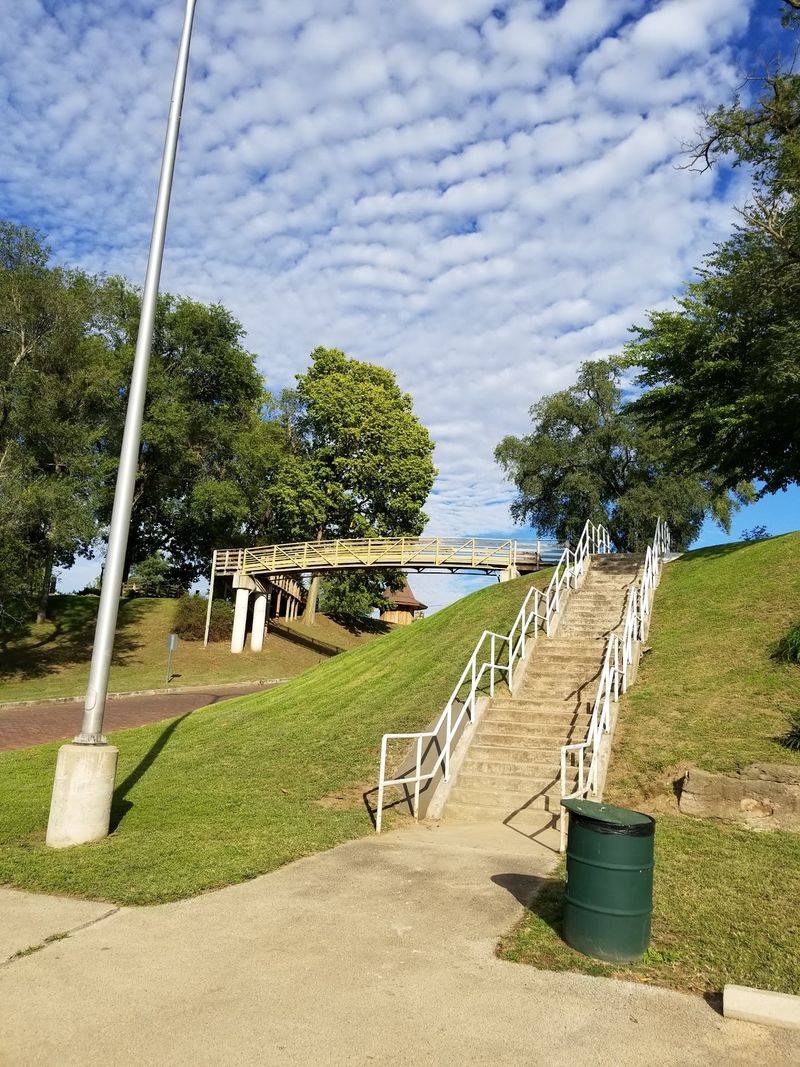
Sand dunes in central Illinois sound like a typo. Yet Sand Ridge State Forest, northeast of Havana, sits on ancient sandy soils left by long-ago floods and winds.
The forest covers thousands of acres with pine plantations and oak woods. It’s one of the larger state forests in Illinois.
Miles of trails welcome hikers, and some routes also serve horseback riders. The sandy paths can feel softer underfoot than typical dirt trails.
Wildlife watchers may spot deer, songbirds, and other woodland residents. The landscape also supports plants suited to dry, sandy ground, which surprises many first-timers.
Picnic areas offer a nice place to refuel. Pack your own lunch, since there aren’t restaurants inside the forest.
Hunting seasons do take place here. During those times, wear bright colors and check posted rules before hitting the trails.
The drive from Havana is short enough for an afternoon outing. You’ll swap river views for pine shade, which keeps your day from feeling repetitive. Shake the sand from your shoes before you climb back in the car.
Sunset On The Bridge Might Be The Best Free Show In Town
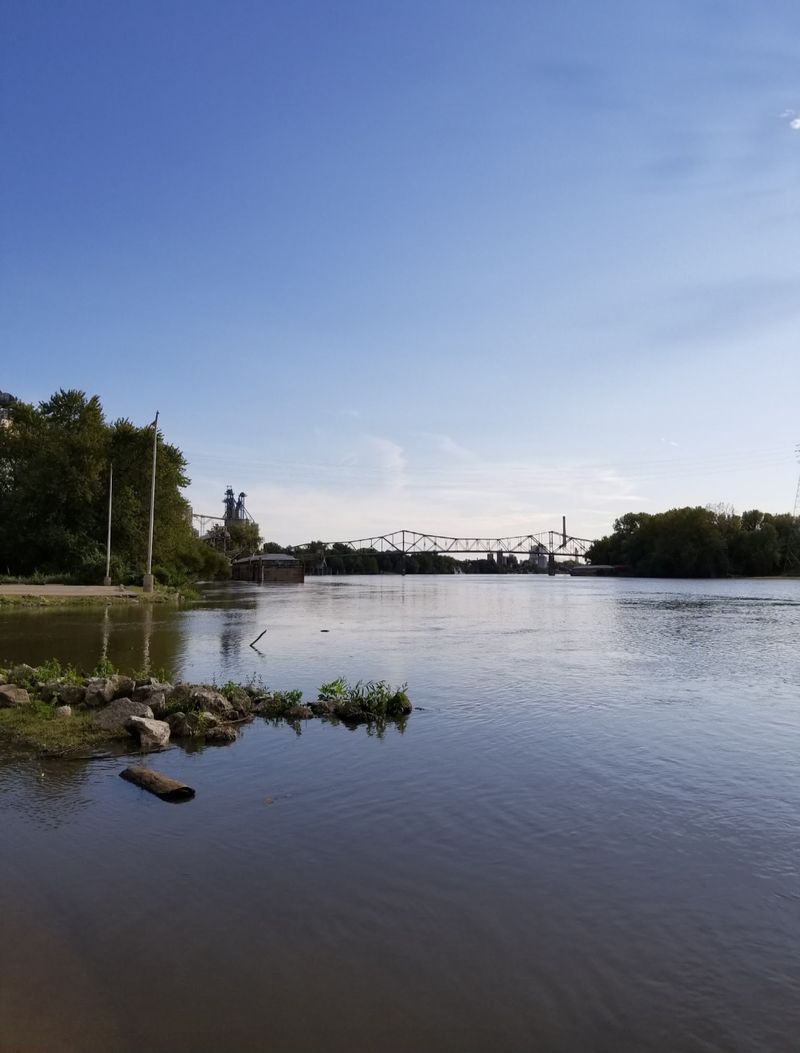
Golden light on a wide river is hard to beat. Havana gives you that view almost every clear evening, with no ticket required.
The Illinois Route 136 bridge crosses the river right at town. It connects Havana with Fulton County on the west side.
From the riverfront, the bridge frames the western sky nicely. As the sun drops, the water often turns shades of orange and pink.
Plan to stay a little after sunset too. The afterglow can be just as pretty, and the river gets wonderfully calm.
Photographers should bring a steady hand or a small tripod. Reflections on the water make the scene look twice as dramatic.
For safety, enjoy the view from parks and designated areas. Never stop traffic on the bridge to grab a photo, no matter how tempting.
This is a great way to close out your slow afternoon. You’ve walked, watched birds, and maybe fished. Ending with a quiet sunset feels like the perfect final chapter, and it costs exactly nothing, which is the best price in Illinois.
Getting There Is Easier Than You’d Guess
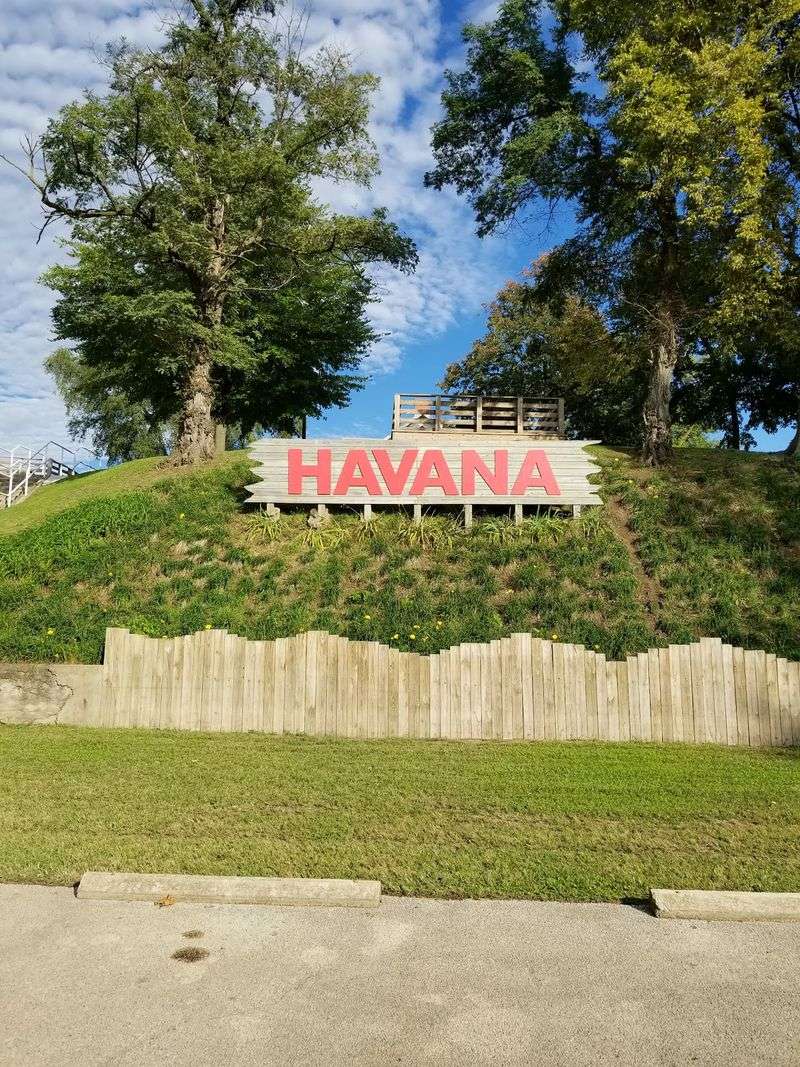
Plenty of Illinois towns feel remote, but Havana is reachable for many day-trippers. It sits about an hour’s drive from Peoria and roughly an hour from Springfield.
Highways like Illinois Route 136 and Route 78 lead into town. The drive passes farmland and river bottoms, which helps you shift into slow mode early.
Once you arrive, everything stays close together. Downtown, the riverfront, and the water tower are easy to reach within a few minutes.
The wildlife refuge, state forest, and Dickson Mounds need short drives. Grouping them smartly keeps your afternoon relaxed instead of rushed.
Fall is especially appealing for a visit. Migrating birds, cooler air, and changing leaves make a strong combination.
Spring brings its own charm with returning birds and fresh green growth. Winter can reward eagle watchers who don’t mind bundling up.
Pack layers, snacks, and a full tank of gas. Small towns can have limited options late in the day. With a little planning, Havana becomes the easiest slow getaway you never knew you needed in the state.
Share this story