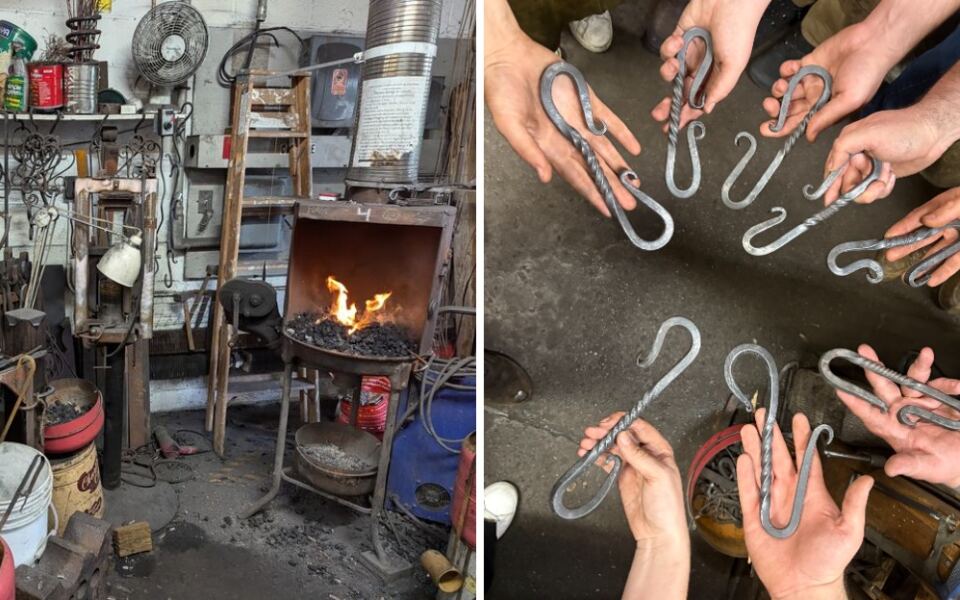
In one course here, you forge your own tongs by hand. Then you use those tongs to build your very own hammer.
Most of the tools in this small Massachusetts shop were made by the instructors and their crew. The lead smith brings about 40 years of experience, plus a background in art and acting.
Beginners get an easier start, thankfully, with short steps and plenty of patient coaching. You suit up in an apron, learn the safety rules, and then hammer glowing steel at a real forge.
I like how this turns a centuries-old trade into a fun night out, and I can’t imagine a better weekend story to share with friends. So what would you make first if the fire was already roaring and the anvil was waiting?
Your First Swing At Hot Steel Starts With A Taste
Hot steel bends when you hit it right, and that small moment feels a little like magic. Prospect Hill Forge built its beginner class, called Taste of Blacksmithing, around that exact thrill.
The class is made for people who have never touched a hammer near a fire. You learn the basics step by step, so nothing feels rushed or confusing.
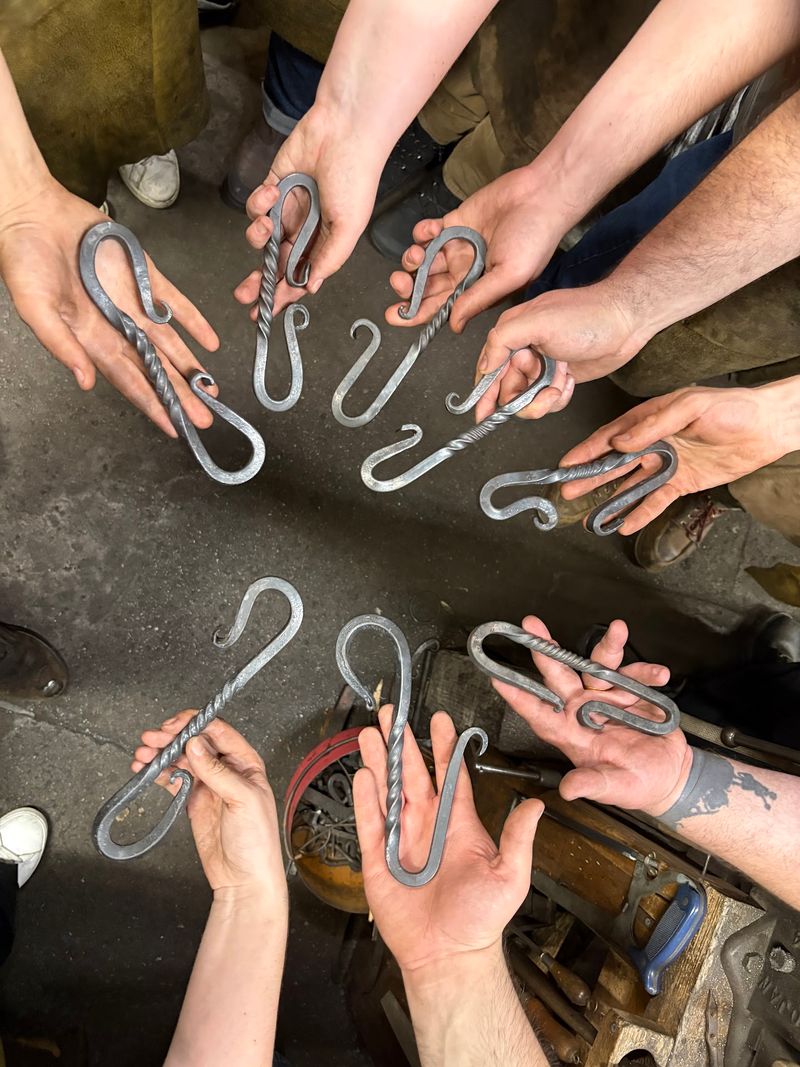
Students practice different ways to hammer and twist metal during the session. Those skills turn a plain steel bar into something useful you can carry home with pride.
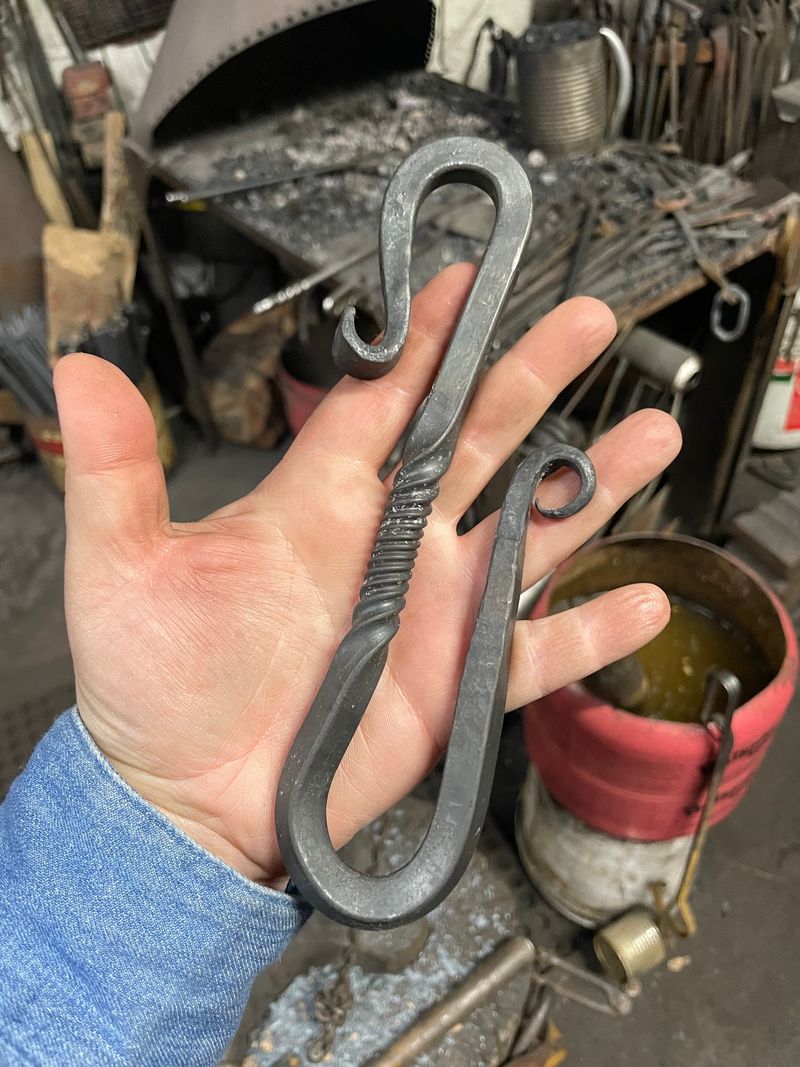
Projects in the intro classes include handy pieces like hooks, and a homemade fire poker fits that same practical spirit. Either way, you leave holding a tool you shaped yourself, which beats any store-bought souvenir.
Plan for a longer evening than you might expect. Sessions can stretch closer to four hours, because nobody here hurries you out the door.
That extra time matters when you’re still learning how fire and metal behave. It also gives you room to ask questions, try again, and finish your piece without stress.
Safety Gear Comes First, And It Looks Pretty Cool
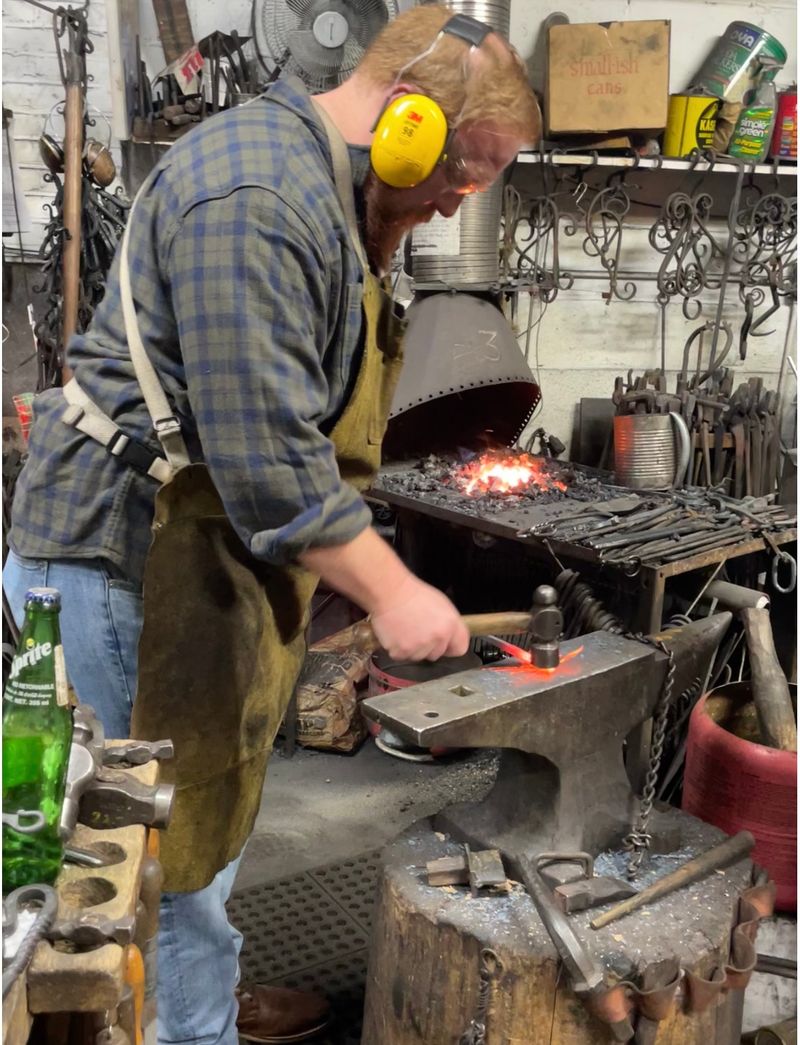
Aprons on, glasses ready, and suddenly everyone looks like a medieval apprentice. Every class kicks off with introductions and handing out protective gear before anyone goes near the heat.
Next comes a detailed safety briefing. It covers how to handle hot metal, where to stand, and how to work the forge without trouble.
Good news for nervous beginners, though. The talk is sprinkled with jokes, so the serious stuff sticks without feeling like a lecture.
After the briefing, students pair up and head to their forges together. Working with a partner keeps things social and gives you an extra set of eyes nearby.
Each step of the project gets broken down into small pieces. The instructor explains and demonstrates every move before you try it yourself.
That steady pace makes a big difference when you’re holding glowing steel for the first time. You never have to guess what comes next, and confidence builds with every swing.
Timid folks and bold folks both fit right in here. The careful setup lets everyone focus on the fun part, which is hitting things with a hammer.
The Teacher Is Part Smith, Part Artist, And Part Actor
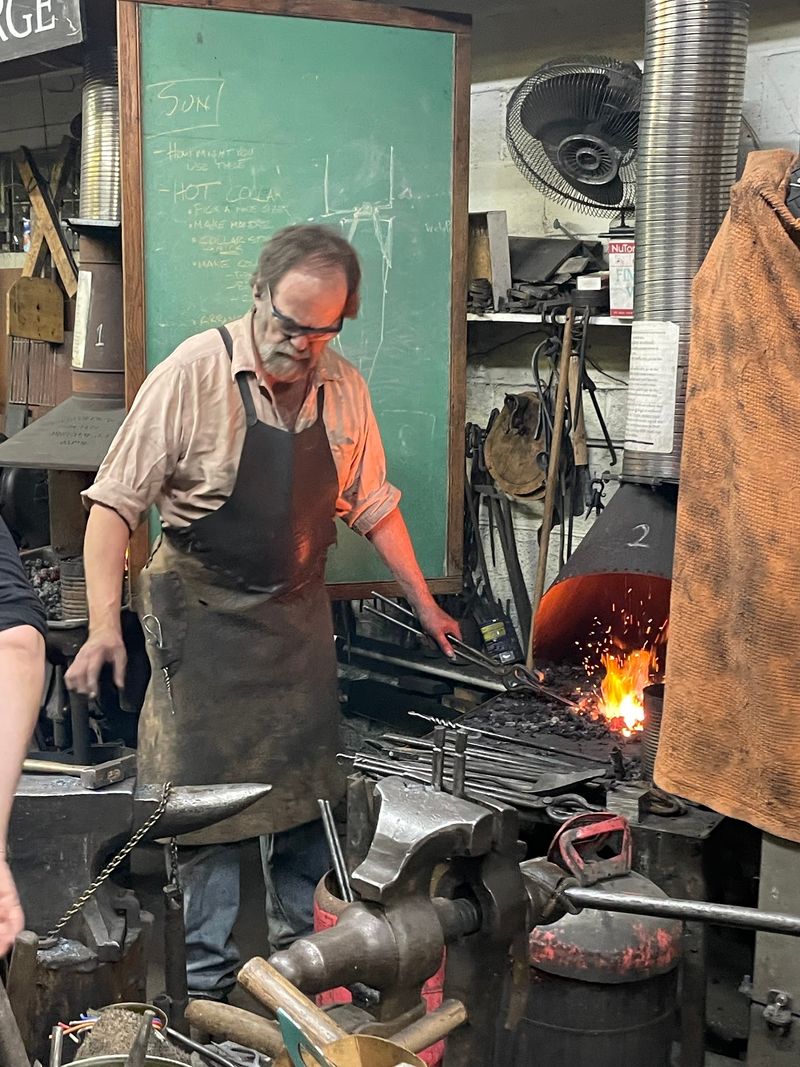
Forty years at the craft would be impressive enough. Carl West, the owner of the forge, also has a background as an artist and an actor.
He has worked with materials like glass and metal over the years. That wide experience shows up in how he talks about shaping things by hand.
The acting side explains a lot about his classes. Lessons mix hands-on work with stories, history, and plenty of laughs along the way.
Students get more than steps to follow. They hear about the art, the science, and the long history behind the trade they’re trying.
Patience is a big part of his teaching style too. Instructions come in manageable chunks, so people who learn differently can keep up comfortably.
Fun fact for anyone who lingers after class. Carl has been known to offer a quick dance lesson if you stick around a couple of minutes.
That kind of personality turns a craft class into a memorable night. You come for the steel and leave with a few stories of your own.
Finding The Shop Is Easier Than Lighting A Forge
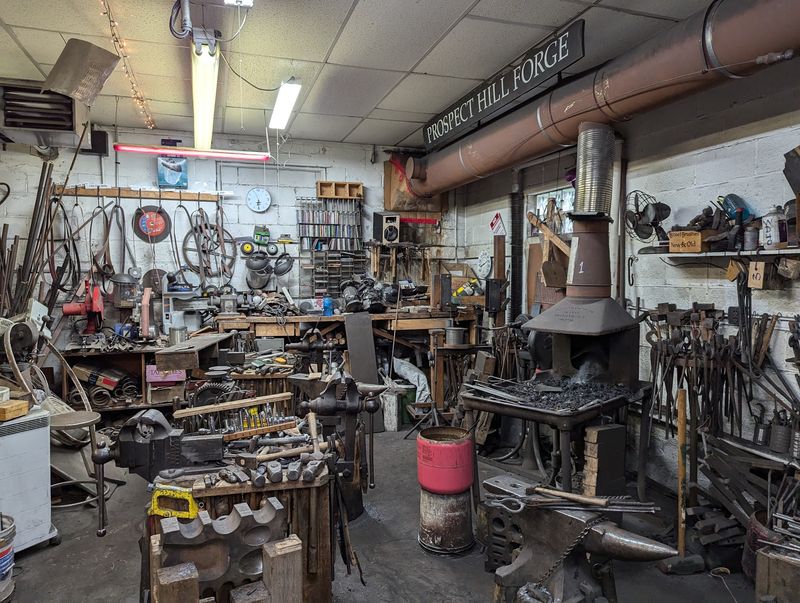
Waltham sits just west of Boston, which makes this an easy trip for a lot of folks. Prospect Hill Forge works out of 38 Guinan St, Waltham, MA 02451.
The location puts real blacksmithing within reach of the greater Boston area. You don’t need a farm or a remote barn to try this ancient trade.
Once you arrive, expect a fairly small space. That size works in your favor, since smaller classes mean more personal coaching at your forge.
Instructors can watch your hammer form closely and fix little mistakes early. That attention helps beginners learn good habits from the very first swing.
The setting itself feels intimate and a little old-world. Most of the tools around you were made by hand right here, which adds to the charm.
Massachusetts has plenty of museums where you can look at old ironwork behind glass. Here, you get to make the ironwork yourself, which feels far more satisfying.
Give yourself some buffer time when planning your trip. Classes often run long, so skip booking dinner reservations too tightly afterward.
Make The Tools, Then Use Them To Make More Tools
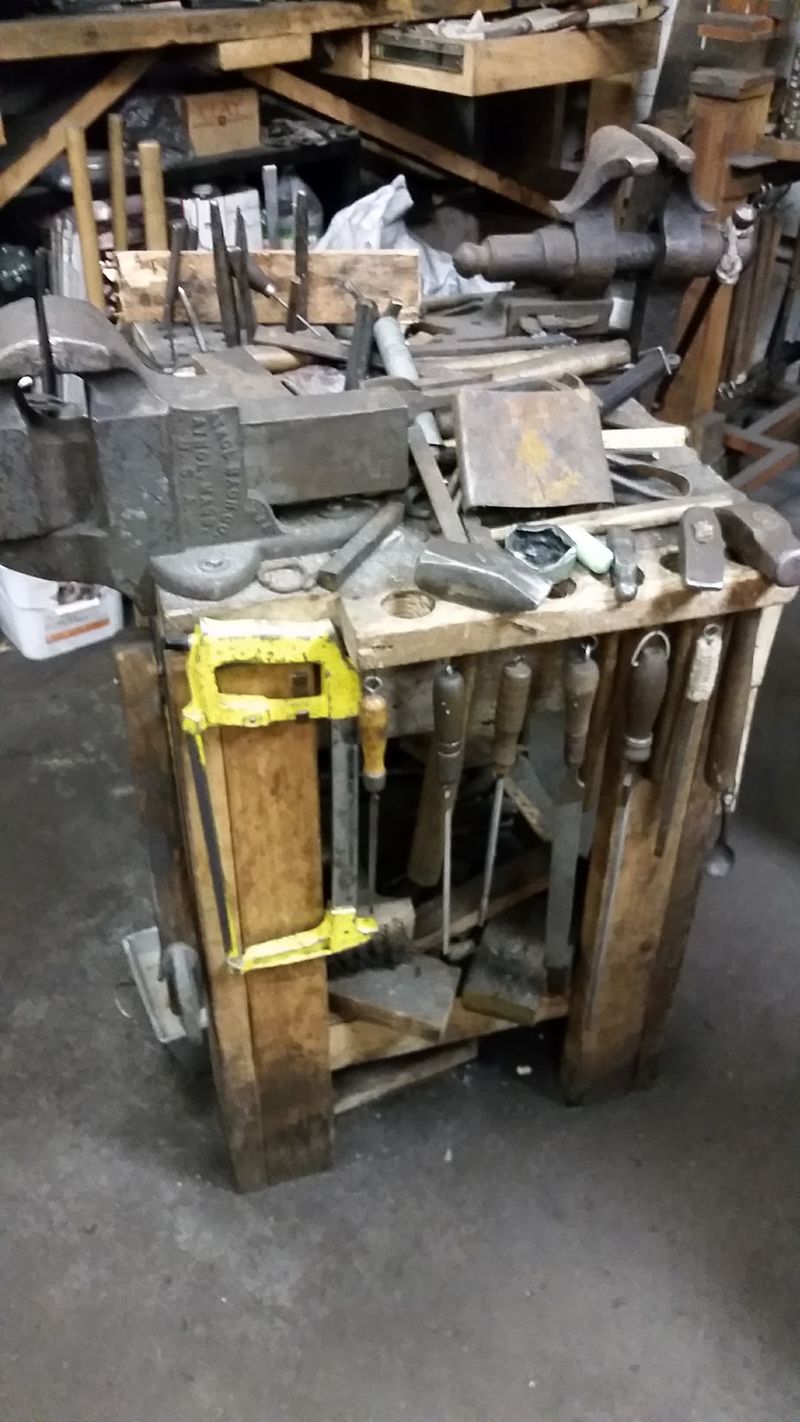
Talk about a satisfying chain reaction. The multi-week Rudiments of Blacksmithing course has students forge their own tongs and punch from scratch.
Then those handmade tools get put straight to work. Students use them to create their very own hammer, also made from scratch.
That progression teaches more than any single project could. Each piece builds skills you need for the next, like a ladder made of steel.
Willow Zeitman is one of the instructors who has led this course. Classes push students with steady challenges while keeping technique, precision, and safety front and center.
The multi-week format gives your skills time to grow between sessions. You can think about what went right, then come back ready to improve.
Picture finishing a hammer and knowing every tool behind it came from your hands. Few hobbies give you that kind of start-to-finish ownership.
This course suits anyone who caught the bug during an intro class. It turns a fun night into a real foundation for serious smithing.
Knives And Copper Flowers Are On The Menu Too
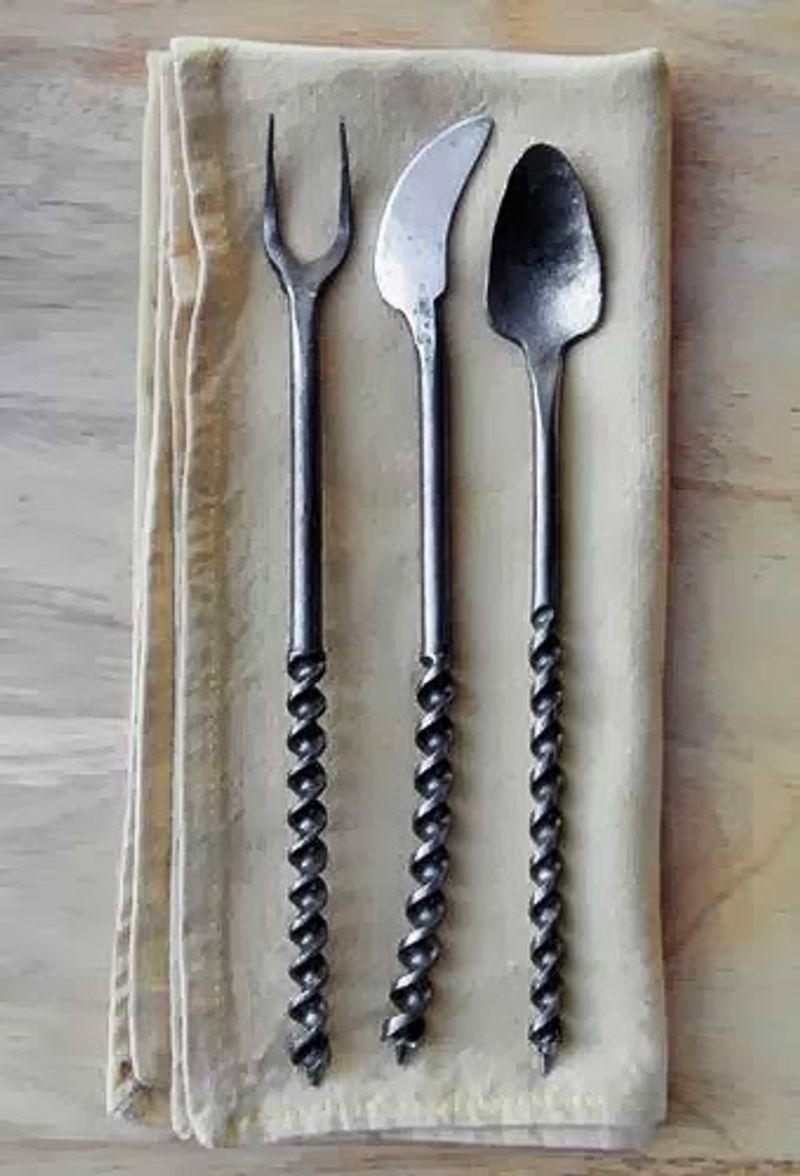
Sharp edges and delicate petals both come out of the same fire here. Prospect Hill Forge offers classes for useful items as well as artistic ones.
A knives course gives students a chance to shape their own blades. It’s a natural next step once you understand heat, hammering, and control.
On the softer side, students can also make copper flowers. Those pieces show that blacksmithing isn’t only about heavy, practical gear.
The range keeps things interesting for returning students. You can lean toward everyday tools, decorative art, or a mix of both.
After a few projects, confidence starts to build quickly. Students can then take on their own ideas, whether for decoration or daily use.
That freedom is what turns a class into a lasting hobby. Your kitchen, garden, or fireplace might soon feature pieces you forged yourself.
Choosing your next class becomes half the fun. Do you go practical with a blade, or show off with a metal bouquet?
Open Smithy Hours Keep The Sparks Flying Between Classes
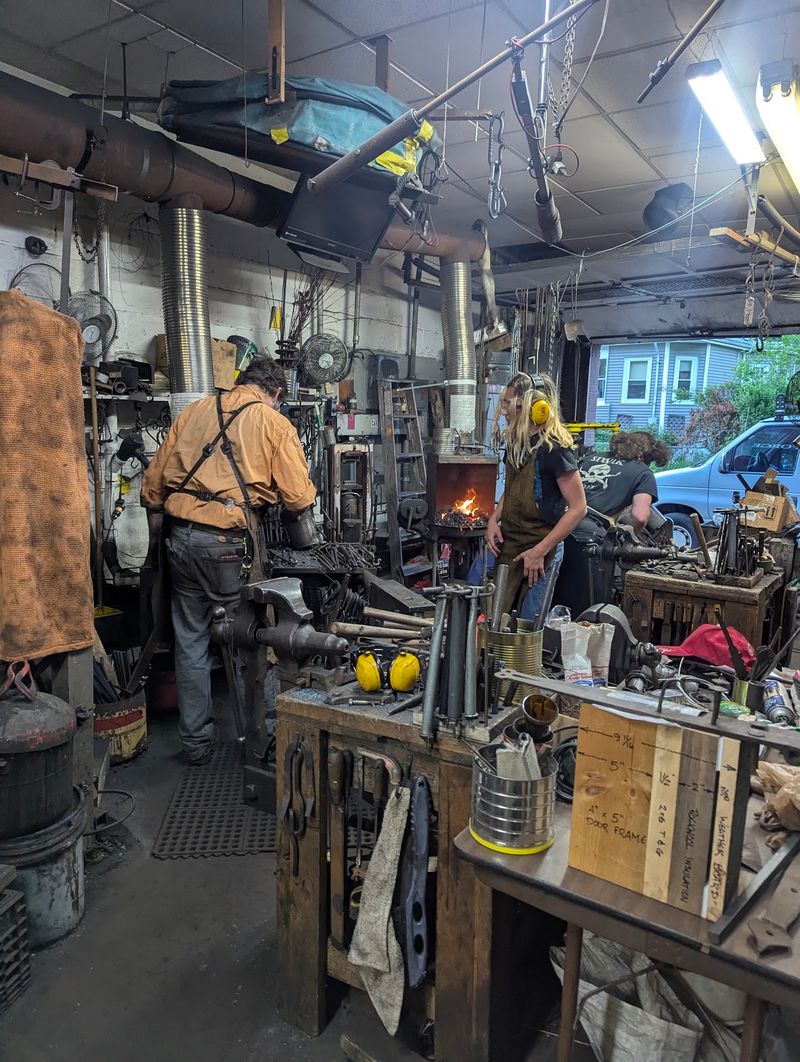
Already hooked after your first class? Open Smithy hours give students time at the forge outside of regular lessons.
These sessions let you practice skills without starting a brand-new course. You can work on fire management, hammer form, or a project you’re excited about.
Practice matters a lot in this craft. Small details like how you hold the hammer can change your results in a big way.
Some classes focus purely on those basics too. Working on fire control and hammer technique is a smart move for anyone hoping to improve.
The schedule for Open Smithy appears on the forge’s calendar. Checking it ahead of time helps you plan around your own busy week.
Owning a forge at home is a big commitment for most people. Shared shop time solves that problem nicely, with tools and space already in place.
That setup makes blacksmithing a realistic hobby for city folks in Massachusetts. No backyard anvil required, which your neighbors will probably appreciate.
Sign Up For Alerts Because Spots Go Fast
Popularity has a downside, and it shows up on the class calendar. Intro sessions at Prospect Hill Forge can fill up quickly.
A notification list helps you catch openings as they appear. Some people wait through a few rounds before landing a date that fits.
Patience pays off here. Small class sizes are part of what makes the experience so personal and hands-on.
A smart approach is to stay flexible with your schedule. Evening and weekend slots exist, so keep a few options open when alerts arrive.
Planning ahead also helps if you want a gift experience. Plenty of people book classes for birthdays, and that takes a little lead time.
Couples and friends often sign up together for the fun of it. Working side by side at a forge makes a far better memory than another dinner out.
Once you finish one class, the next one might be on your mind. Getting on the list early keeps your blacksmith journey moving forward.
The Forge Can Even Come To You
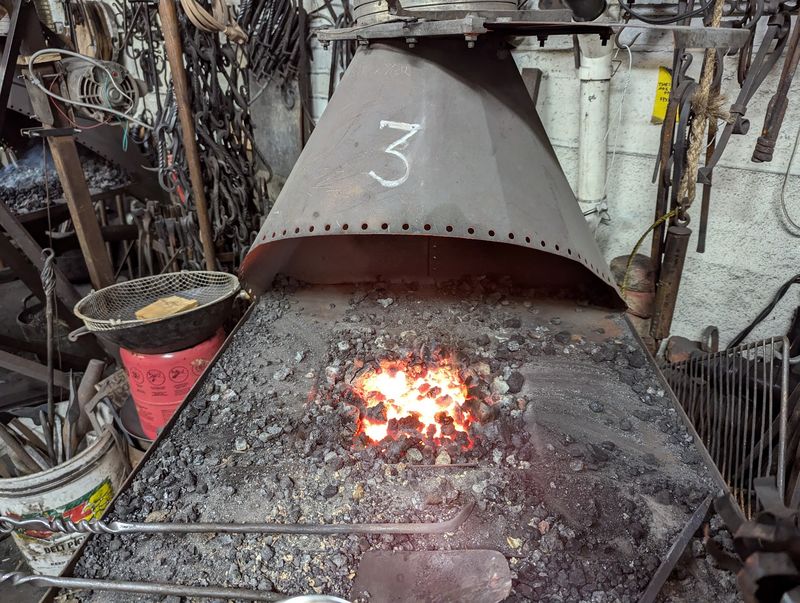
Forges usually stay put, which makes this option extra fun. Prospect Hill Forge has offered Forge-to-Go sessions, where the instructor brings the equipment along.
That means forges, anvils, and everything else needed for a class. The setup has worked outdoors for small groups looking for something different.
It’s a clever twist on a very old trade. Blacksmiths once traveled with their skills, and this idea carries a bit of that spirit.
A mobile session could suit a group celebration or a team outing. Everyone gets to try the craft without traveling to a shop.
Details and availability can change, so reaching out first is the smart move. Ask what setup works best for your space and group size.
The heart of the experience stays the same either way. You learn safety, shape glowing metal, and walk away with something you made.
That flexibility shows how much this Massachusetts forge wants people to try smithing. Whether in the shop or on the road, the fire feels just as exciting.
Share this story