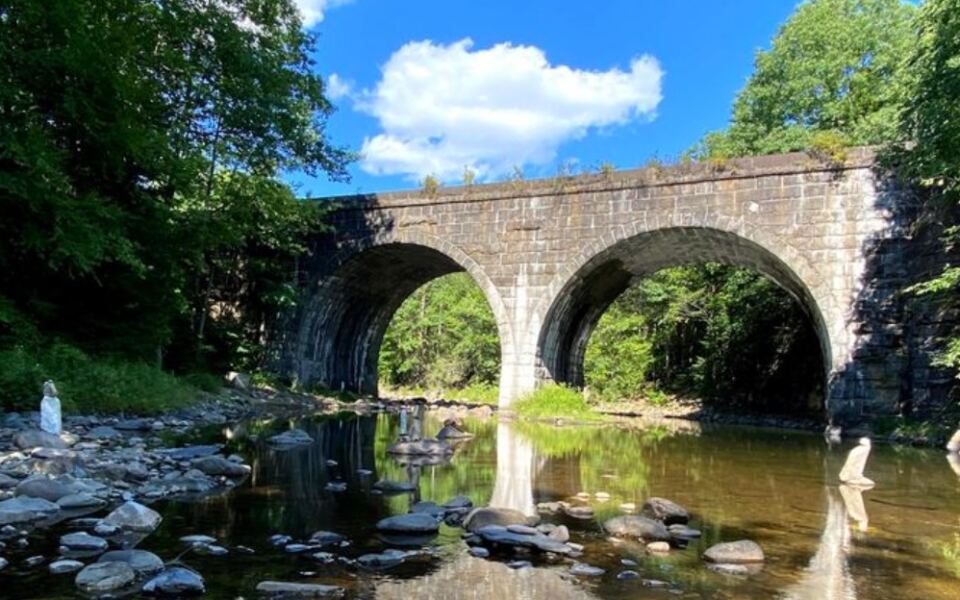
Railroad builders here stacked granite blocks without mortar in the 1840s, and those arches still stand over a river gorge. Snow piles on top of them every winter like frosting on a very old cake.
The arches carried trains on the Western Railroad, once among the steepest climbs of its kind. Engineers chose a route through rugged hills that most folks would avoid on foot.
I like how this tiny Massachusetts town treats its past like a family photo album. There’s a restored railroad station, a historic factory village, and a quiet main street.
When the snow falls, it all looks like a scene from a holiday card.
I can’t imagine a better place to slow down for a winter afternoon. So what turns a town of about 1,200 people into a snowy storybook?
Stone Arches That Look Even Better Wearing Snow
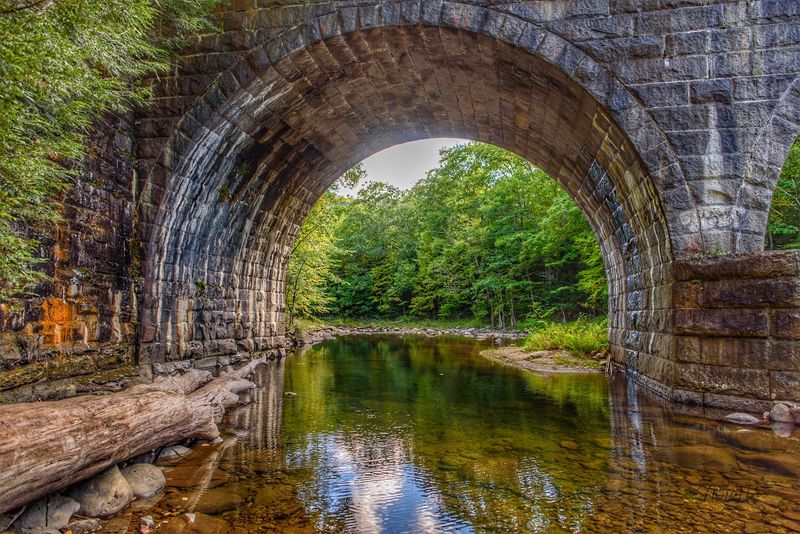
Chester, Massachusetts, is home to some of the most famous railroad stones in America. The Keystone Arches were built in the early 1840s for the Western Railroad.
Major George Washington Whistler engineered the route through the rugged hills. Fun bonus fact: he was the father of painter James McNeill Whistler, of the famous painting often called Whistler’s Mother.
Workers stacked the granite blocks without mortar. That sounds risky, yet several arches have stood for more than 180 years.
The Keystone Arches Bridge Trail leads to them along the West Branch of the Westfield River. The trail sits in the area of Chester and nearby Middlefield, and it follows an old road and rail bed.
Winter changes the whole look of the stonework. Snow settles into the gaps and outlines every block like a pencil sketch.
Plan for an uneven, rocky walk if you go in cold months. Traction cleats on your boots are a smart idea, and daylight hours are short.
Check trail conditions before heading out after a storm. Parking areas may not be plowed, so a little planning keeps the adventure fun.
A Railroad Station That Refuses To Be Forgotten
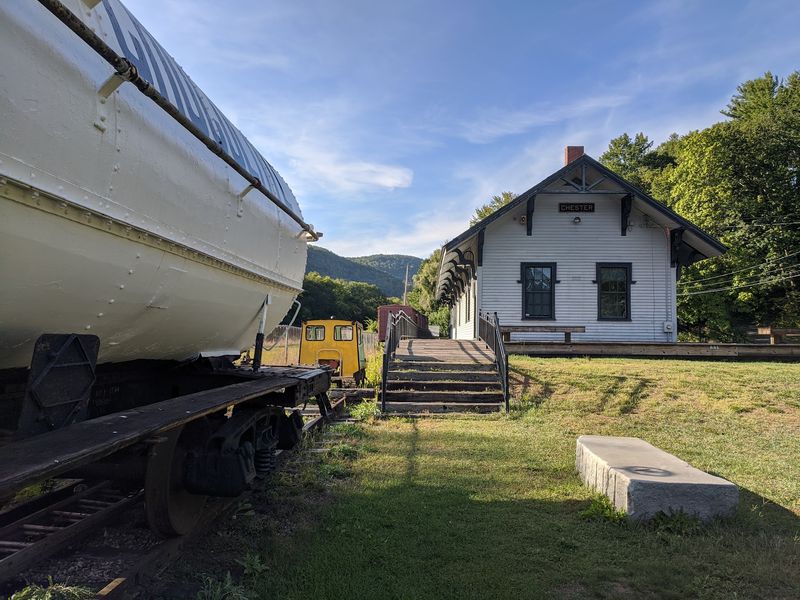
Trains still rumble through town, even though passengers no longer board here. That steady sound keeps Chester tied to the story that shaped it.
The Chester Railway Station is a restored depot run by volunteers with the Chester Foundation. It sits right along the busy freight line that follows the old Western Railroad route.
Inside and around the station, you can learn how the railroad climbed into the Berkshire hills. Displays and railroad pieces help explain why this route was such a big deal.
The station museum usually opens during warmer months and for special events. Winter visitors should check ahead before planning a tour inside.
Don’t skip the outside view, though. A snowy depot with old rails and a quiet platform is about as storybook as Massachusetts gets.
Freight trains still pass through on active tracks. Stay well back from the rails, and never walk on them for a photo.
Railroad fans may want to bring a camera with a fast setting. Snow, steel, and a moving train make for a striking winter shot.
Old Factory Village Charm On A Snowy Main Street
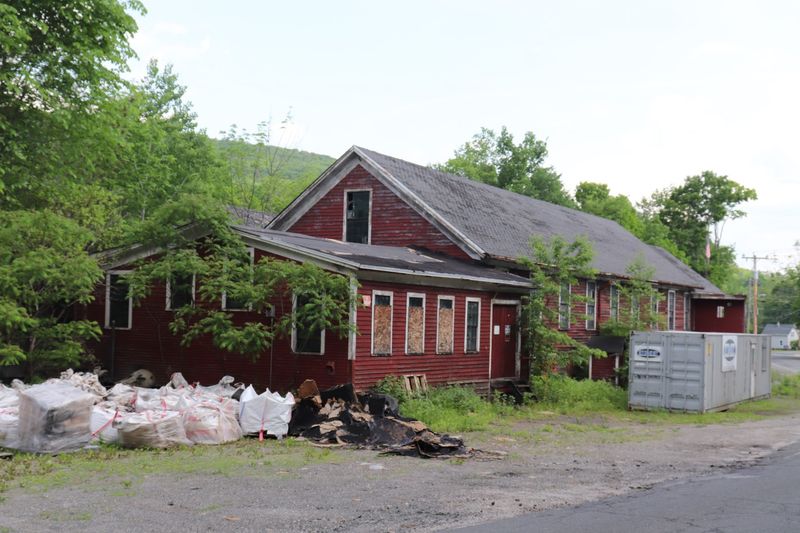
History buffs, this part of town is your playground. The Chester Factory Village Historic District sits along Main Street near the river.
It’s listed on the National Register of Historic Places. The district holds homes, shops, and buildings tied to the town’s industrial past.
Chester grew busy in the 1800s thanks to the railroad, mills, and nearby quarries. Emery and granite were mined in the surrounding hills.
Today the village feels calmer. Old buildings line the street, and snow on their rooftops makes the whole stretch look like a model train set.
A short stroll is the best way to enjoy it. Look for older architectural details, like rooflines and windows that hint at a different era.
Please remember that many buildings are private homes. Admire them from the sidewalk and keep the quiet, friendly feel of the neighborhood intact.
Bring warm gloves for photos. Fingers get stiff fast in a hill town in January, and you’ll want plenty of pictures.
A River That Turns Into Ice Sculpture Country
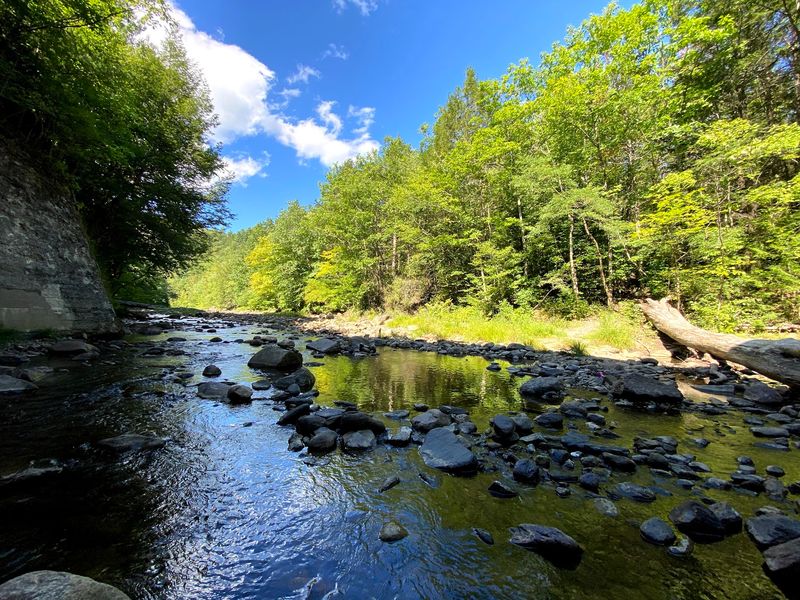
Cold weather turns the West Branch of the Westfield River into a gallery. Ice gathers on rocks and edges, shaping odd little sculptures nobody planned.
The river winds right through Chester and helped decide where the railroad went. Engineers followed its valley to push trains up into the hills.
Parts of the Westfield River system carry a National Wild and Scenic River designation. That label protects its natural beauty for future visitors.
In winter, the river shows a different personality. Rushing water may continue under shelves of ice, making a soft gurgling sound below the white surface.
Roadside pullouts and trail access points can offer pretty views. Choose safe, legal spots, and never park where plows need to pass.
Stay off the ice completely. Moving water weakens ice in ways you can’t see from the bank.
A thermos of hot cocoa makes riverside viewing far more pleasant. Pair it with a camera, and you’ve got a perfect slow afternoon.
Snowshoes Were Basically Made For These Hills
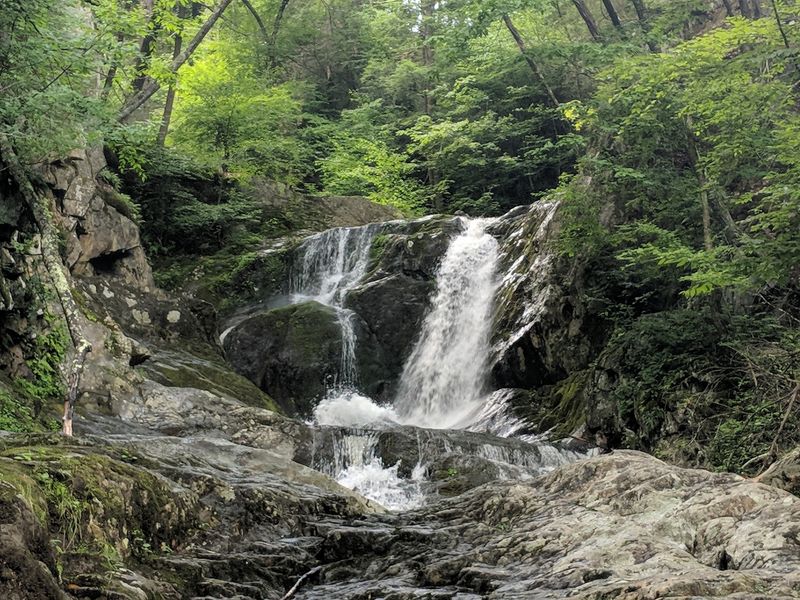
Hilly ground plus deep snow equals one obvious plan. Grab snowshoes and head into Chester-Blandford State Forest.
This state forest stretches across parts of Chester and neighboring Blandford. It covers a large chunk of wooded land managed by the Massachusetts Department of Conservation and Recreation.
Trails here wind through forests and rocky slopes. Sanderson Brook Falls is a popular destination, with water dropping down a rocky ledge.
In winter, the falls can freeze into icy columns. That makes the walk feel like a treasure hunt with a sparkly reward.
Be ready for steep and slippery spots. Snowshoes or microspikes help a lot, and trekking poles add extra balance.
Tell someone your plans before you go. Cell service can be spotty in the hills, so a paper map is handy.
Dress in layers and avoid cotton. You’ll warm up quickly on climbs, then cool down fast when you stop to admire the views.
A Scenic Drive Fit For A Holiday Card
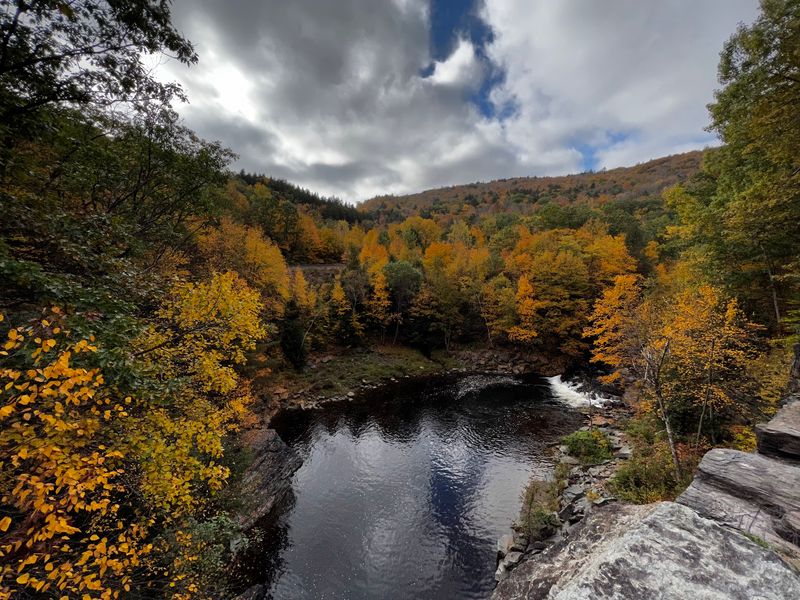
Route 20 runs right through Chester, and winter makes it look like a postcard. The road follows the river valley through wooded hills.
This old route once served travelers heading across Massachusetts long before the interstate. Today it offers a slower, prettier option for exploring.
Snow frames the hills, the river, and old buildings along the way. Every curve seems to reveal another quiet scene.
Driving in hill country takes patience during winter. Roads can be icy, and conditions change quickly with elevation.
Give yourself extra time and keep a safe distance from other vehicles. Snow tires or all-wheel drive help a lot in these parts.
Pack a small winter kit for your car. A blanket, snacks, water, an ice scraper, and a phone charger are smart extras.
Pull over only where it’s safe and legal. That snowy view will still be there when you find a proper spot.
Small-Town Quiet You Can Actually Hear
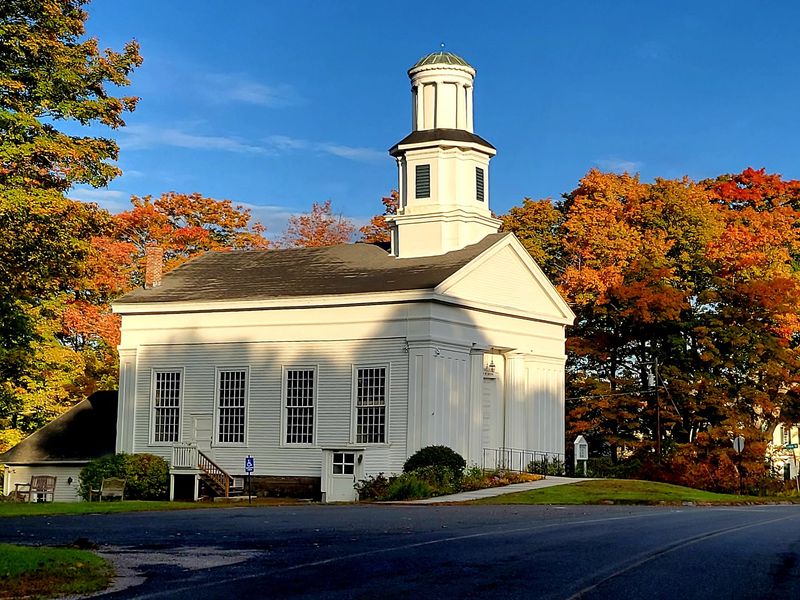
About 1,228 people lived in Chester during the 2020 census. That small number shapes everything about the winter mood here.
No crowded downtown, no traffic jams, and no endless strip malls. Snow seems to muffle the world, leaving the hills calm and still.
Chester sits in Hampden County, in the western part of Massachusetts. It’s part of the Springfield metro area, yet it feels far more rural.
The town includes a few villages, like Chester Center up in the hills. Each spot has its own character and history.
Visitors should know services are limited. Shops and eateries may keep short or seasonal hours, so plan meals and fuel ahead.
That small size is part of the charm. You come here to slow down, not to tick off a long checklist.
Be a kind guest by keeping noise low and driveways clear. A respectful visit helps keep this quiet treasure just the way it is.
Granite And Emery Stories Hiding Under The Snow
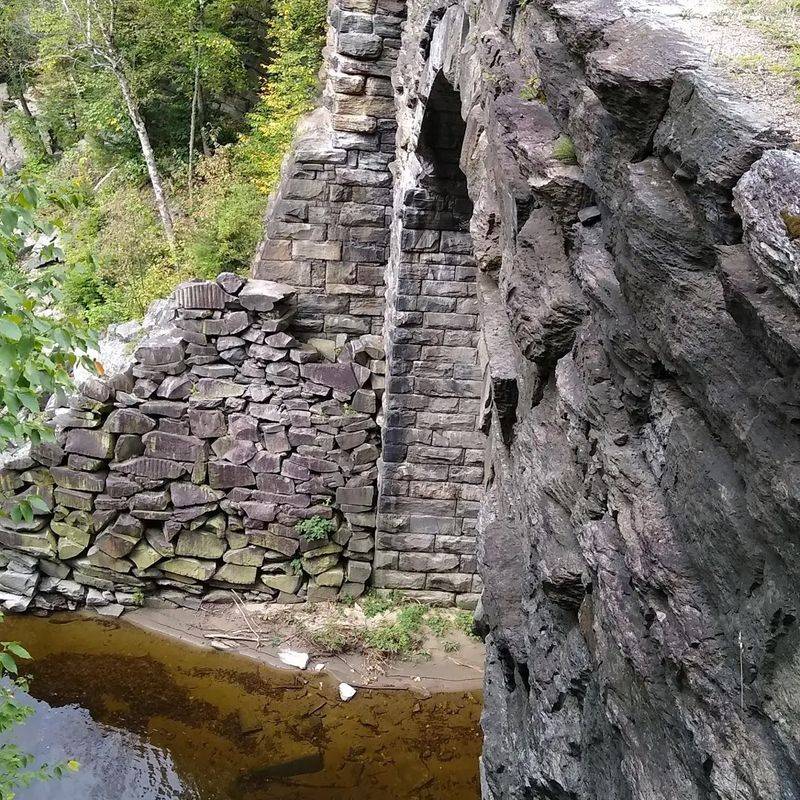
Long before tourists noticed the snow, miners noticed the rocks. Chester’s hills held granite and emery, and both helped the town grow.
Emery is a tough, gritty mineral used as an abrasive. Chester became known for emery mining in the 1800s.
Granite quarries also operated around the area. Some of that sturdy stone found its way into local buildings and railroad works.
Snow now covers many of these old work sites. It’s fun to think about busy crews where today you might only hear wind.
Many former quarry lands are on private property or are unsafe. Admire them from public spaces, and never climb on old ledges.
Curious minds can learn more through local historical groups and the railroad station museum when it’s open. Old photos tell the story better than any guess.
Next time you see a snowy stone wall in Massachusetts hill country, look closer. It might hold a tiny piece of Chester’s working past.
Plan Your Snowy Day Trip The Smart Way
Good news for road trippers: Chester is an easy day trip from Springfield or the Pioneer Valley. Most visitors arrive by car along Route 20.
Winter days are short in the hills. Start early so you can see the arches, the river, and the village before sunset.
A simple plan works best. Try a morning hike, a midday stroll along Main Street, then a scenic drive home.
Bring snacks, water, and a full tank of gas. Services are limited, especially during snowy weekdays and holidays.
Check the weather and road reports before leaving. A light snow looks magical, but a heavy storm calls for staying home.
Pack extra socks and a dry pair of shoes for the ride back. Wet feet can ruin even the prettiest snowy afternoon.
Above all, keep your expectations cozy and simple. Chester isn’t flashy, and that’s exactly why its winter scenes feel so magical.
Share this story