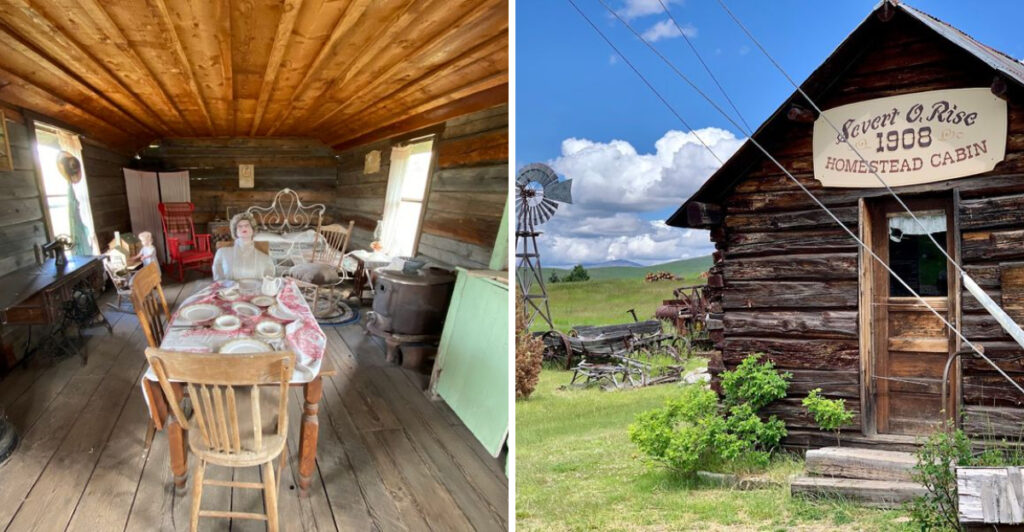
If you have ever wanted to walk straight into a forgotten Washington town, Old Molson Historic Site makes that feeling real the moment you arrive. Perched near the Canadian border outside Oroville, this remarkably preserved landmark lets you peek inside weathered buildings, study original artifacts, and imagine daily life from the early 1900s.
It feels remote, a little eerie, and completely unforgettable in the best way. Here is what makes Old Molson such a rewarding stop for history lovers, road trippers, and anyone who enjoys places that still tell their own stories.
1. A ghost town with a surprisingly vivid story
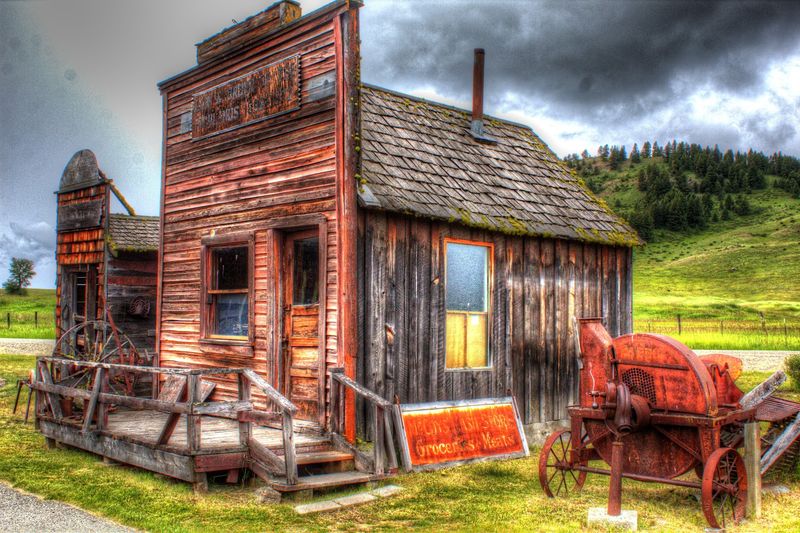
Old Molson does not feel like a staged attraction.
It feels like a town that paused mid-sentence and never fully started again.
When you step onto the grounds, you are looking at the remains of a community born in 1900, then reshaped by disputes, relocation, and changing fortunes just a few years later.
One of the most memorable parts of visiting is knowing the backstory while you walk.
Reviews mention the famous tale of a bank built on sleds, moved to a new location each morning during land conflicts, and that odd detail somehow makes the place even more human.
You are not just seeing empty buildings here.
You are seeing the stubbornness, ambition, and improvisation that built frontier towns in the first place.
That context turns every doorway, sign, and creaking floorboard into something more meaningful.
Old Molson becomes less about abandonment and more about resilience, reinvention, and the strange drama of small-town history.
2. You can actually walk through the buildings
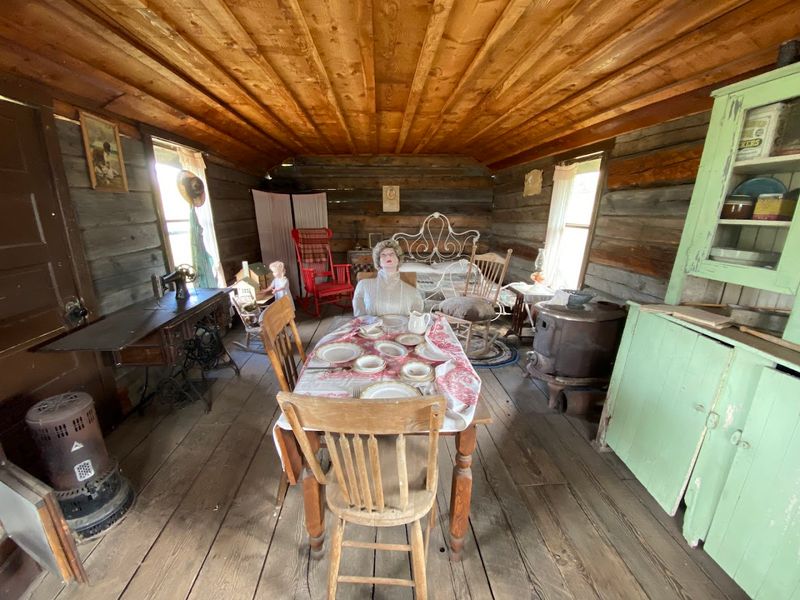
What makes Old Molson especially fun is how interactive it feels compared with many historic sites.
Visitors consistently say you can go into nearly every building, read displays at your own pace, and get close enough to notice details that photos never capture.
That kind of access changes everything because history stops feeling distant.
Instead of standing behind ropes, you move through rooms where everyday life once happened.
You see worn counters, simple furnishings, old equipment, and walls lined with information that helps the place make sense.
It is easy to picture conversations, transactions, and ordinary routines that once filled these spaces.
There is also a little thrill in opening a door and hearing it swing behind you, especially on a windy day.
Just remember that these structures are genuinely old and fragile.
You are being trusted with a rare kind of access, and that trust is part of what makes Old Molson memorable.
3. The setting near the Canadian border adds to the mood
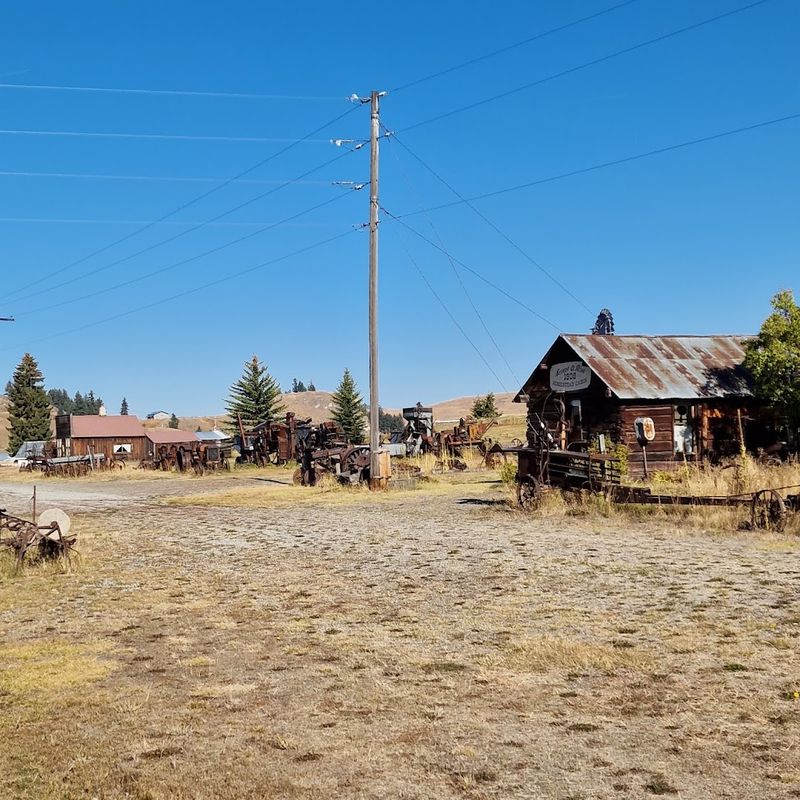
Part of Old Molson’s appeal is how far away it feels from everything else.
The site sits just a couple of miles from the Canadian border, and that near-the-edge location gives the whole visit a windswept, outpost atmosphere that suits a ghost town perfectly.
You are not squeezing this stop between crowded attractions.
You are making a small journey to reach it.
That remoteness deepens the experience once you arrive.
Reviews often mention having the place nearly to themselves, and I can see why that would be unforgettable.
Quiet surrounds the buildings in a way that lets every creak, gust, and footstep stand out.
The landscape also matters as much as the structures.
Big skies, changing weather, and broad views of the surrounding country make the town feel suspended in time.
On a cloudy or blustery day, especially, Old Molson seems less like a museum and more like a surviving fragment of another era.
4. The preserved structures feel authentic, not polished
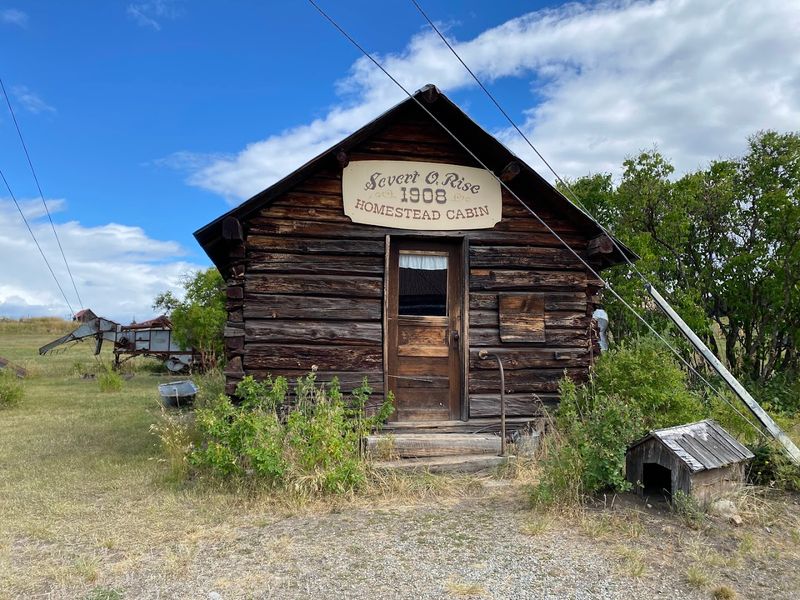
Old Molson stands out because the buildings still look like they have lived through something.
They are not over-restored or polished into theme-park neatness.
The weathered wood, slightly uneven lines, and aged textures give the site an honesty that makes it easier to imagine the original town taking shape on this exposed landscape.
Visitors often describe the place as well-preserved, and that is true, but preserved here does not mean scrubbed clean of character.
It means carefully protected so you can still sense age in every wall and threshold.
That balance matters because too much restoration can flatten a site’s personality.
At Old Molson, the imperfections are part of the storytelling.
A building that leans a little, a door that shuts with force, or a chair that clearly should not be sat on all remind you this is real material history.
The fragility becomes part of the experience and quietly asks you to slow down and pay attention.
5. Historic displays make the town easier to understand
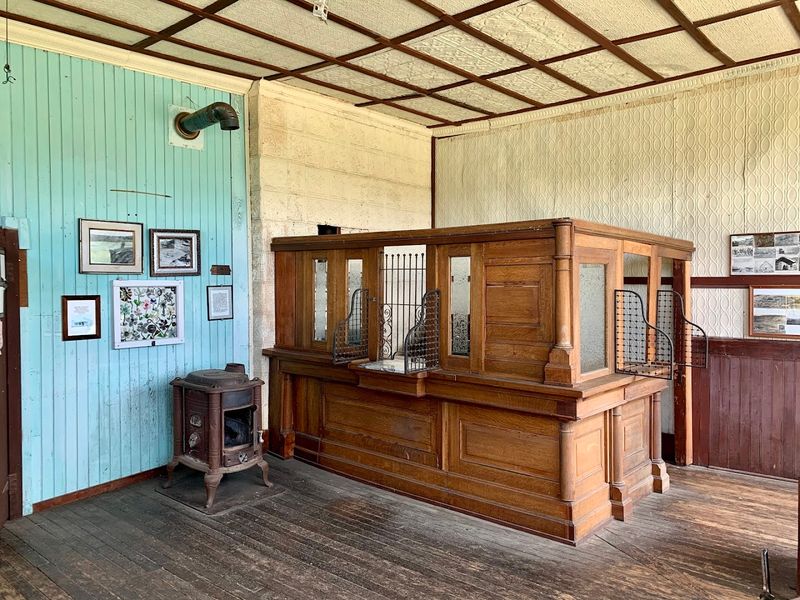
It would be easy for a ghost town to become just a collection of photogenic old buildings, but Old Molson gives you much more than that.
Historical articles, posted information, and interpretive displays help explain who lived here, what the businesses were, and why the town shifted over time.
That extra context turns wandering into actual discovery.
Several visitors mention how well the displays are done, and that praise makes sense.
When you can read as you go, you are able to connect specific buildings with real people, local tensions, and the broader patterns of settlement in north central Washington.
The site invites curiosity instead of overwhelming you with dense museum text.
I especially like places where you can set your own pace, and Old Molson seems designed for exactly that.
You can pause at a sign, step into the next structure, and slowly build the town’s story in your head.
By the end, the site feels layered rather than empty, educational rather than merely atmospheric.
6. It is one of the best free historic stops in the region
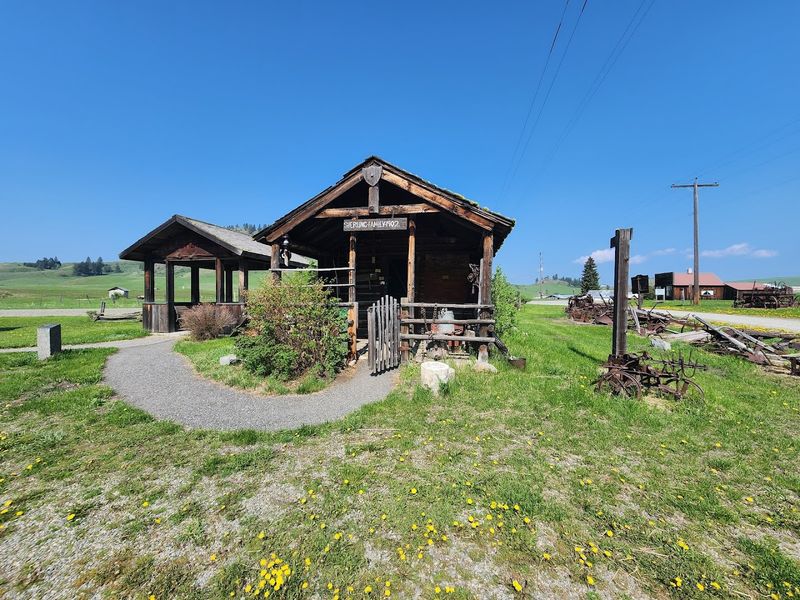
One detail that comes up again and again is that Old Molson is free to visit, with donations accepted.
That alone makes it stand out at a time when even quick roadside attractions can feel expensive.
Here, you get meaningful access to local history without a ticket barrier, which makes the stop feel generous as well as interesting.
The value goes beyond price.
Visitors mention good parking, the ability to explore at their own pace, and enough to see from outside the buildings if mobility is a concern.
That flexibility makes the site appealing whether you are staying for a long visit or simply pulling off the road for an hour.
Free places can sometimes feel neglected, but Old Molson sounds thoughtfully maintained and clearly cared for.
Donations support that effort, and after walking through a site like this, you would probably want to contribute.
It is hard to find a stop that is educational, atmospheric, scenic, and accessible without feeling commercial, but Old Molson pulls it off.
7. The old bank and business buildings are highlights
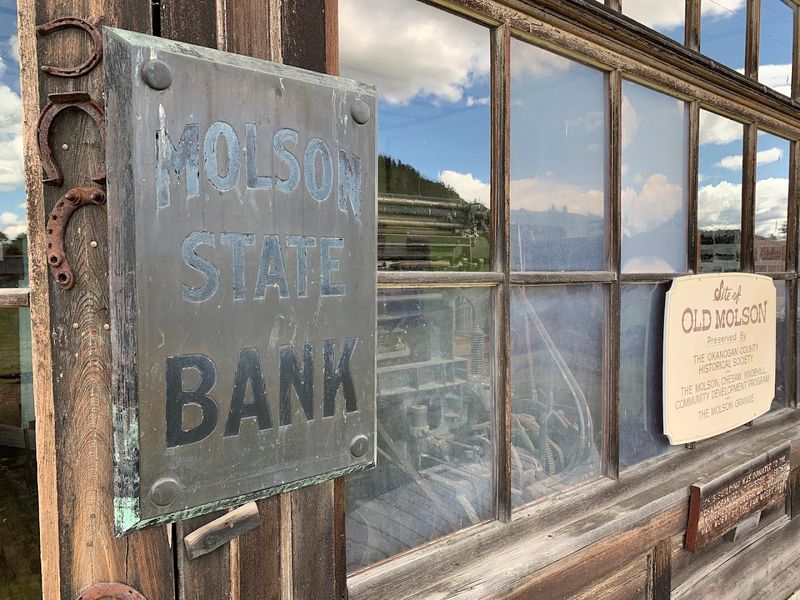
If you enjoy the commercial side of frontier history, Old Molson delivers some especially memorable moments.
Reviews frequently call out the old bank, and once you know the story of the movable bank on sleds, it becomes one of the site’s most vivid symbols of local determination and conflict.
It is exactly the kind of specific detail that sticks with you long after the visit.
The business buildings also help you imagine how lively this place once was.
Instead of picturing a vague settlement, you can start to see a functioning town with transactions, gossip, ambitions, and competition all packed into a small community.
Those storefront and office spaces make the town feel organized and purposeful rather than random.
For me, these structures are where Old Molson becomes most cinematic.
They capture the boomtown energy that once existed here, but they do it quietly, through surviving wood, old interiors, and the kind of practical architecture that had to work hard in a remote landscape.
8. The atmosphere changes beautifully with the weather
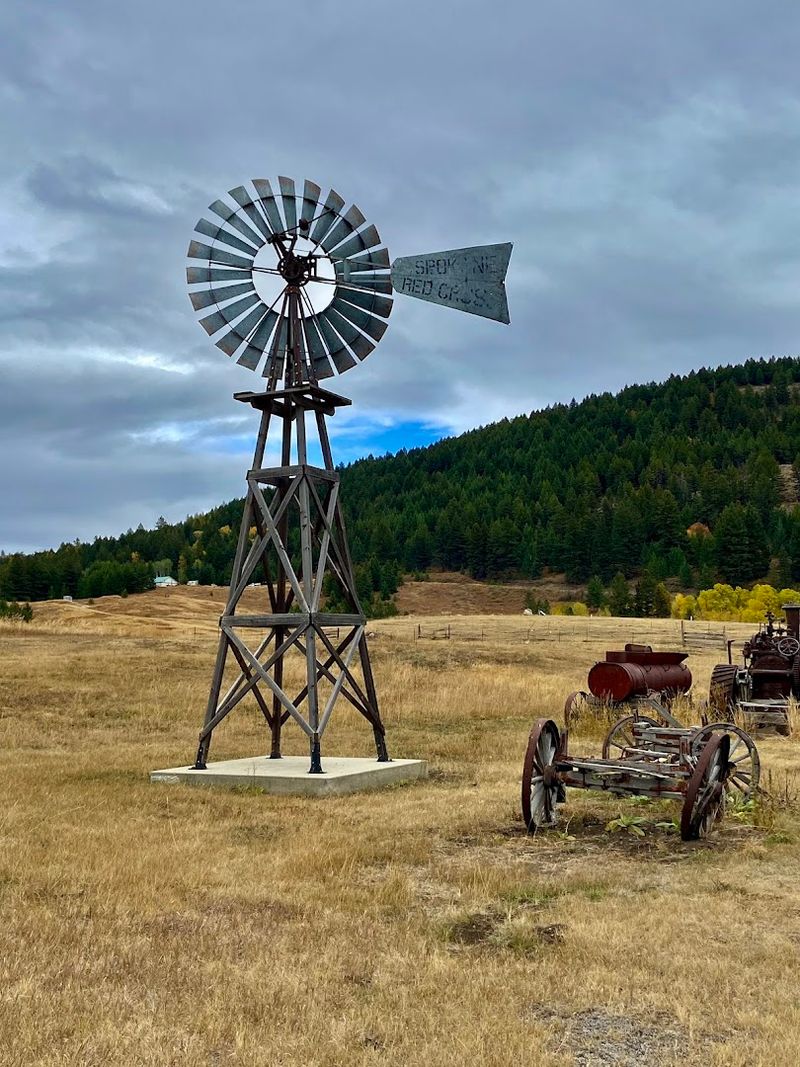
Old Molson seems like one of those places where the weather becomes part of the attraction.
Visitors describe cloudy, blustery days, summer heat eased by a good breeze, and even snow on the ground making the old buildings look beautiful.
That variety matters because the town’s mood probably shifts with every season and sky condition.
On bright days, I imagine the site feeling open, quiet, and almost peaceful, with the surrounding scenery softening the ghost-town label.
Under low clouds or strong wind, though, the same structures likely take on a more dramatic personality.
The old wood, the isolated location, and the silence all work differently depending on the atmosphere around them.
That makes Old Molson worth savoring rather than rushing.
You are not simply checking off buildings one by one.
You are experiencing a landscape where weather, light, and history all overlap.
Some places are interesting once.
This feels like the kind of place that could look entirely different every time you return.
9. It is easy to visit at your own pace
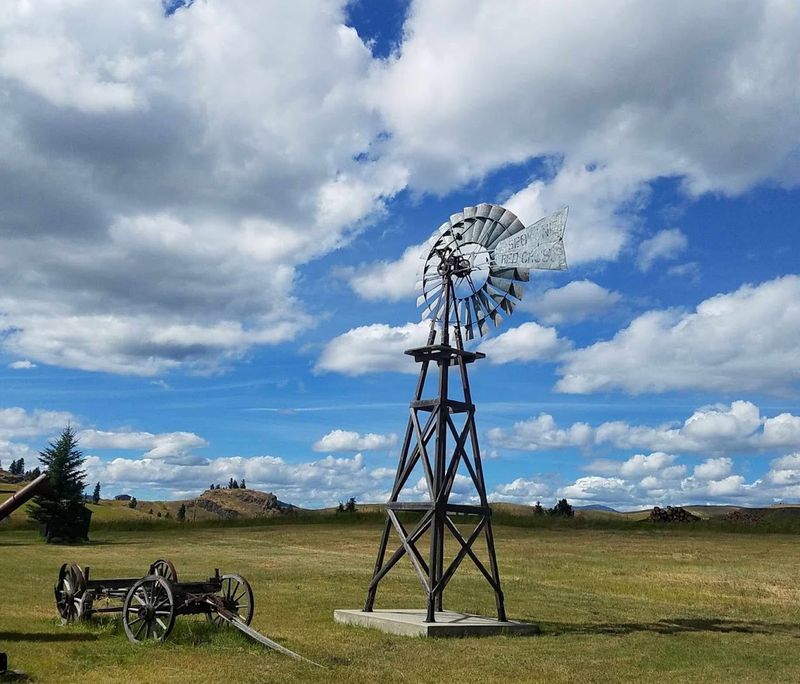
One of the best things about Old Molson is that it does not seem to demand a rigid itinerary.
People talk about wandering through the buildings, reading signs slowly, peeking inside structures, and exploring entirely at their own pace.
That self-guided approach suits the site because discovery feels personal instead of scheduled.
If you love lingering in places with character, you can spend time noticing little details and reading every panel.
If you are traveling with kids or making a broader day trip around Oroville, the site still works because you can keep the visit relaxed and flexible.
Nothing about the experience sounds rushed or overly formal.
That freedom also helps the place feel more intimate.
You are not being hurried along a path or funneled through a line of rooms.
You can stop when a building grabs your attention, step back outside to take in the landscape, then continue whenever you want.
Old Molson rewards curiosity, and that makes it especially satisfying to explore.
10. Why Old Molson is worth the drive from Oroville
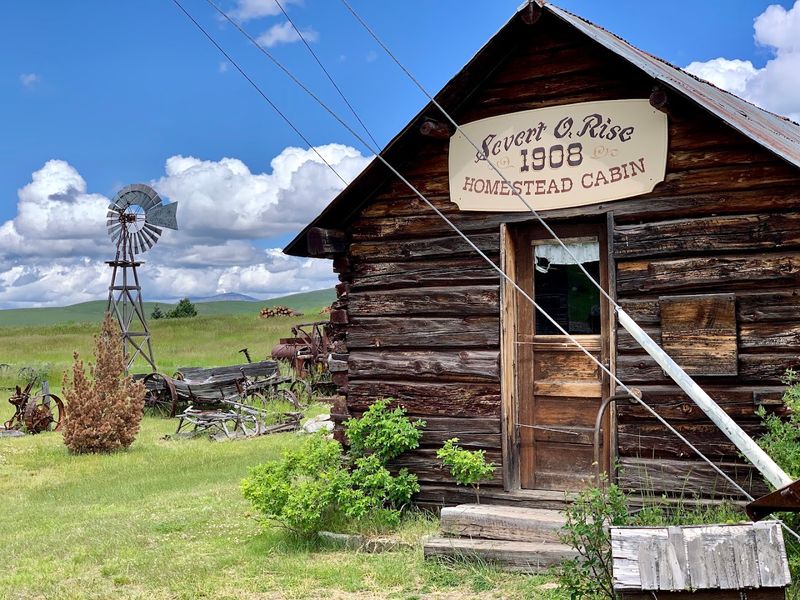
Because Old Molson is remote, getting there is part of the commitment, and that is exactly why so many visitors say it is worth the drive.
This is not a casual roadside relic you glance at for five minutes.
It is a destination that rewards preparation, curiosity, and a willingness to leave busier routes behind.
Reviewers offer practical advice that is useful to take seriously, especially fueling up before you go.
Once you arrive, though, the payoff is a rare mix of scenery, quiet, and hands-on history.
You can walk through preserved buildings, learn about a town shaped by relocation and rivalry, and enjoy one of Washington’s most distinctive historical landmarks without crowds pressing in.
If you are anywhere near Oroville and want a place that feels genuinely different, Old Molson deserves a spot on your list.
It is peaceful, unusual, and rich with stories.
More than anything, it gives you that increasingly rare feeling of stepping somewhere the modern world has not completely erased.