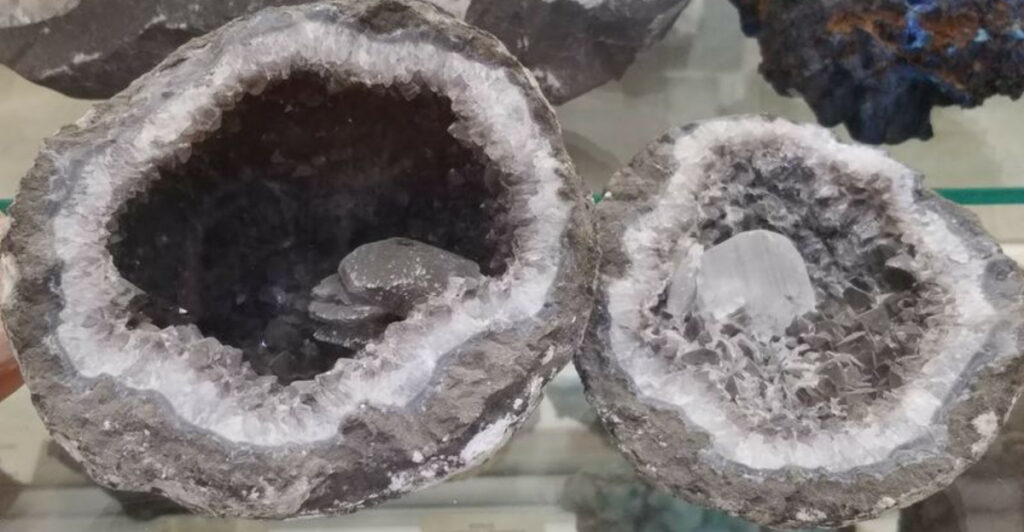
The first surprise is the glow. In parts of northern New Jersey, ordinary-looking gray rocks can turn electric orange, green, and red under ultraviolet light, as if somebody hid a tiny carnival inside the stone.
Then, a few hours south, the hunt changes completely: clear quartz pebbles roll in with the tide, smooth enough to look polished by hand. That is the fun of rockhounding in New Jersey.
It is not one kind of trip. It can mean a museum dump full of old mine material, a basalt ridge with mineral pockets, a quiet brook with fossils in the gravel, or a bay beach where “diamonds” are really water-worn quartz.
Some places are dig-and-collect destinations, while others are better for looking, learning, and leaving the rocks where they are. Either way, bring sturdy shoes, a hand lens, patience, and a little local curiosity.
1. Franklin Mineral Museum / Buckwheat Dump
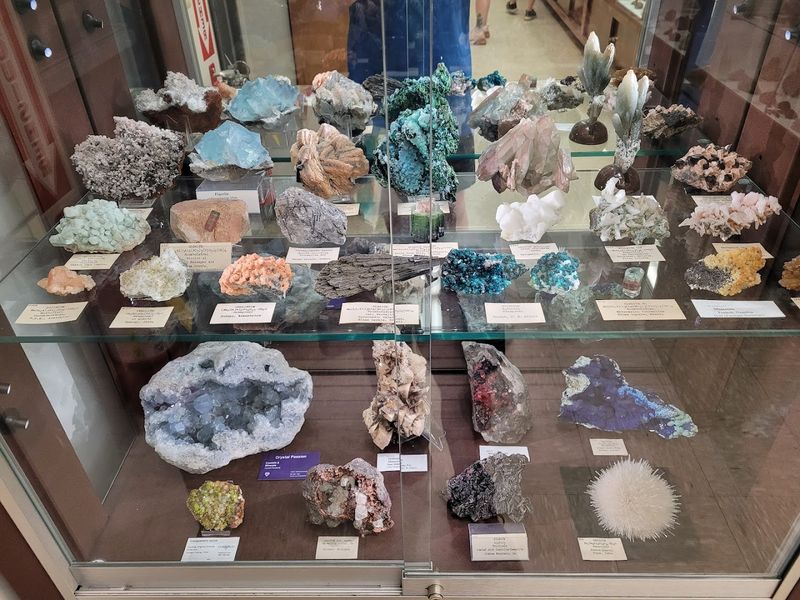
The magic trick at Franklin is that the best finds do not always look like much in daylight. A dull chunk of ore can become wildly colorful under ultraviolet light, which is exactly why the Franklin area has such a loyal following among collectors.
The Franklin Mineral Museum gives you the context first: mining history, local geology, and a serious collection of specimens from one of the most famous mineral districts in the country. Then the Buckwheat Dump lets visitors get their hands dusty in a controlled collecting area made from old mine rock.
It is a great place for beginners because the museum setting takes some of the guesswork out of the day. You are not wandering around hoping you are in the right ravine; you are in a known mineral zone with staff, rules, and a long track record of discoveries.
Expect rocky, uneven footing, and dress like you are going to scramble over a pile of stones, not stroll through a gift shop. Closed-toe shoes are non-negotiable, and goggles are smart if tools are allowed during your visit.
For New Jersey rock enthusiasts, this is the classic starter stop: educational enough for a first-timer, famous enough to impress the serious collector.
2. Sterling Hill Mining Museum / Mine Run Dump
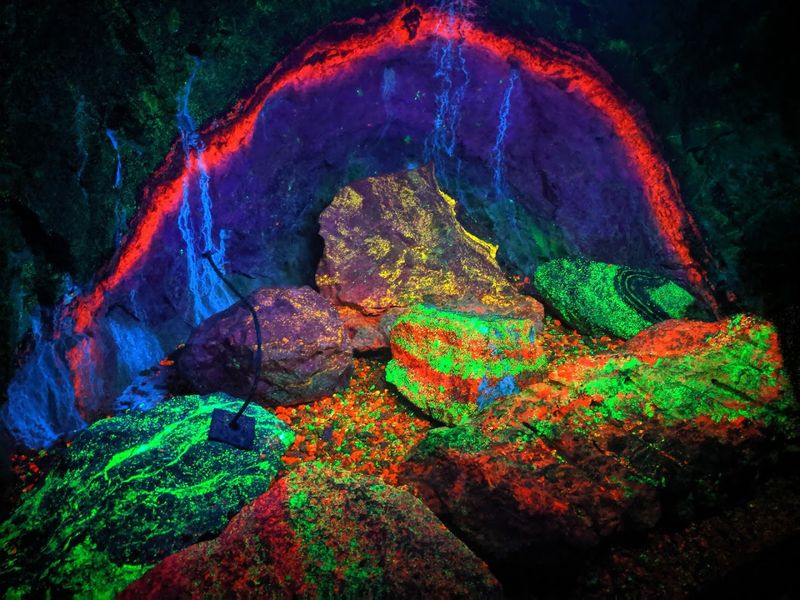
A mine tour is one thing. Walking into Sterling Hill and seeing fluorescent minerals glow underground is another.
This former zinc mine in Ogdensburg leans into the drama of New Jersey geology, with tunnels, mining equipment, exhibits, and the kind of blacklight moments that make even non-rock people suddenly start asking mineral questions.
The Mine Run Dump is the hands-on piece of the visit, and it is especially good for collectors who want the Franklin-Ogdensburg experience but with clear, posted rules.
The dump material can include fluorescent minerals, and there is usually a shortwave ultraviolet setup available so visitors can check whether their finds have that hidden glow. This is not a free-for-all dig site, though.
Current rules list the Mine Run Dump as an adults-only collecting area, with no hammers allowed, admission and per-pound rock fees, and daily hours that can depend on conditions. That actually makes the visit easier to plan: bring buckets or bags, wear proper shoes, and expect more sorting than smashing.
The vibe is part science class, part treasure hunt, and part “how did New Jersey keep this secret so well?” For anyone curious about fluorescent minerals, Sterling Hill belongs near the top of the list.
3. Clove Brook Trail

Up in Montague, Clove Brook Trail feels like a quieter kind of hunt. No big museum entrance, no dramatic mine tunnel, no polished presentation.
Just woods, water, stone, and the very satisfying possibility of spotting clear quartz where the landscape opens into old quarry ground. That is the charm here.
The area has long been talked about by New Jersey rockhounds for quartz crystals, including clear points that can be surprisingly handsome for a casual field find. It is the sort of place where the pace matters: slow down, scan gravel, check exposed rock, and look for shape as much as sparkle.
Quartz can fool you by blending in with pale stone until the angle of light gives it away. This is also a good reminder that not every rockhounding trip needs to be aggressive.
A hand lens, gloves, and a small pouch are more useful than a heavy tool kit when you are working around a trail and brook environment. Be mindful of property boundaries, trail conditions, and any posted rules, because access details can change.
The reward here is not just the specimen; it is the old-school thrill of finding something glassy and geometric in a patch of New Jersey woods that most drivers pass without a second look.
4. Palisades Interstate Park
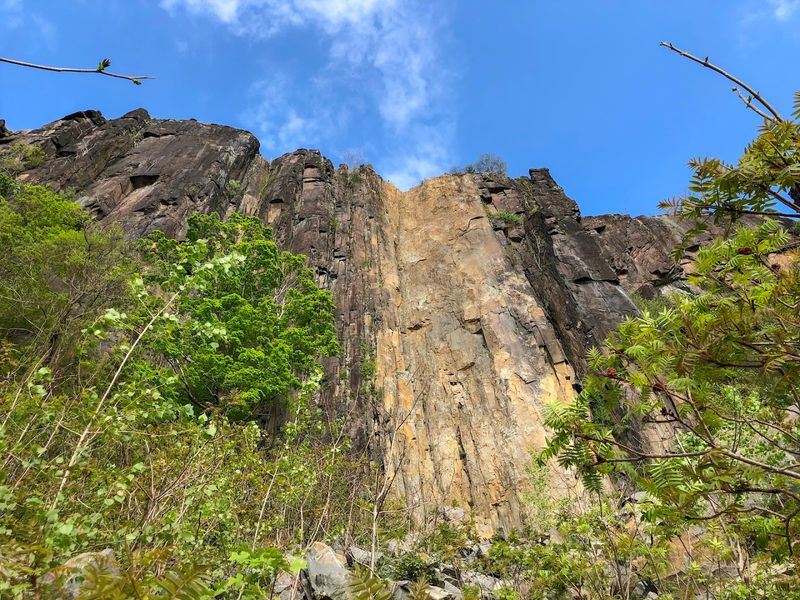
The Palisades are not a place to attack the rocks with a hammer. They are a place to stand at the base of those immense Hudson River cliffs and understand why geology can make people go quiet for a minute.
The cliffs are built from diabase connected to the region’s volcanic past, and the whole park gives rock enthusiasts a front-row view of columned stone, talus slopes, and mineral-bearing formations without needing to pocket a thing.
That last part matters: park rules prohibit damaging or altering park property, and cliff climbing is also off-limits, so this is a “look closely, photograph, and leave it there” stop.
Treated that way, it is fantastic. The Shore Trail and overlooks let you move between river-level drama and skyline views, while the rock faces show off textures that feel almost architectural.
Bring binoculars if you like scanning cliff details from a safe distance, and bring good shoes because the terrain can shift from easy path to ankle-testing stone quickly. For a rock enthusiast, Palisades Interstate Park is worth including because it broadens the idea of crystal hunting.
Sometimes the best day out is not about collecting; it is about seeing the giant geologic machinery behind the minerals.
5. Prospect Park Quarry
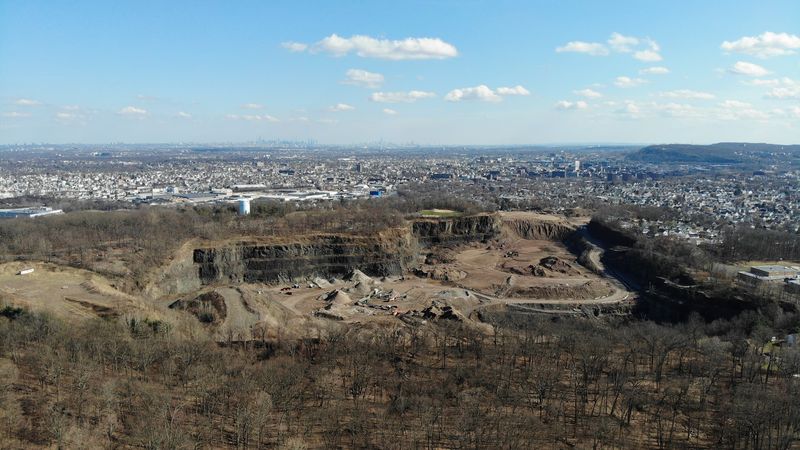
Prospect Park Quarry is one of those names that carries weight in collector circles even when the practical answer is, “No, you probably are not going there to dig.”
The old Passaic County trap rock quarry is famous for mineral specimens, especially zeolite-associated material and other basalt-pocket treasures that made their way into collections over many decades. That history is exactly why it deserves a spot on a New Jersey rock enthusiast’s list.
It is not the same kind of destination as a museum dump or a beachcombing site; it is more of a landmark in the state’s mineral story. Think of it as a place to know, research, and respect rather than a casual Saturday collecting stop.
The quarry is a former industrial site, and access has been restricted, so nobody should treat it like an open public rock pile. Still, understanding Prospect Park helps explain why North Jersey has such a reputation among mineral people.
The basalt quarries in this region produced cavities, crystal linings, and mineral combinations that made local specimens stand out far beyond the state line. If you want the hands-on version of this stop, look for legally obtained old Prospect Park specimens at mineral shows or museums.
That way, you get the sparkle without the trespassing problem.
6. Watchung Reservation
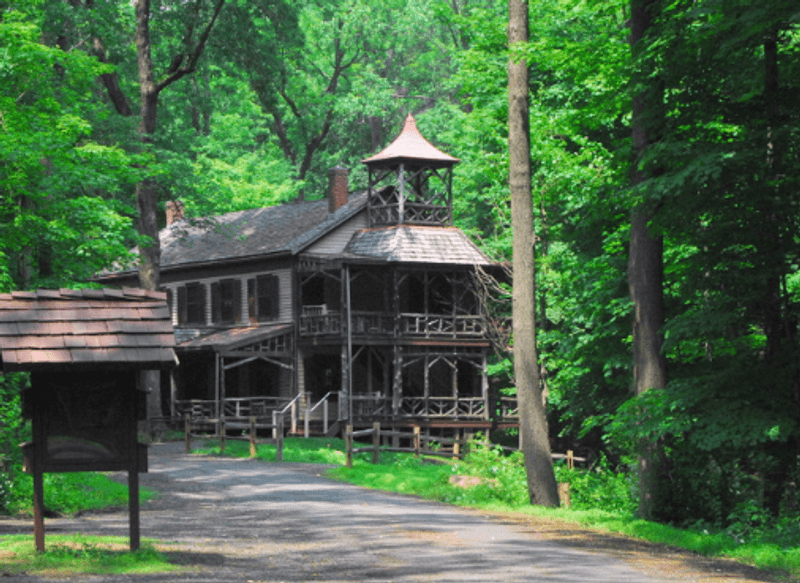
Watchung Reservation is a geology walk disguised as a county park outing. One minute you are under trees, the next you are looking at rocks tied to the Newark Basin and the ancient breakup of Pangaea, which is a much bigger backstory than most weekend hikes advertise.
The reservation is especially good for curious beginners because it lets you connect landscape with geologic time. The hills, ridges, and exposed stone are not random scenery; they are pieces of a volcanic and sedimentary story roughly 200 million years old.
The best move here is to approach it like a naturalist, not a prospector. Bring a hand lens, take photos of textures and fractures, and use the trails to notice how the rock changes from place to place.
Because this is a protected public reservation, collecting should be avoided unless a posted rule or official permission clearly says otherwise. That does not make it less interesting.
In fact, it makes the visit more relaxed. You are not racing anyone to the best pocket; you are reading the landscape.
For families or casual rock fans, Watchung is a nice middle ground: accessible, scenic, and quietly educational without feeling like homework. It is a place where New Jersey’s deep past shows up right beside the trail.
7. Chimney Rock Park
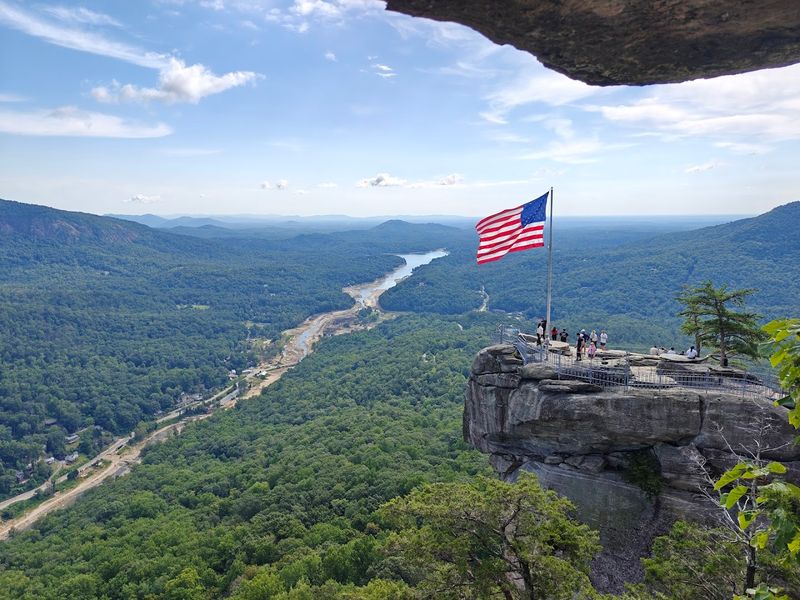
Chimney Rock has that rugged Somerset County look: wooded trails, rocky footing, and basalt country that hints at the mineral stories hiding all over the Watchung region. The nearby quarry history is part of the draw for rock enthusiasts, but this is a spot where common sense needs to come along for the ride.
The active or restricted quarry areas are not places to wander into, and trespassing around quarry property can get serious quickly. The public park side, however, is still worth your time.
It gives you a feel for the same geologic neighborhood without pretending the quarry is open for collecting. Walk the trails, study the exposed rock where it is safe and legal to do so, and keep an eye out for the copper-mineral history associated with the broader Chimney Rock area.
The landscape has enough texture to keep a curious person busy: broken stone, wooded slopes, and views that remind you how much elevation variation this part of New Jersey packs into a small area. This is not a “fill a bucket” stop.
It is a “learn the terrain, enjoy the hike, and respect the boundaries” stop. For rock enthusiasts who like geology with a little local lore, Chimney Rock earns its place.
8. Big Brook Preserve
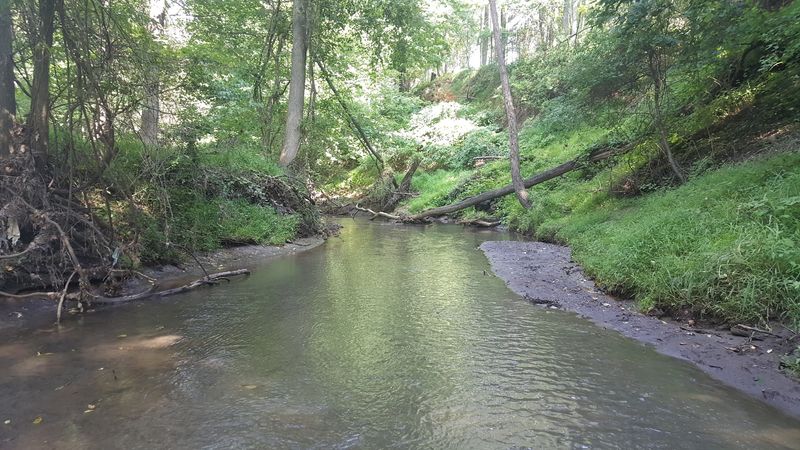
Big Brook Preserve is for the person who says they are going rockhounding and then comes home talking about ancient sharks. This Monmouth County spot is better known for fossils than crystals, but it absolutely belongs on a rock enthusiast’s New Jersey list because the collecting experience is so memorable.
Instead of scanning cliff faces or mine dumps, you work the stream gravel, looking for dark, toothy shapes that have been released from Cretaceous sediments. Shark teeth are the celebrity finds, but the area can also produce other marine fossils that make the whole place feel like a time capsule hiding under shallow water.
The rules here are part of the experience, not a footnote. Fossils may be collected only within the actual stream waterline, digging into stream banks is prohibited, tools are limited, and daily take limits apply.
Groups of 15 or more need a permit, so this is not the place to show up with a giant club outing unannounced. Wear water-friendly shoes with grip, bring a small screen if allowed, and expect mud.
The joy is in the patient sorting. Every handful of gravel could be nothing, or it could be a little black triangle from a sea that covered New Jersey long before beach badges existed.
9. Shark River Park
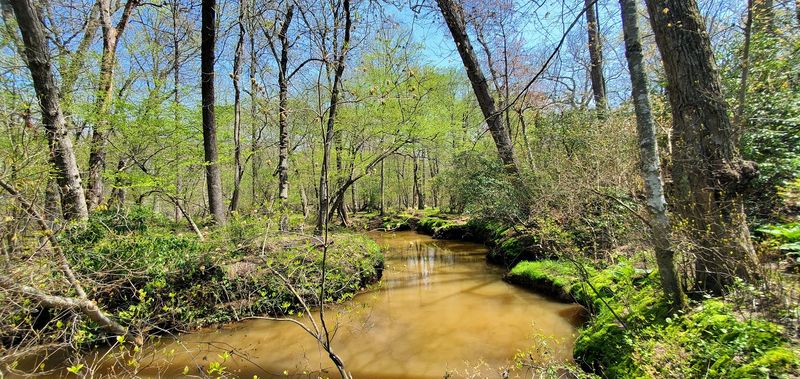
Shark River Park has a name that sounds almost too perfect for fossil hunting, and for once, New Jersey delivers on the hint. The park stretches through parts of Neptune, Wall, Tinton Falls, and Neptune City, with the Shark River cutting through a landscape known to fossil collectors for marine material.
This is another entry where the prize is not a sparkling crystal point but the deeper thrill of finding evidence of old seas. Think small fossils, gravel searching, and slow observation rather than dramatic digging.
The park itself is large enough to make a full outing of it, with trails, wooded sections, and river access that give it more variety than a quick roadside stop. Because it is a county park, visitors should pay close attention to posted rules and avoid damaging stream banks or sensitive areas.
A practical approach works best: sturdy shoes, a small container, patience, and a willingness to leave questionable finds alone if you are unsure. Shark River Park is also a nice pick for rock enthusiasts who are traveling with people who may not want to stare at gravel for three hours.
They can walk, birdwatch, or enjoy the park while you examine the edges of the stream like a person who has suddenly become very interested in tiny dark triangles.
10. Manasquan Beach
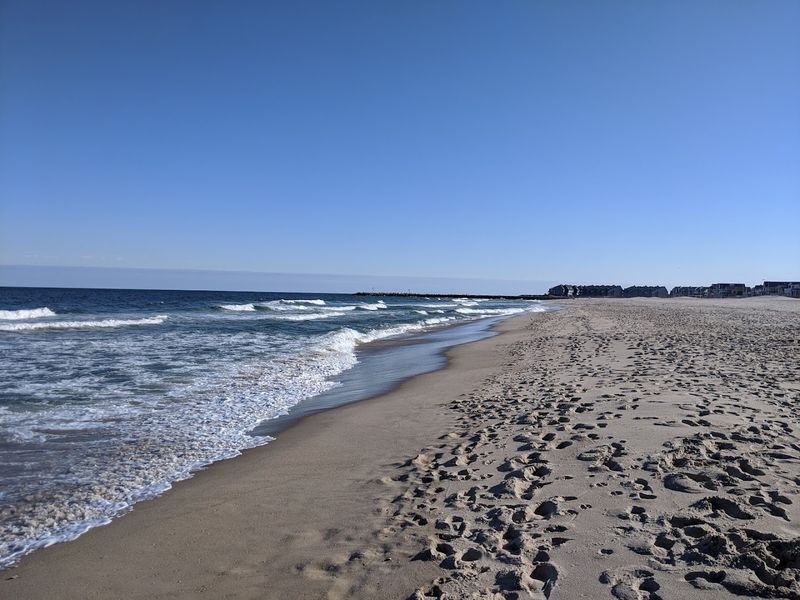
At Manasquan, the hunt sounds different. Instead of hammer taps or gravel screens, you get waves, gulls, and the rattle of pebbles being dragged back by the surf.
This is beachcombing rockhounding, which means timing and patience matter more than tools. After rough water or a tide change, check the shell and pebble lines for smooth quartz pieces, interesting beach stones, bits of jasper-like color, and the occasional fossil or petrified-looking fragment.
You are not likely to get the same Cape May Diamond density here that people chase farther south, but that is part of the appeal. Manasquan feels more like a casual treasure walk than a targeted collecting mission.
It is easy to pair with a regular shore day, especially if you have friends or family who hear “rockhounding” and immediately ask where lunch is. Go early before the beach gets busy, keep your expectations reasonable, and remember that beach rules, seasonal badges, and local ordinances can affect where and when you wander.
A mesh bag and a sharp eye are plenty. The best finds often look ordinary when wet and then reveal their charm after a rinse at home.
Manasquan is the kind of stop that proves rock enthusiasm does not always require a mountain. Sometimes a tide line will do.
11. Reeds Beach
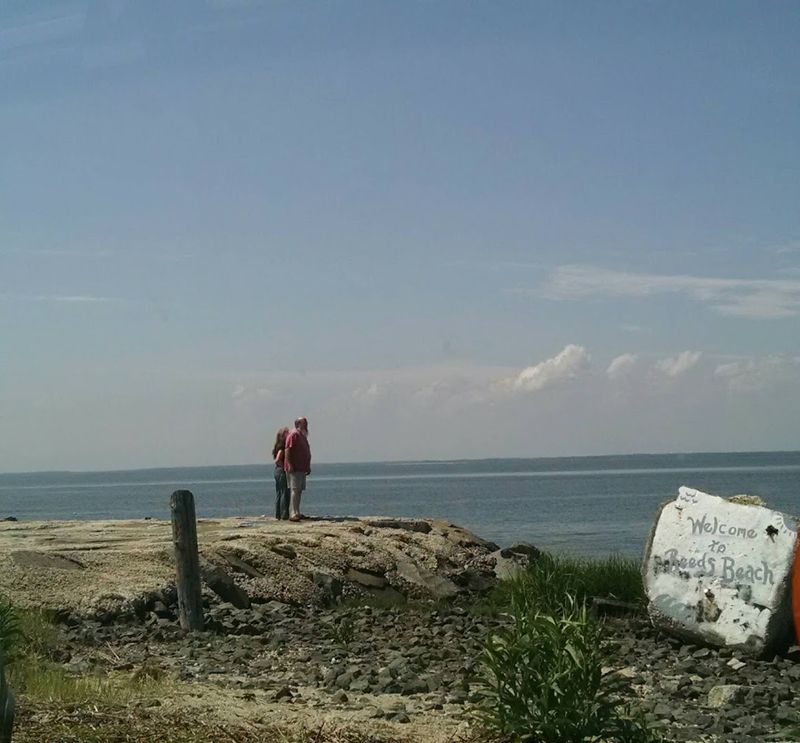
Reeds Beach feels like a slower, bay-side version of the hunt. The Delaware Bay setting gives it a different personality from the ocean beaches: calmer water, wide sky, and a shoreline where patient walkers scan for clear or honey-colored quartz pebbles mixed among shells and rounded stones.
This is the Cape May Diamond world, though without quite the same tourist spotlight as Sunset Beach. That makes it appealing if you like your rockhounding with more quiet and fewer elbows.
The key is to look where the water has naturally sorted the beach debris into lines and pockets. Clear quartz pebbles can be easy to miss because they often look like bits of wet glass or pale shell until you pick them up.
Early morning is lovely here, and low tide gives you more working room. As with any beach site, keep the search low-impact: no dune disturbance, no digging into protected areas, and no ignoring posted wildlife or access signs.
Reeds Beach is especially good for the collector who enjoys the rhythm of looking. You may not leave with a showpiece, but you can easily leave with a few small stones that feel personal because you actually noticed them.
That is half the fun of bay beach rockhounding in South Jersey.
12. Higbee Beach Wildlife Management Area
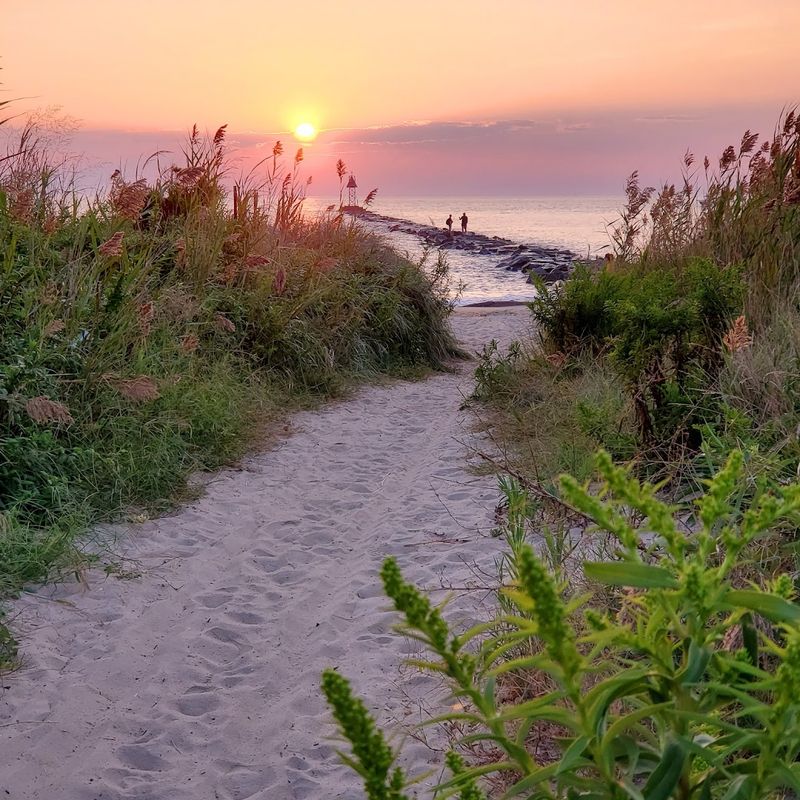
Higbee Beach asks for a lighter touch. This Cape May Wildlife Management Area is chiefly managed for wildlife, especially the migratory birds that turn the peninsula into a major stopover, so rock enthusiasts should treat the place with extra care.
Stay on appropriate paths, respect closures, and avoid disturbing dunes, vegetation, or habitat. With that mindset, Higbee can be a beautiful place to search the shoreline for Cape May Diamonds, the clear quartz pebbles that have traveled down the Delaware River system and been rounded by time and water.
The beach has a wilder feel than the more famous souvenir-hunting spots, and that is exactly why it stands out. You get shoreline, birds, bay views, and the small thrill of spotting a translucent pebble among ordinary beach gravel.
This is not a heavy-tool location, and it should never feel like one. Think beachcombing, not excavation.
A pocket-sized container, comfortable walking shoes, and a willingness to pause for bird activity will serve you better than any rock hammer. Higbee is perfect for the rock enthusiast who also likes nature with a little elbow room.
The stones are the excuse, but the setting is what keeps people lingering longer than planned.
13. Sunset Beach
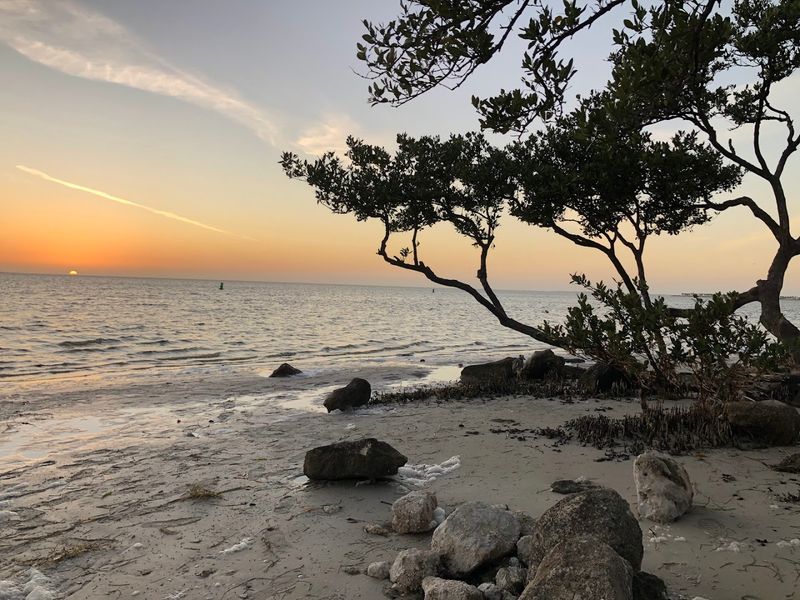
Sunset Beach is the show-off of the Cape May Diamond scene, and honestly, it has earned the reputation. The clear quartz pebbles found here have been tumbled by river and ocean action until they look like tiny pieces of frosted treasure.
They are not diamonds, of course, but hold one up to the light and you understand why the nickname stuck. This is one of the easiest places in New Jersey to make rockhounding feel approachable.
You do not need technical gear, and you do not need to know twenty mineral names before you start. You just need to walk the pebble line, look for translucence, and learn the difference between shell shine and quartz glow.
The beach also has a built-in sense of occasion thanks to its sunset views and the remains of the concrete ship offshore, which gives the whole place a little extra Jersey weirdness in the best way. Go when the beach is less crowded if you want to search seriously, and check around freshly moved gravel after waves have done some sorting.
The finds may be small, but they are satisfying. Sunset Beach is the spot to bring someone who thinks rockhounding sounds boring and let the first clear pebble change their mind.
14. Snake Hill / Laurel Hill
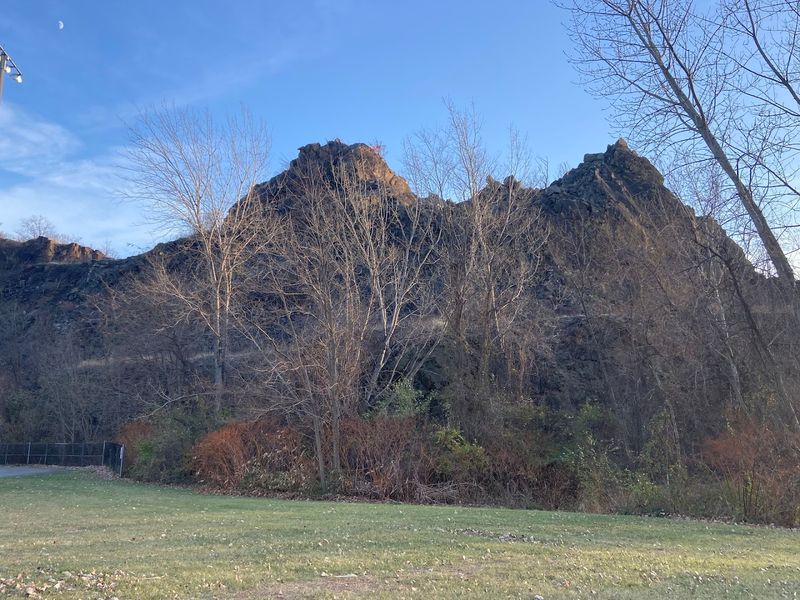
Snake Hill, officially Laurel Hill, looks like New Jersey left a dramatic chunk of old igneous rock in the middle of the Meadowlands just to keep commuters guessing. Rising from Secaucus near the Hackensack River, it is a remnant of a much larger formation that was heavily quarried in the past.
Geologically, it is tied to diabase and the broader Palisades Sill story, and historically it has produced minerals that give it real collector interest. This is not a casual collecting spot today, and that needs to be said plainly.
Treat it as a geology landmark, not an open dig. The surrounding Laurel Hill County Park area makes it possible to appreciate the formation from a public setting, and that is the best way to approach it.
What makes Snake Hill special is its contrast: wild-looking rock, industrial history, Meadowlands wetlands, highways, and skyline-adjacent views all stacked into one strange little corner of North Jersey. For a rock enthusiast, it is worth visiting because it shows how mineral history can survive even in a heavily developed landscape.
You may not be taking home specimens, but you will get a clearer sense of how much geology is hiding in plain sight beside roads people drive every day without noticing.