Big Bend National Park draws over half a million visitors every year, and for good reason—it’s spectacular. But while everyone flocks to West Texas for that iconic desert scenery, dozens of equally beautiful state parks across Texas sit practically empty, waiting to be explored. These hidden gems offer everything from underground caverns to lush riverbeds, and you won’t have to fight crowds or book campsites months in advance.
If you’re ready to trade the tourist rush for real solitude and adventure, these underrated parks deserve a spot on your Texas bucket list.
1. Government Canyon State Natural Area (San Antonio)
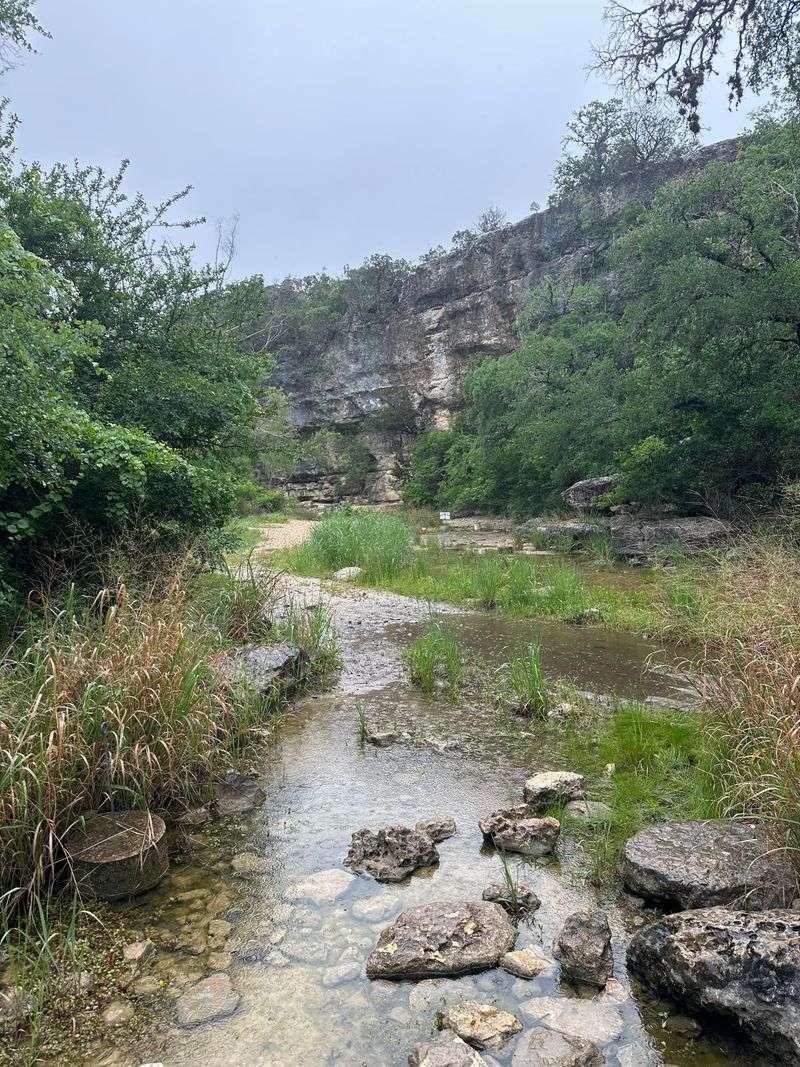
Just a quick drive from downtown San Antonio, Government Canyon feels like a different world entirely. Rolling hills covered in juniper and oak stretch for miles, and the trails here wind through terrain that’s been virtually untouched for centuries. You can hike up to dinosaur tracks that are over 110 million years old, preserved right in the limestone—no ropes, no crowds, just you and ancient history.
The park covers more than 12,000 acres, but on most weekdays you might see only a handful of other hikers. That’s the magic of this place. While Big Bend gets packed with out-of-state visitors, Government Canyon stays blissfully quiet, even though it’s sitting right next to one of Texas’s biggest cities.
Trails range from easy nature walks to challenging backcountry routes that’ll test your stamina. The Recharge Trail takes you through areas where rainwater soaks into the Edwards Aquifer, the water source for millions of Texans. It’s a cool reminder that these parks aren’t just pretty—they’re essential.
Birdwatchers love this spot because the mix of habitats attracts everything from golden-cheeked warblers to roadrunners. Bring binoculars and a field guide, and you’ll be amazed at what you spot. The park also offers stargazing programs on select nights, and the views rival anything you’d see out west.
If you’re into mountain biking, the trails here are some of the best in the San Antonio area. They’re technical enough to keep things interesting but not so brutal that you’ll be walking your bike the whole time. Pack plenty of water, though—Texas heat is no joke, even in the shade.
Government Canyon proves you don’t need to drive eight hours to find solitude and natural beauty. Sometimes the best adventures are hiding in plain sight, just waiting for someone curious enough to explore them.
2. Resaca de la Palma State Park (Brownsville)
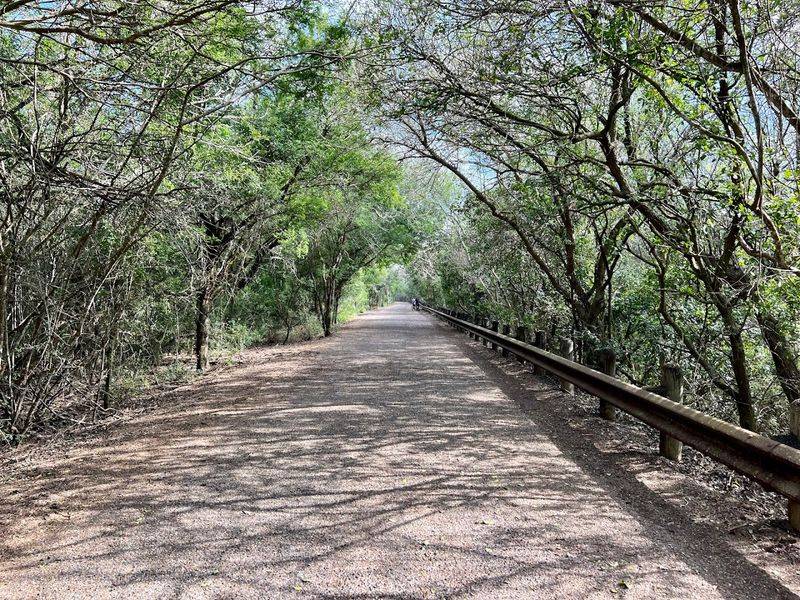
Down in the Rio Grande Valley, where Texas meets Mexico, Resaca de la Palma sits like a secret garden most people have never heard of. This park protects one of the last remaining pieces of native South Texas habitat, a landscape that’s been disappearing fast as cities expand. Walking these trails feels like stepping into a jungle—thick vegetation, exotic birds, and wildlife you won’t find anywhere else in the state.
The park is named after the resacas, which are old oxbow lakes left behind when the Rio Grande changed course over the centuries. These wetlands create perfect conditions for an incredible variety of species. Birders travel from all over the world to spot rare tropical birds here, including green jays, altamira orioles, and plain chachalacas that sound like they’re laughing at you from the trees.
Unlike Big Bend’s rugged desert, Resaca de la Palma is green and humid, more like Louisiana than West Texas. The trails are mostly flat and shaded, making them accessible for families and anyone who prefers a leisurely walk over a steep climb. But don’t let the easy terrain fool you—this place is wild, and you might spot everything from bobcats to indigo snakes.
The park offers both hiking and biking trails, and the World Birding Center here provides excellent educational programs. If you visit during migration season, the sheer number of bird species passing through is mind-blowing. Bring a camera with a good zoom lens, because photo opportunities are everywhere.
Most Texans have never even heard of this park, which means you’ll often have entire sections of trail to yourself. That kind of solitude is rare, especially in a place this biologically rich. The Valley doesn’t get the attention it deserves, but that’s starting to change as more people discover what’s been hiding down here all along.
Resaca de la Palma reminds us that Texas isn’t just cowboys and deserts—it’s also subtropical forests teeming with life, waiting quietly for visitors who appreciate something truly different.
3. Big Bend Ranch State Park (Presidio/Terlingua)
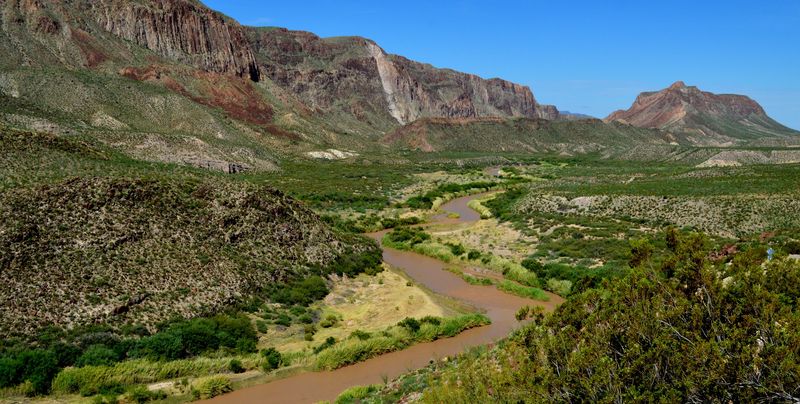
Right next door to Big Bend National Park sits its wilder, less-visited cousin: Big Bend Ranch State Park. While the national park gets all the glory, the state park offers equally stunning scenery with a fraction of the crowds. This is Texas’s largest state park, covering over 300,000 acres of Chihuahuan Desert wilderness that’ll make you feel like you’ve landed on another planet.
The landscape here is raw and unforgiving, with volcanic rock formations, deep canyons, and mountains that glow red at sunset. River Road (FM 170) cuts through the park along the Rio Grande, and it’s considered one of the most scenic drives in America. Every turn reveals another jaw-dropping vista, and you can pull over whenever you want to soak it all in without bumper-to-bumper traffic.
Hiking options range from short walks to multi-day backpacking trips into true backcountry. The Closed Canyon Trail is a favorite—you walk right into a narrow slot canyon where the walls tower overhead and sunlight filters down in golden shafts. It’s like something out of a movie, and on most days you’ll have it completely to yourself.
The park also offers river access for kayaking and canoeing, and paddling the Rio Grande through these canyons is an unforgettable experience. The water is calm in most sections, making it doable even for beginners, though you’ll want to plan carefully and check conditions before heading out.
Camping here is primitive and beautiful. No RV hookups, no crowds, just you and the stars. The night sky is so dark and clear that the Milky Way looks like a river of light overhead.
Bring everything you need, because services are sparse out here—that’s part of the appeal.
Big Bend Ranch proves that sometimes the best experiences are the ones that require a little more effort to reach. While everyone else is cramming into the national park, you can have this vast wilderness almost entirely to yourself.
4. Mission Tejas State Park (Grapeland)
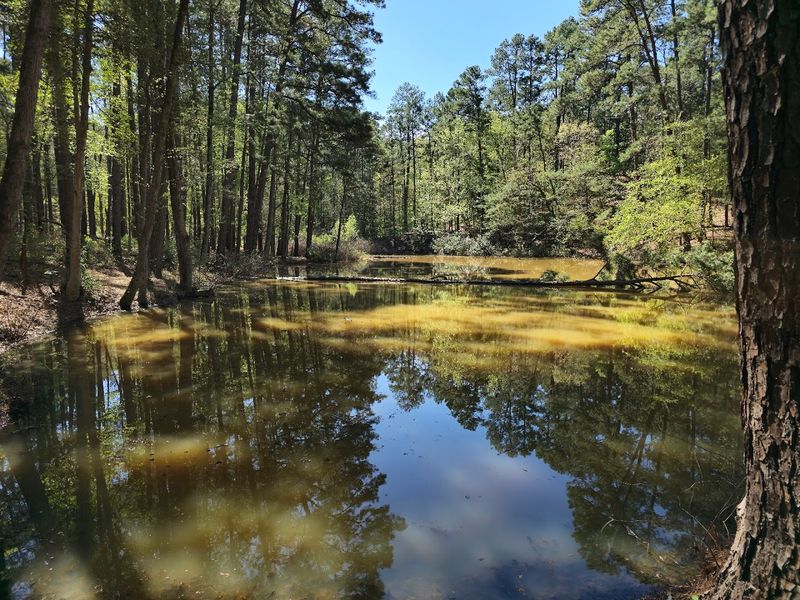
Tucked away in the Piney Woods of East Texas, Mission Tejas takes you back to the earliest days of Spanish colonization. This park preserves the site of the first Spanish mission in East Texas, established in 1690. A replica of that original mission sits among towering pines, and walking the grounds feels like stepping into a history book—minus the crowds you’d find at more famous sites.
The forest here is nothing like the rest of Texas. Instead of cactus and mesquite, you’ll find loblolly pines, dogwoods, and hardwoods that turn brilliant colors in fall. The trails wind through woods so thick and green that you’d swear you were in Arkansas or Louisiana.
It’s a side of Texas most people don’t know exists.
Hiking trails are moderate and well-maintained, perfect for families or anyone looking for a peaceful walk in the woods. The park is small compared to others on this list, but that’s part of its charm. You can explore the whole place in an afternoon and still have time to relax at the picnic area or fish in the pond.
The CCC-built structures add character to the park—stone shelters and a beautiful refectory built during the Great Depression are still standing and in use today. These buildings are works of art in themselves, showcasing the craftsmanship of that era. They’re also great spots to take shelter if an afternoon thunderstorm rolls through.
Mission Tejas is ideal for anyone who loves history mixed with nature. The interpretive signs throughout the park explain the cultural significance of the site, including the interactions between Spanish missionaries and the Caddo people who lived here. It’s educational without being preachy, and kids actually find it interesting.
Because it’s off the beaten path, you won’t find tour buses or massive crowds here. Most visitors are locals from nearby towns, and everyone seems content to enjoy the quiet. If you’re driving through East Texas, this park makes a perfect stop—peaceful, pretty, and packed with stories that helped shape Texas as we know it.
5. Fort Boggy State Park (Centerville)
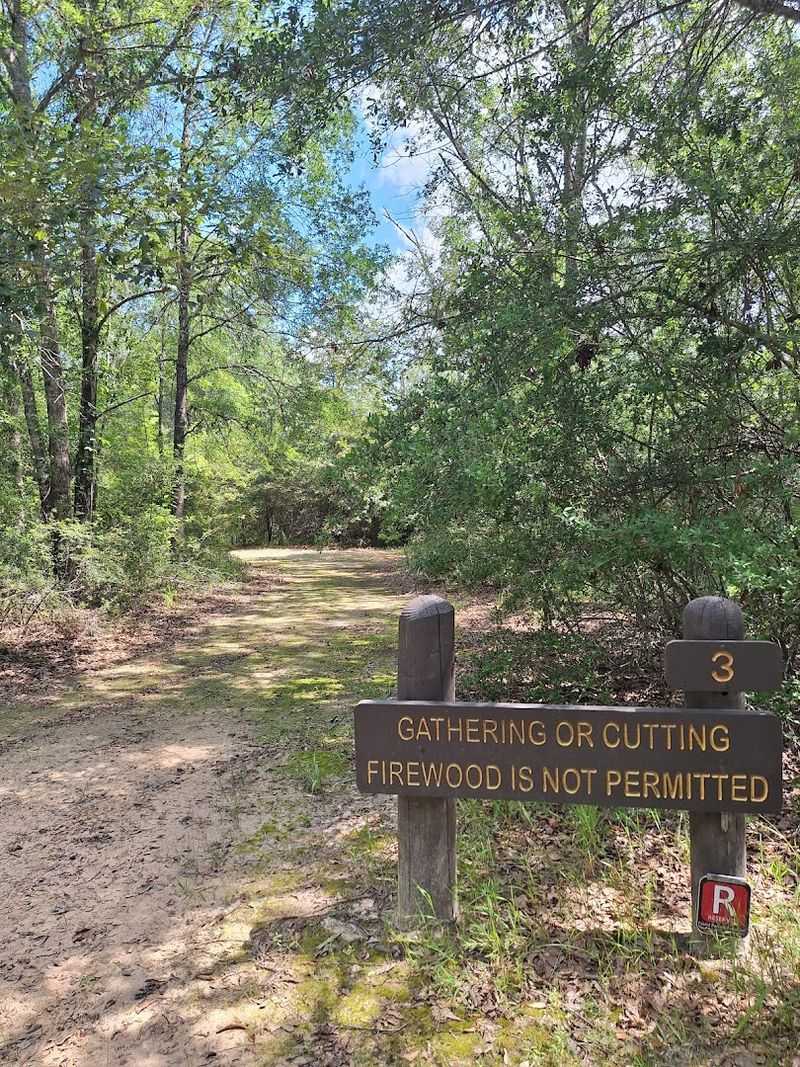
Fort Boggy sits in the middle of nowhere, which is exactly why it’s so wonderful. Located near Centerville in East Texas, this park offers a peaceful retreat centered around a 25-acre lake that’s perfect for fishing, kayaking, or just sitting on the shore watching the world slow down. The name comes from a frontier fort that once stood nearby, though don’t expect any dramatic ruins—the real attraction here is pure, unfiltered nature.
The lake is stocked with bass, catfish, and sunfish, making it a favorite among anglers who appreciate fishing without competing for spots. You can rent a kayak or bring your own canoe and paddle around exploring the quiet coves. The water is calm and the setting is serene, with pine trees reflecting in the glassy surface on still mornings.
Hiking trails loop around the lake and through the surrounding forest, offering easy to moderate terrain. These aren’t dramatic mountain trails, but they’re beautiful in their simplicity. You’ll walk through woods filled with birdsong, cross small creeks, and maybe spot a white-tailed deer or armadillo along the way.
The trails are well-marked and maintained, making them accessible for all skill levels.
Camping here is low-key and affordable. The campsites are spread out enough that you won’t feel crowded, and many have water and electric hookups if you’re in an RV. Tent campers will appreciate the shaded sites under tall pines.
There’s also a screened shelter you can reserve, which is clutch during mosquito season.
One of the best things about Fort Boggy is how quiet it stays. Even on weekends, you won’t find massive crowds or noisy parties. It’s the kind of place where families come to unplug, where kids can actually play outside without distractions, and where you can hear yourself think again.
The park doesn’t have flashy features or Instagram-famous views, and that’s precisely the point. Sometimes you don’t need dramatic landscapes—you just need a peaceful place to reconnect with nature and remember what really matters. Fort Boggy delivers that in spades.
6. Colorado Bend State Park (Bend)
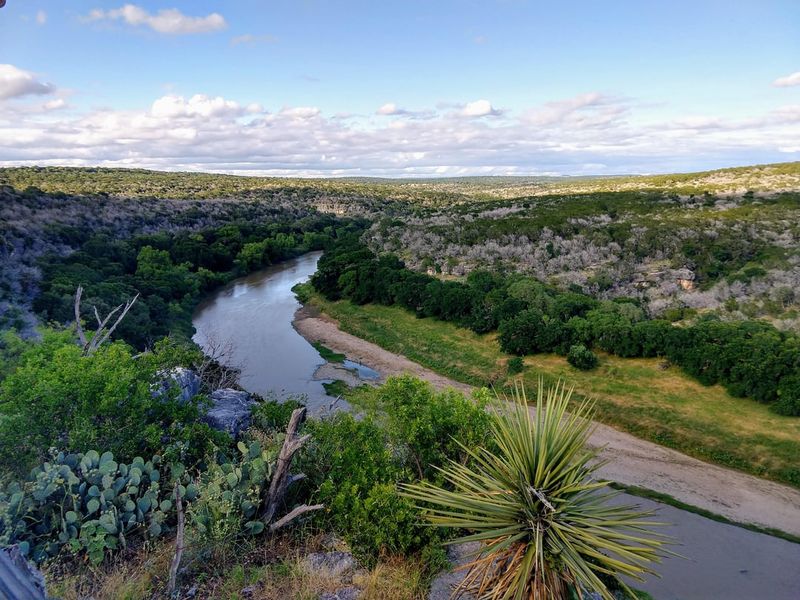
Hidden in the Hill Country near the town of Bend, Colorado Bend State Park is home to one of Texas’s most beautiful waterfalls—and somehow it stays relatively unknown. Gorman Falls cascades 60 feet down a limestone cliff covered in bright green moss and ferns, creating a scene so lush and tropical that you’ll forget you’re in Texas. Getting there requires a moderately challenging hike, but the payoff is absolutely worth every step.
The Colorado River runs through the park, offering excellent opportunities for swimming, kayaking, and fishing. The water is clear and cool, perfect for hot summer days when you need to escape the heat. There are several swimming holes along the river, and on weekdays you might have them entirely to yourself.
No lifeguards, no concession stands—just pure, natural swimming.
Hiking trails here range from easy riverside walks to rugged backcountry routes that’ll challenge even experienced hikers. The scenery is classic Hill Country: limestone cliffs, juniper trees, wildflowers in spring, and views that stretch for miles. Wildlife is abundant, including white-tailed deer, wild turkeys, and even the occasional bald eagle in winter.
The park also features several caves, including Gorman Cave, which you can explore on guided tours. Spelunking here gives you a glimpse into the underground world beneath the Hill Country, complete with formations and bat colonies. Tours are limited and fill up fast, so plan ahead if you’re interested.
Camping options include both primitive sites and sites with water. The primitive camping is truly remote—you’ll hike in with your gear and set up in backcountry areas where the only sounds are wind, water, and wildlife. It’s the kind of camping that reminds you why people love the outdoors in the first place.
Colorado Bend doesn’t have the name recognition of nearby parks, which means it stays blissfully uncrowded even during peak season. Locals know about it, but tourists usually skip right past on their way to more famous destinations. Their loss is your gain—this park offers some of the best natural beauty in Texas without the hassle of fighting for parking or dealing with crowds.
7. Devils River State Natural Area (Del Rio)
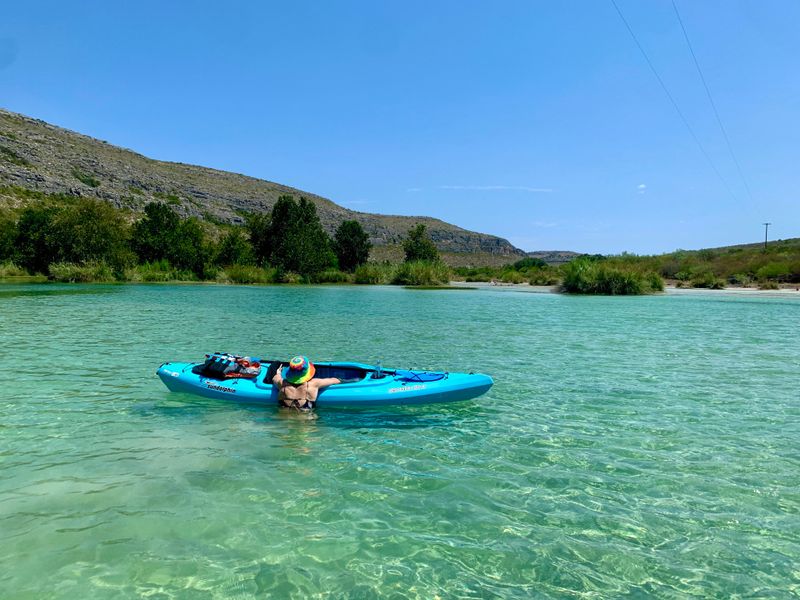
The Devils River might be the most pristine waterway in Texas, and Devils River State Natural Area protects a stunning stretch of it. This remote park near Del Rio is all about the river—crystal-clear water flowing through limestone canyons, creating pools so blue and inviting that you’ll want to jump in immediately. And you should, because the water is some of the cleanest you’ll find anywhere in the state.
Access to this park requires a high-clearance vehicle and some serious planning. The roads are rough, cell service is nonexistent, and amenities are minimal. But if you’re willing to put in the effort, you’ll be rewarded with one of the most beautiful and isolated places in Texas.
This isn’t a park for casual visitors—it’s for people who want real adventure.
Kayaking and canoeing the Devils River is an unforgettable experience. The current is gentle in most sections, but there are a few rapids that add excitement without being dangerous. Paddling through these canyons, surrounded by towering limestone walls and nothing but nature, feels like traveling back in time.
You can camp along the river on multi-day trips, waking up to sunrise over the water.
Fishing here is excellent, with healthy populations of bass, catfish, and sunfish. The clear water makes sight-fishing possible, and the lack of fishing pressure means the fish are plentiful and willing to bite. Just remember to follow all regulations and practice catch-and-release to help preserve this incredible resource.
The park also protects important archaeological sites, including ancient rock art created by Native Americans thousands of years ago. These pictographs are fragile and irreplaceable, so viewing them requires respect and care. Guided tours are sometimes available, offering insight into the people who called this land home long before Texas was even a word.
Devils River State Natural Area isn’t for everyone, and that’s by design. It’s remote, challenging, and requires self-sufficiency. But for those who make the journey, it offers something increasingly rare: true wilderness, untouched and unspoiled, where you can disconnect completely and reconnect with nature in its purest form.
8. Kickapoo Cavern State Park (Bracketville)
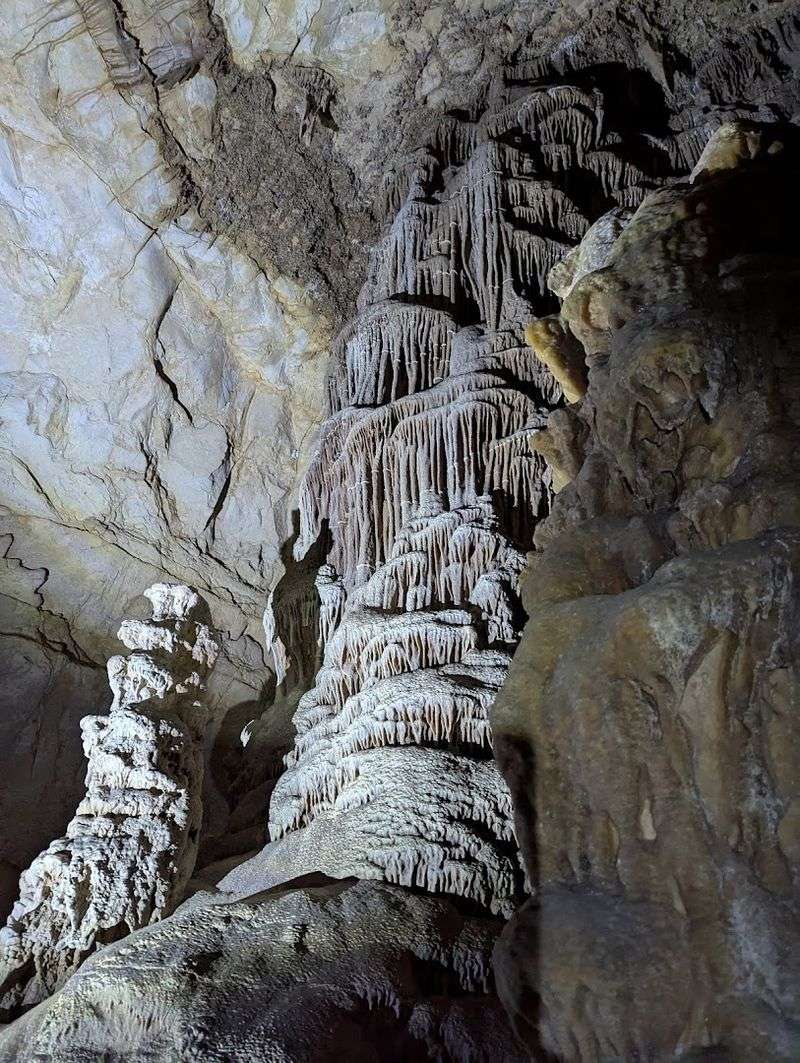
Out in the brush country near Bracketville, Kickapoo Cavern State Park protects a network of caves that serve as home to millions of bats. This isn’t your typical park—there are no paved roads, no visitor center with gift shops, and definitely no crowds. What you will find is raw, rugged terrain and some of the most impressive cave systems in Texas, accessible only through guided tours.
The main attraction is Kickapoo Cavern itself, a massive underground chamber filled with stunning formations. Stalactites hang from the ceiling like stone icicles, and stalagmites rise from the floor in bizarre, beautiful shapes. The tours are limited to small groups and require reservations well in advance, which keeps the caves pristine and the experience intimate.
Wear sturdy shoes and be prepared for some climbing—this isn’t a wheelchair-accessible boardwalk tour.
Bat flights at sunset are spectacular during summer months. Sixteen species of bats call these caves home, and watching them pour out into the evening sky in search of insects is a sight you won’t forget. The sheer number of bats is staggering, and the sound of their wings creates a rush of air you can actually feel.
Above ground, the park offers hiking trails through semi-arid landscape dotted with prickly pear, mesquite, and yucca. It’s not lush or green, but it has a stark beauty that grows on you. Wildlife includes javelinas, roadrunners, and occasionally even mountain lions, though you’re unlikely to see one.
The solitude out here is profound—you can hike for hours without seeing another person.
Camping is primitive and limited, with only a handful of sites available. You’ll need to bring all your own water, and be prepared for the reality of camping in the brush country: it’s hot, dry, and full of things that poke or bite. But if you’re looking for a genuine wilderness experience, this is it.
Kickapoo Cavern stays empty because it requires effort and planning. There’s no driving up and snapping quick photos—you have to commit. But for those who do, the rewards are immense: caves that rival anything in the Hill Country, wildlife encounters, and solitude that’s increasingly hard to find in modern Texas.
9. Fort Leaton State Historic Site (Presidio)
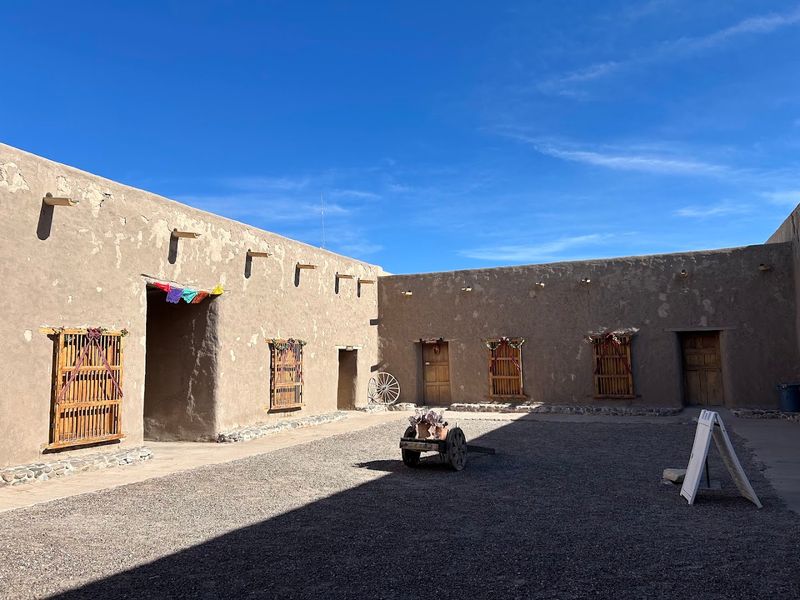
Fort Leaton stands along the Rio Grande near Presidio, a massive adobe fortress that tells the story of frontier life in far West Texas. Built in 1848 by Ben Leaton, the fort served as a trading post and private fortress during one of the wildest periods in Texas history. Today it’s remarkably well-preserved, and walking through its thick-walled rooms gives you a genuine sense of what life was like on the edge of civilization.
The fort’s architecture is striking—thick adobe walls designed to stay cool in the brutal desert heat, small windows for defense, and a central courtyard that provided security and community space. The restoration work has been careful and authentic, using traditional materials and methods. It’s not a theme park version of history; it’s the real deal, preserved with respect and care.
Interpretive exhibits throughout the fort explain the complex history of the region, including the interactions between settlers, Native Americans, and Mexican communities. The story isn’t simple or sanitized—it includes conflict, cooperation, trade, and survival in a harsh environment. The honesty of the presentation makes it more interesting, not less.
The location itself is stunning. The fort sits on a bluff overlooking the Rio Grande, with Mexico visible just across the water. The desert landscape stretches in all directions, and the sense of isolation is palpable.
This was truly the middle of nowhere in the 1800s, and it still feels remote today.
Visiting Fort Leaton works well as part of a larger trip through the Big Bend region. It’s not far from Big Bend Ranch State Park, and combining the two gives you a fuller picture of this unique corner of Texas. The fort doesn’t require hours to explore, but it’s worth taking your time to read the exhibits and imagine what life was like here.
The site stays quiet because Presidio is off the main tourist routes. Most people heading to Big Bend National Park drive right past without stopping, which is a shame. Fort Leaton offers a fascinating glimpse into Texas history, standing as a testament to the people who carved out lives in one of the harshest environments on the continent.
10. Devil’s Sinkhole State Natural Area (Rocksprings)
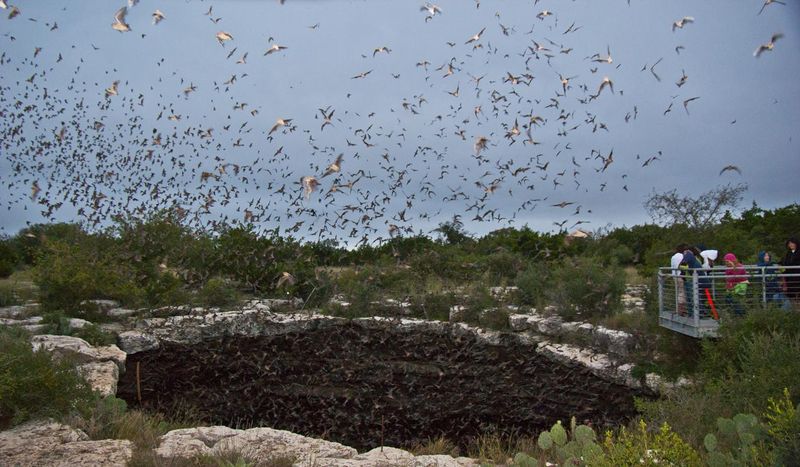
This is one of the most dramatic geological features in Texas—a massive vertical cavern that drops 140 feet straight down into the earth. Standing at the edge and looking into that dark void is both thrilling and slightly terrifying. The sinkhole serves as home to millions of Mexican free-tailed bats, and watching them emerge at dusk is one of the great natural spectacles in the state.
Access to the sinkhole is strictly controlled through guided tours only, which keeps the site protected and the experience special. Tours are limited to small groups, and reservations fill up quickly during bat season. The guides are knowledgeable and passionate, explaining the geology, biology, and conservation efforts that keep this natural wonder intact.
The bat flight happens every evening from May through October, weather permitting. As the sun sets, bats begin spiraling up from the depths of the sinkhole in a tornado-like column, heading out to feed on insects. It’s estimated that up to three million bats emerge each night, and the sight is absolutely mesmerizing.
Bring binoculars and a camera, though photos rarely do justice to the experience.
The geology of the sinkhole is fascinating in itself. It formed when the roof of an underground cavern collapsed, creating this massive opening. The walls are sheer limestone, and the depth creates a unique ecosystem with its own microclimate.
Scientists continue to study the sinkhole, discovering new species and learning about underground hydrology.
The surrounding area offers hiking trails through typical Hill Country terrain—rocky, covered in juniper and oak, with wildflowers in spring. The trails aren’t long, but they provide nice opportunities to stretch your legs before or after your tour. Wildlife sightings are common, including deer, turkeys, and various bird species.
Devil’s Sinkhole stays relatively unknown because it requires advance planning and you can’t just show up. But that’s exactly what keeps it special. The limited access ensures the bats and the ecosystem remain protected while still allowing people to witness something truly extraordinary.
It’s conservation and tourism done right, proving that protecting natural wonders doesn’t mean keeping people out—it just means being thoughtful about how we visit.
11. Cypress Bend Park (New Braunfels)
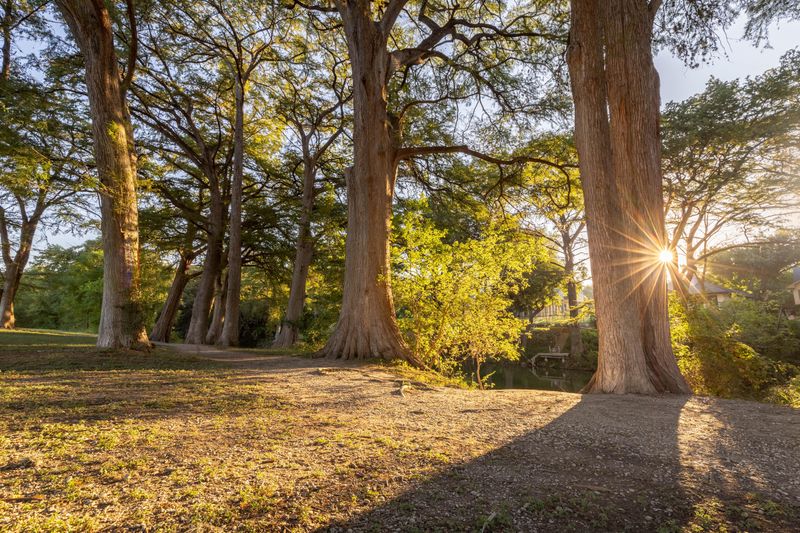
Cypress Bend Park sits along the Guadalupe River just outside New Braunfels, offering a quieter alternative to the crowded tubing scene downtown. This city park protects a beautiful stretch of riverfront where ancient bald cypress trees line the banks, their roots creating natural sculptures in the clear water. It’s the perfect spot for families who want river access without the party atmosphere that dominates other parts of the Guadalupe.
The park features a nice network of trails that wind along the river and through the surrounding forest. These aren’t challenging hikes, but they’re beautiful and peaceful, especially early in the morning when mist rises off the water. The trails are well-maintained and accessible, making them great for kids, older visitors, or anyone who just wants a pleasant walk in nature.
River access here is excellent for kayaking, canoeing, and swimming. The water is clean and cool, fed by springs upstream, and the current is gentle enough for beginners. You can put in at the park and paddle downstream, or just find a quiet spot along the bank to swim and relax.
Unlike the tube rental areas, you won’t be surrounded by hundreds of people—it’s genuinely peaceful.
Fishing is popular here, with good populations of bass, catfish, and sunfish. The cypress trees create structure that fish love, and you can often see them in the clear water. Bank fishing is easy, or you can wade out if you have the right gear.
Just be aware of private property boundaries and stick to public access areas.
The park has picnic facilities, restrooms, and plenty of parking, making it convenient for day trips. It’s popular with locals but rarely crowded, especially on weekdays. Weekends see more traffic, but it never reaches the chaos of the main tubing areas.
People here come to actually enjoy nature, not just party on the river.
Cypress Bend proves that you don’t need to venture hours from civilization to find beautiful, peaceful outdoor spaces. Sometimes the best spots are right on the edge of town, waiting for people who prefer tranquility over crowds. While tourists pack into the commercial tubing operations, locals know this is where the real beauty lives.
Share this story