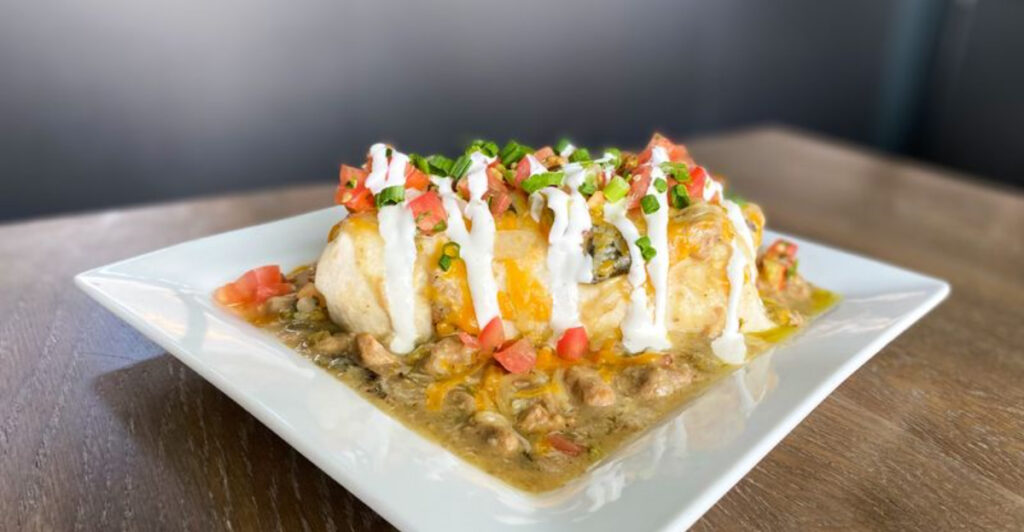
A great California burrito is more than just a meal—it’s a satisfying combination of bold flavors, hearty fillings, and perfectly wrapped comfort food. Across Colorado, talented taquerias and local Mexican restaurants have embraced the San Diego classic, stuffing oversized tortillas with seasoned meats, crispy fries, melted cheese, fresh ingredients, and creative regional twists like smoky green chile or house-made sauces.
Whether you prefer a traditional take or something uniquely Colorado, these restaurants have turned the California burrito into one of their standout specialties. These 9 spots serve burritos that are well worth arriving hungry for.
1. Carrera’s Tacos (Greenwood Village)
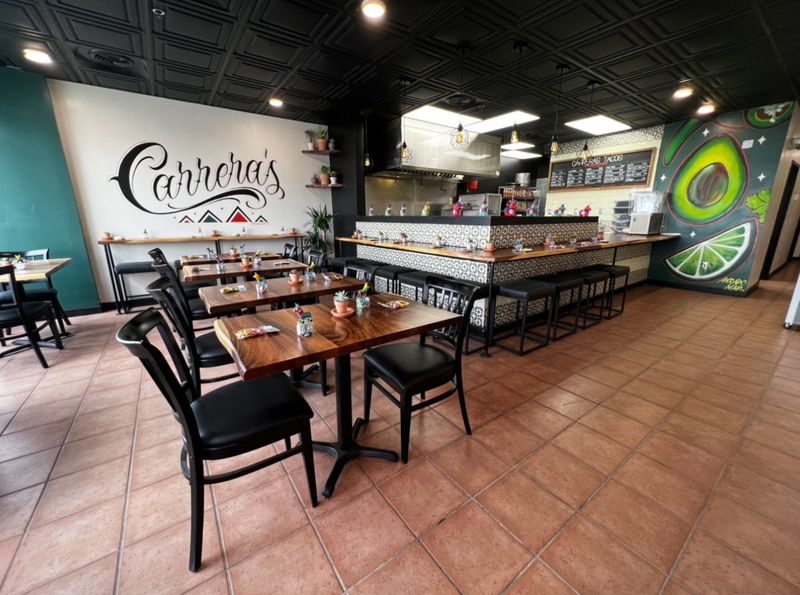
Plenty of burritos claim West Coast roots, but a good California burrito needs balance more than hype. At Carrera’s Tacos in Greenwood Village, the big idea is familiar in the best way: crispy fries tucked into a warm tortilla with your choice of protein, plus the rich, savory flavor that made the style famous in San Diego.
That mix gives suburban Denver diners an easy way to try a burrito style that has built a loyal following far beyond Southern California.
The smartest move here is to pay attention to texture. Fries can turn soft fast inside a burrito, so one of the nicest things about a well-made version is the contrast between crisp edges, tender meat, and creamy toppings.
Choosing a protein that matches that structure matters too. Carne asada brings the classic route, while chicken can lighten the overall bite a little. Either way, a Cali burrito works best when each bite tastes like more than just starch and cheese.
Greenwood Village is not the first place many people think of for burrito bragging rights, which makes this stop more fun. Carrera’s leans into the simple pleasure of a hand-held meal that is filling without getting overly complicated.
There is value in that. When a restaurant sticks to a clear idea and executes it cleanly, the result can be more satisfying than a burrito loaded with too many extras.
For first-timers, ordering it with a side salsa is a smart call. A brighter, sharper sauce can cut through the heavier ingredients and wake everything up.
Come hungry, keep napkins close, and expect a burrito built to deliver the fries-first comfort people chase in a true California style favorite.
2. Mamacitas (Denver)
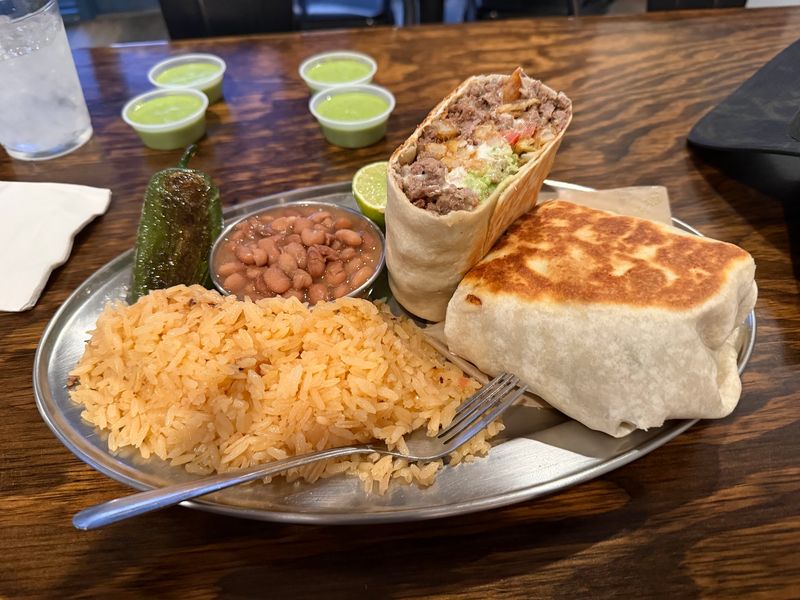
Lunch can go from easy to chaotic in a hurry, and that is where a big, fast burrito earns its place. Mamacitas on South Federal Boulevard serves generously packed Mexican street food, and its Cali-style burrito fits the mood of the area: hearty, direct, and made to satisfy without a lot of fuss.
It is the kind of meal that makes sense when you need something filling now, not an hour from now. South Federal is one of Denver’s strongest corridors for Mexican food, so any burrito getting attention there has to hold up under comparison.
Mamacitas works in that environment by keeping the focus on abundance and straightforward flavor. A California burrito should eat like a complete meal in one wrap, and that is exactly the appeal here. The fries add heft, the fillings bring salt and richness, and the whole package is built for serious hunger.
Because this style can get heavy, a good strategy is to think about timing. Go when you are truly hungry, or plan to split it.
Cali burritos are famous for looking manageable at first and then turning into a full table project halfway through. That is not a complaint.
It is part of the fun. A tightly packed burrito with plenty of substance delivers comfort in a way lighter meals simply do not. Mamacitas also fits readers who love the street-food side of Denver dining. There is no need to overthink the order.
Grab the burrito, add a drink, and keep your expectations centered on flavor and fullness. For anyone exploring the city’s take on the California burrito, this is a strong stop because it shows how well the format works as a quick meal. Simple, sturdy, and satisfying can still make a strong impression.
3. La Lotería Taqueria (Denver)
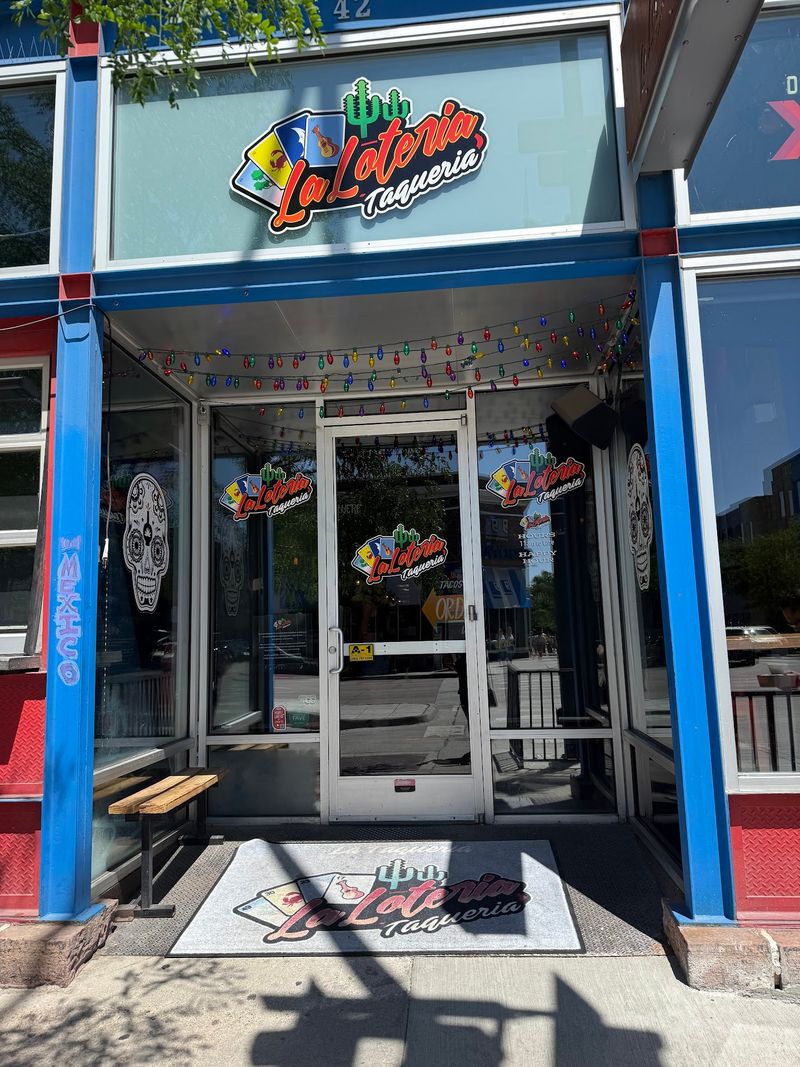
Few burritos on this list sound as boldly stacked as the one at La Lotería Taqueria. Carne asada, fries, cheese, crema, guacamole, and pico de gallo already make for a serious meal, but the pork green chile shifts the whole experience into Colorado territory.
That final touch matters because it takes a familiar California blueprint and gives it a regional accent that is easy to remember.
Layering this many ingredients can go wrong if the flavors blur together. Here, the smarter way to think about the burrito is in stages. The carne asada brings the savory backbone. Fries add bulk and a crispy-soft contrast.
Crema and guacamole smooth out the sharper edges, while pico de gallo lifts the bite with freshness. Then the green chile comes in with warmth and personality, giving the burrito a different finish than a standard San Diego version.
That Colorado finish is the reason this pick stands out. Green chile is one of the state’s favorite comfort flavors, and adding it to a California burrito creates a bridge between two food traditions that already make plenty of sense together.
It is still a hand-held, fry-filled meal, but it carries a little extra depth and local identity. For readers trying to decide between classic and creative, this one sits nicely in the middle.
A burrito like this can get messy, so the practical advice is simple: do not rush. Give it a few careful bites before adding salsa or any side sauce.
With so many rich parts inside, the best first impression comes from tasting the original combination on its own. La Lotería Taqueria offers one of the clearest examples of how Colorado restaurants can respect the California burrito while also making it their own in a memorable, full-flavored way.
4. North County (Denver)
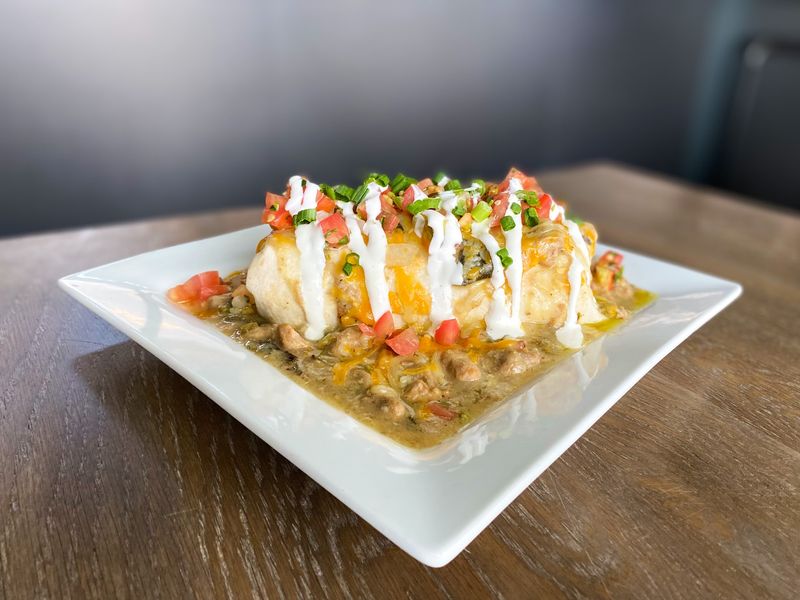
North County brings a different energy to the California burrito conversation. Inspired by coastal communities north of San Diego, it blends Baja influence with Colorado comfort, which means fry-loaded carne asada flavors meet homemade green chile in a more polished setting.
That combination gives diners a version of the burrito that nods to beach-town roots while still speaking the language of Denver.
Sometimes the most interesting burritos are the ones that shift context. Instead of treating the California burrito as pure grab-and-go food, North County frames it inside a broader sit-down experience.
The result is a meal that can feel a little more composed without losing the appeal that made the style popular in the first place. Fries still matter.
Carne asada still leads. The pleasure still comes from rich, salty, filling bites. Yet the addition of homemade green chile adds local comfort and makes the whole order fit naturally within Colorado dining.
That Baja-meets-Front-Range angle is useful for readers who enjoy a California burrito but want something with a little extra personality. Green chile changes the finish of each bite, adding warmth and a deeper savory note that plays well with beef and potatoes.
It also helps separate this burrito from versions that lean only on cheese and fries for richness. Balance, not bulk alone, helps make this style stand out.
North County is a good choice for diners who want the spirit of a California burrito without the plain fast-food feel some versions carry. Sit down, take your time, and notice how the parts work together.
When restaurants borrow a classic idea and adapt it carefully, they can keep the comfort while sharpening the flavor. That is the lane North County works in, and it gives the burrito a slightly dressed-up edge without losing its craveable core.
5. Colorado Grille & Tap House (Del Norte)
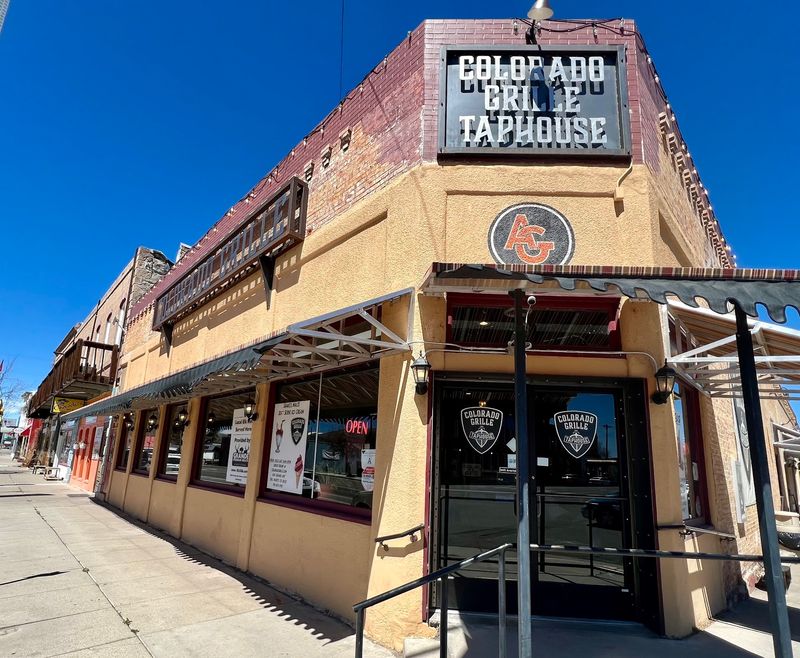
Not every standout California burrito comes from a big city. In Del Norte, Colorado Grille & Tap House offers a San Luis Valley interpretation that takes the usual formula in a more creative direction.
Shaved steak, fries, avocado, cheese, and tomatoes already make a solid base, but chimichurri and garlic aioli push the burrito into territory that is a little more playful and a lot more distinct.
Those two sauces are the key to understanding why this version earns attention. Chimichurri brings a punchy, herby brightness that can cut through steak and fries without making the burrito taste heavy from start to finish.
Garlic aioli adds a creamy, savory layer that feels richer and smoother than standard sour cream. Together, they create a flavor profile that is different from the more familiar carne asada, cheese, and guacamole path.
It is still comfort food, just viewed through a new regional lens. Del Norte is not usually the first stop named in burrito roundups, which makes this entry more interesting. A town does not need a massive food scene to produce a memorable meal.
Sometimes a restaurant gains attention because it understands how to borrow a known idea and reshape it for local tastes. The San Luis Valley spin here does exactly that.
Avocado and tomatoes add freshness, shaved steak makes the filling easy to bite through, and the sauces give the whole thing momentum.
Readers who prefer their burritos classic may still find plenty to like, especially if they enjoy steak-forward flavor. The best approach is to order with an open mind and let the chimichurri do its work before adding anything extra.
Colorado Grille & Tap House shows that the California burrito can travel well across the state, picking up new character along the way without losing the hearty, fry-stuffed identity people expect.
6. Albertaco’s Mexican Food (Colorado Springs)
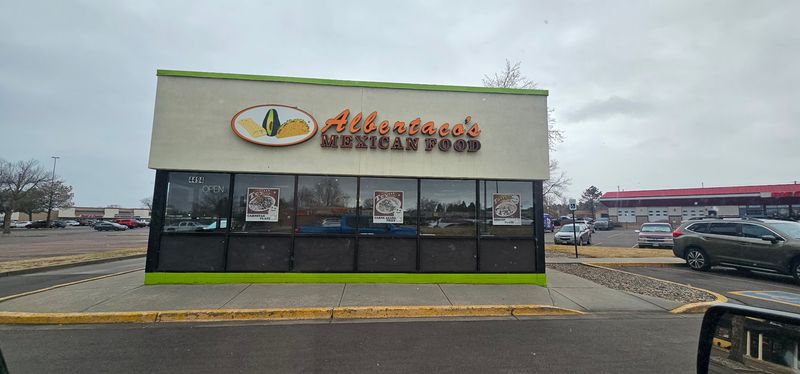
Classic combinations survive for a reason. Albertaco’s Mexican Food in Colorado Springs keeps the California burrito close to the familiar formula with carne asada, french fries, cheese, guacamole, pico de gallo, and sour cream wrapped inside a flour tortilla.
For diners who do not need a twist, that straightforward lineup is exactly the draw. There is comfort in a burrito that knows its role. Rather than chasing novelty, Albertaco’s appears to lean into the parts people already expect from this style. The carne asada provides the savory center. Fries make it hearty.
Cheese and sour cream add richness, while guacamole and pico de gallo bring creaminess and freshness. It is a full, balanced setup when the ratios are right, and it matches the version many burrito fans picture first when they hear the words California burrito.
Colorado Springs has plenty of hungry diners looking for a substantial meal that lands somewhere between quick and deeply satisfying. That is where this burrito fits neatly.
The flour tortilla matters too, since a Cali burrito needs a wrapper sturdy enough to hold heavy fillings without falling apart halfway through lunch. A good tortilla turns the experience from messy frustration into a proper hand-held meal.
For readers mapping out burrito stops across Colorado, Albertaco’s serves as a useful baseline. Not every restaurant needs green chile, fancy sauces, or over-the-top toppings to stand out.
Sometimes the win comes from sticking with the recognizable structure and making sure every core element is present. That makes this a smart pick for first-time explorers of the category and for regulars who just want the familiar fry-and-steak comfort they came for.
In a lineup full of local spins, Albertaco’s represents the dependable, classic side of Colorado’s California burrito scene with satisfying confidence.
7. Man vs Fries (Denver and Aurora)
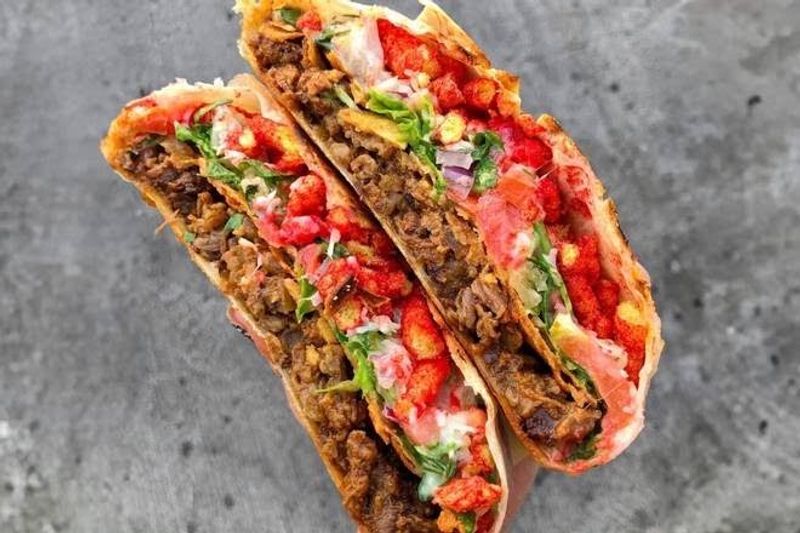
Subtlety is not the goal at Man vs Fries, and that is the whole point. With locations in Denver and Aurora, this fry-focused concept takes the California burrito idea and turns the volume way up, packing oversized tortillas with seasoned fries, meat, cheese, guacamole, sauces, and even optional Flamin’ Hot chips.
It is less about restraint and more about leaning fully into the fun, messy side of comfort food. That oversized build changes the experience right away. A burrito like this is built for appetite, photos, and serious cravings.
The fries are not just filler here. They are part of the brand identity, which means they carry more seasoning, more presence, and more swagger than a typical add-in.
Sauces also play a bigger role, pushing the flavor toward loaded, snacky, almost over-the-top territory. Adding Flamin’ Hot chips takes that idea even further by bringing crunch, spice, and a bright punch of color.
Not every diner wants a classic California burrito, and that is where Man vs Fries stands apart. It treats the category as a playground instead of a rulebook.
Purists may prefer a simpler steak-and-fries wrap, but readers in the mood for a bold, indulgent version will likely appreciate the extra drama. There is room in Colorado’s burrito scene for both approaches.
The smartest way to order here is based on hunger level. Go standard if you want to taste the format clearly, or add the chips when the goal is maximum crunch and chaos.
Either way, expect a burrito that does not pretend to be light. Man vs Fries shows how the California burrito can expand beyond its original lane and become something louder, heavier, and more playful. For many diners, that extra excess is not a flaw. It is the reason to show up in the first place.
8. Taco River (Denver)
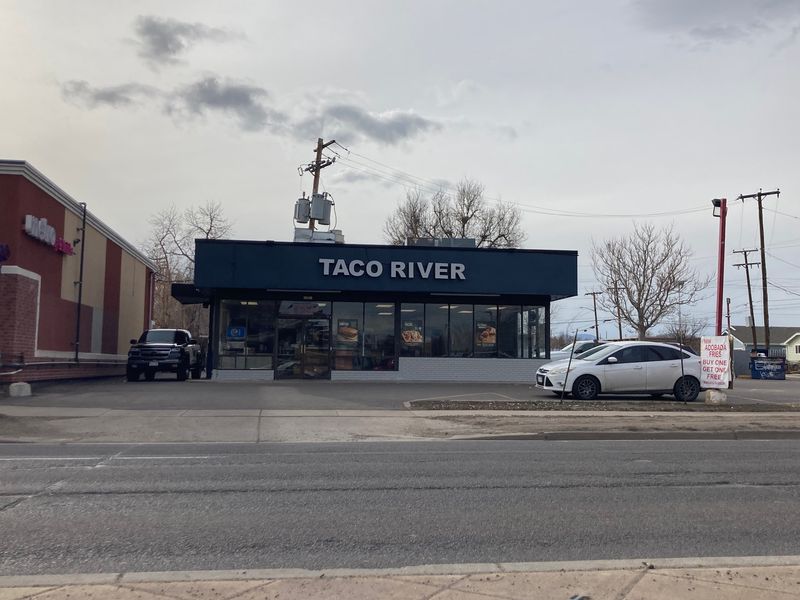
Some burritos try to reinvent the entire category, but Taco River understands the value of getting the essentials right. Its California burrito wraps french fries, a choice of meat, pico de gallo, guacamole, sour cream, cheese, and salsa inside one hearty package.
That combination follows the familiar San Diego blueprint while giving Denver diners enough flexibility to choose the protein that best suits their appetite. The appeal comes from how naturally these ingredients work together.
Fries provide the sturdy, comforting base, while the meat adds savory depth and makes the burrito feel like a complete meal. Guacamole and sour cream bring cooling richness, pico de gallo contributes freshness, and salsa keeps the flavors from becoming too heavy.
Nothing feels out of place because every component plays a recognizable role in the California burrito experience. Taco River is a local, family-owned business with Colorado locations in Denver, Aurora, and Commerce City, making this entry useful for readers beyond one neighborhood.
The Denver outpost on South Federal Boulevard also sits along one of the city’s busiest corridors for Mexican food. In an area filled with burrito choices, serving a clearly labeled California version gives fry-loving diners a direct route to the specific combination they are craving.
For first-time visitors, choosing the meat may be the biggest decision. Steak keeps the experience closest to the traditional carne asada version, while another protein can give the same fry-filled structure a slightly different personality.
Either way, this is the kind of burrito best approached with a serious appetite and a few napkins nearby. Taco River earns its place by serving a recognizable California burrito without burying the idea beneath unnecessary extras.
It is filling, flexible, and rooted in the straightforward comfort that helped this Southern California favorite travel so successfully.
9. Mezcal (Denver)
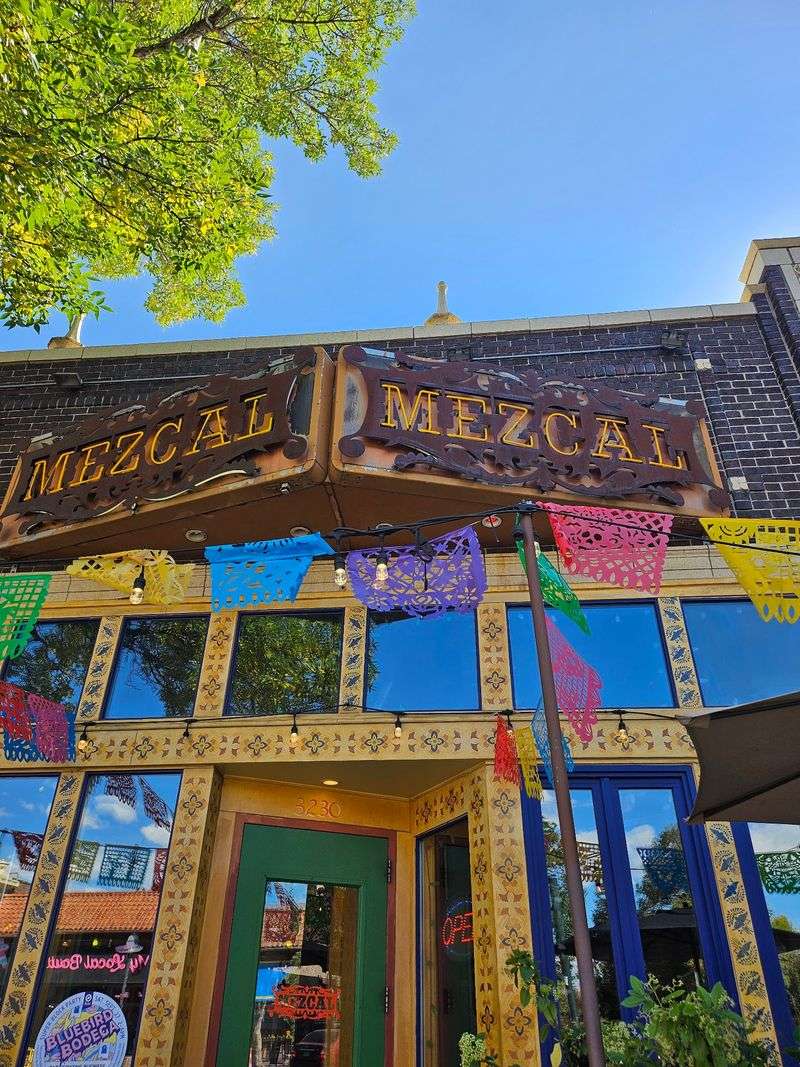
Mezcal takes the California burrito in a direction that is hard to ignore: bigger, fuller, and more like a complete plated dinner wrapped in a tortilla.
By combining fries with rice, charro beans, sour cream, cheese, and the diner’s choice of filling, it turns a street-style favorite into a sit-down meal with extra heft. That choice sets it apart right away from versions that stick closely to the original formula.
Rice and beans change the structure in a major way. Traditional California burrito fans often expect a simpler fry-based build, so adding charro beans and rice creates a broader, more layered meal.
There is more softness, more substance, and a different rhythm to each bite. Instead of focusing only on steak, fries, and cheese, Mezcal pushes the burrito toward the border between classic burrito comfort and California burrito indulgence.
The result can appeal to diners who want the fries but also prefer a fuller restaurant-style plate experience. That sit-down approach matters. Some burritos are meant for the car, a bench, or a quick lunch break.
Mezcal’s version sounds built for a slower meal where forks, extra salsa, and a drink at the table make perfect sense. It is still rooted in the California burrito idea, yet it stretches the category in a way that feels generous rather than random.
For readers, the useful tip is to arrive with clear expectations. If the goal is strict San Diego minimalism, this will read as a Colorado interpretation with extra components.
If the goal is a filling, comfort-heavy dinner that uses fries as a key feature, Mezcal has a strong case. Its burrito shows how flexible the format can be once restaurants start adapting it to local dining habits.
In Denver, that means turning a handheld favorite into something larger, richer, and much closer to a full meal than a quick snack.
Share this story