The risotto might arrive at your table with three ages of D.O.P. Parmigiano Reggiano involved, finished right there in the wheel like it has something to prove.
A few months later, it may be gone. Same address, same kitchen, same Rutherford storefront on Park Avenue, but the plate in front of you has moved on with the farms.
That is the fun of Fiorentini. This is not the kind of Italian restaurant where you memorize your order and repeat it forever, although nobody would blame you for trying.
Chef Antonio De Ieso builds the menu around the season, which means dinner can feel a little different depending on when you walk through the door. Ramps, wild mushrooms, asparagus, beets, cauliflower, seafood, handmade pasta, and whatever local farms are doing best at the moment all get their turn.
A Rutherford Italian Spot Built Around What New Jersey Farms Have Right Now
Park Avenue in Rutherford already knows how to keep people fed. You can walk this stretch and find the kind of small-town restaurant energy North Jersey does well: a little dressed up, a little neighborly, never too far from the train tracks or a conversation about parking.
Fiorentini sits right in that mix at 98 Park Ave, but its approach is more precise than the usual Friday-night red sauce plan. This is a farm-to-table Italian restaurant where the menu is not treated like a framed certificate on the wall.
It is treated more like a weather report. What is good right now? What did the farms have? What can the kitchen do with it before the season changes its mind?
The restaurant’s own language is clear about working with small local farmers who focus on sustainable and regenerative practices, especially soil health. That may sound serious because it is, but on the plate it does not feel like homework.
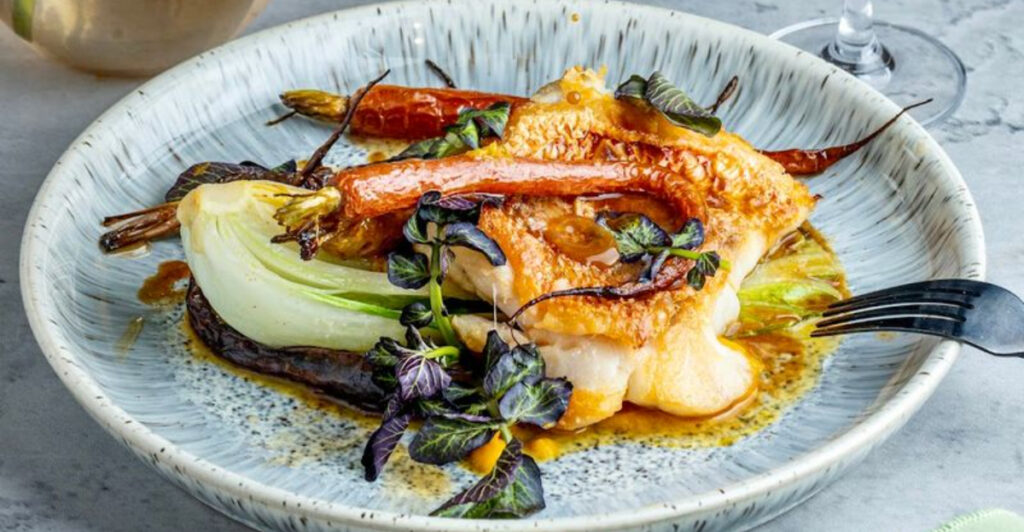
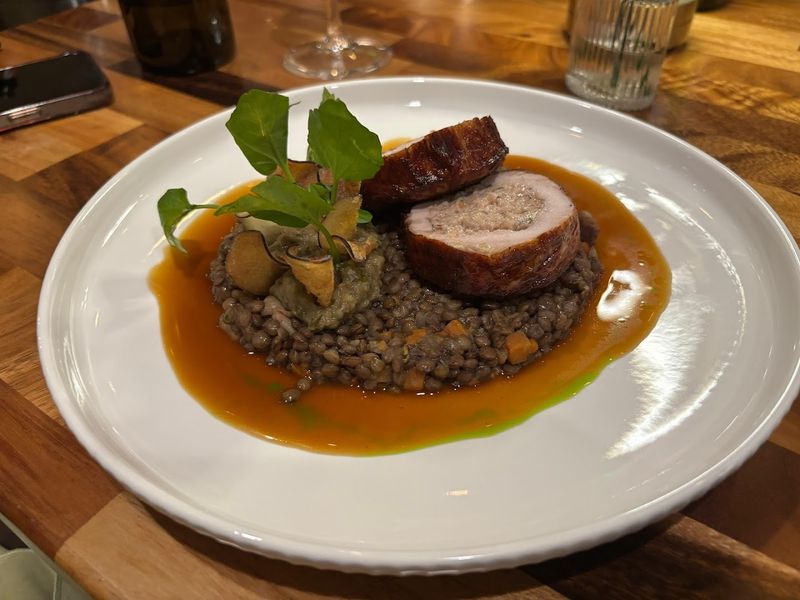
It shows up as spring vegetables next to seared striped bass, ramps tucked into orecchiette with wild mushrooms and gorgonzola, or a roasted cauliflower dish with truffle jus and black garlic. The Italian side of the equation is just as important.
Fiorentini leans on imported Italian D.O.P. cheeses, cured meats, and flour for certain staples, then pairs that foundation with regional produce and proteins. So you get something that feels rooted in Florence and New Jersey at the same time.
Not in a forced “Garden State remix” way, either. More like a kitchen that understands that Italian cooking has always respected ingredients first, and New Jersey happens to grow some very good ones.
Why Fiorentini Rebuilds Its Menu Every Season
Here is the practical reason a seasonal menu matters: farms do not operate like warehouse shelves. Ramps do not care that you loved them in May.
Tomatoes do not show up just because someone wants a summery pasta in February. Fiorentini works with that reality instead of fighting it, and Chef Antonio curates a new menu each season around what is actually available.
That is a bigger commitment than it may sound. Changing a menu means retraining the kitchen, adjusting prep, rethinking sauces, updating ordering, rewriting descriptions, and hoping regulars are open-minded enough not to sulk when a favorite disappears.
Luckily, this is New Jersey. We are emotionally prepared for seasonal heartbreak.
We already do it with farmstand corn, Shore tomatoes, and the first week peaches get good. At Fiorentini, that rhythm becomes part of dinner.
One menu might lean into colder-weather comfort, with richer sauces, braised meats, and deep, earthy vegetables. Another might brighten up with herbs, asparagus, fresh greens, and seafood that feels lighter without being flimsy.
The restaurant is also not pretending that “seasonal” means throwing a garnish on the same five dishes. A recent spring dinner menu included street-food-style starters like suppli romano with spicy aioli, porchetta panino with salsa verde and Calabrian chile, and olive all’ascolana with marinara sauce.
Then the pasta and mains moved into more composed territory, with dishes that changed the mood of the meal entirely. That structure keeps the menu readable without making it predictable.
You can still understand where you are: Italian, farm-focused, a little polished. But you cannot assume the same dish will be waiting next time, which is exactly the point.
Handmade Pasta That Changes With the Harvest
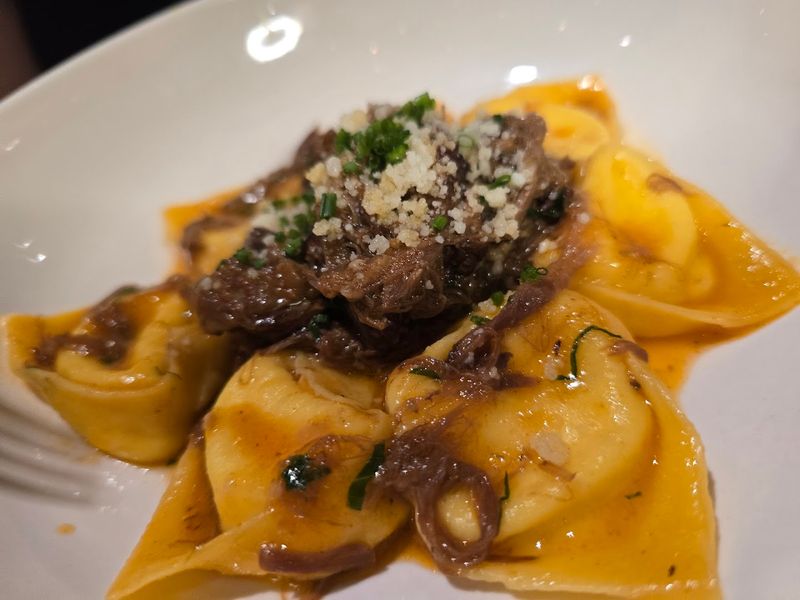
The pasta is where Fiorentini gets especially dangerous for anyone who claims they are “just going to order light.” The restaurant makes its pasta in-house daily using 100% imported Italian flour, which is the kind of detail you can taste before anyone at the table starts explaining it. Fresh pasta has a different kind of confidence.
It does not need to shout. It just holds sauce properly, gives a little when you bite it, and makes boxed pasta seem like it should apologize.
On one recent menu, the handmade pasta section included tortelloni di ricotta with braised oxtail and Parmigiano spuma, tagliatella al nero di seppia with cacio e pepe, sea urchin, and Idiazabal, and beet gnocchi with acidulated butter, sage pesto, and cauliflower. That is not a greatest-hits list pulled from a generic Italian template.
It is a menu where the kitchen is clearly playing with texture, season, and restraint. The orecchiette with ramps, wild mushrooms, and gorgonzola is a perfect example of the restaurant’s sweet spot.
Ramps are one of those spring ingredients that make chefs and farmers market people briefly lose their composure, and for good reason. They are garlicky, oniony, and here for a very short time.
Pairing them with mushrooms and gorgonzola gives the dish enough depth to feel indulgent without turning it into a brick. Then there is the risotto 24-36-60, made with D.O.P.
Parmigiano Reggiano aged 24, 36, and 60 months and finished tableside in the wheel. It is a little theatrical, yes, but in the best North Jersey dinner way: enough drama to make everyone look over, not so much that you feel trapped in a performance.
The Local Ingredients That Make Every Visit Feel Different
A local-ingredient restaurant only works when the kitchen is willing to let the ingredients lead. Otherwise, it is just a nice sentence on the menu.
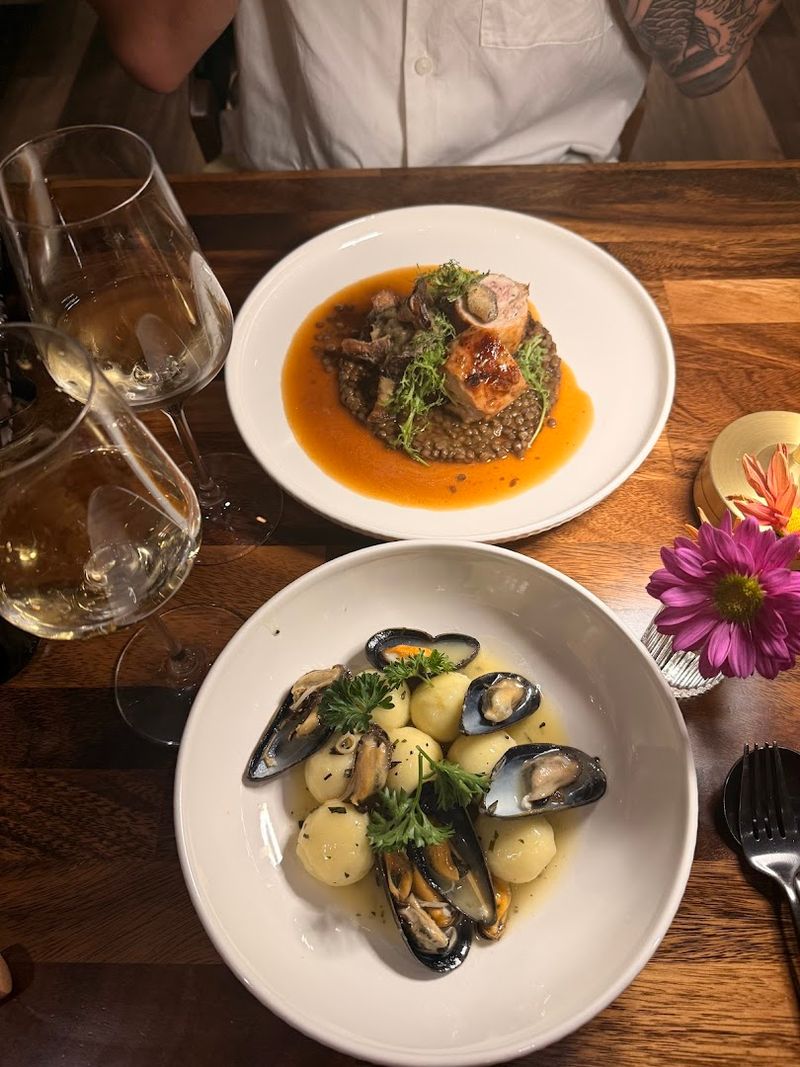
At Fiorentini, the farm connection shows up in the way dishes are built around what is fresh, available, and worth featuring. The current menu’s mention of NJ farm 100% grass-fed steak is one of the more direct signals, but the quieter details matter too.
Ramps, asparagus, carrots, cauliflower, radicchio, leeks, peperonata, herbs, and spring vegetables are not background noise here. They are part of the reason the menu can turn over without feeling like a gimmick.
This also means the restaurant’s personality shifts a bit depending on the month. A spring visit might give you bright greens, fresh herbs, and seafood with a cleaner edge.
A colder-season visit may lean into comfort, deeper sauces, and ingredients that can stand up to slow cooking. Even dessert plays along, with housemade gelato, seasonal fruit sorbet, and sweets that move beyond the usual “tiramisu because we had to” routine.
Recent options included caramelized millefoglie with vanilla ganache, raspberry, and lemongrass gelato, plus key lime cheesecake with blueberry chutney and blueberry sorbet. That kind of menu makes repeat visits more interesting because you are not only going back for the restaurant; you are going back for a new version of it.
There is also a very Jersey practicality to the whole thing. Local sourcing is romantic until you remember that weather, timing, and supply can be chaotic.
Fiorentini seems comfortable with that uncertainty. Instead of promising the same plate forever, it promises attention. That is harder to fake.
Italian Tradition Meets Garden State Freshness
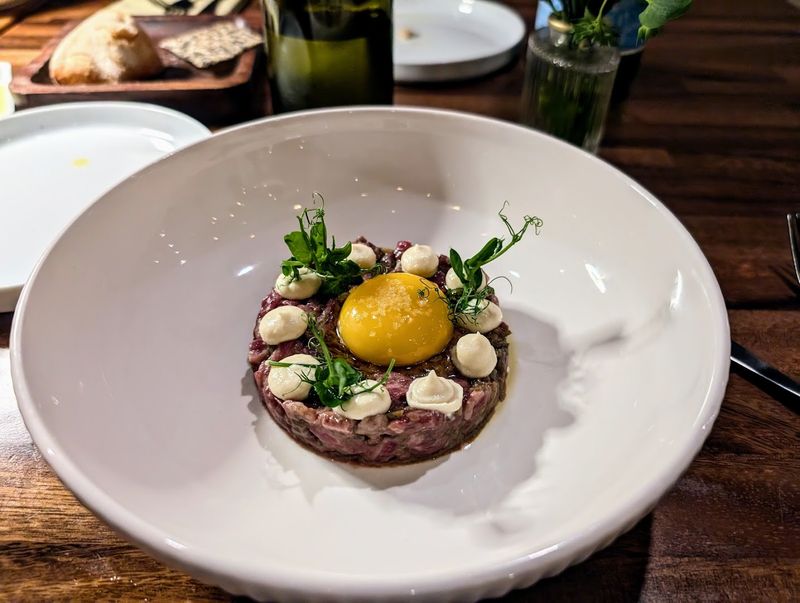
Chef Antonio and Brenda De Ieso both have Florence in their story, and that matters here. Fiorentini is named for the citizens of Florence, but the restaurant does not feel like it is trying to cosplay Tuscany in Bergen County.
It feels more personal than that. Antonio was born and raised in Florence, studied at culinary school there, and later cooked in New York at names that serious restaurant people recognize, including Le Cirque, Sea Grill at Rockefeller Center, and the Metropolitan Opera.
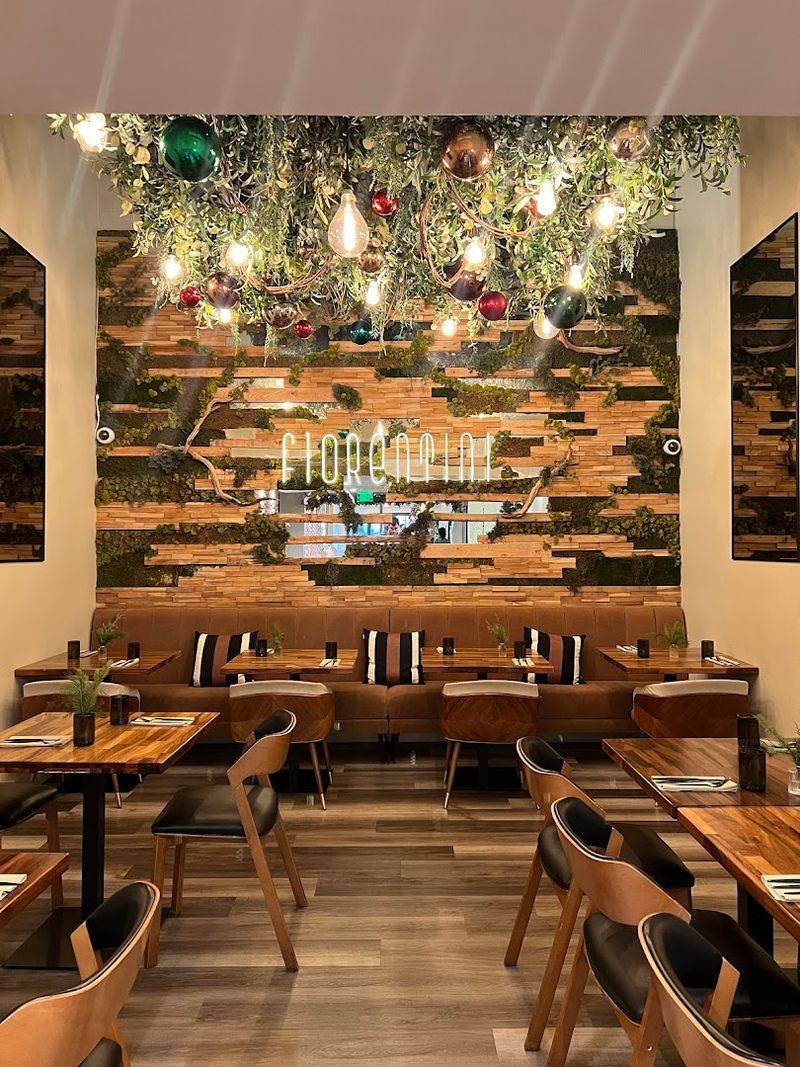
Brenda’s background in events also shows up in the room, because Fiorentini has a designed quality without feeling stiff. The dining room uses wood, greenery, moss, and an open kitchen with an island where guests can see the chefs at work.
That last part is important. An open kitchen does not leave much room for pretending. You either run clean and focused, or everyone sees the chaos. The food follows the same balance.
The Italian techniques are there: handmade pasta, risotto, D.O.P. ingredients, cured meats, slow-cooked flavors, properly treated seafood, and desserts built with pastry-shop care. But the New Jersey piece keeps the restaurant from feeling museum-like.
This is not a place frozen around someone’s memory of Italy from 40 years ago. It is Italian cooking that has landed in Rutherford, looked around, met local farmers, and decided to make friends.
That is why a dish like swordfish Milanese with fennel, orange, and watercress makes sense next to suppli romano or a porchetta panino. The menu can travel across regions and ideas because the foundation is steady.
Good ingredients, real technique, and enough personality to keep dinner from becoming too polite.
Why This BYOB Restaurant Keeps Diners Coming Back
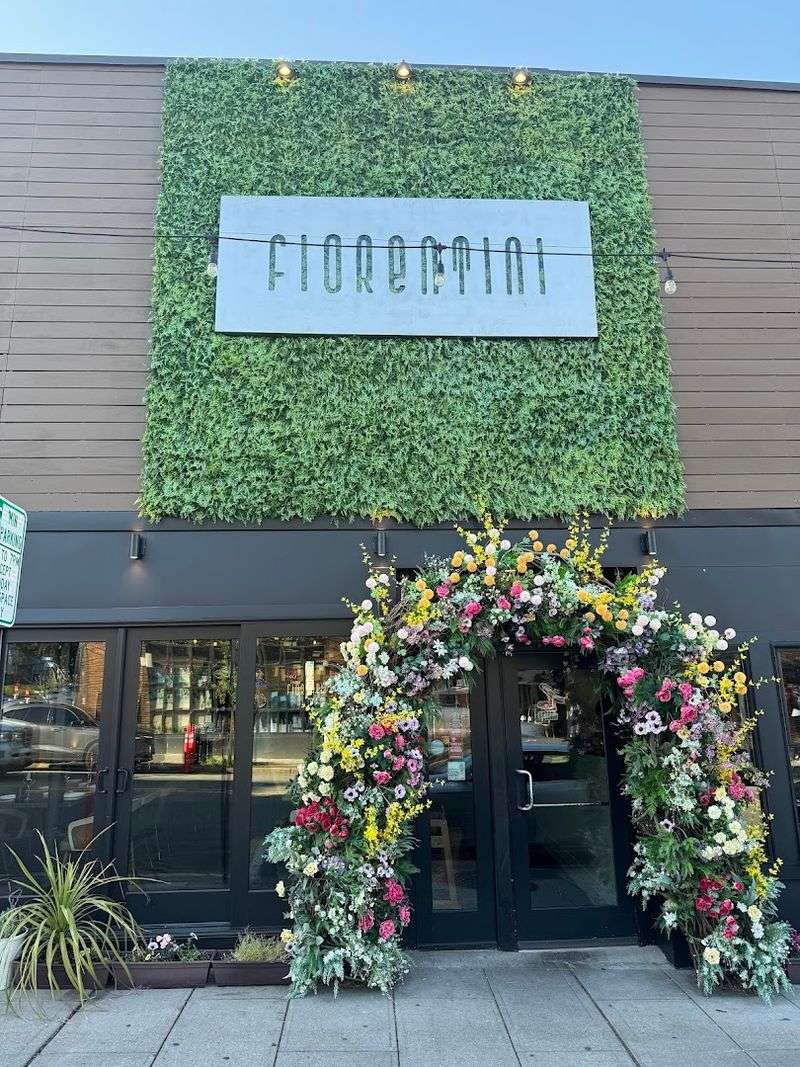
The BYOB detail is one of Fiorentini’s best little New Jersey advantages. Bring the bottle you actually want, skip the big restaurant markup, and spend that extra mental energy debating whether to start with crispy risotto croquettes or go straight toward handmade pasta.
Fiorentini serves dinner Tuesday through Saturday, with Sunday brunch from 11 a.m. to 2 p.m. and Sunday dinner after that. It is closed Monday, which feels fair, because anyone rebuilding menus around farms deserves at least one day to breathe.
The restaurant also offers outdoor patio seating from May through October, weather permitting, though reservations are for indoor dining and the patio is handled when available. That is useful to know before you start planning a whole personality around eating outside.
The room itself helps explain the repeat business. There are restaurants where the food is good but the space feels like an afterthought, and there are restaurants where the room is doing all the heavy lifting.
Fiorentini lands in the better middle. The greenery, wood details, and visible kitchen give it enough occasion energy for a date night, but it still feels comfortable enough for people who simply want a very good bowl of pasta on a Tuesday.
Prices reflect the level of cooking, with recent starters around $15 to $28, handmade pastas around $28 to $38, and mains reaching into the high $40s depending on the dish. It is not a casual slice-and-soda stop, and it is not trying to be.
What keeps people coming back is the promise that the next meal will not be a rerun. At Fiorentini, the seasons get a say, the farms get a say, and your favorite dish might become a delicious little memory before the next menu arrives.
Share this story