Ohio has a way of surprising you, especially when the road bends past cornfields, riverbanks, and old village greens into towns that still feel grounded in another century. In these places, you can wander past preserved storefronts, historic homes, covered bridges, churches, inns, and public squares that do more than look old – they still shape the rhythm of everyday life in a way that feels warm, steady, and deeply human.
What makes these destinations memorable is not just their architecture, but the sense that history in Ohio was never packed away behind glass, because it still lingers in train depots, town festivals, brick streets, museum collections, and quiet neighborhoods where the past seems close enough to touch. If you are craving a trip that trades rush and noise for character, texture, and stories that unfold at a walking pace, these seven historic Ohio towns offer some of the most charming reminders that time does not always move forward in a straight line.
1. Lebanon
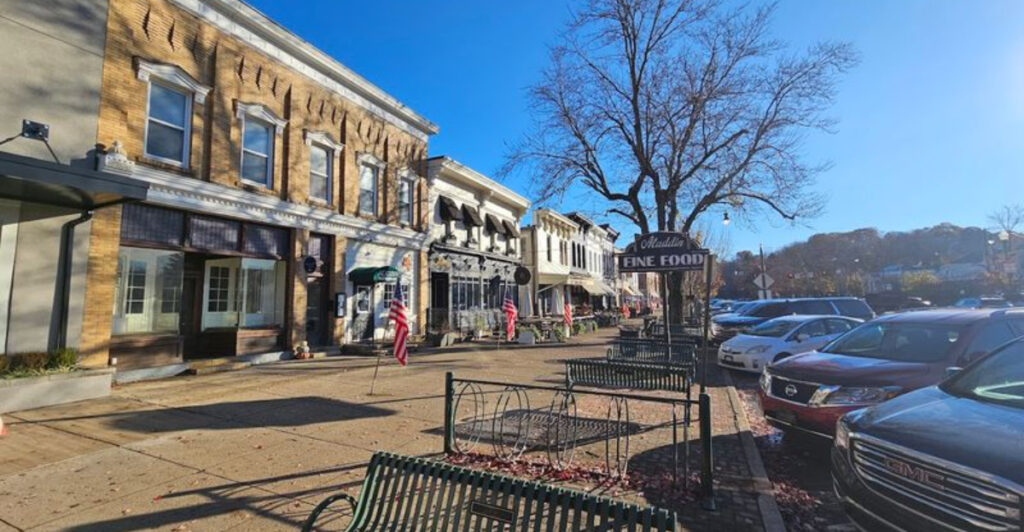
Brick streets, vintage shop windows, and stately old buildings make this Warren County destination feel instantly removed from modern hurry. When you arrive in Lebanon, the historic core invites you to slow down, look up, and notice the architectural details that newer places often forget.
I think it is one of those Ohio towns where a simple walk can feel like stepping into a living postcard.
The downtown district is anchored by beautifully preserved structures, and the Golden Lamb stands out as a landmark with deep roots in the state’s story. Opened in the early nineteenth century, it has welcomed notable guests and continues to give the town a sense of continuity that you can actually feel.
Around it, antique stores, local boutiques, and cozy cafes create an atmosphere that rewards wandering without a schedule.
History lovers have plenty to explore beyond the main street, including museums, old churches, and residential neighborhoods filled with character. Lebanon is also known for its railroad heritage, and seasonal train rides add another layer of nostalgia that makes the town especially appealing for families.
If you visit during a festival or holiday event, the sense of community only strengthens the feeling that traditions still matter here.
What stays with you most is how naturally the past fits into daily life. This is not a town that feels staged for visitors, because the historic setting is still part of how people gather, shop, eat, and celebrate.
Lebanon shows how Ohio preserves its heritage not only in landmarks, but in the everyday charm of a place that still knows exactly who it is.
2. Milan
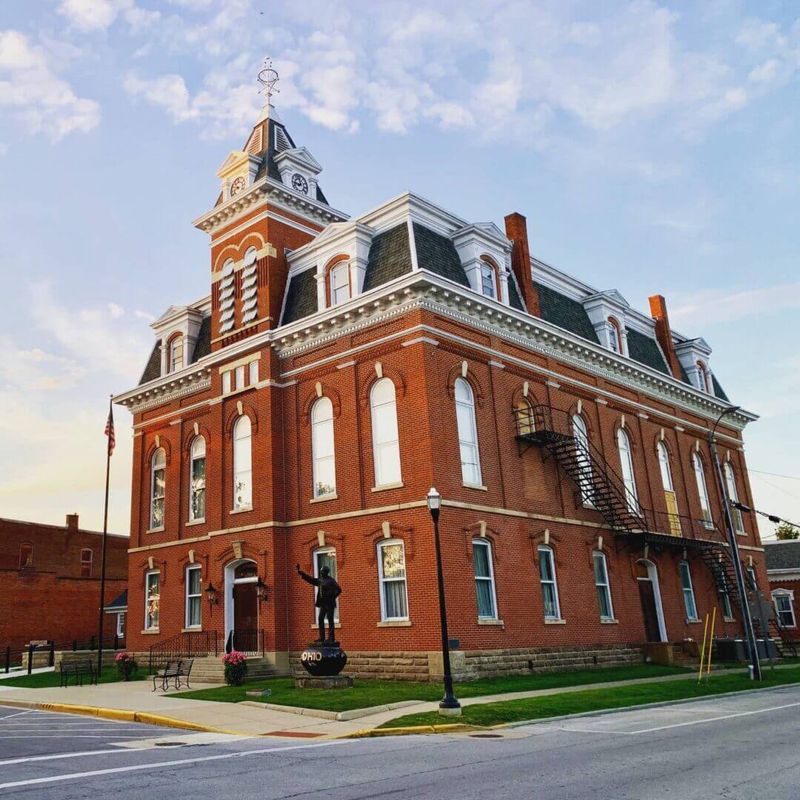
Quiet streets and beautifully kept nineteenth century buildings give this Erie County village a calm, reflective mood. In Milan, history feels personal rather than distant, especially because the town’s best known connection reaches into one of America’s most famous stories of invention.
You do not have to be a technology buff to appreciate the atmosphere here, because the setting itself is full of old fashioned charm.
The village is most closely associated with Thomas Edison, whose birthplace remains one of the most visited sites in town. Touring that home adds depth to a place that might otherwise seem simply picturesque, and it reminds you that world changing ideas can begin in unexpectedly modest surroundings.
Nearby streets preserve the scale and character of an earlier era, with homes and civic buildings that help the entire community feel cohesive.
Milan once thrived as a canal port, and that commercial past helped shape the town you see today. Its historic district reflects the prosperity and confidence of the mid nineteenth century, while local museums and interpretive sites give visitors a clearer sense of how important the village once was within Ohio.
I like that the town never relies on one famous name alone, because its broader heritage is just as interesting.
What makes Milan memorable is the peaceful way it carries its past. You can stroll, browse, and learn without feeling rushed, and every corner seems to encourage a slower pace.
In a state filled with places tied to industry and growth, Milan stands out as a smaller, gentler reminder that Ohio history is also built from villages where curiosity, craftsmanship, and community endured.
3. Waynesville
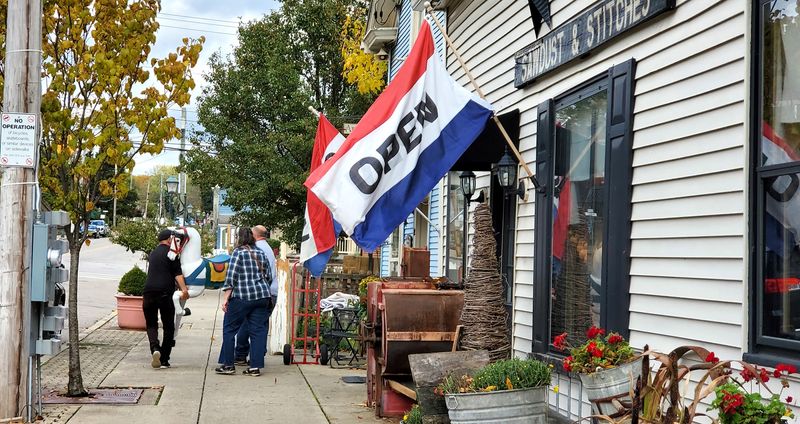
Antique storefronts, shaded streets, and a strong sense of heritage make this southwestern Ohio village feel delightfully untouched by modern sameness. Walking through Waynesville, you get the impression that the past has not vanished here, but simply settled in and remained part of everyday life.
If you enjoy towns where browsing and strolling are the main attractions, this one is easy to love.
The community is widely known for its antique shops, and that reputation suits the setting perfectly. Historic buildings line the main streets, creating an atmosphere where old furniture, vintage finds, handmade goods, and seasonal displays feel right at home rather than carefully arranged for effect.
The village also reflects its Quaker roots, which shaped its early development and still influence the place’s quiet, grounded character.
Waynesville’s charm grows stronger when you step beyond the shops and notice its broader historic landscape. Older homes, churches, and civic spaces reveal a town that has been preserved through use rather than frozen in time, and local events give those spaces fresh life throughout the year.
During festivals, especially in autumn and around the holidays, the village feels especially vivid and welcoming.
What I find appealing is how accessible the history feels. You are not asked to imagine the town’s former life from a distance, because the architecture, traditions, and small business culture still keep it visible.
Waynesville offers a version of Ohio that is intimate, walkable, and rich in details, proving that a town does not need grand scale to make the past feel present, meaningful, and wonderfully close.
4. Marietta
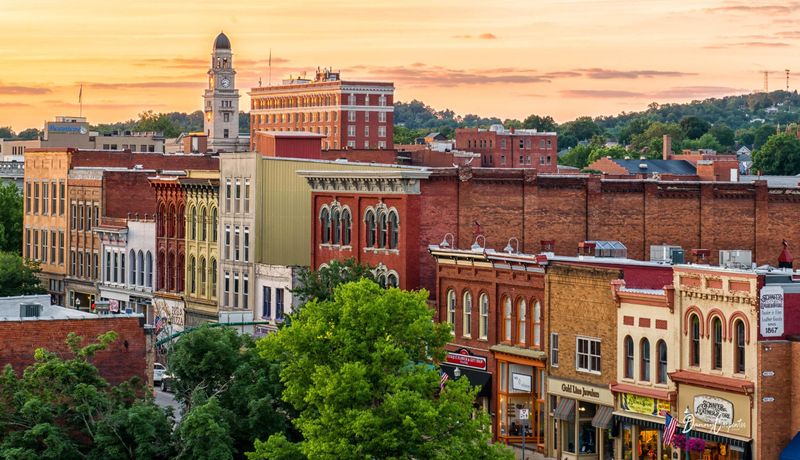
Set where the Muskingum and Ohio rivers meet, this southeastern town carries its history with a confidence that is impossible to miss. Marietta feels older, deeper, and more layered than many destinations in the state, and that is fitting for a place recognized as Ohio’s first permanent settlement in the Northwest Territory.
From the beginning, you sense that the landscape itself helped shape the stories preserved here.
Its historic neighborhoods are filled with elegant homes, brick streets, and buildings that reflect generations of growth tied to trade, travel, and river life. The town’s waterfront setting gives everything an added sense of drama, especially when you think about how vital steamboats and shipping once were to local identity.
Museums, monuments, and preserved landmarks make it easy to connect those larger historical themes to places you can actually visit.
Marietta also stands out for how much there is to explore on foot. You can move from scenic river views to cemetery history, early settlement sites, and downtown blocks that still feel active and relevant rather than purely commemorative.
I think that balance is part of the appeal, because the town honors its past while remaining lively enough to keep you engaged throughout a full day.
What lingers after a visit is the sense of continuity. Marietta does not just display Ohio history, it embodies several chapters of it at once, from frontier ambition to river commerce and civic development.
If you want a town where the setting, architecture, and public memory all work together, Marietta offers one of the richest and most atmospheric historic experiences anywhere in Ohio.
5. Zoar
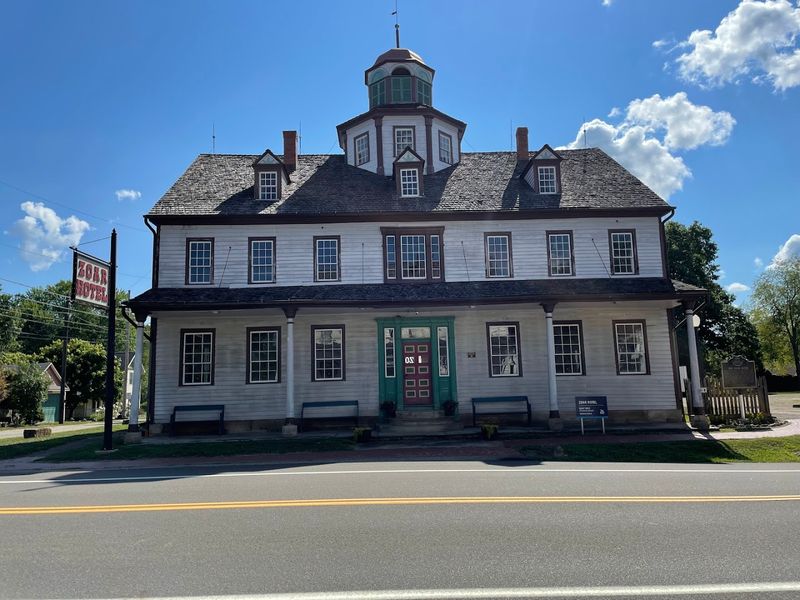
Orderly streets, simple historic buildings, and a quiet village layout give this Tuscarawas County community a striking sense of calm. Zoar feels different from many historic towns in Ohio because its story is rooted in a planned communal society, and that unusual beginning still shapes the atmosphere visitors encounter today.
Rather than feeling busy or commercial, the village invites a more reflective kind of exploration.
Founded by German separatists in the early nineteenth century, Zoar developed around shared labor, faith, and carefully organized daily life. Many of its original structures have been preserved, allowing you to walk through a place where architecture and planning reveal the values of the people who built it.
Museums, gardens, and interpretive spaces help explain how the community functioned and why its legacy remains so distinctive within Ohio history.
The village setting is especially appealing because it feels cohesive. Homes, workshops, public buildings, and green spaces relate to one another in ways that make the past easier to understand, even if you arrive knowing very little about communal settlements.
I appreciate that Zoar does not overwhelm you with spectacle, because its strongest impression comes from steadiness, detail, and the rare chance to see a historical vision preserved so clearly.
By the time you leave, what stays with you is the unusual mix of simplicity and depth. Zoar shows a different side of Ohio’s past, one shaped not by rapid expansion alone, but by intentional community building and shared purpose.
For travelers who want history that feels immersive, thoughtful, and a little unexpected, this village offers one of the state’s most quietly unforgettable experiences.
6. Granville
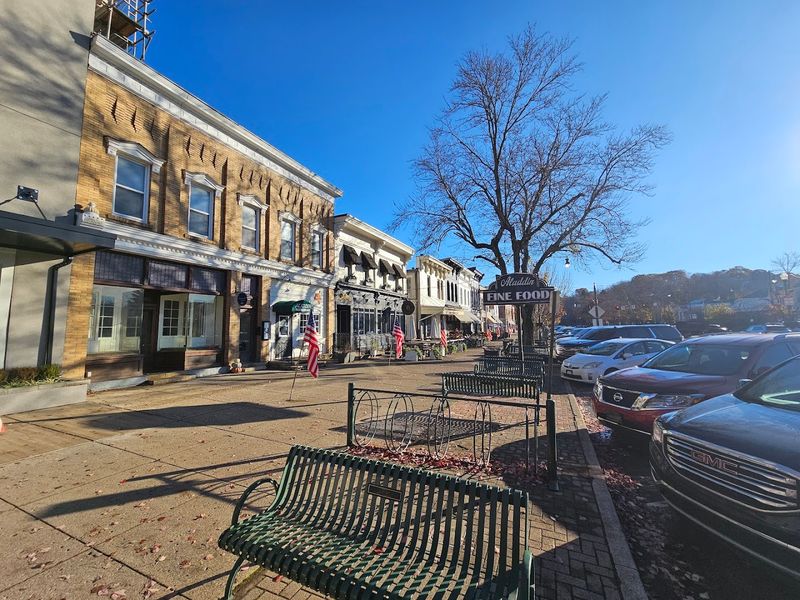
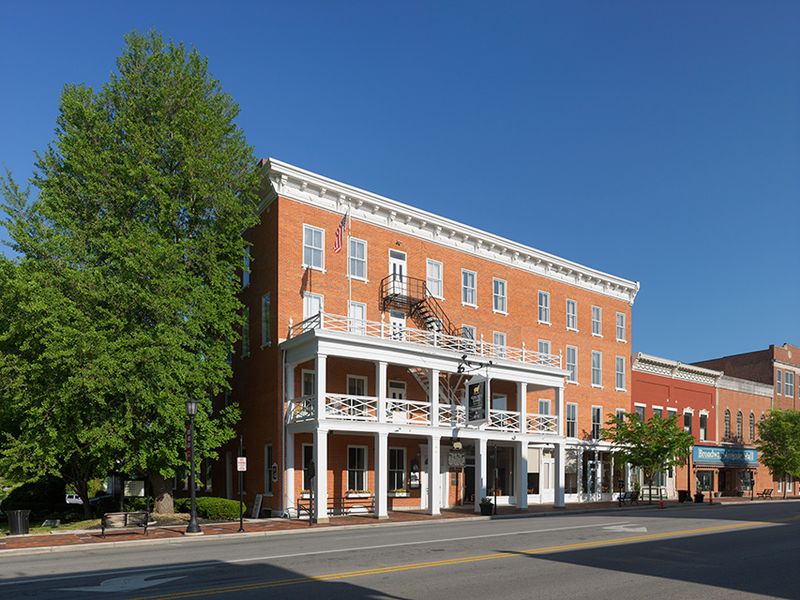
Graceful homes, white church steeples, and a village center with unmistakable old world polish make this central Ohio town feel wonderfully composed. Granville often reminds visitors of a New England community, yet its identity is firmly rooted in Ohio, where education, religion, and civic pride helped shape its long preserved character.
The result is a place that feels both refined and warmly approachable.
Much of the appeal comes from the architectural consistency that ties the town together. Historic inns, brick buildings, churches, and stately residences give the streets a timeless look, while Denison University adds energy without disrupting the overall sense of heritage.
As you walk through the village, the balance between intellectual life and small town tradition becomes part of what makes Granville so memorable.
There is also a pleasant rhythm here that encourages lingering. You can browse shops, stop for coffee, admire gardens, and then continue toward historic landmarks or scenic spots nearby without ever feeling far from the center.
I like how Granville manages to feel polished but never stiff, offering beauty and history in a way that still feels lived in and easy to enjoy.
More than anything, the town shows how preservation can support a strong sense of place. Granville does not need dramatic gimmicks to impress you, because its streetscape, community institutions, and long maintained buildings speak for themselves.
If you are looking for an Ohio destination where history is elegant, walkable, and woven naturally into daily life, Granville delivers a deeply satisfying kind of timeless charm.
7. Loudonville
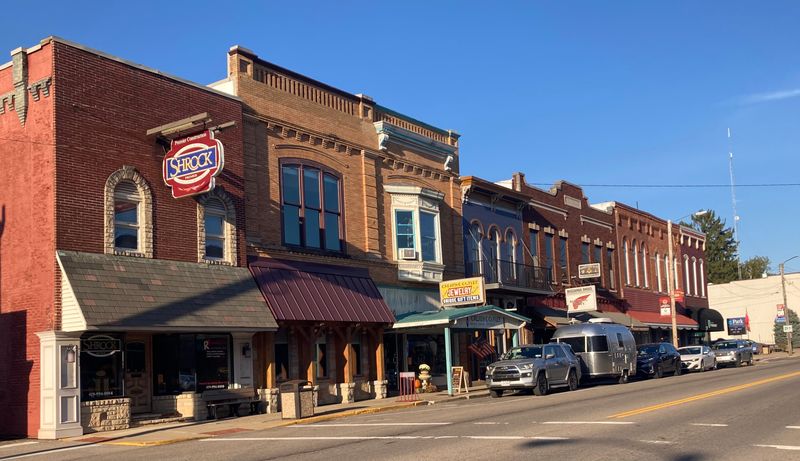
Tucked into north central Ohio, this small town blends natural beauty with a historic atmosphere that feels pleasingly unhurried. Loudonville may be known to many travelers as a gateway to outdoor adventure, but its older streets and community landmarks reveal a quieter story worth noticing.
When you slow down and look beyond the recreation appeal, the town’s enduring character begins to stand out.
Historic buildings in the downtown area give the place a solid sense of continuity, and local businesses help keep those spaces active rather than merely decorative. The surrounding region, including the Mohican area, adds scenic context that makes the town feel even more timeless, as if the landscape has protected its pace from the pressures of modern development.
That combination gives Loudonville a charm that is both rustic and rooted.
There is a strong feeling here that life still revolves around familiar patterns. Community events, neighborhood institutions, and the scale of the town all reinforce a sense of closeness that larger destinations often lose.
I think that intimacy is what makes Loudonville memorable, because the historic feel comes not from one major landmark alone, but from the way the whole place continues to function as a true small town.
If you are drawn to Ohio destinations that offer heritage without formality, this one makes a strong impression. Loudonville shows that history can survive in modest downtown blocks, in the relationship between town and countryside, and in the everyday steadiness of community life.
It is the kind of place where time seems to soften rather than stop, leaving behind an atmosphere that feels welcoming, nostalgic, and genuinely restorative.
Share this story