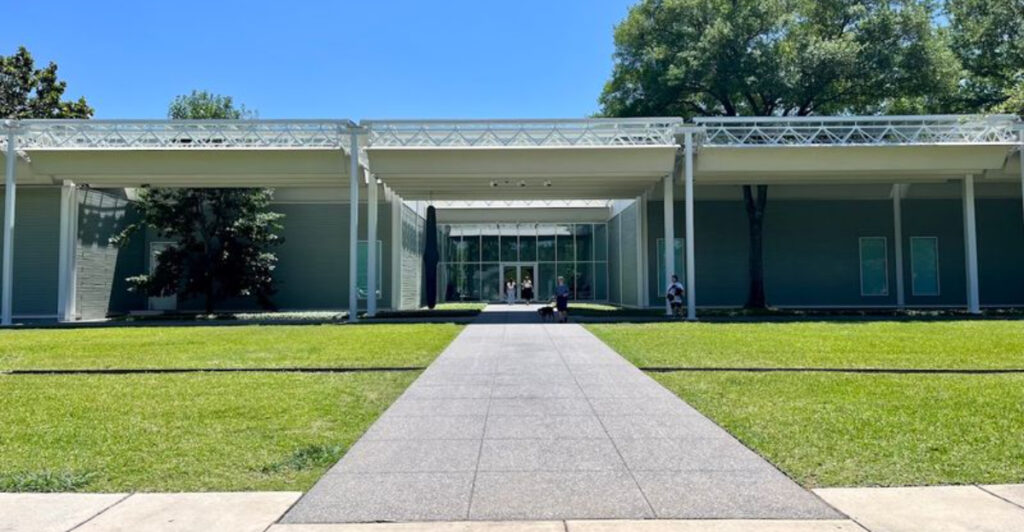
Nestled in a leafy Houston neighborhood, this world-class Texas art museum remains one of the state’s best-kept secrets — and admission is completely free. The Menil Collection houses nearly 19,000 artworks spanning from ancient times to today, all displayed in a peaceful setting that feels more like a sanctuary than a typical museum. Whether you’re an art lover or just looking for something different to do on a weekend, this hidden gem offers an experience you won’t find anywhere else in the state.
1. Free Admission Every Single Day
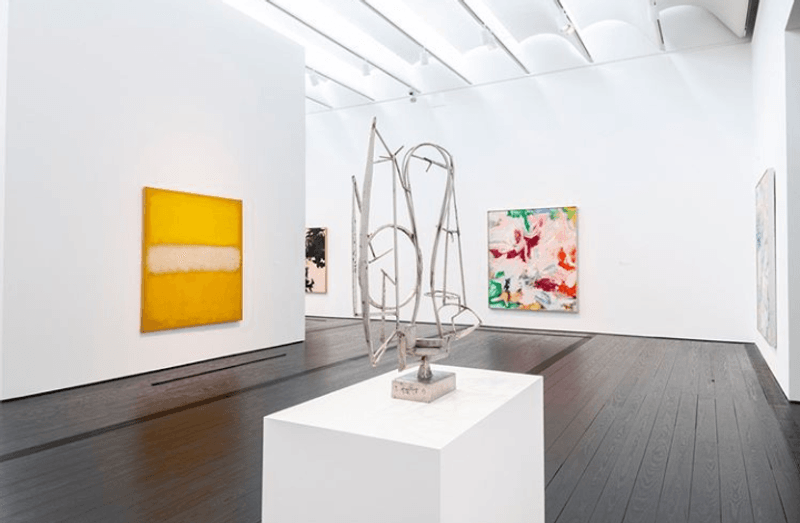
Walking into a museum without reaching for your wallet feels almost rebellious these days. Most art institutions charge anywhere from fifteen to thirty dollars per person, but The Menil Collection throws that model out the window. Every gallery, every exhibition, every single day—completely free.
This isn’t some limited-time promotion or a once-a-month deal. The museum’s founders, John and Dominique de Menil, believed art should be accessible to everyone, regardless of their bank account. That philosophy still guides the institution today.
You can visit once or fifty times a year without spending a dime on admission.
The freedom extends beyond just getting through the door. There’s no pressure to rush through galleries because you paid good money and need to see everything. You can pop in for twenty minutes to see one favorite painting or spend an entire afternoon wandering between buildings.
Some locals treat it like their personal art library, stopping by weekly.
Donations are welcome but never required. The museum operates on endowment funds and private support, which means your experience as a visitor stays pressure-free. Just show up during open hours—Wednesday through Sunday from 11 AM to 7 PM—and enjoy world-class art without the world-class price tag.
It’s Houston generosity at its finest.
2. One of the World’s Best Magritte Collections
René Magritte painted men in bowler hats floating through the sky and pipes that weren’t actually pipes. His surrealist works challenge everything you think you know about reality, and The Menil Collection holds one of the finest assemblages of his art outside Belgium. Walk into the surrealist galleries and you’ll understand why people travel from across the globe specifically for this collection.
The museum owns dozens of Magritte pieces, from early career experiments to his most recognized masterworks. You can trace his artistic evolution across the walls, watching how his style developed and his ideas deepened. Unlike seeing one or two famous paintings scattered in different museums, here you get the full Magritte experience in one location.
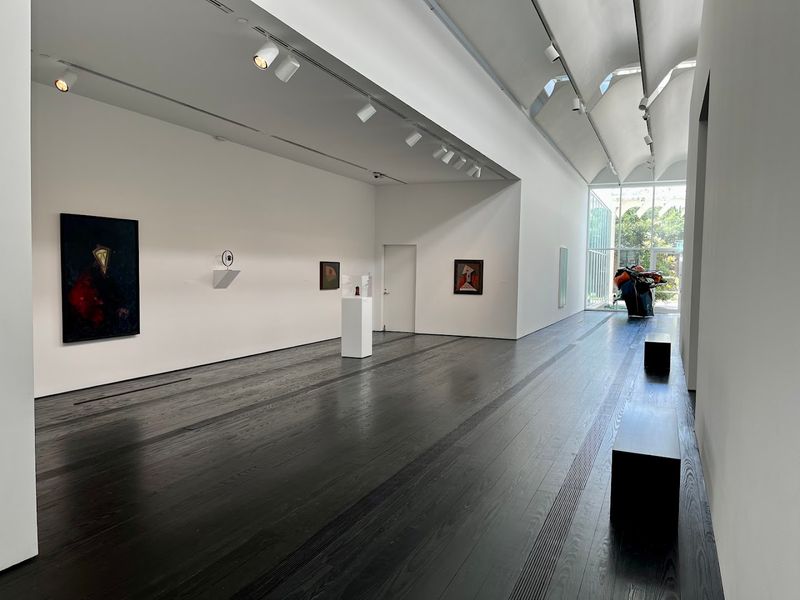
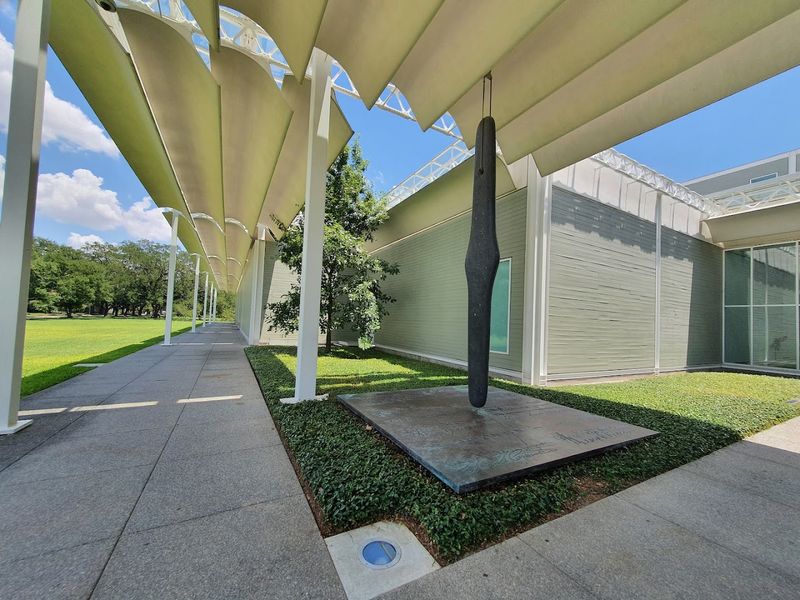
What makes this collection special isn’t just quantity—it’s the thoughtful curation. The galleries give each painting room to breathe, with natural light filtering through the museum’s distinctive roof louvers. You’re not fighting crowds or craning your neck around tour groups.
The intimate setting lets you actually think about what you’re seeing.
Photography isn’t allowed inside the galleries, which initially frustrates some visitors. But there’s something refreshing about just being present with the art instead of viewing it through a phone screen. You’ll remember these paintings better than any Instagram post could capture them anyway.
3. Campus Spread Across Multiple Beautiful Buildings
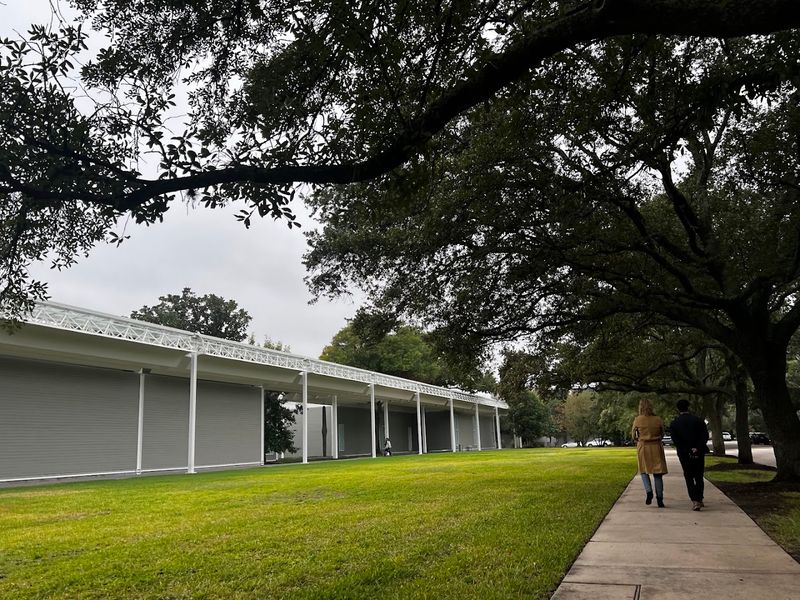
Most museums cram everything into one massive building, but The Menil Collection takes a different approach entirely. The campus sprawls across several blocks of a quiet residential area, with four main exhibition spaces connected by tree-shaded sidewalks and park-like grounds. It feels more like exploring a cultural village than touring a single institution.
The main building houses the permanent collection—everything from ancient artifacts to contemporary installations. A short walk brings you to the Menil Drawing Institute, a stunning structure dedicated solely to works on paper. The Cy Twombly Gallery showcases the abstract artist’s paintings in a space designed specifically for his work.
Then there’s the Byzantine Fresco Chapel, a separate building protecting precious 13th-century frescoes.
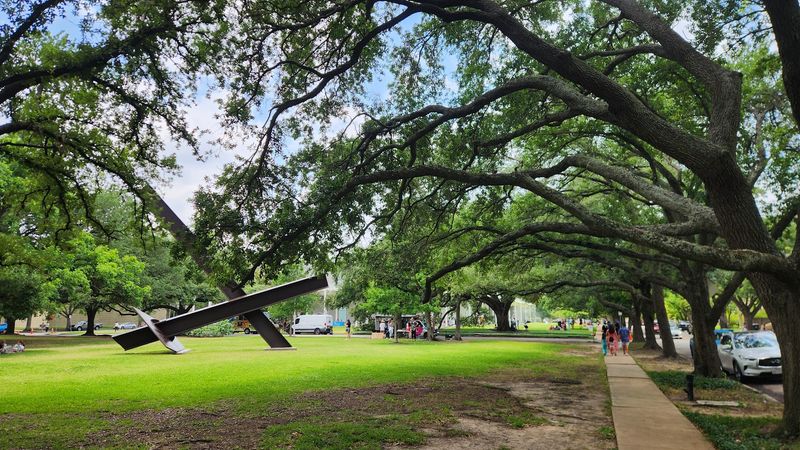
Between buildings, you’ll find restored bungalows from the 1930s and 40s, now part of the museum landscape. The neighborhood itself became part of the art experience. Massive oak trees provide shade for outdoor seating areas where you can rest between galleries.
There’s even a bright red swing that’s become a favorite photo spot.
This spread-out design means you’re not trapped in museum fatigue mode. Fresh air and sunlight break up your viewing experience naturally. On pleasant days, the walk between buildings might be just as enjoyable as the art itself.
Budget at least two to three hours if you want to see everything properly.
4. Warhol, Picasso, and Ernst Under One Roof
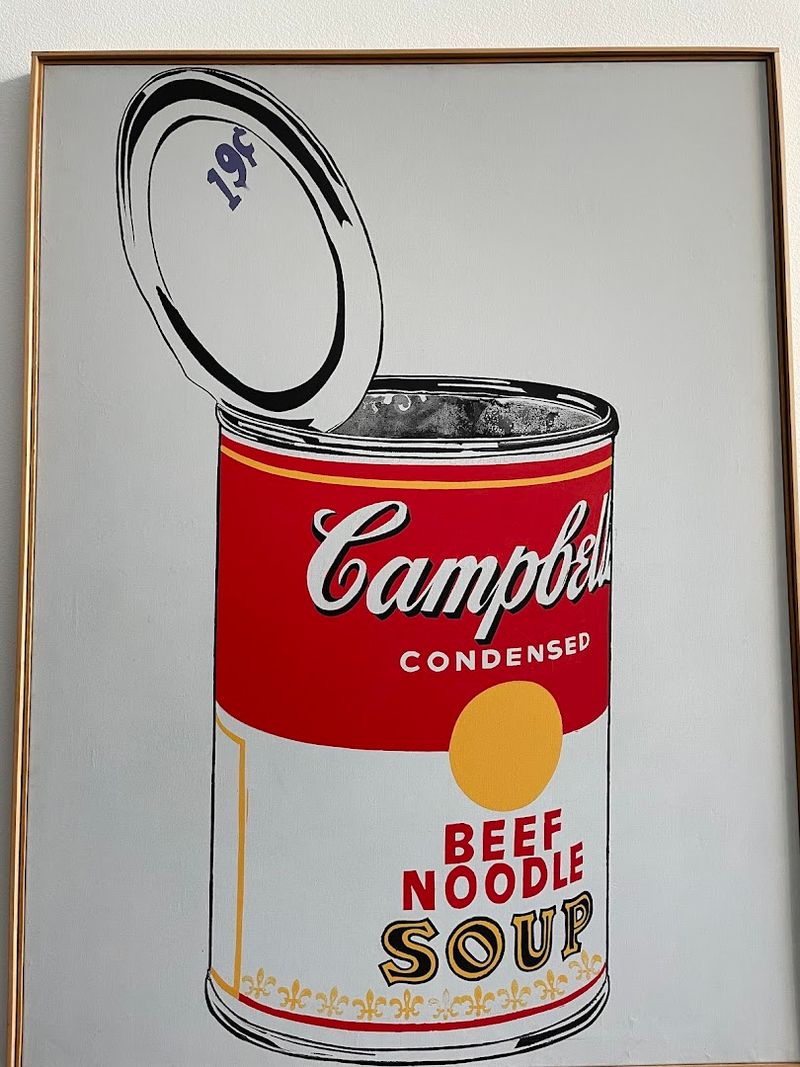
Art history textbooks come alive in The Menil’s galleries. Andy Warhol’s pop art sits near Picasso’s bold experiments and Max Ernst’s dreamlike surrealist visions. These aren’t minor works by famous artists—these are significant pieces that represent each creator at their most innovative.
The Warhol collection includes some of his most recognizable imagery, those bright silkscreens that defined an era. Seeing them in person reveals details that reproductions never capture—the texture of the screen printing, the subtle color variations, the actual scale of the work. You realize why these pieces changed contemporary art forever.
Picasso’s works here span different periods of his constantly evolving style. You might see angular cubist compositions alongside more fluid later works. The variety shows his restless creativity better than any single painting could.
Max Ernst’s surrealist pieces add another dimension entirely, with their strange juxtapositions and unsettling beauty.
What’s remarkable is how these heavyweight artists share space with lesser-known but equally compelling works. The curators don’t just throw famous names at you—they build conversations between pieces. A Warhol might hang near a completely different artist whose work comments on similar themes.
This thoughtful arrangement makes you see familiar art in fresh ways, which is exactly what a great museum should accomplish.
5. Ancient Mediterranean Treasures You Won’t See Elsewhere
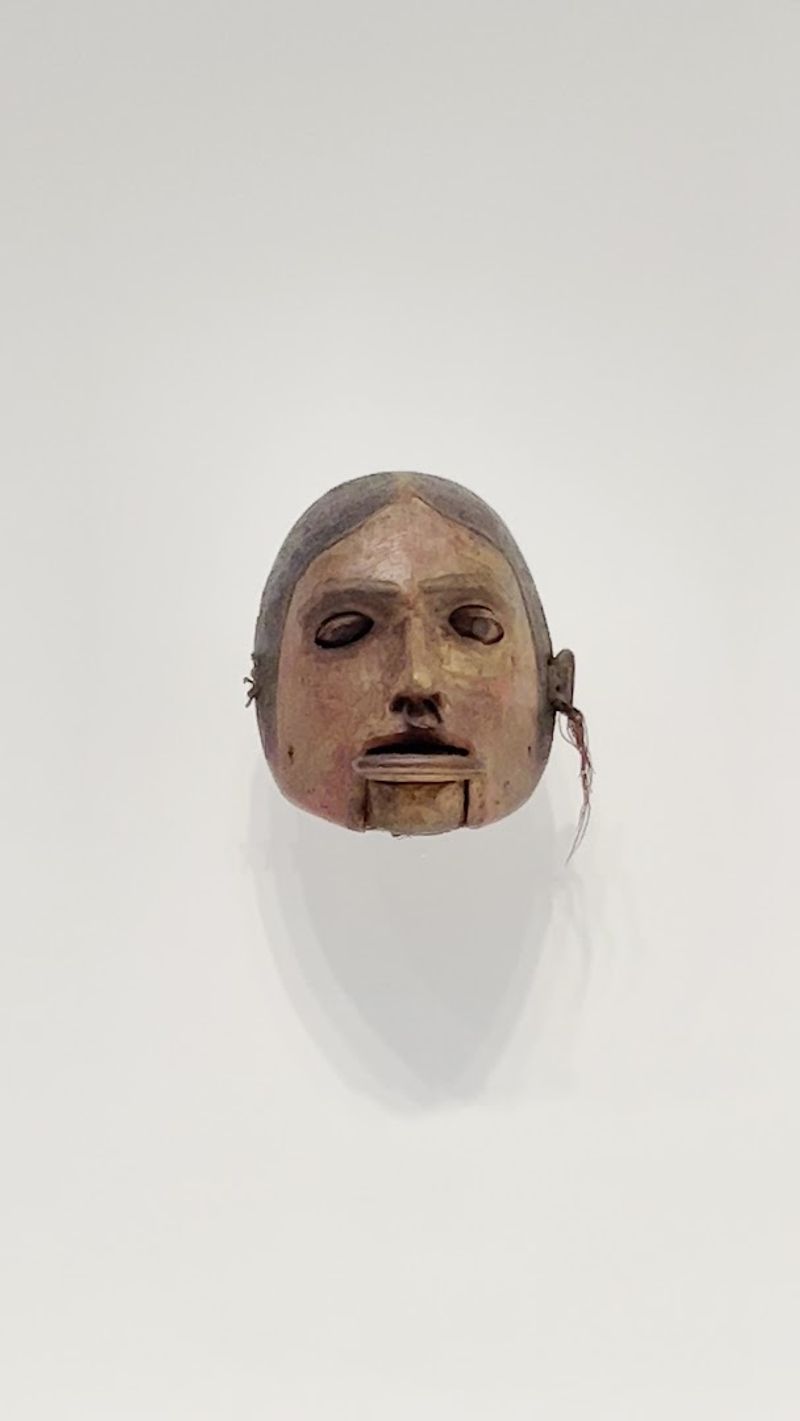
Before you dismiss ancient art as dusty museum filler, check out The Menil’s Mediterranean collection. These aren’t the same Greek vases and Roman busts you’ve seen in every other museum. The collection includes rare pieces that fill gaps in the historical record—objects that make archaeologists and art historians genuinely excited.
The range spans thousands of years, from Paleolithic tools to Byzantine religious art. Greek pottery displays the evolution of ceramic techniques and decorative styles across centuries. Roman sculptures reveal the empire’s artistic ambitions beyond its military conquests.
Early Christian and Byzantine objects show how art transformed as religions and empires shifted.
Several visitors have noted seeing items here they’ve never encountered in other museums, even major international institutions. The de Menils collected with scholarly precision, seeking out pieces that told important stories rather than just impressive names. Their eye for historical significance means you’re looking at genuine artifacts that advance our understanding of ancient cultures.
The displays provide context without overwhelming you with academic jargon. You learn about daily life in ancient civilizations, religious practices, artistic techniques, and cultural exchanges between regions. These objects were created by real people solving real problems—how to store olive oil, honor the gods, commemorate the dead, or simply make something beautiful.
That human connection across millennia hits differently than you’d expect.
6. Peaceful Park Grounds Perfect for Relaxing
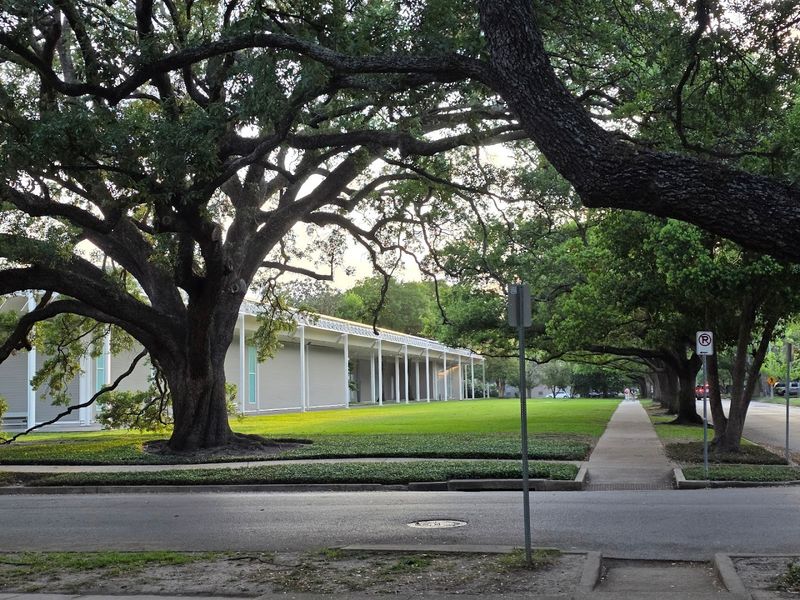
Art overload is real, and The Menil’s designers understood this perfectly. Between the museum buildings stretch beautifully maintained park spaces where you can decompress without leaving the campus. Ancient oak trees create natural canopies over grass lawns dotted with benches and seating areas.
Locals know these grounds as one of Houston’s best-kept secrets for peaceful outdoor time. Students spread out textbooks under trees. Couples share picnic lunches on the grass.
Solo visitors sit quietly processing what they just saw inside the galleries. The atmosphere stays calm even on busy weekends.
The landscape design intentionally blurs the line between museum and neighborhood. You might see residents walking dogs along the sidewalks or kids playing in adjacent yards. This integration makes the whole experience feel less institutional and more like visiting a cultured friend’s expansive property.
That famous red swing draws Instagram enthusiasts, but it’s genuinely fun regardless of social media. Simple pleasures like swinging under Texas sky after viewing Byzantine frescoes create unexpected moments of joy. The grounds also include outdoor sculptures and installations that change periodically, so there’s always something new to discover.
Pack a lunch and plan to spend time outside between buildings. Spring and fall offer ideal weather, but even summer mornings before the heat peaks can be lovely. The museum doesn’t rush you—take advantage of that rare gift.
7. The Nearby Rothko Chapel Completes Your Visit
Just a short walk from the main museum sits the Rothko Chapel, a meditation space filled with Mark Rothko’s enormous dark canvases. This isn’t technically part of The Menil Collection, but it was created by the same visionary couple and absolutely deserves your time. The chapel operates as a non-denominational sacred space welcoming people of all faiths and none.
Fourteen massive Rothko paintings cover the octagonal room’s walls in deep purples and blacks. At first glance, they might seem monotonous or even depressing. Sit quietly for ten minutes, though, and something shifts.
The paintings reveal subtle color variations, depths, and emotional resonances you couldn’t see while rushing past.
Some visitors find the experience profoundly moving—tears aren’t uncommon here. Others appreciate the rare opportunity for complete silence and stillness in our noisy world. A few leave feeling confused or unmoved, which is also perfectly valid.
The chapel doesn’t force any particular reaction; it simply creates space for whatever you need.
Outside stands Barnett Newman’s
8. Thoughtful Staff Who Actually Care About Your Experience
Museum guards often get stereotyped as stern art police waiting to scold you. The Menil flips that script entirely with staff members who genuinely enhance your visit rather than just enforcing rules. Multiple reviews mention kind employees offering directions, recommendations, and thoughtful insights without being pushy.
When you enter, staff members greet you warmly and provide helpful orientation about the campus layout. They’ll suggest walking routes between buildings based on your interests and available time. If you’re visiting from out of town, they often share tips about other nearby attractions worth seeing.
Inside the galleries, guards maintain necessary watch over priceless artworks while staying approachable and human. They understand that rules like the no-photography policy can frustrate visitors, especially in our camera-phone era. Most handle enforcement with grace, explaining the reasoning rather than just barking orders.
The bookstore staff deserve special mention for their knowledge and enthusiasm. They can recommend books related to specific artists or movements you enjoyed in the galleries. These aren’t just retail workers—they’re art lovers who chose to work here because they believe in the mission.
One visitor recounted how a staff member took time to recommend the best route for an elderly mother visiting from overseas to see Magritte works and reach Rothko Chapel comfortably. Those small acts of consideration transform a good museum visit into a memorable experience that makes you want to return.
Share this story