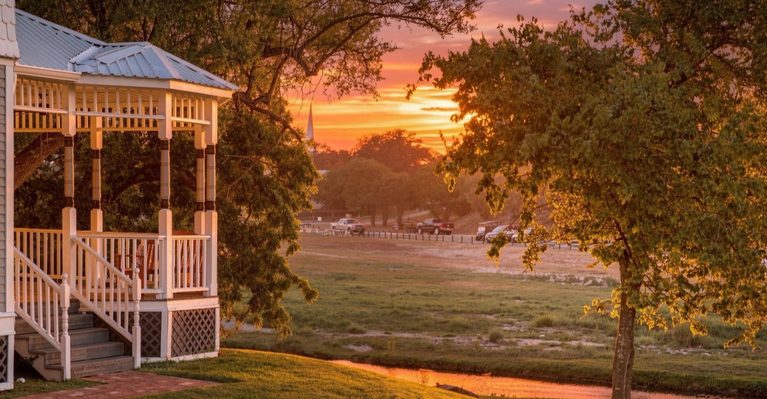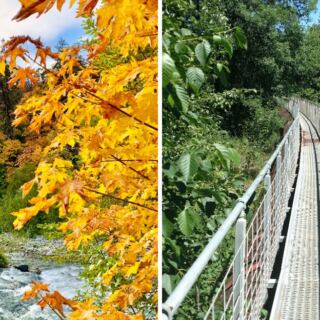
Just outside Conroe, a quiet forest holds a secret that hikers absolutely love discovering. W G Jones State Forest offers a 2.3-mile adventure through towering pines and hardwoods that ends at a swinging suspension bridge tucked away from the world. This isn’t your typical Texas landscape, and the payoff at the end makes every step worth it.
1. The Trailhead Experience Sets the Tone
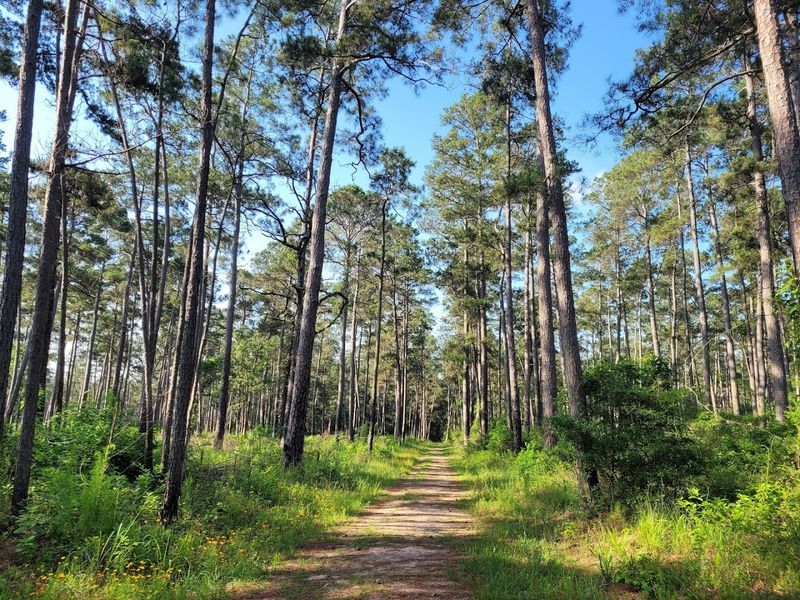
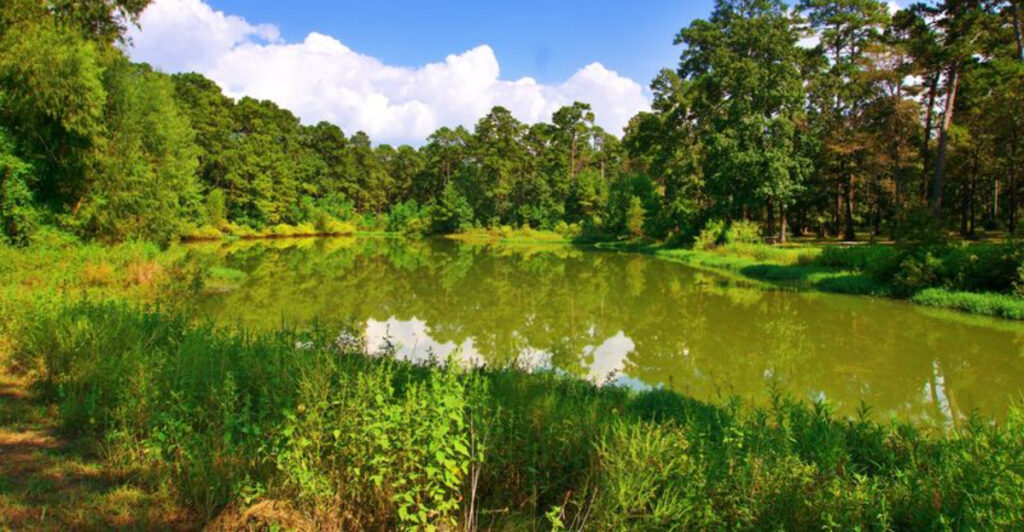
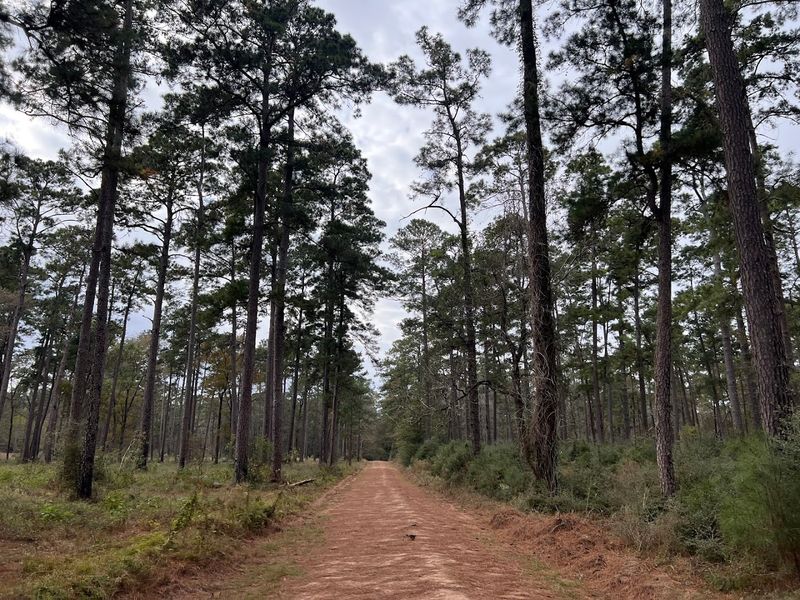
Starting your journey at W G Jones State Forest feels refreshingly uncomplicated. The main trailhead sits right off FM 1488, where you’ll find ample parking and a small pond that reflects the morning sky like a mirror. Unlike some Texas trails that throw you straight into the wilderness, this one eases you in with wide, packed sand paths that feel more like forest boulevards than rugged hiking routes.
The forest opens daily at 7 AM, giving early risers a chance to beat the heat and catch wildlife at their most active. You’ll notice informative boards near the entrance explaining the forest’s role as a Texas A&M research area. These aren’t just decorative signs either, they actually teach you about the native sweetleaf trees and forest management practices happening right under your boots.
Families with strollers and folks with mobility concerns appreciate how accessible these initial trails are. The paths average six to eight feet wide, with virtually no roots or obstacles to trip over. It’s flat enough that you might forget you’re technically hiking, which makes the suspension bridge destination even more exciting.
Before heading out, take a moment at the pond where friendly turtles sometimes swim up to the shore. Local visitors mention seeing perch darting through the clear water, and it’s a perfect spot for kids to get excited about the natural world. The whole setup feels welcoming rather than intimidating, which is exactly what a good trailhead should offer.
2. Navigation Through the Grid Trail System
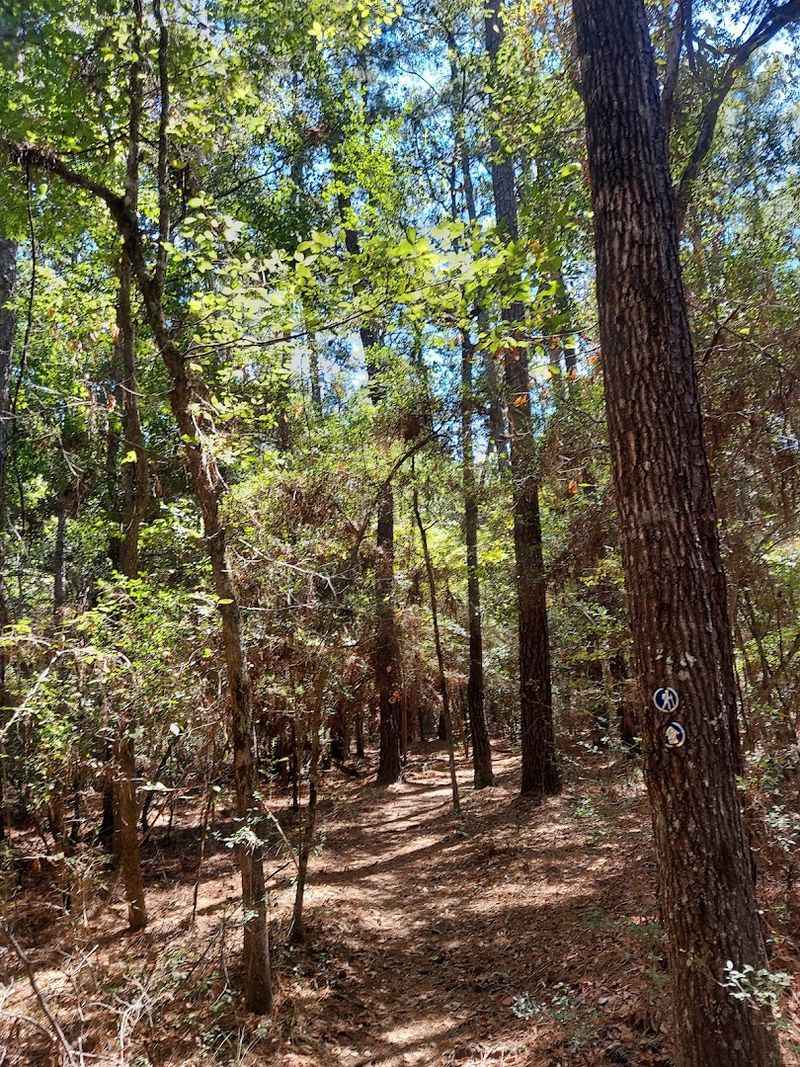
Here’s something unexpected about W G Jones: the trails follow a grid pattern similar to city streets. While that might sound boring, it actually makes exploring feel like a choose-your-own-adventure experience. You can’t really get lost here, which means you can focus on enjoying the scenery instead of anxiously checking your phone’s GPS every five minutes.
Trail markers pop up frequently along the routes, each one clearly labeled with distances and directions. The signage is so abundant that even directionally challenged hikers feel confident branching off onto side paths. This grid layout also means you can customize your distance, whether you’re aiming for a quick 2.3-mile loop to the bridge or extending your adventure to seven miles or more.
The packed sand underfoot stays remarkably firm even after rain, which several reviewers mentioned with pleasant surprise. You won’t find yourself slogging through mud or navigating slippery rocks. The consistent surface makes this trail friendly for mountain bikers too, though cyclists should expect a bumpy ride if they’re on road bikes.
Wide paths mean you can walk side-by-side with friends or give other trail users plenty of space. Horseback riders share these trails, and the forest maintains separate mounting areas for riders with disabilities. You might spot some horse manure along the way, but it’s minimal and easy to avoid, a small trade-off for the multi-use trail system that keeps this forest accessible to everyone.
3. The Forest Canopy Creates Natural Magic
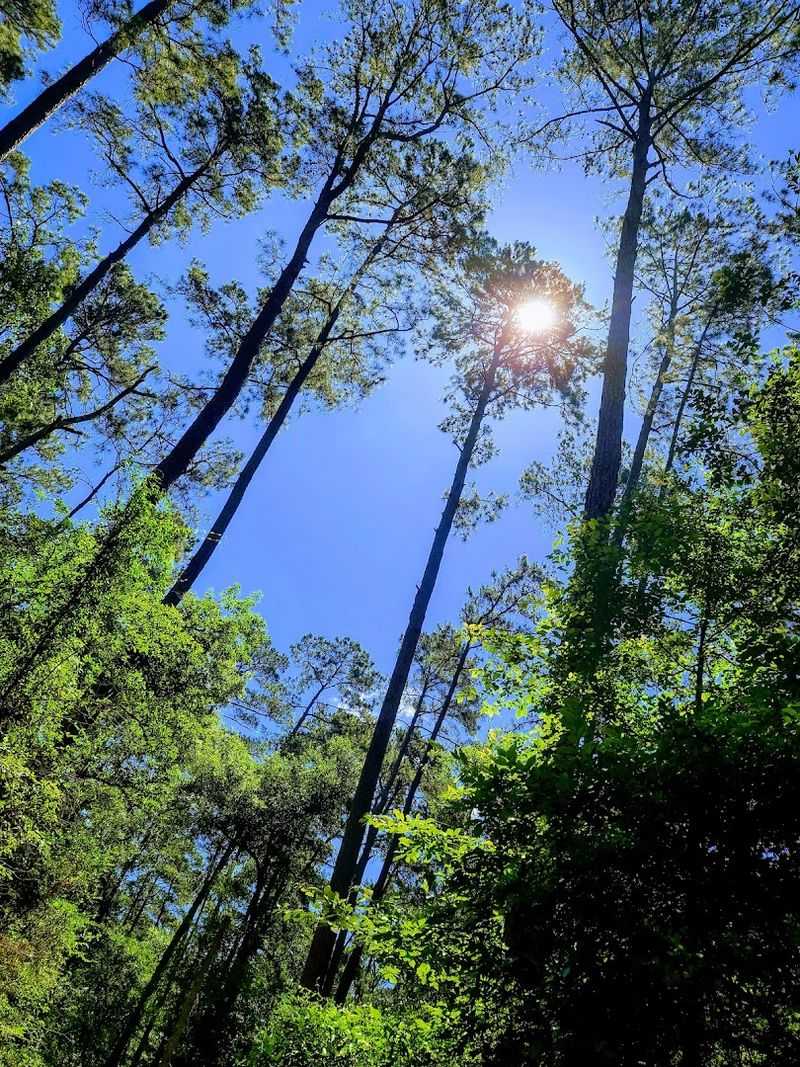
Step beyond the trailhead and you’ll quickly understand why people call this forest a gem. The sheer number of trees creates an immersive canopy that blocks out the outside world, making you forget that suburban neighborhoods sit just beyond the tree line. Towering pines mix with mature hardwoods, forming layers of green that filter sunlight into soft, dancing patterns on the trail.
This forest density works wonders for your mental state. Traffic noise from FM 1488 fades surprisingly fast once you’re a quarter-mile in, replaced by bird calls and rustling leaves. It’s the kind of quiet that makes your shoulders drop and your breathing slow down naturally, no meditation app required.
The forest composition also creates habitat diversity that wildlife loves. Deer sightings are common enough that you should expect to spot at least one during your hike. Butterflies flit between wildflowers in sunny clearings, and various bird species make their homes in different canopy levels, from ground-dwelling quail to woodpeckers hammering away high above.
Texas A&M Forest Service maintains this area as a working research forest, which means the trees you’re walking among serve dual purposes: providing recreation and teaching future foresters about sustainable management. The champion sweetleaf tree, a record-holder for its species, grows somewhere within these woods. Even if you don’t seek it out specifically, knowing you’re walking among scientifically significant trees adds an extra layer of appreciation to your surroundings.
4. Creek Crossings Add Adventure Elements
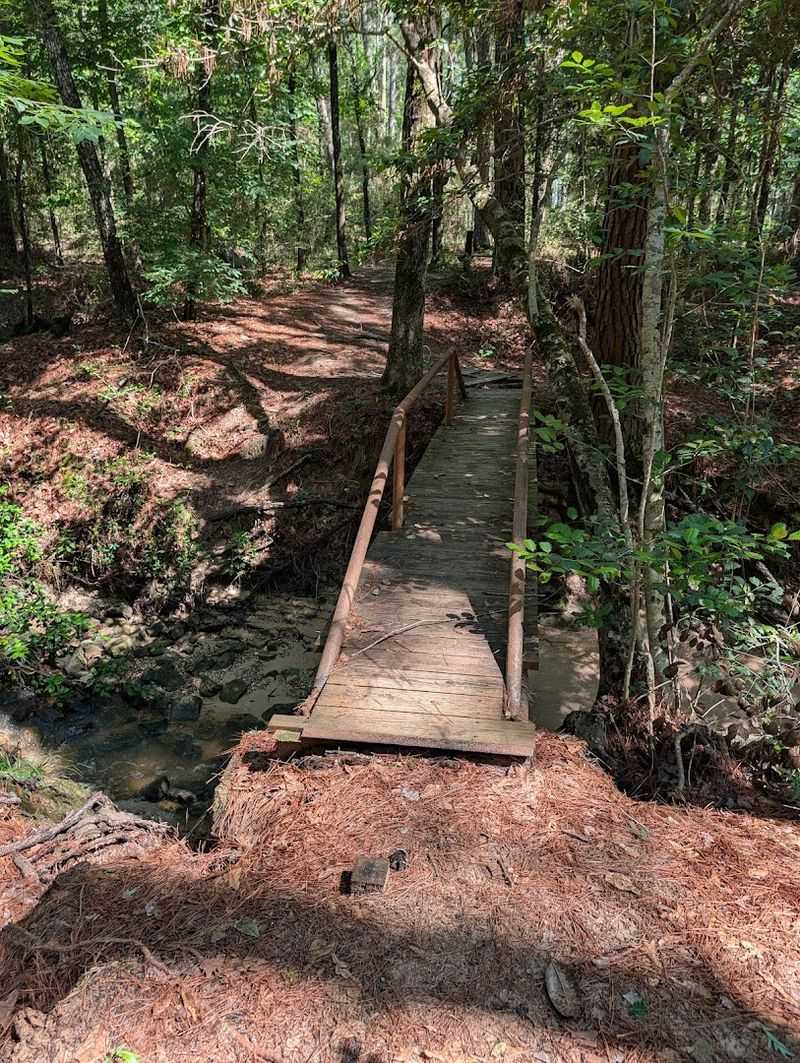
Multiple creeks wind through W G Jones State Forest, and crossing them becomes part of the trail’s charm. These aren’t raging rivers requiring advanced hiking skills, just gentle waterways that add visual interest and natural sound to your journey. Small bridges span most crossings, giving you perfect vantage points to spot aquatic life or simply pause and listen to water trickling over rocks.
During wetter seasons, these creeks flow with more enthusiasm, creating peaceful background music as you hike. In drier months, they might slow to a trickle or reveal interesting creek beds full of smooth stones and mud patterns. Either way, they mark progress along your route and provide natural landmarks that help you gauge how far you’ve traveled.
Kids especially love these creek areas because they offer legitimate exploration opportunities. Spotting minnows, examining water plants, or watching water striders skate across the surface turns a simple hike into a nature education session. Parents appreciate that the bridges keep little ones safely above the water while still allowing close observation.
The creek ecosystems also attract different wildlife than you’ll see in the drier forest sections. Frogs chorus from the banks, dragonflies patrol for insects, and occasionally you might spot raccoon or deer tracks in the soft mud near the water’s edge. These wet zones create biodiversity hotspots within the forest, making them worth lingering at rather than rushing across.
Bring a camera, because the play of light on water through tree branches creates naturally beautiful compositions.
5. The Suspension Bridge Reveal
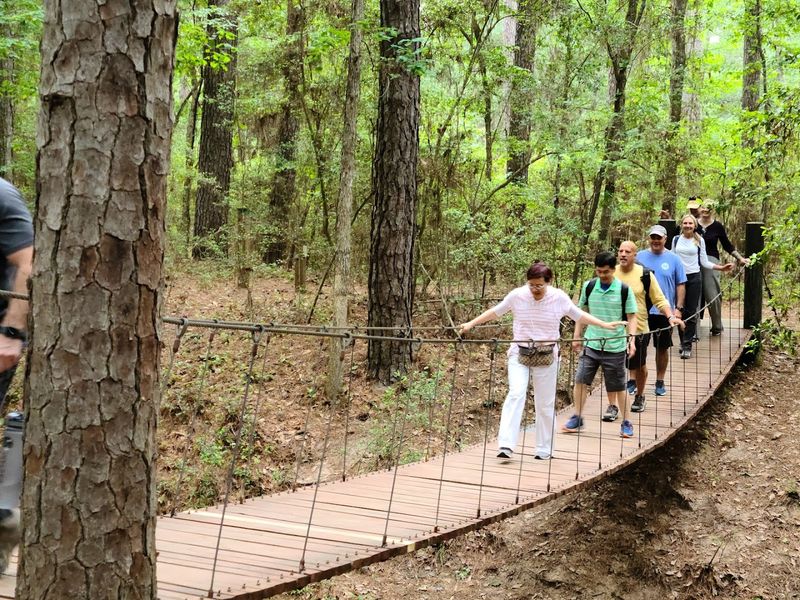
After winding through the forest for about 2.3 miles, the trail delivers on its promise with a suspension bridge that actually swings when you walk across it. This isn’t a massive canyon-spanning structure, but rather an intimate footbridge that sways gently with each step, adding just enough movement to make crossing it feel like a mini adventure. The bridge spans a creek or low area, connecting two sections of trail while providing a unique perspective of the forest floor below.
The swinging sensation catches first-timers by surprise in the best possible way. It’s stable enough that you never feel unsafe, but dynamic enough that you definitely notice the movement. Kids think it’s hilarious, adults find it unexpectedly delightful, and dogs sometimes need a little encouragement before venturing onto the moving surface.
What makes this bridge special isn’t just the physical experience but also its hidden quality. You can’t see it from the parking area or even from most of the trail. It reveals itself only to those who commit to the hike, which makes reaching it feel like discovering a secret.
This element of surprise adds satisfaction that you wouldn’t get from a bridge visible from the road.
The bridge area makes an excellent turnaround point for out-and-back hikers or a highlight along a longer loop. Many visitors pause here for photos, snacks, or just to enjoy the unique vantage point. The surrounding forest frames the bridge beautifully, creating that quintessential hidden-in-the-woods atmosphere that the trail’s reputation promises.
6. Wildlife Watching Opportunities Abound
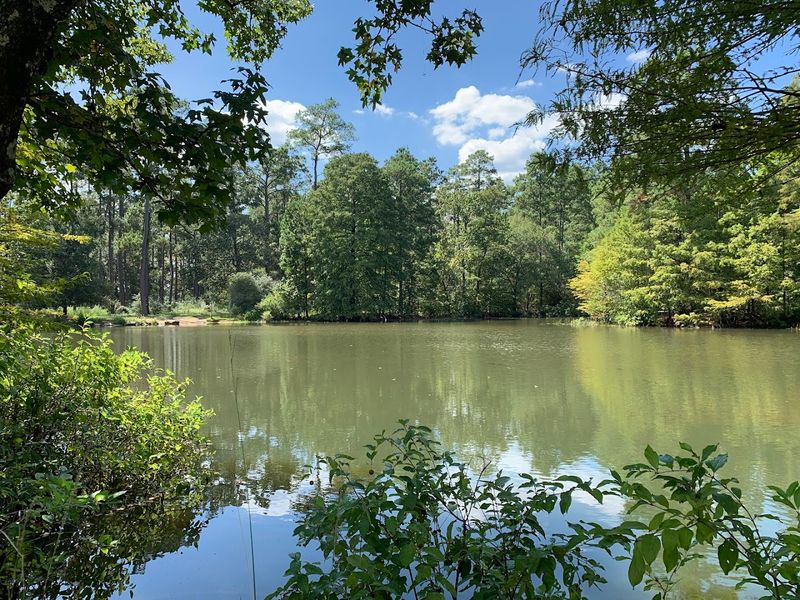
W G Jones State Forest functions as an urban wildlife sanctuary where animals thrive despite the nearby suburban development. Deer are the celebrities here, appearing so regularly that spotting one becomes more of a when than an if situation. White-tailed deer browse along trail edges during early morning and late afternoon hours, often unbothered enough by human presence that you can observe them for several minutes before they bound away.
Beyond deer, the forest hosts an impressive variety of creatures for such an accessible location. Armadillos root through leaf litter, making scratching sounds that often alert you to their presence before you spot their armored backs. Squirrels perform acrobatics in the canopy, and rabbits dart across trails at dusk.
Birdwatchers can add numerous species to their lists, from woodpeckers to songbirds to occasional raptors hunting from above.
The ponds near the trailhead create their own wildlife communities. Turtles sun themselves on logs and swim right up to visitors at the water’s edge, showing surprising boldness. Fish swirl in the shallows, and herons occasionally stop by for a fishing session.
These aquatic areas concentrate wildlife activity, making them prime spots for patient observers.
Bringing binoculars enhances the experience significantly, letting you appreciate birds and distant mammals without disturbing them. The wide trails and good sightlines mean you can often spot animals before you’re right on top of them, giving both you and the wildlife more comfortable encounters. Just remember that all animals here are wild, so admire from a respectful distance and never attempt to feed them.
7. Seasonal Changes Transform the Experience
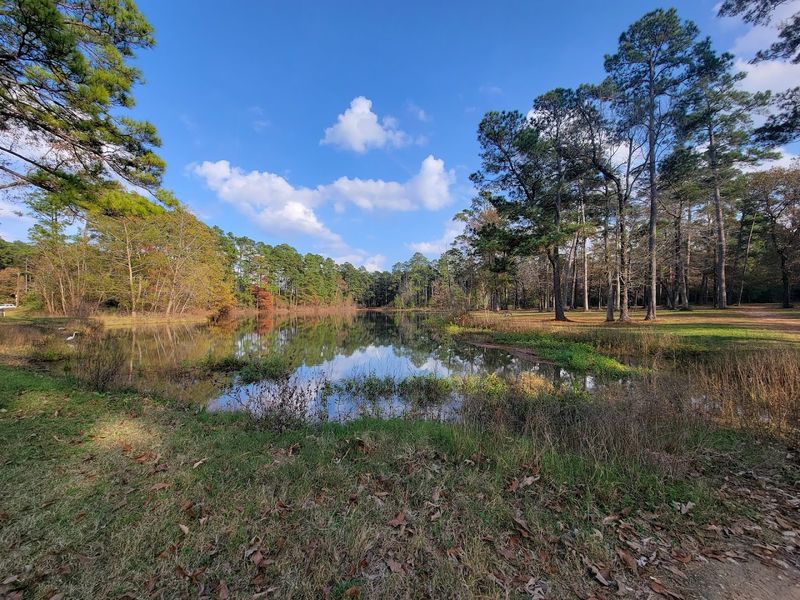
Each season rewrites the forest’s personality in fascinating ways. Spring brings wildflower blooms and baby animals, turning the trails into a parade of new life. Temperatures hover in that perfect range where you can hike comfortably without overheating, and the forest buzzes with bird activity as migrants pass through and residents establish territories.
Bluebonnets and other native flowers add color splashes to the predominantly green landscape.
Summer challenges hikers with Texas heat, but the forest canopy provides more shade than you’d find on exposed prairie trails. Early morning visits become essential during June through August, with that 7 AM opening time suddenly feeling like a gift. The ponds look especially inviting in summer, though swimming isn’t permitted, watching turtles paddle through cool water offers vicarious relief.
Fall transforms the hardwood sections into a tapestry of golds and reds, while the pines remain steadfastly green. This seasonal contrast creates striking visual variety along the trails. Cooler temperatures return, making midday hikes pleasant again, and the angle of autumn sunlight filtering through the canopy produces magical lighting conditions that photographers dream about.
Winter offers its own quiet beauty, with bare hardwood branches revealing forest structure usually hidden by leaves. Wildlife becomes easier to spot without dense foliage providing cover. Cold fronts occasionally bring temperatures low enough to see your breath, but Texas winters rarely prevent hiking.
The forest feels especially peaceful during winter months when visitor numbers drop, giving you more solitude with the trees and trails.
8. Practical Tips for Your Visit
Planning ahead makes your W G Jones adventure smoother and more enjoyable. The forest opens at 7 AM and closes at 7 PM daily, with those hours staying consistent throughout the week. Arriving early, especially on weekends, guarantees easier parking and cooler temperatures.
The main parking area accommodates roughly two dozen vehicles, and while overflow options exist, snagging a prime spot beats circling around hoping for an opening.
Bring more water than you think you’ll need, because Texas heat sneaks up on you even under tree cover. A single water bottle might suffice for a quick bridge hike, but longer explorations require serious hydration. The flat terrain tricks people into thinking this is an easy walk, but spending two hours in the woods still demands proper preparation.
Snacks help too, especially if you’re bringing kids who need energy boosts.
Restroom facilities are limited to nonexistent depending on which trailhead you use, so plan accordingly before arriving. Bug spray becomes essential during warmer months when mosquitoes and other insects thrive in the humid forest environment. Sunscreen still matters despite the shade, particularly if you’re spending extended time near the ponds where tree cover thins out.
Dogs are welcome but must remain leashed unless you have exceptional voice control in off-leash situations. The multi-use trail system means you might encounter horses, bikes, and other hikers, so keeping your pup under control prevents conflicts. Bring waste bags and pack out everything you bring in, this forest’s cleanliness depends on visitor respect and responsibility.
Share this story