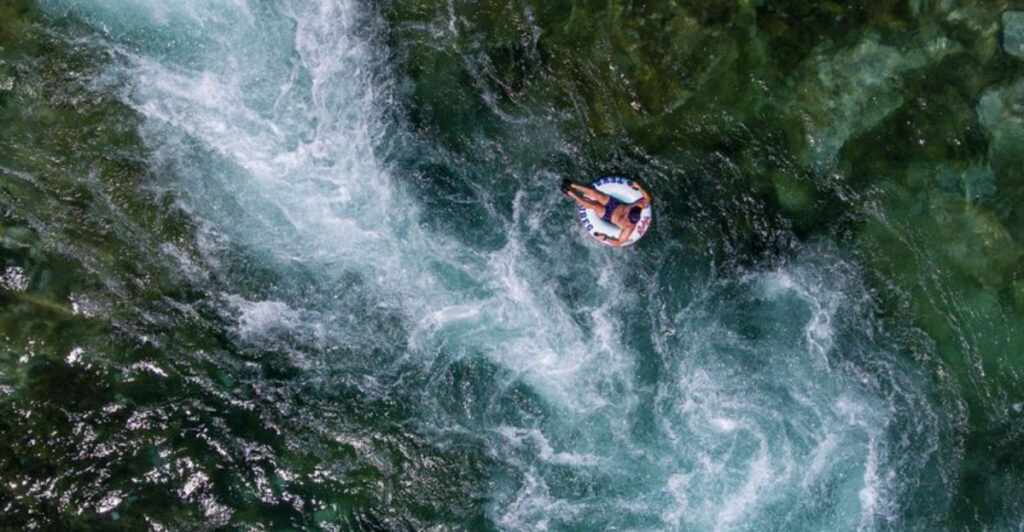
Summer in Texas means scorching temperatures that can make you feel like you’re melting into the pavement. But here’s the good news: you don’t need an expensive water park ticket or a beach vacation to cool off in style. Texas is home to some of the best lazy rivers in the country, where you can float for hours under shady trees, soak up the scenery, and forget all about the triple-digit heat outside.
1. Frio River
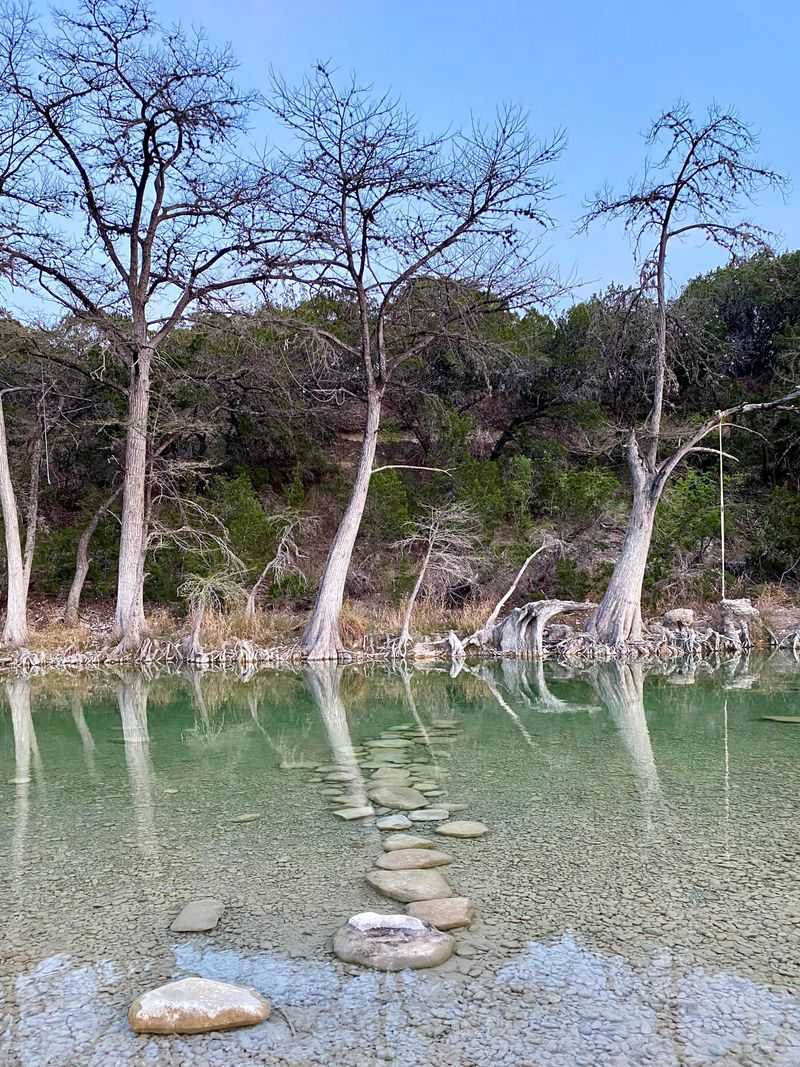
Cold water in the middle of a Texas summer sounds too good to be true, but the Frio River delivers exactly that. The name literally means “cold” in Spanish, and one dip will prove it’s well-deserved. This spring-fed river stays refreshingly cool year-round, making it a magnet for anyone trying to escape the relentless heat.
The stretch between Concan and Leakey is where most floaters gather, and for good reason. The current here is gentle enough for beginners but still moves you along at a nice pace. You’ll drift past limestone cliffs, shady cypress groves, and shallow spots perfect for wading or just sitting with a cold drink in hand.
Tube rentals are easy to find, and plenty of outfitters will shuttle you to your starting point. Most people do a two- to four-hour float, depending on how many times they stop to swim or sunbathe on the rocks. The water is so clear you can see fish darting around your feet, and the scenery feels more like a postcard than real life.
Weekends get crowded, especially during peak summer months, so plan accordingly if you prefer a quieter experience. Weekdays or early mornings offer a more peaceful vibe. The river also has deeper pools where you can actually swim instead of just floating, which is a nice change of pace.
Camping options are plentiful along the Frio, from basic riverside spots to cabins with all the amenities. Many families make it an annual tradition, and once you float this river, you’ll understand why. It’s one of those places that feels like a well-kept secret, even though locals have been coming here for generations.
Pack your sunscreen, grab a sturdy tube, and prepare for one of the most relaxing days you’ll have all summer.
2. Colorado River at Columbus
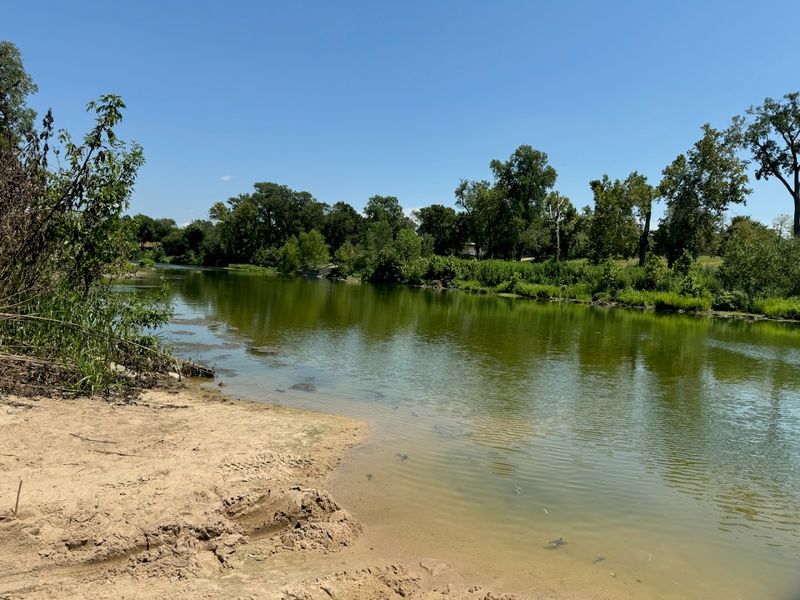
Most people think of the famous Colorado River out west, but Texas has its own version, and the stretch near Columbus is a hidden gem for lazy river enthusiasts. This section flows slower and wider than many other Texas rivers, making it ideal for a relaxed float where you can actually carry on a conversation without paddling like crazy.
Columbus sits about halfway between Houston and San Antonio, so it’s an easy day trip from either city. The river here winds through farmland and pecan groves, giving you that classic Texas countryside feel. You won’t find the dramatic cliffs of some Hill Country rivers, but the trade-off is fewer crowds and a more laid-back atmosphere.
Local outfitters offer tube and kayak rentals, and most floats run between two and four hours depending on where you start. The water level stays pretty consistent thanks to upstream dams, so you don’t have to worry as much about seasonal fluctuations. Even in drier months, there’s usually enough water for a good float.
Wildlife spotting is a bonus here. Herons, turtles, and even the occasional river otter make appearances along the banks. The slower current gives you time to actually look around and enjoy the scenery instead of just holding on for dear life.
It’s the kind of float where you can bring a small cooler and not worry about flipping it.
The town of Columbus itself is charming, with a historic downtown square and several good barbecue spots for after your float. Many floaters make a whole day of it, hitting the river in the morning and exploring town in the afternoon. There are also several riverside parks with picnic areas if you want to extend your visit.
This isn’t the wildest or most dramatic river in Texas, but sometimes that’s exactly what you need. It’s perfect for families with younger kids or anyone who wants to cool off without the chaos.
3. Comal River
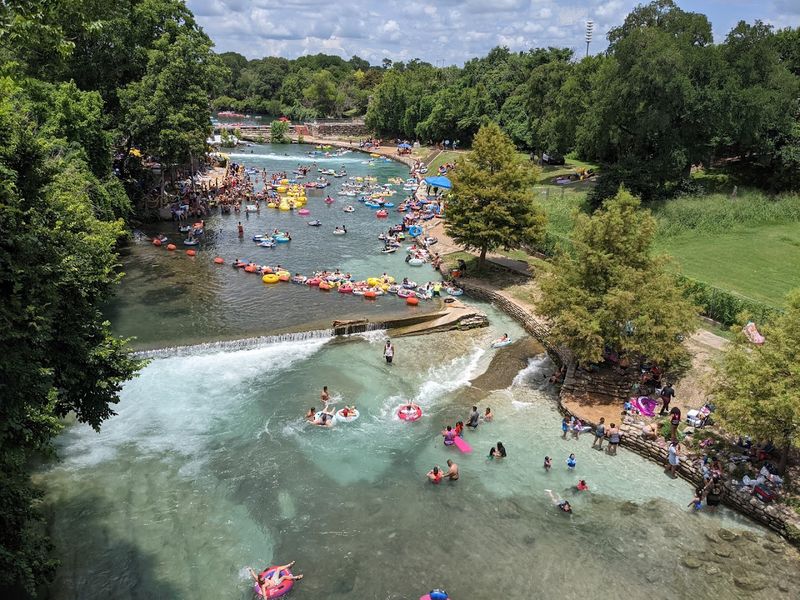
Imagine floating down the shortest river in Texas and somehow having one of the longest, most memorable experiences of your summer. The Comal River stretches just 2.5 miles from its spring source to where it meets the Guadalupe, but those miles are packed with fun. Fed by massive underground springs, the water stays a constant 72 degrees, which feels like heaven when the air temperature hits 100.
New Braunfels is where you’ll find this little wonder, and the town has built an entire summer culture around it. Tube chutes, rope swings, and riverside spots for jumping in are scattered along the route. The current moves you along at a steady clip, so you’re never bored, but it’s not so fast that you feel out of control.
Prince Solms Park serves as the main launch point, and you’ll see hundreds of tubes hitting the water on busy weekends. The scene is lively and social, with music floating from riverside decks and plenty of spots to stop and hang out. If you’re looking for a party vibe, Saturday afternoons deliver.
For something mellower, try a weekday morning.
The river is shallow in many places, sometimes just a few feet deep, which makes it great for kids and nervous swimmers. You can stand up almost anywhere if you need a break or want to adjust your tube. The spring water is so clear you can count rocks on the bottom, and the temperature never changes no matter how hot it gets outside.
Tube rental shops line the streets near the river, and most offer package deals that include parking and shuttle service. Plan for about two to three hours on the water, though you can easily stretch it longer with stops. Some sections have gentle rapids that add a little excitement without being scary.
The Comal is Texas tubing at its finest: cold water, good vibes, and memories you’ll be talking about until next summer.
4. South Llano River
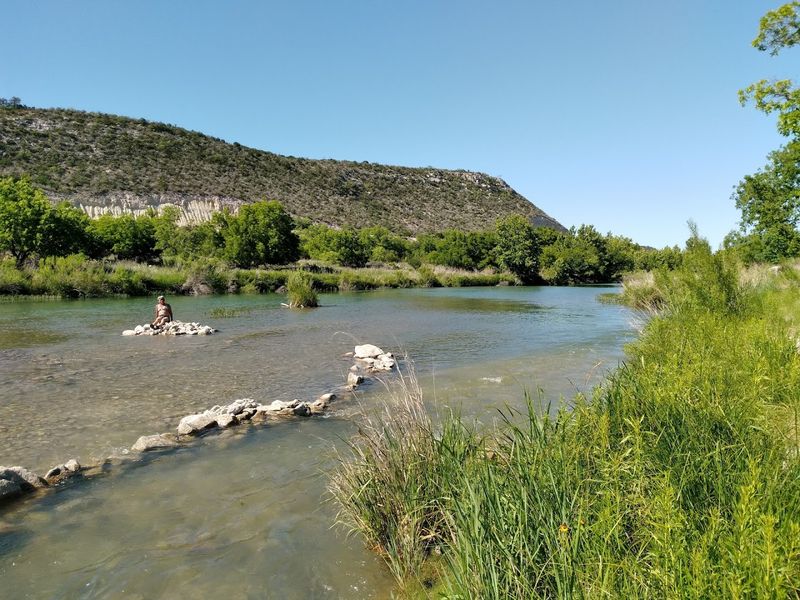
Tucked away near Junction in the heart of Texas Hill Country, the South Llano River offers something many popular rivers can’t: genuine peace and quiet. This spring-fed waterway flows through South Llano River State Park, where the focus is on nature rather than nonstop tubing parties. If you’re looking to actually relax instead of dodging beer cans and bluetooth speakers, this is your spot.
The river here is shallow and calm, perfect for wading, swimming, or just sitting in the cool water while life slows down around you. Massive pecan and oak trees line the banks, creating natural shade that makes even the hottest days bearable. The water stays clear and cool year-round thanks to spring sources, and the rocky bottom is easy on your feet.
Tubing is allowed, but most people come here for swimming and nature watching instead. The state park maintains several river access points with picnic areas and restrooms. You can float if you want, but the current is gentle enough that you might find yourself paddling more than drifting.
That’s actually part of the charm here—it’s not about racing downstream but about soaking in the surroundings.
Bird watching is exceptional along the South Llano, especially in spring and fall when migrations bring hundreds of species through the area. The park is designated as an important bird habitat, and you’ll often see photographers with serious camera equipment staking out the best spots. Even if you’re not a bird nerd, the wildlife sightings add something special to the experience.
Camping at the state park is highly recommended if you want to make a weekend of it. The campsites are well-maintained, and waking up to the sound of the river is worth the trip alone. Evening swims after the day-trippers leave are pure magic, with the water reflecting sunset colors and the temperature finally dropping.
This isn’t the river for big groups or wild parties. It’s for people who want to remember what it feels like to actually relax in nature.
5. Nueces River
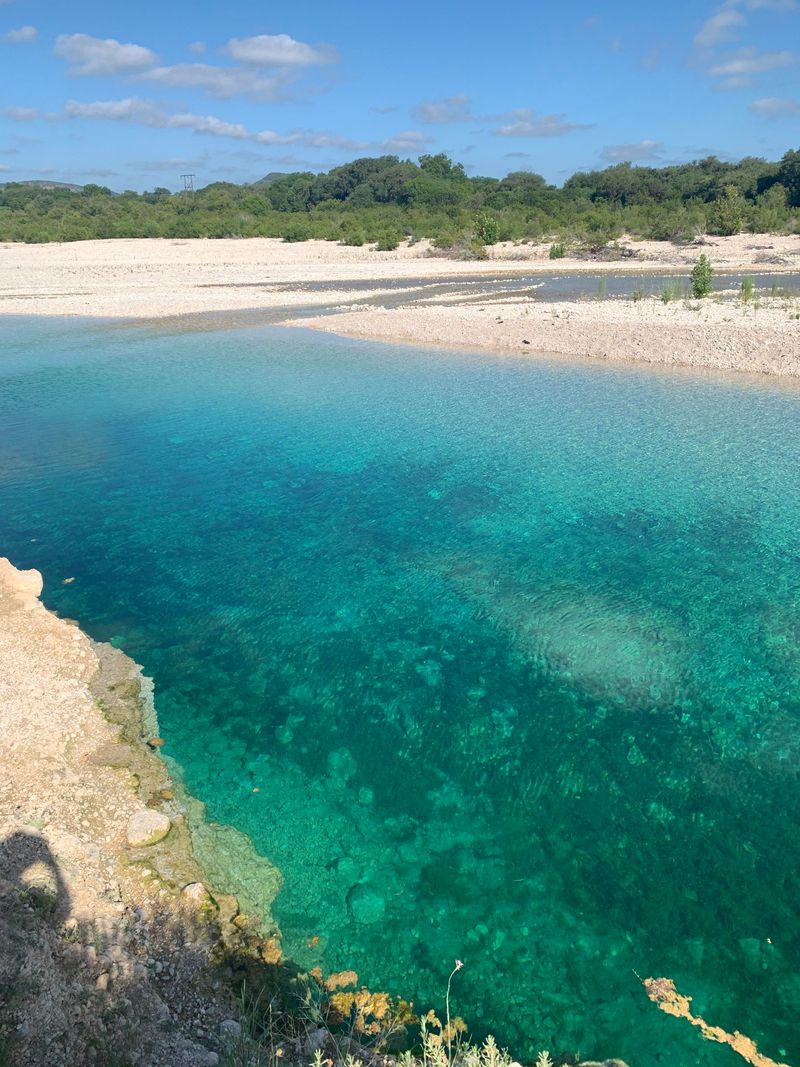
Say “Nway-ses” if you want to sound like a local when talking about this West Texas treasure. The Nueces River carves through some of the most remote and beautiful country in the state, offering a floating experience that feels genuinely wild. Unlike rivers closer to major cities, this one still has long stretches where you might not see another person for hours.
The section near Camp Wood is where most floaters and swimmers congregate, drawn by reliable water flow and easy access. Spring-fed tributaries keep the river running even during dry spells, and the water stays cool enough to be refreshing. The current varies from lazy drifts to slightly faster sections that wake you up without causing any real excitement.
Cypress trees tower over many parts of the river, their roots creating natural sculptures along the banks. The scenery shifts from open ranchland to narrow canyon sections where limestone walls rise on both sides. It’s the kind of place where you feel like you’ve discovered something special, even though people have been coming here for generations.
Fishing is popular along the Nueces, with bass and catfish making regular appearances. You’ll see locals casting lines from the banks or wading into deeper pools. The river also has plenty of spots perfect for cliff jumping if you’re feeling adventurous, though you should always check the depth first and never jump alone.
Access can be trickier here than at more developed rivers. Some of the best spots require crossing private property, so it’s worth connecting with local outfitters or staying at one of the riverside camps that offer river access. The extra effort pays off in elbow room and natural beauty that hasn’t been paved over or commercialized.
Pack everything you need because amenities are sparse out here. That’s part of the appeal for people tired of crowded tubing spots with concrete chutes and overpriced rentals. The Nueces gives you Texas the way it used to be: wide open, a little rough around the edges, and absolutely worth the trip.
6. Guadalupe River
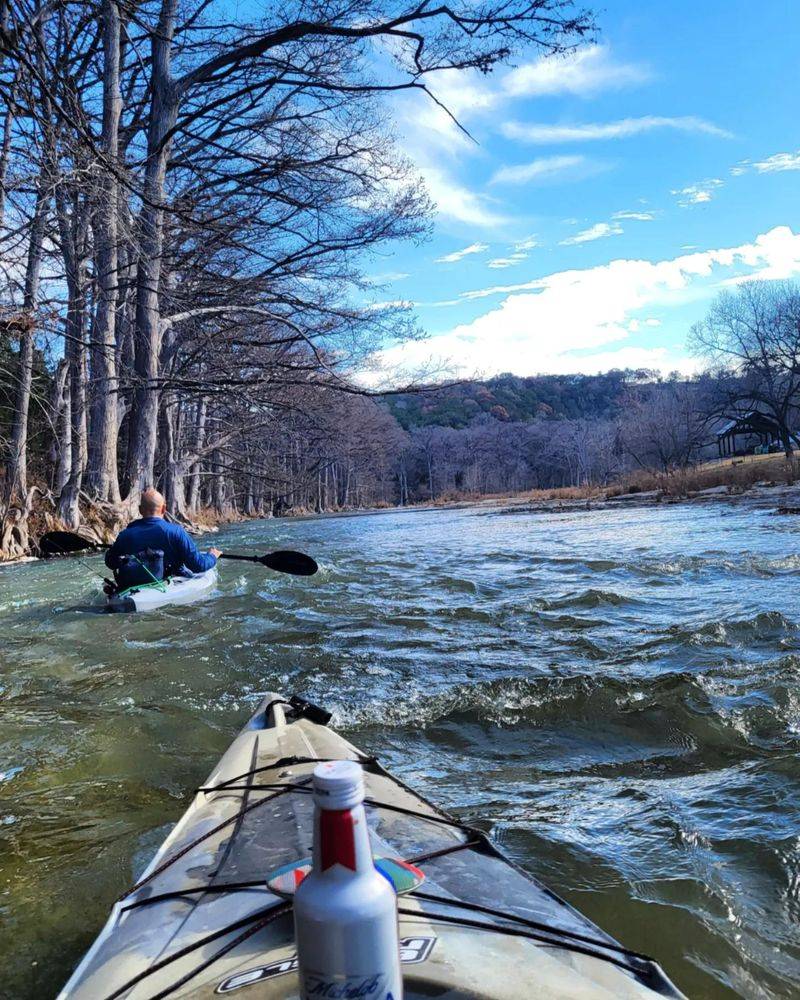
Ask any Texan about river floating and the Guadalupe will probably be the first name out of their mouth. This river has earned its reputation as the state’s tubing headquarters, with the stretch between Canyon Lake and New Braunfels seeing thousands of floaters every summer weekend. It’s famous for good reason: consistent water flow, beautiful scenery, and enough variety to keep things interesting.
The river offers something for everyone, from gentle lazy sections perfect for beginners to rapids that’ll get your heart pumping. Most outfitters offer different route options ranging from two to six hours, so you can choose your own adventure. The longer floats take you through quieter sections where the crowds thin out and you can actually hear birds instead of just music and shouting.
Water releases from Canyon Lake dam keep the Guadalupe flowing year-round, which means you can float here even when other rivers are running low. The downside is that release schedules affect water temperature and current speed, so it’s worth checking conditions before you go. When they’re releasing cold water from deep in the lake, the river can be shockingly chilly even in July.
The town of Gruene sits along the river and adds a whole extra dimension to the experience. After your float, you can hit Gruene Hall, Texas’s oldest dance hall, or grab food at one of the riverside restaurants. The whole area has a tourist vibe, but it’s the good kind where everything is set up to make your day easy and fun.
Rapids like Hueco Falls and Slumber Falls add excitement without being dangerous, though you should always wear a life jacket and never float alone. The rapids are especially fun on inner tubes, where you bounce through waves and maybe get dunked once or twice. Between the rapids are long, calm stretches perfect for floating with a cold drink and forgetting your worries.
Weekends get absolutely packed, especially on holidays, so plan accordingly. If crowds aren’t your thing, weekday mornings offer a completely different experience on the same river.
7. Medina River
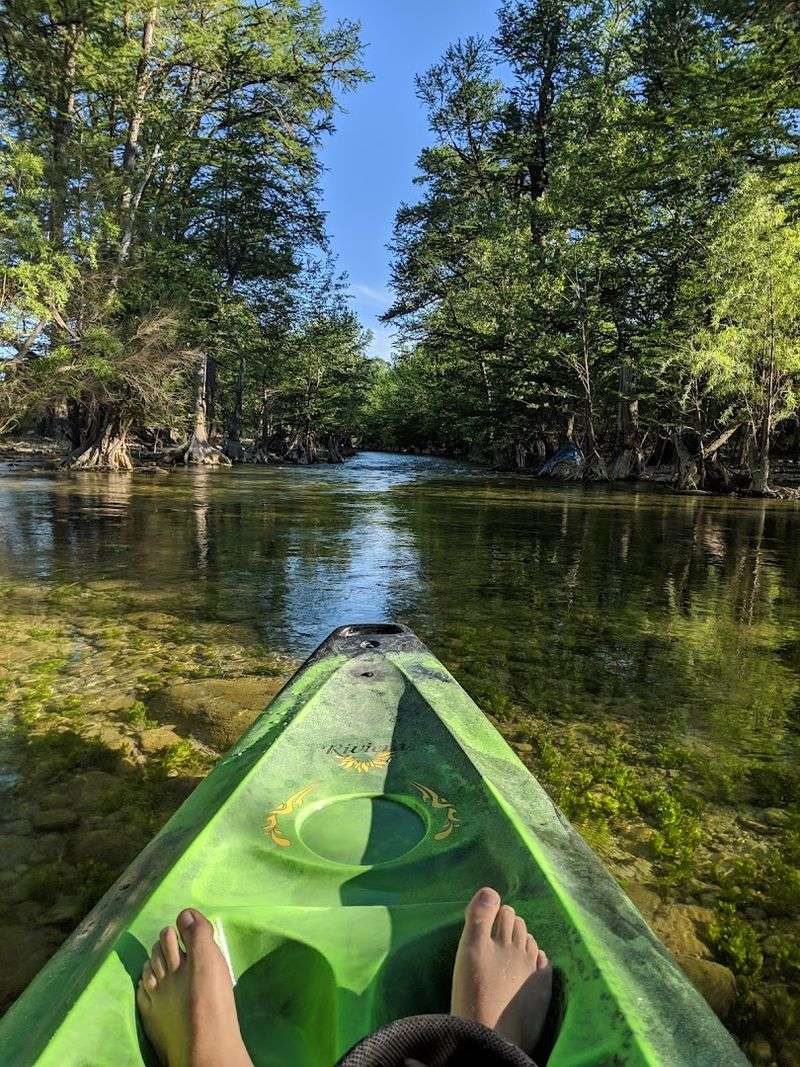
Just outside Bandera, the self-proclaimed Cowboy Capital of the World, the Medina River flows through ranch country and limestone hills. This river doesn’t get the same crowds as its more famous neighbors, which is exactly why locals love it. You can float here on a summer Saturday and still find stretches where it feels like you have the whole river to yourself.
The Medina runs cooler than many Texas rivers thanks to spring inputs and dam releases from Medina Lake. The current is generally mild, making it ideal for families or anyone who wants a relaxing float without constant paddling or navigating rapids. You’ll drift past towering cypress trees, rocky outcrops, and the occasional ranch house perched on the bluffs above.
Several outfitters in Bandera offer tube rentals and shuttle services, and most floats run two to four hours depending on your starting point. The river has both shallow sections where you can walk and deeper pools perfect for swimming. It’s the kind of place where you can easily spend a whole day, alternating between floating, swimming, and just lounging on the rocky banks.
Wildlife is abundant along the Medina, especially birds. Herons and egrets are common sights, and if you’re lucky, you might spot a deer coming down to drink. The river corridor feels wild despite being relatively close to San Antonio, with thick vegetation and minimal development along most of the float route.
Bandera itself is worth exploring before or after your float. The town maintains its cowboy heritage with honky-tonks, western wear shops, and some surprisingly good food. Many visitors combine a Medina River float with horseback riding or a visit to one of the area’s dude ranches for a full Hill Country experience.
The Medina doesn’t try to be anything it’s not. There are no manufactured tube chutes or party zones, just a natural river doing what rivers do. For people tired of commercialized tubing experiences, that simplicity is exactly the point.
8. San Marcos River
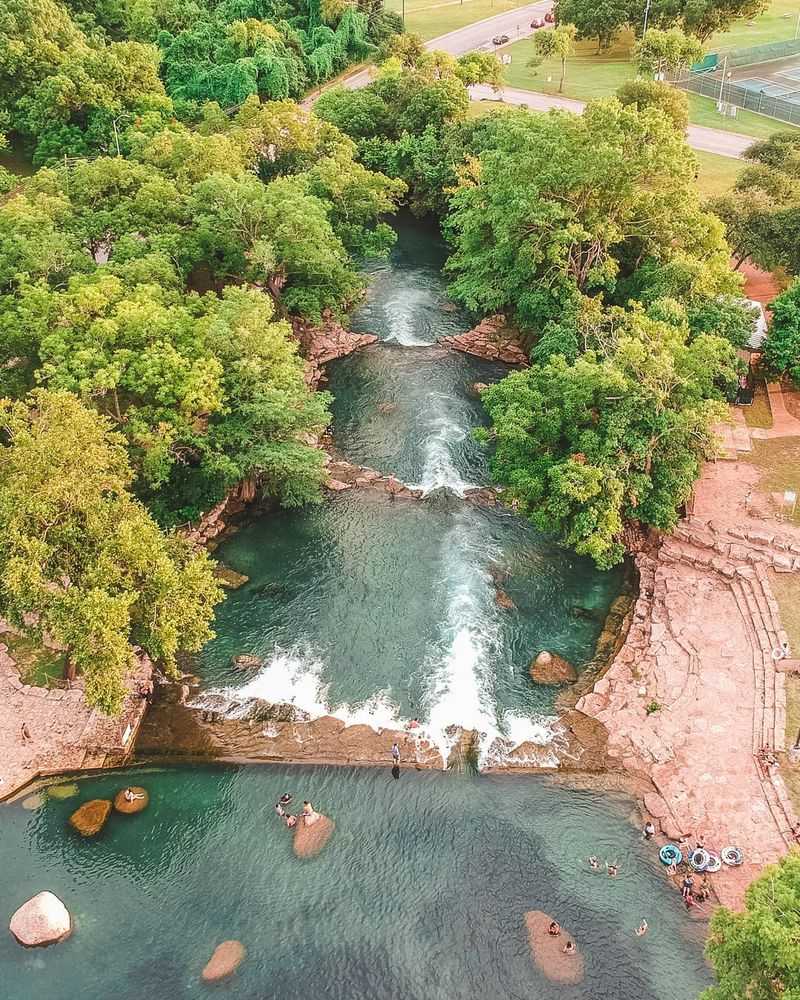
Spring water so clear you can see every pebble on the bottom, temperatures that never budge from the mid-70s, and a current that moves you along without any effort on your part. The San Marcos River checks every box for the perfect lazy river experience. Fed by massive springs that pump out millions of gallons daily, this river maintains the same comfortable temperature whether it’s January or July.
The float from San Marcos to Martindale is the classic route, taking about two to three hours at a leisurely pace. You’ll pass through the city of San Marcos itself, which means some developed areas, but the river quickly returns to a more natural setting. Cypress trees create shady tunnels over the water, and underwater plants wave in the current like something from a nature documentary.
Rio Vista Park serves as the main put-in point, where you’ll join the parade of tubes hitting the water. The scene here is social and fun, with college students from Texas State University mixing with families and out-of-town visitors. The vibe is more laid-back than party-heavy, though weekends definitely bring bigger crowds and more energy.
One unique feature of the San Marcos is its incredible clarity and the ecosystem it supports. Several endangered species live in these springs, and you’re likely to see fish, turtles, and aquatic plants you won’t find anywhere else. The water quality is carefully monitored, and there are rules about what you can bring on the river to protect this special environment.
Multiple tube rental companies operate in San Marcos, and most offer shuttles back to your car from the take-out point. Some floaters bring their own tubes, but rentals are affordable and save you the hassle of storage and transport. The river has a few small rapids and drops that add mild excitement, but nothing that requires any skill or experience.
After your float, downtown San Marcos offers plenty of food options and shops. The whole area has a college-town energy that keeps things lively without being overwhelming.
9. Brazos River
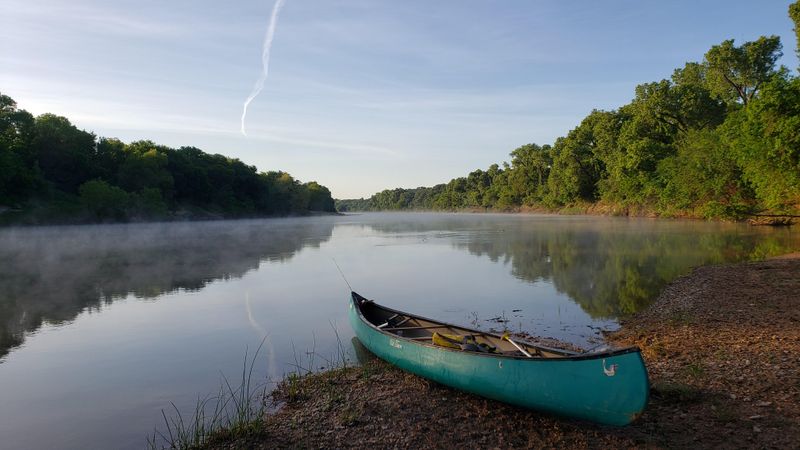
The Brazos is Texas-sized in every sense: long, wide, and full of history. Unlike the spring-fed rivers of the Hill Country, the Brazos is a true river system that drains a huge portion of the state. It’s not as clear or cold as other options, but what it lacks in pristine water, it makes up for in character and elbow room.
The section near Waco offers good floating opportunities, with several access points and relatively calm water. The current here is steady but not aggressive, making it suitable for tubes, kayaks, or rafts. You’ll need a bigger tube or raft than you would on narrower rivers because the Brazos has room to spread out, and you want something that can handle longer distances.
The water color is more brown than blue, a natural result of the river’s journey through different soil types and watersheds. Don’t let the murky appearance put you off—it’s clean enough for swimming and floating, just not the crystal-clear spring water of other Texas rivers. The trade-off is that you’re floating through authentic Texas landscape: cotton fields, pecan groves, and wide-open skies.
Wildlife along the Brazos includes everything from catfish and gar to herons, hawks, and the occasional alligator in the lower sections. Yes, alligators, though they’re rare this far upstream and generally avoid people. Still, it adds a little wild edge to your float that you won’t get on more sanitized rivers.
Access and facilities are more spread out along the Brazos than at tourist-heavy rivers. You’ll need to plan your route more carefully and bring everything you need, as there aren’t tube rental shops every few miles. This makes it better suited for people with some river experience or those willing to do a bit more preparation.
The Brazos doesn’t try to compete with the spring-fed rivers for beauty or temperature. Instead, it offers something different: a genuine Texas river experience on a waterway that’s been part of the state’s story since long before air conditioning made summer bearable.
10. Colorado River
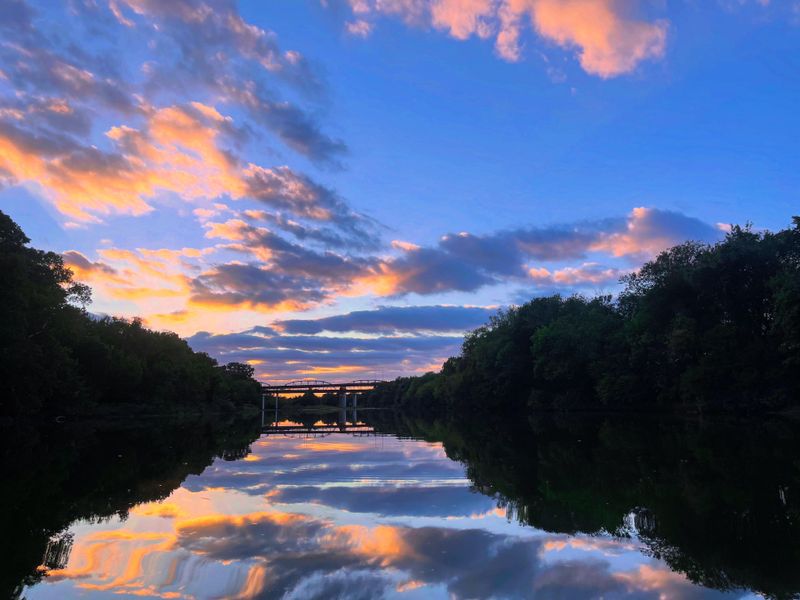
The Colorado River runs right through the heart of Austin, creating Lady Bird Lake and offering a completely different kind of lazy river experience. Instead of rural scenery and cypress trees, you’ll float past the Austin skyline, under historic bridges, and alongside some of the city’s most popular parks. It’s urban river recreation at its finest.
Lady Bird Lake is actually a dammed section of the Colorado River, creating a long, calm reservoir perfect for kayaking, paddleboarding, and canoeing. The water doesn’t move much, so you’ll be paddling rather than floating, but the effort is minimal and the scenery makes it worthwhile. On hot days, the lake is dotted with hundreds of paddlers, all seeking relief from the heat.
Multiple rental shops near the lake offer kayaks and paddleboards by the hour or day. Barton Springs Pool, fed by underground springs, sits right next to the lake and offers an alternative if you want swimming instead of paddling. The spring water stays around 68 degrees year-round, providing instant relief from triple-digit temperatures.
The Ann and Roy Butler Hike-and-Bike Trail runs along the entire shoreline, creating a 10-mile loop that’s perfect for combining water activities with walking or cycling. Many people paddle for an hour or two, then hit the trail for exercise or just to explore different parts of the lake. The trail offers constant access to the water, so you can cool off whenever you need to.
Wildlife thrives here despite the urban setting. Herons, cormorants, and turtles are common sights, and the lake supports healthy fish populations. Bats emerge from under the Congress Avenue Bridge every evening during summer, creating one of Austin’s most famous natural spectacles.
Watching from a kayak on the water offers a unique perspective on this daily event.
The Colorado River through Austin won’t give you the remote wilderness experience of other Texas rivers, but it offers something equally valuable: easy access to water recreation in the middle of a major city. You can beat the heat here on your lunch break, which is pretty hard to beat.
Share this story