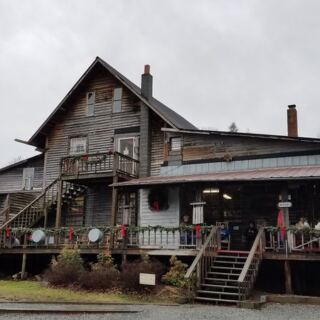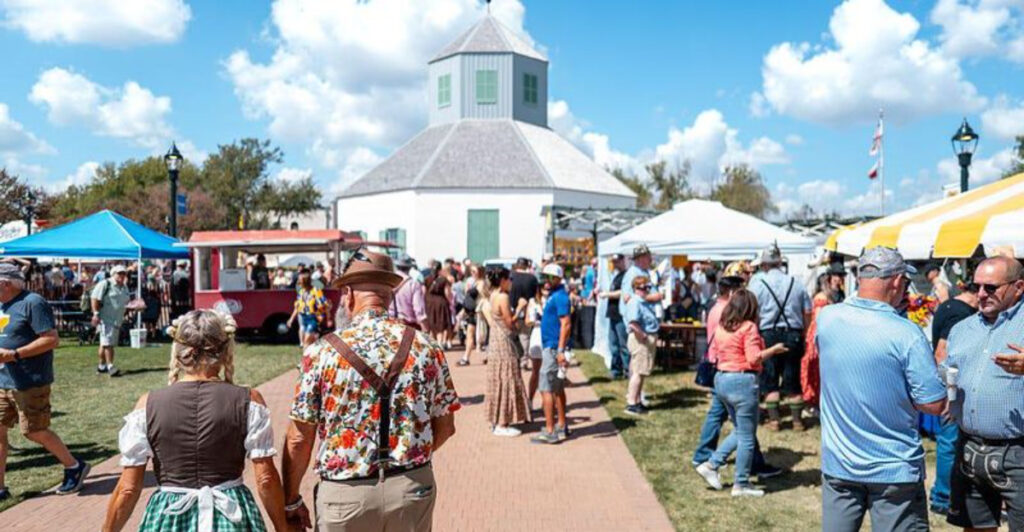
Texas has a reputation for going big, but some of its most memorable places are actually its smallest. Tucked away from the major highways and sprawling cities, these charming towns offer rich history, stunning landscapes, and authentic Texan hospitality without the crowds. Whether you’re craving Hill Country views, quirky art scenes, or peaceful coastal breezes, these thirteen destinations prove that the best experiences often come in the most unexpected packages.
1. Glen Rose
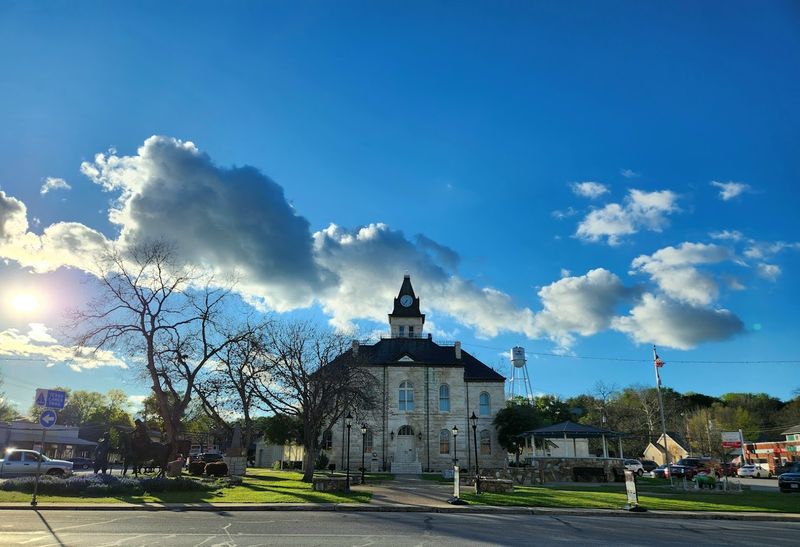
Glen Rose sits along the Paluxy River southwest of Fort Worth, where dinosaur tracks still mark the riverbed from millions of years ago. Families come here to wade through shallow waters and spot actual fossilized footprints left by creatures that roamed Texas long before cowboys ever did. The town built its identity around these ancient wonders, making it a living science lesson that beats any textbook.
Downtown Glen Rose feels like stepping into a postcard from the 1950s. The historic courthouse anchors the square, surrounded by antique shops, local cafes, and mom-and-pop stores that have served generations. On weekends, the square comes alive with farmers markets and community events where everyone seems to know everyone else.
Fossil Rim Wildlife Center sprawls across the surrounding hills, offering drive-through safari experiences with giraffes, zebras, and endangered species roaming freely. You can feed animals right from your car window, creating memories that stick with kids for years. The conservation work happening here matters too, protecting species that might otherwise disappear.
Dinosaur Valley State Park draws geology enthusiasts and casual hikers alike to its well-preserved tracks and scenic trails. The park’s campsites fill up fast during peak season, so locals know to book early or visit midweek. River tubing here offers a cooler, calmer alternative to the packed scenes at more famous Texas waterways.
Small-town charm extends to the local bed-and-breakfasts, where hosts greet you by name and share insider tips about hidden swimming holes. Glen Rose doesn’t try to compete with bigger destinations. Instead, it offers something increasingly rare: a place where you can slow down, explore genuine natural wonders, and feel welcomed by a community that hasn’t forgotten what hospitality means.
2. Port Aransas
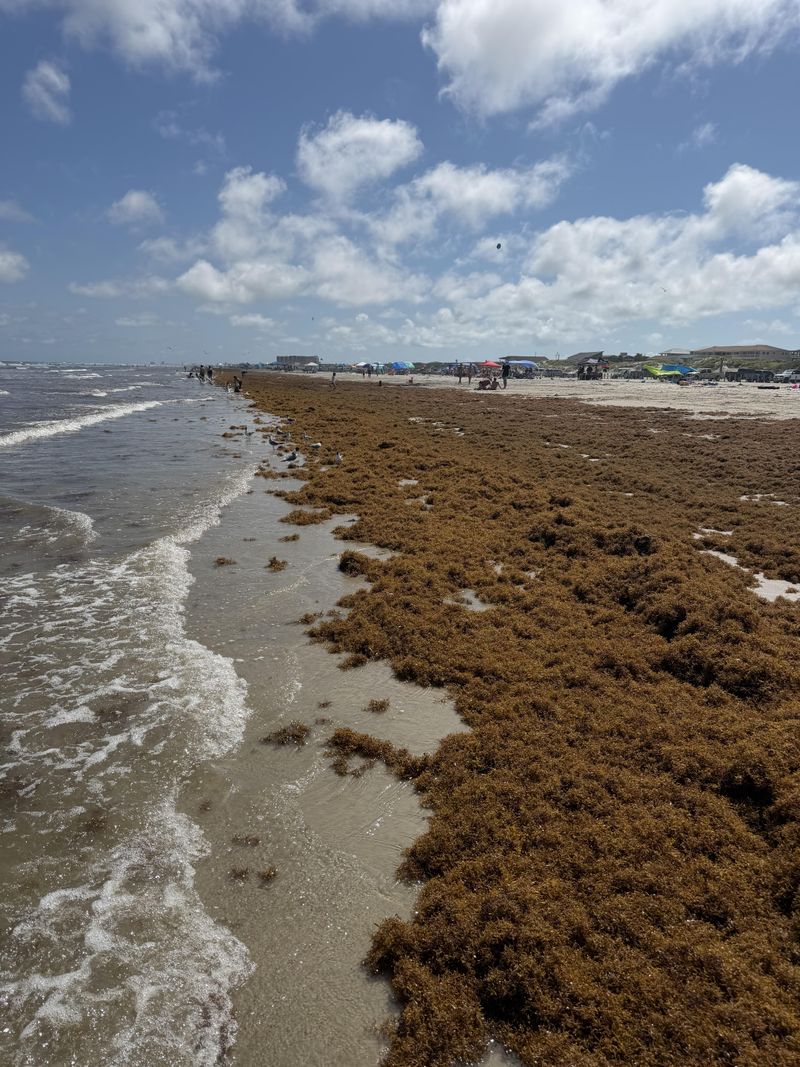
Unlike South Padre’s spring break chaos or Galveston’s urban sprawl, this fishing village turned beach town maintains an easygoing vibe that feels authentic rather than manufactured. Golf carts outnumber regular cars on many streets, and bare feet are considered perfectly acceptable footwear almost everywhere.
The fishing here ranks among Texas’s best, with deep-sea charters leaving daily for red snapper, kingfish, and marlin. Locals crowd the jetties at sunrise with rods and tackle boxes, happy to share tips with newcomers who ask respectfully. The town’s seafood restaurants serve catches so fresh they were swimming that morning, prepared simply because great fish doesn’t need fancy sauces.
Beach access remains gloriously easy compared to other coastal spots. Free public beaches stretch for miles, and you can drive right onto the sand in designated areas. Families set up camp for the day with coolers and canopies, while surfers wait patiently for decent swells that occasionally roll in.
Birding enthusiasts flock here during migration seasons when thousands of species pass through. The observation tower at the nature preserve offers panoramic views of marshlands where roseate spoonbills and other colorful birds gather. You don’t need expensive equipment or expert knowledge to appreciate the spectacle.
Hurricane Harvey devastated Port Aransas in 2017, but the community rebuilt with remarkable resilience. That spirit shows in how locals support each other and welcome visitors without the pretense found in resort towns. Summer crowds do arrive, but even then, you can find quiet stretches of beach and restaurants where conversation flows easily.
Port Aransas succeeds by staying true to its fishing village roots while offering just enough amenities to keep visitors comfortable and coming back year after year.
3. Jefferson
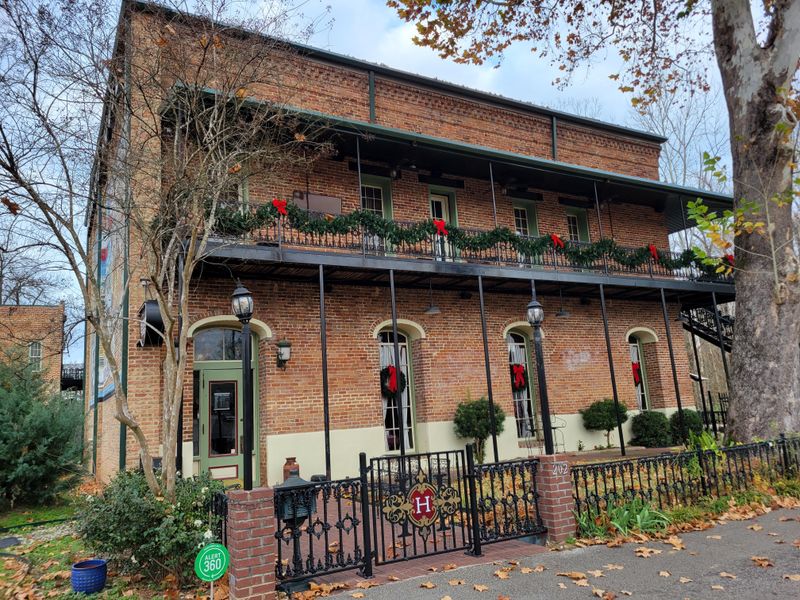
In the 1800s, the town flourished as a major riverport, with steamboats carrying cotton and other goods along Big Cypress Bayou to markets beyond Texas. The railroad bypassed the town in the 1870s, and Jefferson essentially froze in time while other cities modernized. That twist of fate created one of Texas’s best-preserved historic districts, where Victorian architecture lines streets that look much like they did 150 years ago.
Ghost stories swirl around nearly every historic building here. Hotels and bed-and-breakfasts advertise their resident spirits as features rather than problems, and ghost tours lead curious visitors through dimly lit rooms where unexplained phenomena reportedly occur regularly. Whether you believe in paranormal activity or not, the atmospheric old buildings create an undeniably spooky ambiance after dark.
Antique shopping here goes beyond typical tourist trinkets. Serious collectors travel from across the country to hunt through Jefferson’s dozens of shops packed with genuine vintage finds. You might discover authentic Civil War artifacts, Victorian furniture, or rare books tucked between more common items.
Haggling is expected, and shop owners often know the provenance of their more interesting pieces.
Cypress bayou tours glide through waters draped with Spanish moss, where alligators sun themselves on logs and herons hunt in the shallows. The swampy landscape feels more Louisiana than typical Texas, creating an ecosystem unlike anywhere else in the state. Sunset tours offer particularly magical moments as golden light filters through ancient cypress trees.
The town’s size means you can walk everywhere, and locals still gather at the same cafes and diners their grandparents frequented. Jefferson doesn’t manufacture its historic charm for tourists. The preservation happened organically because the community valued its past even when that past seemed economically disadvantageous.
Modern visitors benefit from that choice, experiencing a Texas town that escaped the homogenization affecting so many other places.
4. Boerne
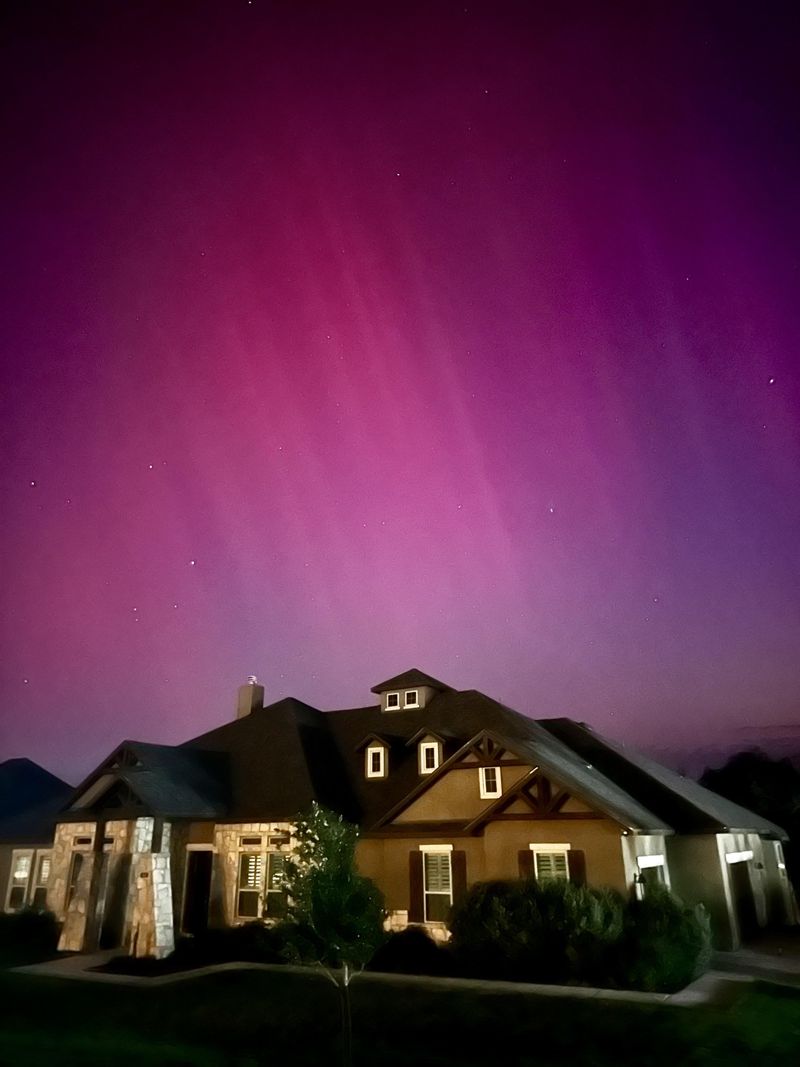
German immigrants settled Boerne in the mid-1800s, bringing Old World traditions that still flavor the town’s character. The main street curves through the historic district under massive live oak trees that provide natural shade for window shoppers and cafe diners. Local boutiques occupy buildings that once served as mercantiles and banks, their limestone facades weathered but sturdy.
Hill Country scenery surrounds Boerne on all sides, with rolling terrain covered in cedar, oak, and wildflowers during spring. Cibolo Nature Center offers easy walking trails along the creek, where kids can spot turtles, fish, and countless bird species. The preserve teaches visitors about the delicate Edwards Aquifer ecosystem that provides water to millions of Texans downstream.
Cave Without a Name ranks among Texas’s most beautiful caverns, with formations that rival more famous caves elsewhere. The name came from a contest where a young boy said it was too pretty to have a name, and the owners ran with that charming logic. Tours descend into cathedral-like chambers filled with stalactites, stalagmites, and flowstone that took millennia to form.
Boerne’s restaurant scene punches above its weight class, with farm-to-table spots and authentic German beer gardens competing for attention. The breweries here craft excellent beer using Hill Country water, and their outdoor spaces fill with locals and visitors on pleasant evenings. Live music happens somewhere almost every weekend, usually featuring Texas country or Americana acts.
The town balances growth carefully, adding new amenities without sacrificing the small-town atmosphere that makes it special. Traffic rarely gets heavy, and parking downtown stays manageable even during peak tourist seasons. Boerne sits close enough to San Antonio for an easy day trip, but far enough away to feel like a genuine escape.
Residents take pride in their community without being unwelcoming to newcomers, creating an atmosphere that feels both relaxed and vibrant at once.
5. Marfa
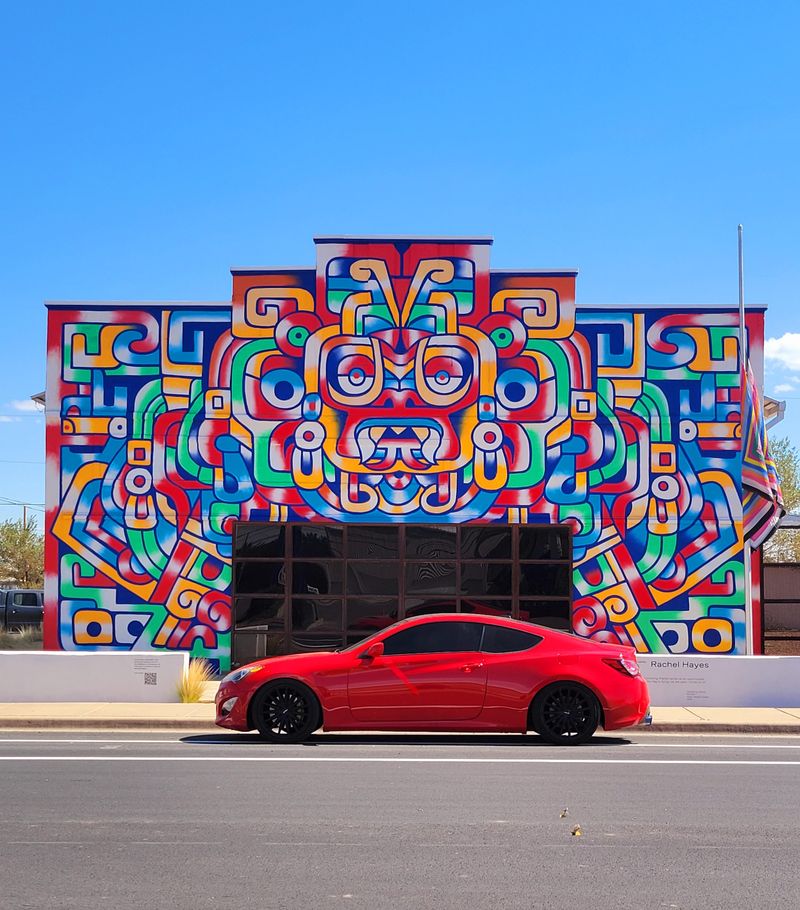
Artist Donald Judd transformed this remote ranching town into an unlikely art destination in the 1970s, installing massive minimalist sculptures that interact with the surrounding environment. His legacy attracted other artists, galleries, and creative types who appreciated the isolation and dramatic scenery.
The mysterious Marfa Lights have puzzled observers for over a century. These unexplained glowing orbs appear on the horizon on clear nights, dancing and splitting in ways that defy easy explanation. Scientists propose various theories involving atmospheric conditions and refracted light, but no one has definitively solved the mystery.
A viewing platform outside town fills with hopeful watchers on most evenings.
Downtown Marfa occupies just a few blocks, yet packs in an impressive concentration of galleries, boutiques, and restaurants serving unexpectedly sophisticated food. The juxtaposition of high art and cowboy culture creates a unique vibe found nowhere else in Texas. You might see ranchers in dusty boots sharing coffee shop space with artists discussing installation concepts.
Hotel options range from restored historic buildings to minimalist boutique properties that embrace the desert aesthetic. Prices run higher than you’d expect for such a remote location, but the experience justifies the cost for many visitors. Booking ahead is essential, especially during art events when the tiny town’s capacity gets overwhelmed.
Marfa’s remoteness is part of its appeal. The nearest major city sits hours away, forcing visitors to slow down and engage with the environment rather than rushing through. Night skies here reveal countless stars invisible in light-polluted areas, and the silence can feel almost profound after living with constant urban noise.
The town doesn’t cater to everyone, and some visitors find it too quiet or pretentious, but those who connect with Marfa’s singular character often return repeatedly, drawn by landscapes and creativity that exist nowhere else.
6. Salado
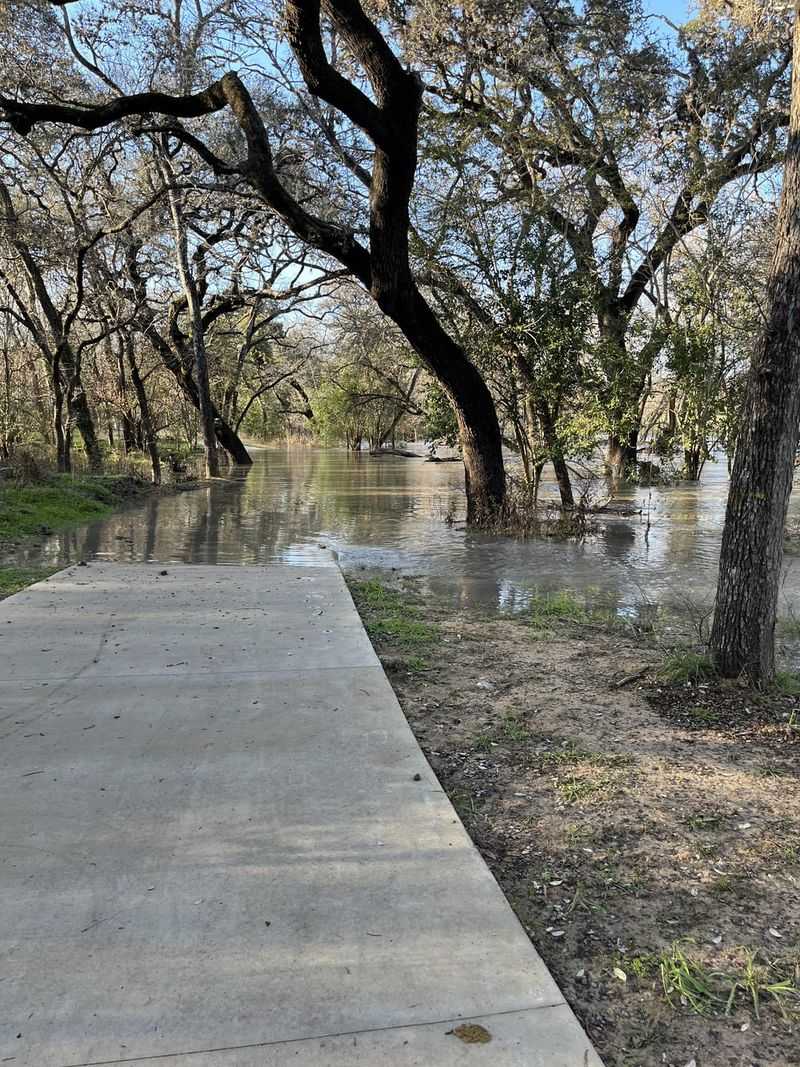
Salado Creek flows through the center of this village, creating a green corridor that attracted settlers in the 1850s. The sound of running water provides a constant backdrop as you explore the compact downtown area packed with galleries, shops, and restaurants. Shaded paths along the creek invite leisurely walks between browsing sessions, and ducks paddle in shallow pools hoping for handouts.
Artist studios and galleries outnumber almost any other type of business here. Local artisans create everything from pottery and paintings to jewelry and sculptures, often working in open studios where visitors can watch the creative process. The quality ranges from amateur to genuinely impressive, and prices reflect that spectrum.
Salado’s art scene developed organically over decades rather than being manufactured for tourism.
The Stagecoach Inn has welcomed travelers since the 1860s, when it served as a stop on the route between Austin and points north. The historic building still operates as a restaurant and event space, serving traditional Southern cuisine in rooms that have hosted countless celebrations and gatherings. Ghost stories cling to the old structure, naturally, because every historic Texas building seems to collect such tales.
Central Texas Institute, one of the state’s early colleges, operated in Salado before closing in the 1880s. The commitment to education shaped the town’s character, attracting intellectually curious settlers who valued learning and culture. That legacy persists in the community’s support for arts and preservation efforts that maintain Salado’s distinctive character.
Boutique shopping here focuses on quality over quantity, with stores curating collections rather than stocking mass-produced items. You’ll find handmade soaps, Texas-themed gifts, vintage finds, and upscale home decor that appeals to decorators willing to pay for uniqueness. The village stays busy on weekends but never feels overwhelming, maintaining a peaceful atmosphere even during peak visitation.
Salado succeeds by offering a concentrated experience where you can accomplish a lot in a small area, making it perfect for a half-day excursion or leisurely afternoon escape.
7. Rockport
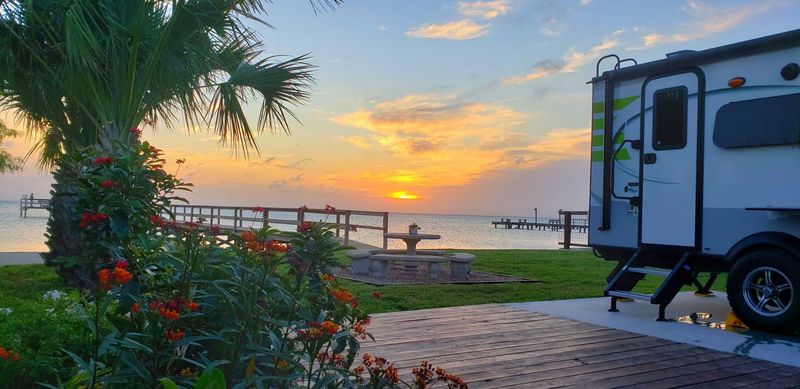
North of Corpus Christi, this coastal town sits along Aransas Bay, where calmer waters offer a gentler alternative to the open Gulf. The harbor fills with shrimp boats and fishing vessels that supply local restaurants with incredibly fresh seafood. Waterfront restaurants let you watch pelicans dive for fish while you crack into boiled shrimp or fried oysters that taste like the ocean.
The Big Tree stands as one of Texas’s most impressive live oaks, estimated at over 1,000 years old. Its massive limbs spread horizontally for impossible distances, creating a natural canopy that shades a surprising area. The tree survived Hurricane Harvey and countless other storms, serving as a living monument to resilience.
Locals consider it a town landmark worth protecting at all costs.
Whooping cranes winter in the nearby Aransas National Wildlife Refuge, drawing birders from around the world. These endangered birds stand nearly five feet tall with distinctive calls that carry across the marshes. Boat tours offer the best viewing opportunities, though spotting the rare birds requires patience and luck.
The refuge protects critical habitat for numerous species beyond the famous cranes.
Art galleries and studios cluster in the downtown area, showcasing coastal landscapes and wildlife paintings that capture the region’s natural beauty. The town has cultivated a reputation as an arts community, hosting festivals and events that celebrate local creativity. Quality varies, but several galleries feature work that deserves serious attention from collectors.
Rockport’s beaches lack the pristine white sand of some coastal destinations, but they offer something better: accessibility and authenticity. Families spread out with fishing poles and beach toys without fighting crowds for space. The water stays shallow for a long distance, making it safe for kids to wade and play.
Hurricane Harvey hit Rockport directly in 2017, causing devastating damage that the community continues recovering from. The rebuilding process strengthened community bonds, and locals take pride in how they’ve restored their town. That resilience shows in the welcoming attitude toward visitors and the determination to preserve what makes Rockport special despite nature’s occasional fury.
8. Wimberley
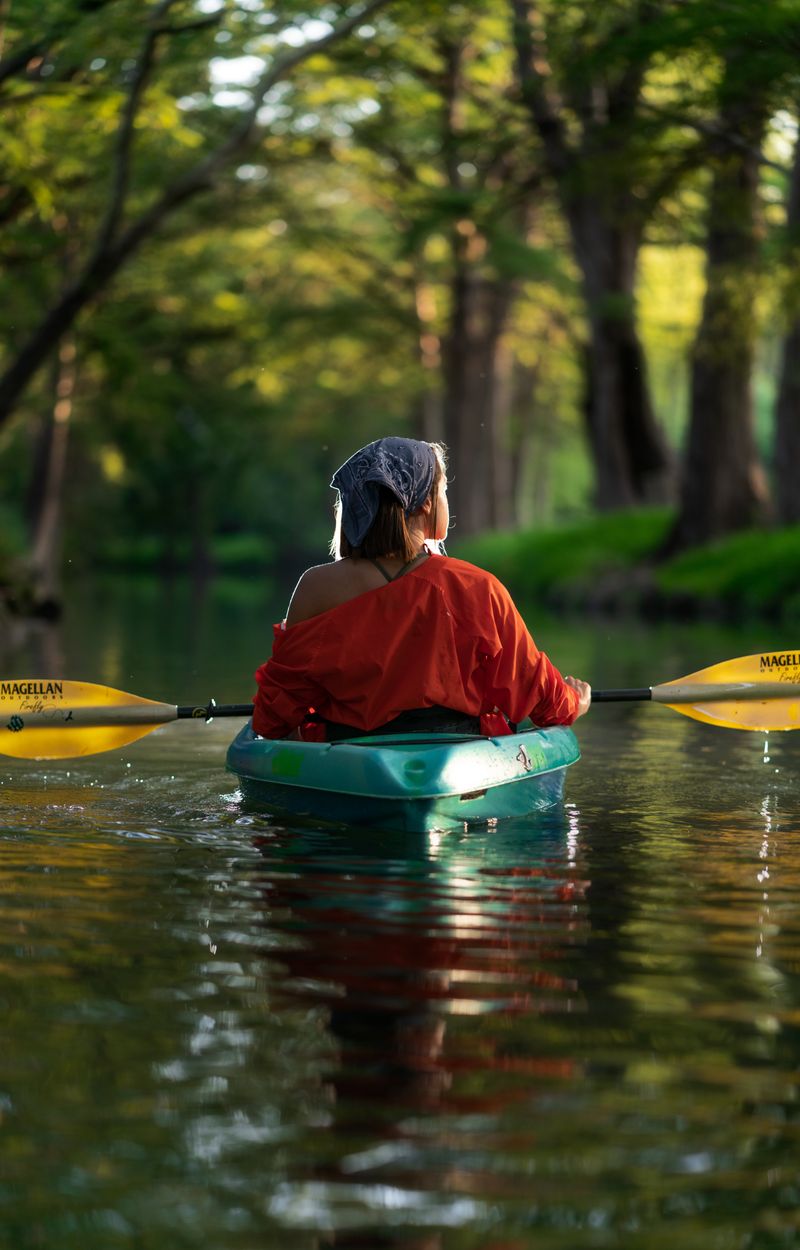
Cypress Creek winds through Wimberley, creating natural swimming holes that locals guard jealously. Blue Hole stands as the most famous, though access stays restricted to preserve the delicate ecosystem. Jacob’s Well draws more visitors, offering a chance to swim in incredibly clear spring water that wells up from deep underground.
The temptation to dive into the underwater cave system has proven fatal for several people over the years, so safety rules are strictly enforced.
Market Days happen the first Saturday of each month, transforming the small town into a shopping destination that attracts thousands. Vendors spread across multiple acres, selling everything from antiques and art to food and handmade crafts. Serious shoppers arrive early before the best items get claimed, and parking becomes a strategic challenge.
The event has run for decades, becoming a Hill Country tradition that supports local artisans and small businesses.
The town square maintains a deliberately rustic character, with buildings that look weathered and lived-in rather than Disney-fied. Local shops sell home decor, clothing, and gifts with a distinctly Texas aesthetic. Restaurants range from barbecue joints to upscale bistros, all taking advantage of the steady tourist traffic without losing their local appeal.
Pioneer Town recreates an Old West village with historic buildings moved from across the region. Kids love exploring the old structures and imagining frontier life, while adults appreciate the preservation effort. The site hosts events and gatherings that bring the community together, serving purposes beyond simple tourism.
Wimberley’s location in the heart of Hill Country means stunning drives in every direction, especially during wildflower season. The Devil’s Backbone scenic highway offers panoramic views from the ridge, revealing layer after layer of rolling hills stretching to the horizon. Fall colors come late here compared to northern states, but the change from summer green to autumn gold still impresses.
Real estate prices have climbed as Austin sprawls closer, but Wimberley resists becoming just another suburb. Locals fight to maintain the small-town character that makes the area special, even as growth pressures increase. That tension between preservation and progress defines many conversations in town, with most residents agreeing that Wimberley’s charm lies in what it hasn’t become rather than what it might be.
9. Alpine
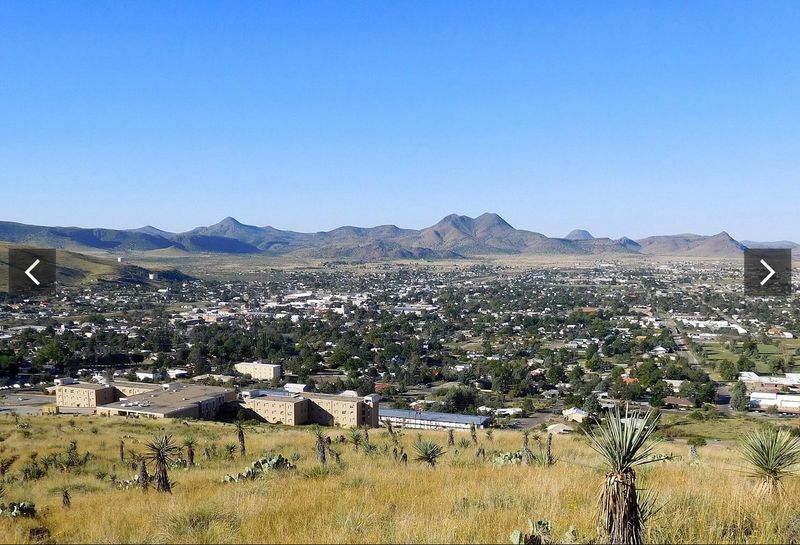
Alpine sits at 4,500 feet elevation in the Davis Mountains, where cooler temperatures and mountain scenery create a welcome contrast to typical Texas landscapes. Sul Ross State University anchors the town, bringing students and cultural events to this remote location. The college’s Museum of the Big Bend houses impressive collections of regional artifacts and art that tell West Texas stories often overlooked elsewhere.
The night sky above Alpine ranks among the darkest in the lower 48 states, making it a paradise for astronomers and stargazers. McDonald Observatory operates nearby, offering public programs where visitors can peer through research-grade telescopes at distant galaxies and nebulae. The star parties attract enthusiasts who set up their own equipment in fields around town, sharing views and knowledge with anyone interested.
Downtown Alpine stretches along several blocks of Holland Avenue, where historic buildings house restaurants, shops, and galleries. The architecture reflects the town’s railroad heritage, when Alpine served as a division point for trains crossing West Texas. Some buildings show their age in charming ways, while others have been carefully restored to serve modern purposes while honoring their past.
Hiking opportunities abound in the surrounding mountains and desert. Trails range from easy walks to challenging scrambles up rocky peaks that reward effort with expansive views. The Chihuahuan Desert ecosystem supports surprising biodiversity, with plants and animals adapted to harsh conditions that would kill species from wetter climates.
Spring wildflowers carpet the desert floor in good rain years, creating displays that rival more famous locations.
Alpine’s remoteness means limited dining and shopping options compared to bigger towns, but what exists serves residents and visitors well. The local grocery store stocks essentials, and restaurants cover Mexican food, burgers, and basic American fare competently if not spectacularly. Coffee shops provide gathering spaces where ranchers, students, and tourists mix naturally.
The town serves as a base for exploring Big Bend National Park and other West Texas attractions, though Alpine deserves more than just a fuel stop. The combination of mountain scenery, dark skies, and genuine frontier character creates an experience distinctly different from typical Texas destinations, appealing to travelers seeking authenticity over amenities.
10. Fredericksburg
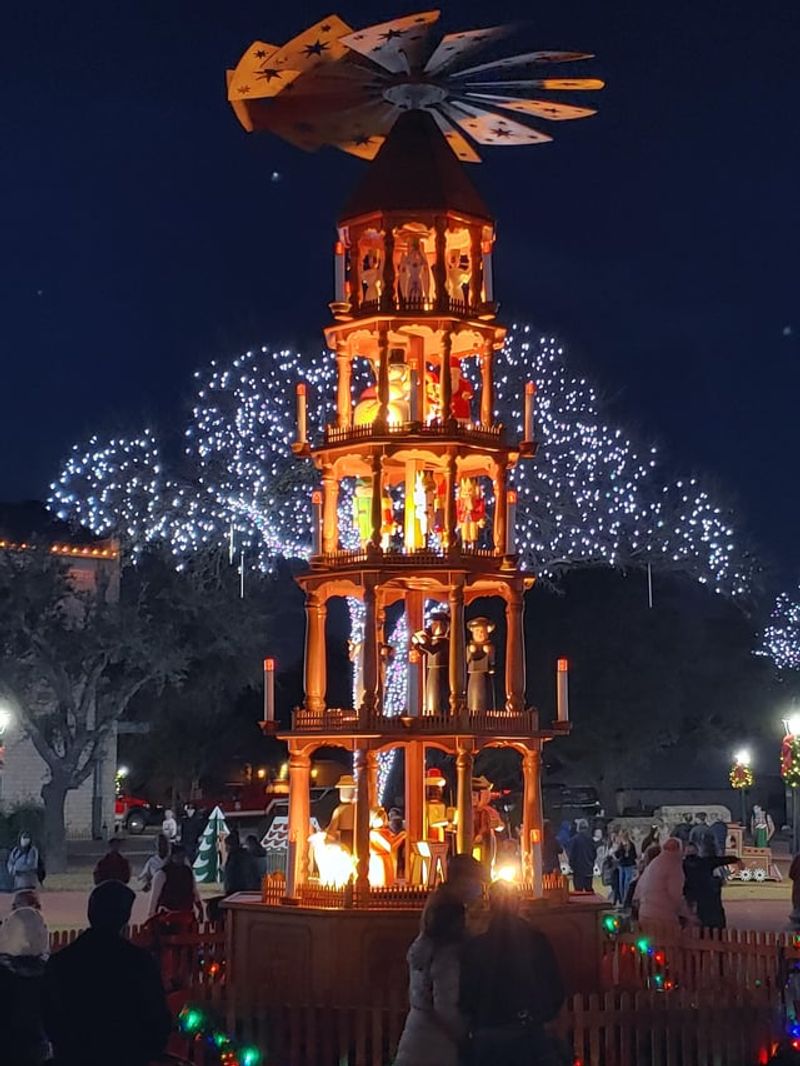
German heritage defines Fredericksburg’s identity, from the architecture lining Main Street to the bakeries selling authentic strudel and pretzels. Settlers arrived in the 1840s, establishing farming communities that prospered despite the challenging environment. The German influence remains strong generations later, celebrated through festivals, food, and preservation of historic buildings that showcase Old World craftsmanship.
Main Street stretches for blocks, packed with shops, galleries, and restaurants that draw weekend crowds from San Antonio and Austin. Wine tasting rooms offer samples from the dozens of wineries operating in the surrounding Hill Country, turning Fredericksburg into Texas’s unofficial wine capital. The shopping leans heavily toward home decor and gifts, with prices reflecting the tourist traffic that keeps businesses thriving.
The National Museum of the Pacific War honors Admiral Chester Nimitz, a Fredericksburg native who commanded U.S. forces in the Pacific during World War II. The museum complex sprawls across multiple buildings and outdoor exhibits, including a restored Pacific combat zone. The quality and scope rival major military museums in much larger cities, offering sobering reminders of sacrifice and heroism.
Enchanted Rock State Natural Area rises dramatically from the surrounding terrain, its pink granite dome visible for miles. Hiking to the summit requires moderate effort but rewards climbers with 360-degree views of Hill Country. The rock formation holds spiritual significance for Native Americans who inhabited the area for thousands of years before European settlement.
Reservations are required on busy weekends when parking lots fill to capacity.
Bed and breakfasts outnumber chain hotels, many occupying historic homes or Sunday Houses built by German farmers who needed town lodging for weekend church services. Modern B&Bs range from romantic getaways to family-friendly properties, all capitalizing on Fredericksburg’s reputation as a Hill Country destination.
The town gets crowded during peak seasons and special events, with traffic and parking becoming genuine challenges. Locals sometimes avoid Main Street on weekends, heading to quieter spots while tourists pack the downtown. Despite the crowds, Fredericksburg maintains its charm through careful preservation and community pride in its unique heritage and Hill Country setting.
11. Nacogdoches
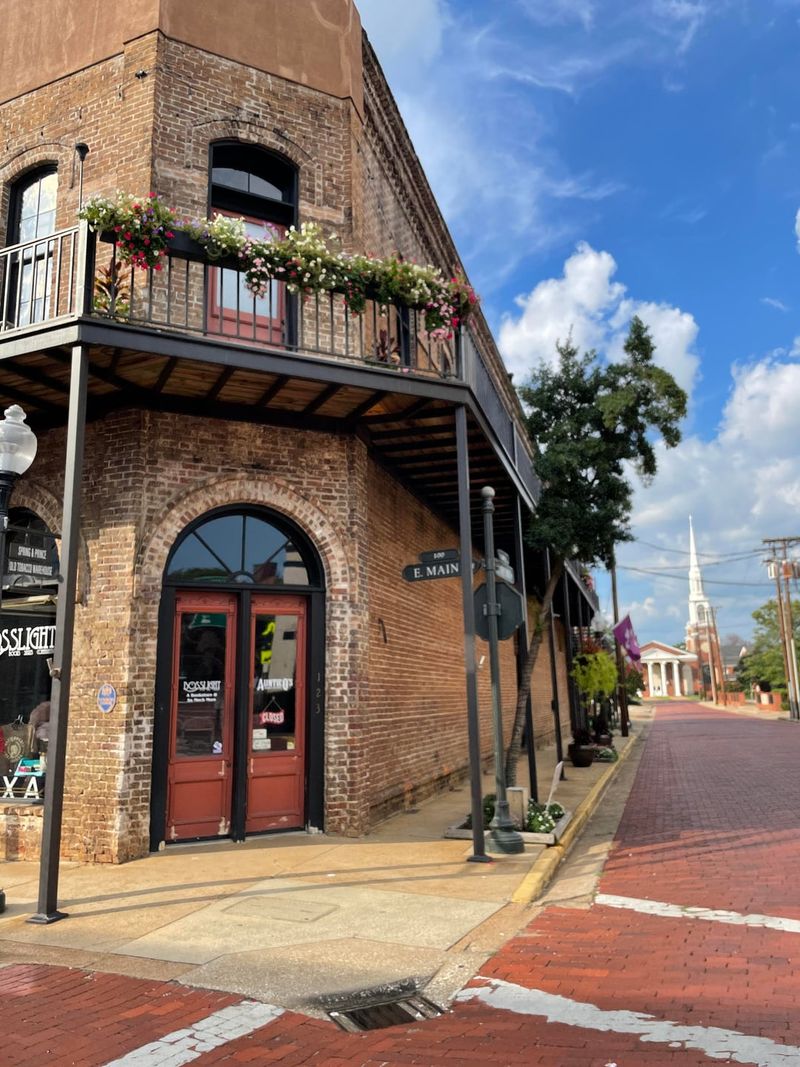
Known as Texas’s oldest town, this historic East Texas destination traces its roots back centuries before Texas independence. The Spanish established missions here in the early 1700s, and the town played roles in various conflicts and political movements throughout Texas history. That deep history permeates the town, visible in old buildings and markers commemorating events most Texans have forgotten.
Stephen F. Austin State University brings energy and youth to this East Texas town, supporting cultural events, sports, and educational opportunities that benefit the broader community. The campus features attractive brick buildings and green spaces that invite walking.
University museums and galleries offer free admission and rotating exhibits that showcase student work alongside professional collections.
East Texas scenery differs dramatically from the rest of the state, with pine forests and rolling terrain that feels more Southern than Western. Moss-draped trees line country roads, and the humidity reminds you that Louisiana sits just miles away. The Sam Rayburn Reservoir provides fishing, boating, and water recreation that attracts visitors from across the region.
Downtown Nacogdoches centers on a historic square where locals still gather for community events and festivals. The buildings surrounding the square house antique shops, local restaurants, and professional offices in structures that have served the community for generations. It’s not polished or touristy, just authentic and functional in ways many Texas towns have lost.
The Texas State Railroad operates vintage trains on scenic routes through the Piney Woods, offering themed rides throughout the year. The diesel and steam locomotives pull restored passenger cars past landscapes that haven’t changed much in decades. Fall foliage rides prove especially popular when the hardwoods add color to the predominantly evergreen forests.
Nacogdoches doesn’t market itself aggressively to tourists, which means visitors who do come often feel like they’re discovering something overlooked. The town lacks the polish and amenities of more developed destinations, but that rough-around-the-edges quality appeals to travelers seeking genuine experiences over manufactured attractions. History buffs and those interested in East Texas culture find plenty to explore, while others might find the town too quiet for their tastes.
12. Granbury
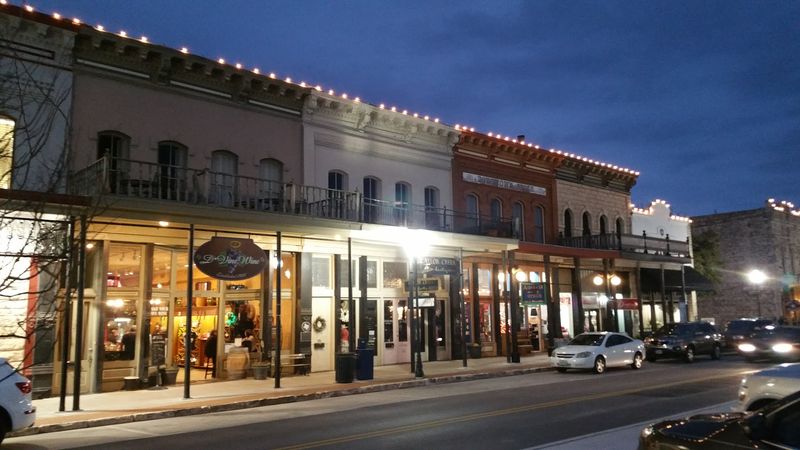
Anchored by its ornate 1891 courthouse, Granbury’s remarkably preserved town square is lined with historic buildings now filled with shops, restaurants, and galleries. The Victorian architecture creates a cohesive aesthetic that feels authentic rather than reconstructed. Locals take obvious pride in their square, maintaining it carefully while allowing modern businesses to operate within the historic structures.
Lake Granbury stretches along the Brazos River, providing waterfront property and recreation opportunities that boost the town’s appeal. The lake attracts retirees and second-home buyers from Dallas-Fort Worth, creating a demographic mix of longtime residents and newcomers. Marinas, boat ramps, and waterfront restaurants cater to the boating crowd, while the lakefront walking trail serves those who prefer to stay on land.
The Granbury Opera House presents live theater in a beautifully restored 1886 building that once hosted traveling shows and vaudeville acts. The current productions range from classic musicals to contemporary comedies, performed by local actors who take their craft seriously. The intimate venue creates a connection between performers and audience that larger theaters can’t match.
Shows sell out regularly, so advance tickets are wise.
Hood County attracts food and wine enthusiasts with several wineries and tasting rooms operating in the surrounding countryside. The local wine industry has grown significantly in recent years, producing respectable vintages that surprise visitors expecting Texas wine to be novelty rather than quality. Vineyard tours and tastings provide pleasant afternoon activities, especially during harvest season when the vines hang heavy with grapes.
Granbury’s location just an hour from Fort Worth makes it popular for day trips and weekend getaways. The proximity to major population centers means the town gets busy on weekends, especially during festivals and special events. Summer heat can be oppressive, but the lake provides cooling relief for those willing to get in the water.
The town balances tourism and local life reasonably well, maintaining enough authenticity that it doesn’t feel like a theme park. Residents still use the square for everyday errands, and local restaurants serve regulars alongside visitors. That mix creates a welcoming atmosphere where tourists feel invited rather than merely tolerated, making Granbury a comfortable destination for those seeking small-town Texas charm within easy reach of urban amenities.
13. Dripping Springs
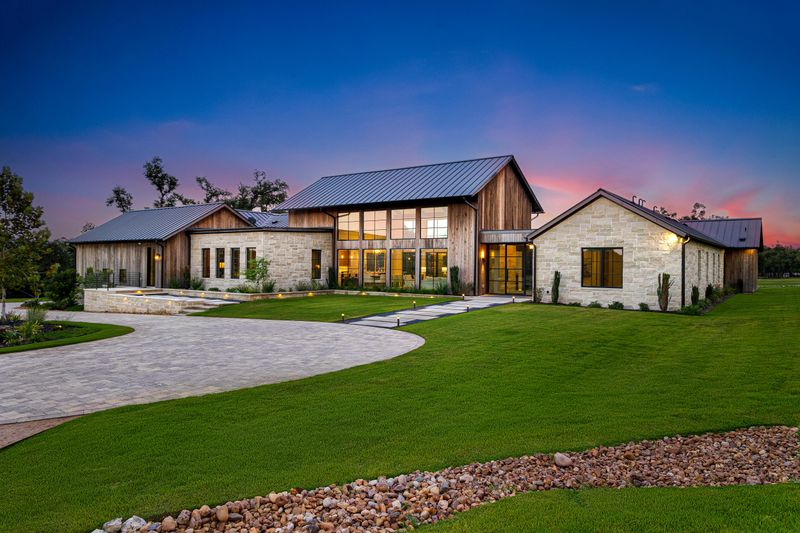
Dripping Springs markets itself as the Wedding Capital of Texas, and venues dot the surrounding Hill Country ready to host ceremonies and receptions. The combination of scenic landscapes, proximity to Austin, and concentration of event spaces makes it a natural choice for couples seeking outdoor Texas weddings. Weekends during spring and fall see processions of wedding parties moving between venues, contributing significantly to the local economy.
The craft beverage industry has exploded here in recent years, with distilleries, breweries, and wineries opening tasting rooms that attract crowds from Austin. Deep Eddy Vodka started here before getting bought by a major corporation, and Treaty Oak Distillery produces award-winning whiskey and gin in a campus that includes a restaurant and event space. The tasting rooms create a Hill Country version of Napa Valley, minus the pretension and with more cowboy boots.
Hamilton Pool Preserve requires reservations months in advance because its stunning natural beauty made it too popular for its own good. The collapsed grotto creates a jade-green pool beneath a waterfall that flows over a limestone overhang draped with ferns and moss. Swimming is allowed when bacteria levels permit, though many visitors come just to photograph the impossibly scenic location.
The preserve limits daily visitors to protect the fragile ecosystem from being loved to death.
Dripping Springs proper remains relatively small, with most development spreading along the highways connecting it to Austin. The town center offers basic services and a few local restaurants, but most of the action happens at the scattered venues and tasting rooms in the surrounding countryside. This spread-out nature means you need a car and a plan rather than being able to walk everywhere.
Growth pressure from Austin’s expansion threatens to transform Dripping Springs from a quiet Hill Country town into another suburb. Long-time residents express mixed feelings about the changes, appreciating economic opportunities while mourning the loss of small-town character. Traffic has increased noticeably, and real estate prices have climbed beyond what many locals can afford.
Despite the challenges, Dripping Springs maintains appeal for visitors seeking Hill Country scenery and craft beverages without driving as far as Fredericksburg. The concentration of distilleries and breweries creates an efficient tasting trail, and the natural areas still offer beautiful escapes when you venture beyond the commercial corridors.
Share this story